April 21, 2026 |
Few areas of our lives are as deeply entangled with the idea of change as fashion. With every passing season, silhouettes shift, trends dissolve and new systems of expression emerge. To participate in fashion is to embrace a state of perpetual transformation. It follows, then, that the industry’s internal frameworks are often shifting, with roles, hierarchies and power dynamics constantly being renegotiated.
Yet in today’s turbulent climate, that typically generative force risks tipping into chaos. Hard-won progress around inclusivity, representation and creative freedom is increasingly met with backlash, as rigid and oppressive ideologies are making a comeback. The question, then, is not whether fashion will evolve, but how? How do we continue to amplify the right voices? How do we safeguard the openness, experimentation and plurality that so positively define what we do? Ultimately, how do we ensure that we change for the best? To map the challenges and possibilities of the present moment, we spoke to figures at the forefront of this shift who are shaping both our taste and the wider structures and responsibilities of the fashion industry today.
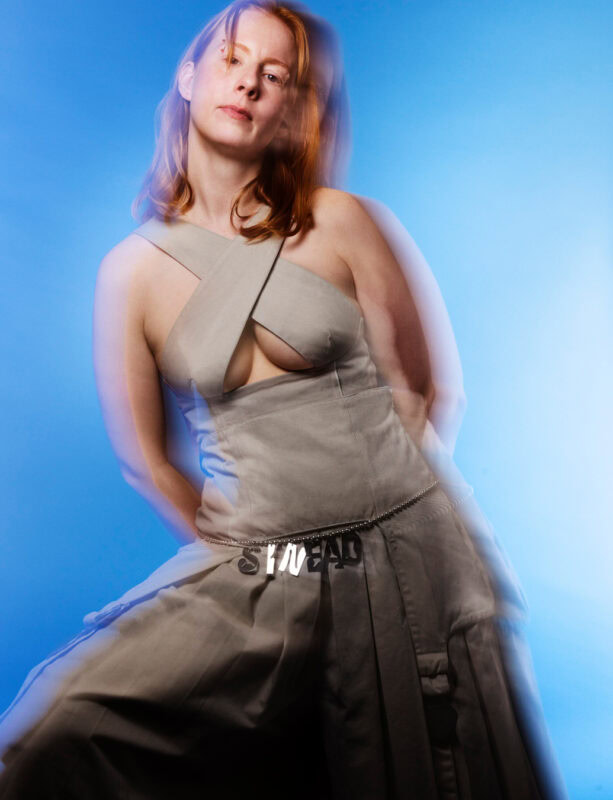
Sinéad O’Dwyer
SINEAD O’DWYER, designer
Despite its rhetoric of liberation and personal expression, the fashion industry is often built around garments designed, quite literally, with restriction in mind. Centred on a handful of sample sizes, typically UK 6 to 10, and reflecting a narrow range of bodies, clothing too often dictates the wearer, not the other way around. Sinéad O’Dwyer, a womenswear designer who thinks like a sculptor, is a vocal advocate for reversing this power dynamic, creating pieces directly informed by the bodies that will wear them. “I take so much inspiration from the shape of the body. Fashion is about the collaboration between the body and clothes, and I think it’s extremely interesting to think about who wears what, and why, and to try to disrupt these ideas.” By putting larger bodies on the catwalk, as well as wheelchair users, O’Dwyer challenges the dysmorphia synonymous with much contemporary ready-to-wear. Casting, then, becomes her most preliminary form of sketching. “What shapes and sizes I’ll tackle next is often casting-based. I’ll meet someone I want to dress and start thinking about what would suit them, and what they’d like,” she says. These encounters happen through street scouting as much as through less traditional corners of the modelling world. As a result, O’Dwyer has used a sample size 20 for her collections, rather than the so-called classic UK 6 or 8. Her commitment to inclusivity is pursued with care and intention. “What’s worked for me is adding a new sample size or category each season. I like building this repertoire of proportions slowly.” Perhaps this measured, persistent approach is exactly what’s needed to create lasting change, particularly as the industry once again shows signs of retreating into rigid ideals.
Photography by Rankin. Taken from 10 Magazine Issue 76 – CREATIVITY, CHANGE, FREEDOM – out NOW. Order your copy here.