May 15, 2026 |
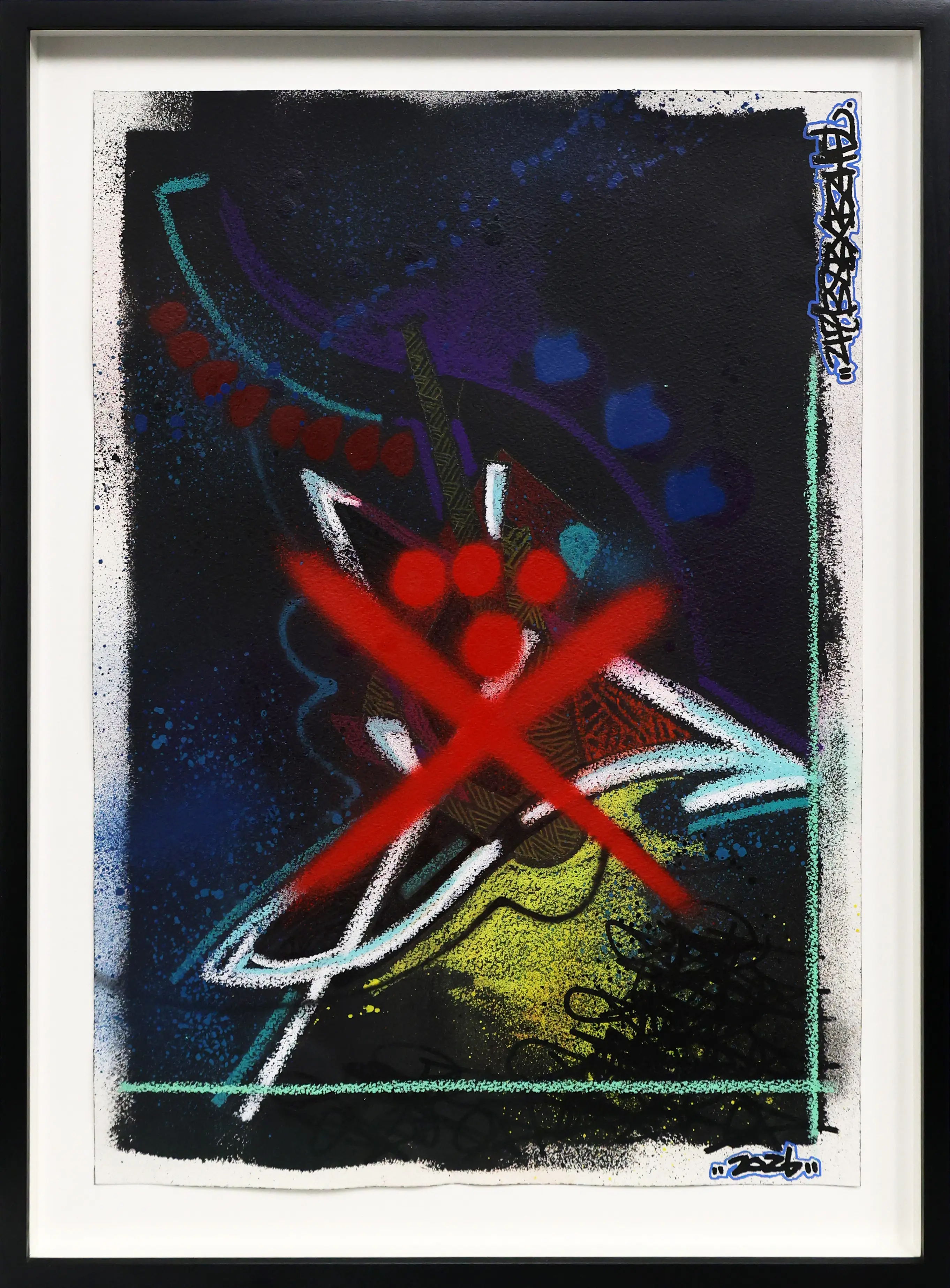
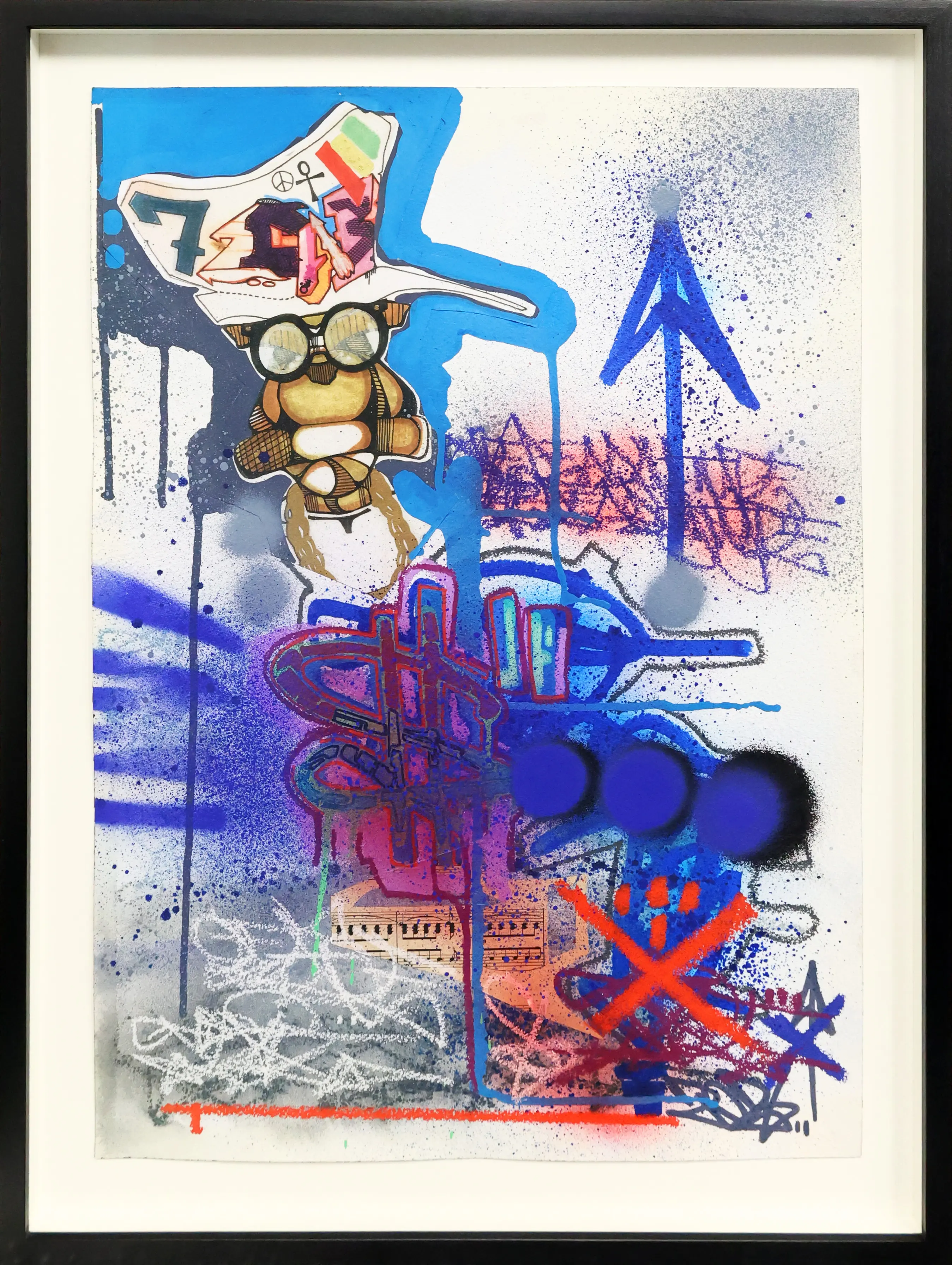
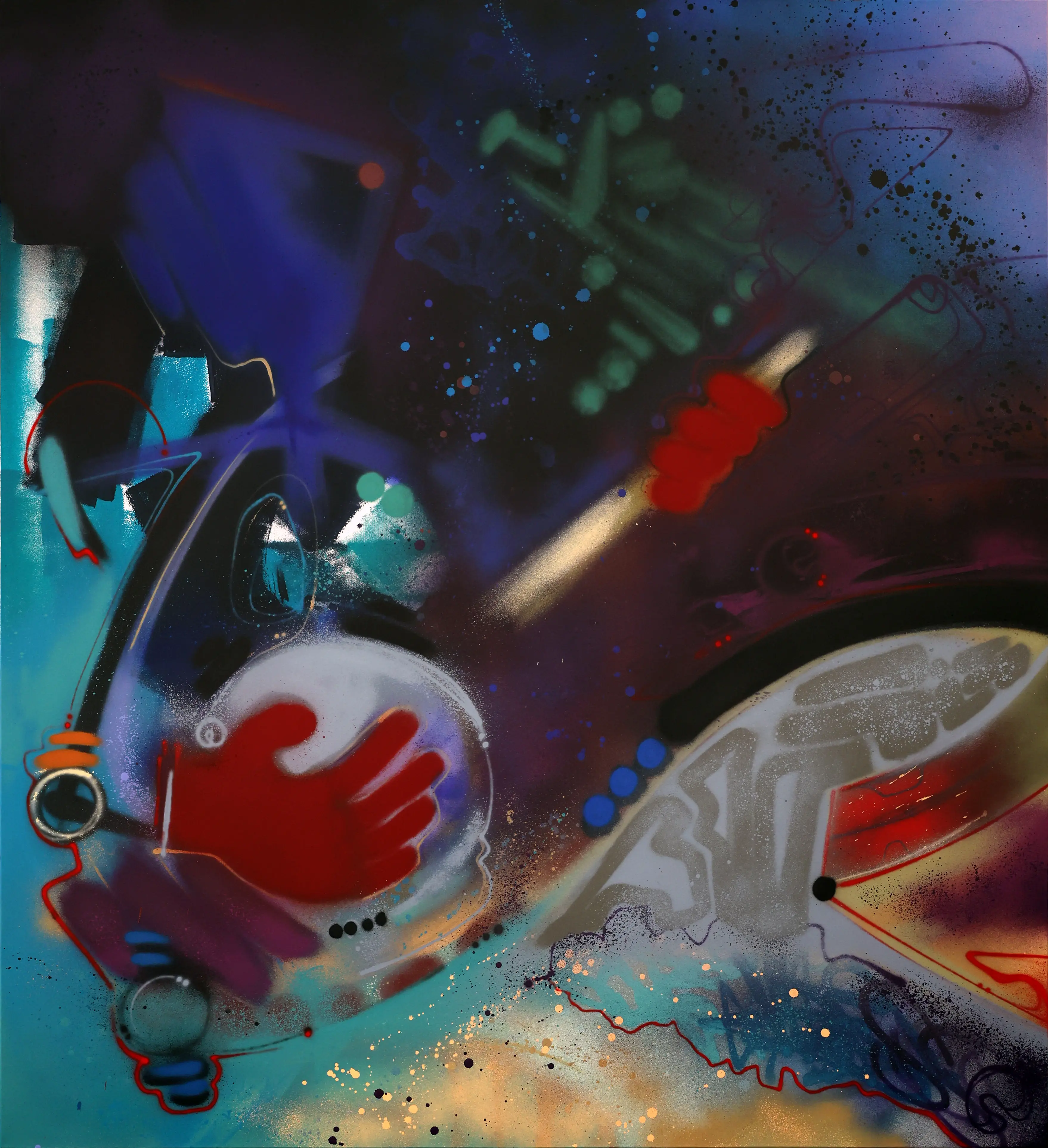
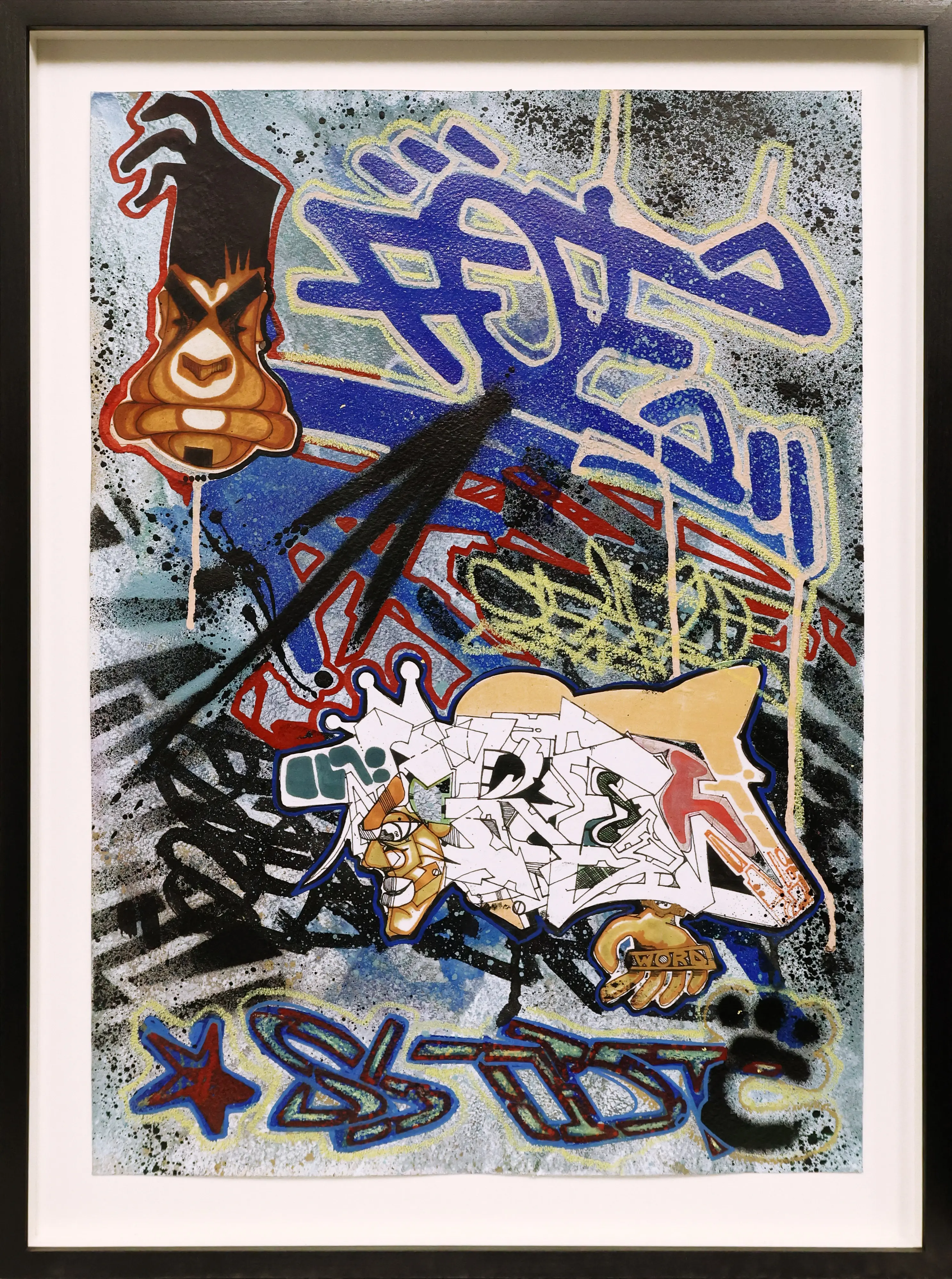
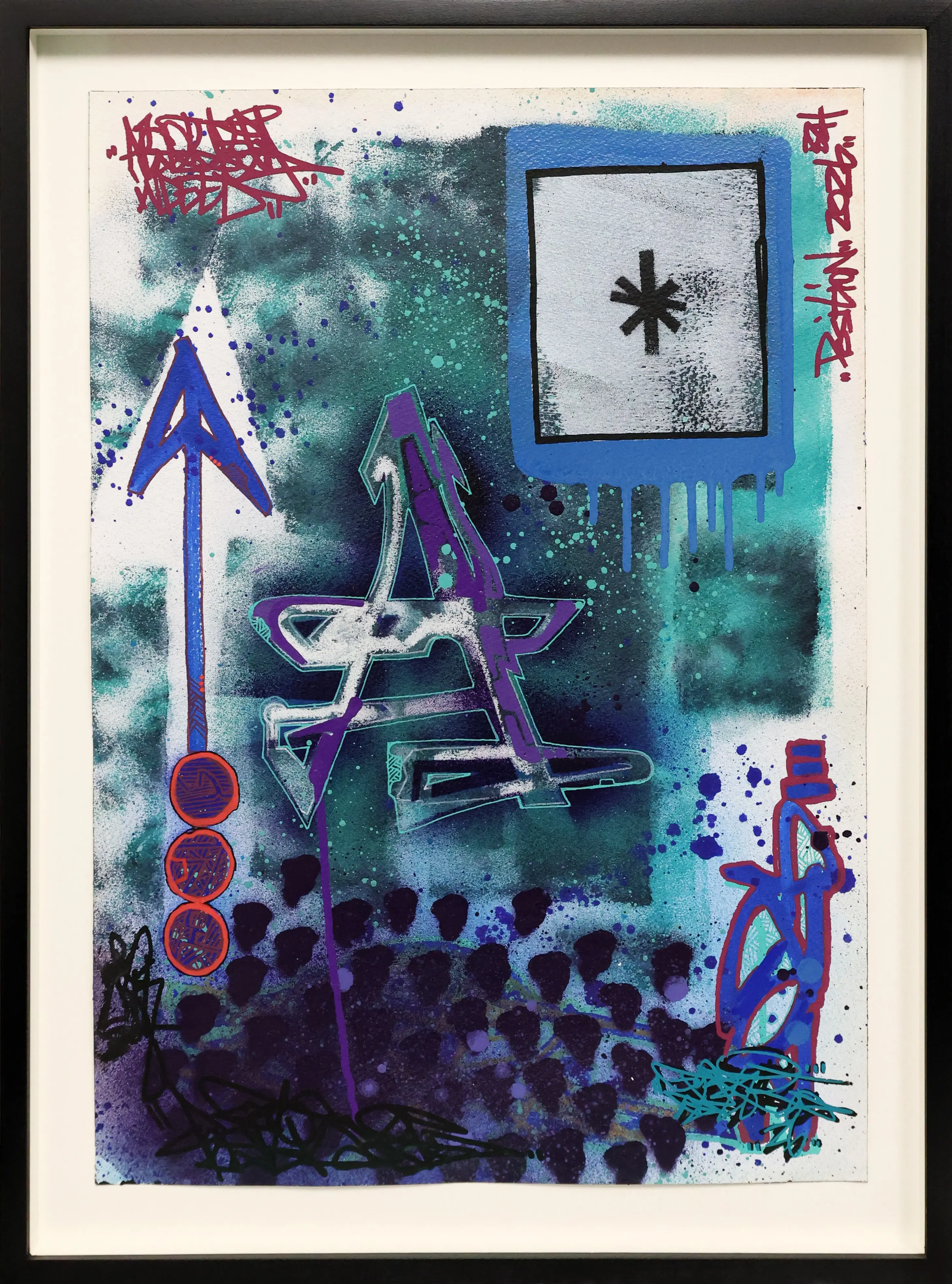
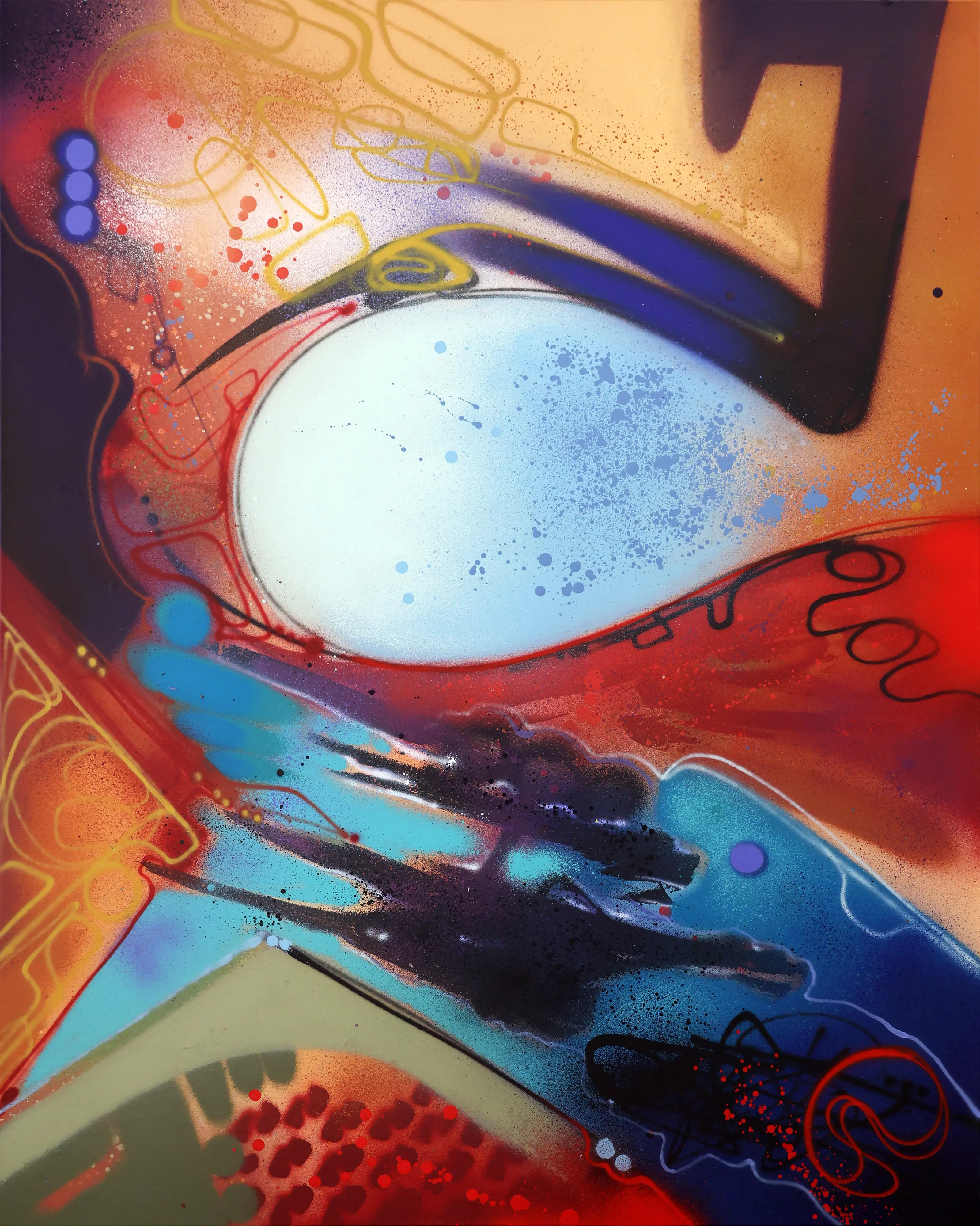
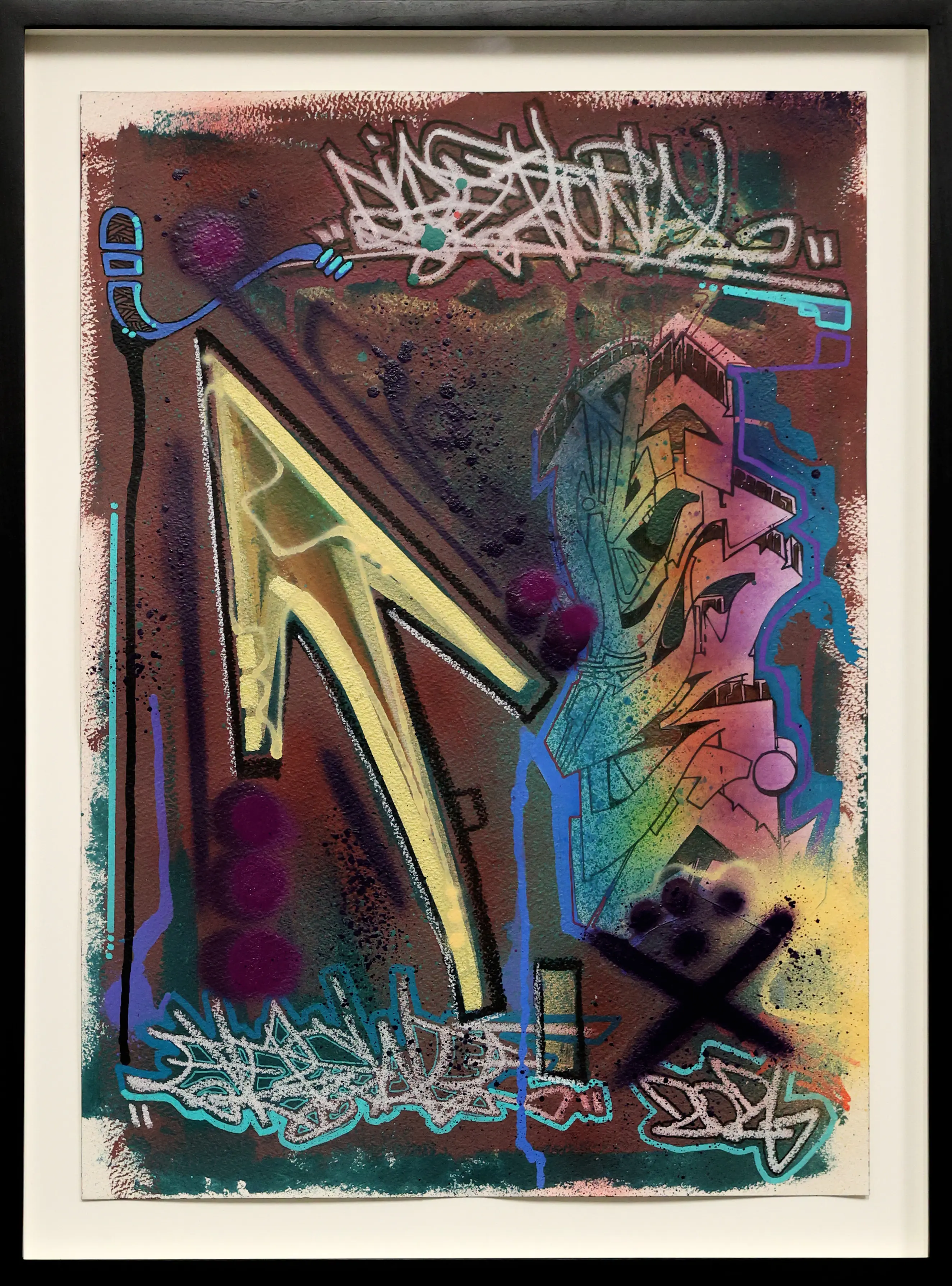
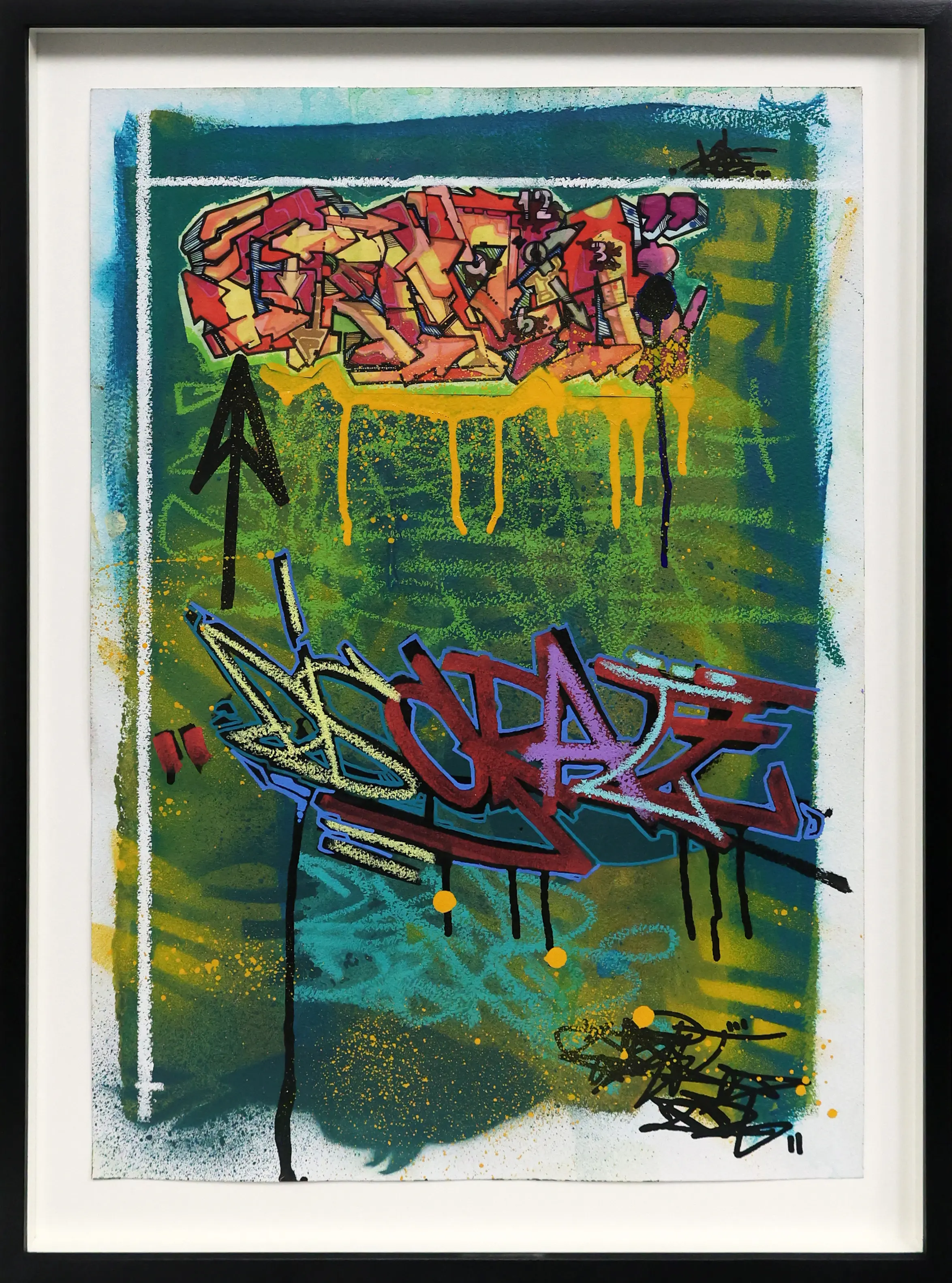
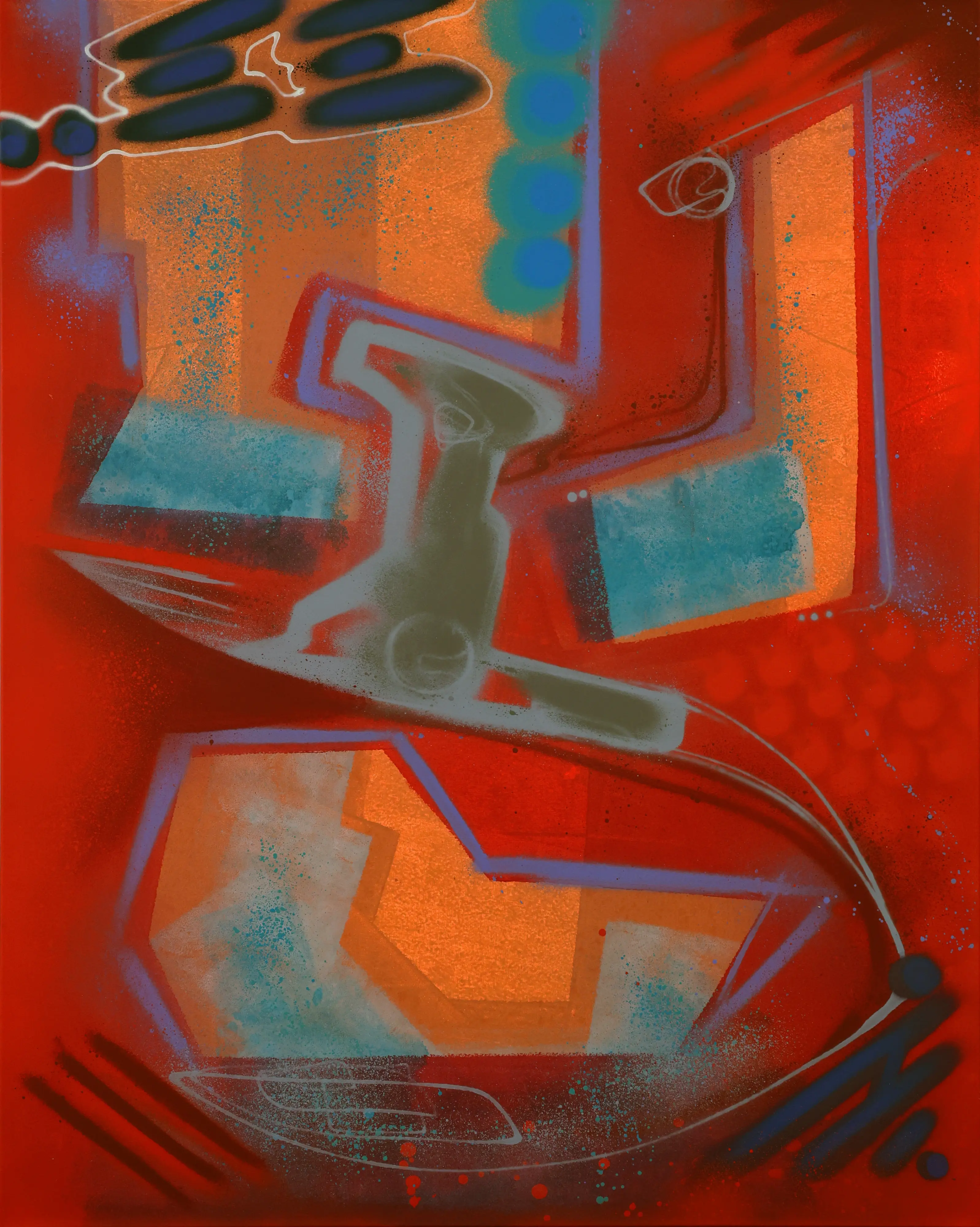
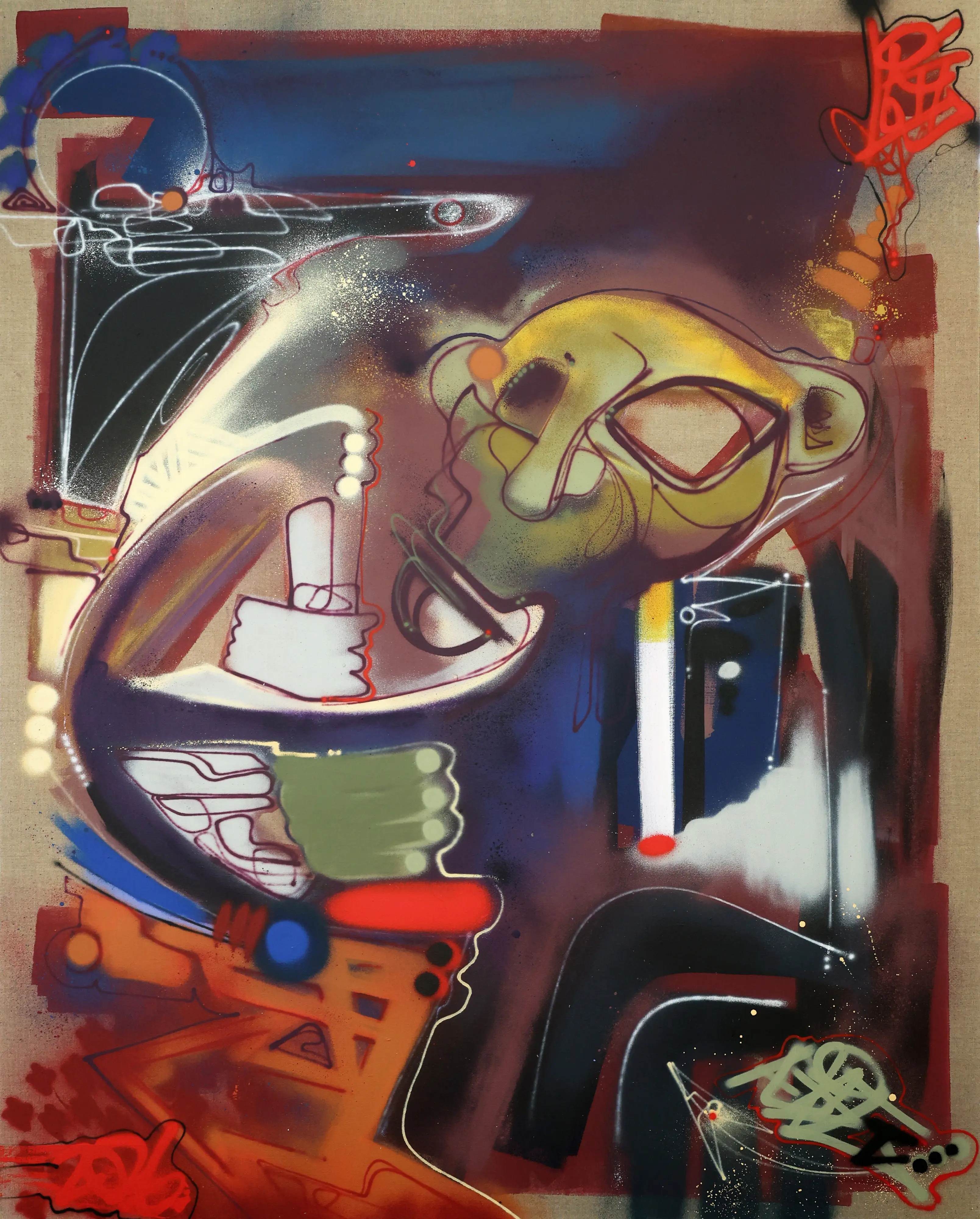
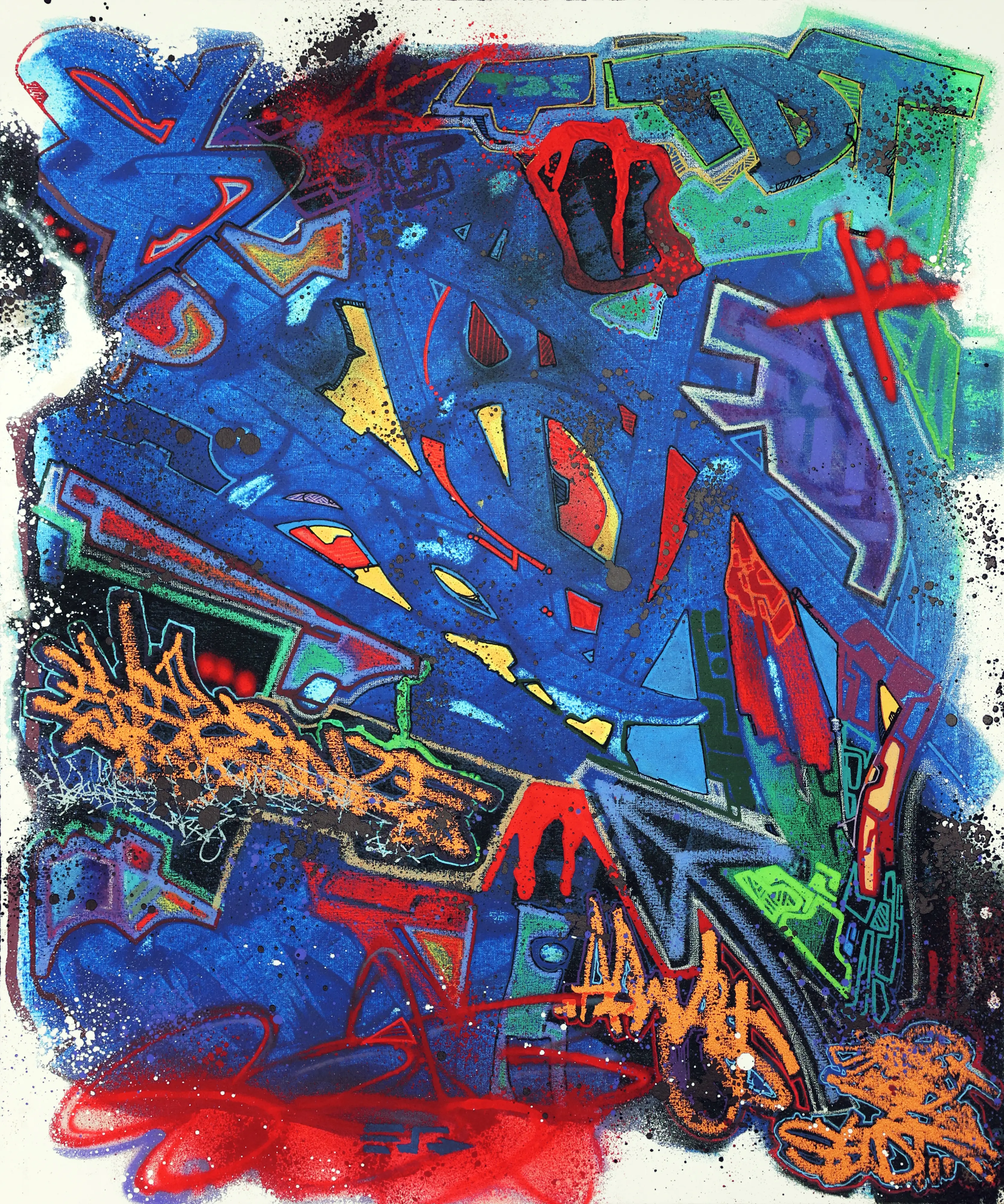
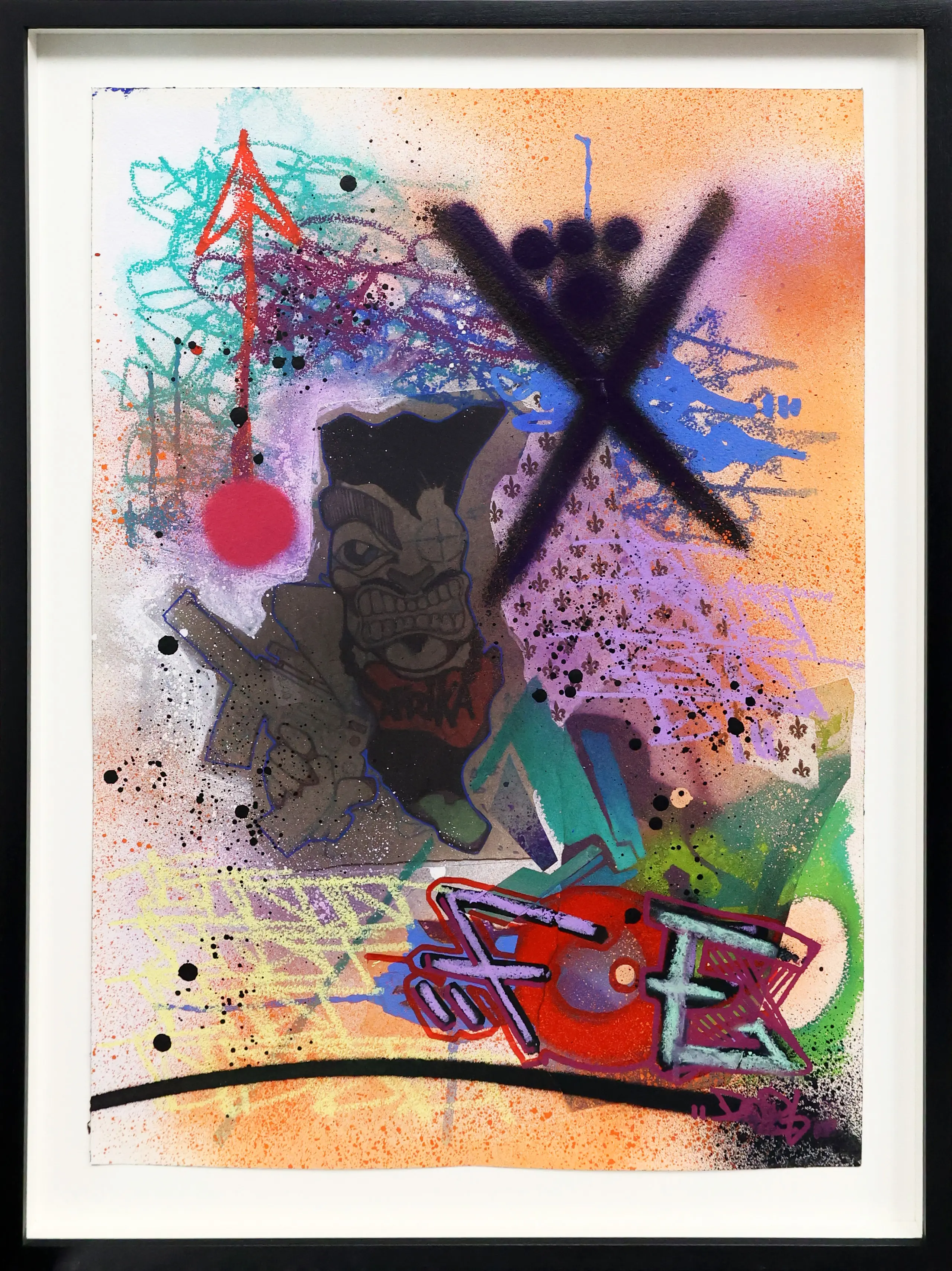
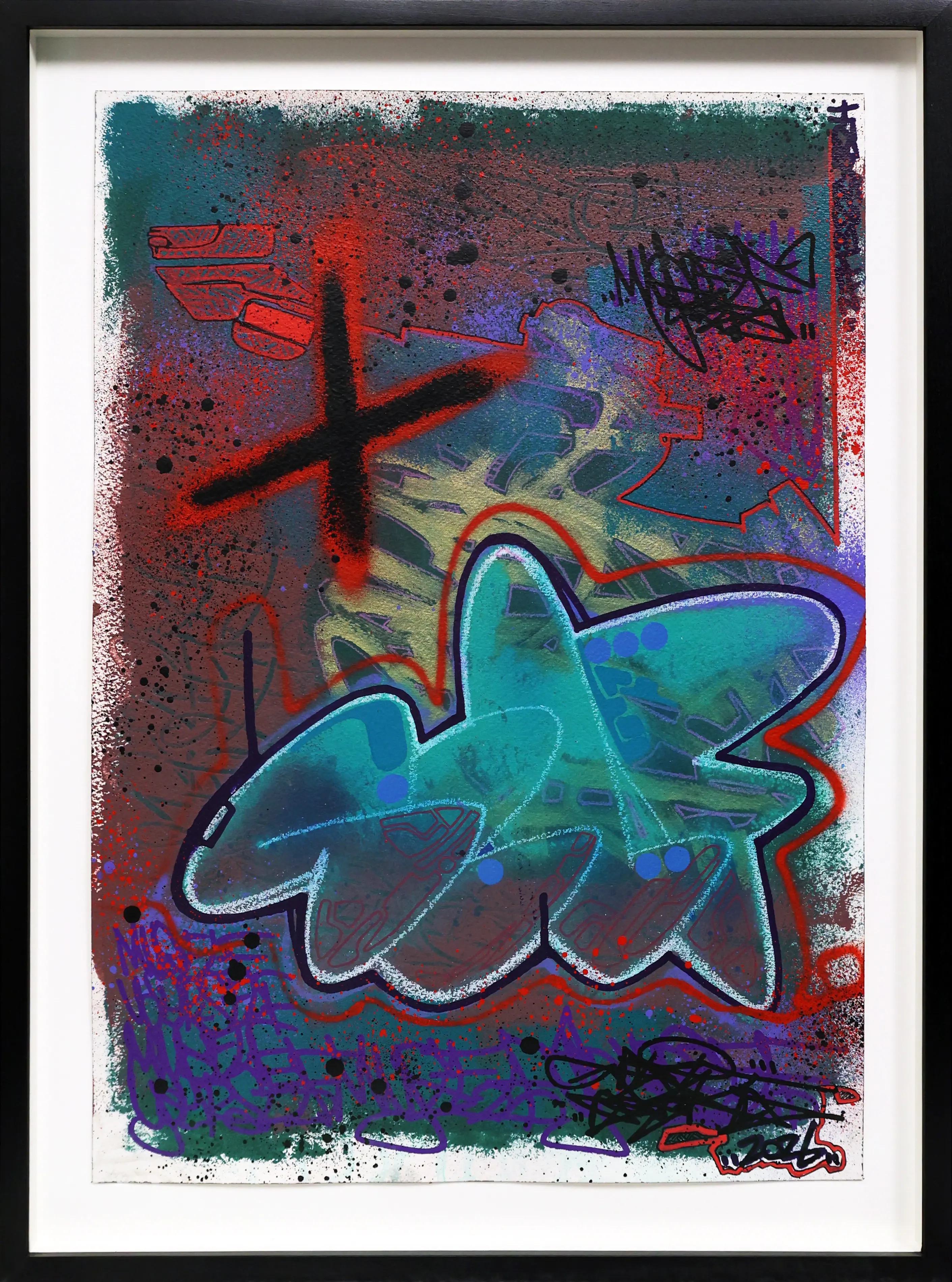
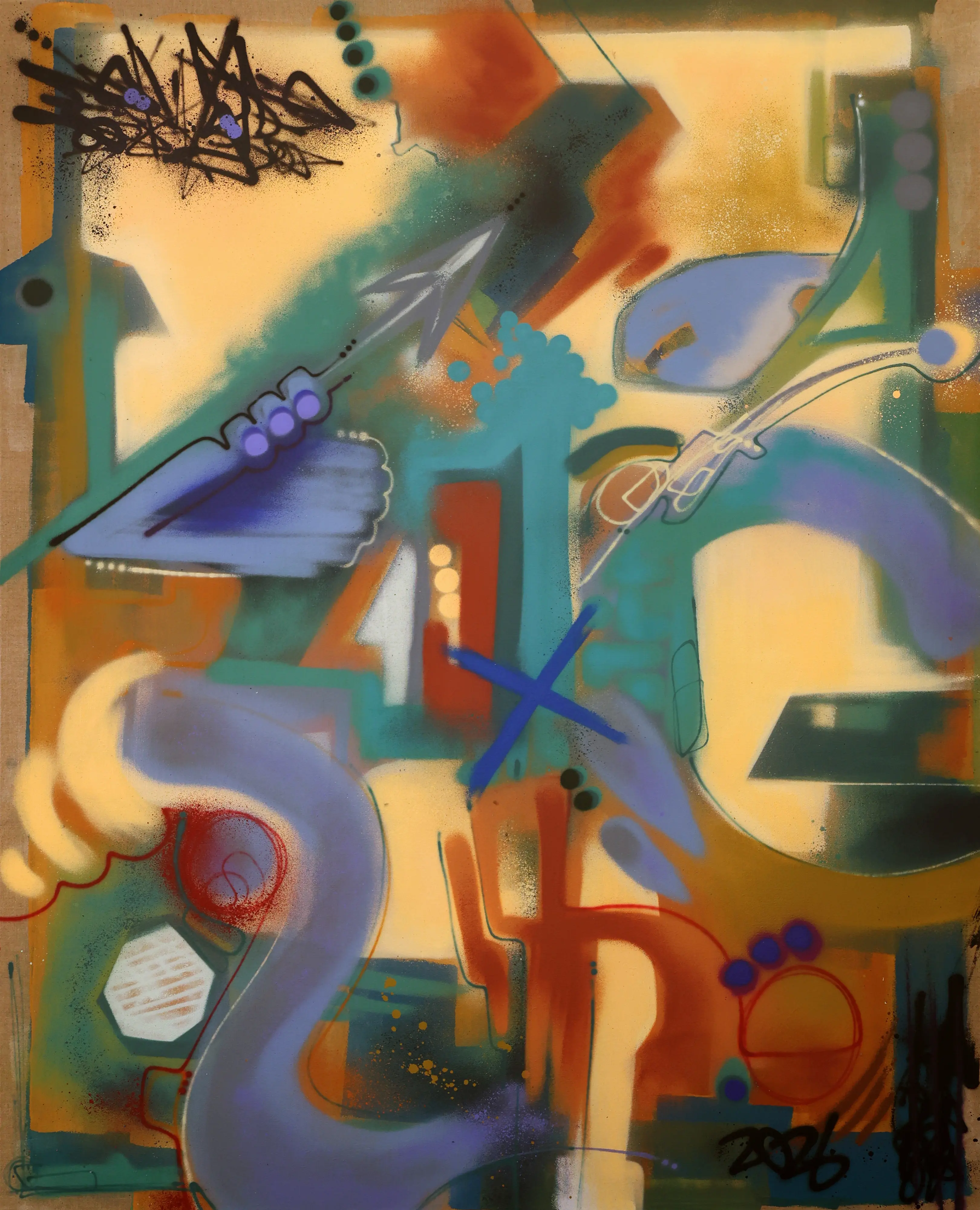
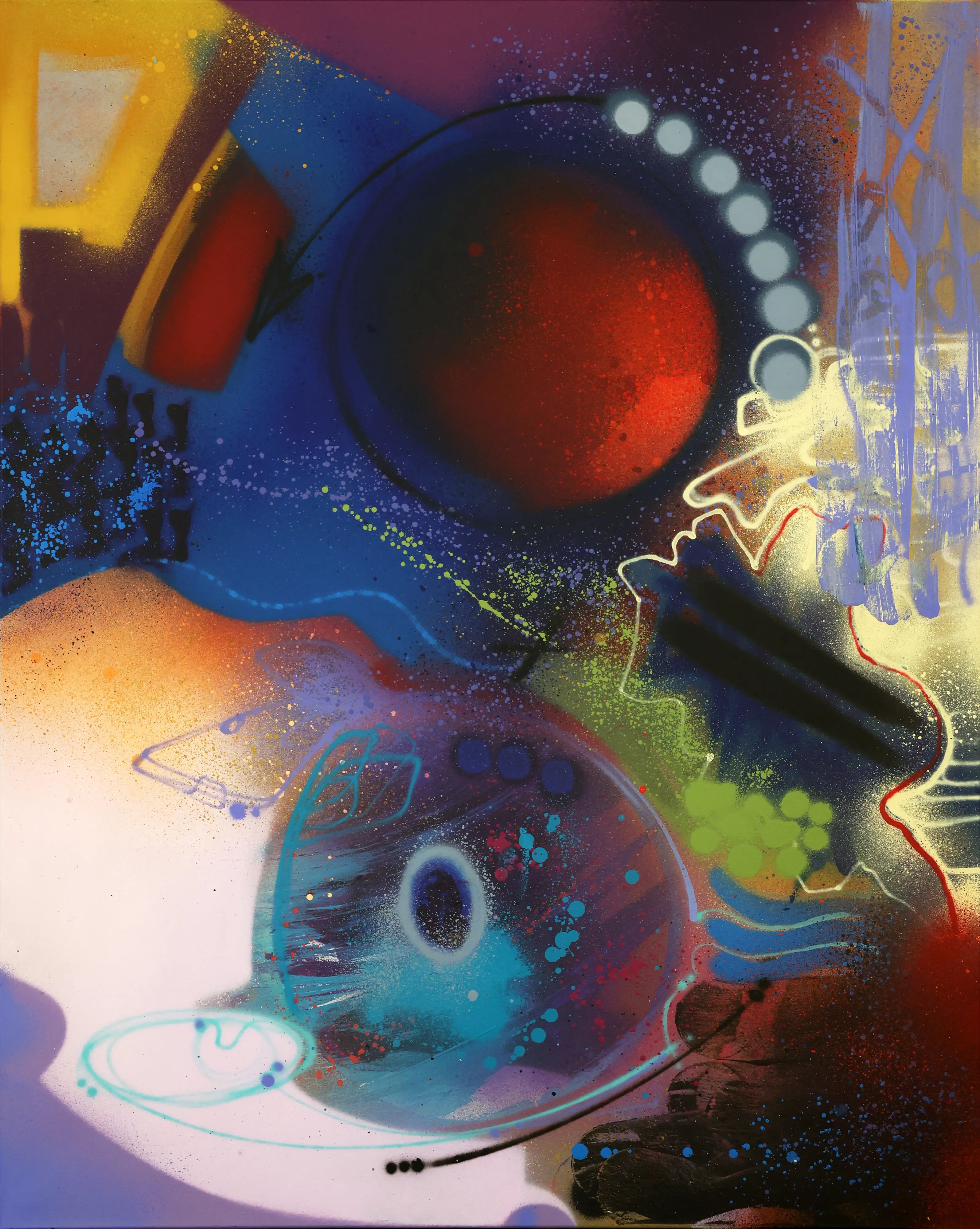
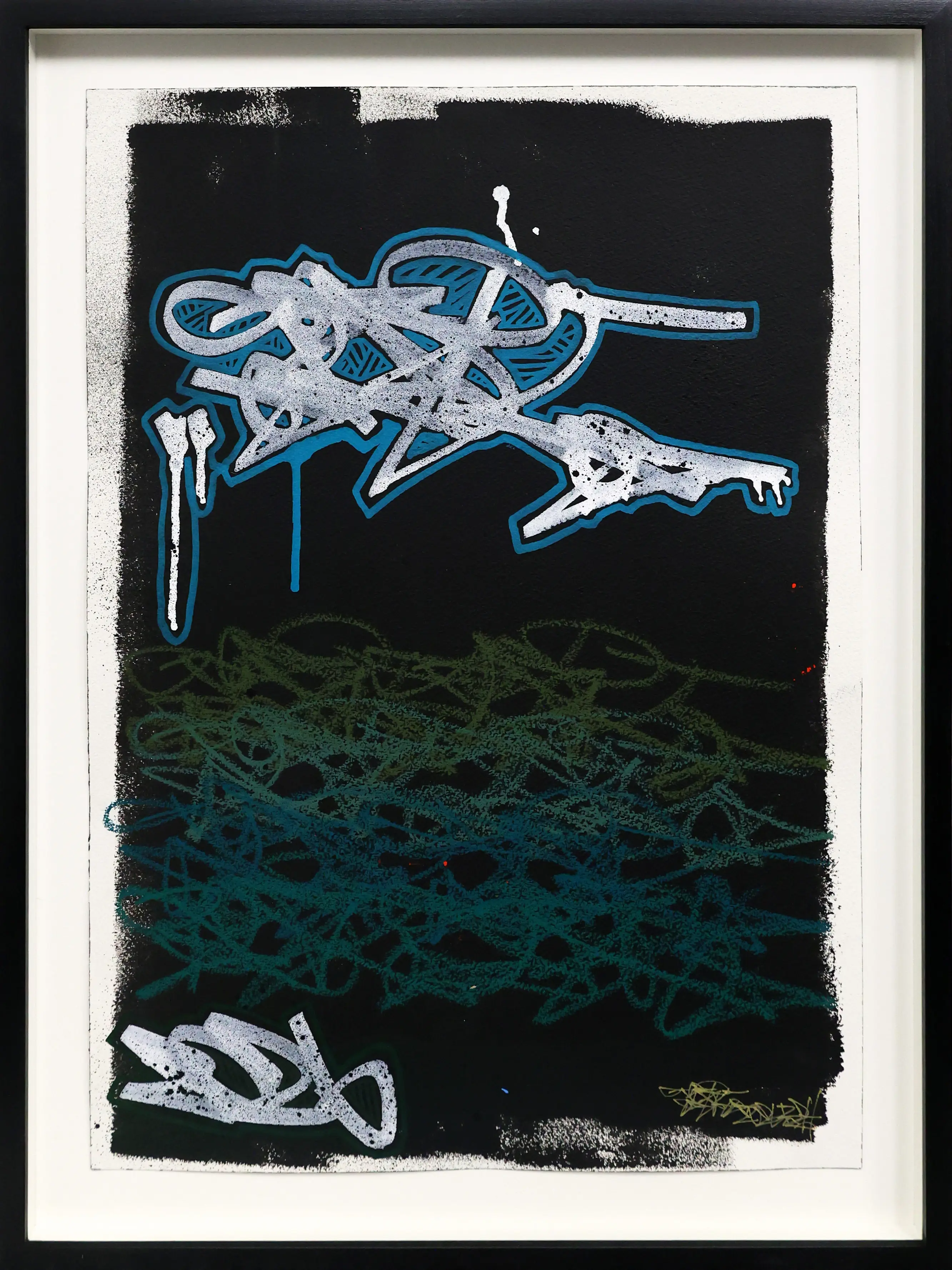
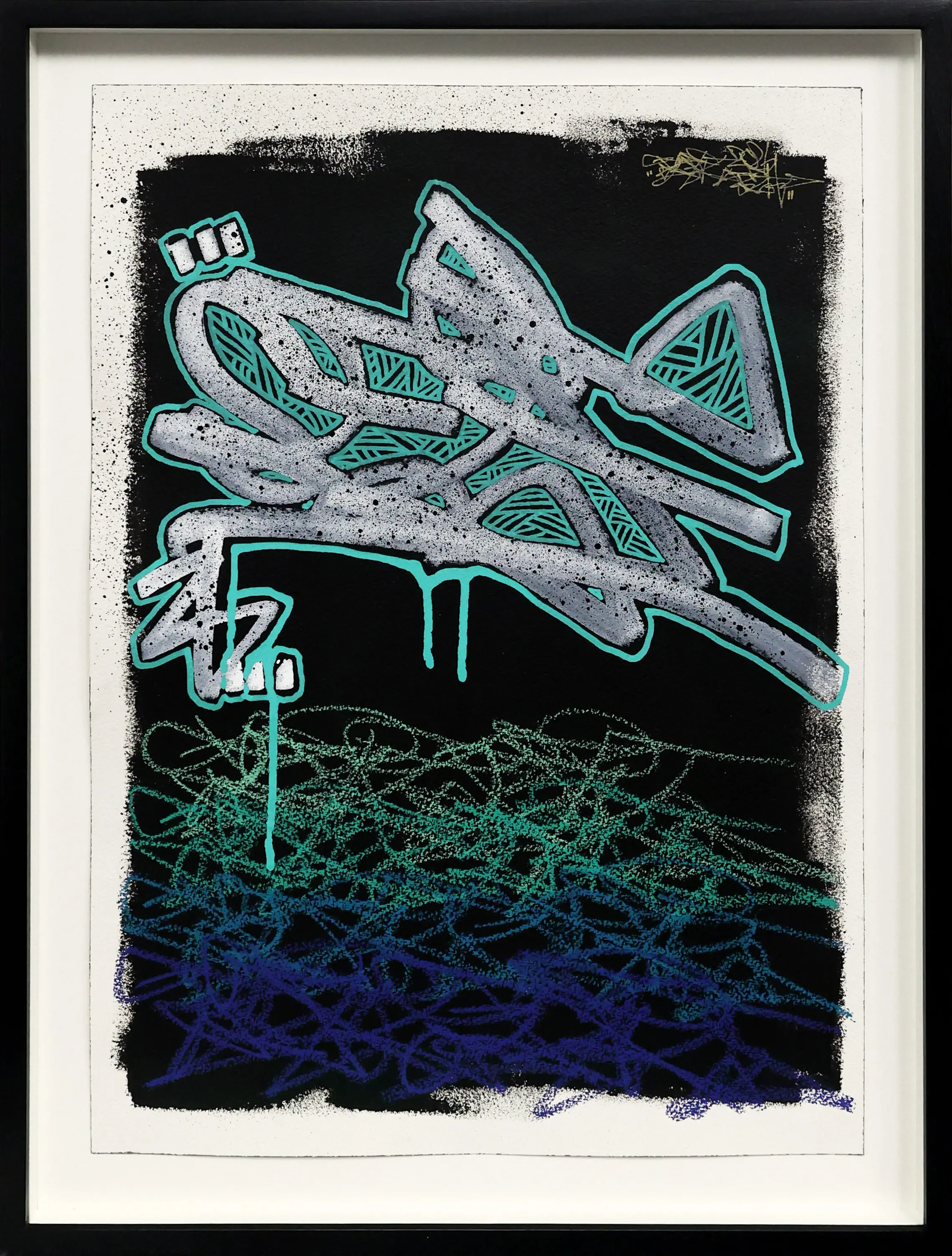
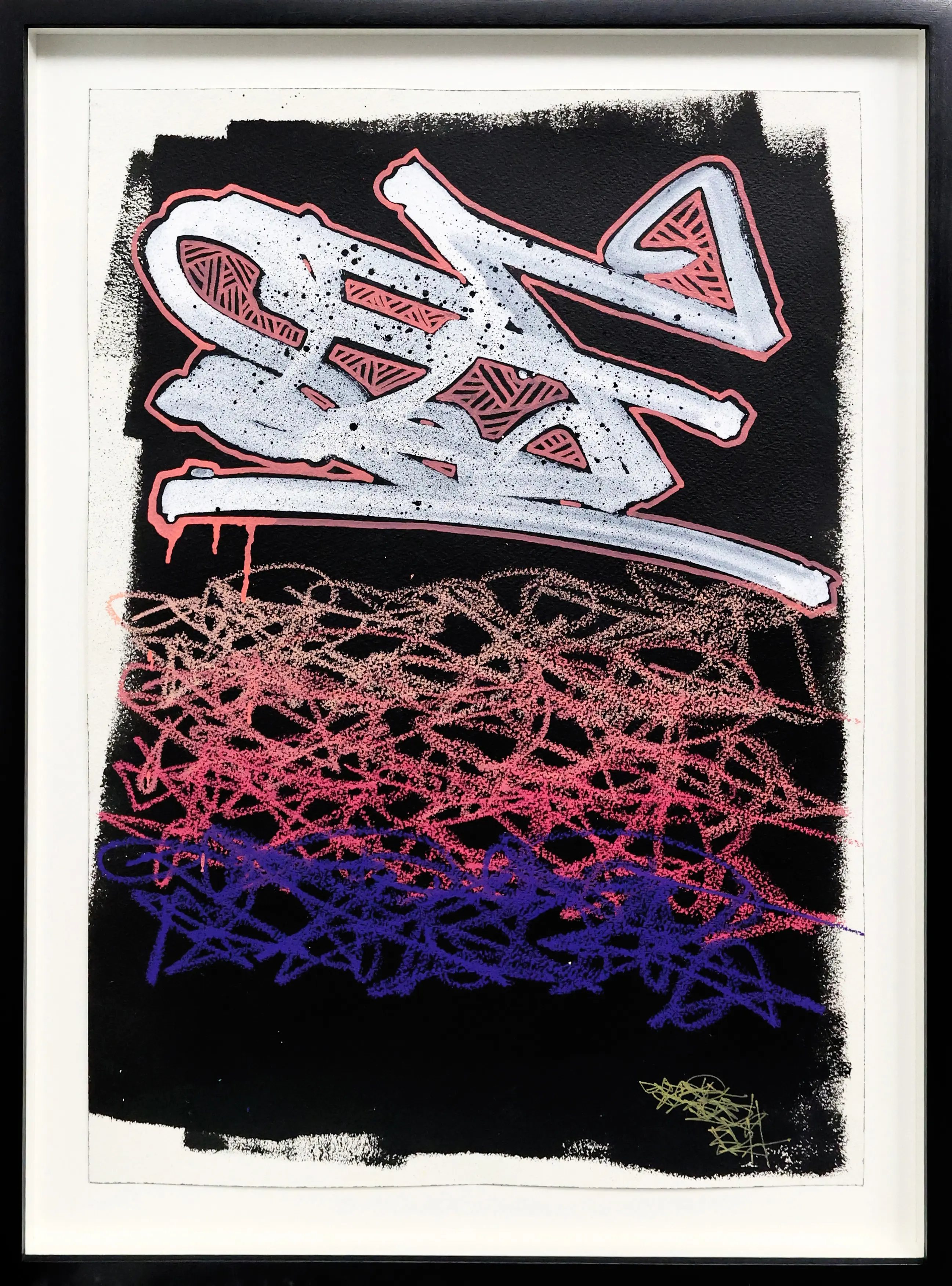
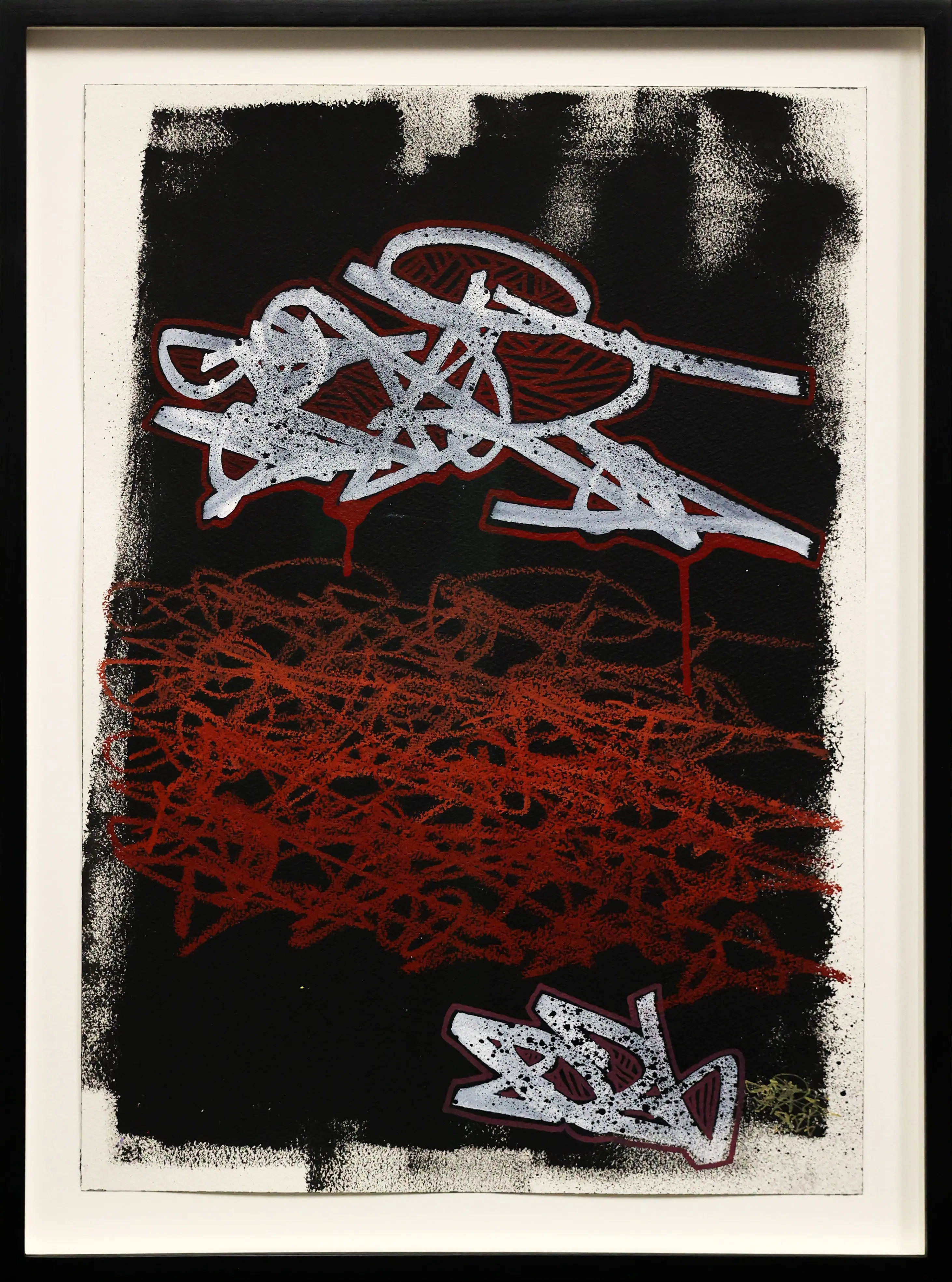
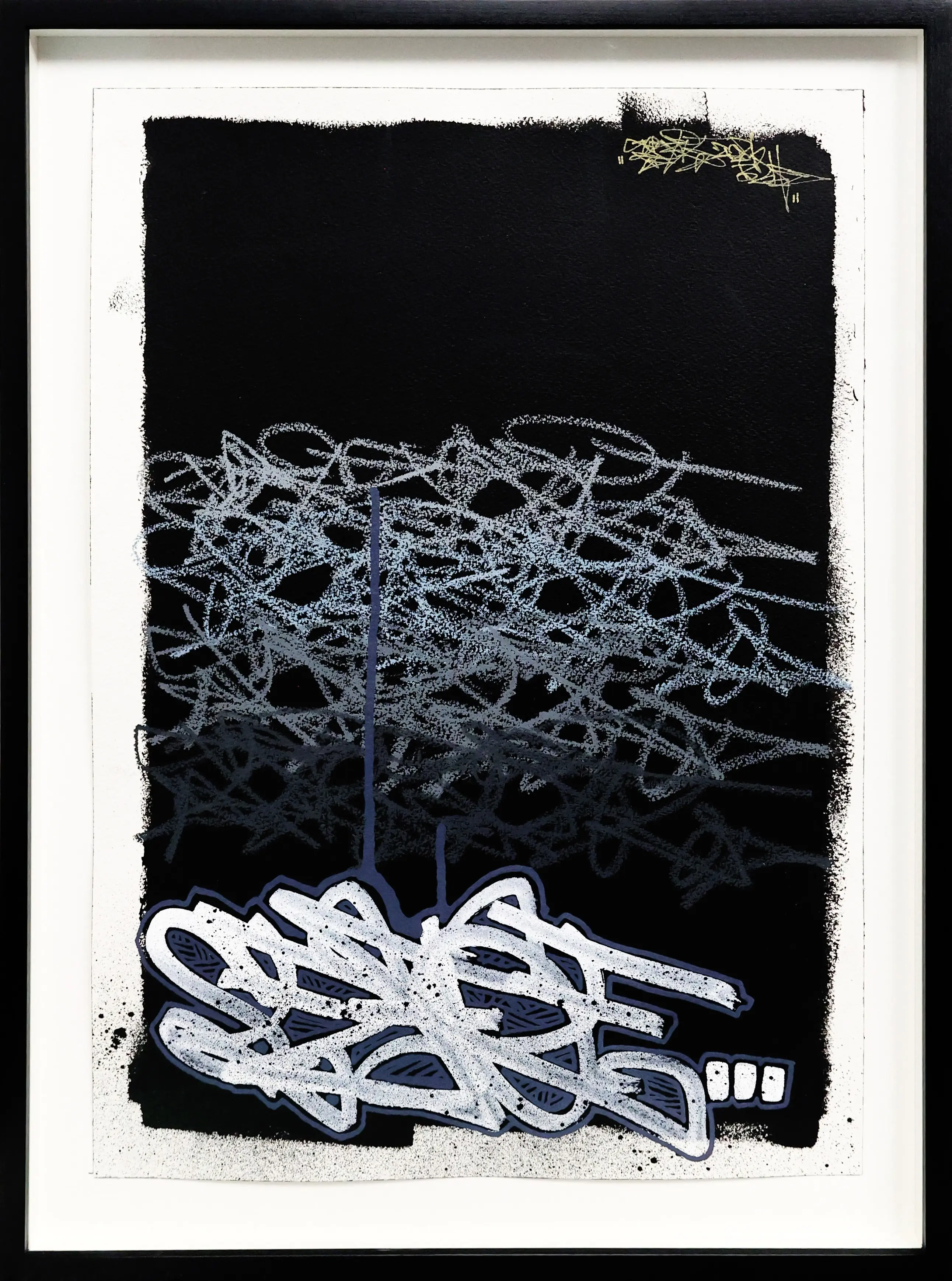
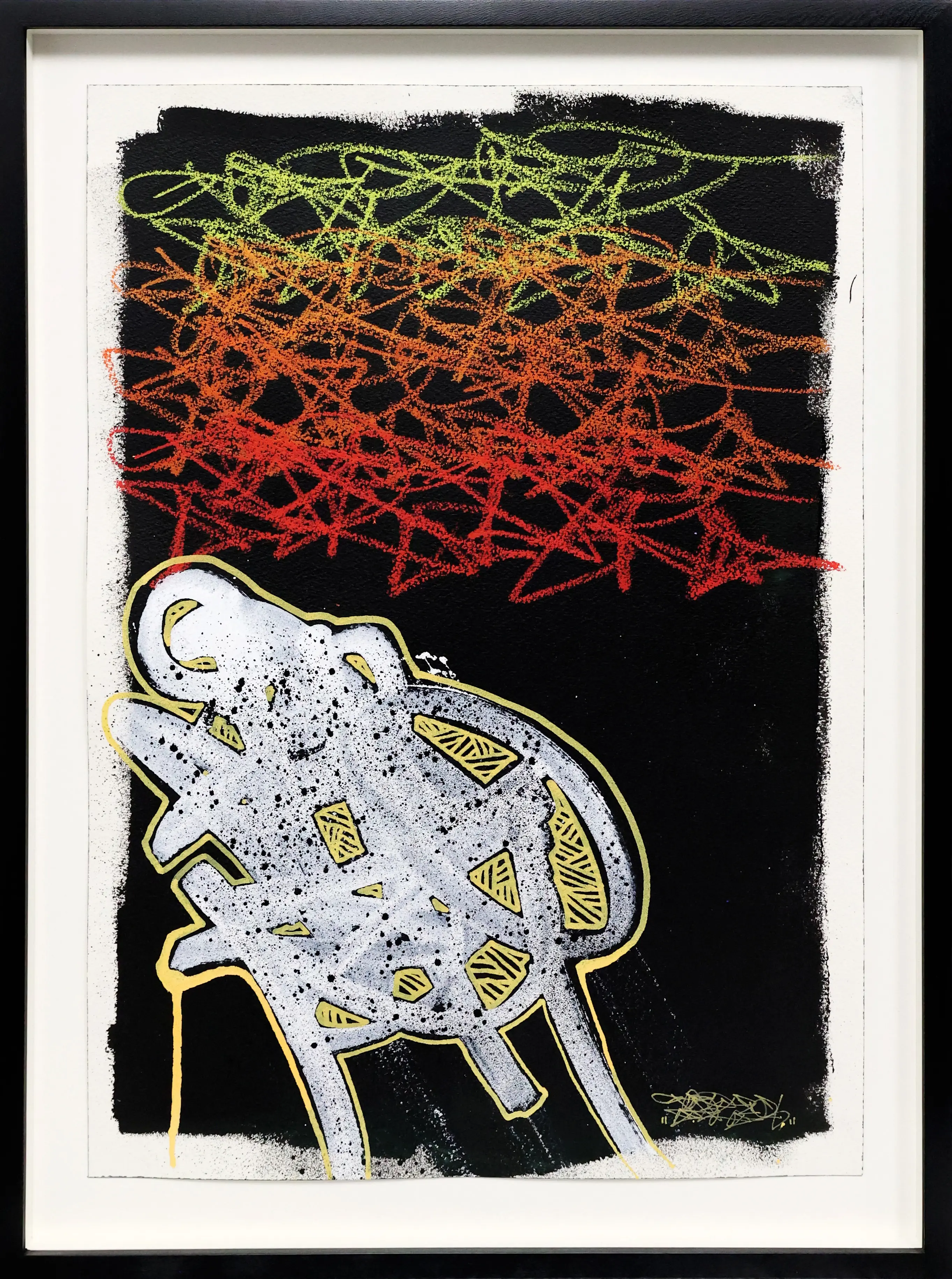
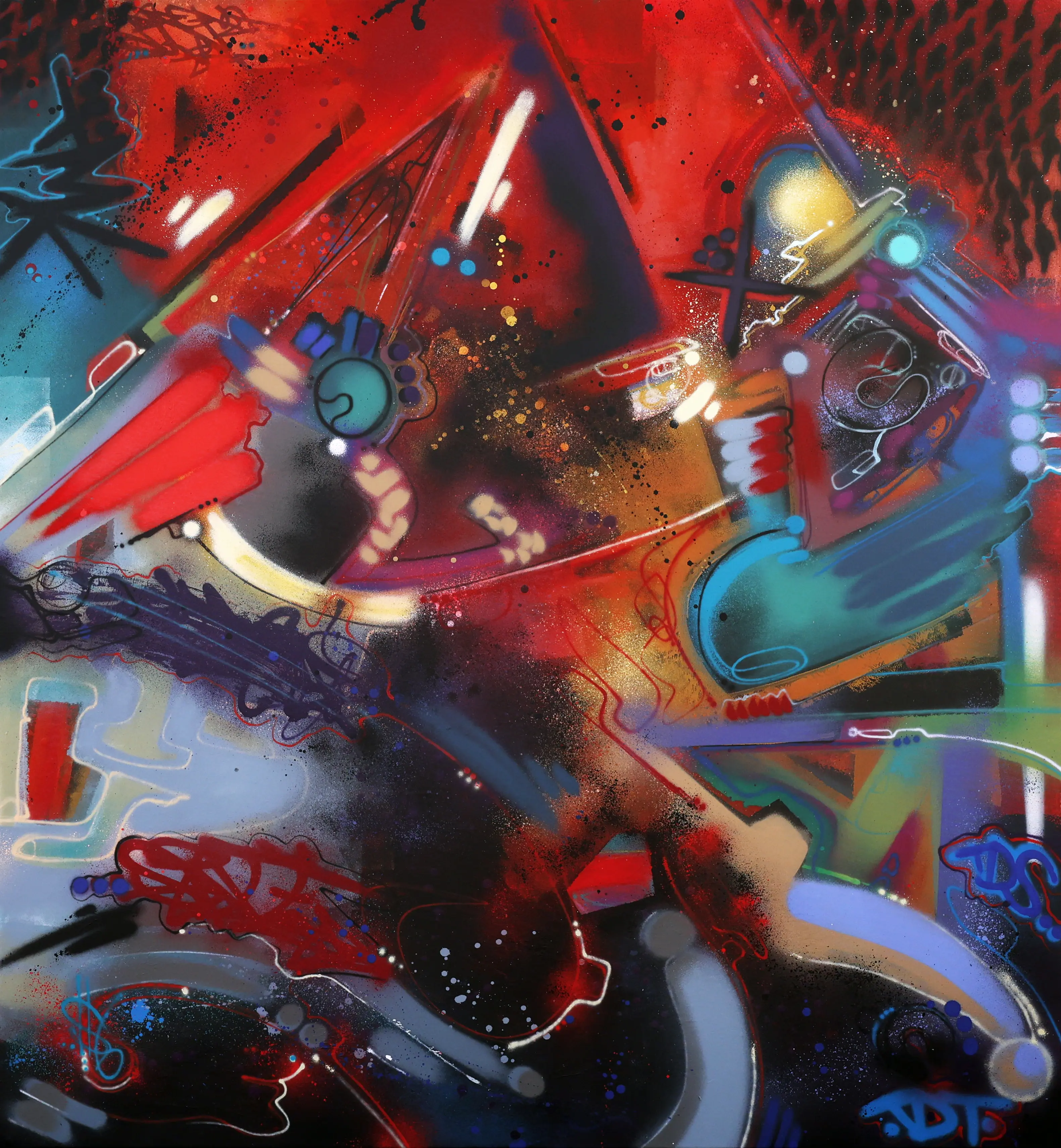
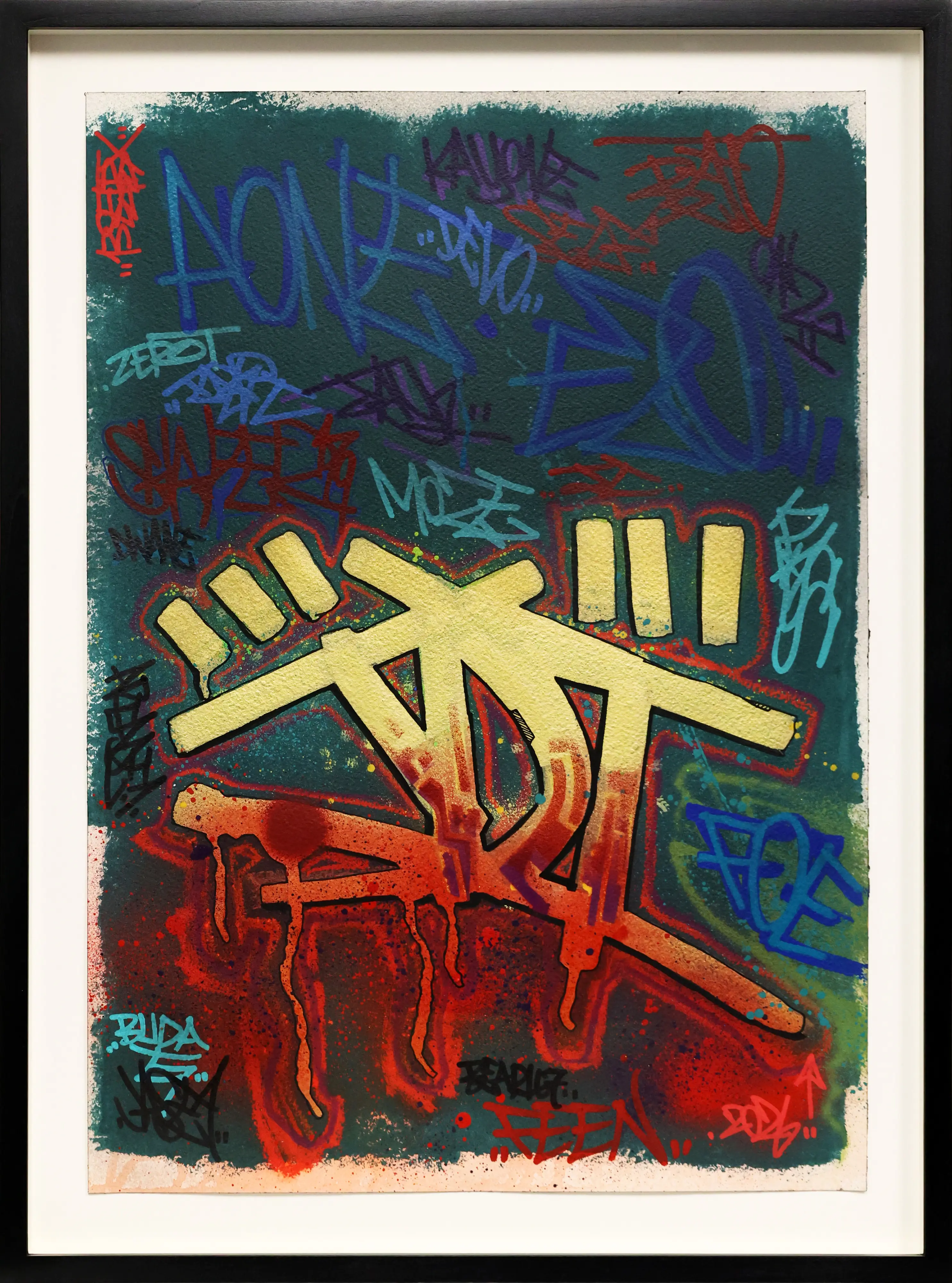
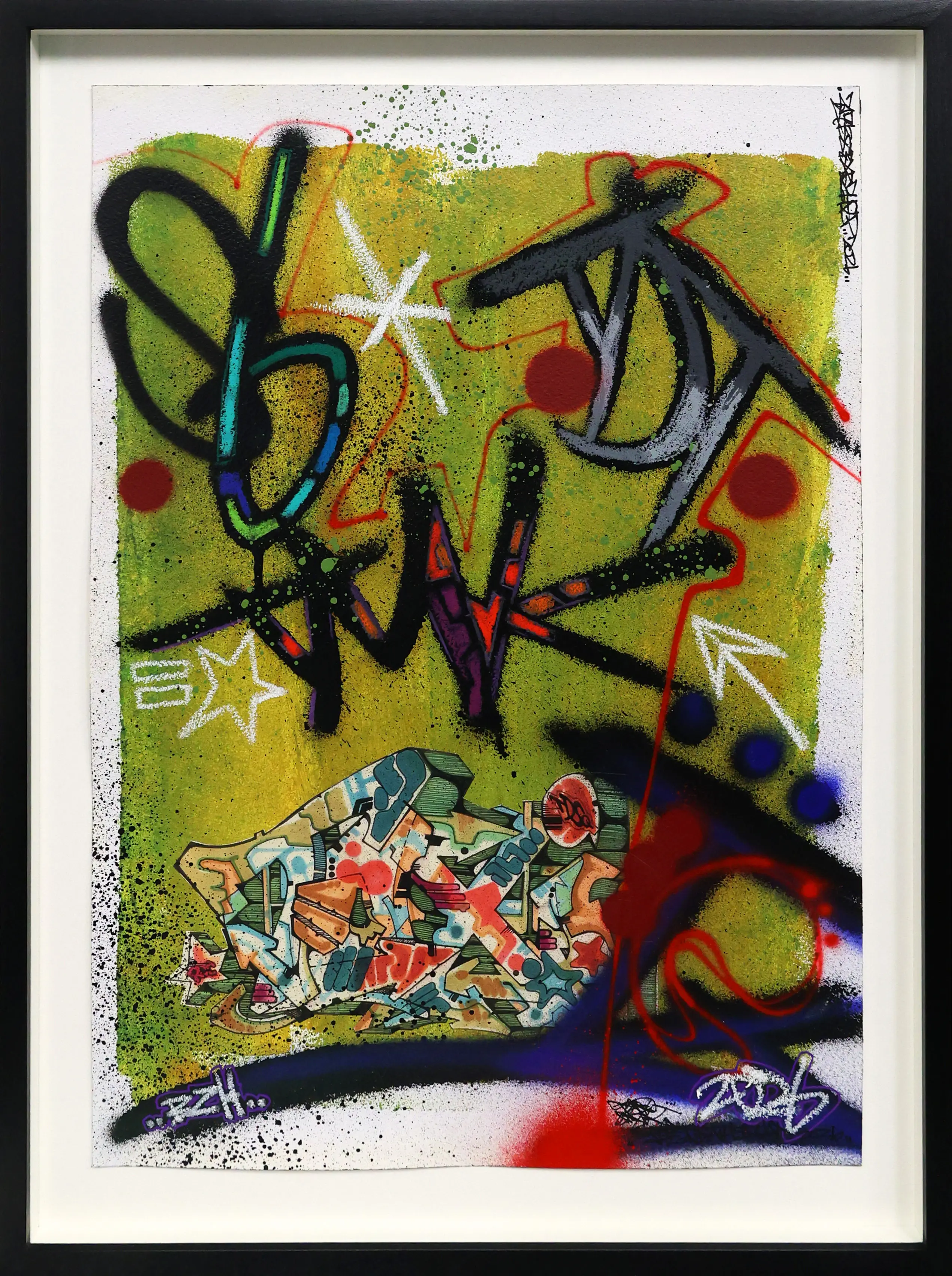
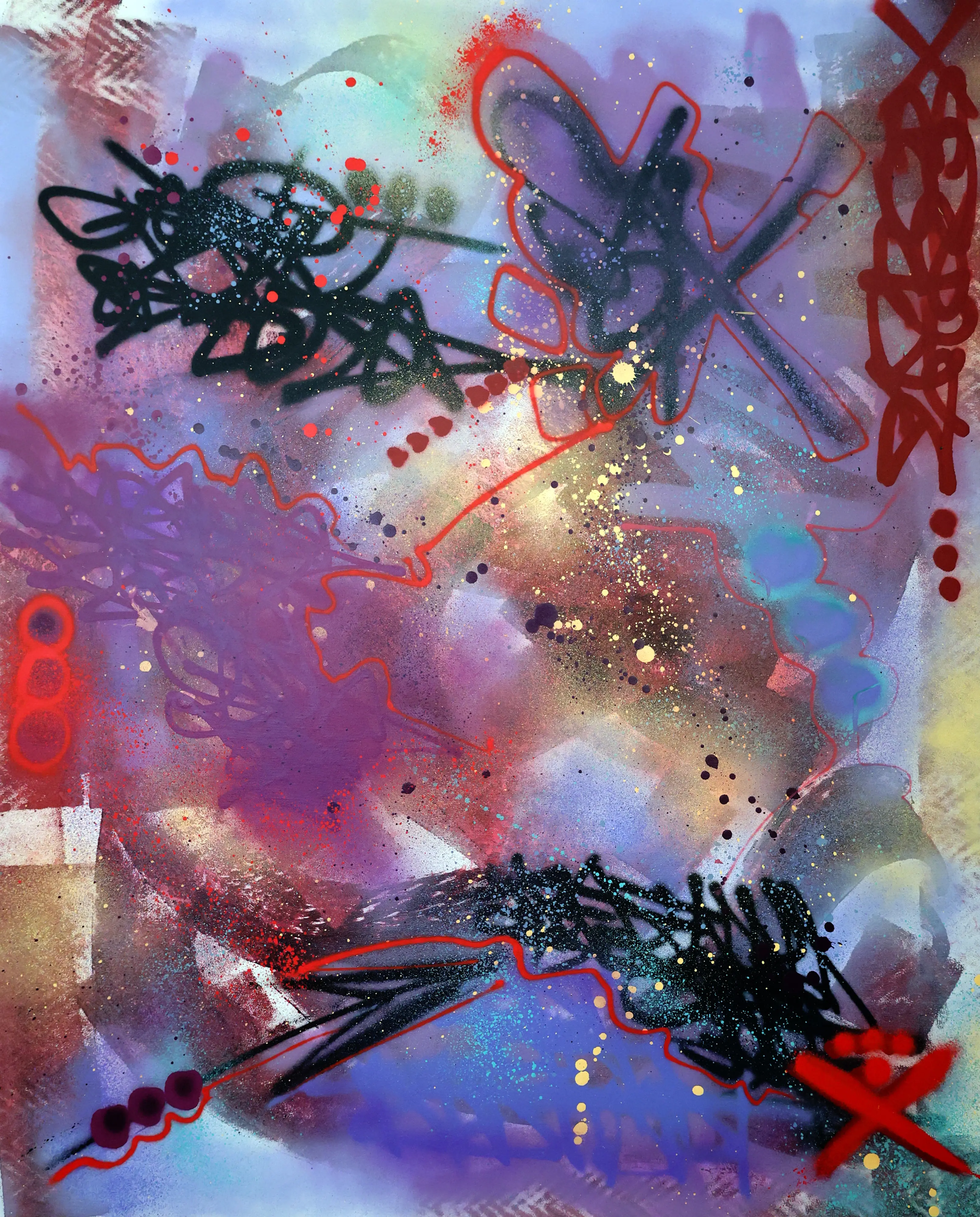
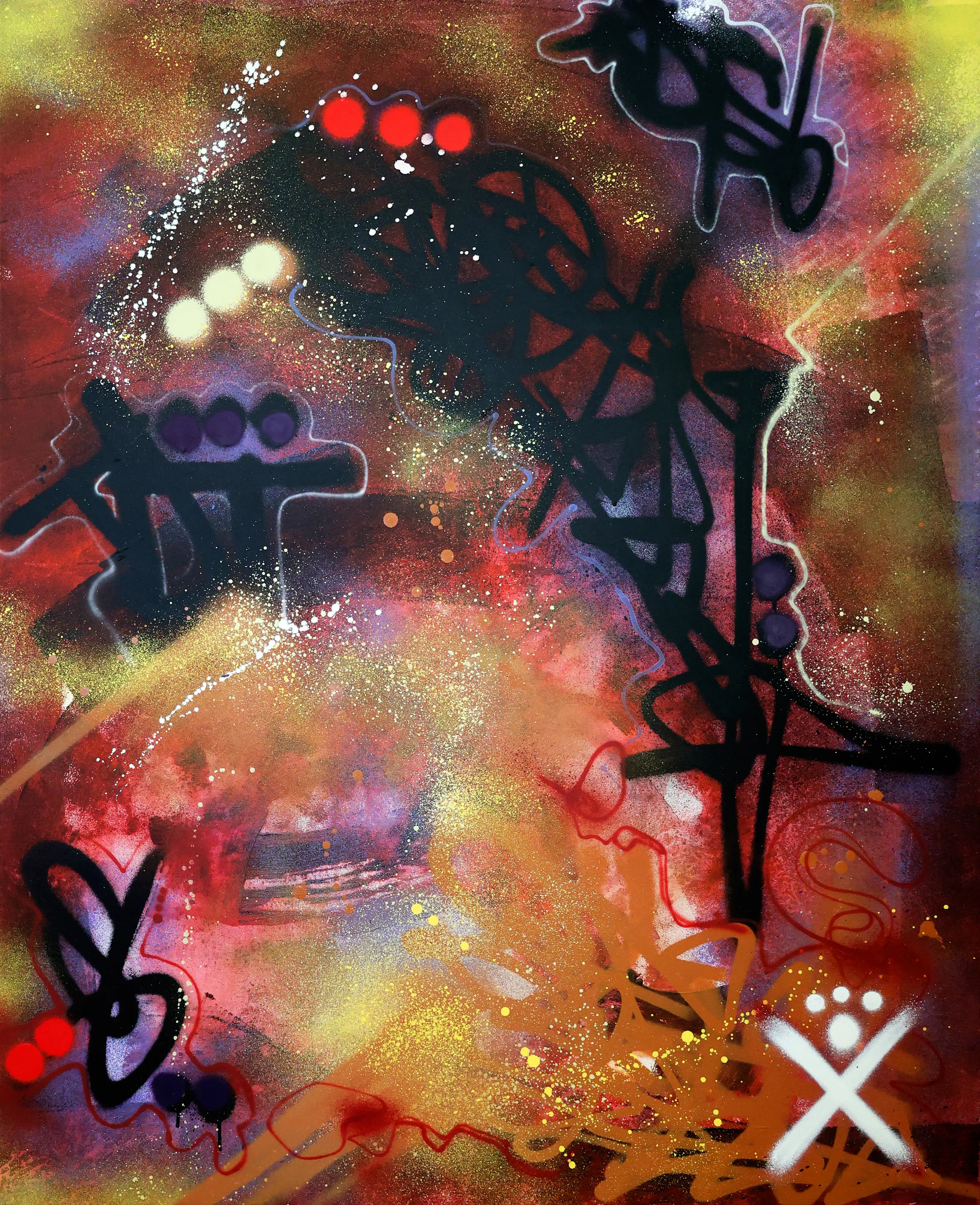
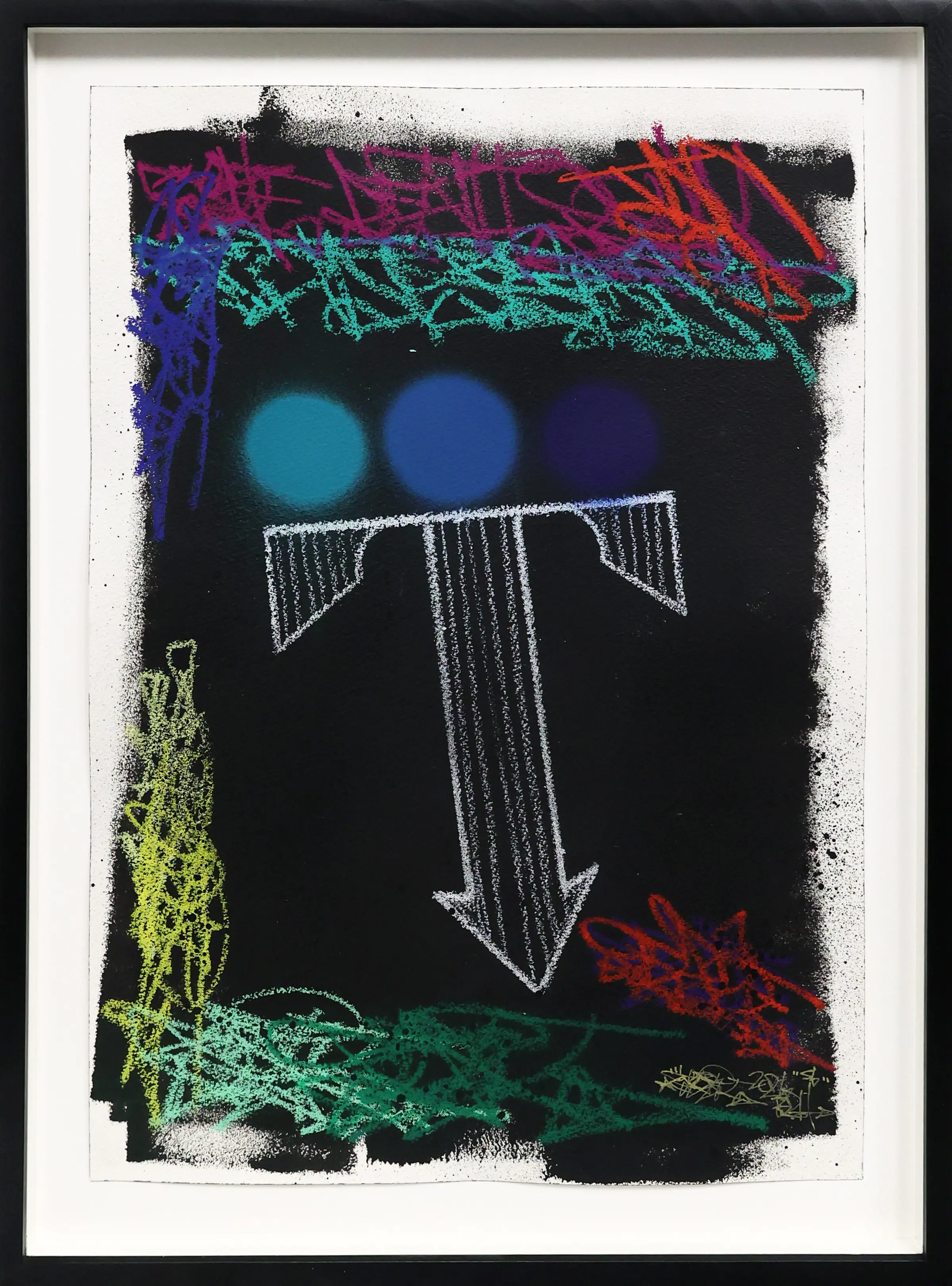
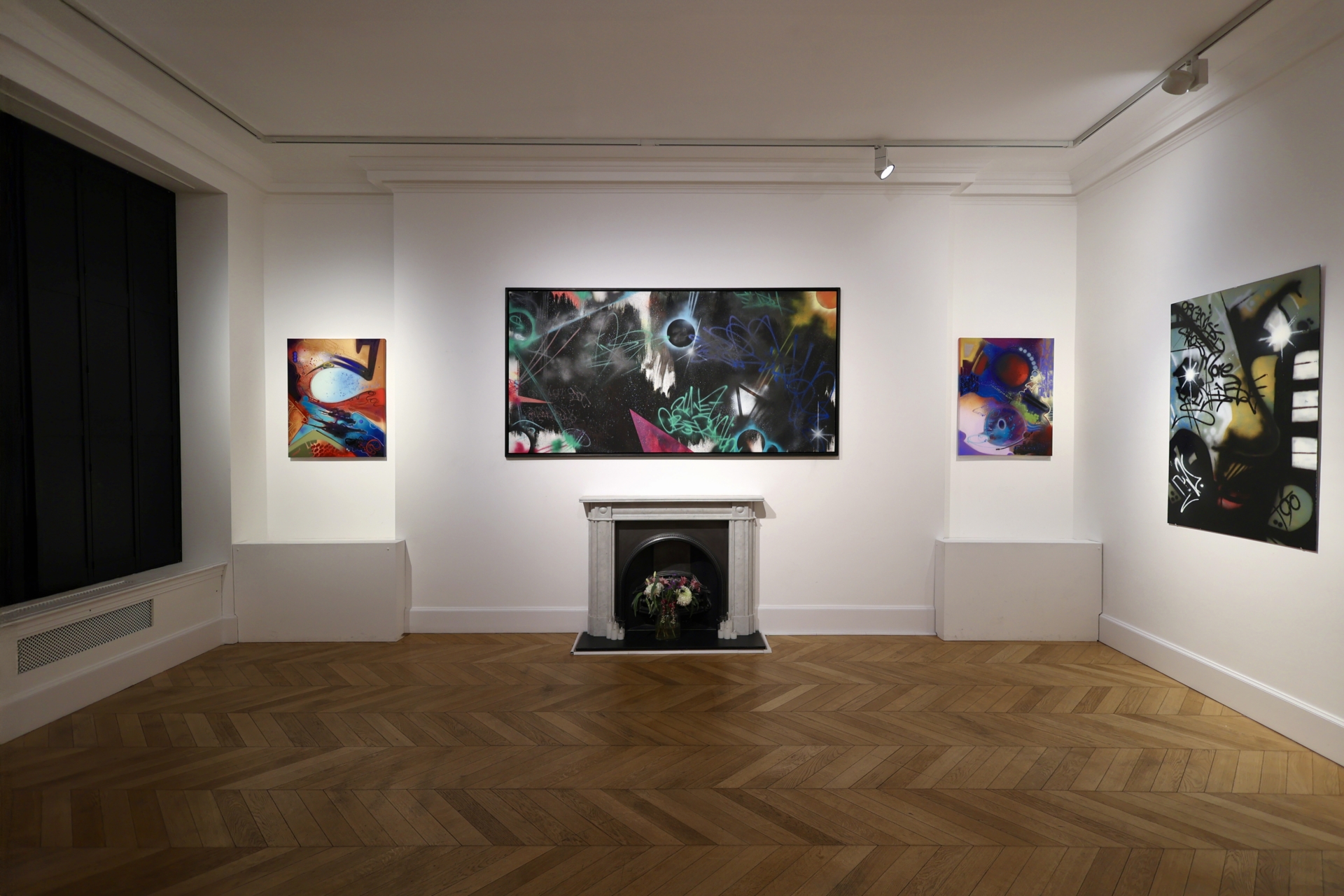
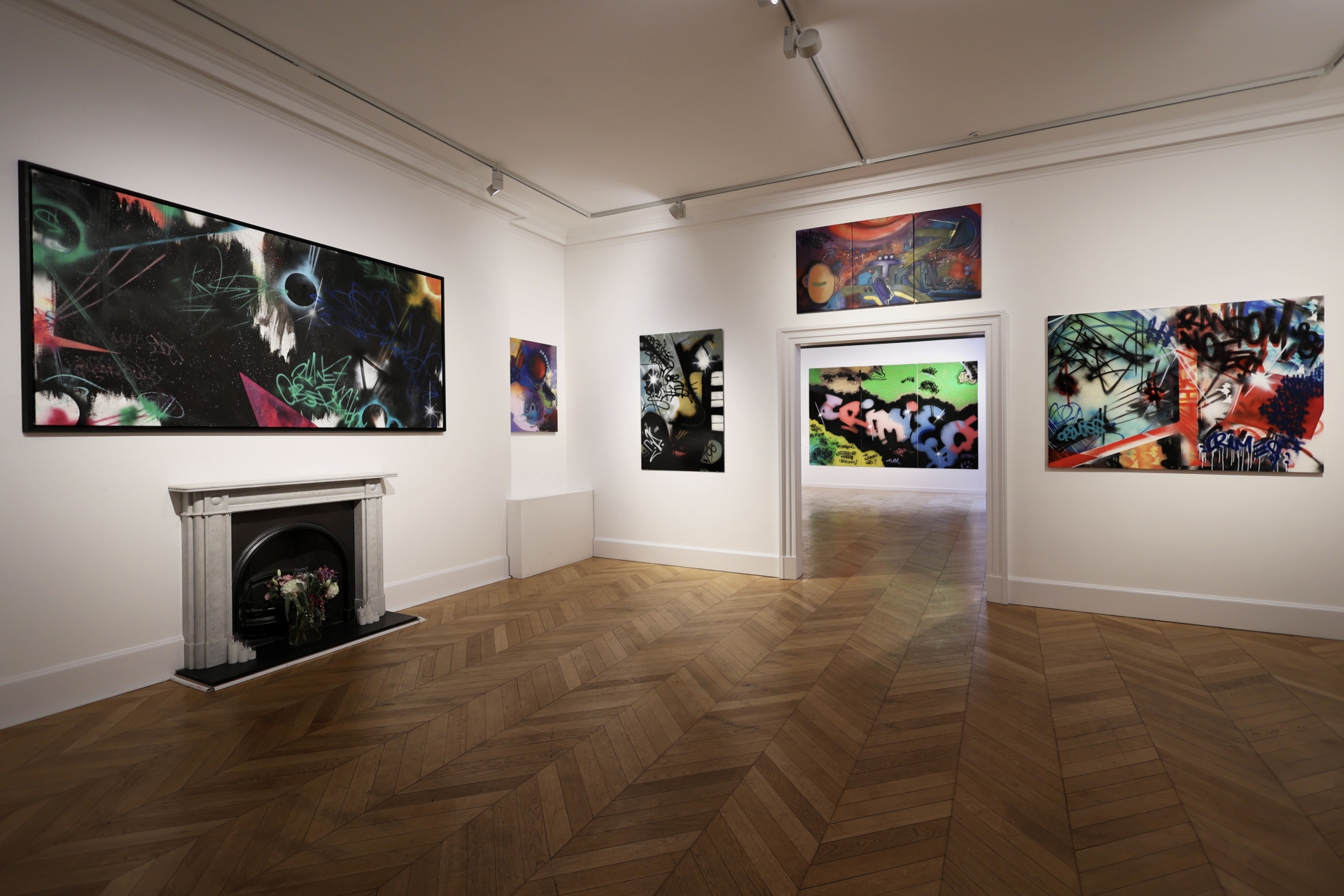
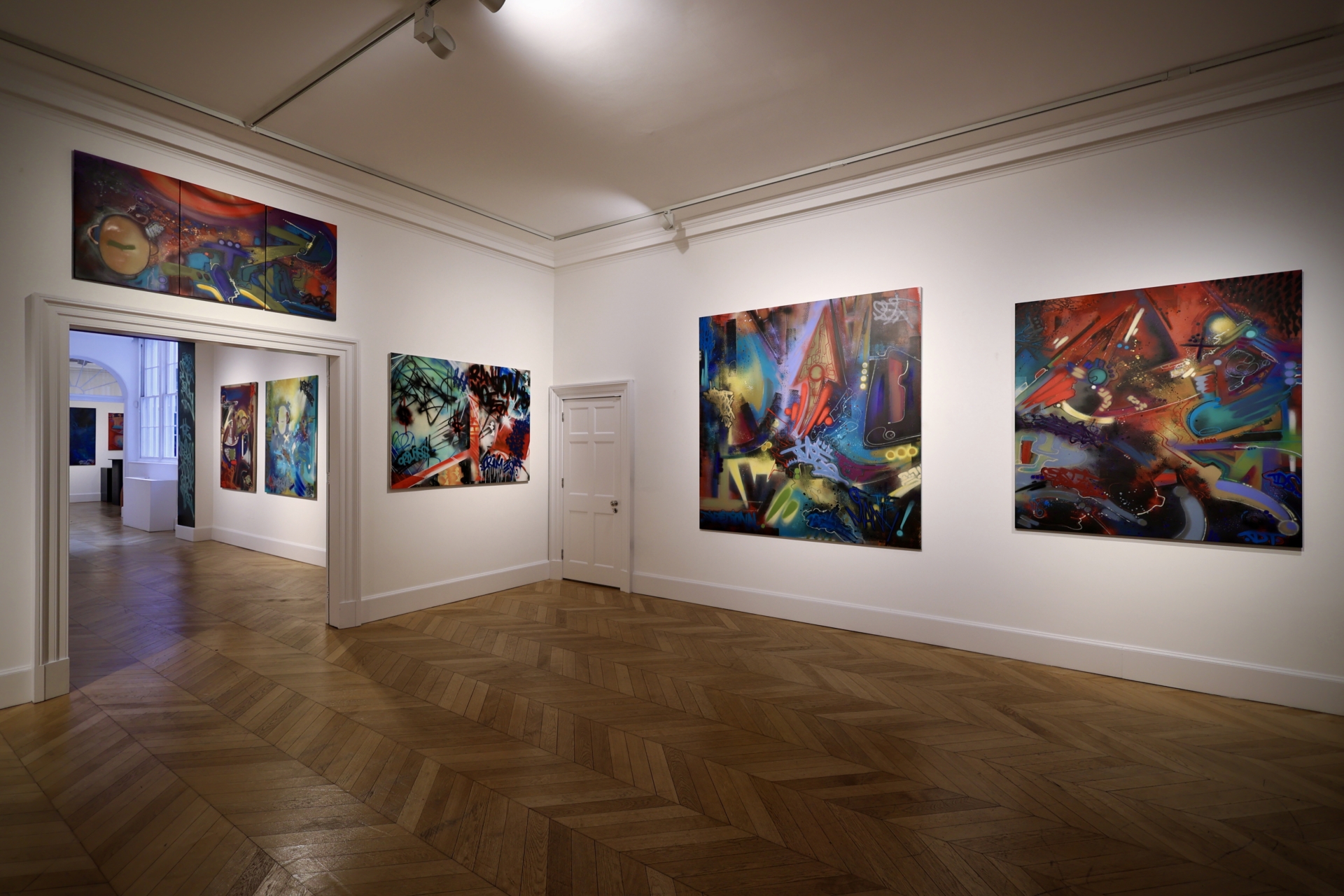
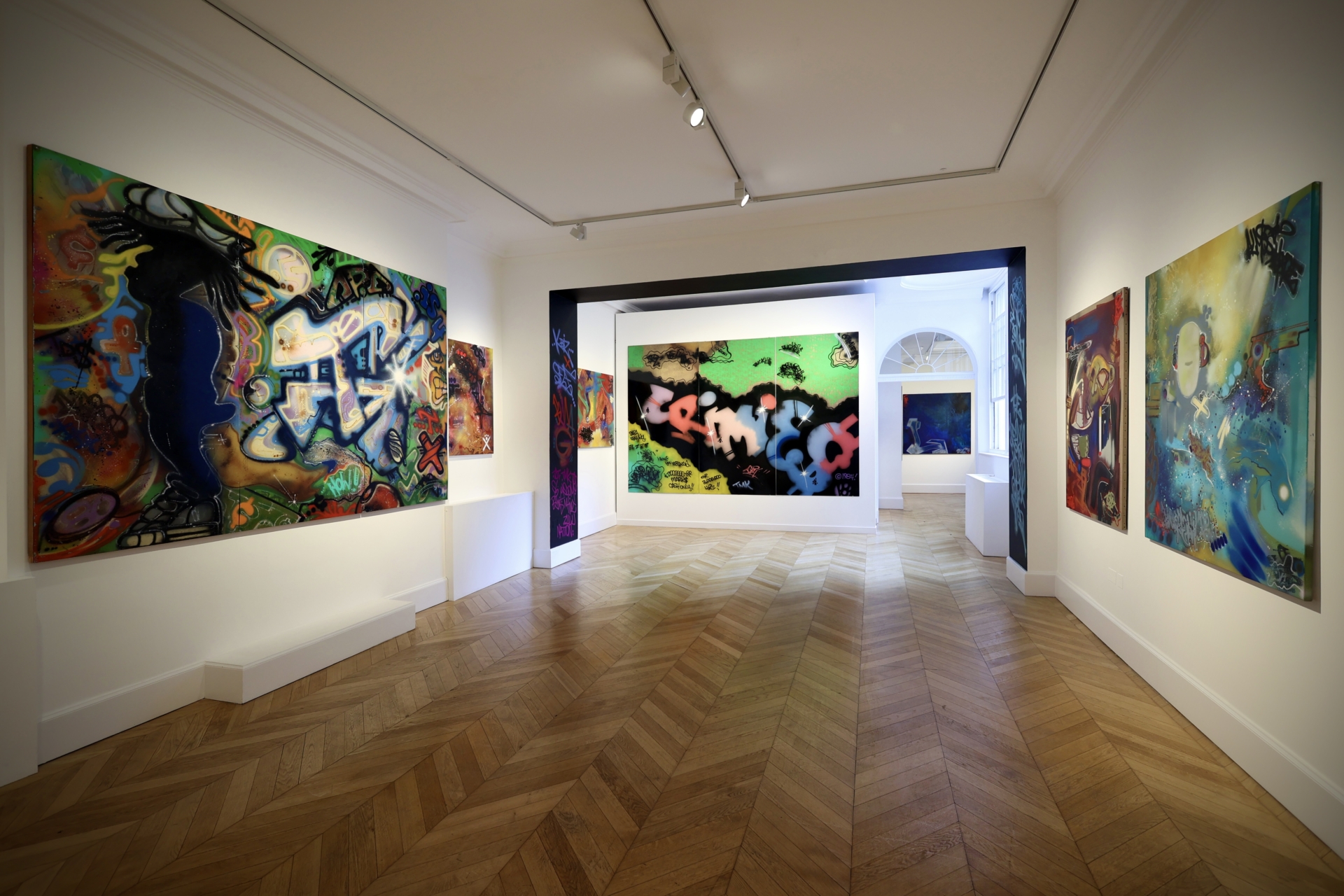
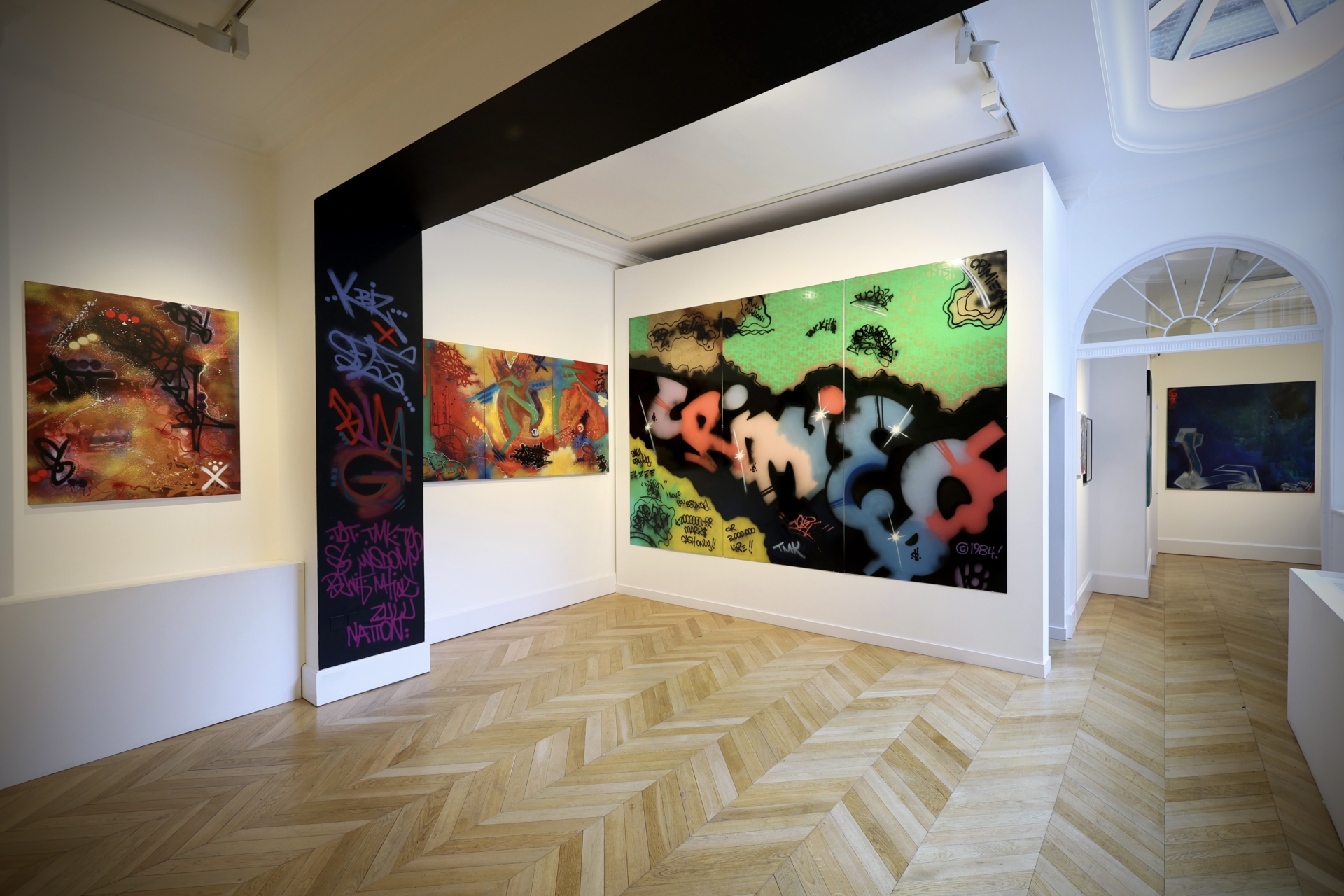
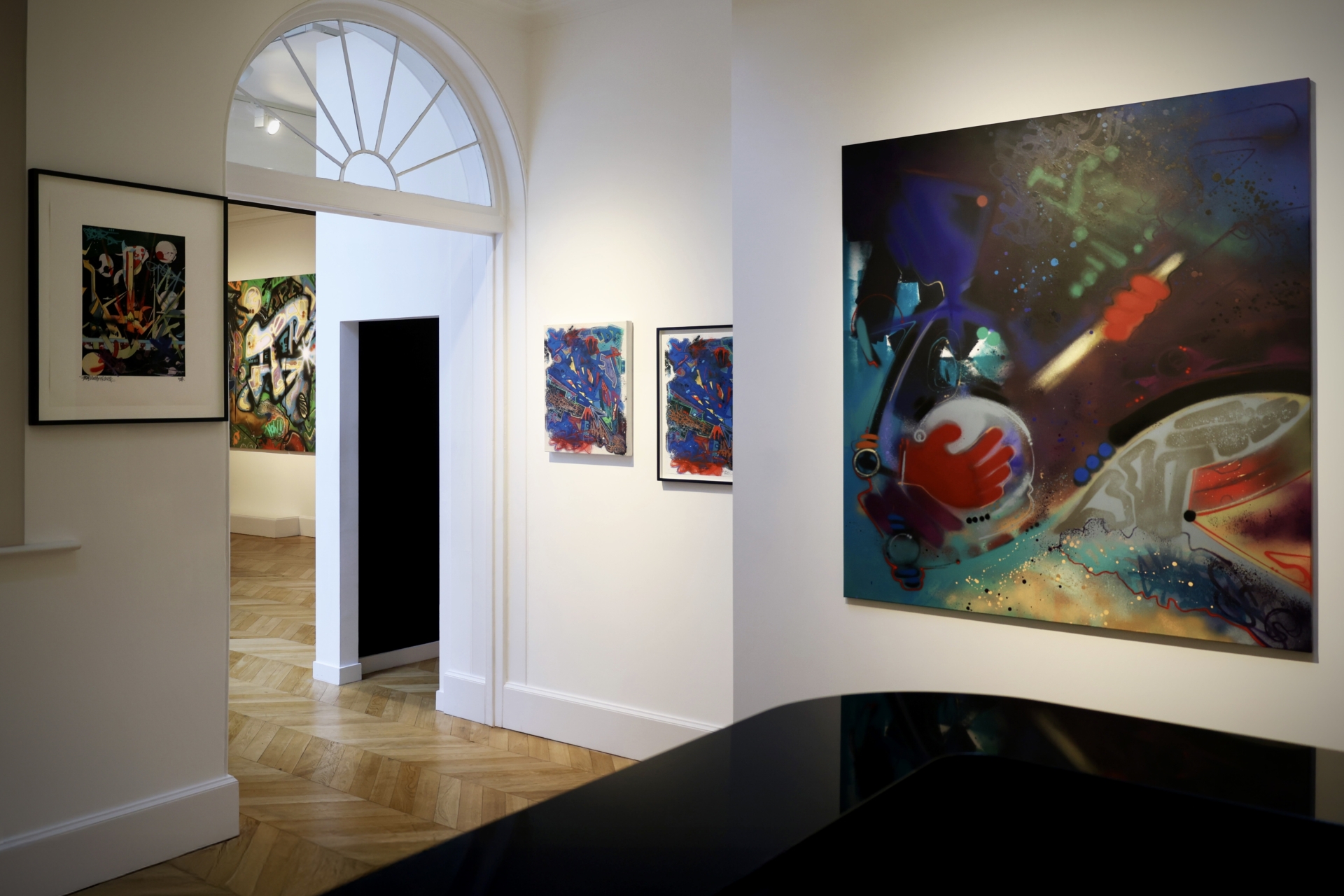
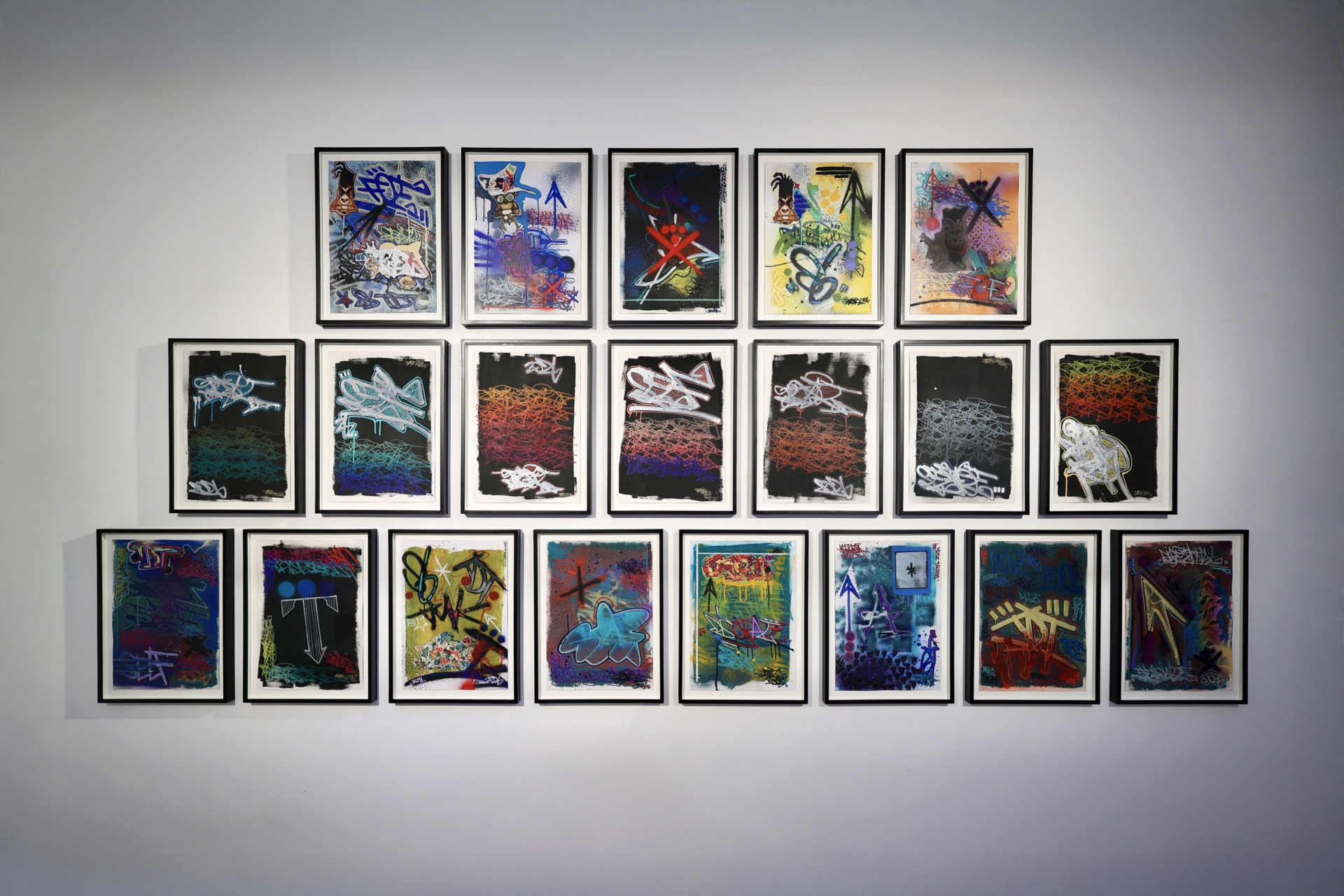
Amongst the canonised names of New York’s downtown art scene, one name has remained stubbornly under the radar. From the Bronx, Torrick ‘Toxic’ Ablack has spent more than four decades moving through the margins of art history despite standing at its centre. The work was weighty and the company he kept was legendary. And with that in mind, comes a new, long-overdue exhibition at Woodbury House celebrating Toxic’s restless visual language in all its technicolour glory. Running until June 26 at the gallery’s Mayfair space, the retrospective – or “declaration” rather, as the press release puts it – titled Always Ever Since ’83, brings together new paintings and archival works spanning the entirety of Toxic’s career, from 1983 through to the present day.
The date matters. Not because it marks his arrival to the art world, but because it marks the moment he decided he could become an artist at all. That distinction sits at the core of the exhibition. There’s little interest here in neat timelines or institutional revisionism. Instead, the show positions Toxic as he has always existed – in motion, intellectually rigorous and entirely uninterested in playing the market’s game. “I’m just saying – this is me. This is what I have been doing since 1983. No more, no less,” he writes in the exhibition’s accompanying book.
For anyone unfamiliar with the mythology surrounding early graffiti and post-graffiti culture in New York, Toxic’s proximity to some of the most important artists of the late twentieth century reads almost implausibly. In 1982, a young Jean-Michel Basquiat reportedly looked at Toxic’s work covering train lines across the city and asked, “That’s cool. But how are you going to eat with trains?” A challenge rather than a dismissal, it became a catalyst. The following year Toxic appeared in the landmark Post-Graffiti exhibition at the Sidney Janis Gallery alongside Basquiat, Keith Haring, Futura, Rammellzee and Lee Quiñones – artists who would go on to define the visual language of the era. And Toxic was never at the periphery, he was always firmly situated at the vanguard.
That same year, he travelled to Los Angeles with Basquiat and Rammellzee during Basquiat’s second show with Larry Gagosian. The trip would inspire Hollywood Africans, one of Basquiat’s most dissected paintings, where Toxic appears not as an accessory but as a subject and part of the work’s racial and cultural critique. Across Basquiat’s oeuvre, Toxic is one of the most frequently depicted figures – a detail that feels startling given how absent he remains from broader art world conversations.
The exhibition at Woodbury House doesn’t attempt to mythologise him further. If anything, it strips the mythology away. Toxic’s paintings are dense with coded symbols, fractured lettering and figures that feel suspended between cartoon logic and spiritual notation. Much of this stems from the influence of Rammellzee, Toxic’s mentor and one of the most cerebral theorists to emerge from the graffiti movement. Rammellzee’s philosophy of ‘Ikonoklast Panzerism’ – treating language itself as a battleground against systems of control – runs directly through Toxic’s work. Letters become weapons. Symbols become traps. Meaning slips constantly out of reach.
The newer works shown here feel particularly raw. Acrylic grounds sit underneath fast, instinctive bursts of spray paint, producing surfaces that look simultaneously excavated and unfinished. Toxic has described the process simply as “working through things – my demons, my questions, the things I’m still trying to resolve”, and the paintings carry that tension. There’s aggression to them, but also exhaustion, humour and a strange tenderness. Rather than repeat himself, he appears to be returning to old symbols because the questions behind them remain unresolved.
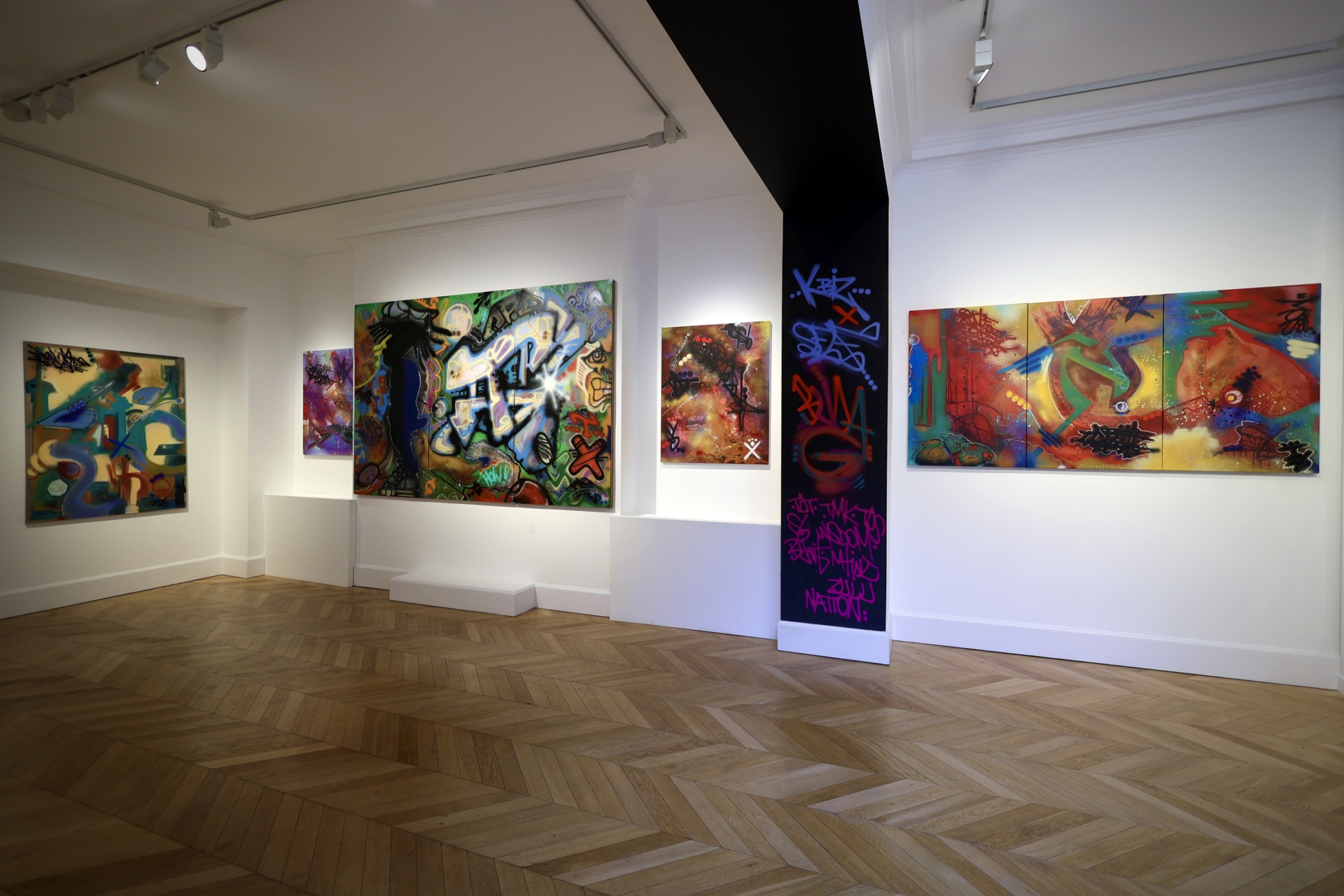
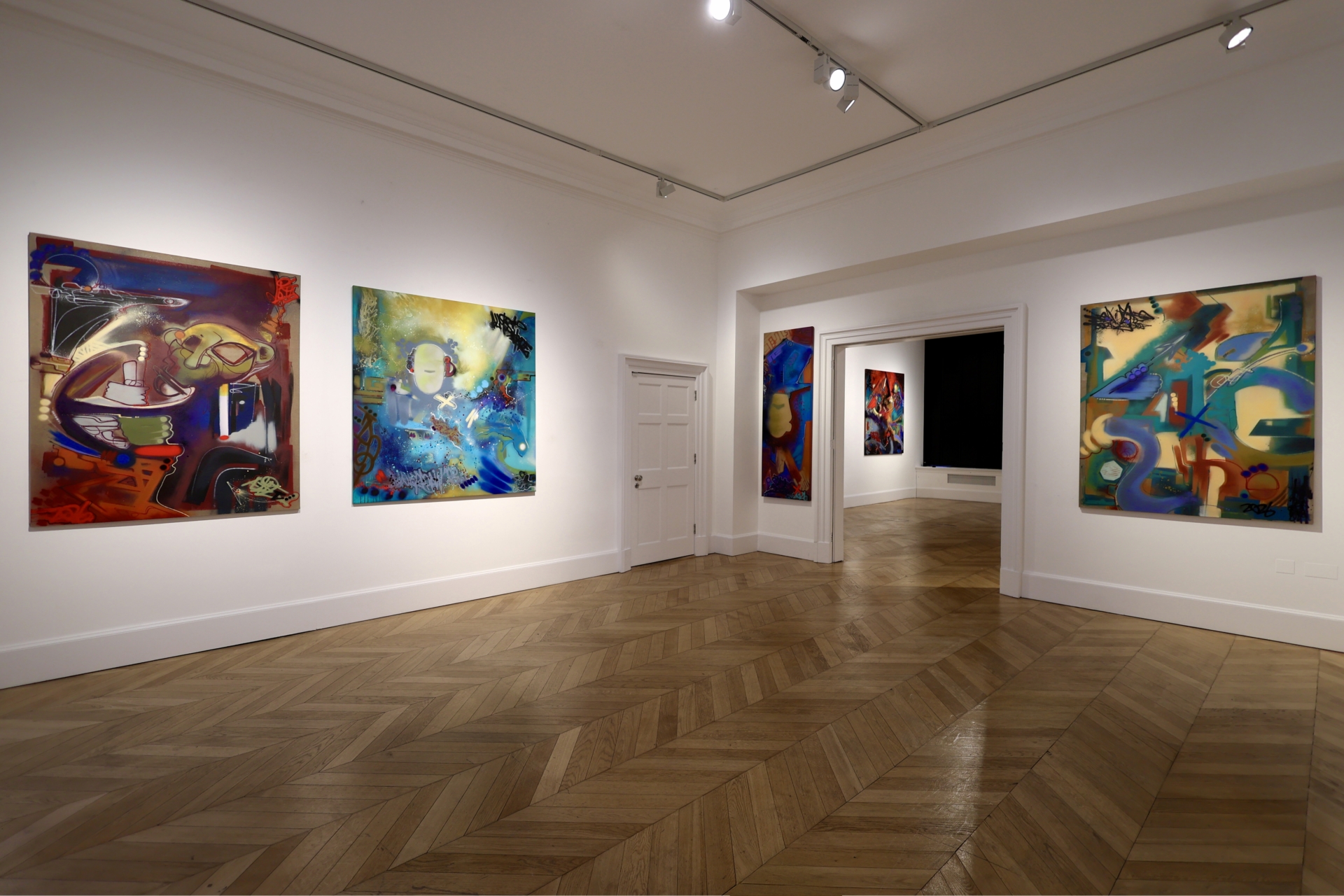
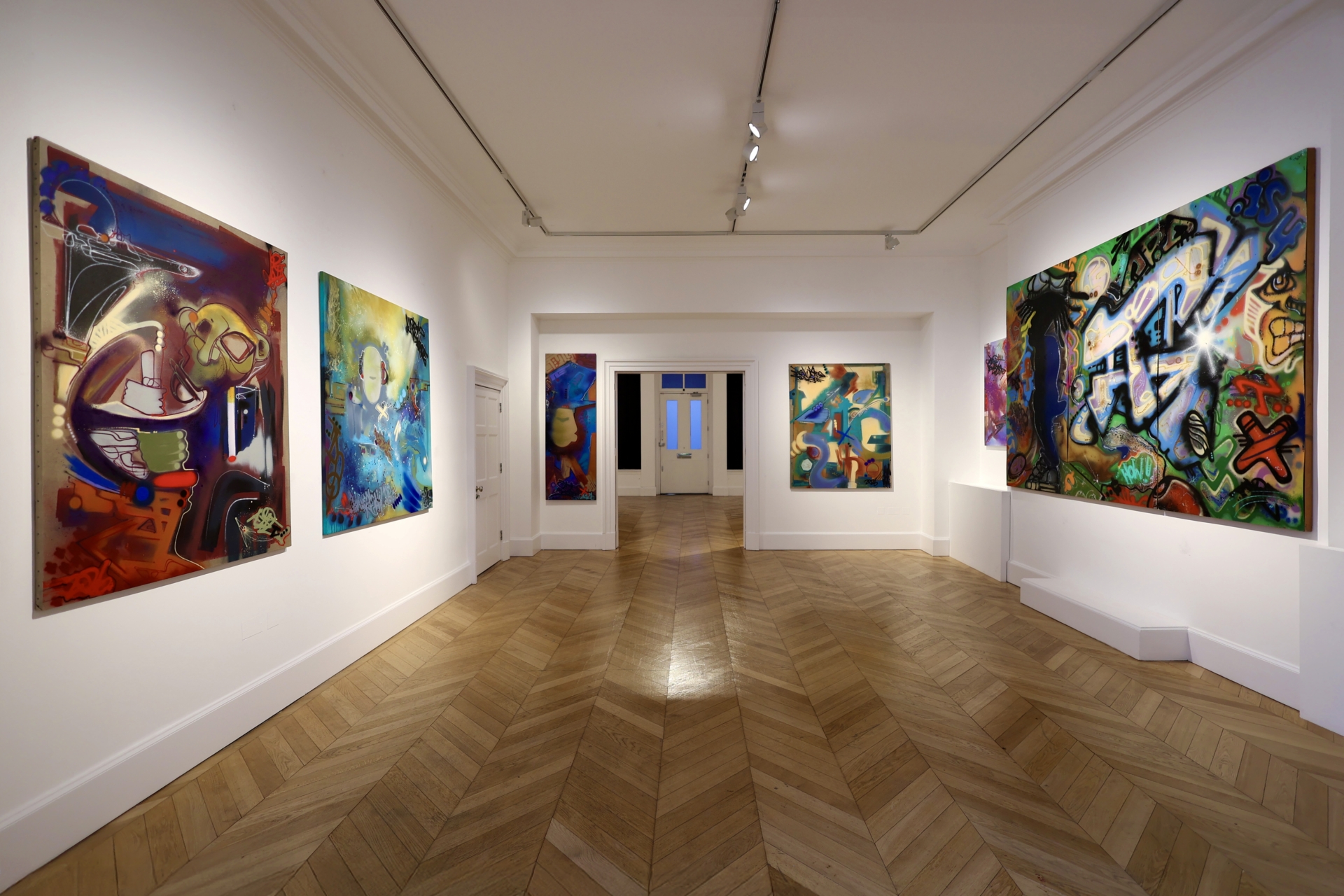
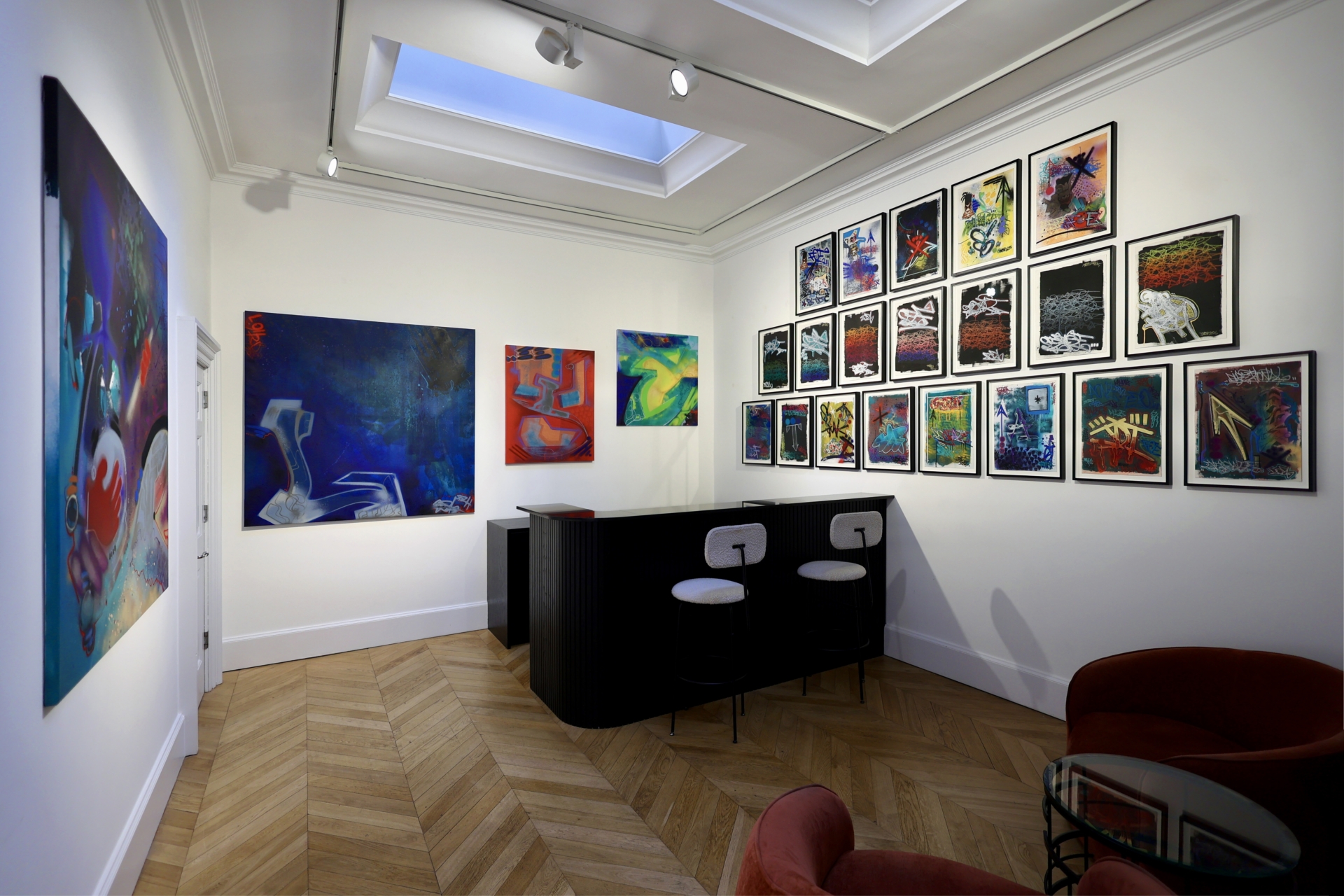
There’s also an undeniable poignancy hanging over the exhibition. Toxic outlived many of his contemporaries – Basquiat died in 1988, A-One in 2001 and Rammellzee in 2010. With each death, the people able to speak directly about that period diminished. Toxic kept painting anyway, largely outside the machinery of fame that consumed so many around him.
Always Ever Since ’83 finally gives that persistence the scale it deserves. Not as nostalgia, and not as an appendix to someone else’s story, but as the work of an artist who never stopped believing his own visual language could say something the world still hadn’t learned how to hear. Toxic writes, “This exhibition matters to me because I’m at a turning point – the kind an artist reaches not from doubt, but from momentum. The kind that comes when the familiar no longer satisfies and something new, something not yet fully formed, begins to demand your attention. I’ve been here before and I know what it means: the work is about to go somewhere it hasn’t been. That is not a risk. That is exactly what forty years of practice earns you – the freedom to follow the work wherever it leads, without apology, without compromise.
“Whatever comes next, it will be honest. It will be mine. It always has been – Always ever since ‘83.”
Discover the exhibition here. Photography courtesy of Woodbury House.
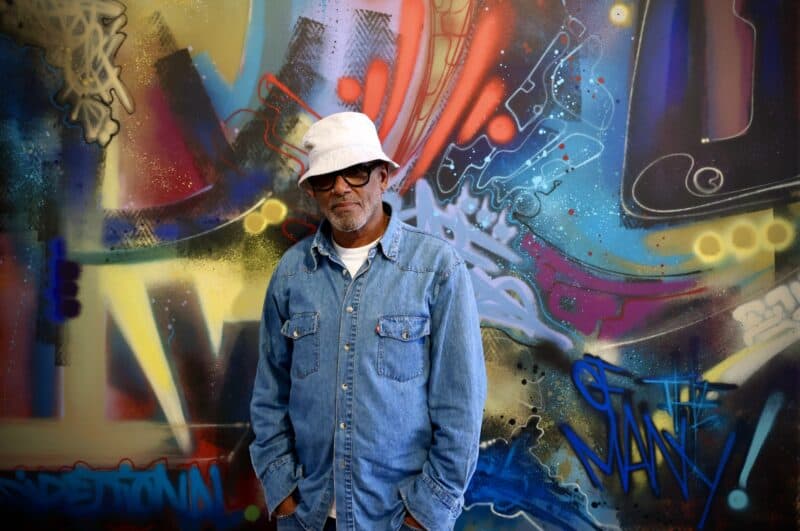
Torrick ‘Toxic’ Ablack