


May 29, 2026 |
Earlier this week, it was officially announced that legendary Manchester club The White Hotel would close its doors after a near 12-year tenure of hosting some of the best and brightest in electronic music. Citing a new council strategy that puts the venue at risk of flooding, the closure speaks to a wider, distressing trend affecting music venues across the UK. In the face of rising rents, the impact of a global pandemic and other unfriendly economic conditions, clubs and venues up and down the country are being forced to shutter. Another legendary London haunt, Corsica Studios, ushered in partygoers for its final hurrah on March 29. Its guiding maxim for its final run of events, which welcomed the likes of Roza Terenzi, Mafalda and Ikonika to spin sizzling heaters to a crowd paying homage to the club’s life through sweat and dancing into the early hours? “Nothing Lasts Forever.”
Part depressing, part resonant, the statement nevertheless is a reminder to cherish what you have whilst you have it, and protect the legacy of club culture when you can. It’s the same ethos that’s at the heart of the V&A’s latest free exhibition, titled Lost Music Venues. There, you’ll find over 150 objects gathered from 50 British venues that have left an inimitable mark on nightlife culture between the 1980s and 2010s, but at some point were forced to close. With standout articles including a noise-monitoring pager from Manchester’s legendary The Haçienda, or a poster from an early Banksy exhibition at Glasgow’s The Arches, the showcase also highlights how these venues helped launch the careers of the music industry’s most valorised. Also on display is a scrap featuring handwritten Oasis lyrics for Half the World Away and Mark Webber’s briefcase from his time as Pulp’s tour manager.
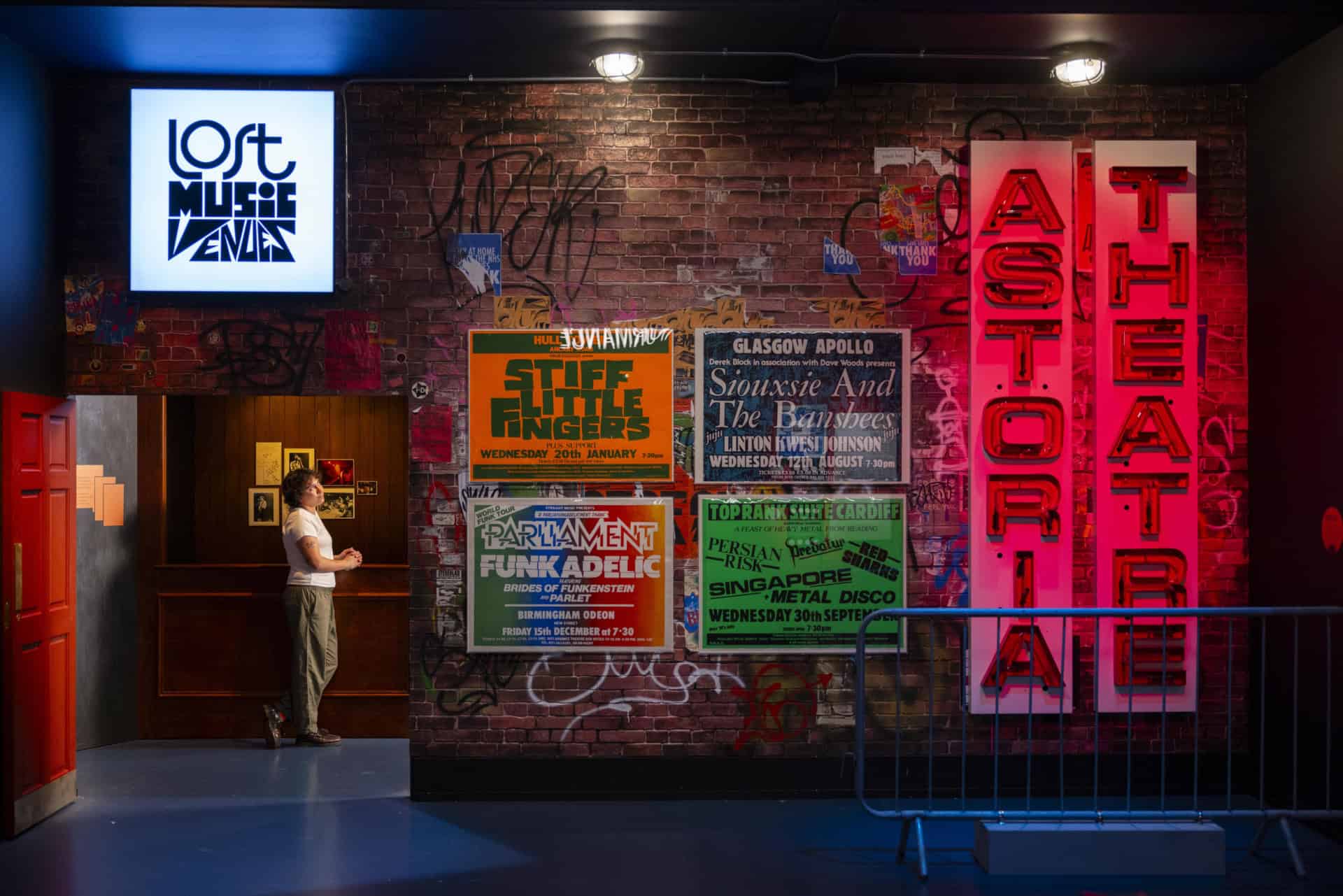
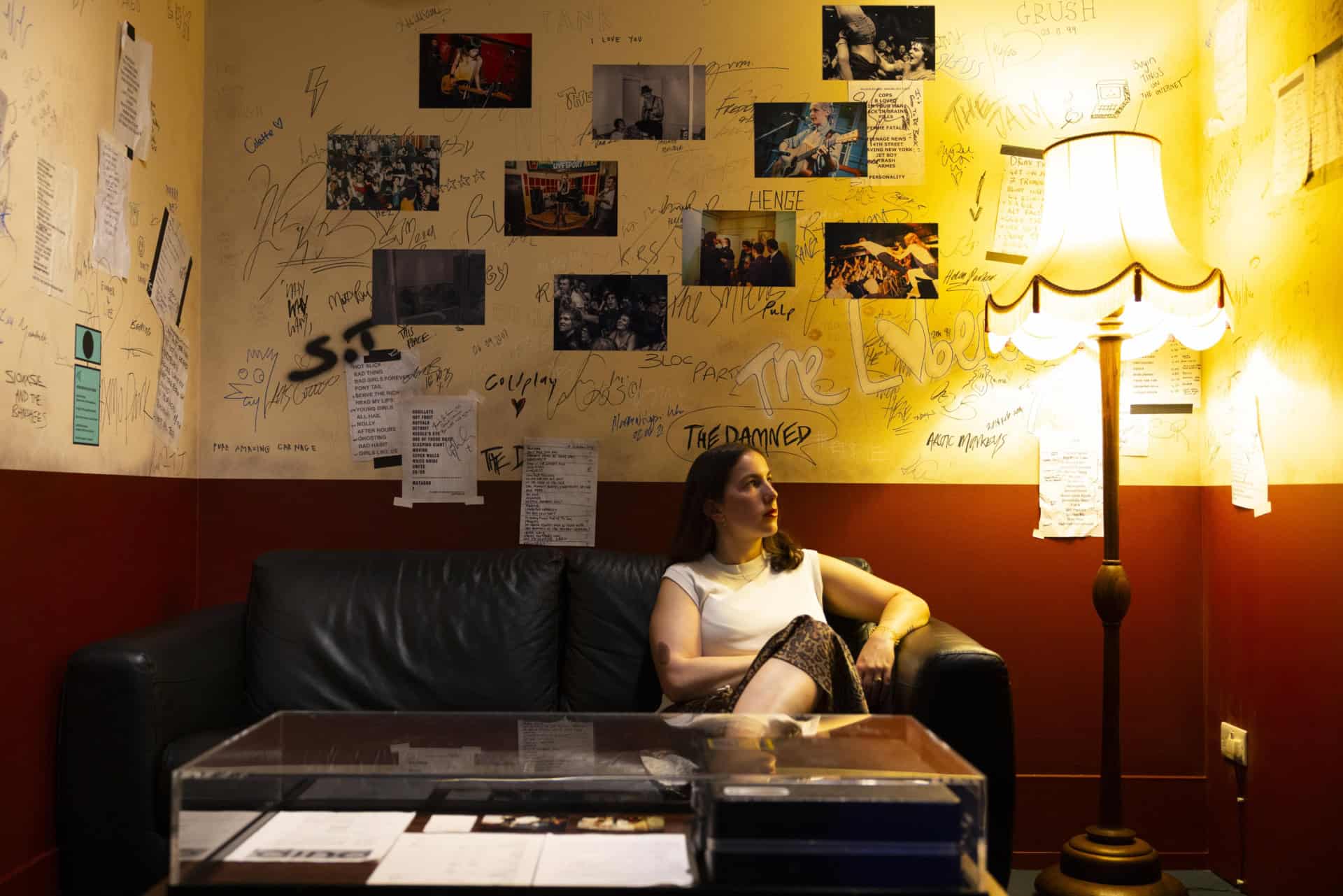
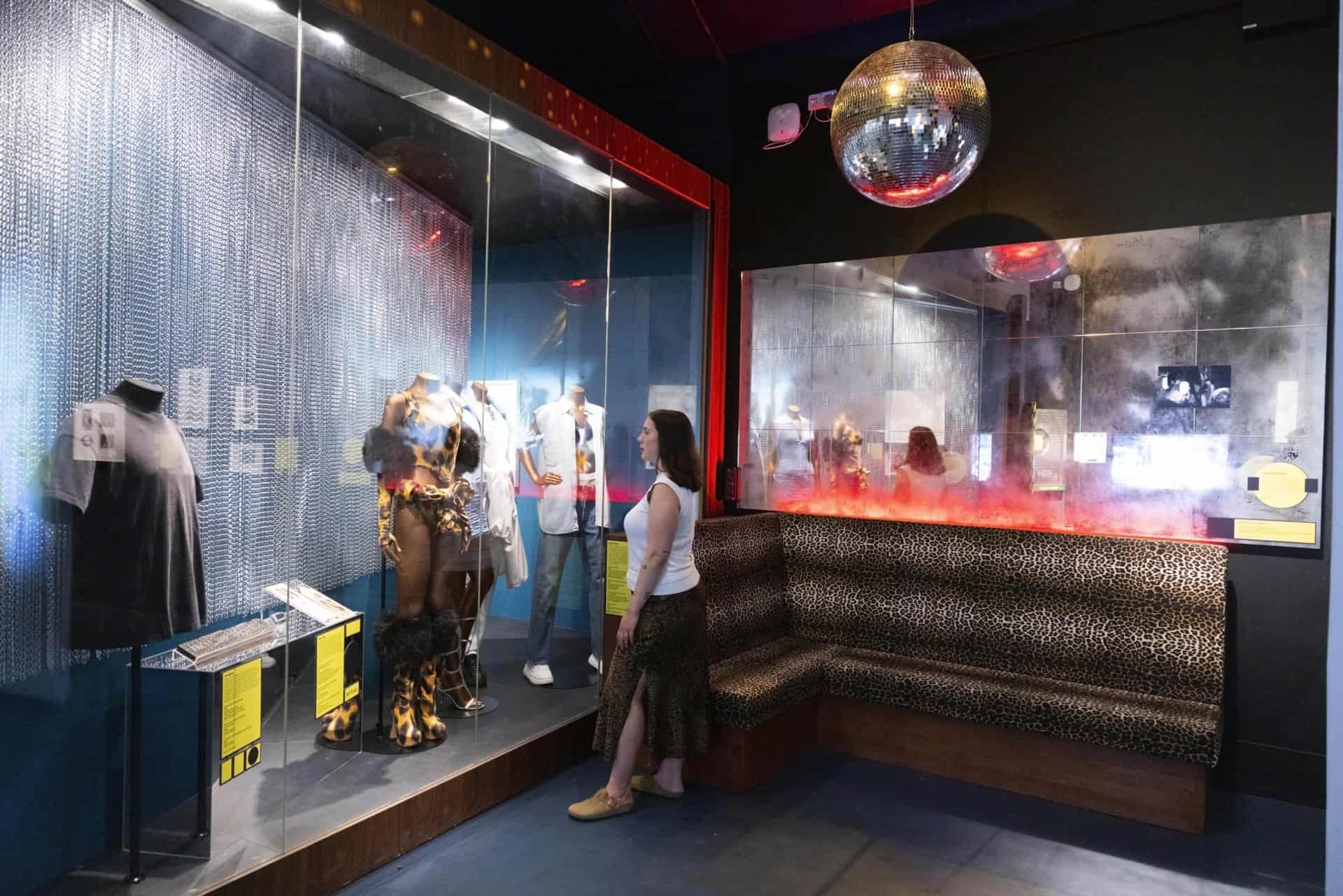
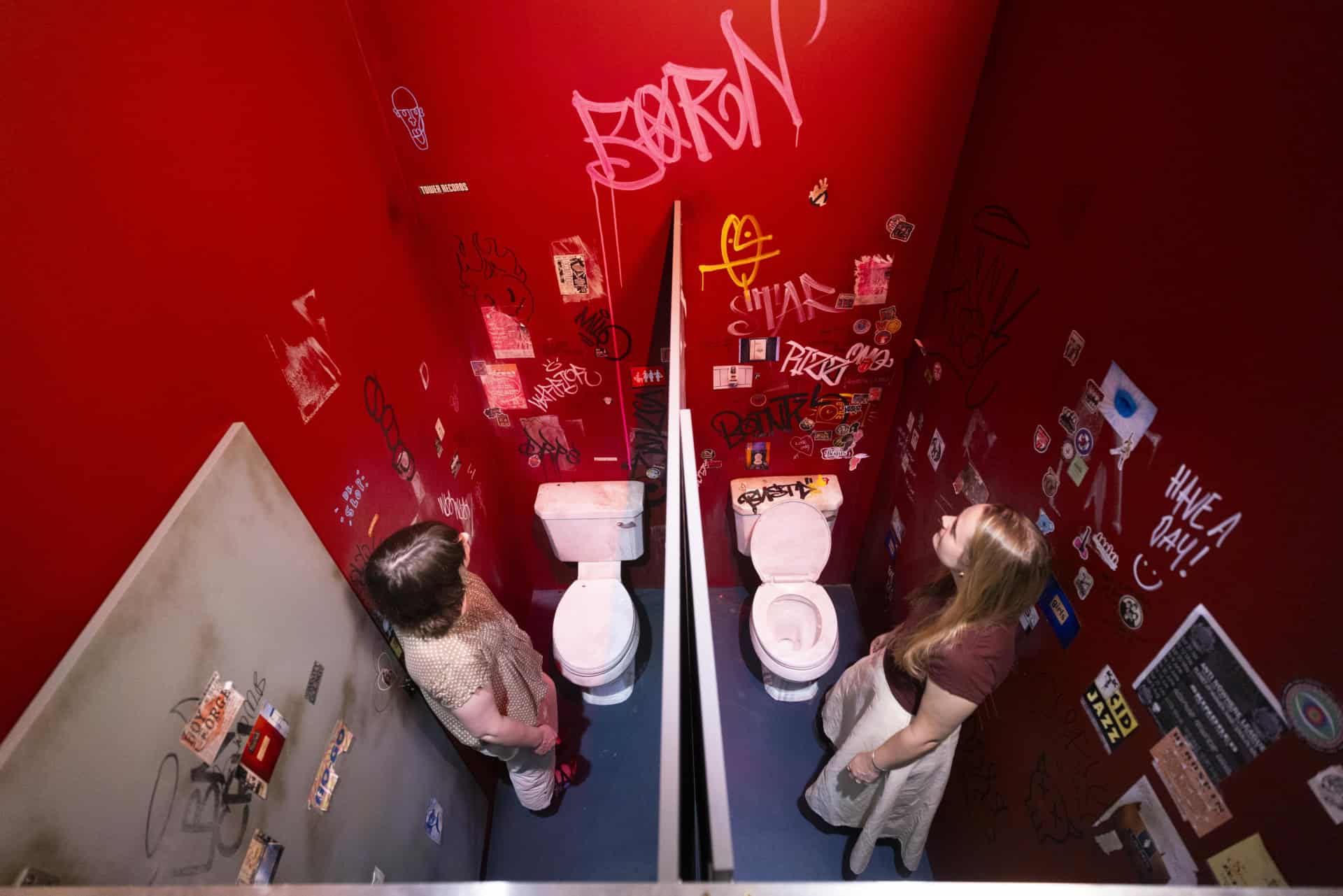
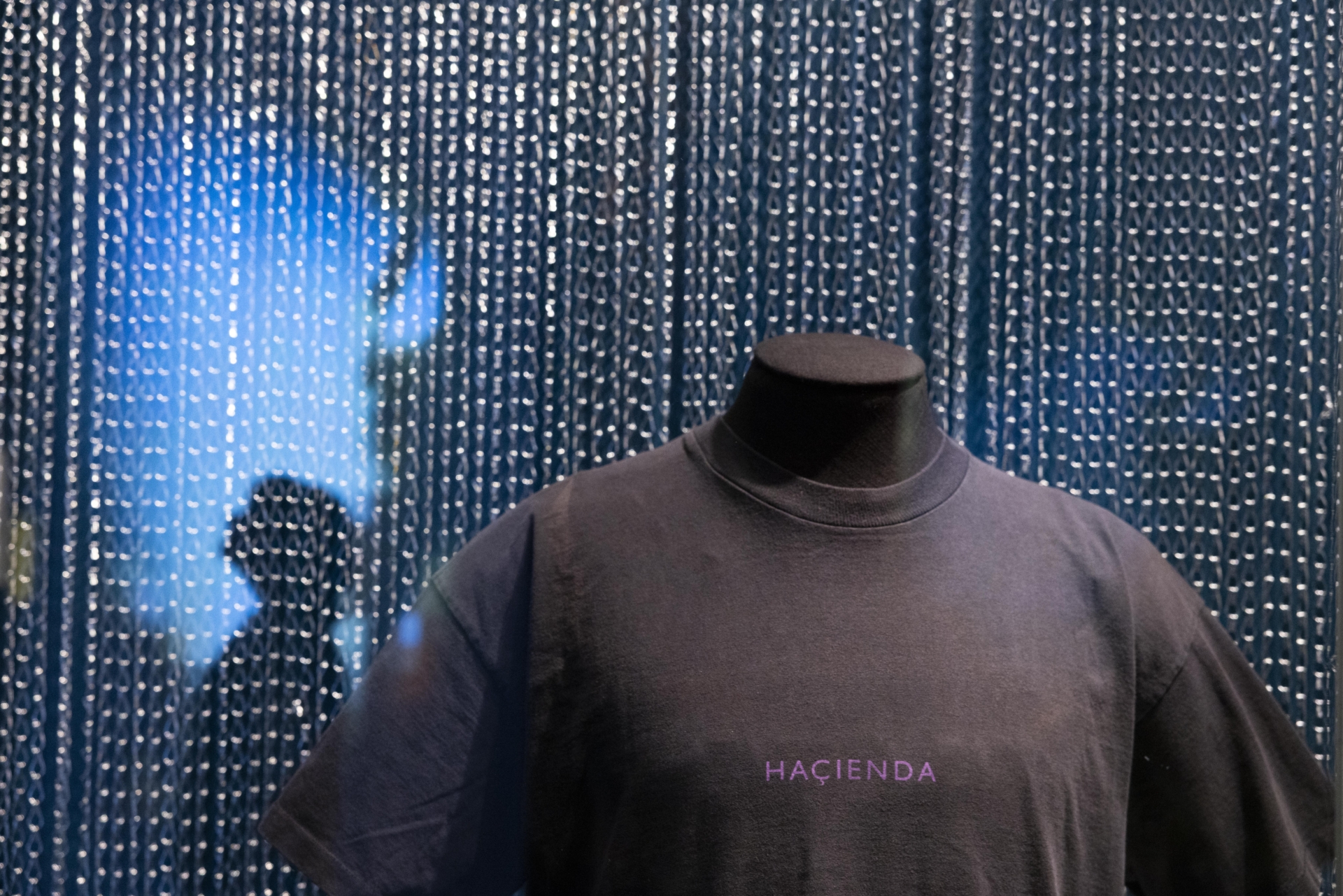
Divided into four themes – the origins of music venues as community spaces, grassroots venues as talent incubators, the challenges facing venues in the past decade and the influence of club culture on fashion and social movements – the exhibition has activism at its heart. Spotlighting the preservation work of groups such as the Music Venue Trust (which helped develop the exhibition), Free The Night, No Place Left To Play and Save Our Scene, this is a must-see for music fans with a desire to keep the memory of that which came before them alive.
Photography courtesy of the V&A.


