April 16, 2026 |
In his new role as the director of the V&A East – a new museum which opens to the public this Saturday – Gus Casely-Hayford is thinking big. In the lead up to opening, the curator and cultural historian spoke to over 30,000 young people and visited over 100 local, East London schools, with the intention to pry open the gates to the museum’s vast collection. For the first time ever, Casely-Hayford brought objects from the institution’s collection outside, and put them into the hands of young people, giving students the chance to interact, engage and learn about stories often overlooked by the national curriculum. Now an ongoing engagement programme, this outreach speaks to the V&A East’s encompassing ethos, one that’s rooted in accessibility, community and unconstrained storytelling. It’s on these foundations that the museum’s inaugural exhibition, The Music Is Black: A British Story, is also built.
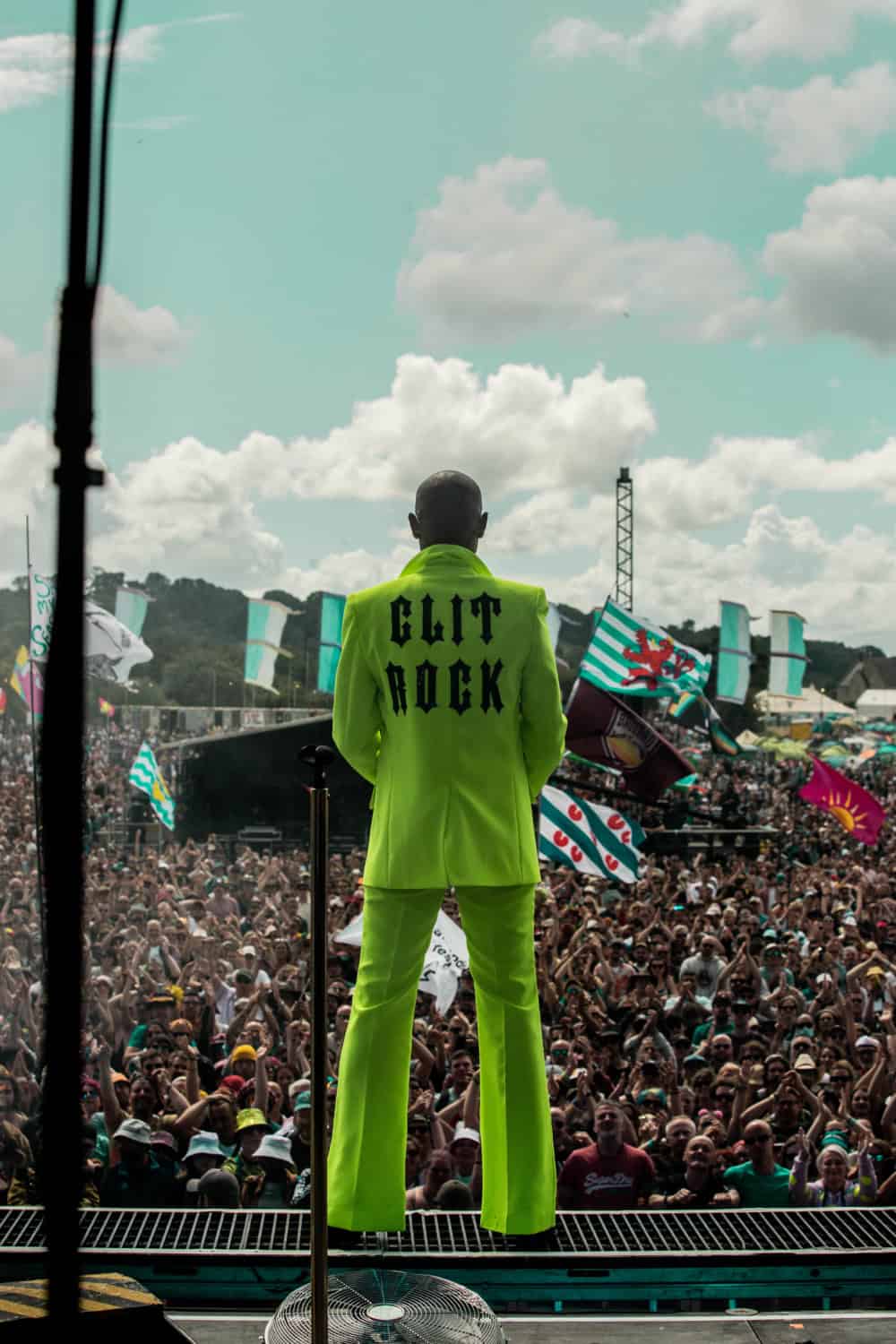
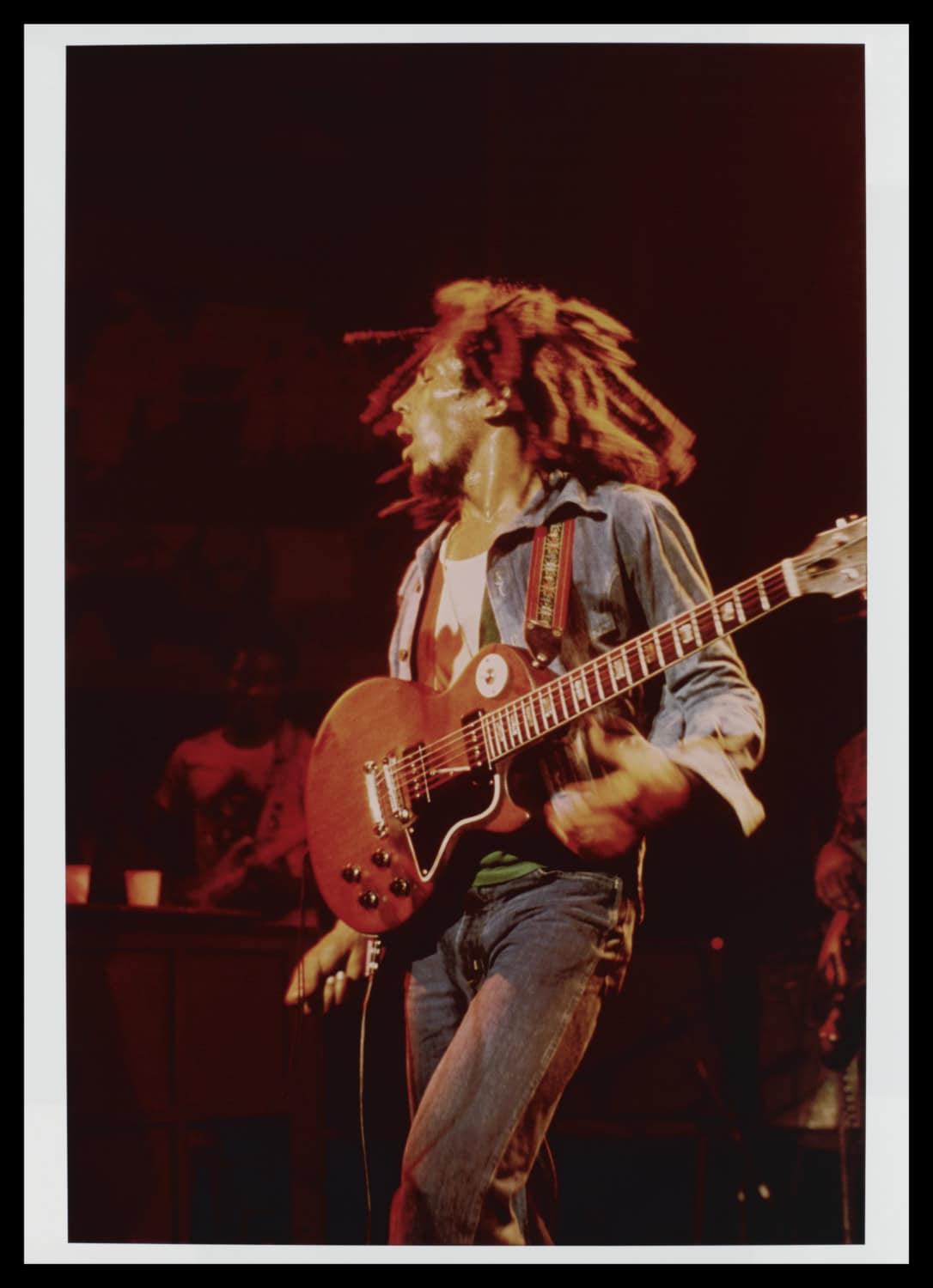
“It’s the soundtrack of our lives,” says Casely-Hayford of the 125-years of Black-made music illustrated throughout the exhibition. “But also it tells important historical and social histories that need to be told. Stories of immigration, stories of integration [and] stories that have been marginalised so much in terms of the national curriculum.” Indeed, walking around The Music Is Black feels like an antidote to this stagnant, homogeneous approach to education. School may be back in session – the display chronicles Black-music making with a detailed rigour – but it’s by no means the boring kind. If the V&A East is the classroom, The Music Is Black is a lesson that’s dynamic and full of life, soundtracked by Brit funk and UK garage, where your classmates are Kano, Mis-Teeq and Little Simz.
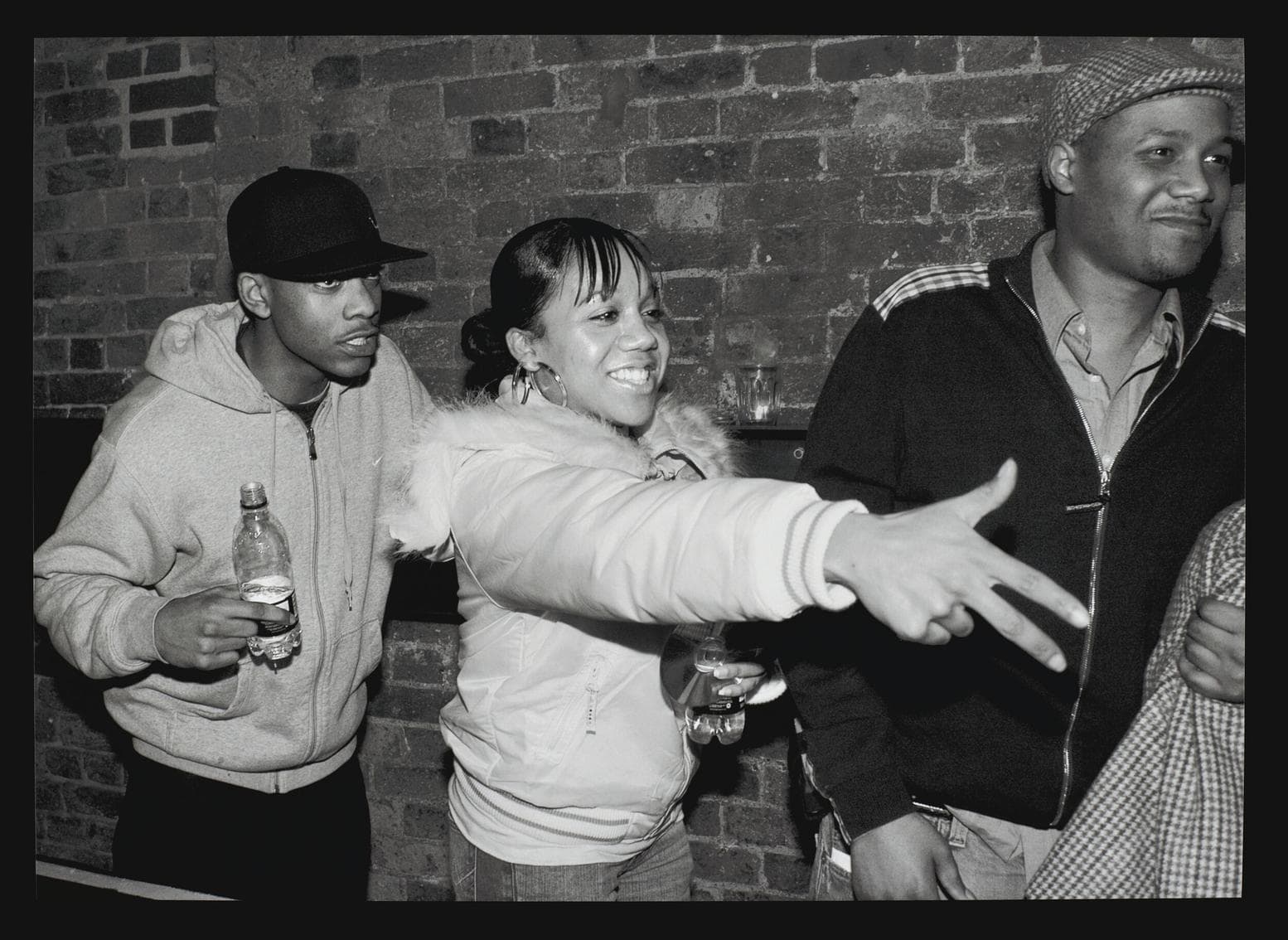

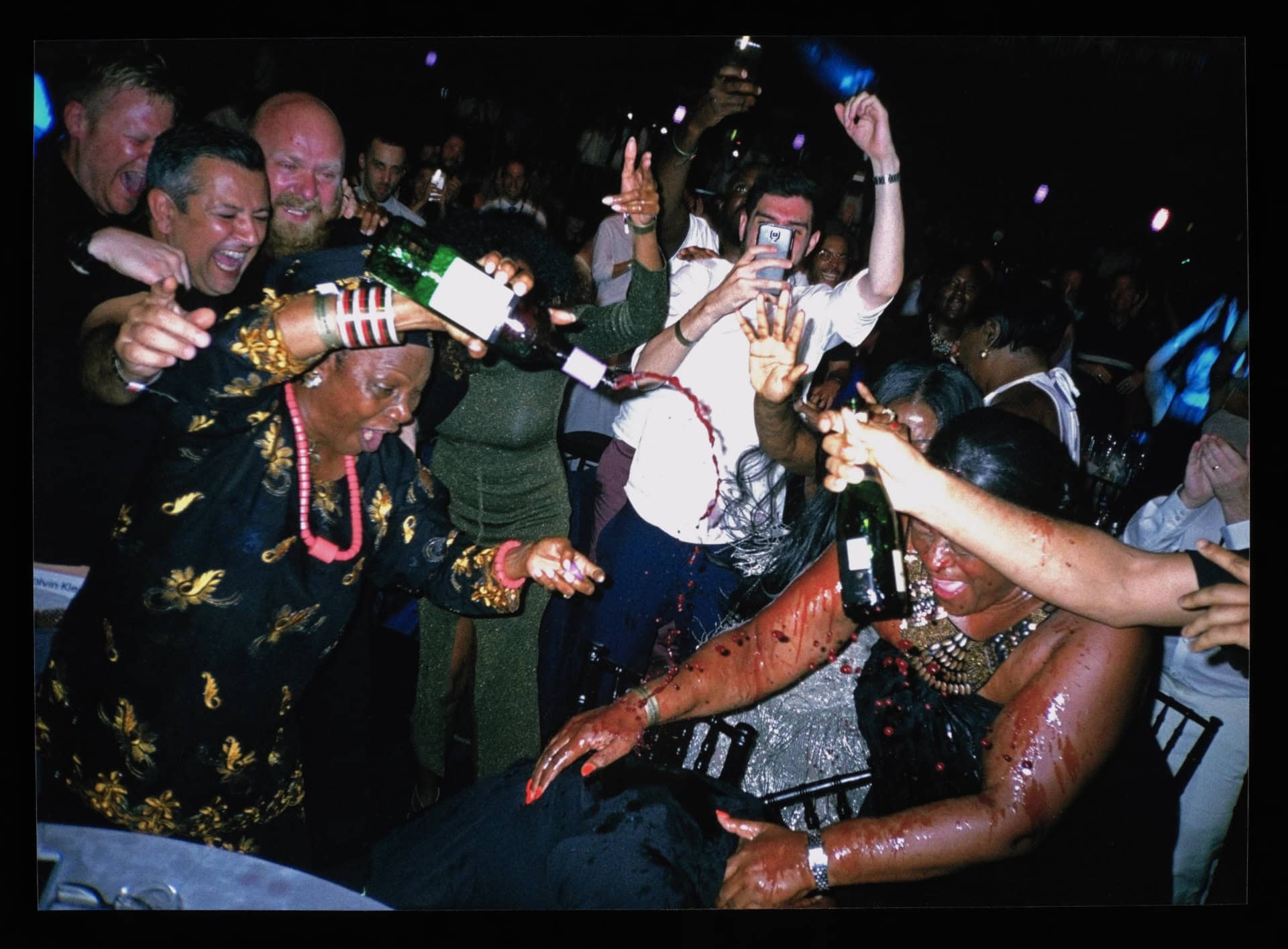
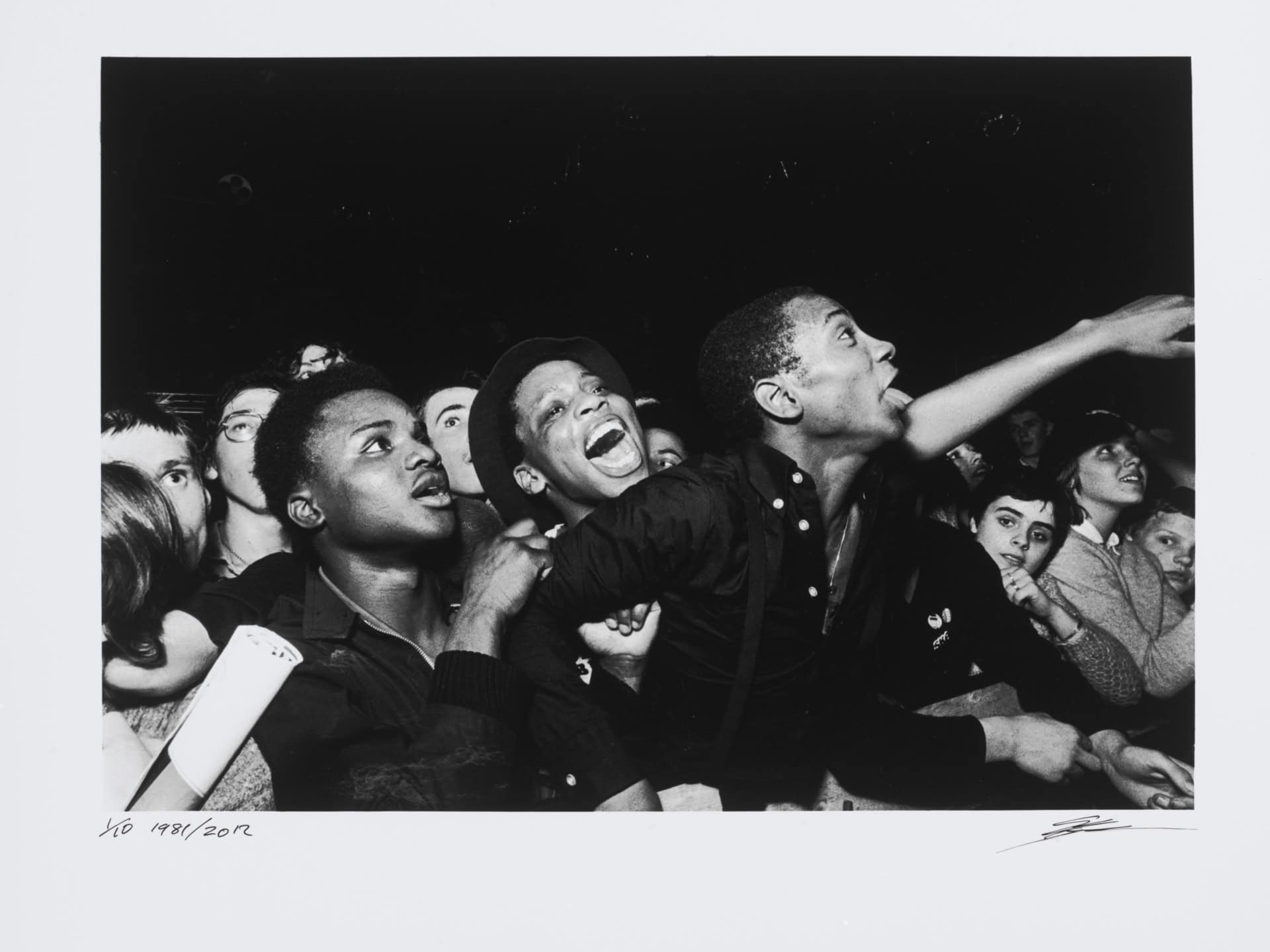
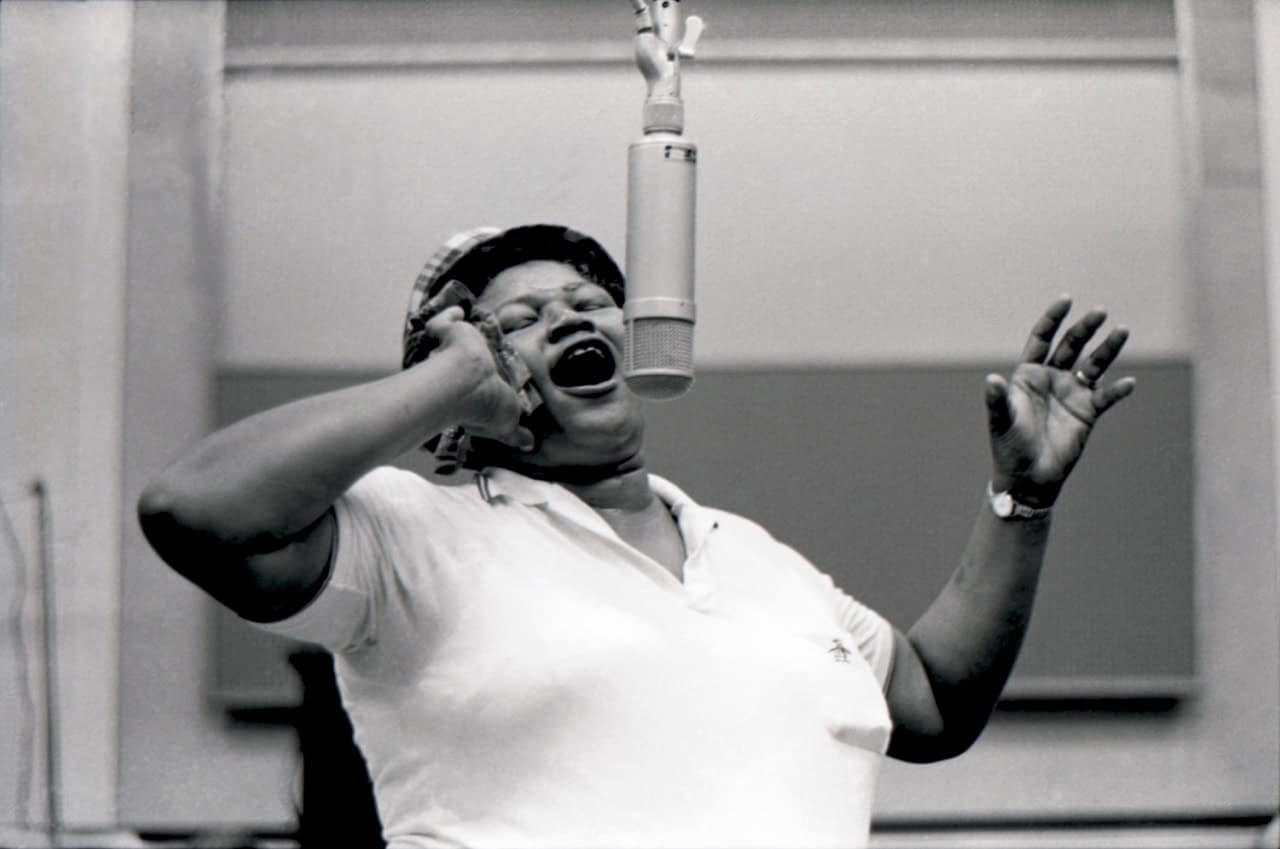
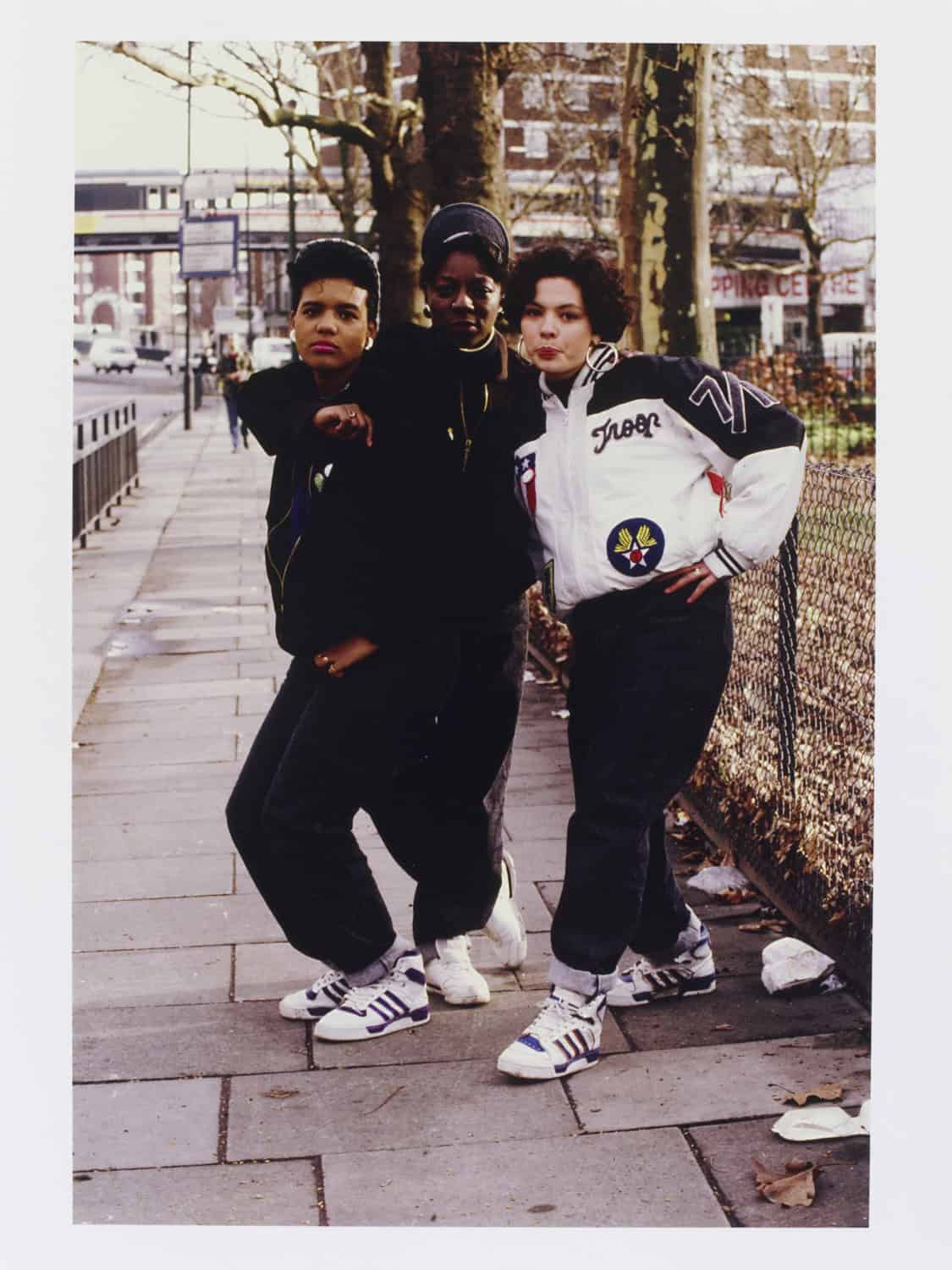
Opting first to contextualise the story with the origins of Black music during the slave trade in the 1400s, the narrative officially begins in Imperial Britain in the 1900s. A pair of headphones, handed to you upon entry, tracks your movements and plays songs accordingly, as you weave through photographs, items of clothing and a plethora of historical artefacts which tell you the rich story of Black music in Britain from this point and beyond. Above all, it tells a tale of transformation. For example, how genres like gospel, blues and jazz offered up hope and resistance in a time of conflict in the ‘30s and ‘40s, and how spaces like Notting Hill Carnival provided a much-needed sense of community in the face of racial tension from the ‘60s onward. Moving through the introduction of dub in the ‘90s and trip-hop’s Bristolian origins before spotlighting the growth of UK garage and grime, The Music Is Black leaves no stone left unturned. It’s so wealthy in its information, myself and a colleague both said we hope to visit another time to be able to fully take it all in. So, once processed, what does Casley-Hayford and the V&A East team hope people take away from the exhibition? “How important [Black music] has been as a component of British culture,” says the director. “It’s, in my mind, one of the most important things that we have offered the world over the last 125 years. It talks to the power of culture and to the indefatigability of the Black British community.” And as we navigate a modern world that feels increasingly divided, championing the diversity of our culture, alongside the joy and impact of Black music, feels as important as ever.
‘The Music Is Black: A British Story’ opens April 18 at the V&A East Museum and runs until January 3, 2027. Book your tickets here. Photography courtesy of V&A East.