April 14, 2026 |
The honorific never changed. It remained quiet and reverential throughout the decades: ‘Mr Armani’. It seemed oikish, uncivilised even, to ever refer to him as simply ‘Armani’ or – heaven forfend unless you knew him well – ‘Giorgio’. Mr Armani was a mark of respect in how he was to be addressed, one that was uttered by his staff and those who attended the shows, which parlayed into the sense of propriety throughout the world of Armani – hushed, elegant, correct, patrician.
The news of his death last September, at the age of 91, may not have come as a seismic surprise – as rumours had circulated of his ill health for a while and the great man of Milanese fashion had failed to appear for his customary bow at his last three shows – but it marked an historic shift in the landscape of Italian fashion, and the industry beyond.
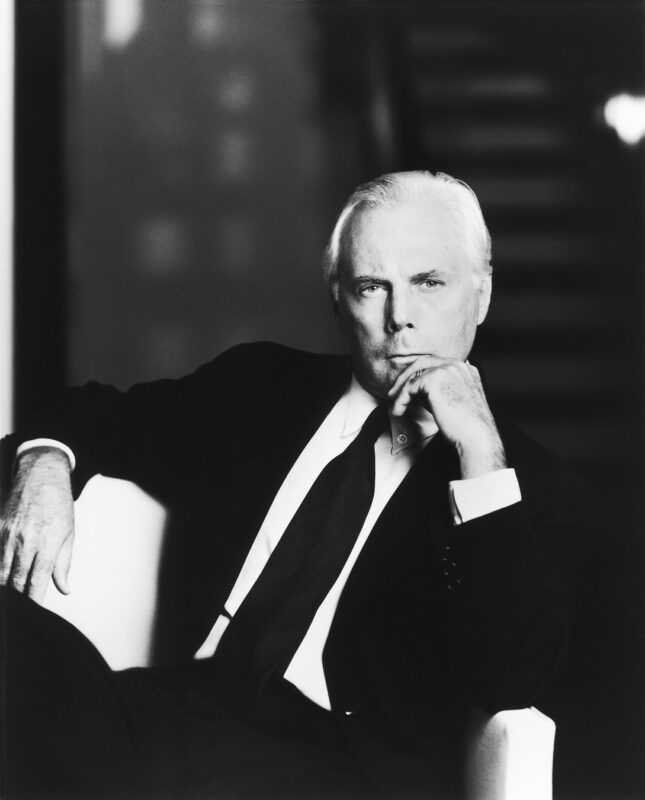
In his prime: Mr Armani, who died in September 2025; portrait by Aldo Fallai
In being asked to write an essay musing on the menswear prowess of Mr Armani for the venerable Team Tenners, I couldn’t help but think back to a moment at Central Saint Martins circa 2007. During my MA Fashion year, when I witnessed the design pathways of the brilliant Christopher Kane and the quietly thoughtful Norbert Stumpfl, most recently the creative director at Brioni, I had been tasked with a series of ill-fated presentations on various designers.
One unfortunate student, perhaps in a misguided bid to impress Louise Wilson, the feared course director and black-clad mistress of all she surveyed over the college, delivered a sneering critique on the output of Mr Armani. From there, her puce-faced rage erupted in broiling, cashmere-clad fury; how dare a 20-something dismiss the work of Mr Armani. I had a love and respect for her, but known for her tact Louise was not, and she made it abundantly clear that while one might not be inclined towards the Armani aesthetic (one might revere the more experimental Antwerp Six or the avant-garde Japanese designers of the ’80s) you’d better damn well respect what he’d built, honour his absolutism to his point of view and learn from his commitment to building a brand. I believe a notebook may have been thrown, and certainly a few ‘fucks’ were scattergunned in rapid fire.
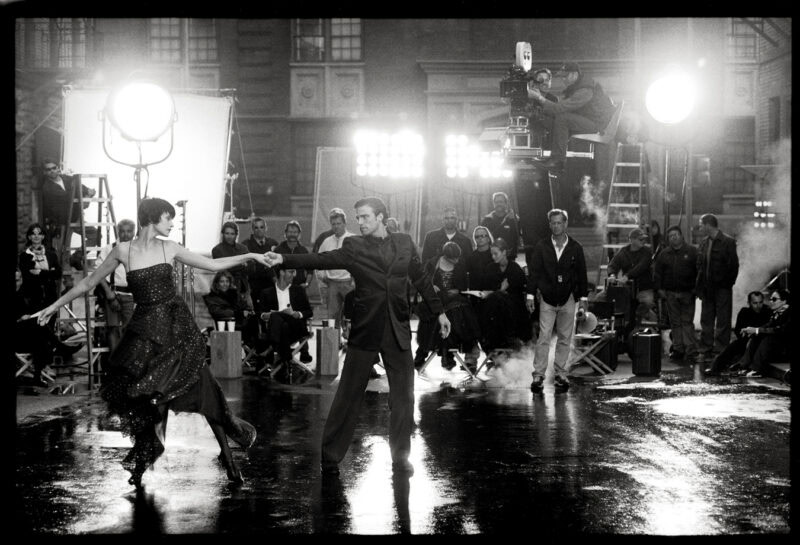
AW01; photography by Peter Lindbergh
Some of those oh-so-achingly-cool 20-somethings in the room (and I count myself in that wretched roster) might not have got it then. But as a more educated fashion professional all these years later, I can see that it was an early tutorial in respecting the phenomenal universe that this individual created. His world view was entirely 360 degrees before that phrase became a tired buzzword among marketeers, and he had staying power in an industry that encourages anything but.
I wonder if it was his early military years in the 1950s, following his childhood in Piacenza, that installed that sense of discipline, a rigour he applied not just to his aesthetic across all fields – fashion, design, beauty – but in his personal life; that gym-fit silhouette was still seen in those fitted black T-shirts into his eighties. He spent two years in the army and that regimented mindset seemed to parlay into the aesthetic he built over the years, pulling back stylistically to impose his own version of minimalism, whether on an Oscar-ready gown or a softly draped men’s suit. It was never minimalism in its starkest sense, but a sense of restraint and classicism that ensured a feathered bustier or a lustrous velvet evening jacket was never theatrical. It was just right, brought back from the brink of camp or excessively showy by something clean and sharp.
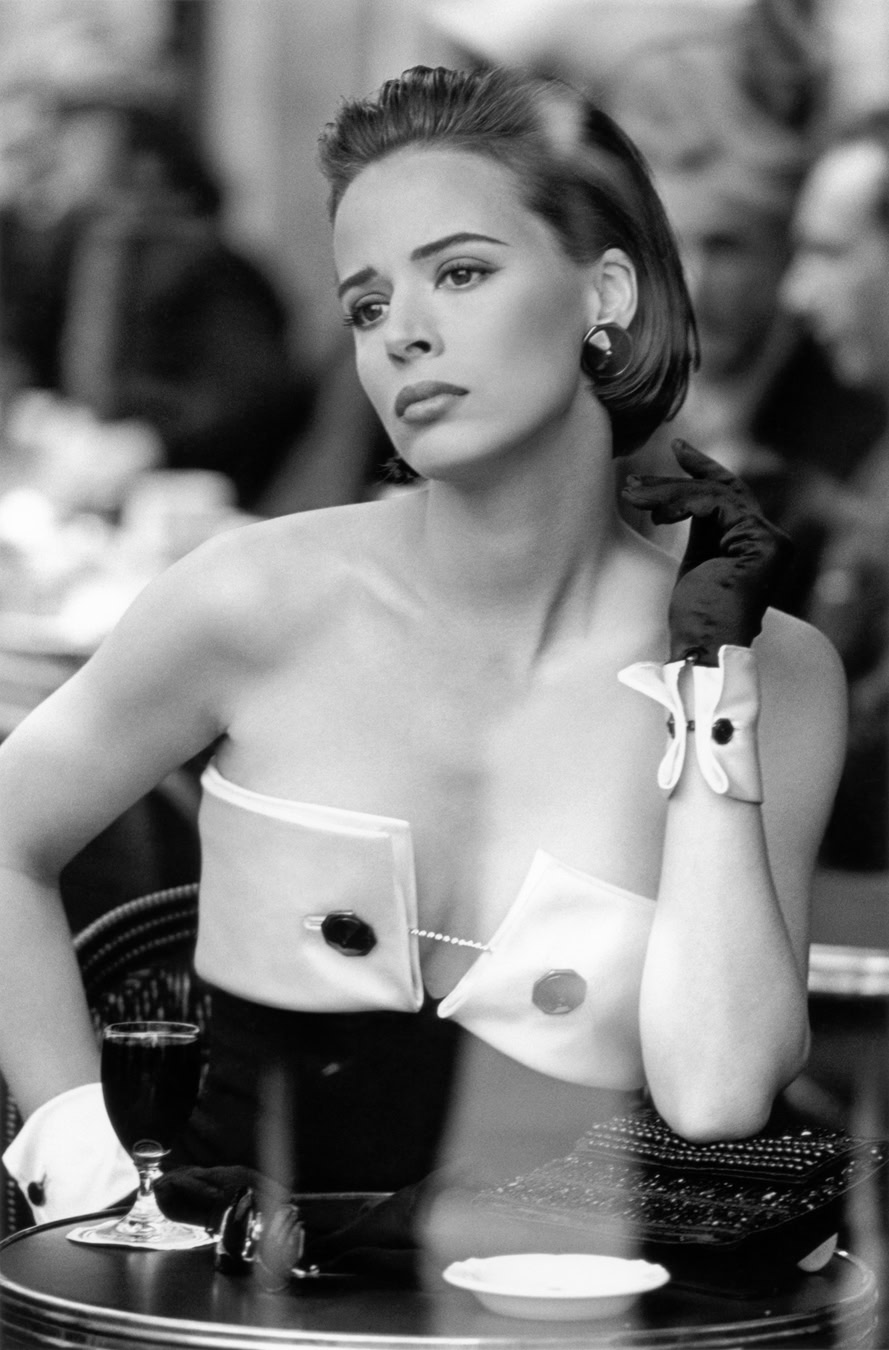
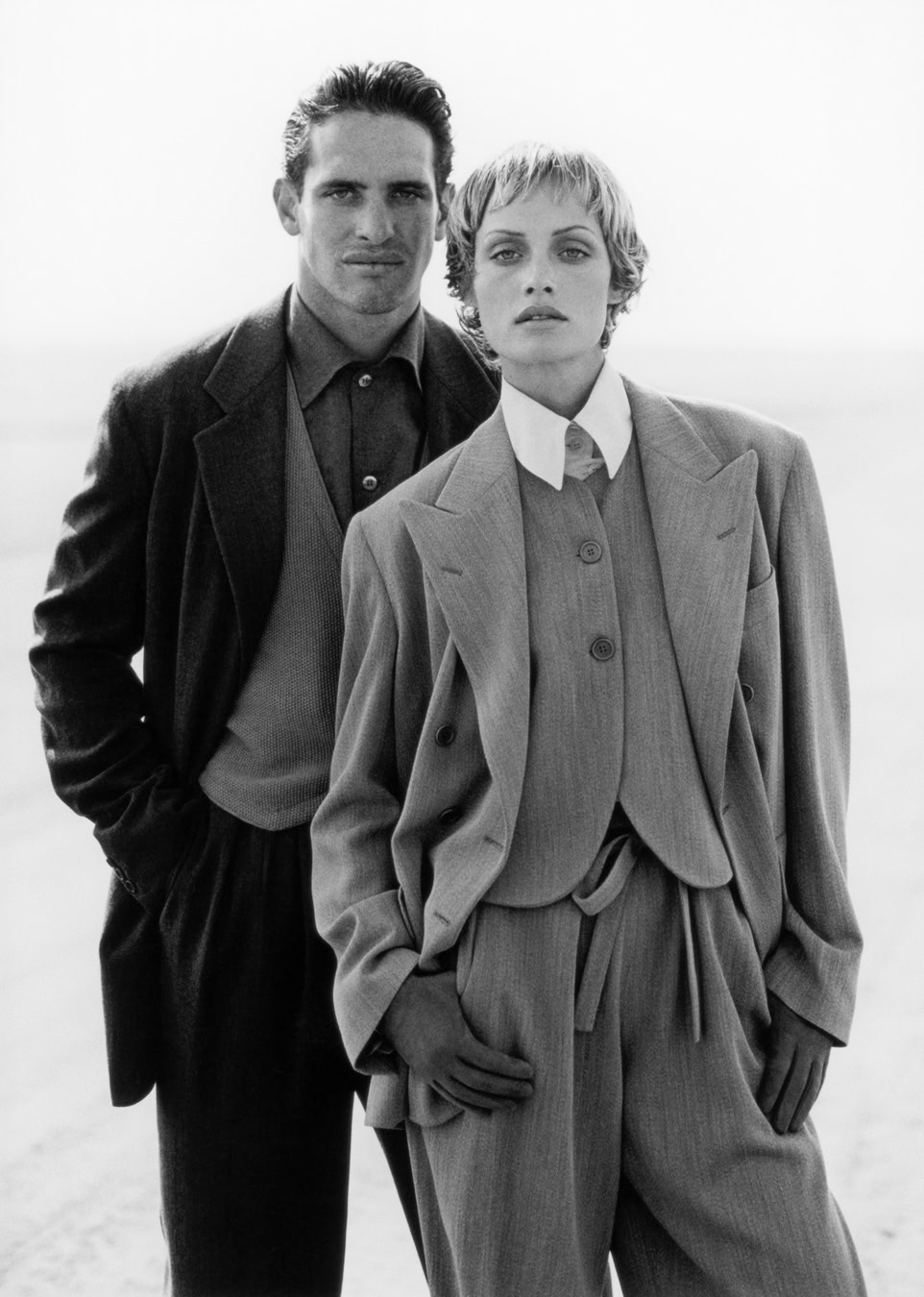
From left: Giorgio Armani AW92 and AW93, photography by Peter Lindbergh
If you grew up in the ’80s and ’90s, Giorgio Armani was a byword for a kind of tempered glamour, an antidote to the excess of the ’80s and just a bit more expressive and splashy than the minimalism and grunge of the ’90s. I believe my first piece of Armani was some logomania sportswear, such was life in regional Scotland circa 1998, but there was potency in its brand name. He created a mysticism through his association with films over those two decades, from American Gigolo to The Bodyguard, and the celebrities he turned into style icons thanks to his clairvoyant fusing of Hollywood and high fashion – Richard Gere, Jodie Foster, Julia Roberts, Michelle Pfeiffer. All were transformed under his exacting eye.
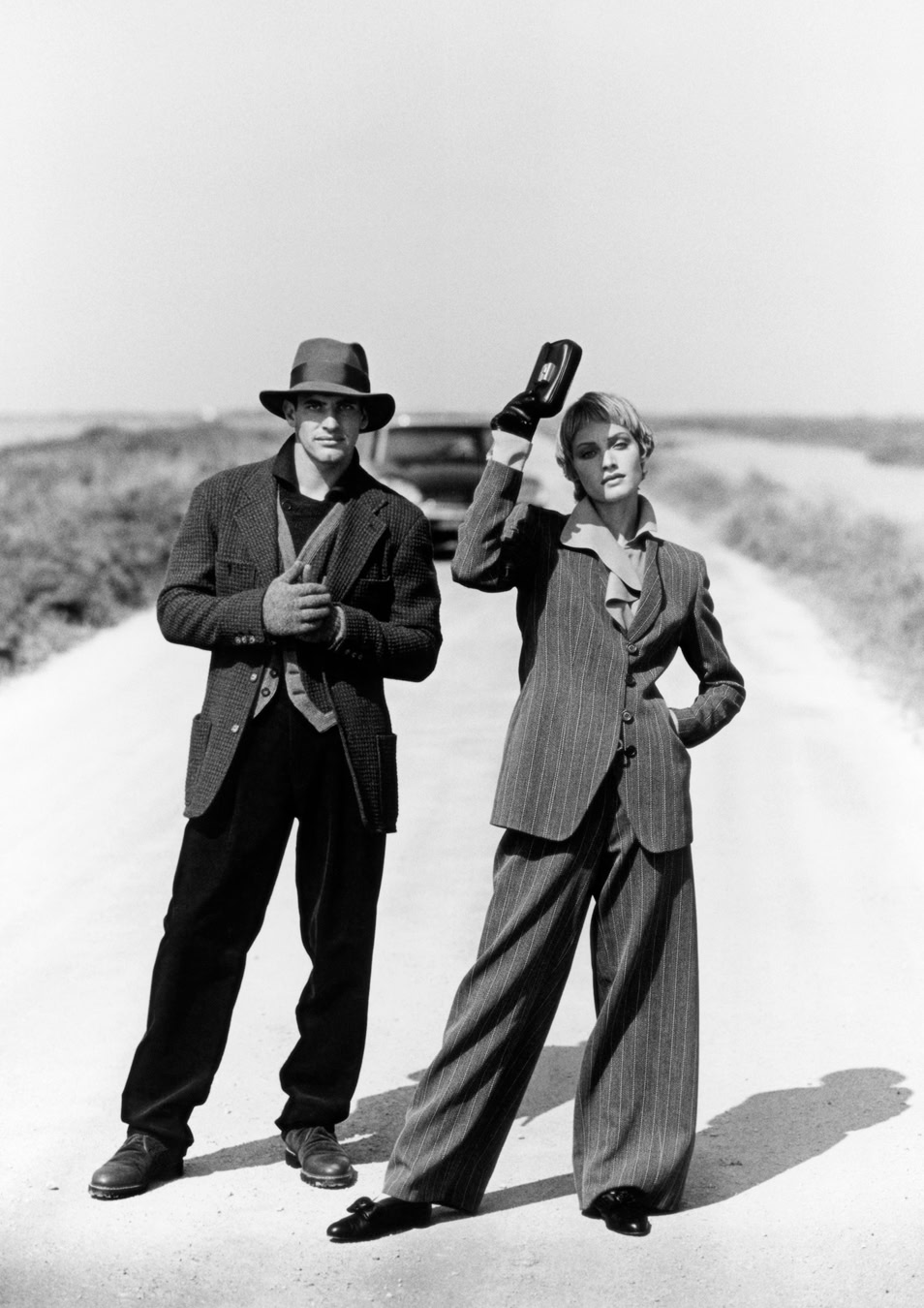
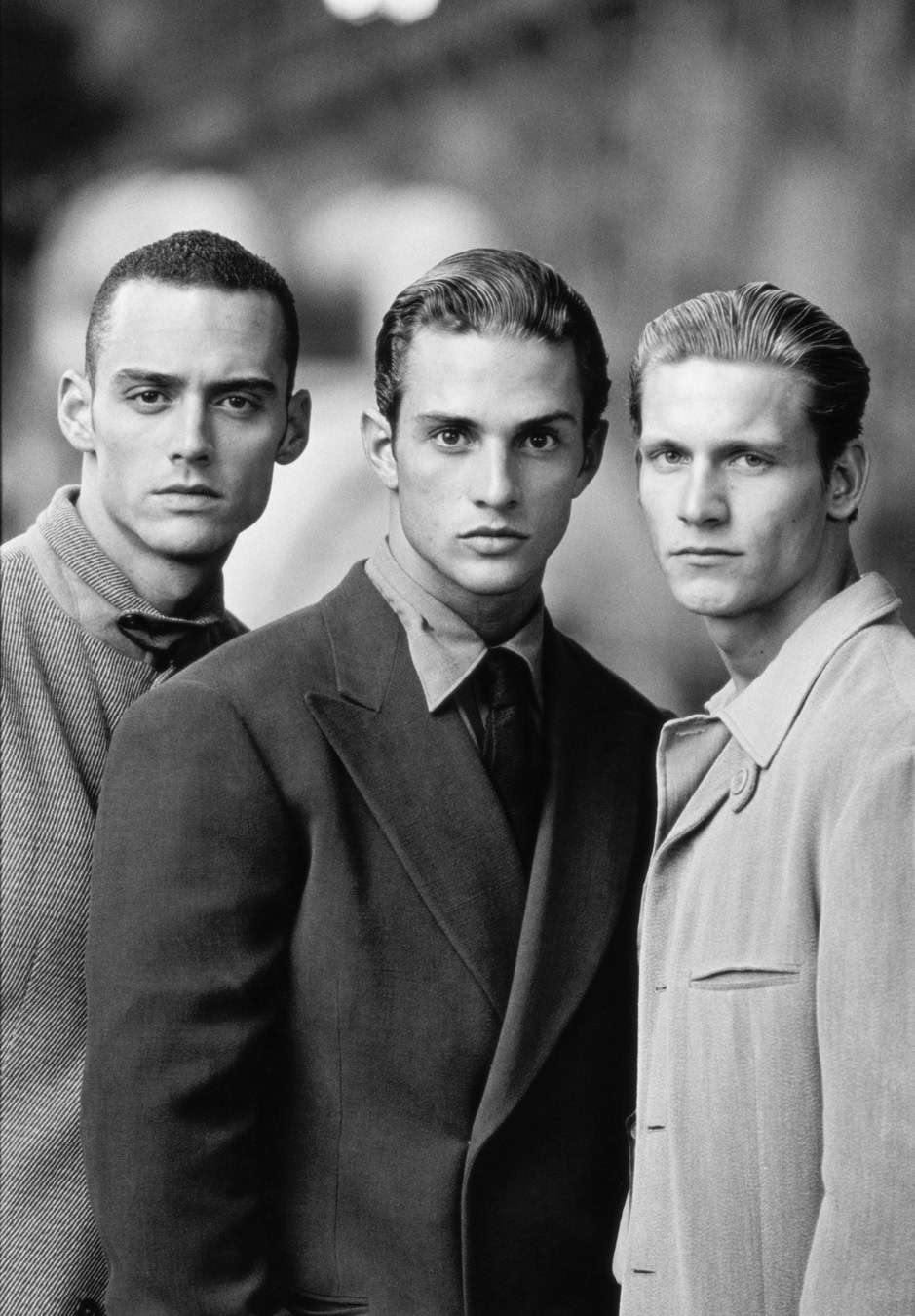
From left: Giorgio Armani AW93 and AW94; photography by Peter Lindbergh
And how exacting it was; as recounted in his final interview in the Financial Times with Alexander Fury, Mr Armani remained sole shareholder and CEO of his company up until his death and oversaw a brand of monolithic proportions that was entirely independent. Mr Armani left instructions that its independence could change when he was no longer at the helm, but the fact that he laid out his succession plans so clearly is testament to that absolute, all-seeing eye. An eye that was still overseeing every detail of the models’ make-up and every flutter of a kaftan in the Emporio men’s show last June from afar on Zoom when he wasn’t well enough to be there in person. It was once feared that the Armani teams bugged the seating at his shows to listen for potential voices of dissent, such was the climate around just how far the great man’s eyes (and ears) extended. No bugs, to my knowledge, were ever found. One stylist I know tried to tinker with the Armani aesthetic on a campaign; the edict came back to smudge the eye, gel-slick the hair and soften that tailoring to adhere to the Armani mindset.
Giorgio Armani began as a menswear designer, although his couture and red carpet gowns would go on to cement him in the public eye years later. It was his singular approach to tailoring that was pioneering at the time, inspired by elements of Japanese and Chinese dress. He softened the shoulders, loosened the jackets and draped the trousers to lend a sense of airy ease to men’s tailoring. Italian suiting until then had been creakingly uncomfortable; men were unholstered in trussed-up silhouettes designed to denote some antiquated view of machismo style.
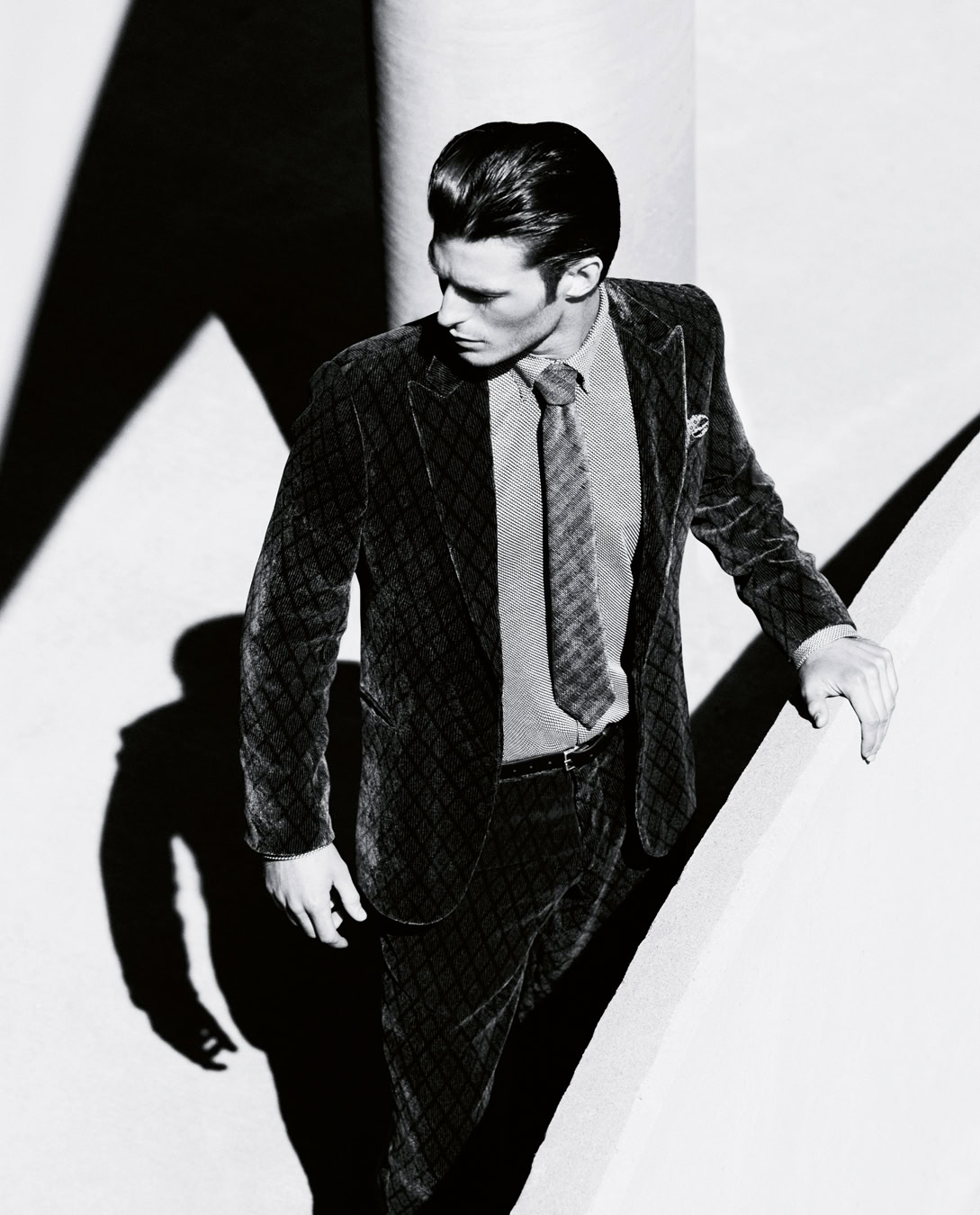
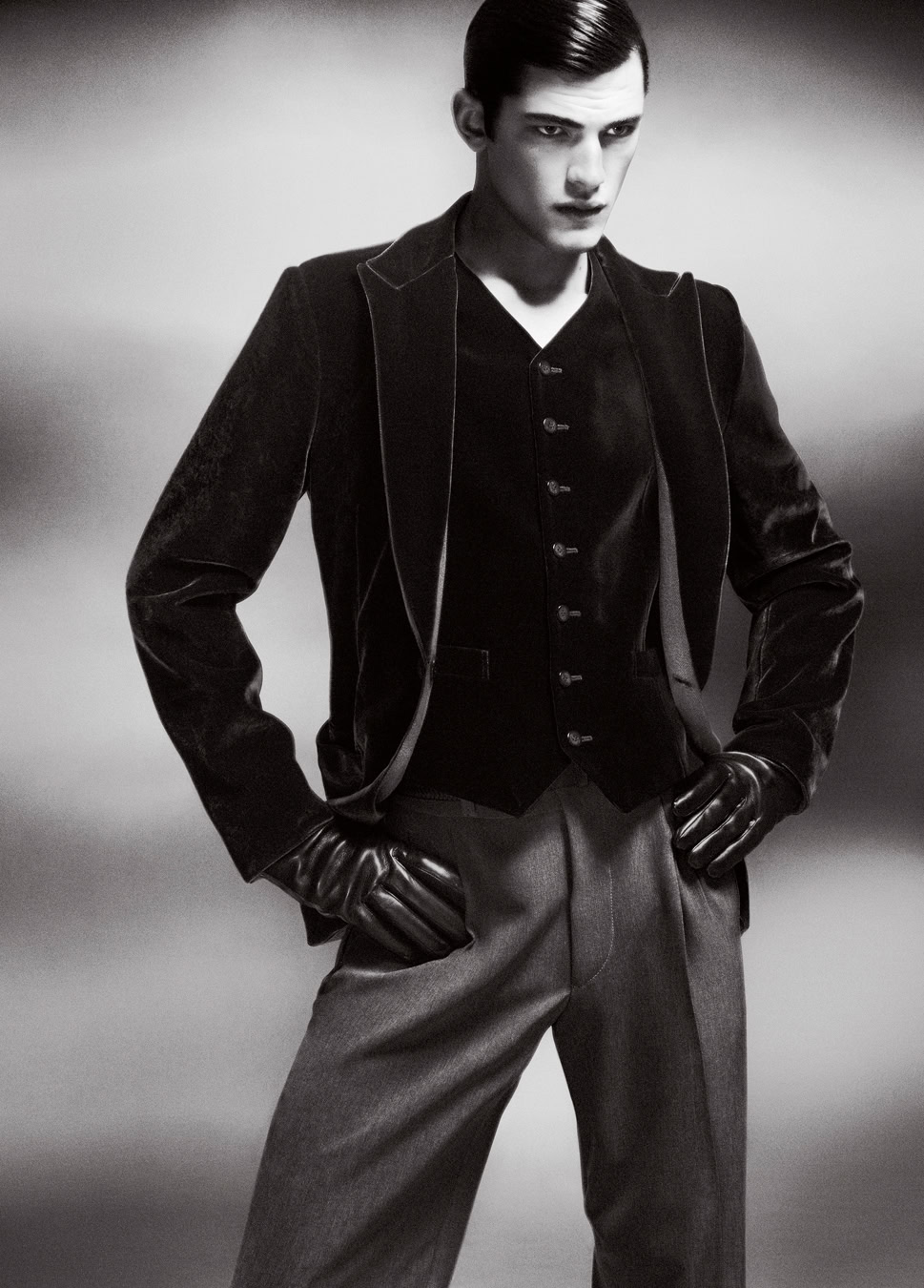
From left: Giorgio Armani AW06 and AW09; photography by Mert Alas and Marcus Piggott
Armani’s interpretation of masculine dress was a sartorial sigh of relaxation, a letting out of proportions without looking comically baggy or swamping the frame. Suiting with the stuffing taken out, if you will. Today it’s common practice – see the delicious softness of The Row, the breezy proportions at Brioni – but back in the ’80s and early ’90s it was revolutionary to propose suits that slipped on lightly and didn’t require the fussiness of full shirt, tie and cufflinks. A mandarin collar would suffice, actually, said Mr Armani. Likewise, sandals with suiting.
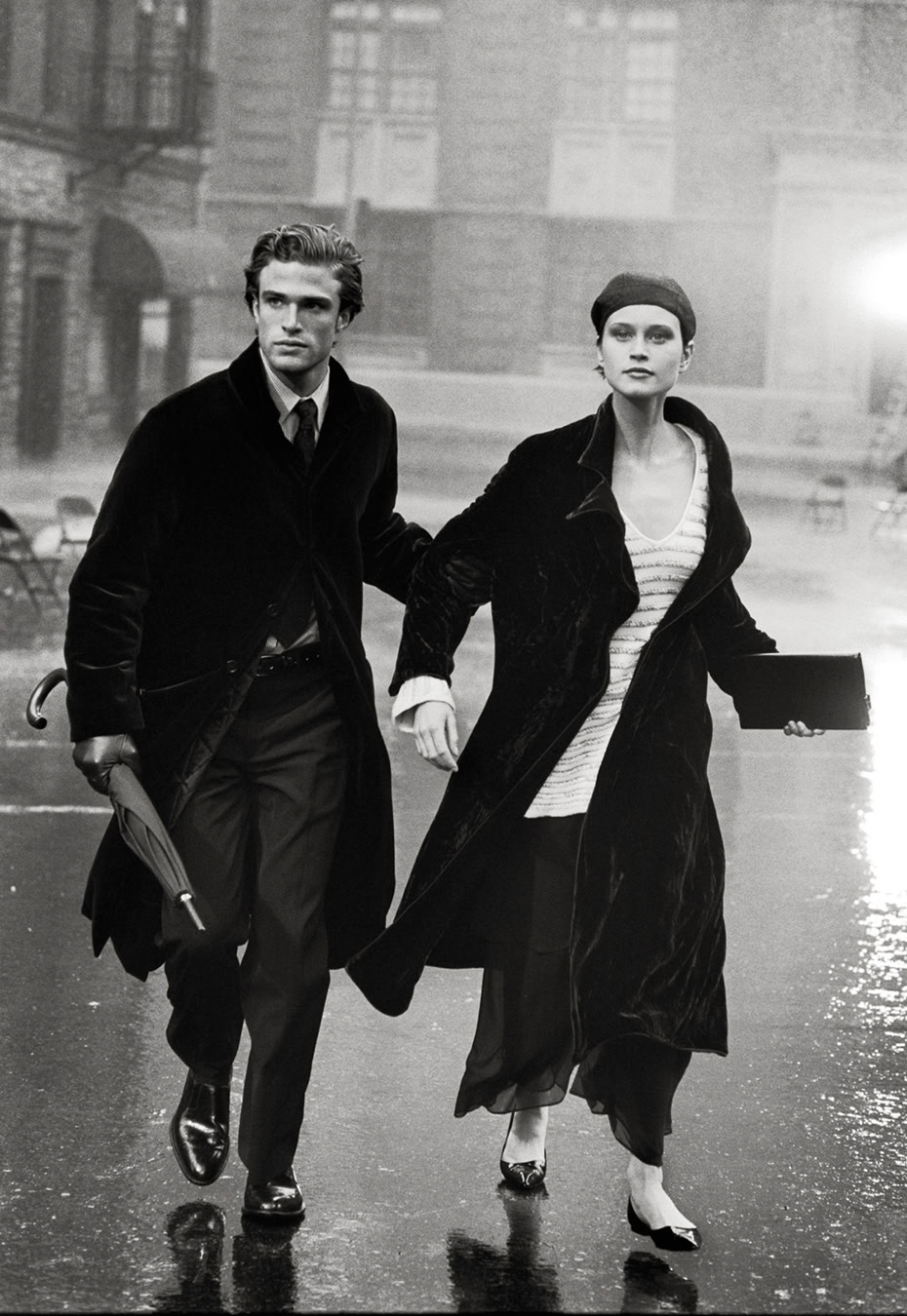
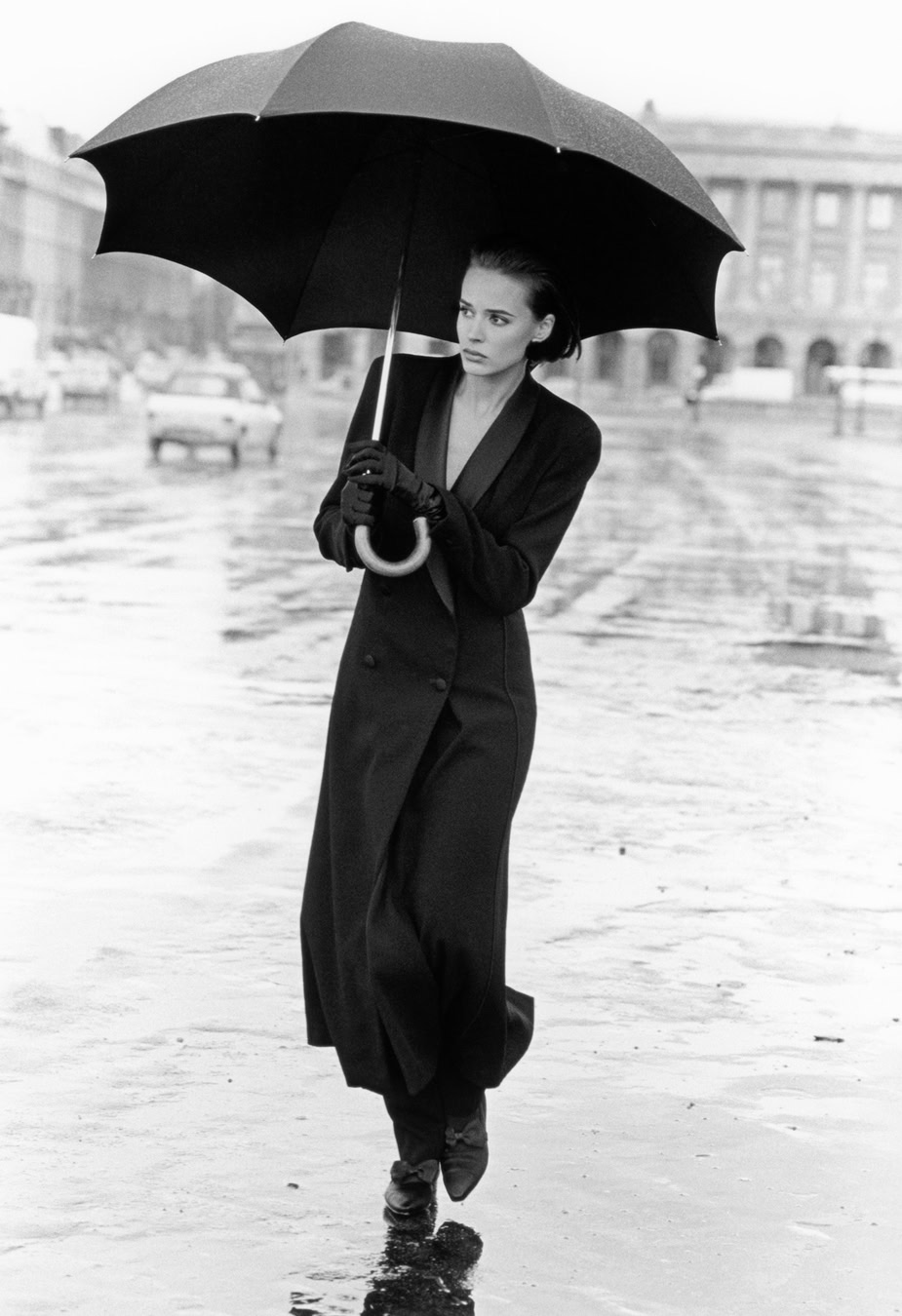
From left: AW01 and AW92, shot by Peter Lindbergh
It’s remarkable how many contemporary tailoring nuances we take for granted. Soft proportions, gauzy T-shirts under jackets and those Pantelleria-ready sandals all stem from templates that Mr Armani founded decades ago. I’ve been lucky enough to be fitted for a Giorgio Armani suit and it’s a sublime experience, as you’d expect, but what’s fascinating is how men of a certain age – our Telegraph readers – enthuse about Armani’s clothes with gusto, having first bought them back in the ’80s. A friend’s father in the Cotswolds still has some of his original Armani from that era, one of those Japanese-inspired collarless jackets that were so bold at the time (and still are), and today there’s a roaring trade in vintage Armani suits.
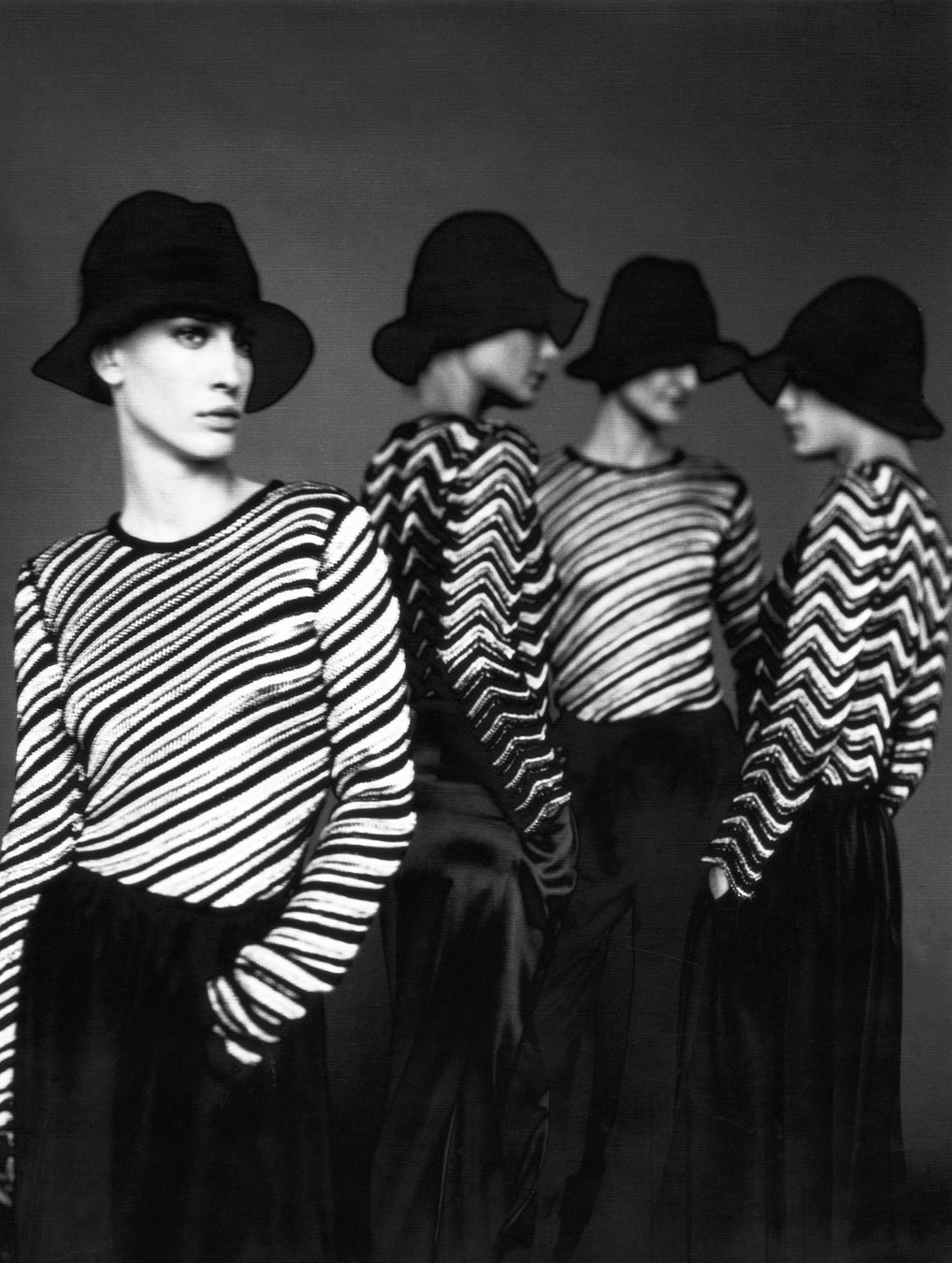
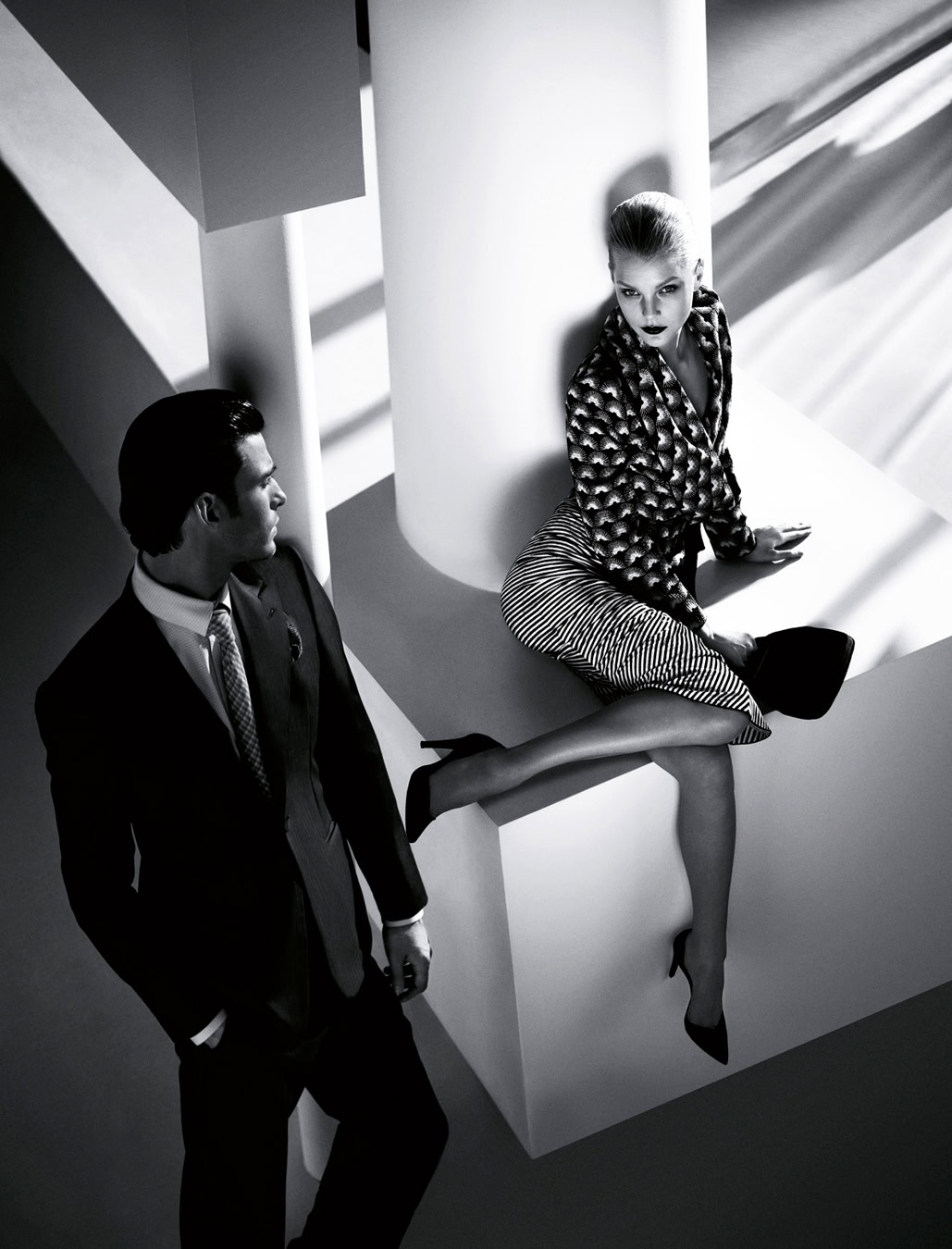
From left: AW02, shot by Paolo Roversi; AW06 shot by Mert Alas and Marcus Piggott
As the swell of social media took over fashion in the 2010s and beyond, Armani’s shows occasionally fought to compete with the flash, bang and wallop of the noise across fashion weeks, celebrity-packed though they always were (I once watched a rabid Italian journalist sit on Russell Crowe’s knee at one of them, most definitely not asking for consent before she did so). It’s difficult to convey Armani’s muted sense of nuance and quiet ease in a digital world devoted to the shock of the new and what Cardi B is wearing at Schiaparelli etc. But he stuck to his own particular beat, quite literally: his shows usually consisted of a Balearic rhythm that lulled the audience into his world as the models padded softly by. It was soporific at times, in a way that’s reassuring and comforting, a constant in a world of continual fashion turmoil and change, designer musical chairs and tremulous shifts in luxury markets and what it means for our industry. None of which seemed to permeate life inside the Armaniverse, which remained defined, consistent and everlasting, as it always had been. Now that world is set to change, with a shift in ownership and a new design force. But there will only ever be one Mr Armani.
Top image: AW01; photography by Peter Lindbergh. Photography courtesy of Giorgio Armani. Taken from 10 Men Issue 63 – CLASSIC, CRAFT, NOSTALGIA – out NOW. Order your copy here.