June 10, 2026 |
There are fashion designers and then there are world-builders. Ralph Lauren belongs firmly in the latter camp. Across more than five decades, he has constructed one of the most recognisable visual languages in modern culture – a universe populated by silver-screen heroines, Ivy League romantics, rugged ranch hands and impeccably tailored aristocrats. Long before the notion of “lifestyle branding” became industry shorthand, Lauren understood that fashion’s greatest power lay not in clothing alone but in its ability to sell a dream. As he famously put it, “It was never about a shirt. It was about a way of living.”
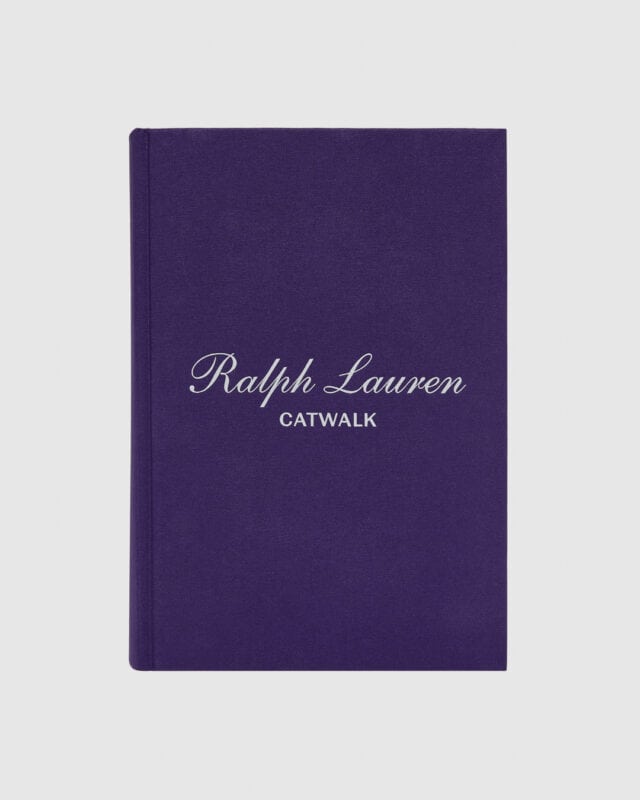
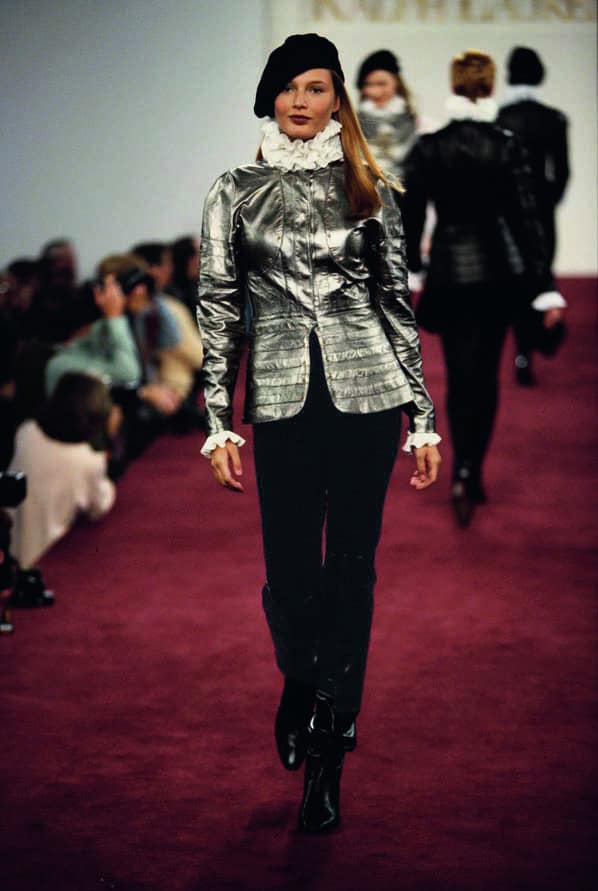
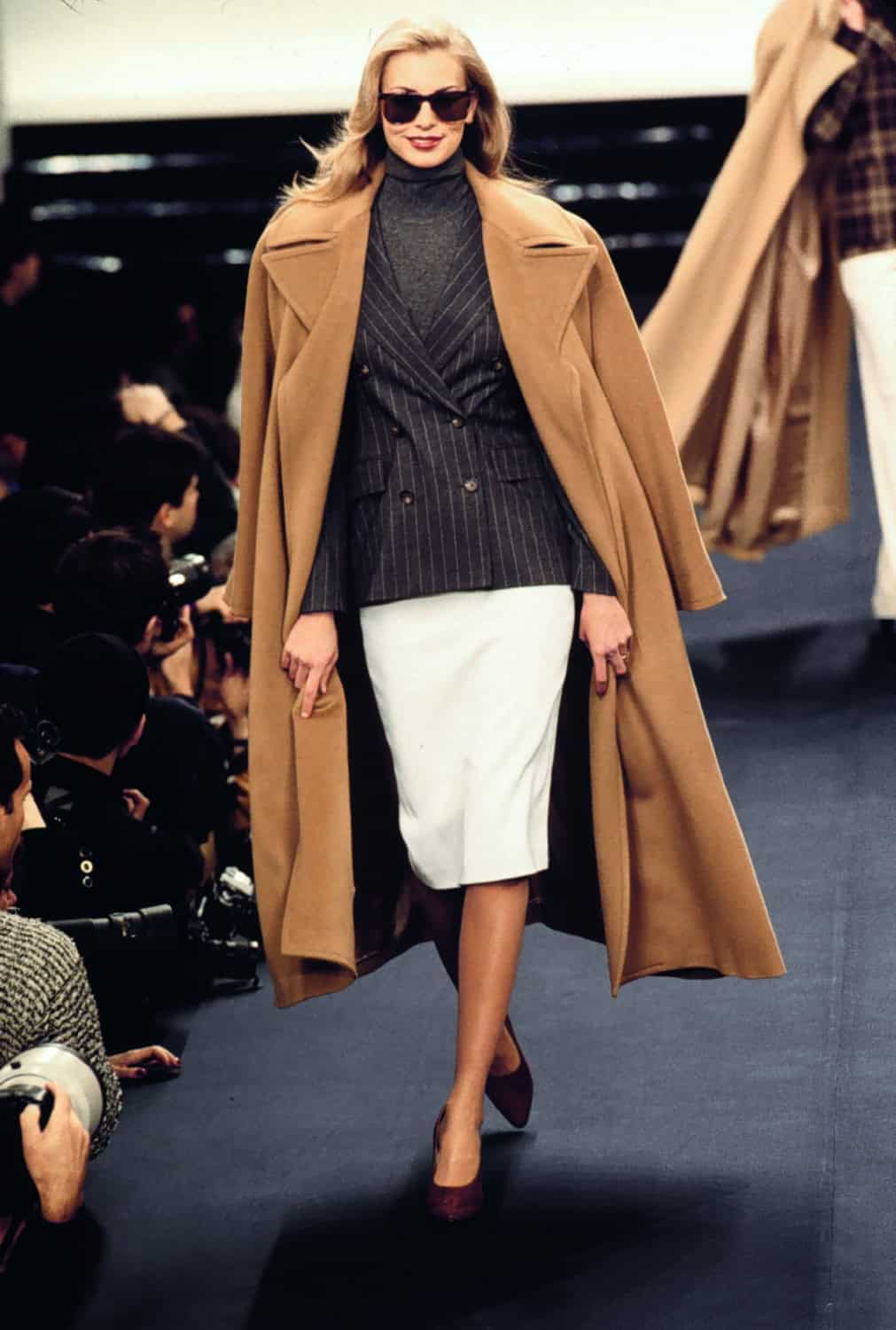
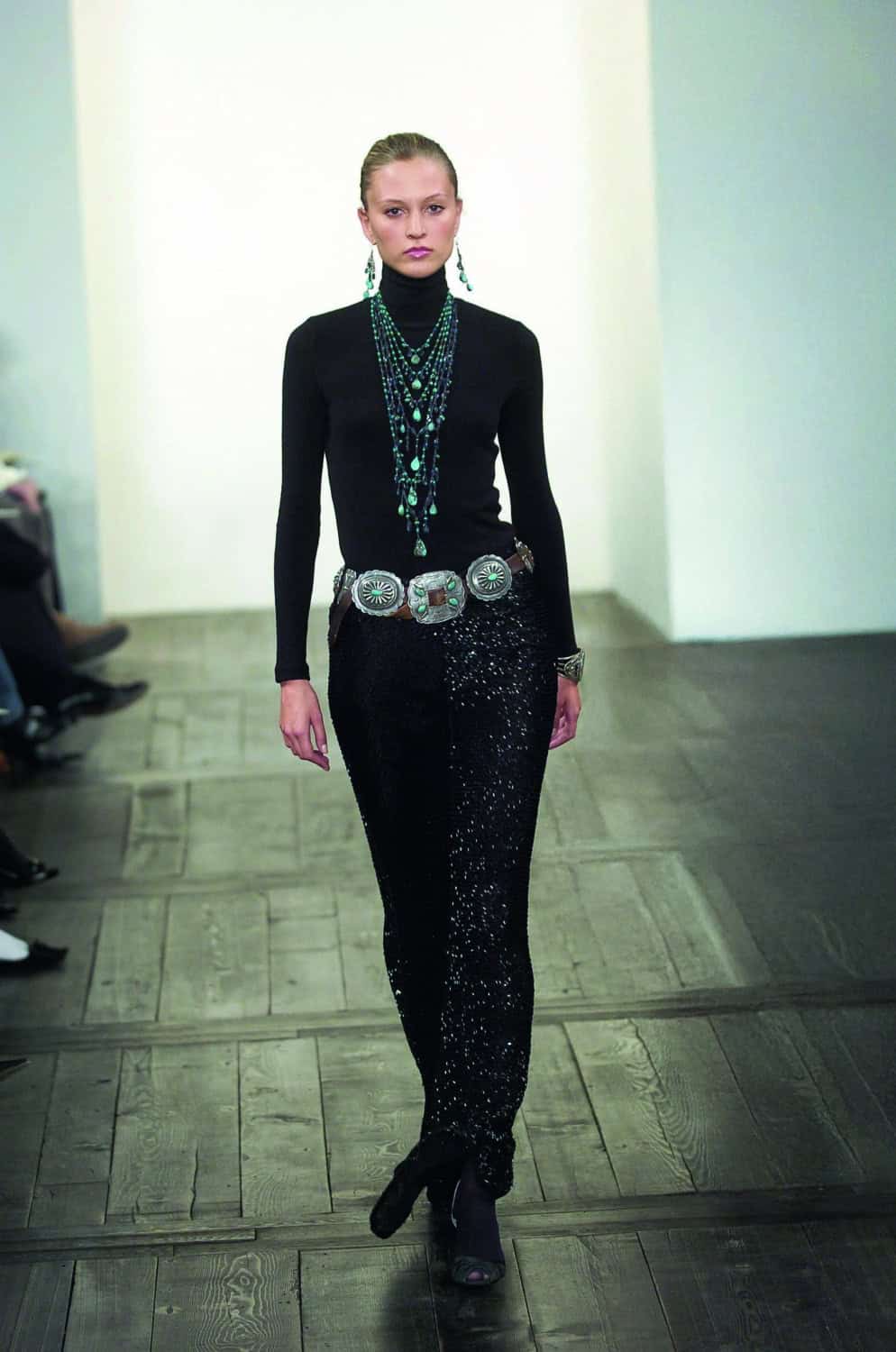
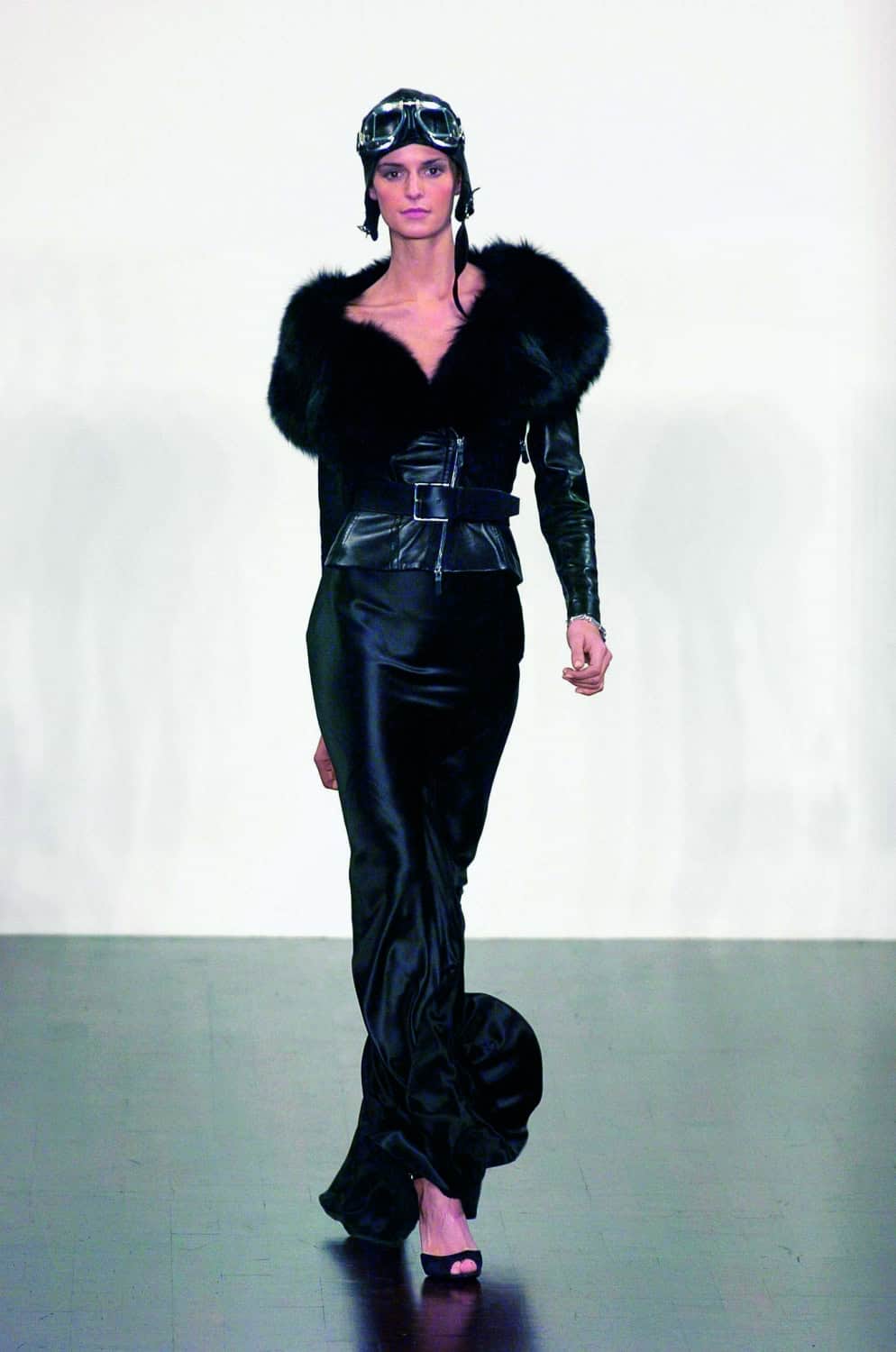
Published by Thames & Hudson, Ralph Lauren Catwalk is a testament to that dream in all its scale and consistency. Joining the publisher’s bestselling Catwalk series as its 11th volume – and notably the first devoted to an American fashion house – alongside the likes of Givenchy, Versace, Dior and more, the book charts every Ralph Lauren women’s runway collection from AW72 to AW25. Across more than 1300 original catwalk photographs and illustrations, it traces the evolution of a designer whose influence extends far beyond the runway, shaping ideas of aspiration, luxury and American identity itself.
Yet this is not merely a record of clothes. It is a document of one of fashion’s most enduring acts of storytelling. From the cinematic romance of New England estates to the dust-swept mythology of the American West, Lauren’s collections have consistently balanced opposing forces – masculine and feminine, rustic and refined, fantasy and reality – with a confidence few designers have matched. The result is a body of work that feels at once deeply nostalgic and perpetually contemporary.
To chronicle such an expansive legacy required a writer with equal measures of authority and perspective. Enter Bridget Foley, the former executive editor at WWD. One of fashion journalism’s most respected and incisive voices, Foley has spent decades documenting the industry’s defining personalities, seismic shifts and cultural moments. Few writers possess her institutional memory or her ability to locate fashion within a broader social and cultural context. In Ralph Lauren Catwalk, she brings both to bear, transforming an extraordinary visual archive into a richer story about ambition, image-making and the creation of an American myth.
Here, Foley reflects on Ralph Lauren’s singular place in fashion history, the significance of his arrival in the Catwalk canon and what emerges when more than 50 years of collections are viewed as one continuous narrative.
You’ve covered fashion and luxury for decades as one of the industry’s most respected voices. What personal connection do you have to Ralph Lauren’s work, and why did you feel uniquely suited to tell the story of his collections in this definitive volume?
I don’t remember not loving fashion, not being interested in fashion. I read fashion magazines starting when I was very young, and Ralph Lauren was one of the first designers who resonated powerfully, with a concrete, real-world identity I could relate to. In high school, I didn’t have the option to wear a Polo shirt with my uniform; I long predate that tidbit of Catholic school sartorial freedom. But I’m a sweater person, and so coveted those handknits!
I started at WWD a year out of school, so of course, I wasn’t handed the designer market upon arrival. But by the mid-Nineties, I was the paper’s primary critic. I started covering Ralph in-depth from the fashion side, and sometimes, news. As such, I’ve had the great fortune, professional and personal, to have been present for about half of the shows covered in Catwalk. I approached the project with that first-hand perspective, of both the “runway Ralph” and the man Ralph. “Unique” is a big word, but I don’t think there are many journalists working today who have seen as much of Ralph’s work firsthand as I have. I had the benefit of referencing my real-time evaluations while in the process of intense, historical reevaluation. It proved fascinating and illuminating.
In researching Ralph Lauren Catwalk, what surprised you most about the evolution of Ralph Lauren’s womenswear collections from 1972 to 2025?
I arrived to the project with a great deal of knowledge about Ralph. I was thus well-aware of his belief system and ethos, and the consistency with which he has expressed them over the years. Still, evaluating 55 years of his work so acutely, I was amazed at how steadfast he has been, how powerfully he has walked the proverbial walk, and stayed true to his ideals, while still advancing the fashion for excitement, and the overall vision, to evolve with the culture.
Ralph has never jumped on fashion bandwagons just to fit in. Which couldn’t always have been easy. Time has proven his vision timeless, and his adherence to it ultimately brilliant. Today, the business is flourishing and he’s experiencing an extended “moment” – Gen Zs love him. They love his authenticity, they love that they can make his clothes their own, and they love that, unlike most luxury brands, they can truly participate – from socks to sneakers to Polo shirts to the Polo and Lauren lines, there’s a wealth of beautifully designed items that are actually accessible to them.
But at times, Ralph has found himself outside of mainstream fashion’s hyper-cool epicenter, which is where most designers want to be. In an industry often enamored of edge, angst and irony, he has sometimes been mocked for his optimism. (Here, I stress, within the industry; I think the general public has always embraced Ralph’s aspirational view of the world.) In thinking of this, a comment from another designer comes to mind. Years ago, I interviewed Yohji Yamamoto, I think it was the late Nineties. I asked him if he thought this were “his time.” He said (I’m using quotation marks, but paraphrasing), “Yes. But the important thing is how a designer acts when it is not his time.” That thought applies so beautifully to Ralph.
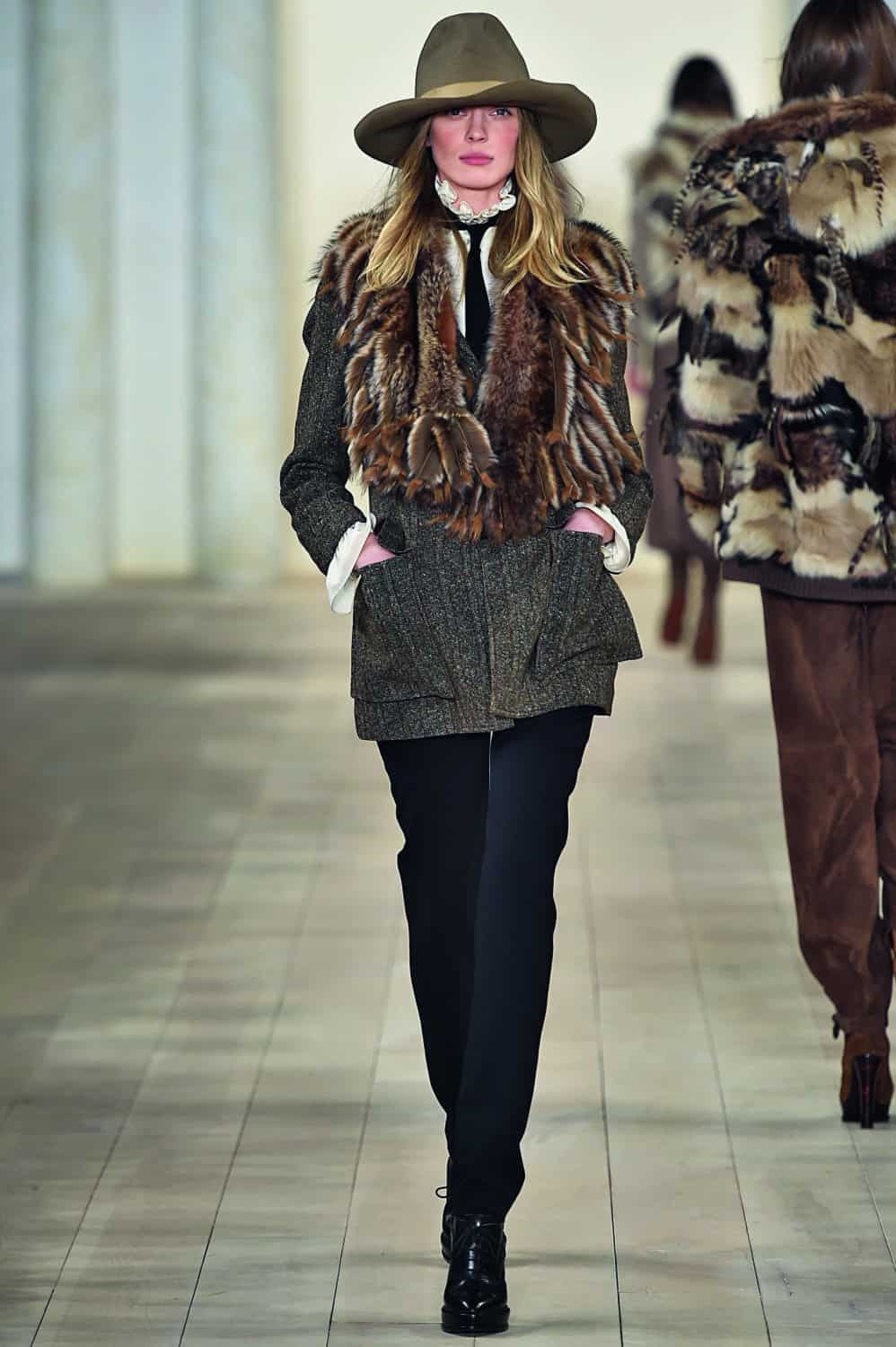
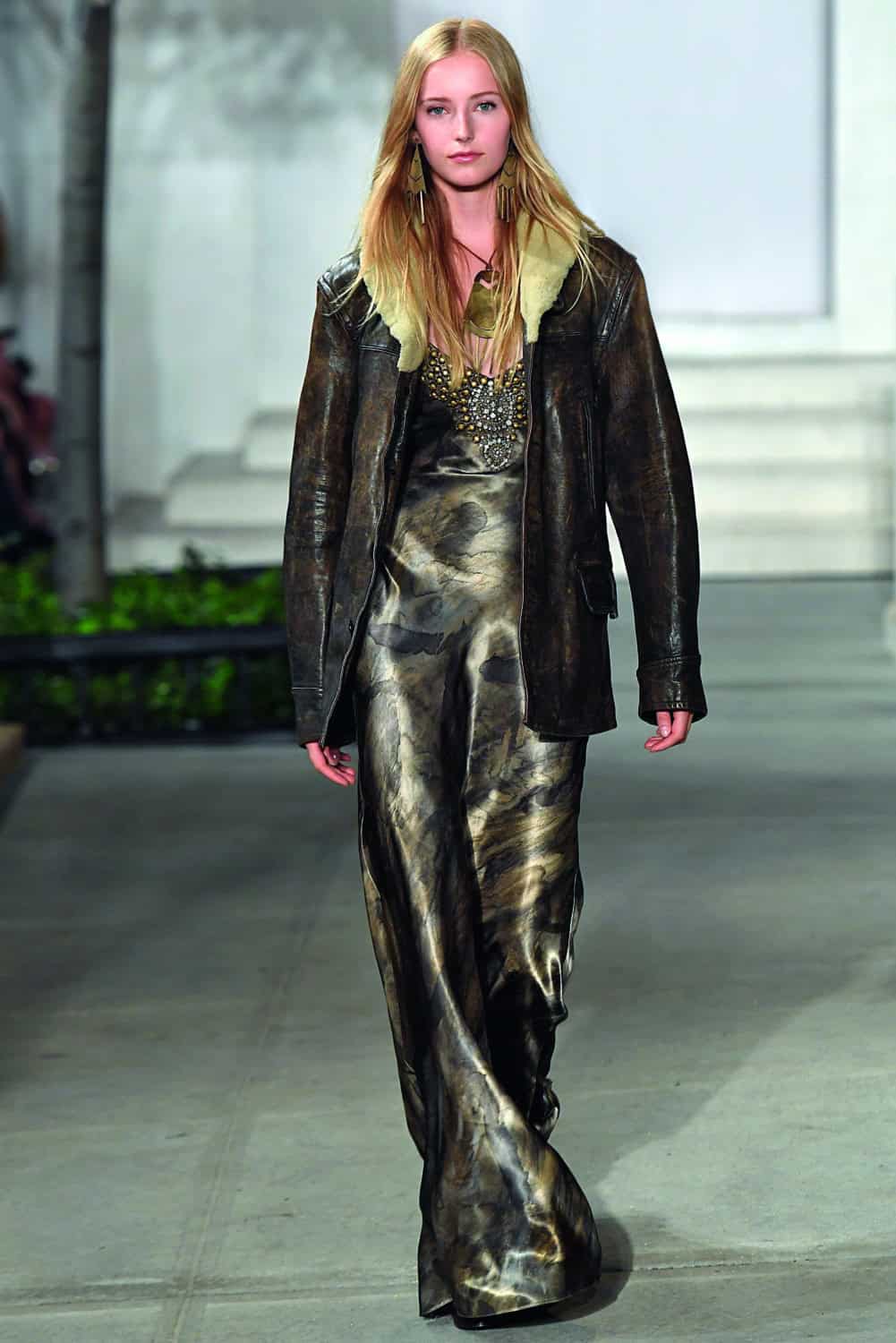
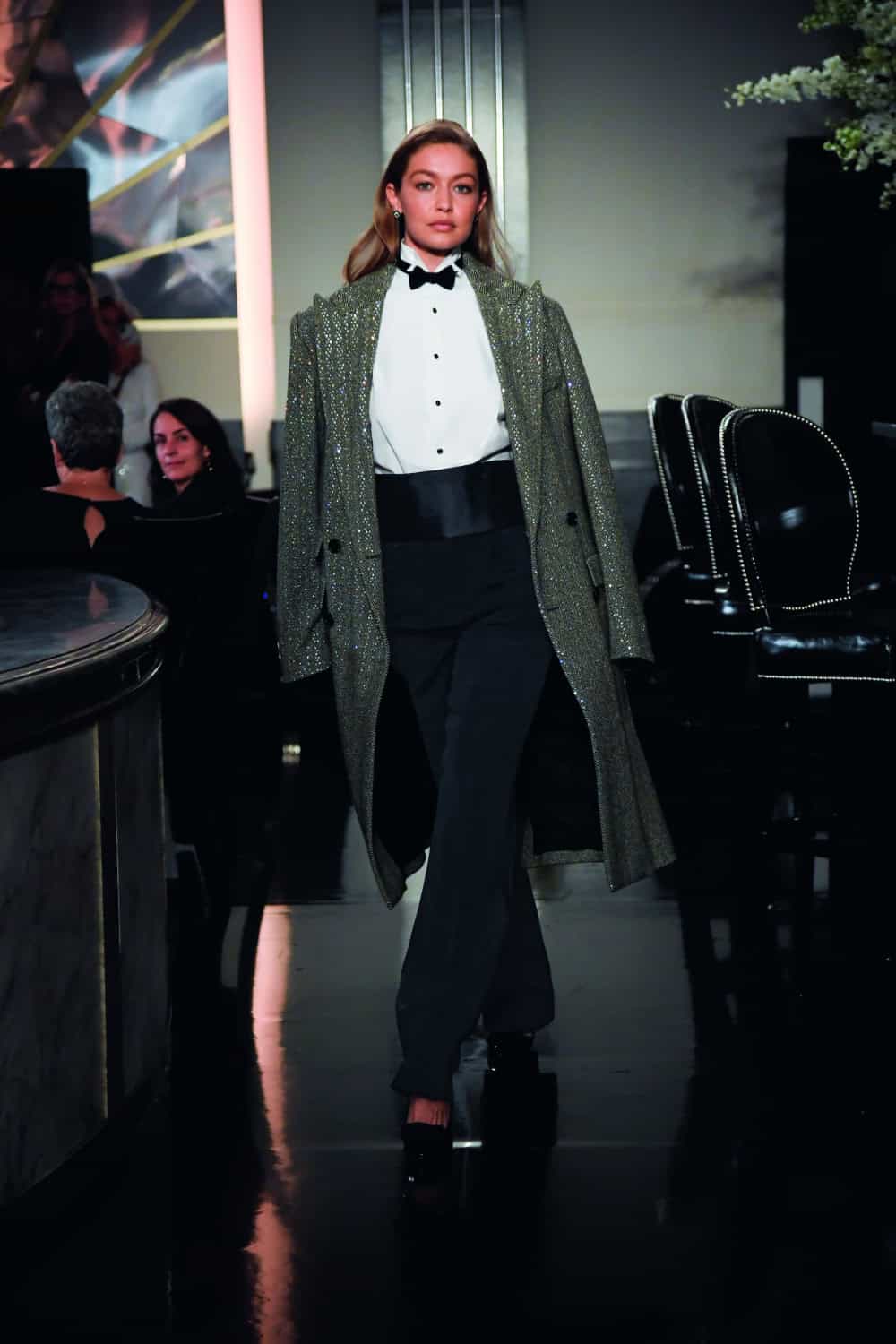
Ralph Lauren often describes his work as “a way of living” rather than simply fashion. How did that philosophy shape the narrative structure of the book?
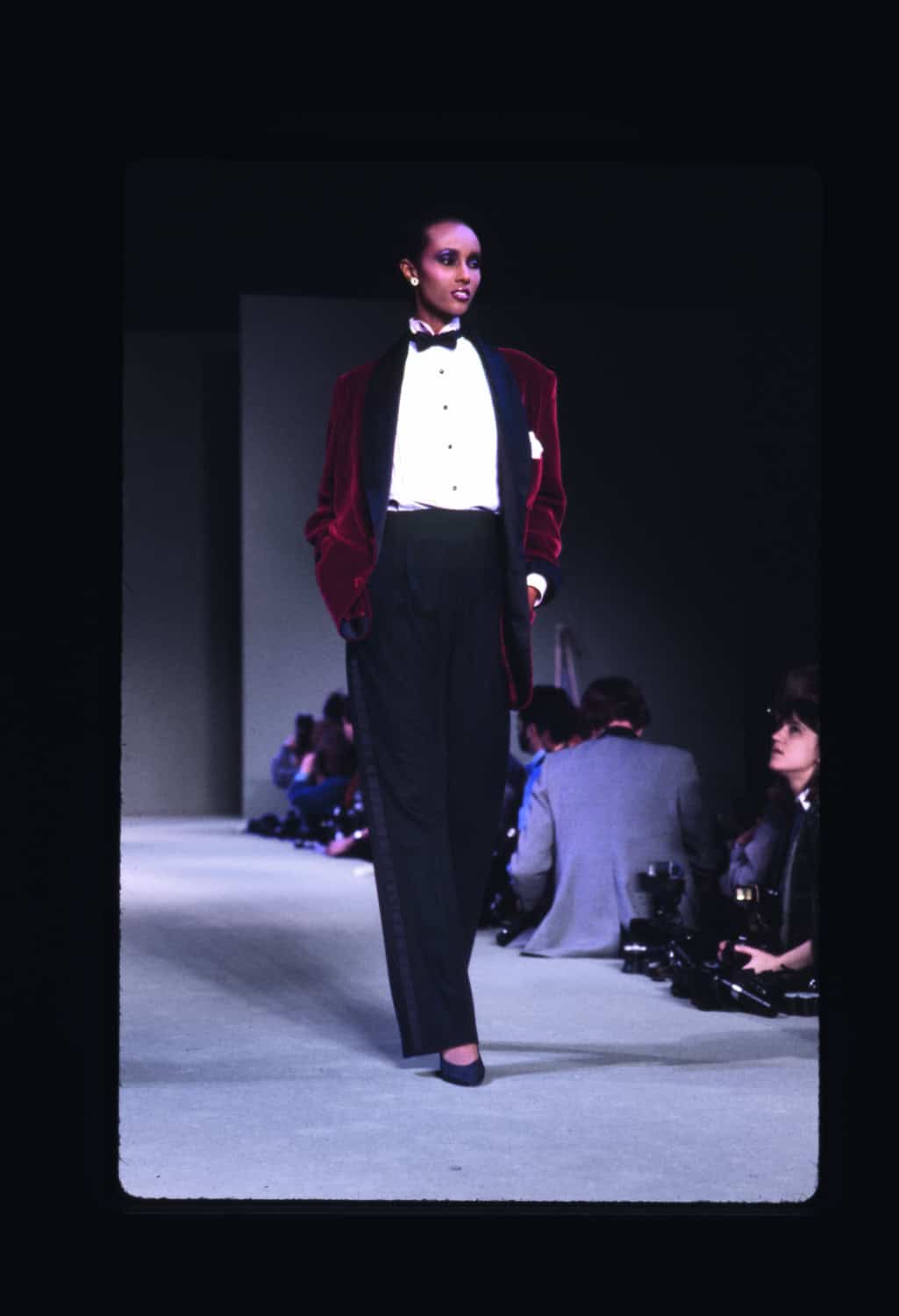
The narrative structure of the book was pre-determined. It is part of the Thames & Hudson Catwalk series, which looks at the entirety of a designer’s or house’s runway output. This comes in individual descriptions of every collection, from the beginning through to the book’s close, in Ralph’s case, as you note, from autumn 1972 through autumn 2025. These are sort of retrospective fashion reviews, reviews with hindsight. And there’s a contextual introduction. I think I went on a bit long there; there was a lot to say! Still, that pre-determined structure was perfect for expressing Ralph’s philosophy of “a way of living.” You can go through the book and immediately see the visual points of connection, the favourite themes carried across decades, and that this career is about more than a rotation of new clothes each season. It is indeed about a way of living, as expressed on the runway, through the clothes.
The book highlights Ralph Lauren’s ability to balance contrasts – masculine and feminine, rugged and refined. Which collections best exemplify that tension, in your view?
Goodness! So, so many! And in many different ways! I will share a few of my favourites.
Autumn 1981. We’ve become accustomed to hyper-focused, one-theme fashion shows. Back then, that wasn’t the case. Here, Ralph divided the show into two very clear segments, ‘Part One’, all about refinement, both English countryside and Hollywood glam, and ‘Part Two’, a feisty foray into the gritty American West, so two very different aspects of his signature.
Spring 2003 – Shown at NYC’s Cooper Hewitt Museum, this one was mesmerising with a dose of wacky. It was all about contrast, a gorgeous fusion of nostalgia and currency, and within that, rugged/refined and elegant/mundane. There were metallic corsets over evening skirts made of shredded chiffon and an old tablecloth, and faded denim worked into a bustled ball skirt.
Spring 2004 – Ralph said that with this collection, he redefined sexy “with athletic luxury and brilliant tropical style.” That meant, for the first half, a “Tennis anyone” look with a Twenties vibe, and for the second, a riot of shocking brights, including a finale of racy minimalist gowns that ran the next day on page one of the New York Times, above the fold.
Autumn 2009 and Spring 2010 – Sometimes the contrast comes in what I consider “partner shows.” As autumn 2009 approached, the US was reeling from the financial crisis, and whether intentionally or otherwise, many designers sent out dour, dull shows. Not Ralph, who made a major glamour statement that felt akin to the also-glamorous Hollywood movies of the Great Depression-era 1930s – parallel expressions of hope and escapism in bleak times. Then, for spring, he followed with a show that contrasted grit and gentleness, in homage to the scrappy workers of the Thirties, in a show that felt inspired by John Steinbeck’s The Grapes of Wrath. The contrast was stunning.
Autumn 2025 – The last show in the book. After a buoyant extravaganza at a Long Island horse stable for spring 2025, Ralph opted for an intimate autumn show that focused in on craft. He labeled it “Beautiful Tensions.” And so it was, a study of such, filled with plays of masculine/feminine and rugged/refined while highlighting intense artisanal work, including surface treatments from delicate embroideries to an extraordinary jacket that ombréd from leather to suede.
As the first American fashion house featured in the Catwalk series, what does Ralph Lauren’s inclusion say about the global perception of American luxury and fashion history today.
Ralph Lauren is the first American designer included in the Catwalk series, which is significant. But I think it says more about him and what he has built than about American fashion writ large, which is challenged right now, particularly at the luxury level. In terms of global perception of American luxury, to a very real degree, Ralph Lauren is the perception; When much of the world envisions American style, it’s Ralph that comes to mind. Yet what I consider most significant about Ralph’s inclusion is not that American fashion is now represented, but that this is the pantheon to which Ralph belongs, along with Chanel, Dior, Yves Saint Laurent, Louis Vuitton, Prada, Gaultier, Westwood, etc. Of course, each house has come to that pantheon via its own route, and Ralph’s is particularly unusual because it is so American in that he has a more democratic view of luxury than the others. There is an inherent pragmatism in play. Which, I think, is a huge part of Ralph’s endurance across almost 60 years. Yes, he presents to us a world of dreams. But a world of accessible, achievable dreams that he wants to help us achieve.
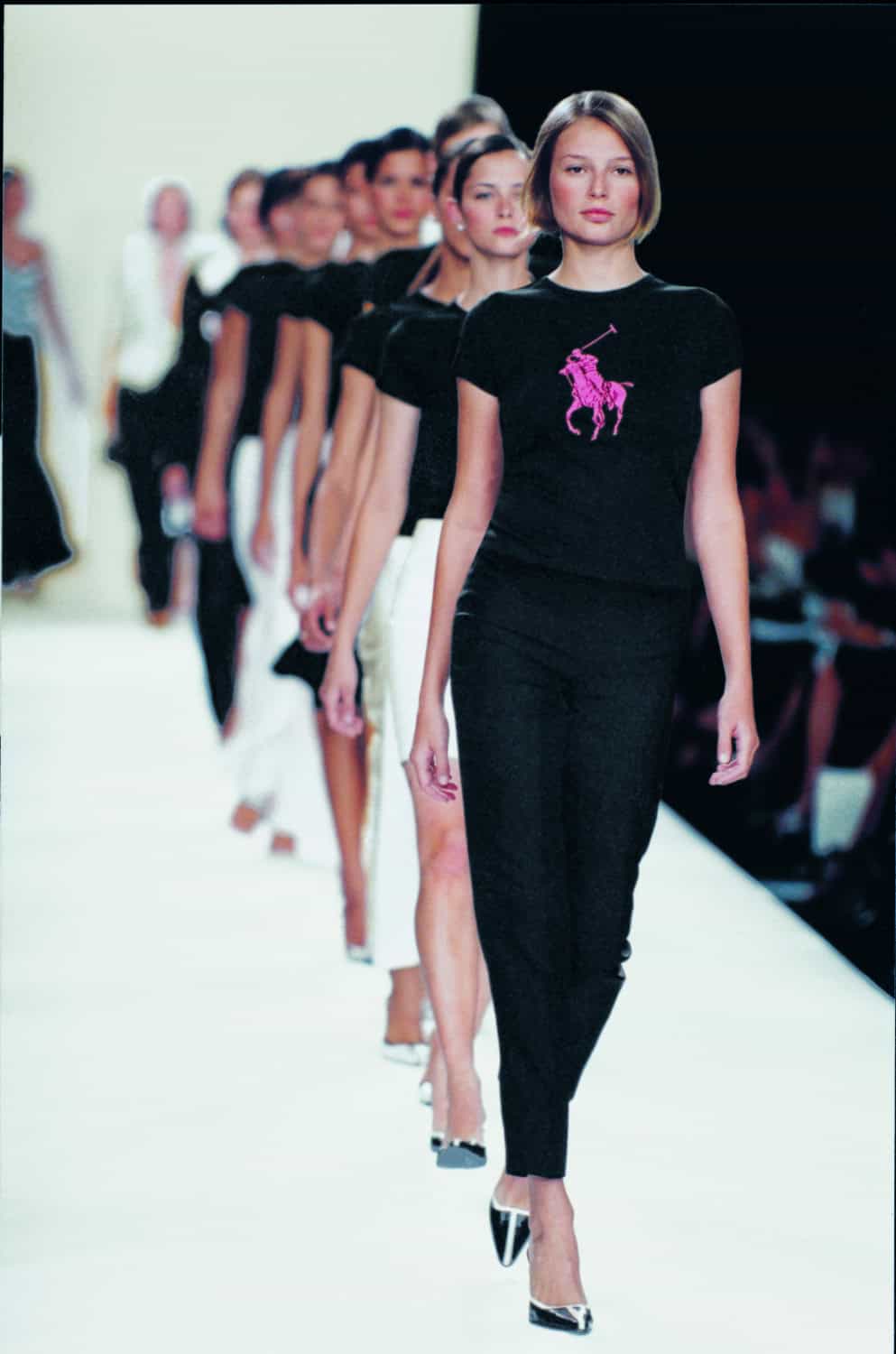
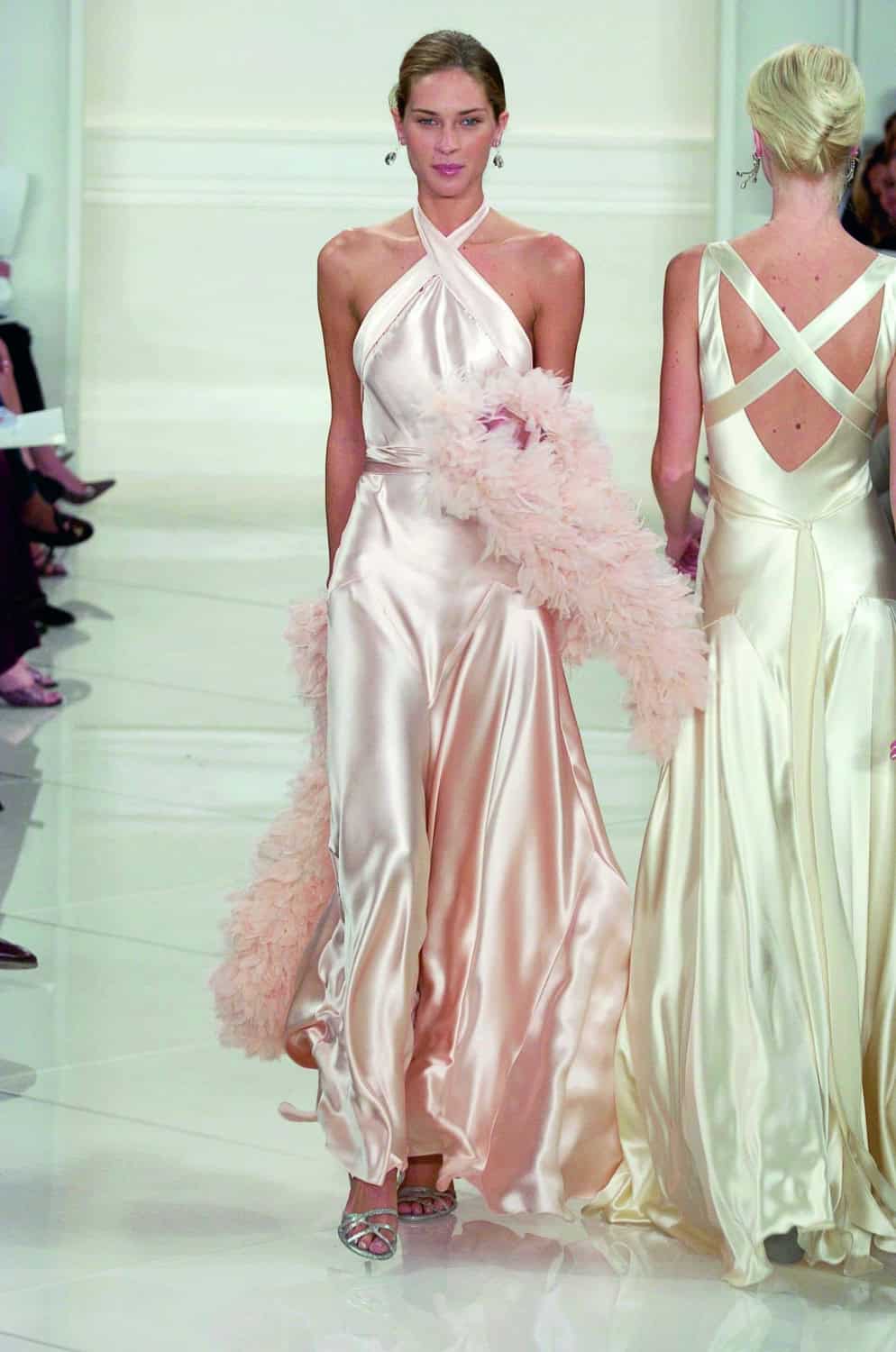
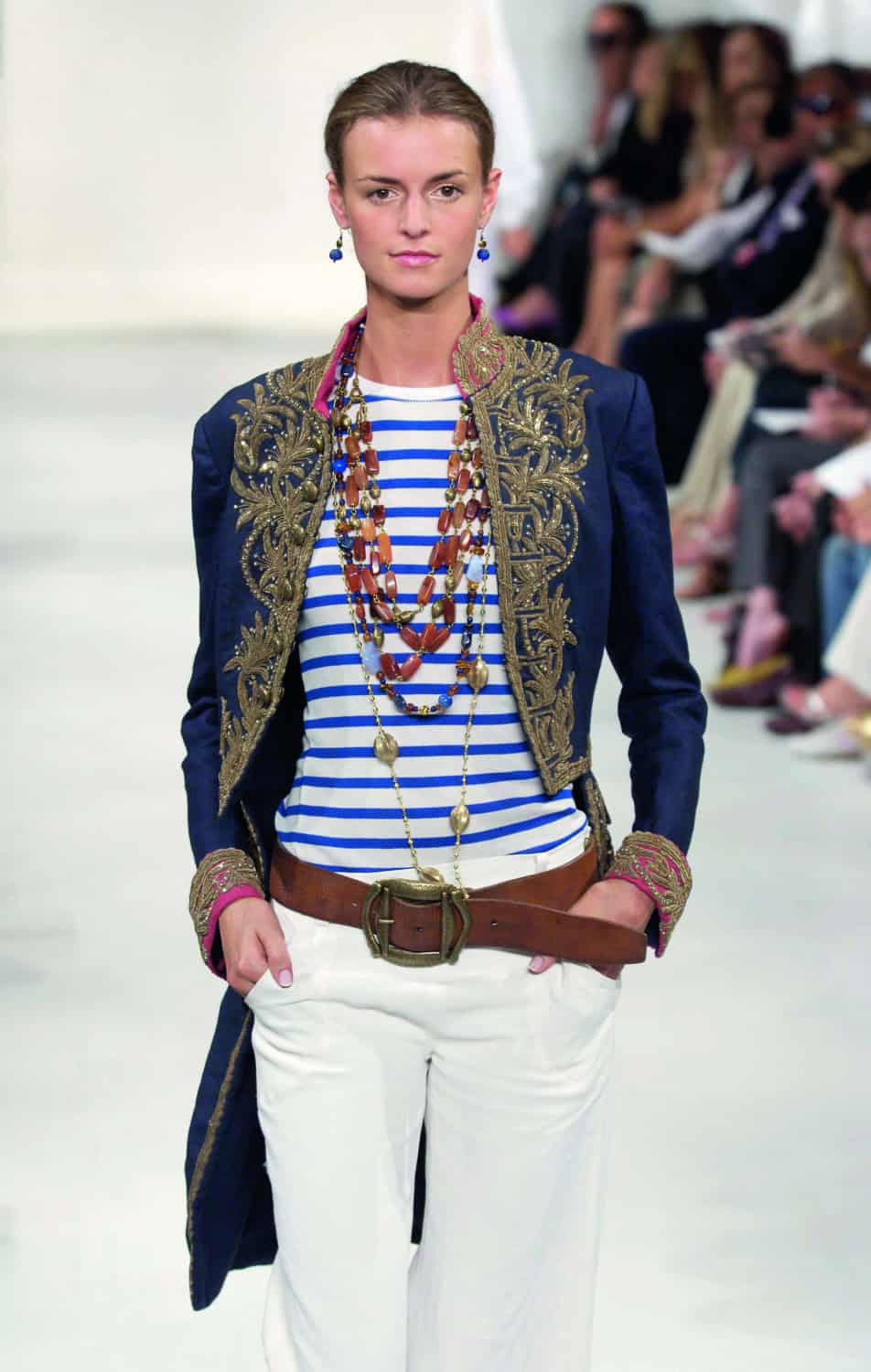
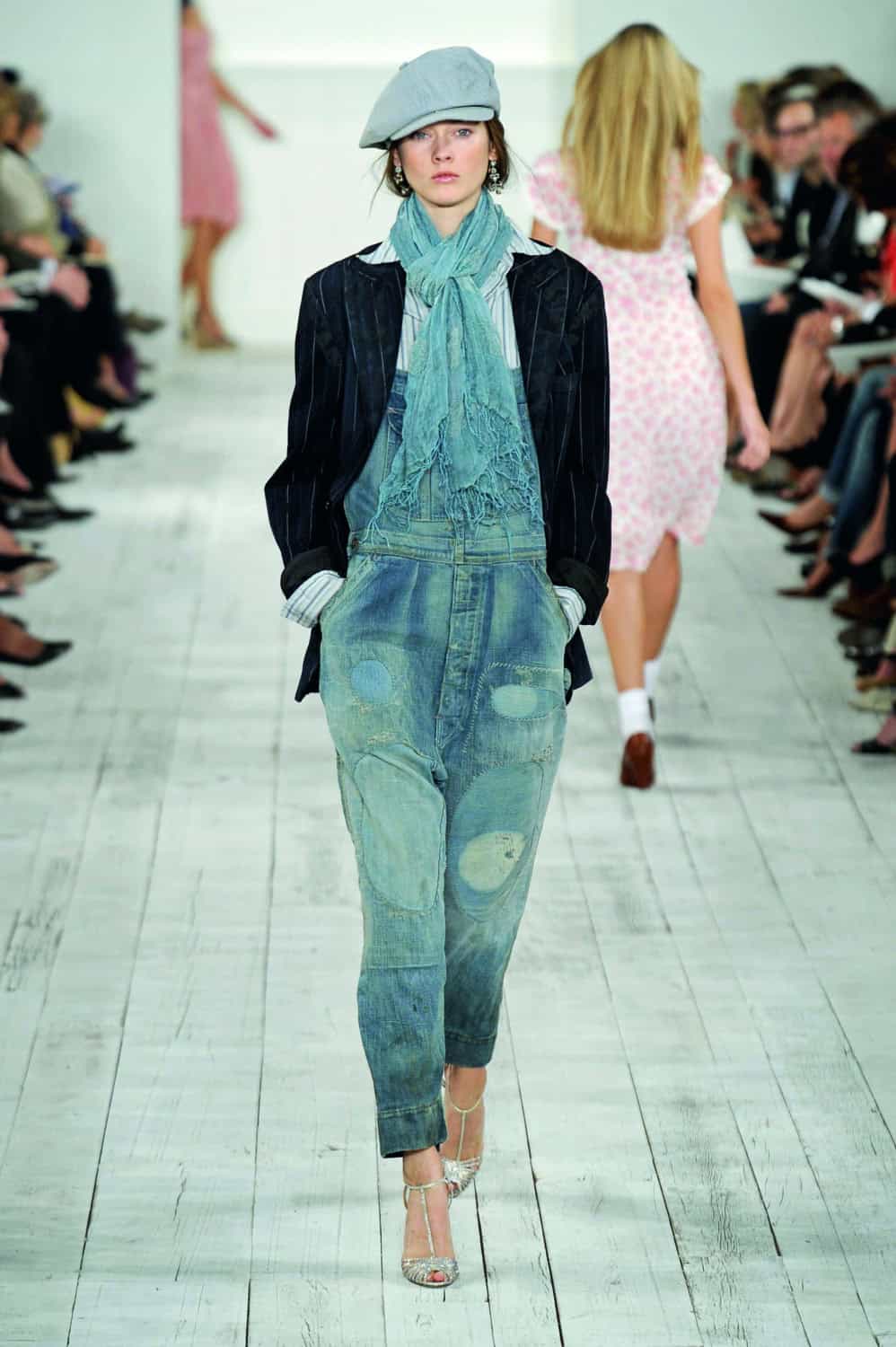
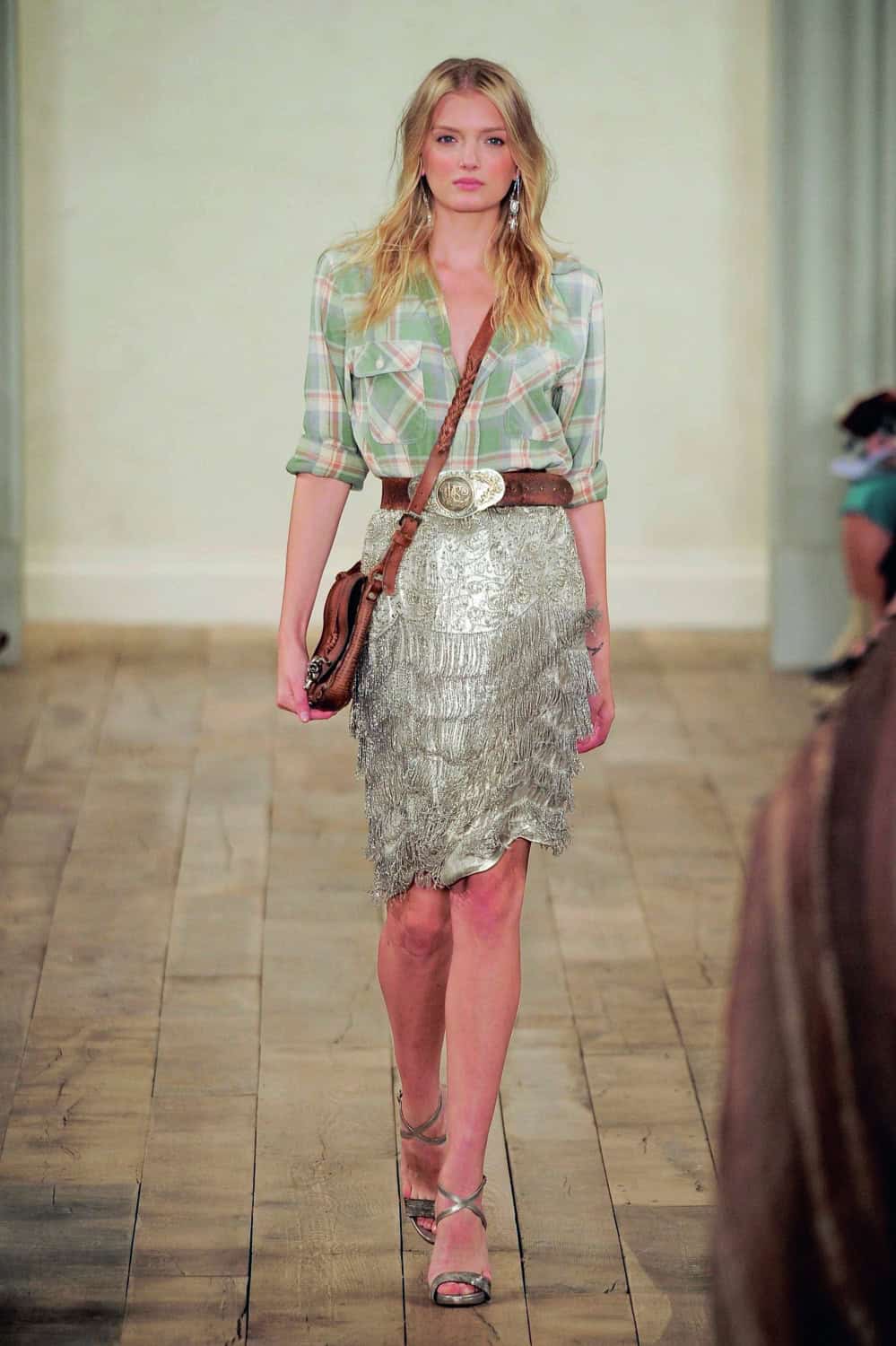
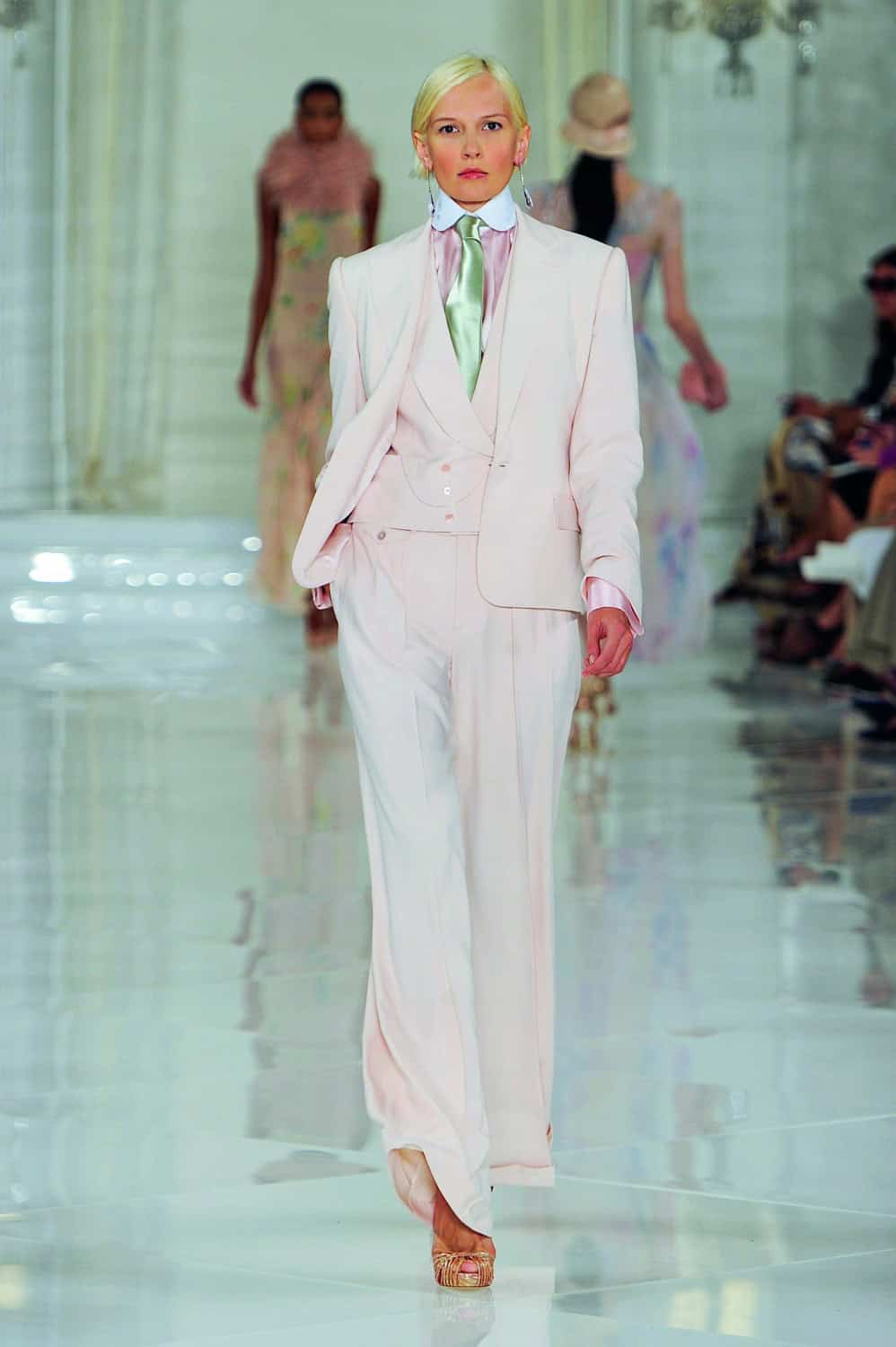
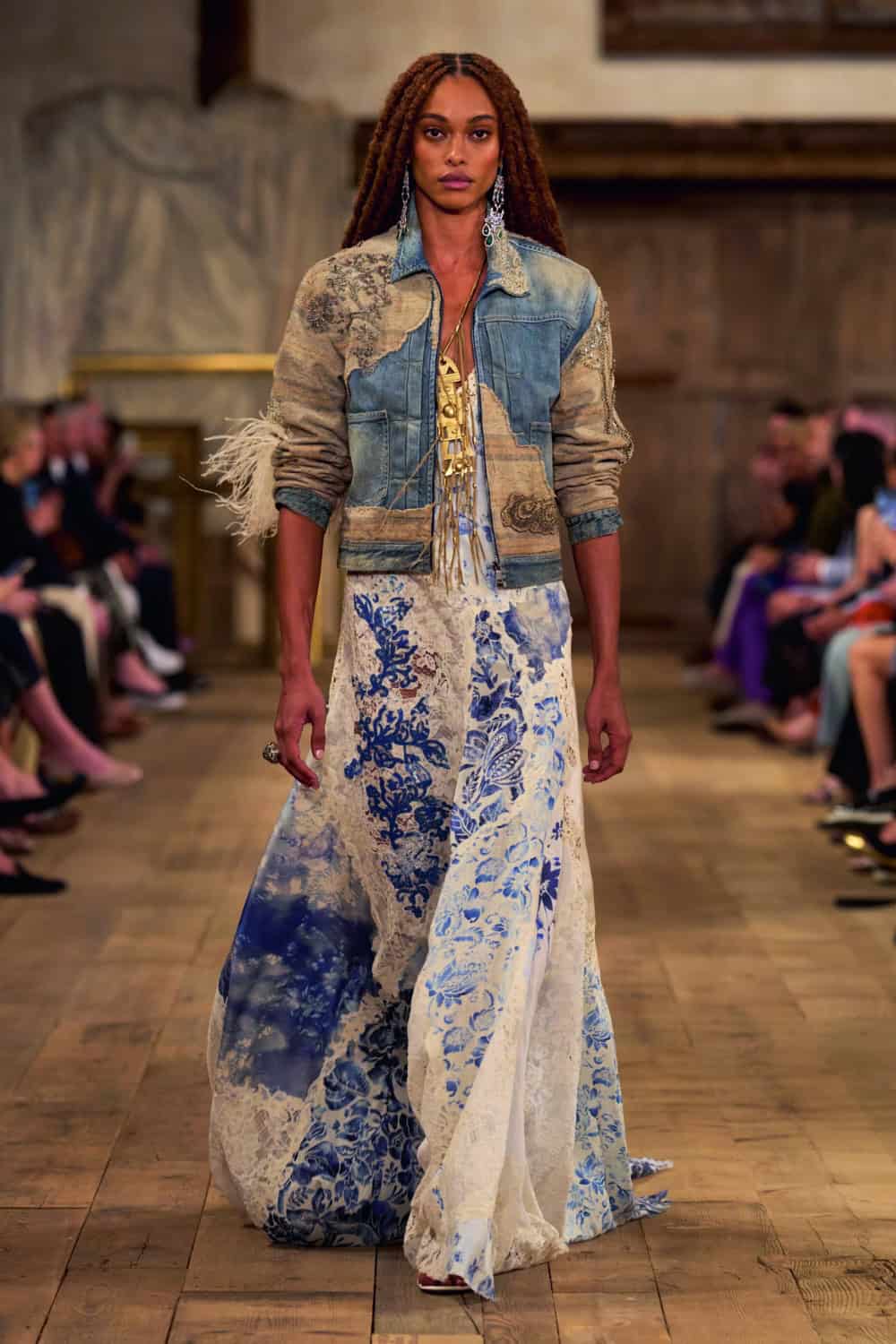
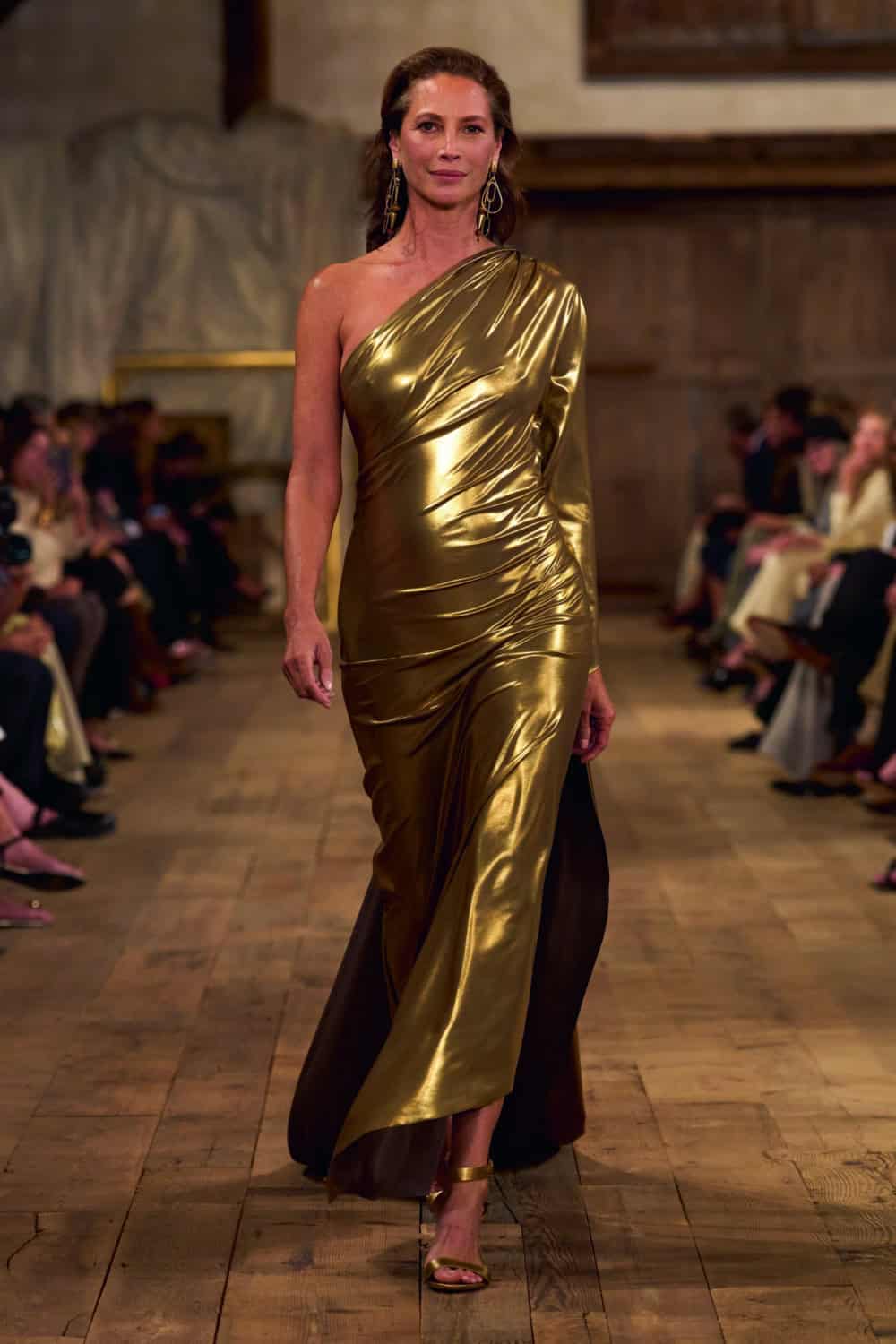
With more than 1,300 runway images included, were you involved in the selection process at all? If so, how did you and the Thames & Hudson team decide which moments or looks were essential to preserving Ralph Lauren’s legacy?
Yes, I was involved in the process. In some cases, the pictures chose themselves. In others, we pondered, fretted, and debated. And sometimes, we asked Ralph’s design staff for their input, which proved invaluable.
Ralph Lauren’s runway shows are known for their cinematic storytelling and immersive worlds. Were there any specific shows that felt especially groundbreaking or culturally influential while revisiting the archive?
Again, so many. Two come to mind, for a very specific reason.
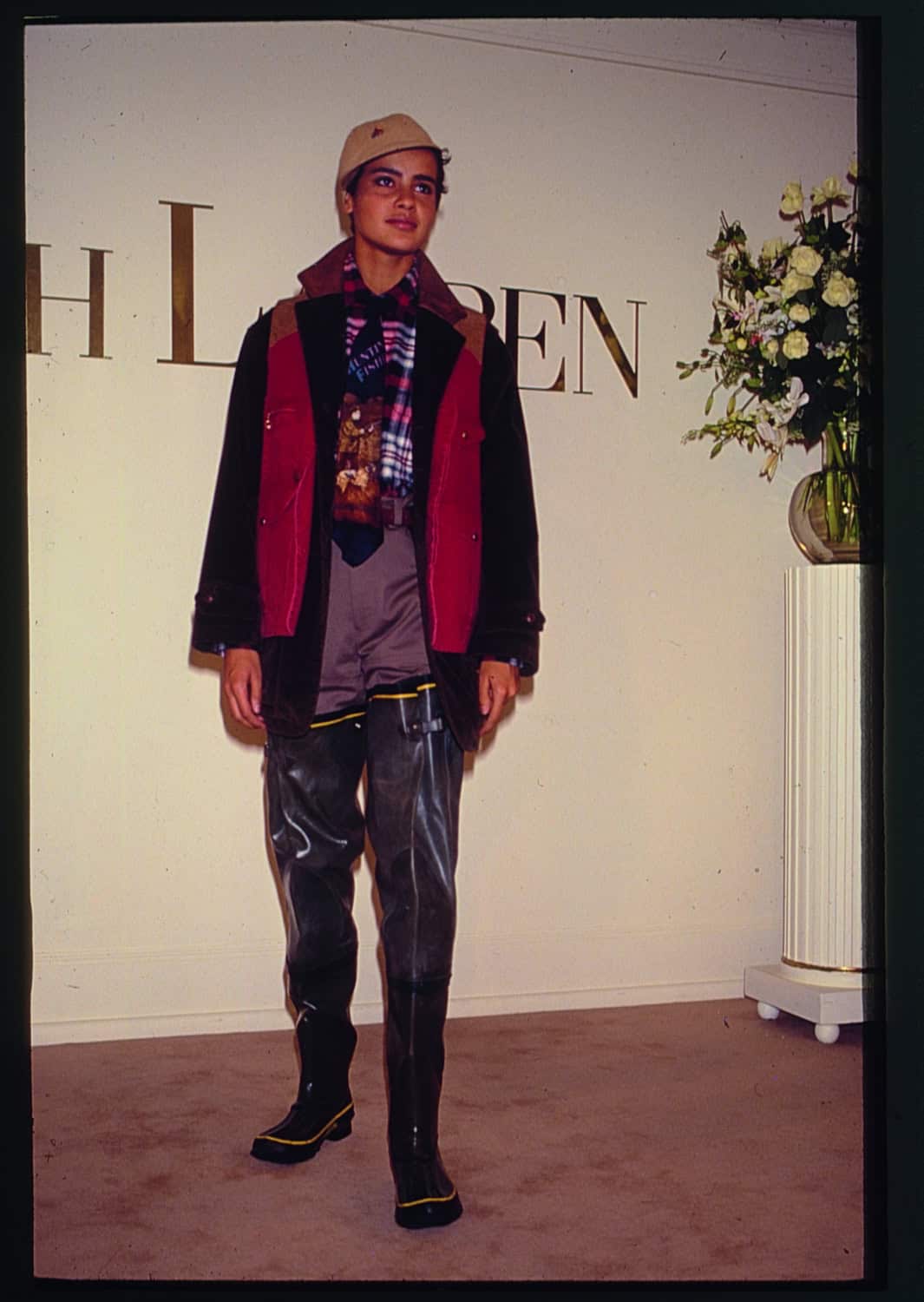
Autumn 1976 and Spring 1995 focused on clothes for sport, and not just the upper-crust equestrian sort. In the first, Ralph celebrated the outdoor life with clothes for hiking, fishing, hunting – elevated gutsy, utilitarian clothes to runway worthiness decades before “street” and “sport” became standard references the larger luxury sphere. In the latter show, he pushed the point further, dedicating a section of it to performance wear from his Polo Sport collection. He even sent out a model on rollerblades! These shows proved prescient, anticipating the coming fitness revolution that would change the way we dress, eat and live on a daily basis.
Spring 2002 – The post 9/11 collection. Designed before the attacks, its theme was accidental. Shown in their aftermath, its Old West inspiration, rendered with an emotional balance of gentleness and guts, spoke to the moment with lyric grace.
After spending so much time immersed in Ralph Lauren’s body of work, what do you think remains most misunderstood – or underappreciated – about his contribution to fashion and culture?
This may sound ridiculous, because Ralph Lauren became wildly famous and built a global empire by making wonderful clothes that millions of people around the world relate to. He has expanded that empire to include home, hospitality, philanthropy, etc. But the core vision first manifested through the clothes. Though he doesn’t like the descriptor of “fashion designer,” Ralph is one of the most famous and successful designers to ever show a dress.
Given that, here’s the “ridiculous:” What’s most misunderstood and underappreciated about Ralph Lauren is that he is, in fact, a truly great fashion designer. Oddly, that misunderstanding is far more prevalent within, than outside, the industry. For almost 60 years, he has made gorgeous, inviting clothes that people want to wear and, most importantly, that people can wear; for, as wonderful and alluring as they are, they are also very real. Yet sometimes, within his cinematic presentations – the “world creation” – the clothes have gotten short shrift. But the Ralph Lauren company wouldn’t be where it is today, with Ralph still as its guiding force and creative head, if the clothes weren’t amazing and resonant across eras.
And the most significant?
Given my depth of immersion in the world of Ralph Lauren for this project, I’ve thought considerably about Ralph’s primary significance in fashion and the culture. It’s multi-tiered. For aspiring designers, there’s a tremendous message, one obvious to articulate yet hard to achieve: Stay true to yourself; don’t sway with the winds to court temporary favour. That said, being true to the self is no guarantee. For a designer to stay relevant over the long-haul, their vision must have connected profoundly, over, and over, across generations – a rare feat. But the starting point of believing in one’s own message is essential.
As for Ralph’s broader influence, today, his renegade origins can get lost in his omnipresence in the culture. Examples: we tend to think of the elevation of “street” and sport as an Aughts discovery by the uber-cool side of European luxury. Not true. From the start, Ralph Lauren viewed clothes for everyday life as worthy of runway exposure. As mentioned above, he foresaw the fitness revolution and, in addition, early on, he embraced other forms of sartorial utility – jeans, uniforms, workwear.
Perhaps most significantly, from day one, Ralph has shunned trends not only from an aesthetic standpoint, but an ethical one. Even in the Seventies, he articulated his abhorrence of here-today-gone-tomorrow fashion, maintaining that he wanted his clothes to last, to be passed down across generations. His enduring example: a British professor, wearing the daylights out of a sweater, and when the elbows wear thin, patching them. That image may be a romantic one, but it’s a favorite Ralph reference. In that sense, he championed sustainability decades before the word came into common use, and the larger industry embraced the cause.
Finally, my Catwalk process has led to considerable reflection on Ralph’s enduring optimism. But this final point crystallised for me only with your question. Perhaps Ralph’s most significant cultural contribution is that, in our caustic, angry era, he retains a genuinely glass-half-full outlook, which informs everything he puts out into the world. He shows us by example that it’s not a betrayal of principle to look for the positive, and that goodness and beauty are out there to be found, and hope. He challenges us to find it. To be part of it.
Purchase your copy of ‘Ralph Lauren Catwalk’ here. Photography courtesy of Thames & Hudson.