April 17, 2026 |
Few areas of our lives are as deeply entangled with the idea of change as fashion. With every passing season, silhouettes shift, trends dissolve and new systems of expression emerge. To participate in fashion is to embrace a state of perpetual transformation. It follows, then, that the industry’s internal frameworks are often shifting, with roles, hierarchies and power dynamics constantly being renegotiated.
Yet in today’s turbulent climate, that typically generative force risks tipping into chaos. Hard-won progress around inclusivity, representation and creative freedom is increasingly met with backlash, as rigid and oppressive ideologies are making a comeback. The question, then, is not whether fashion will evolve, but how? How do we continue to amplify the right voices? How do we safeguard the openness, experimentation and plurality that so positively define what we do? Ultimately, how do we ensure that we change for the best? To map the challenges and possibilities of the present moment, we spoke to figures at the forefront of this shift who are shaping both our taste and the wider structures and responsibilities of the fashion industry today.
Michaela Stark
MICHAELA STARK, artist and designer
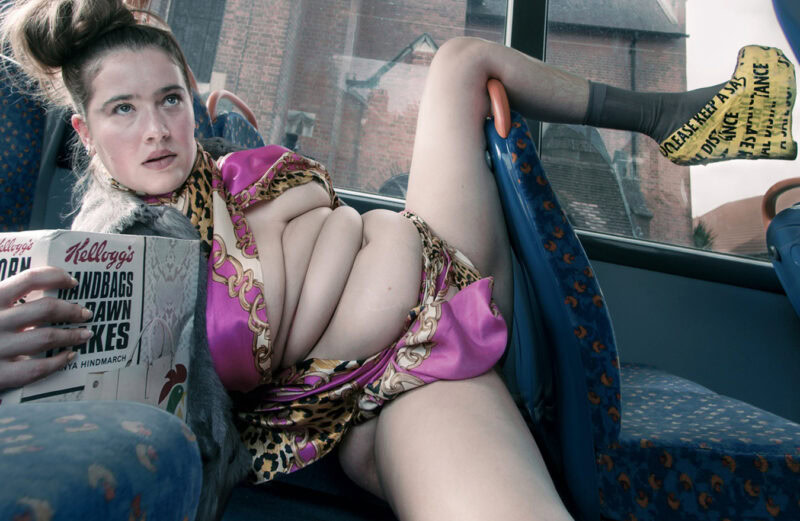
The female body has long been a subject of oppression and fetishism. Historically, garments like the corset were used to force unnatural shapes onto women, moulding bodies to doll-like proportions. For designer Michaela Stark, however, these same instruments of constraint can be reclaimed as tools of liberation. By accentuating rather than restricting, she highlights the body as it truly is, “with all the lumps and bumps, and the belly and uneven parts”. The result is a series of sculptural garments that morph the body in order to celebrate it. Much of Stark’s work, which she documents extensively online, contains nudity, though often out of practical necessity. “I view the body as a form of sculpture, and a naked subject lends itself better to sculptural composition.” To frame this as purely erotic frustrates her “as nudity can also be asexual, cathartic even”. With past collaborations including Beyoncé, for whom she created a custom corset worn in Black Is King, and exhibitions at institutions such as Tate Britain and Fondazione Sozzani, Stark has built a practice that borders on the artistic, grounded in rigorous craft. “I am a seamstress and it gives me so much freedom to create for any type of body in any way possible. We’re done with this old one-size standard of beauty, as it’s killing the creativity of fashion.” While the industry once appeared to embrace these ideals, with broader size representation on both creative and retail levels, Stark notes a shift backwards. “It’s mostly about money, as it’s cheaper and easier to design for a skinny and ‘standard’ body.” Her lingerie label, Panty, produces sizes from XXS to 5XL, with all grading done in-house. It’s proof that change is possible, provided it begins with a shift in mindset. Brands clinging to conservative strategies may cut short-term losses, but risk losing their magic in the long run.
Photography by Michaela Stark. Taken from 10 Magazine Issue 76 – CREATIVITY, CHANGE, FREEDOM – out NOW. Order your copy here.