April 23, 2026 |
Has menswear ever been better? It’s certainly a good time to go shopping. Over the past few years, a bright and vibrant constellation of designers has emerged that is putting craft first, making clothes that are easy on the eyes (but thanks to the work that goes into making them, not easy on the wallet). Each of these brands has a distinct visual design language that sets them apart, but without the need for a logo; instead, they assert their identity through fabric, colour and the significant time each piece takes to develop. It’s world-building through product, rather than runway shows.
It’s not your bog-standard, flash-in-the-pan fashion trend. “Because menswear evolves in a more subtle, continuous way, without the dramatic seasonal shifts we often see in womenswear, newness tends to come from the refined, meticulous details that set a piece apart,” says Sophie Jordan, buying director at Mytheresa. The result is clothing you might not notice immediately when someone enters the room, but stay for a drink and someone will inevitably ask where you got your shirt.
While these brands are not necessarily part of a movement, they share an approach that reads less as fashion design and more as clothes-making. Where has it come from? Lukas Mauve, who documents thoughtful independent brands on his Substack, Present Forever, says that much of this focus on craft emerged during the pandemic. “I can’t tell you how many of the independent brands and makers I’ve met, interviewed or just chatted with started at some point during the pandemic,” he says. “All found themselves sitting at home with time on their hands. Some had jobs pre-Covid and the experience of not doing that job felt so good that they finally decided to act upon a long-held desire they previously didn’t have the time for.”
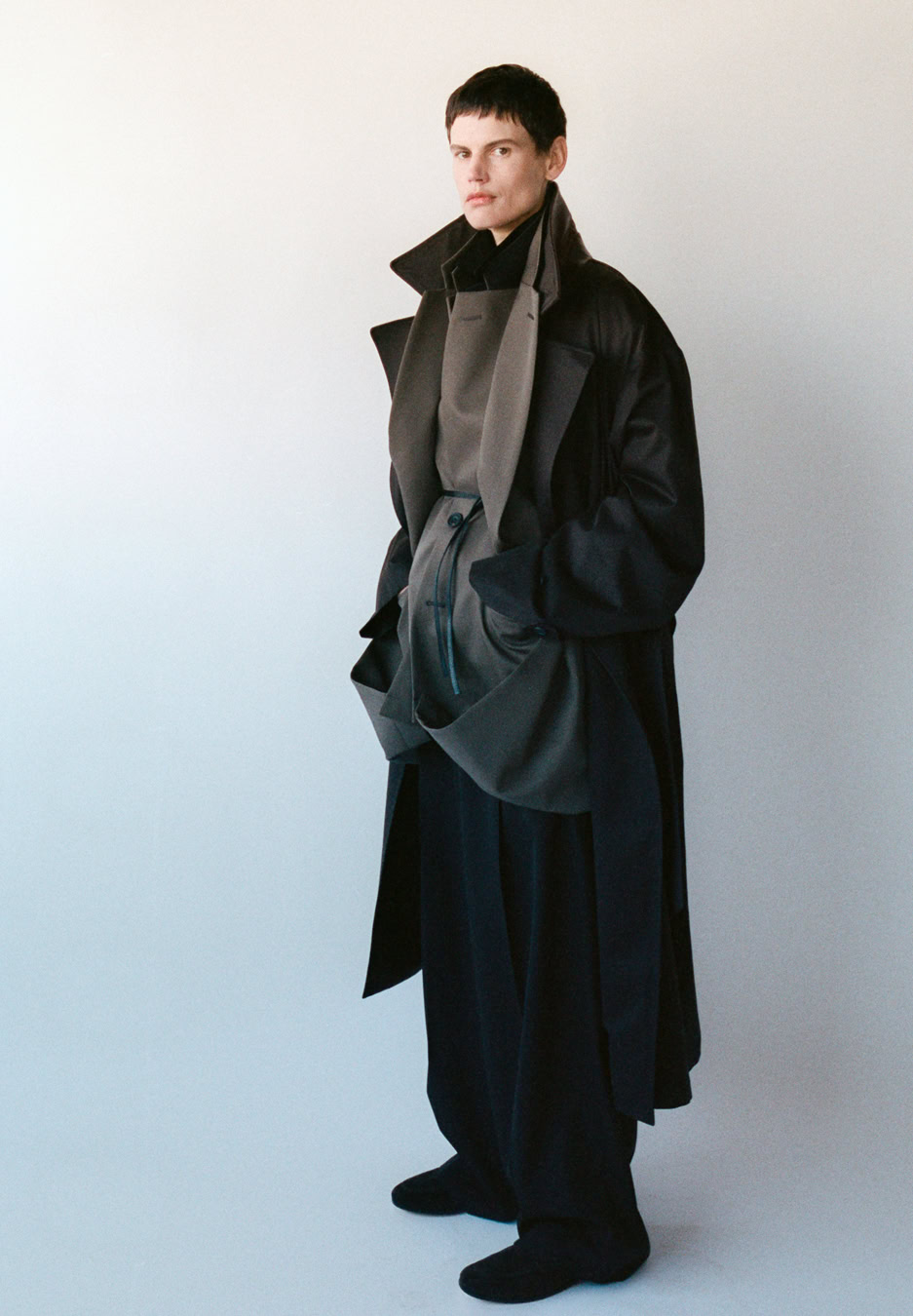
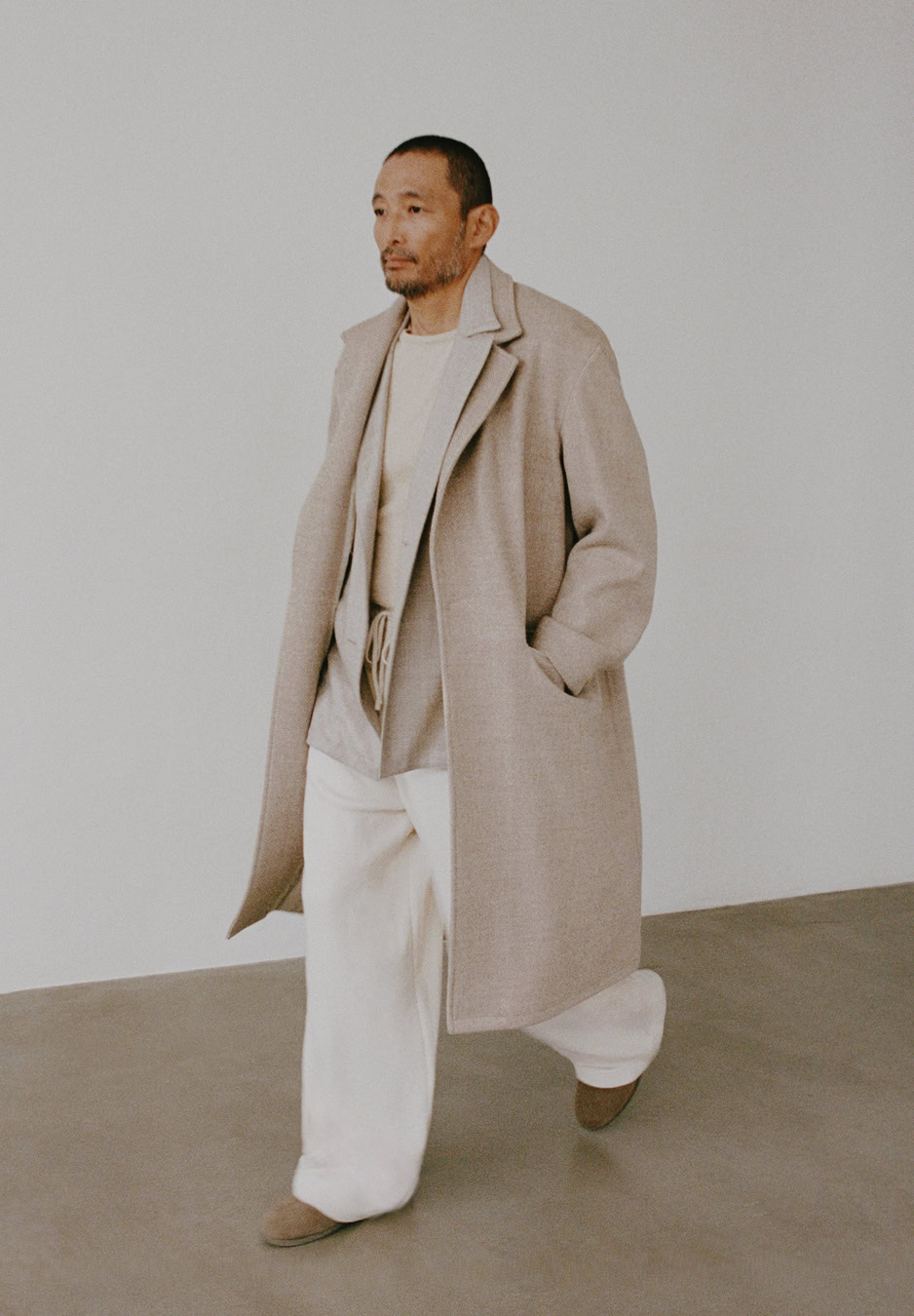
from left: Ssstein elevates everyday wear and Stòffa specialises in craft-led clothing
Take Kartik Research. The brand, which was founded in 2021 by Kartik Kumra when he was at university in Pennsylvania, is immediately recognisable thanks to its distinct approach to colour and embroidery, informed by traditional Indian fabrication techniques. “When I travelled to the different craft clusters of India during the pandemic, it became pretty apparent that there was a way to translate these textiles into something that felt more contemporary and art directed,” he says. The resulting garments have a feel that is both traditional and directional, with Kumra aiming for every piece to sing with artisanship. “Even if you had no idea how the clothes were made or what the brand was, you could tell that a significant amount of skill and effort went into them.”
Over in Japan, a new wave of minimalist brands is gaining momentum, with Auralee at the centre of it. Known for developing its own fabrics in a considered palette of shades like butter yellow, pistachio green and postbox red, it has become one of the hottest tickets on the Paris Fashion Week schedule, loved by industry tastemakers for its excellent quality and low-key ease of style. Following suit are Comoli, Ssstein and A.Presse, three other Japan-based brands with similarly growing international fanbases. They might look like ‘elevated basics’ to the untrained eye, but shrug it on and you’ll quickly realise it’s a few rungs above that. “A.Presse’s pieces carry an authentic, vintage-inspired aesthetic, yet the quality, once you touch and feel it, is far superior to what’s typically found in that space,” says Jordan. “It’s a rare combination, and it’s drawing a great deal of attention.”
Jordan also mentions Stòffa, which Mytheresa started buying into from SS26, and which has been a pioneer of craft-led clothing. “The fabrics are incredibly beautiful, and their commitment to making collections exclusively from natural materials feels both thoughtful and exceptionally modern,” says Jordan. The brand, which is based in New York, takes a meticulous approach to its design process, offering a made-to-measure service to really slow things down and help you appreciate the clothing: a kind of anti-AI approach to fashion. “There’s a lot of fulfilment that comes with things being slightly more difficult,” says Nicholas Ragosta, who founded Stòffa in 2014 with Agyesh Madan. “The easiest thing to do is not always the most fulfilling thing to do.”
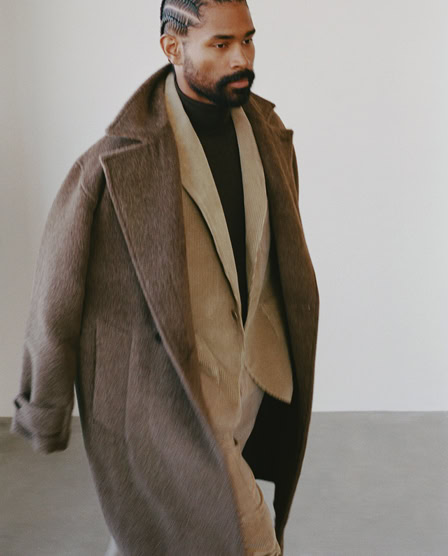
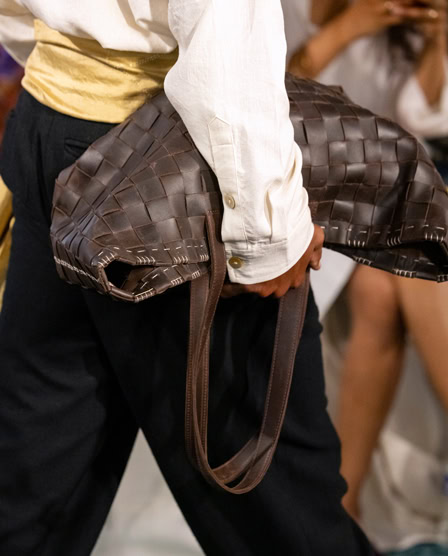
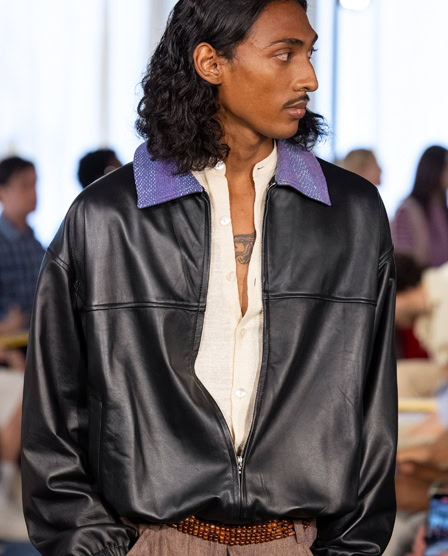
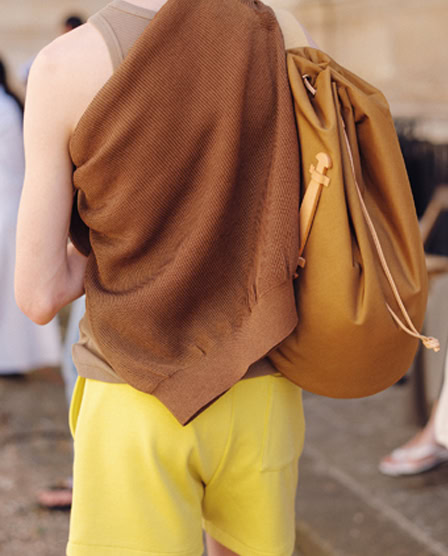
from left: looks from Stòffa, Kartik Research and Auralee
Beyond how well-made it is, the appeal of craft-led clothing is that it is refreshingly anti-algorithm. At a time when the TikTok trend du jour is anything from performative male to quiet luxury, we can’t escape how we’re ‘supposed’ to be dressing. The craftier side of menswear offers something that feels more special and interesting, doesn’t feel as transient and (at least partly) absolves us from the negative impulse to keep up. “Guys today are far more knowledgeable and this rising sophistication pushes brands to respond with greater integrity and value [in the clothes],” says Jordan.
There is also good that comes from investing into them. One of Kartik Research’s block-printers in India is planning to open a little guesthouse for tourists to come and take courses. “There’s quite a few artisans for whom we’ve become the main income source, which brings added pressure, as you don’t want to leave people high and dry,” says Kumra. “But seeing some of the changes is also fulfilling. These are heritage crafts and their preservation is something we take seriously.”
What attracts Mauve to these designers is that “they’re fashionable and anti-fashion at the same time. They’re minimalist maximalists,” he says. “The silhouettes are always understated and effortless, but the details are always thought through with a science-like precision.”
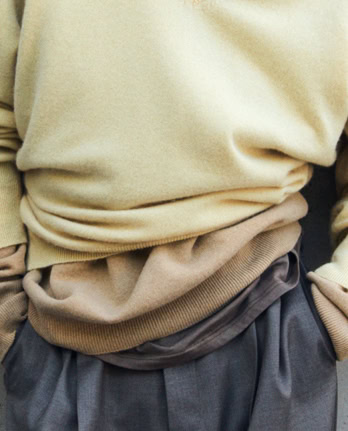
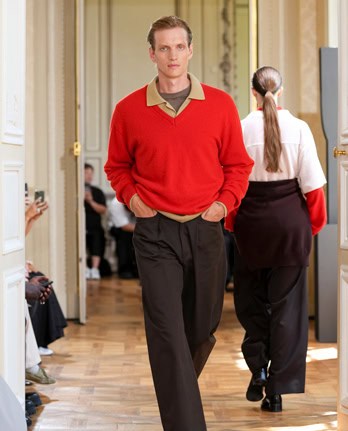
select looks from Ssstein’s SS26 collection
Kumra echoes this. “We operate outside the trend cycle. I don’t think customers are coming to us to get something trendy in the first place. We’re working with craftspeople regardless of what the narrative around craft is, so I think that insulates the brand in some way.”
One of the best things about the proliferation of beautifully crafted clothes, though, is that you’re free to take them away and make them your own. Says Mauve: “In the end, other people’s curations are just a tool to get your own curating going.”
Taken from 10 Men Issue 63 – CLASSIC, CRAFT, NOSTALGIA – out NOW. Order your copy here.