April 29, 2026 |
Few areas of our lives are as deeply entangled with the idea of change as fashion. With every passing season, silhouettes shift, trends dissolve and new systems of expression emerge. To participate in fashion is to embrace a state of perpetual transformation. It follows, then, that the industry’s internal frameworks are often shifting, with roles, hierarchies and power dynamics constantly being renegotiated.
Yet in today’s turbulent climate, that typically generative force risks tipping into chaos. Hard-won progress around inclusivity, representation and creative freedom is increasingly met with backlash, as rigid and oppressive ideologies are making a comeback. The question, then, is not whether fashion will evolve, but how? How do we continue to amplify the right voices? How do we safeguard the openness, experimentation and plurality that so positively define what we do? Ultimately, how do we ensure that we change for the best? To map the challenges and possibilities of the present moment, we spoke to figures at the forefront of this shift who are shaping both our taste and the wider structures and responsibilities of the fashion industry today.
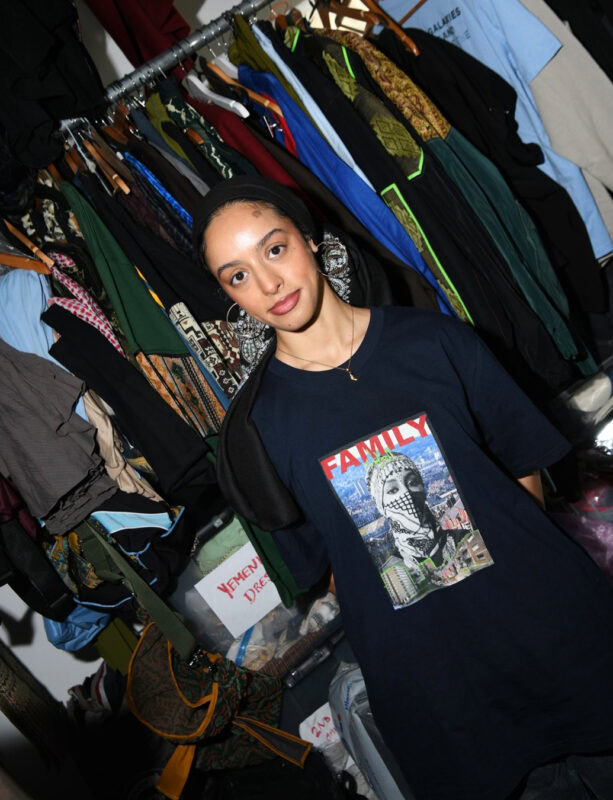
Kazna Asker
KAZNA ASKER, DESIGNER
Though the word ‘change’ often echoes newness, it can also signal a return to one’s roots. For London-based designer Kazna Asker, it meant building a bridge between two worlds: one made of rammed earth bricks and the other forged in steel, namely her Yemeni heritage and her native Sheffield. This liminal state is visible in her work, which blends elements of street uniforms like Adidas tracksuits with sewn-on woven fabrics drawn from Middle Eastern dress.
“Many immigrants, when they go back to visit their country, don’t feel like they belong there anymore, but when they return they don’t feel at home either. My generation, who grew up in the UK, never really had that experience, so we created this in-between stage ourselves, taking bits from both cultures to shape our own.”
Yet if you’re familiar with Asker’s work, you’ll know it goes further than simply combining aesthetic or textural traditions. As the designer who first put a hijab on the catwalk of London Fashion Week, her practice is also about normalising what is so often misunderstood. In the case of the hijab, there is a clear intention to reframe the figure of the Muslim woman, who has become a lightning rod for fear in emotionally charged times.
“Growing up, I never heard a positive thing said by the media about Muslim women and Arab culture. Part of my work is showing my community in a positive light and making others realise how cool and resilient these women really are,” she tells me. Importantly, this heritage does not fetter her creativity or invite conformity. When we meet, she’s wearing a roomy sweater, with a wide black shawl partially shrouding her raven hair. I ask about her headpiece. “It’s a mashada,” she explains. “Normally, men would wear it in the Middle East, but I like it.” Tradition, here, becomes a tool for experimentation, not regression.
Photography by Bella MacGregor. Taken from 10 Magazine Issue 76 – CREATIVITY, CHANGE, FREEDOM – out NOW. Order your copy here.