May 12, 2026 |
If you picture the footwear rotation of an It-girl, you’ll probably see a pair of tabis, maybe some Sambas, a classic Loub or Manolo and definitely a vintage kitten heel. You’ll probably also see one, two or 10 pairs of stompers with warped proportions, conversation soles and a peculiar polish that makes them feel less like shoes and more like little architectural anomalies stomping down the pavement. And likely, these kicks have come courtesy of Miista, the London-based fashion brand quietly responsible for some of the most recognisable non-conformist footwear on the market right now. The brand’s offbeat cool – equal parts East London oddball and Spanish craft obsessive – has earned it a cult status amongst women who want their clothes to say something before they’ve even opened their mouths.
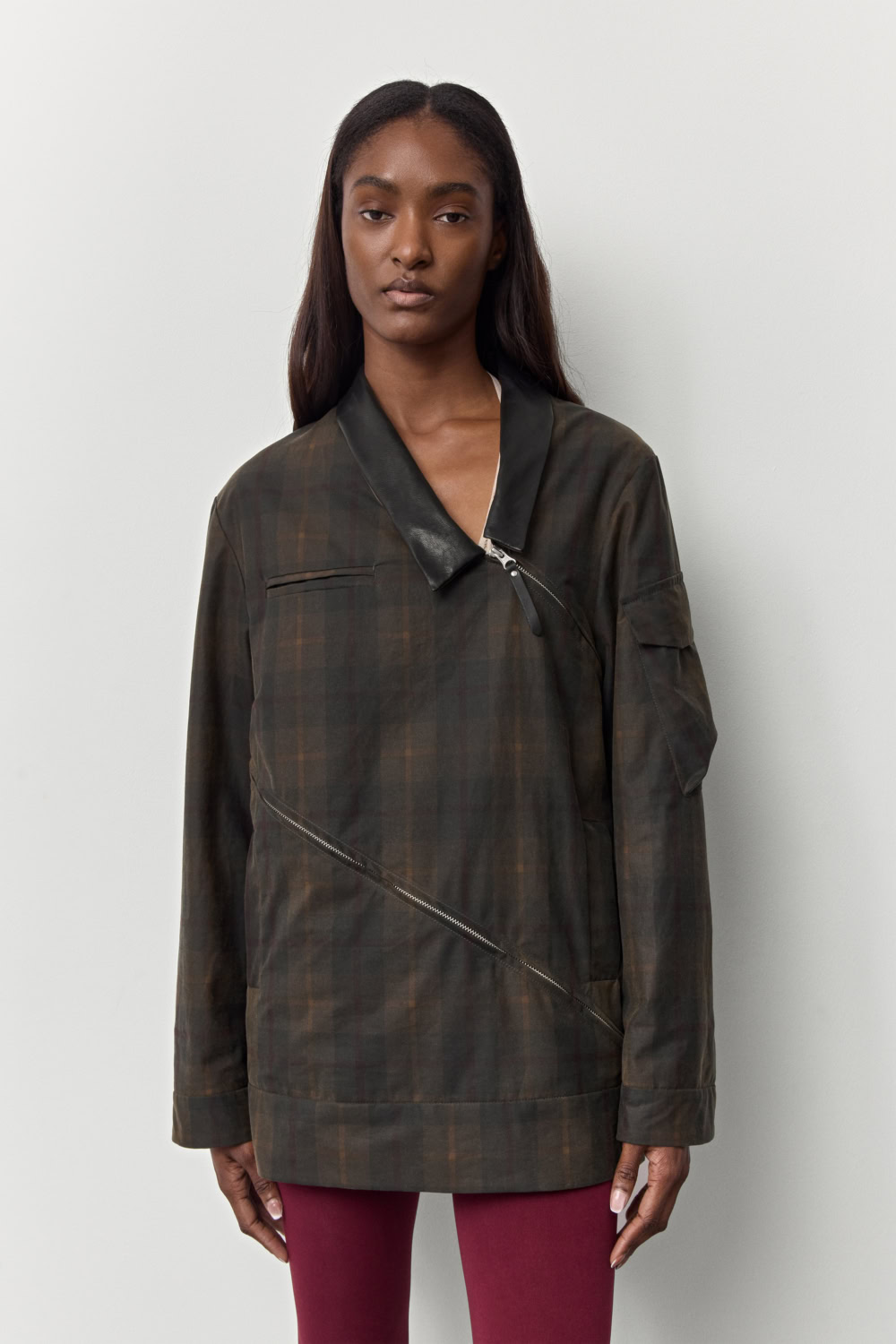
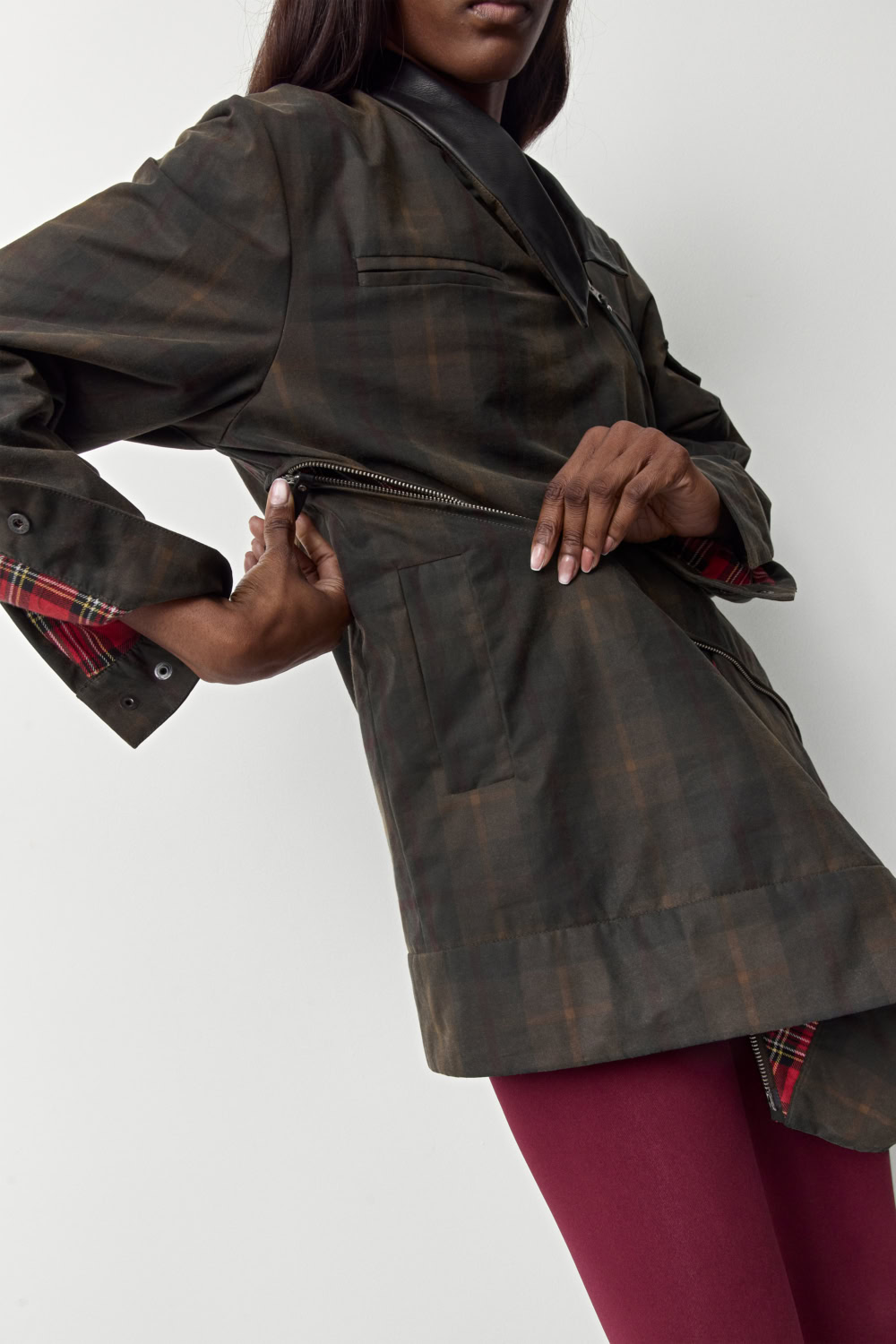
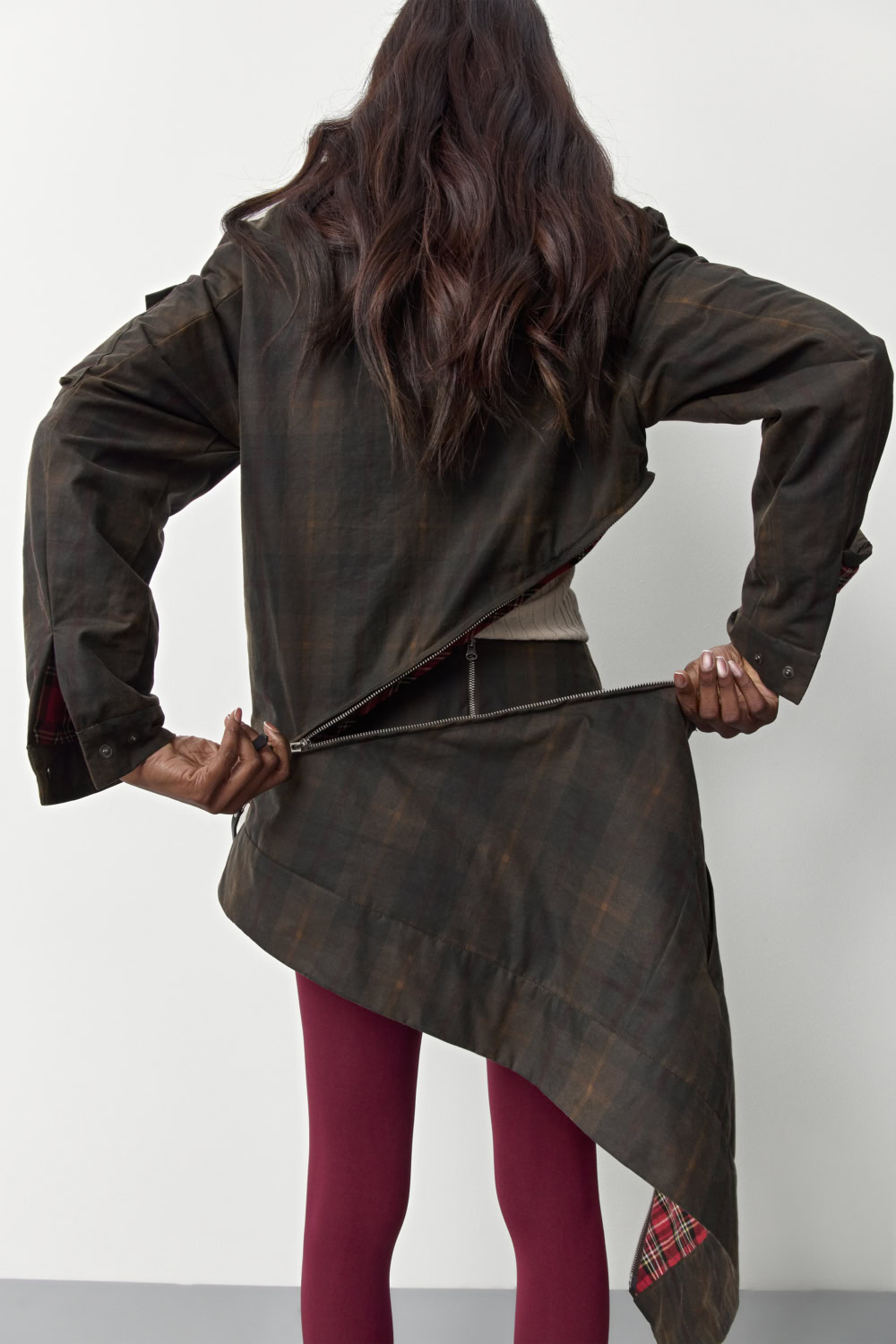
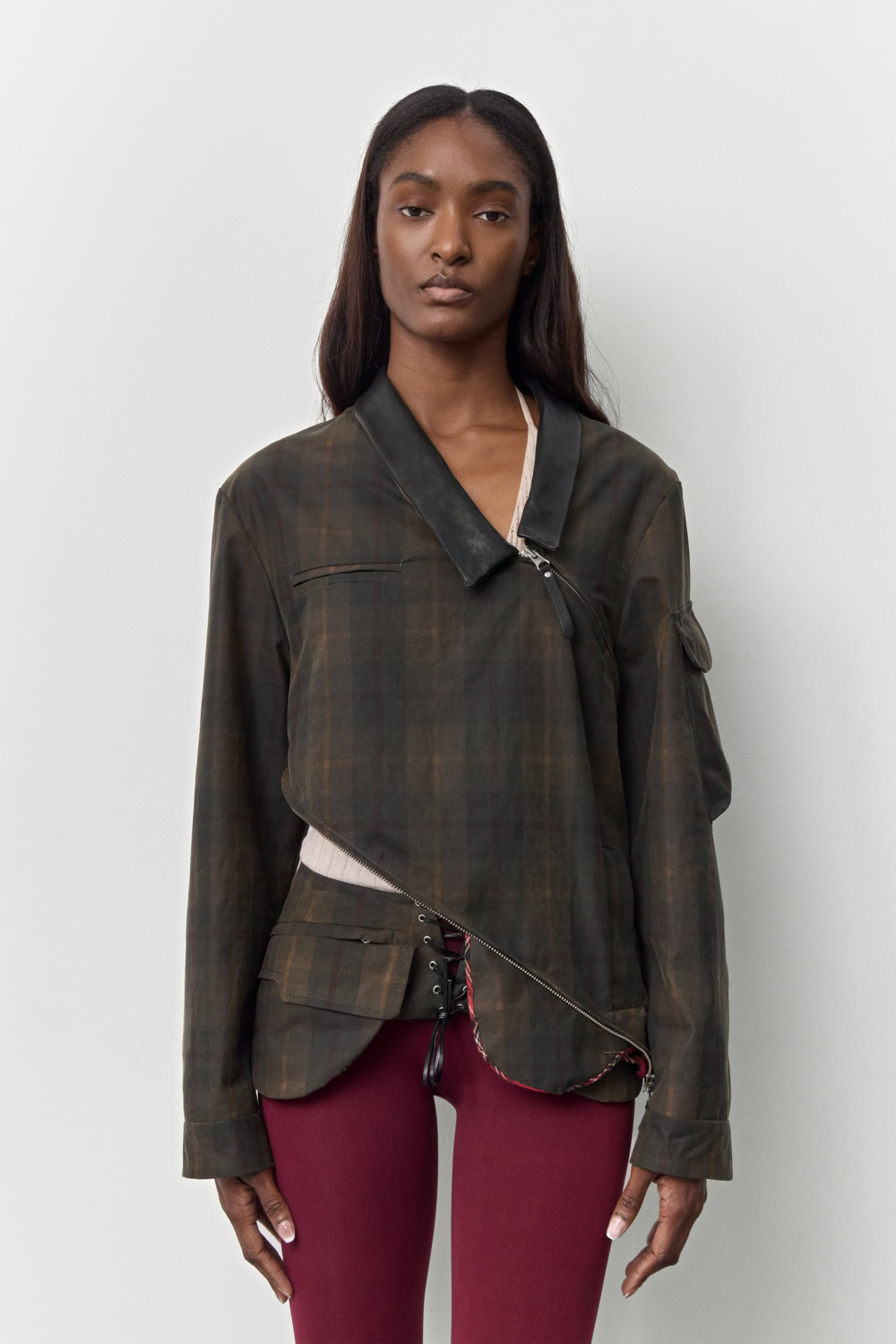
There’s more to what makes her an It-girl though than her shoes, which come second only to her clothes. And Miista? Well it has those in the bag too, serving up asymmetrical jersey dresses that twist around the body like wearable puzzles and sharply cut separates engineered with unexpected fastenings, elongated proportions and multi-functional details – think adjustable silhouettes, twisted draping and pieces designed to be worn multiple ways – alongside the shoes that have cemented Miista’s permanent place in the closets of the coolest girls across Europe and beyond.
Miista was founded in East London in 2010 by Spanish designer Laura Villasenin, though she didn’t initially set out to become a footwear-focused designer. “It was a little bit by chance,” she says. “I was not one of those people that was like, ‘Oh my God, I want to be a shoe designer.’” After moving to London in 2001, Villasenin enrolled at Cordwainers, part of London College of Fashion, to study product design for fashion specialising in footwear. “[Studying at] Cordwainers was literally love at first sight,” she says. “I thought it was a very interesting mix between fashion and product design.”
London itself would become just as formative as fashion school. “I moved because of culture, because of music,” she says. “Very specifically East London.” Raised on indie, electronica and punk, Villasenin spent her early 20s immersed in Hackney Wick’s rave scene – an influence still visible in Miista’s unapologetically rebellious edge today.
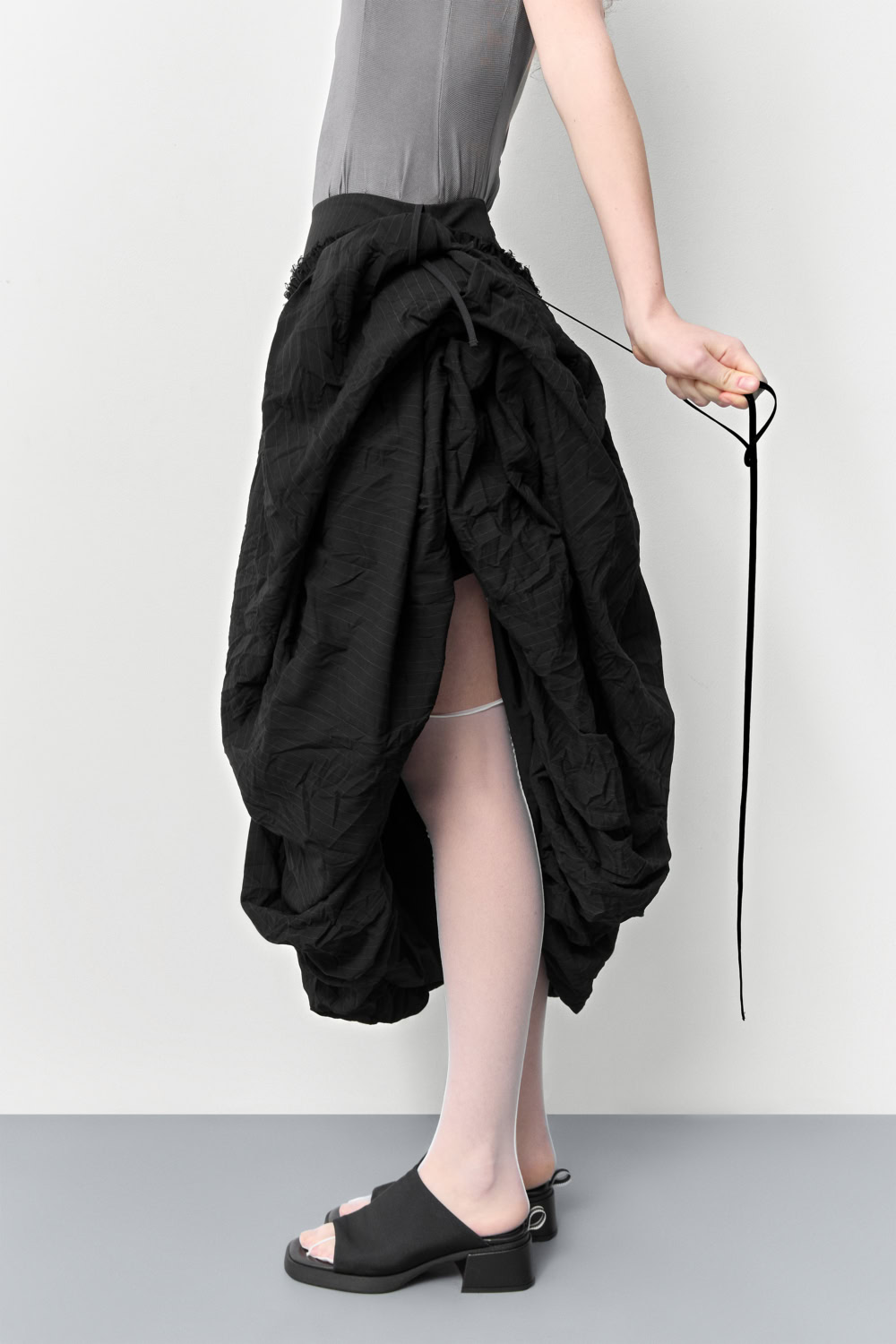
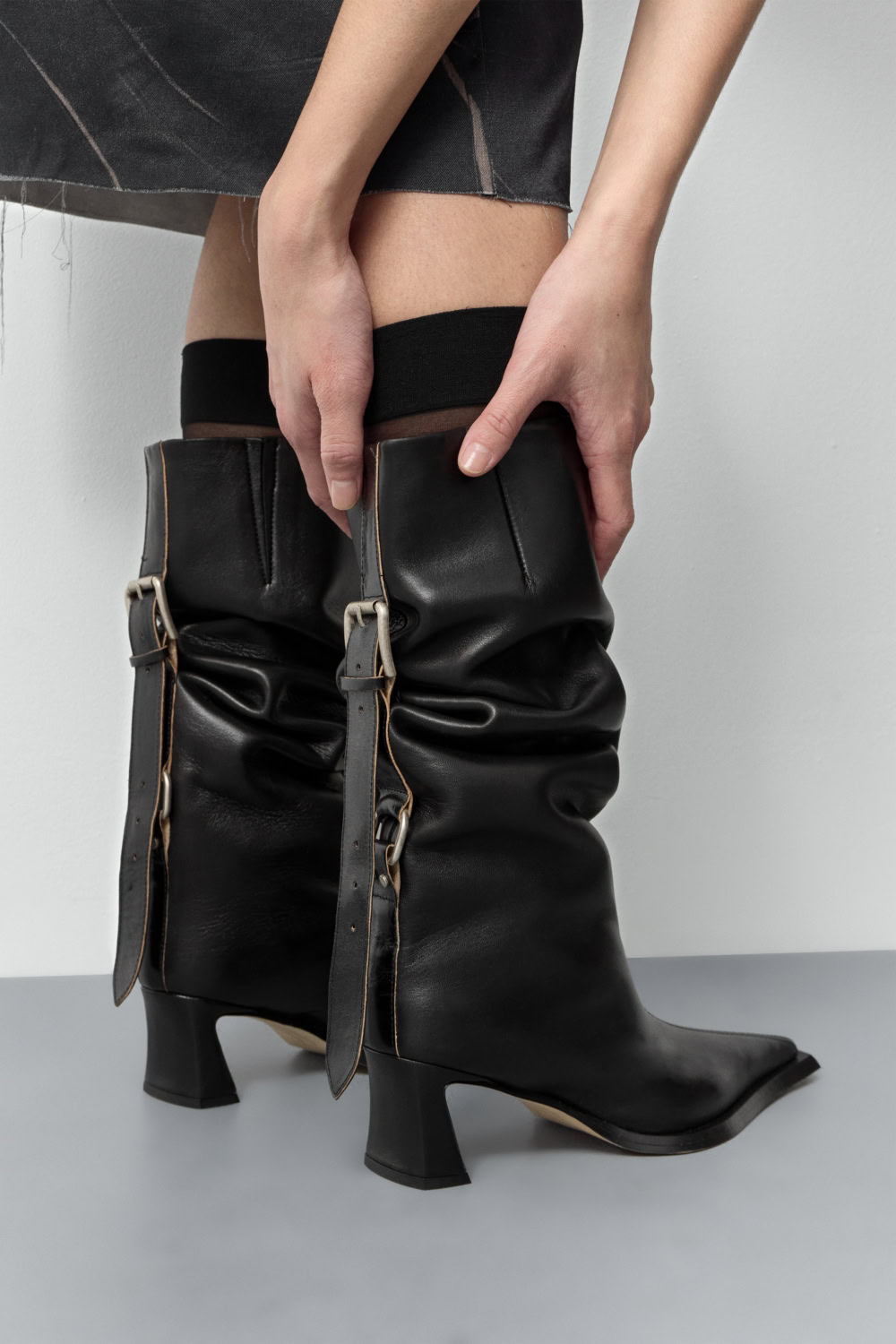
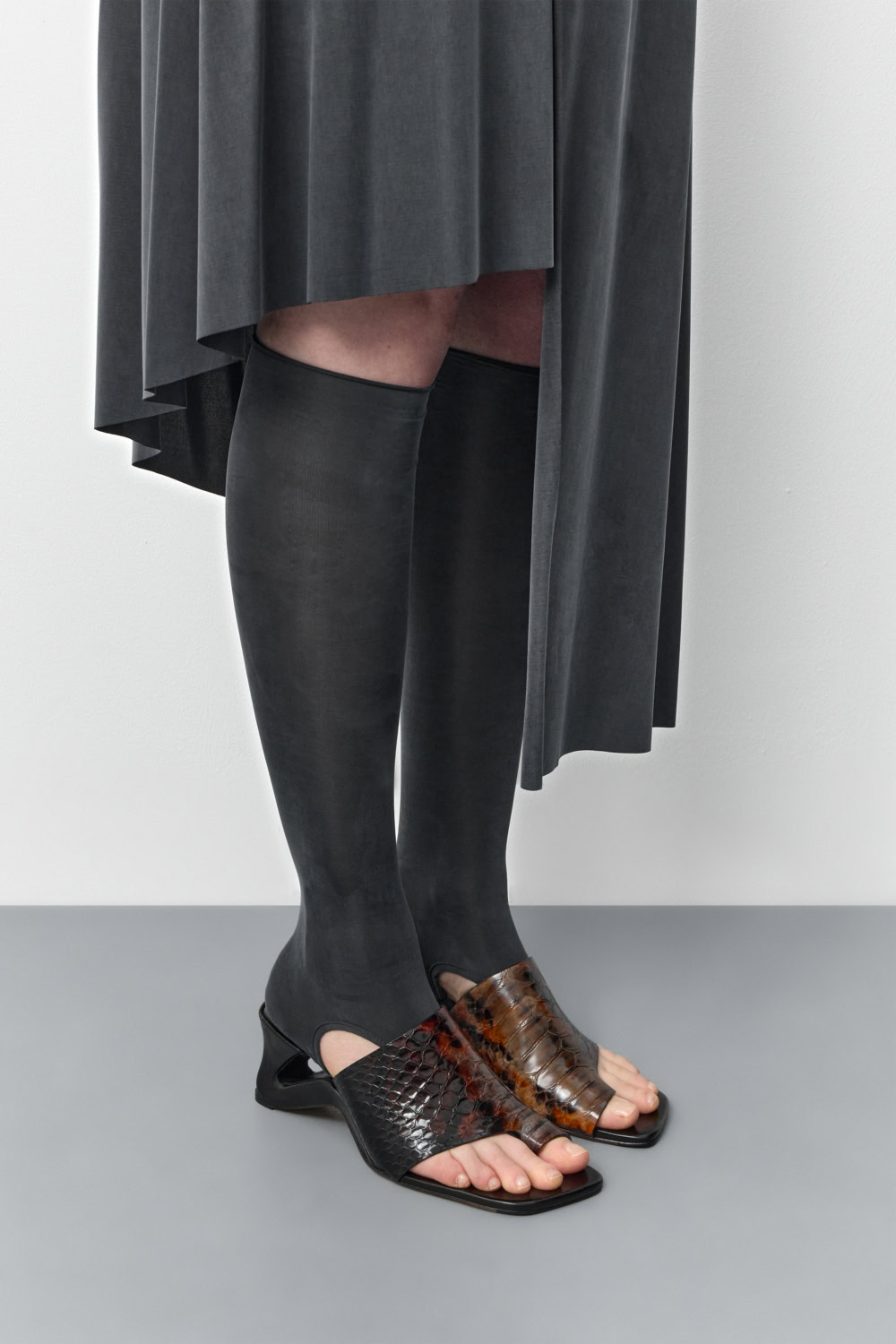
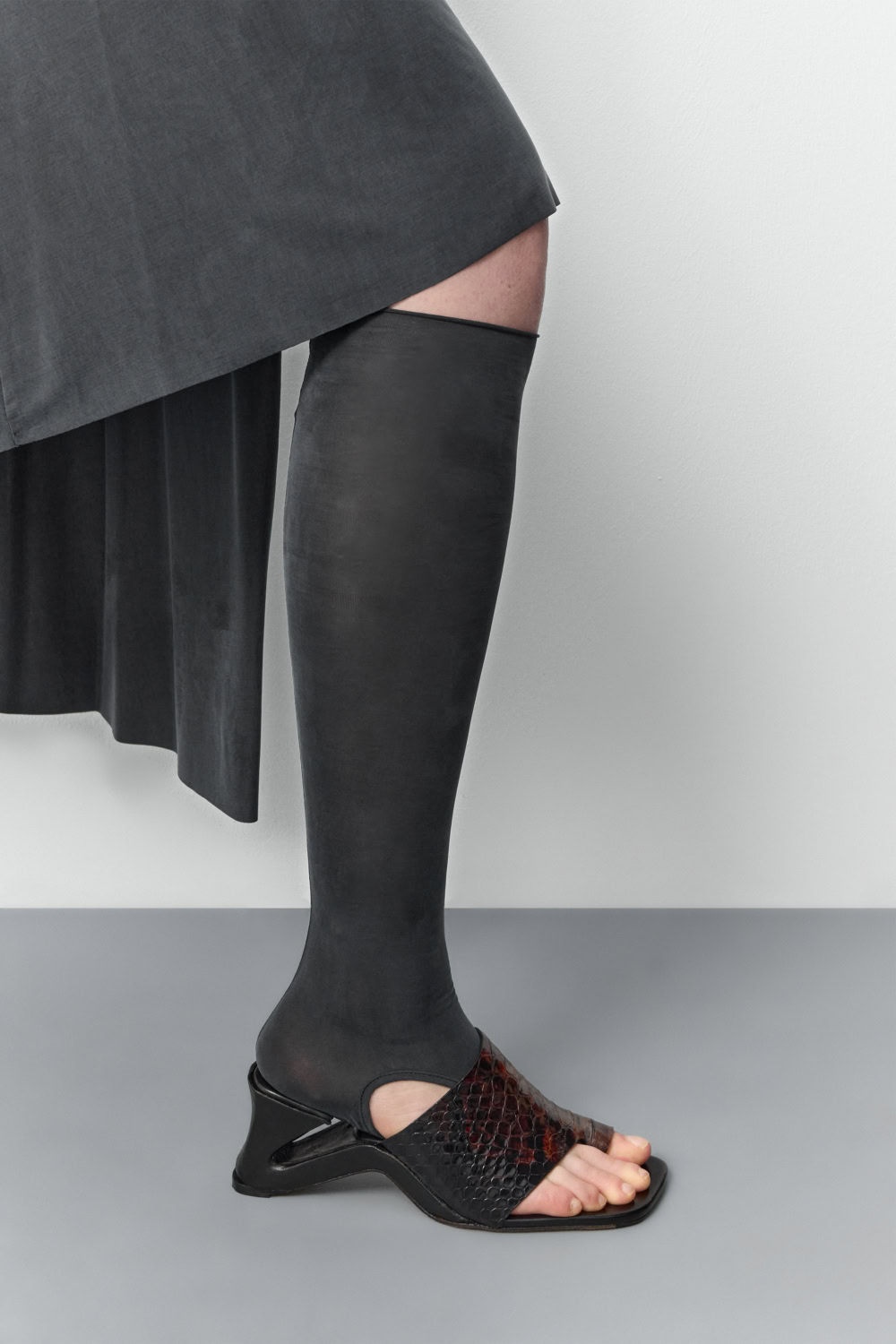
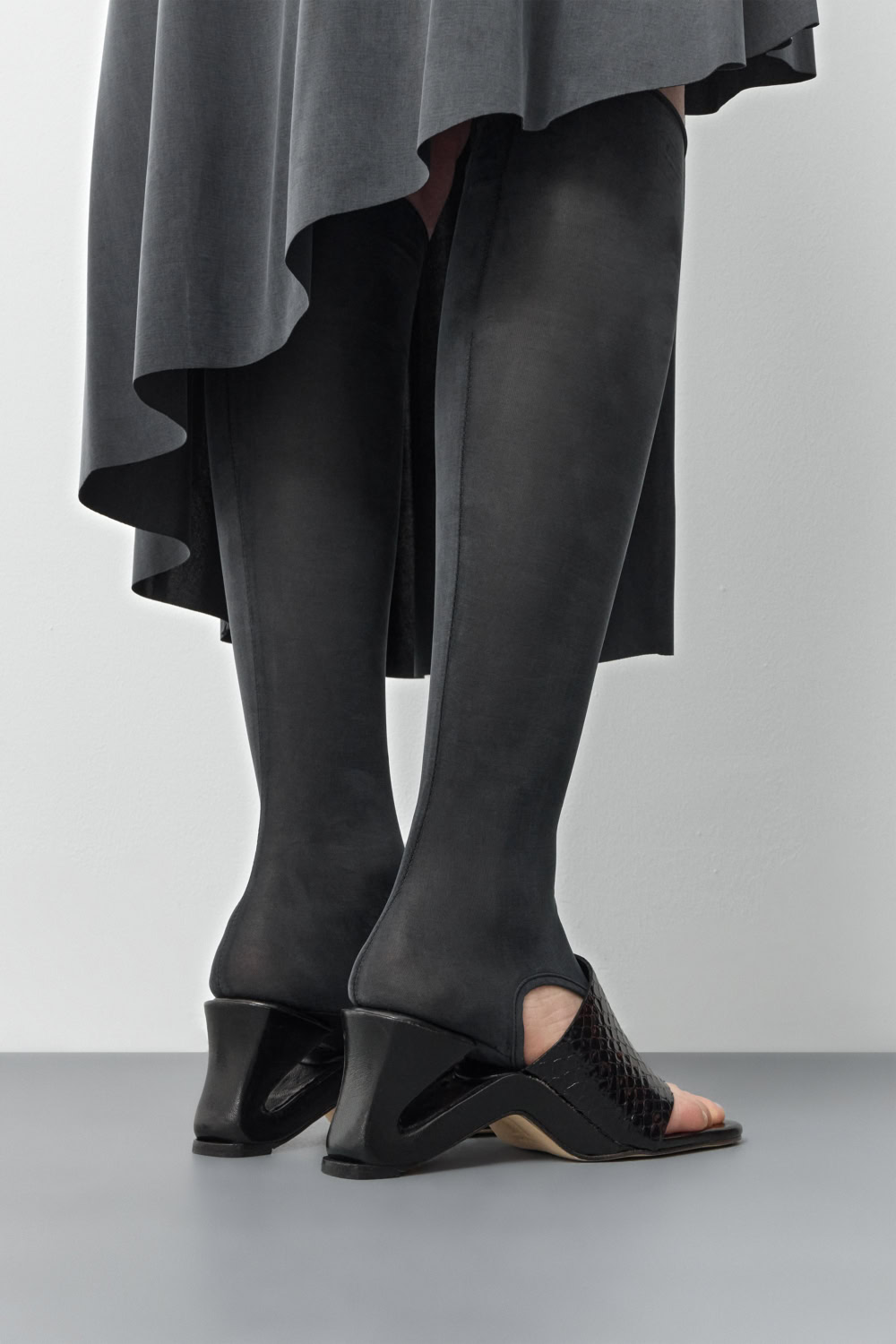
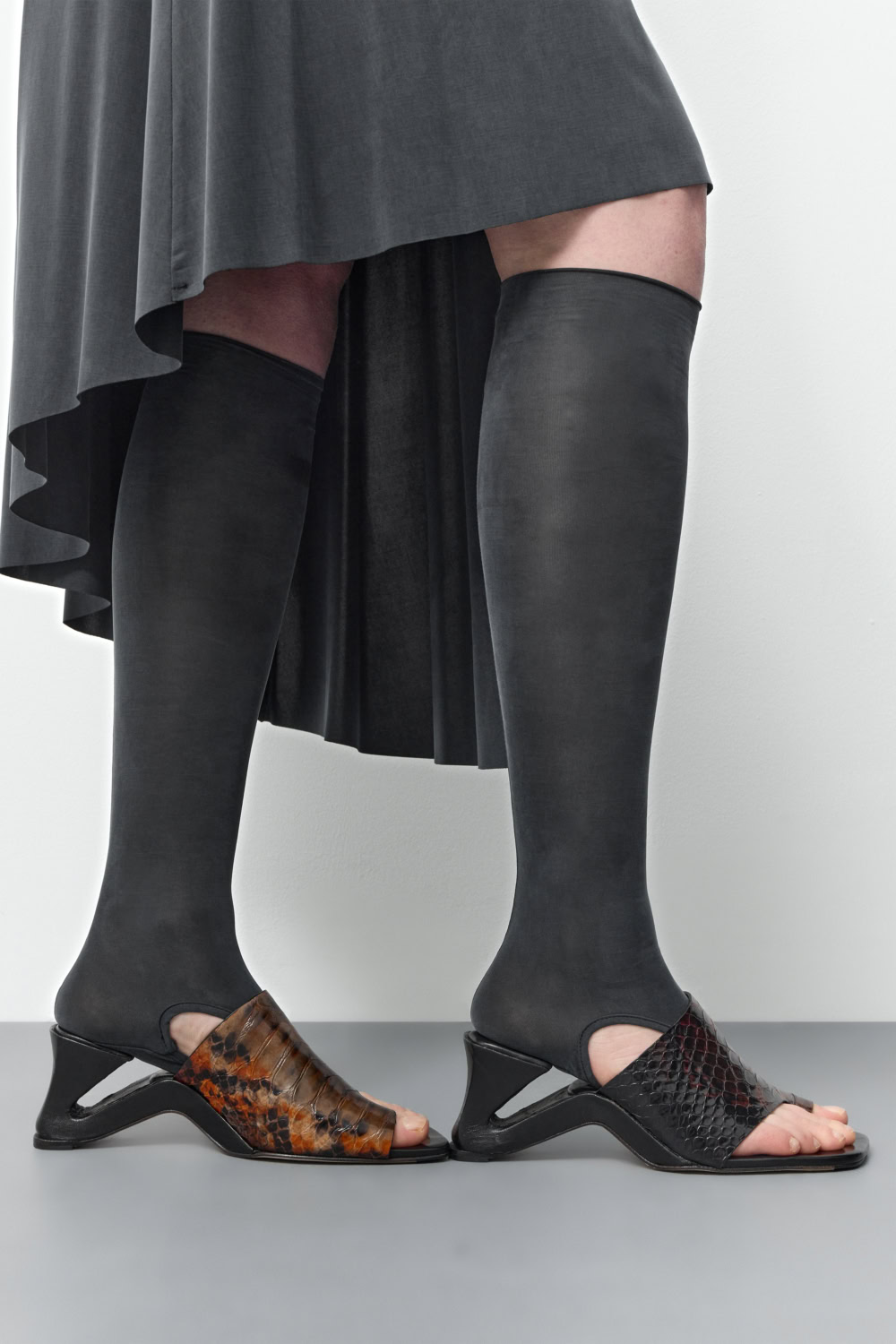
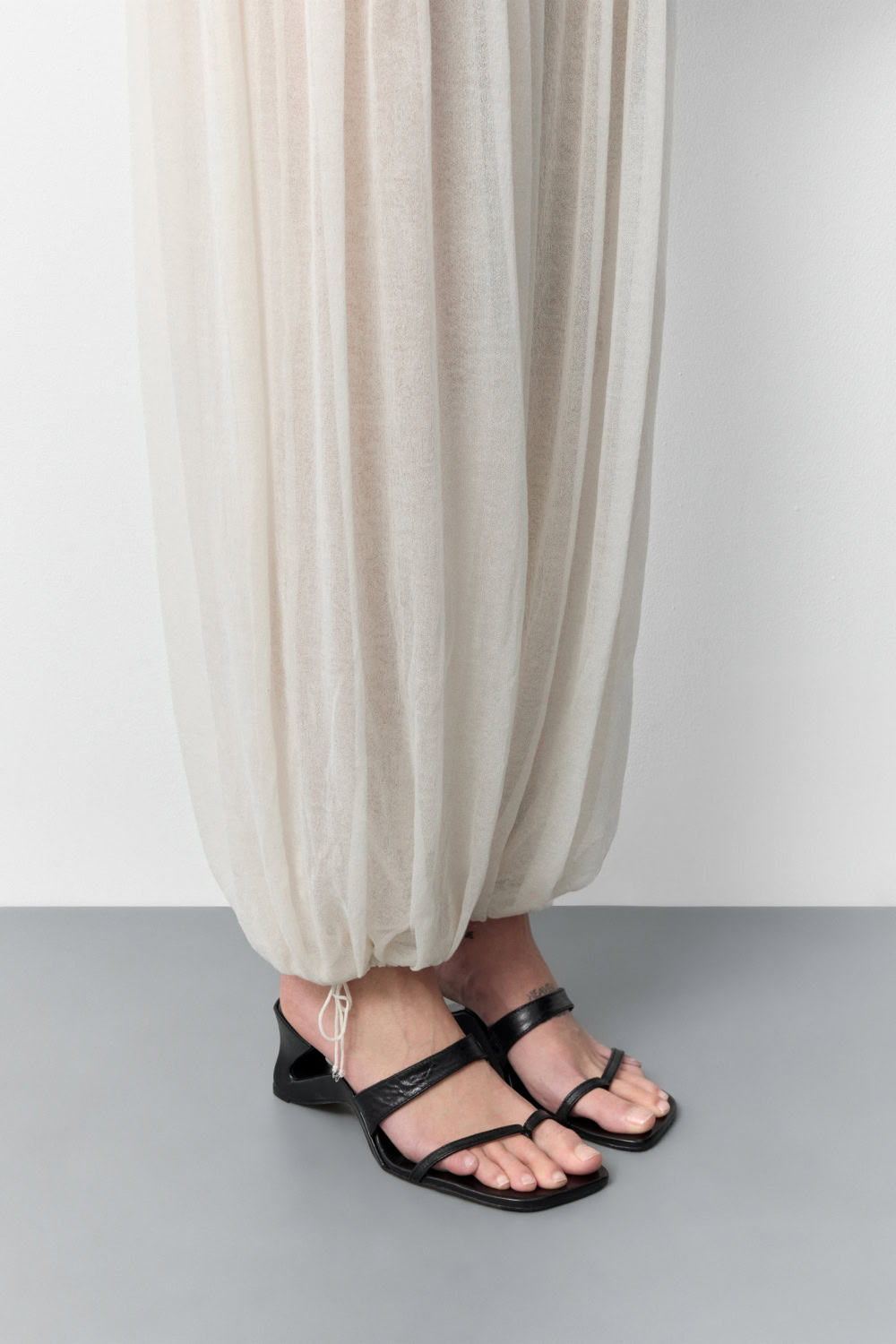
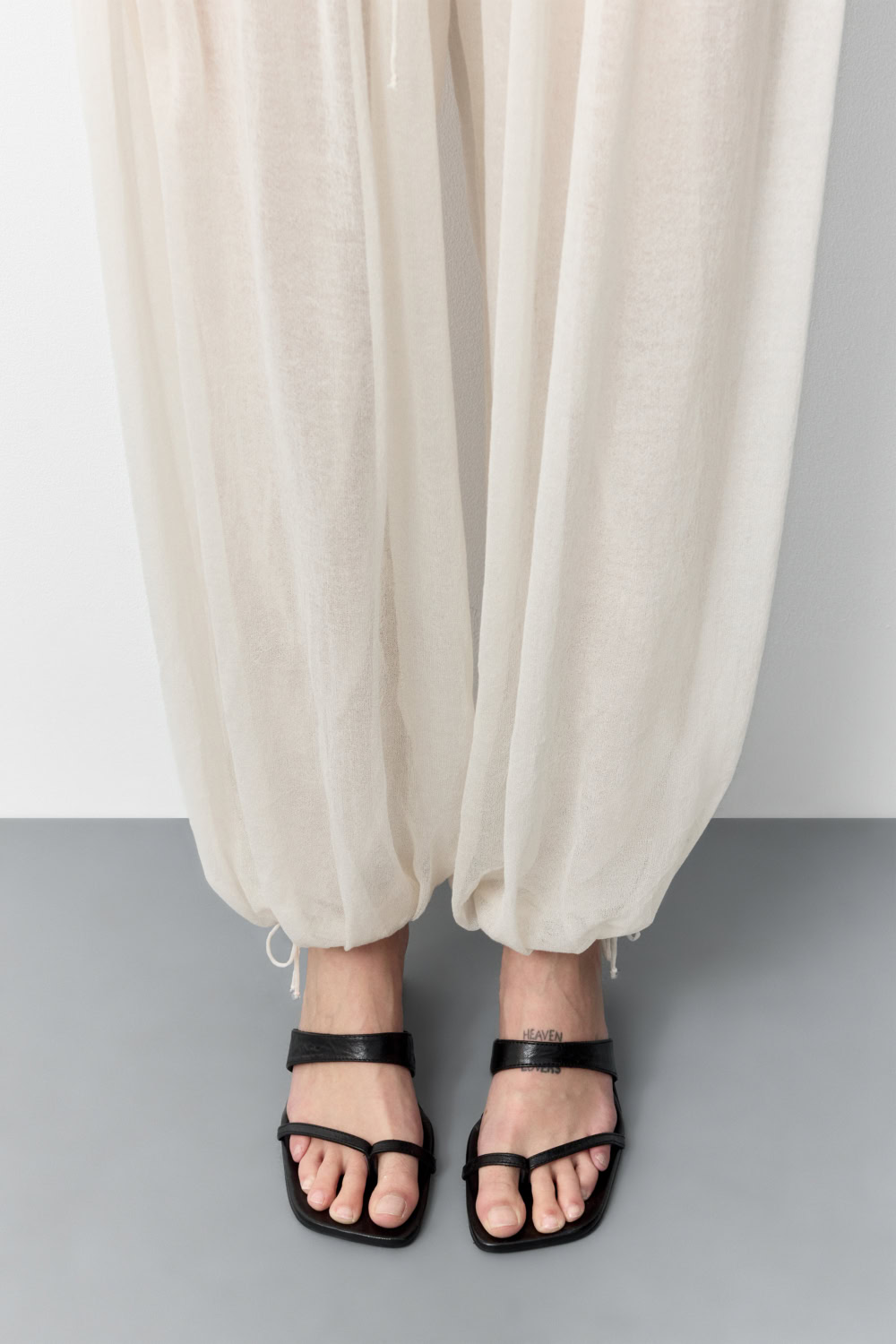
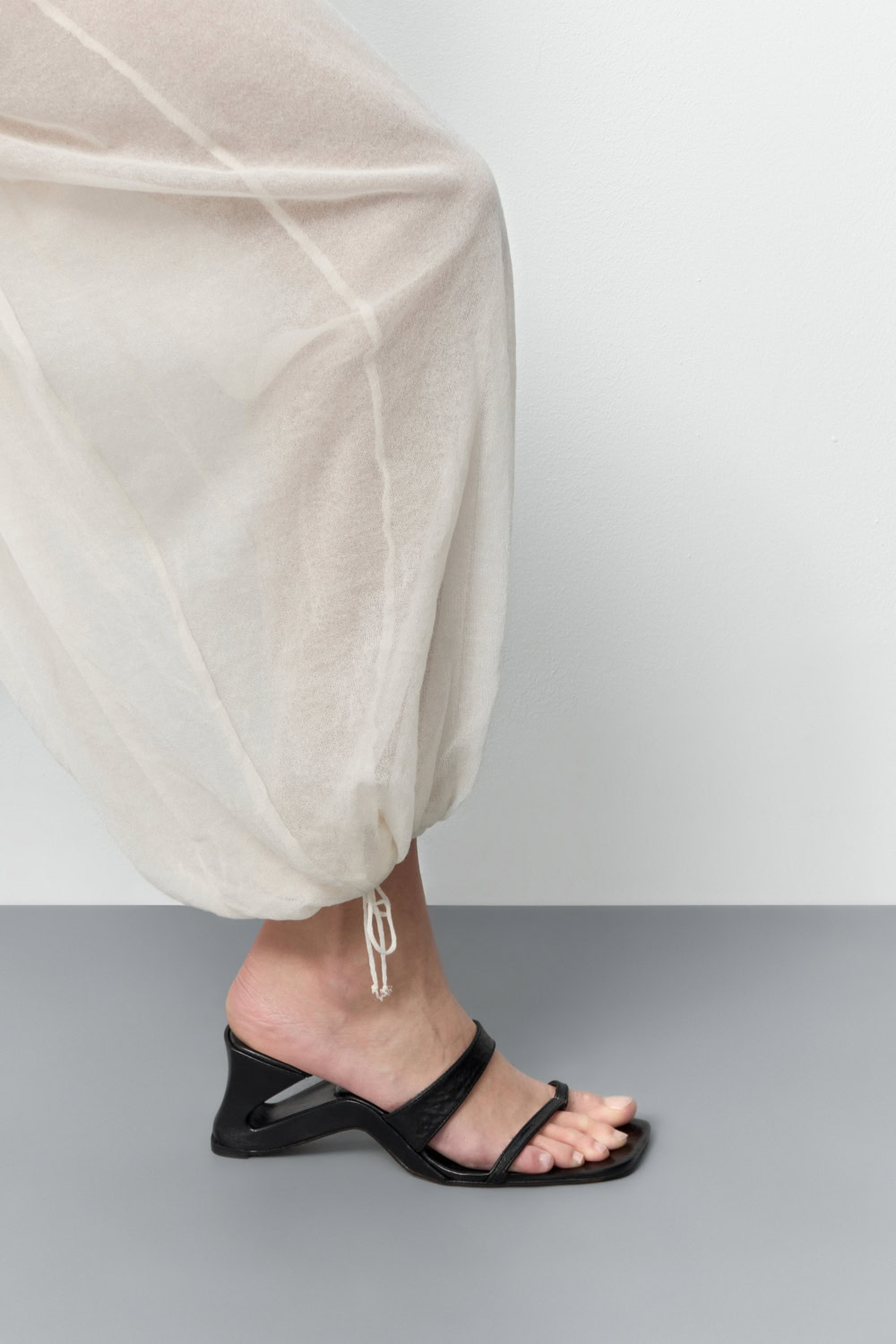
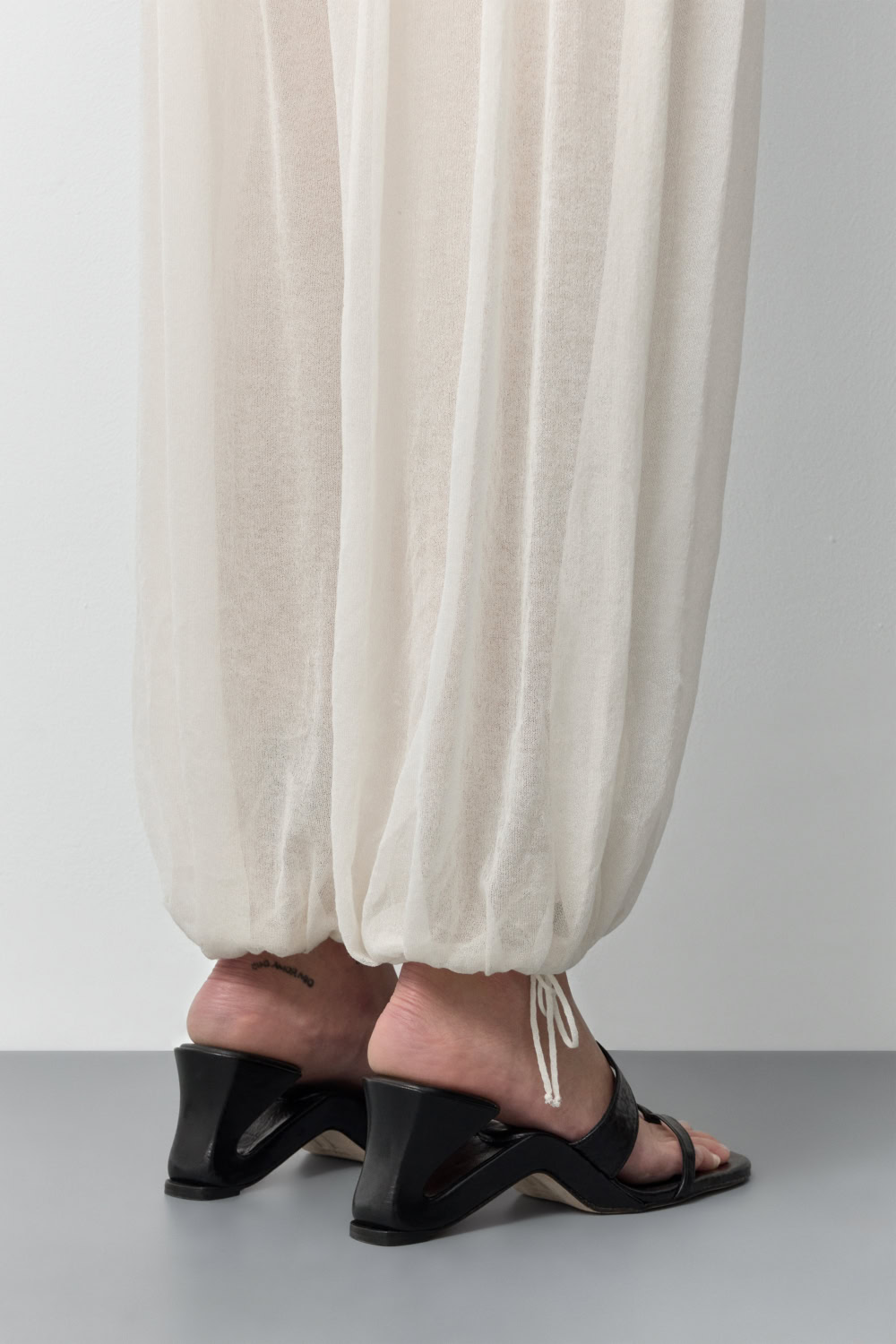
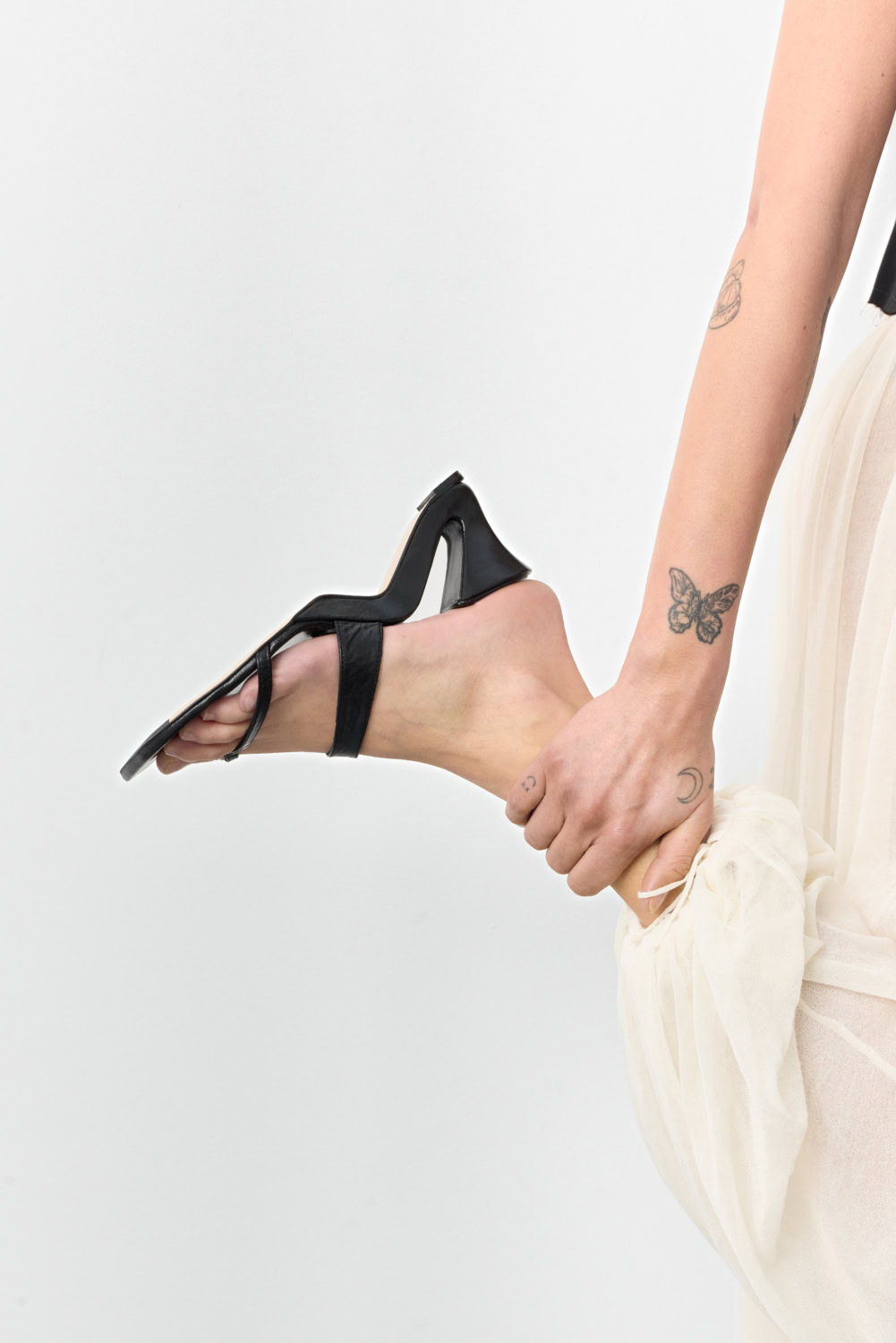
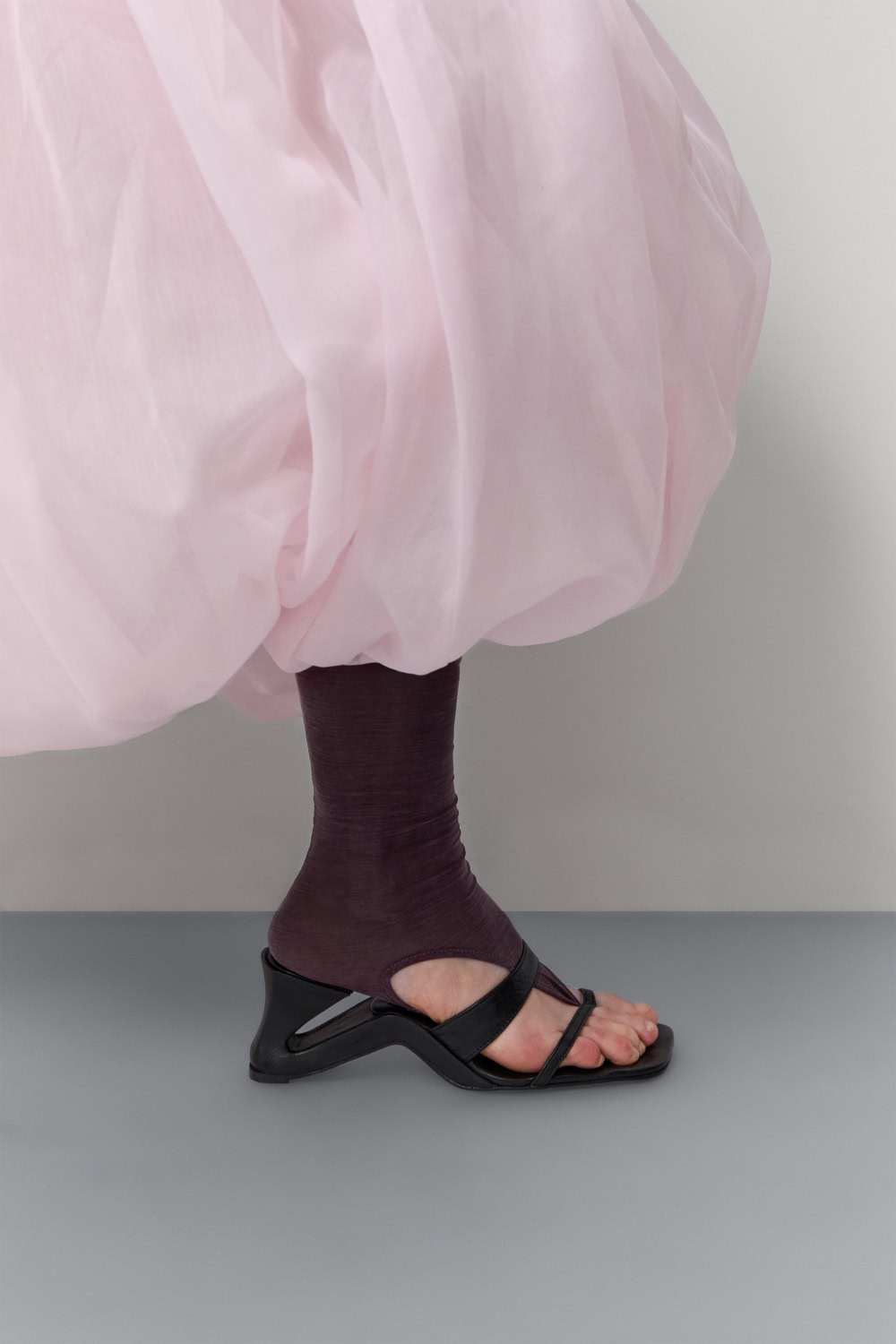
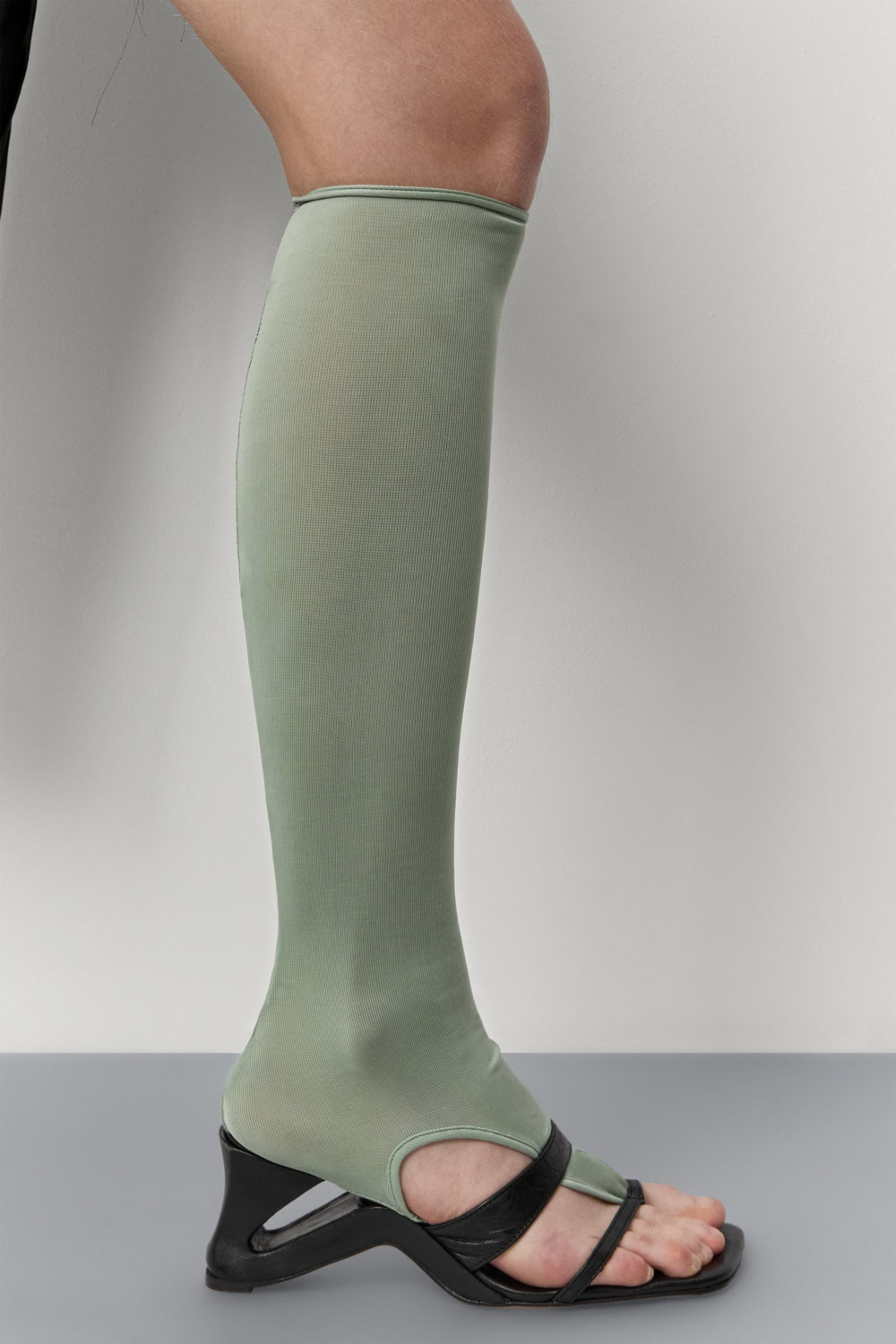
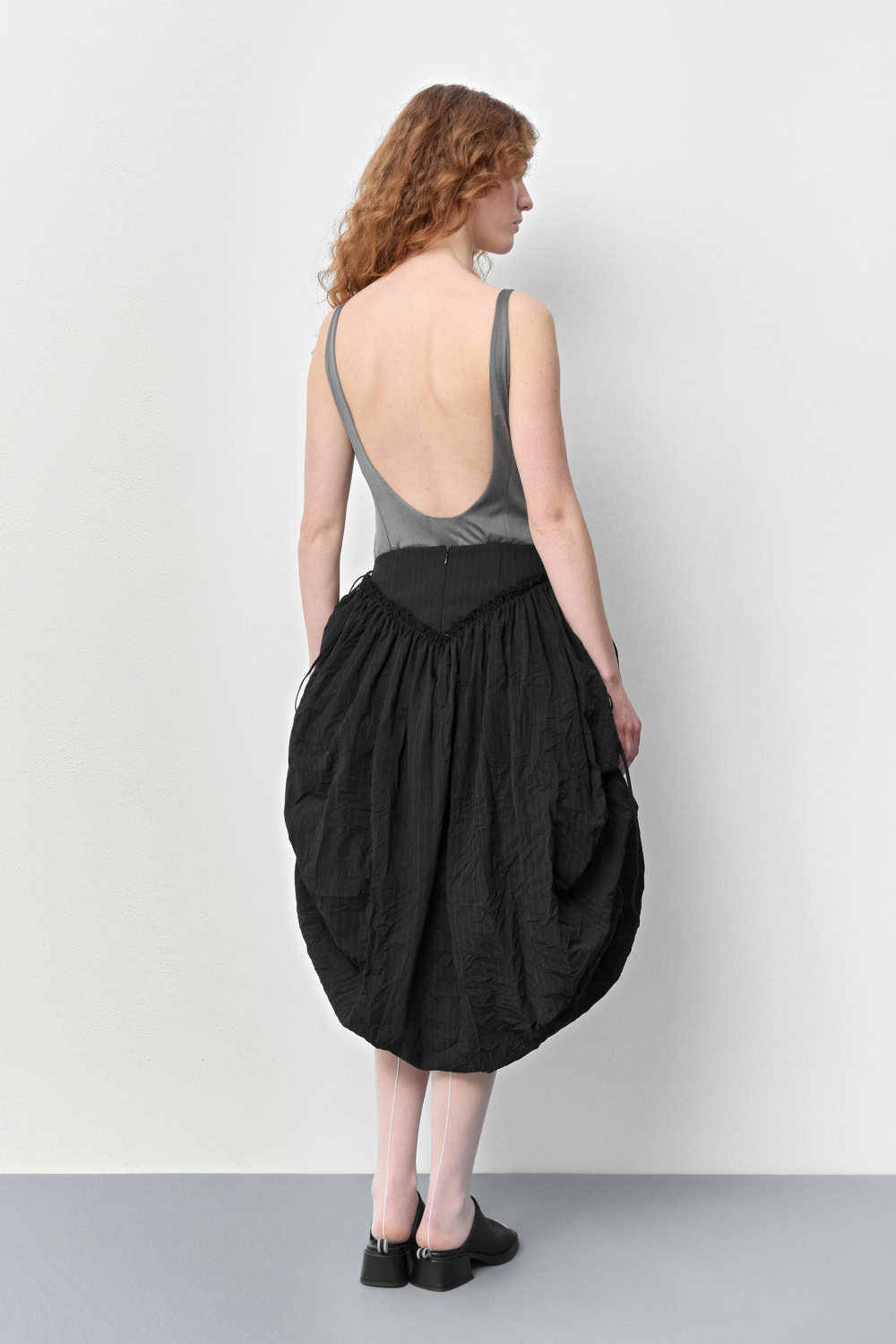
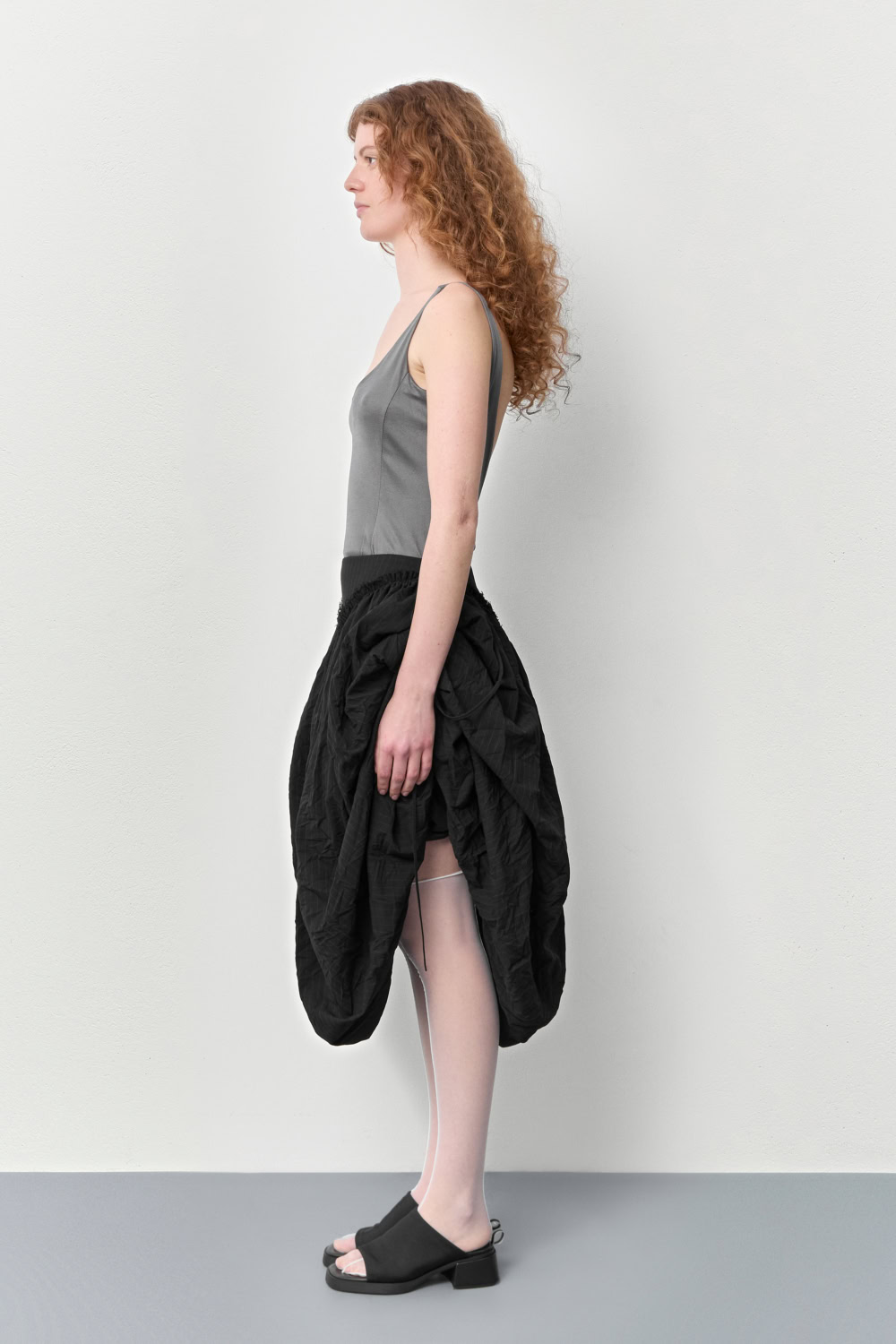
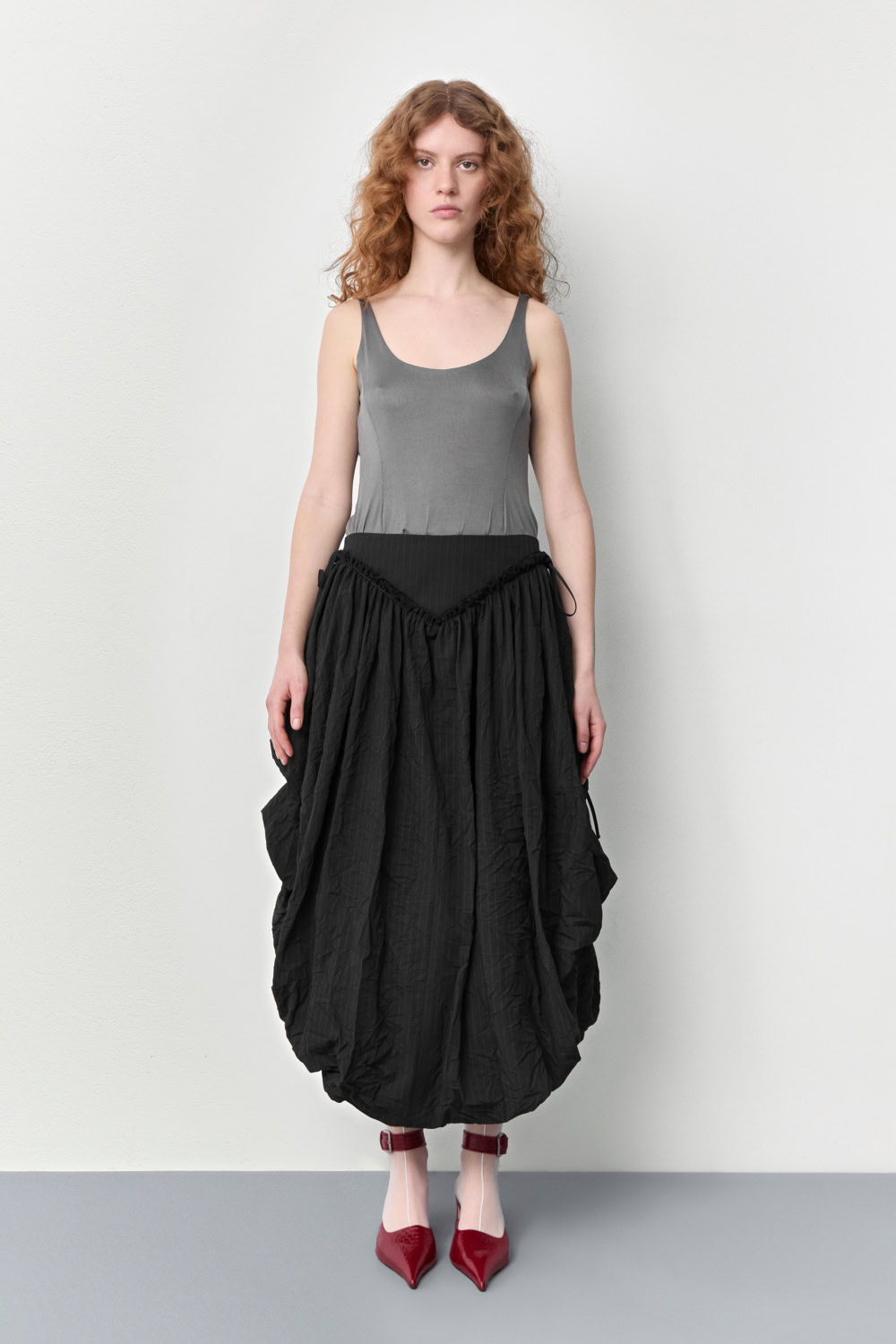
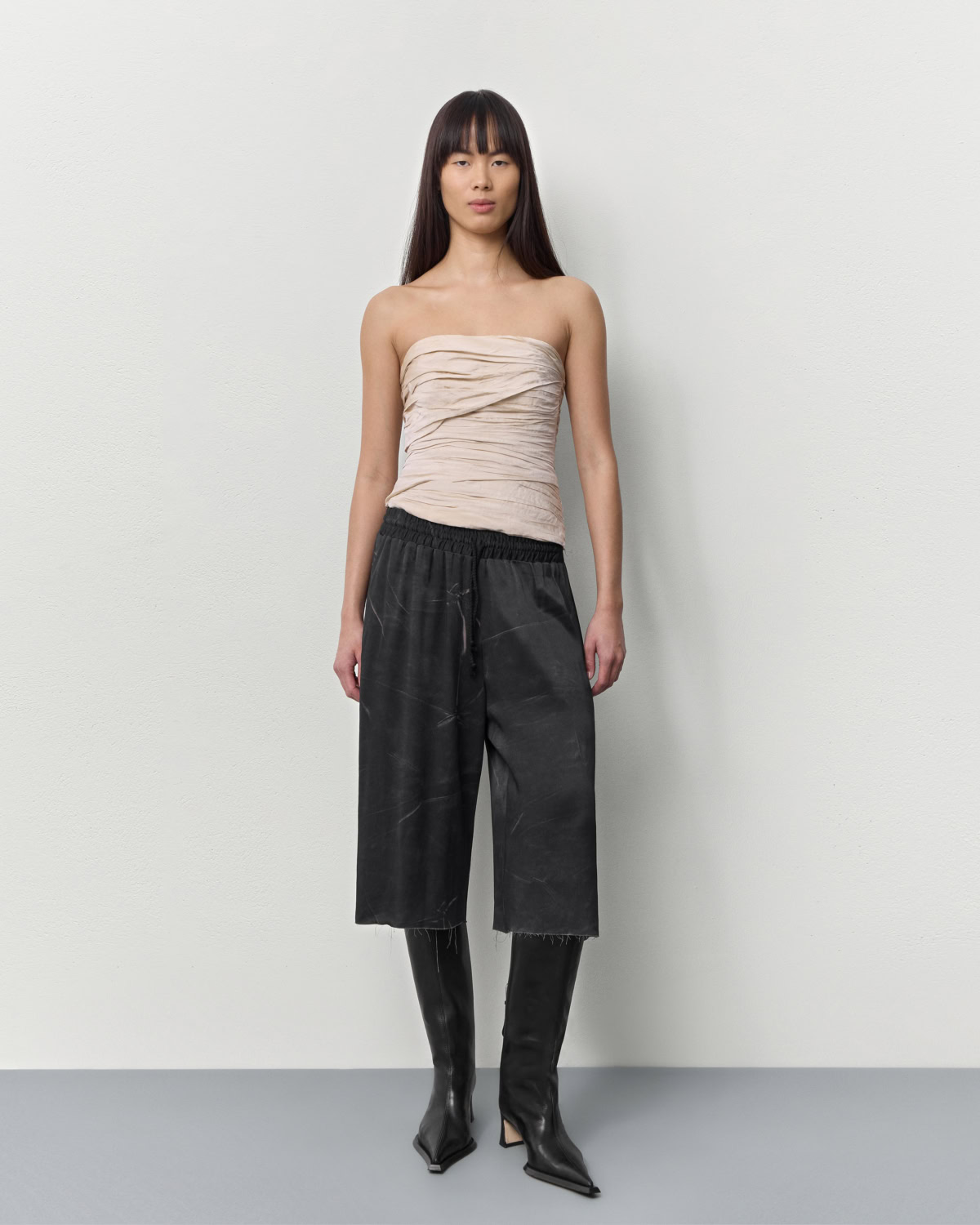
After several years working in the industry, she launched Miista with the intention of creating radically designed shoes without the impossible luxury price tag. “I felt that there was a gap within the industry,” she says. “A label that experiments with construction and materials, that really pushes craft… but that covers a level on the market where more people than the one per cent in society can actually pay for it.” At the same time, Villasenin wanted to spotlight the process behind the product too. “We always talk about this idea of making craft sexy again,” she says. “Showing the beauty that there is in the making.” That philosophy still underpins the brand today, with Miista producing everything through a tightly controlled European supply chain and working with artisans in Spain and Portugal who specialise in handmade methods.
That tension between experimentation and accessibility still sits at the heart of the brand today. Handcrafted in Spain and Portugal with what Miista calls “a drop of East London magic”, its shoes feel deliberately off-kilter in the best way possible – sculptural without tipping into costume, practical without ever fading into the background. The now-viral Melinda boots became one of last summer’s defining stompers while the Shelley boot – worn by illustrator Rama Duwaji at husband Zohran Mamdani’s swearing-in ceremony as mayor of New York City in January – propelled the brand’s cult appeal onto an even bigger global stage. The outing only added to Miista’s ever-expanding popularity amongst fash fans.
“We always design for this woman that we say is the well-dressed weird one,” Villasenin says. “That character that was always a bit odd at school… but then she grows up and people are looking up to her.”
That same energy filters into Miista’s ready-to-wear. Since opening its own clothing factory in A Coruña in 2021, the brand has steadily expanded beyond footwear into gallery-grade garb designed with that same surrealist spirit. “The clothing is our younger baby,” Villasenin says. “We’re putting a lot of love and effort into it.” The shift into ready-to-wear came after years of Villasenin feeling restricted by footwear alone. “You put a pair of shoes on and depending on what those shoes are, you’re a different person,” she says. “But it’s just one item…” Ready-to-wear offered the brand a broader canvas – one where the same experimentation seen in Miista’s shoes could spill into modular garments, elongated tailoring and transformable pieces rooted in movement and functionality.
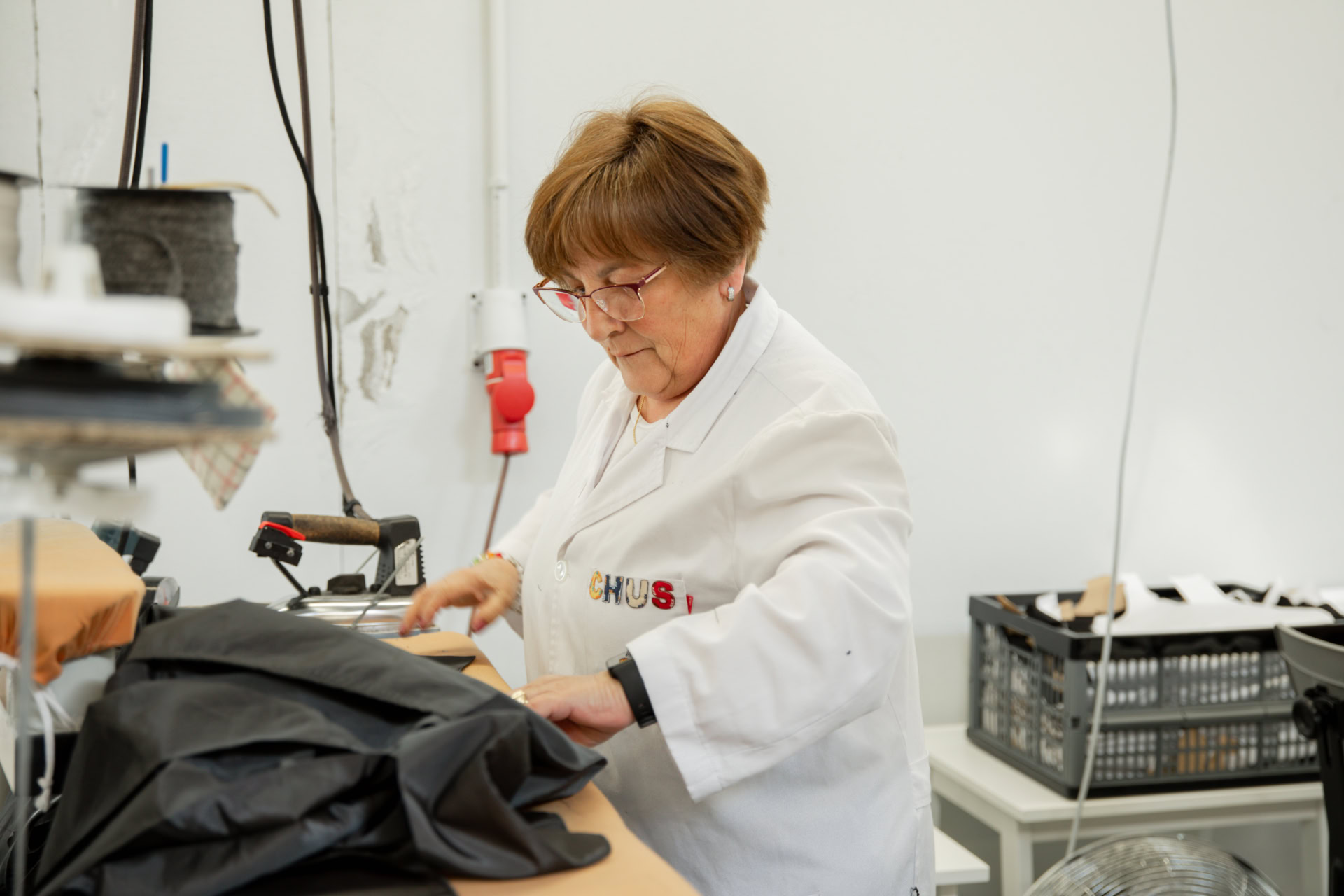
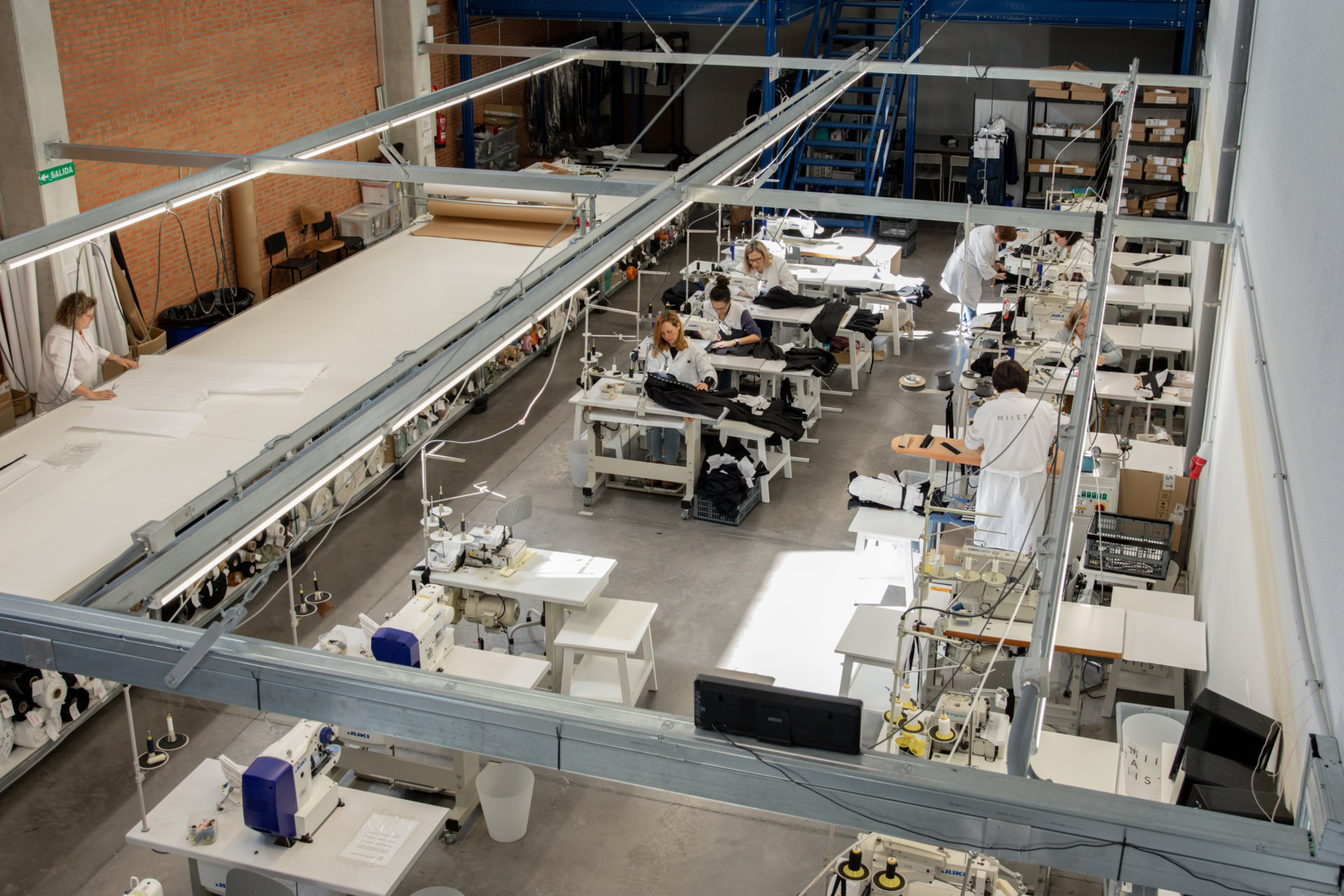
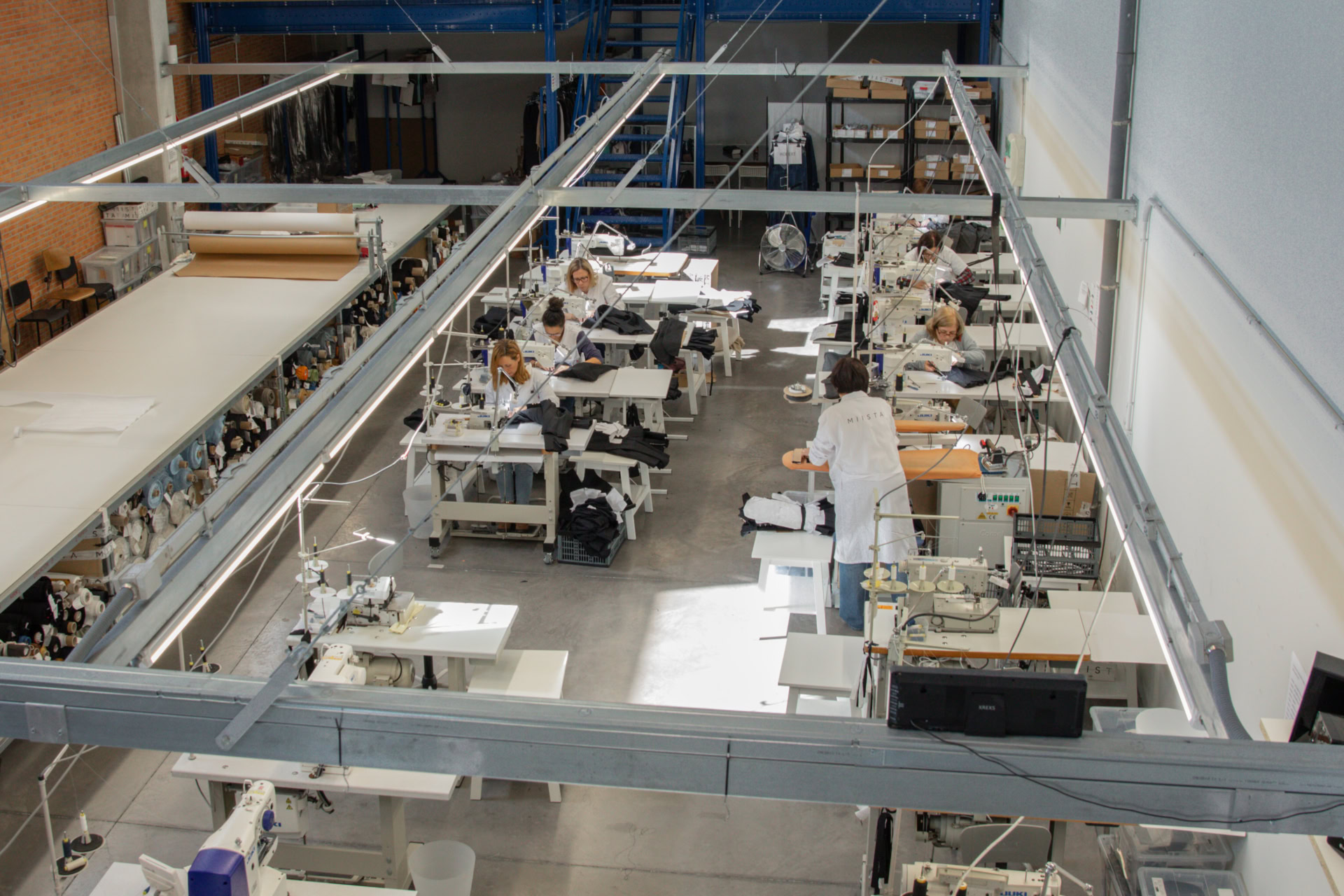
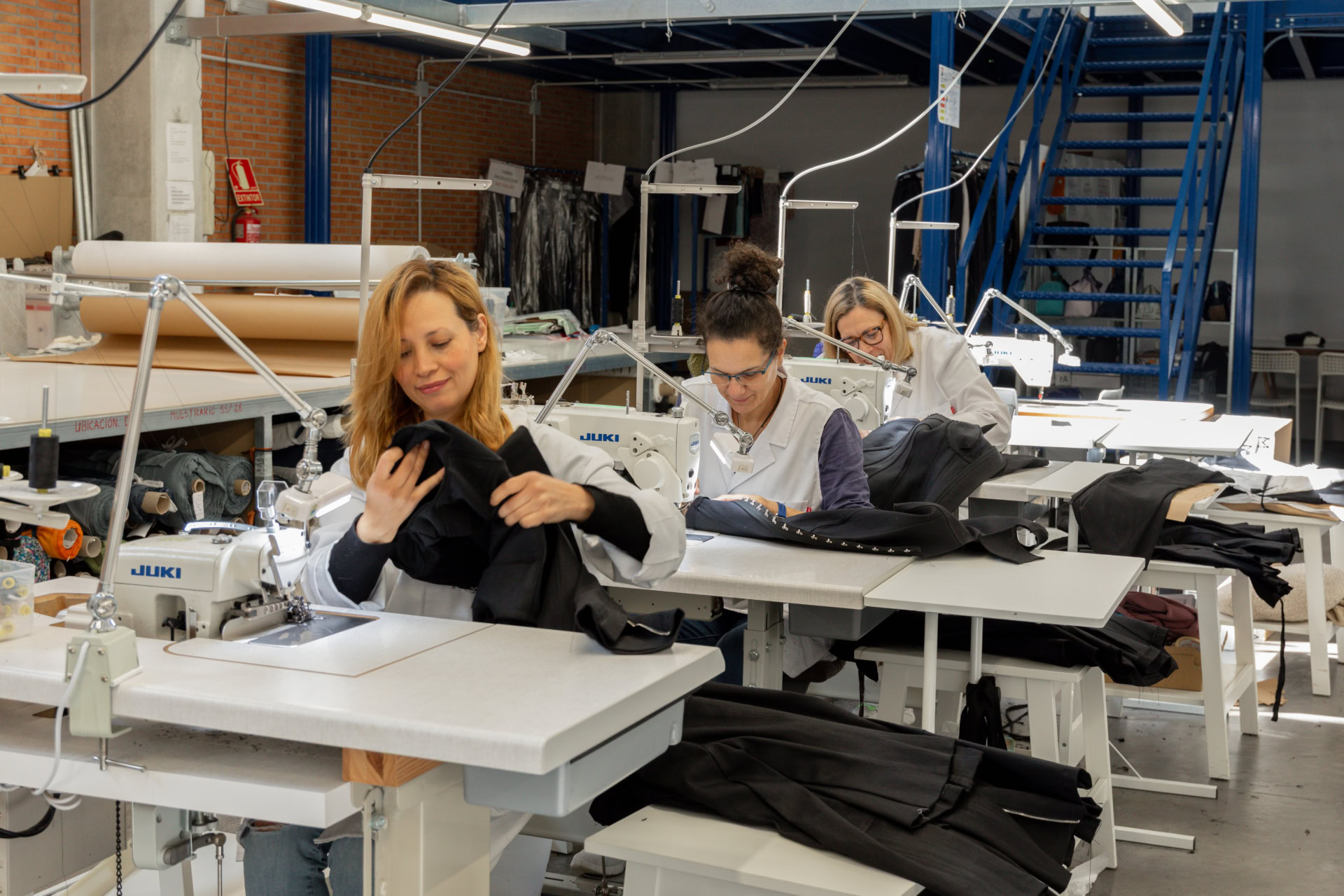
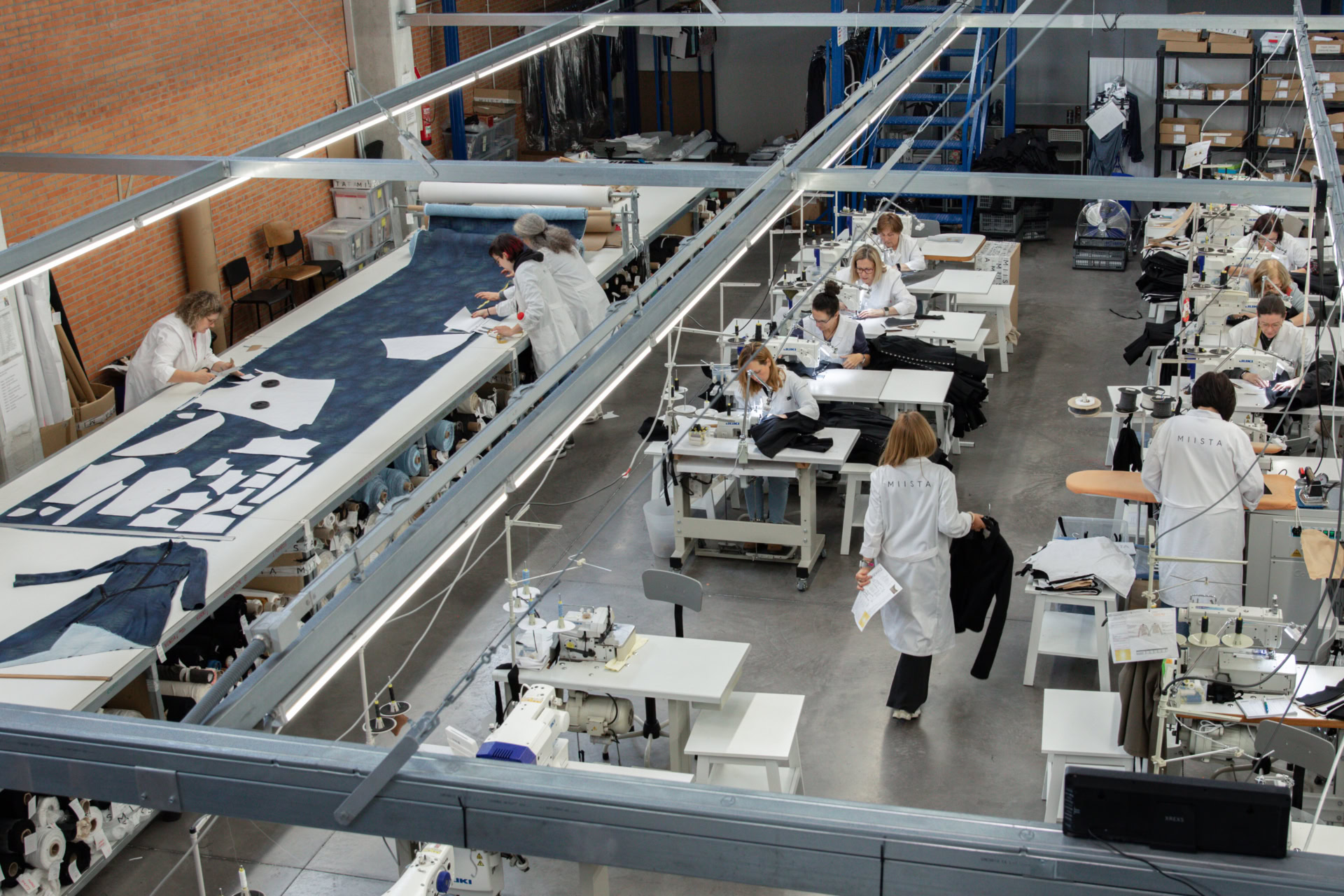
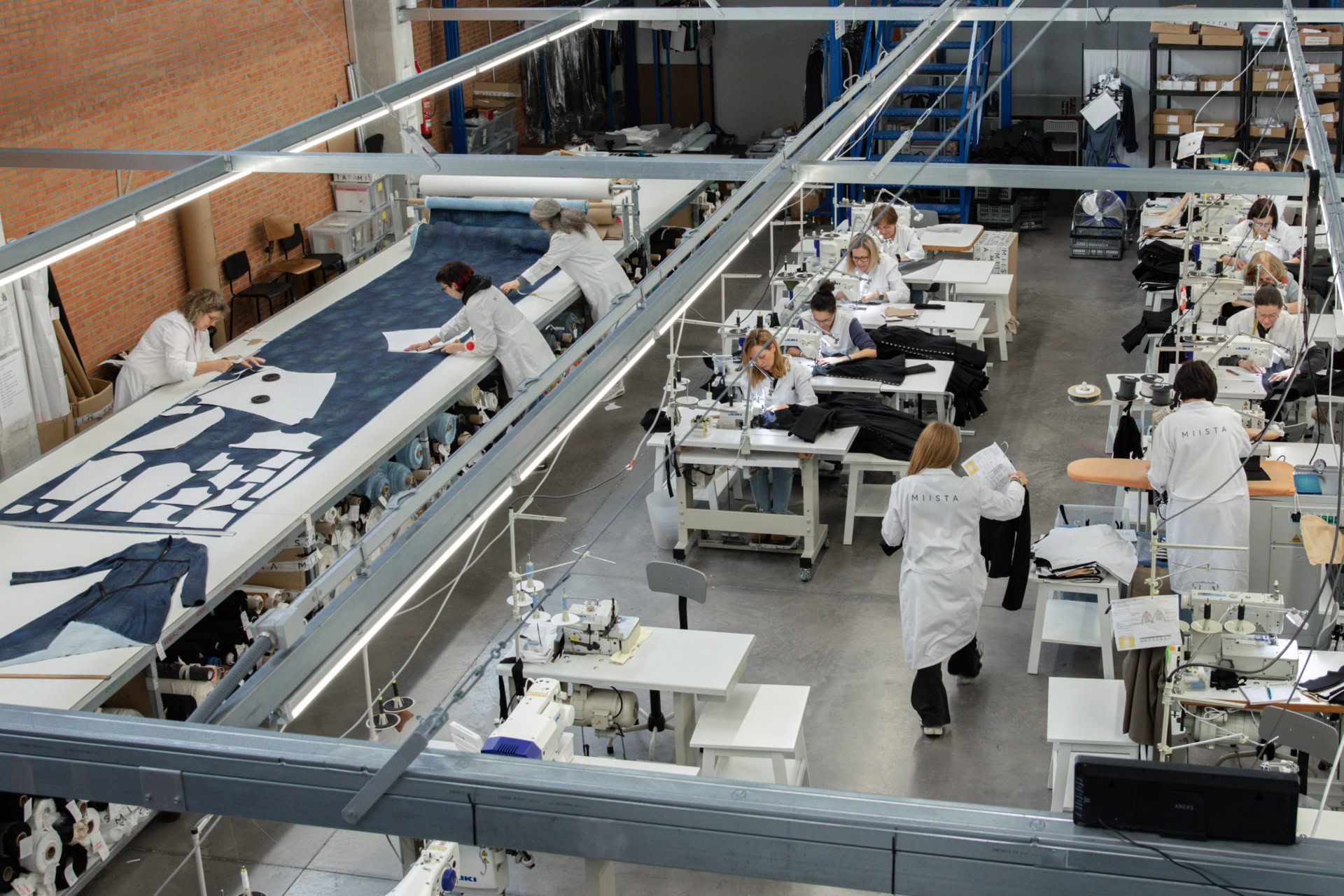
The move into clothing wasn’t simply about expansion but control. Miista remains independently owned by Villasenin and her brother Pablo and operates within a tightly controlled European supply chain. “We believe in a business model that is very beginning-to-end,” she says. “Craft is at [held] the same level [of importance] as anyone in marketing.”
Miista’s commitment to making things properly, with craft and construction in mind, borders on obsessive. Collections can take six months to develop while some designs spend years in refinement. The brand’s upside-down heel sandal, one of Villasenin’s proudest creations, took roughly three years to perfect. “We started with the construction,” she explains. “Then we turned the heel around and made a sandal that literally looks like it’s the wrong way round”. The process involved endless back and forth between Miista’s designers and makers. “It is always a fight of like, ‘No, this is not possible.’ ‘Yes, it is!’” she laughs. That collaborative relationship with Miista’s craftspeople is central to the brand’s identity, with many members of its core manufacturing team having worked alongside Villasenin for well over a decade.
The result is unmistakably Miista – strange, clever and somehow still wearable. “We always start with experimentation,” she says, adding, “Not being scared of taking risks is key.”
That refusal to play it safe extends beyond design too. Last year, ahead of opening its New York store, Miista transformed the space into a rage room for locals to smash apart before launch. “We thought New Yorkers needed a space to actually come and bring their rage out,” Villasenin laughs.
Still, for all the brand’s irreverence, there’s sincerity underneath it. Miista now runs teaching programmes through its Spanish factory to encourage younger generations into craft. “We always talk about this idea of making craft sexy again,” Villasenin says. “To create a world where European craft doesn’t just survive, but flourishes.” For Villasenin, preserving those skills has become just as important as designing the next cult boot or cleverly constructed dress.
Photography courtesy of Miista.

Laura Villasenin, founder of Miista