November 25, 2026 |
Once upon a time, fashion was so focused on looking forward that even the most historic houses rarely kept anything from their pasts. History was baggage. Today, the story is different. Heritage is a house’s most valuable asset. Archives are no longer considered to be dusty storage facilities. They have become the beating heart of many brands, allowing them to safeguard heritage, inspire creative teams and capitalise on their origin stories. We go inside five of fashion’s finest.
MAX MARA
To Reggio Emilia, the hometown of Max Mara, where Achille Maramotti founded the brand in 1951 and wrote a defining chapter in Italian fashion. In 2003, the original Max Mara factory building was converted into a formal corporate library and archive, which now houses more than 300,000 items. You will find everything from fabric swatches, paper patterns and old magazines (50,000 of them) to video clips, including the first ever Max Mara TV ad, shot by Sergio Leone in 1968. Even the rugs and sofas that once adorned the brand’s global boutiques have a home here and, alongside a comprehensive fashion archive, there are 8,000 vintage pieces dating back to Victorian times.
“It is not a mere repository but a living archive that constantly nourishes the brand’s present and future,” says Max Mara’s fashion co-ordinator, Laura Lusuardi. A veteran of the creative team, she began her career at the house in 1964, working closely with Mr Maramotti. As well as collaborating with the archive team, she oversees Max Mara Atelier (a collection of highly crafted coats) and Tailleur Sartoriale (a suiting line inspired by classic men’s tailoring).
In the early 1970s she began informally collecting pieces from Max Mara and other designers to provide the design teams, and herself, with inspiration. In 2003, she began formally documenting its history and those pieces became part of the BAI project (Corporate Library and Archive).
“The archive is the company’s memory,” explains Lusuardi, who most recently worked with the curator Olivier Saillard on an exhibition, The Max!, in Shanghai to mark the brand’s 75th anniversary. “Its purpose is twofold: to preserve our identity and offer an inexhaustible source of creative inspiration for the design teams, ensuring that every collection remains true to the Max Mara DNA,” she says.
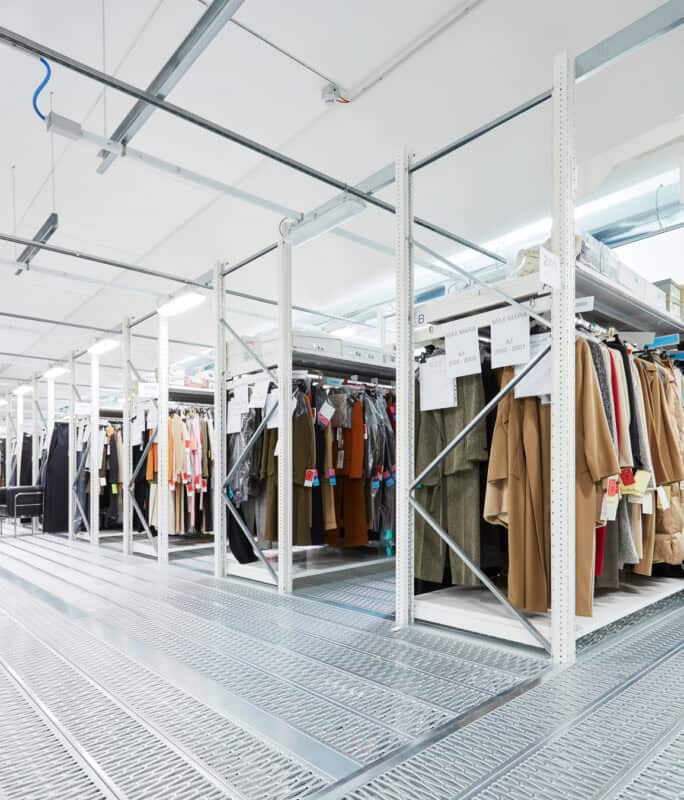
Complete catwalk collections stored by date inside the vast Max Mara archive, housed in its former factory in Reggio Emilia
The company makes the archive available to students and academics, but its primary purpose is as a source of ideas and inspiration for its creative teams. “Young designers must know the past to design the future,” counsels Lusuardi.
What makes this different from almost every other fashion house archive, however, is that it is not a museum, but a working collection. The clothes are not handled with white gloves by reverent curators. The goal is not to preserve the garments – however rare or significant – but use them. “It must be experienced as a dynamic, operational tool, not as an untouchable museum,” says Lusuardi. Being able to touch a garment or examine seams up close is, she adds, “fundamental to understanding the physicality of our craftsmanship”.
You can touch everything with your bare hands. And I mean everything. I visited in 2018 and in the room housing the extensive vintage collection, I recall fingering a 1934 Lanvin bias-cut dress laid out in a tissue-lined box. A cream tweed coat, cut like a long cardigan, lined in shearling and edged with red and coats; some of the 50,000 magazines stored in the archive; Laura Lusuardi, who joined the company as a designer in 1964 and now works closely with the archive blue-ribbon trim, came from the personal collection of Coco Chanel and was bought at auction. I couldn’t resist putting my hand into the little square pocket on the front of the coat and communing with the long-dead designer. Inside the smart co-ordinating tweed bag that came with it, I found one of Chanel’s hair ribbons. Next to the Chanel was a gorgeous Yves Saint Laurent couture coat once owned by Audrey Hepburn and two cocoon-shaped original Balenciagas.
The archive team is constantly adding to the vintage collection (rails of Burberry, ’90s Helmut Lang, Kansai Yamamoto – design treasure upon design treasure), buying important pieces at auction and in vintage shops. Prominent figures donate their clothes. One American customer handed over all of her Chanel couture suits, and if you’ve ever wondered where Carine Roitfeld, who has consulted for the brand, keeps her prized collection of Alaïa and Tom Ford for Gucci – it’s here.
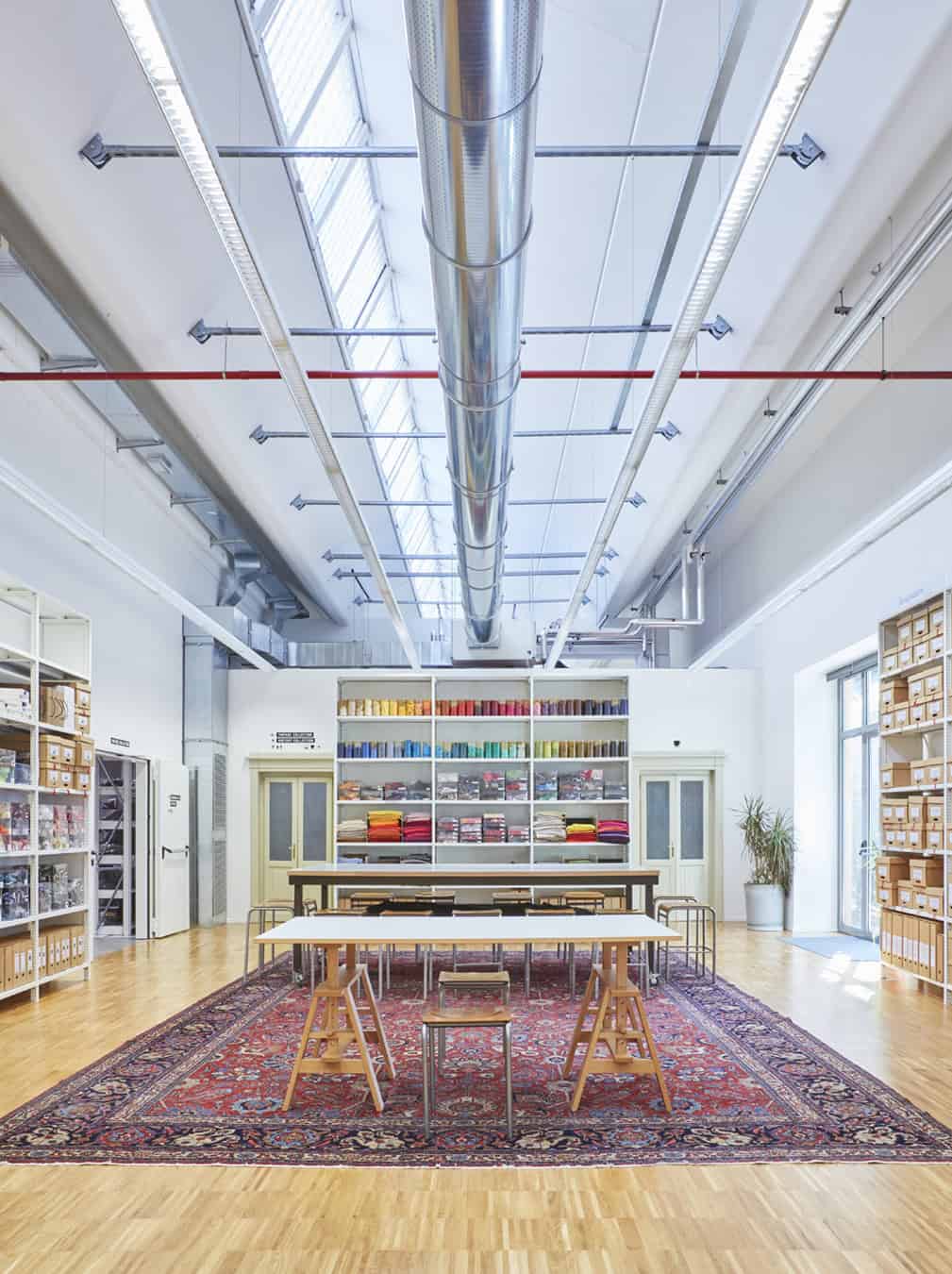
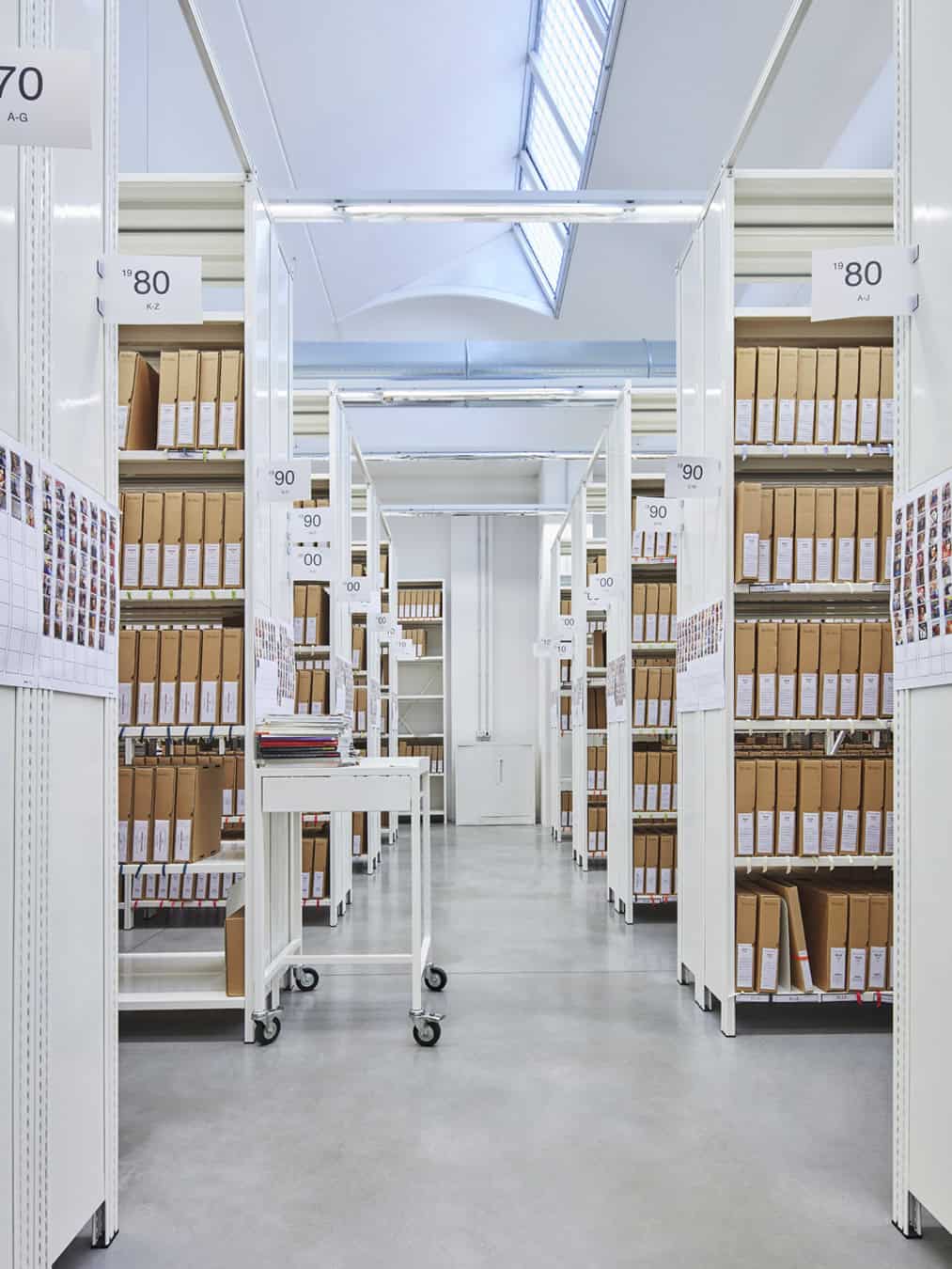
From Left; yarn samples and fabric swatches, with a rug from a flagship store, Max Mara’s paper archive, which houses lookbooks, magazines and catalogues
The rooms dedicated to Max Mara’s collections house the heart and soul of the brand and, alongside the extensive paper archive, “provide the necessary inspiration for innovation, while guaranteeing stylistic consistency and the deep identity of every line within the group,” says Lusuardi.
The first teddy-bear coat (still in the collection, four decades after it was introduced) hangs here, as does the original Max Mara 101801 camel coat, designed in 1981 by the French couturier Anne-Marie Beretta. The design is unchanged and remains a bestseller. It’s remarkable how modern many of the archive pieces are. So much so that, as part of its 75th anniversary celebrations, the brand reproduced three archival coats, the Meridian (1994), Millenia (1998) and Metric (2015). These limited-edition pieces are faithful to the original silhouettes but crafted in new featherweight cashmere.
“Heritage is fundamental because it represents the foundation to build the future on,” says Lusuardi, and the archive is the gift that keeps on giving. Max Mara’s creative director Ian Griffiths drew on Beretta’s 1980s designs for his AW26 collection. He was inspired by Matilde di Canossa, the most powerful woman of the Italian medieval era. “Obviously, there is nothing in the archive from her time, but about 1,000 years later Anne-Marie Beretta was designing for Max Mara at that seminal moment when it became a rallying point for women on the rise,” he says. “Those strong-shouldered coats, jackets and tunic dresses in the archive from the early ’80s, with their artisanally crafted leather trims and patches, were a rich source of inspiration for a thoroughly modern Matilde.”
For Lusuardi, the archive’s value goes beyond fashion history. “It’s the visible representation of the evolution of women’s lifestyles: every wardrobe tells a different story. By integrating with our corporate documentation, it allows us to re-read an entire era,” she says. “This approach has made the archive a living testimony to the evolution of both fashion and society.” Priceless.
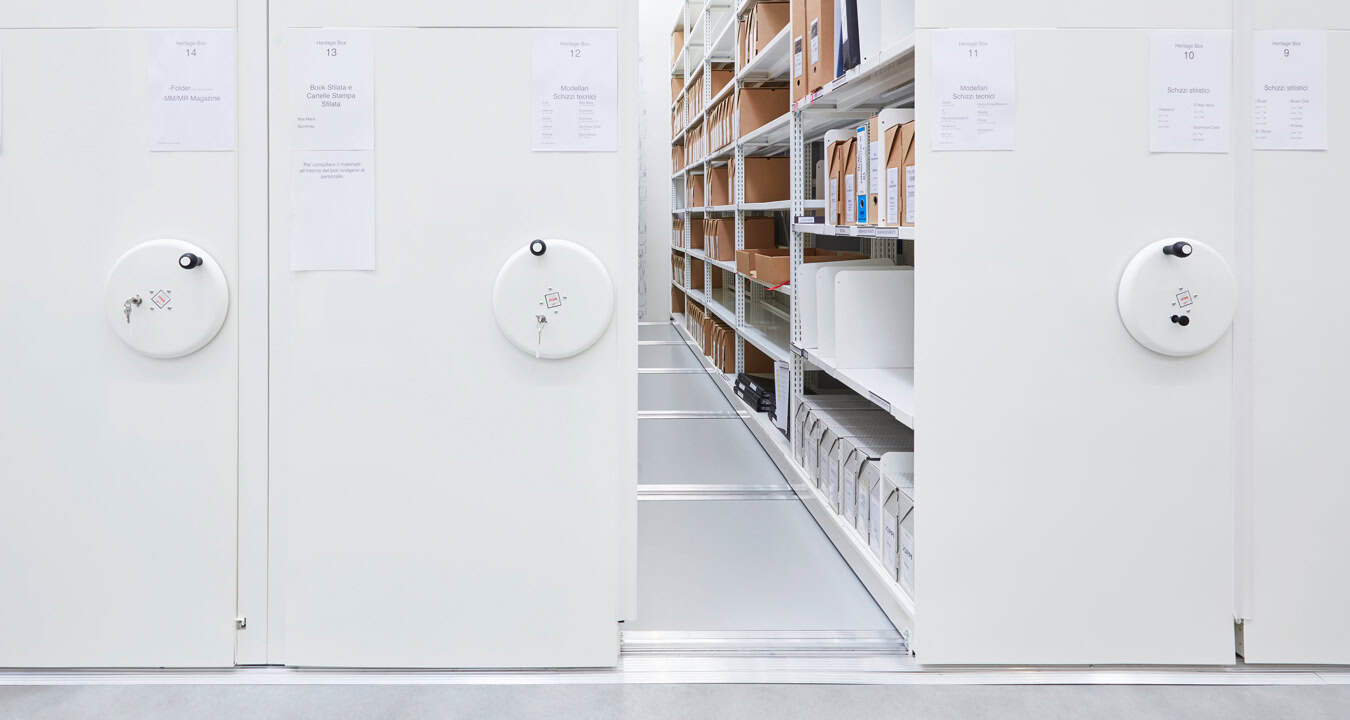
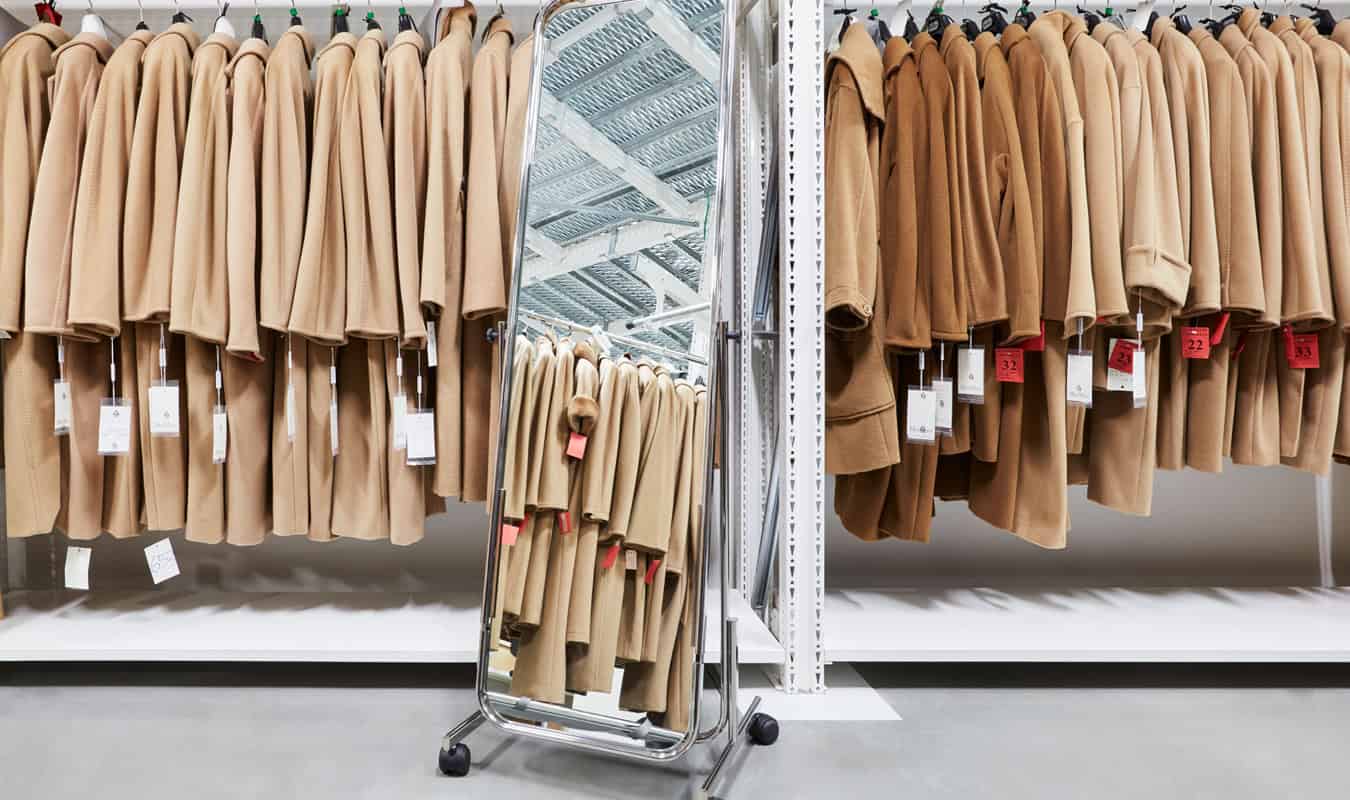
From left; an array of Max Mara’s signature beige coats; some of the 50,000 magazines stored in the archive, vintage Max Mara ad campaigns and design drawings among the 300,000 objects stored in the archive
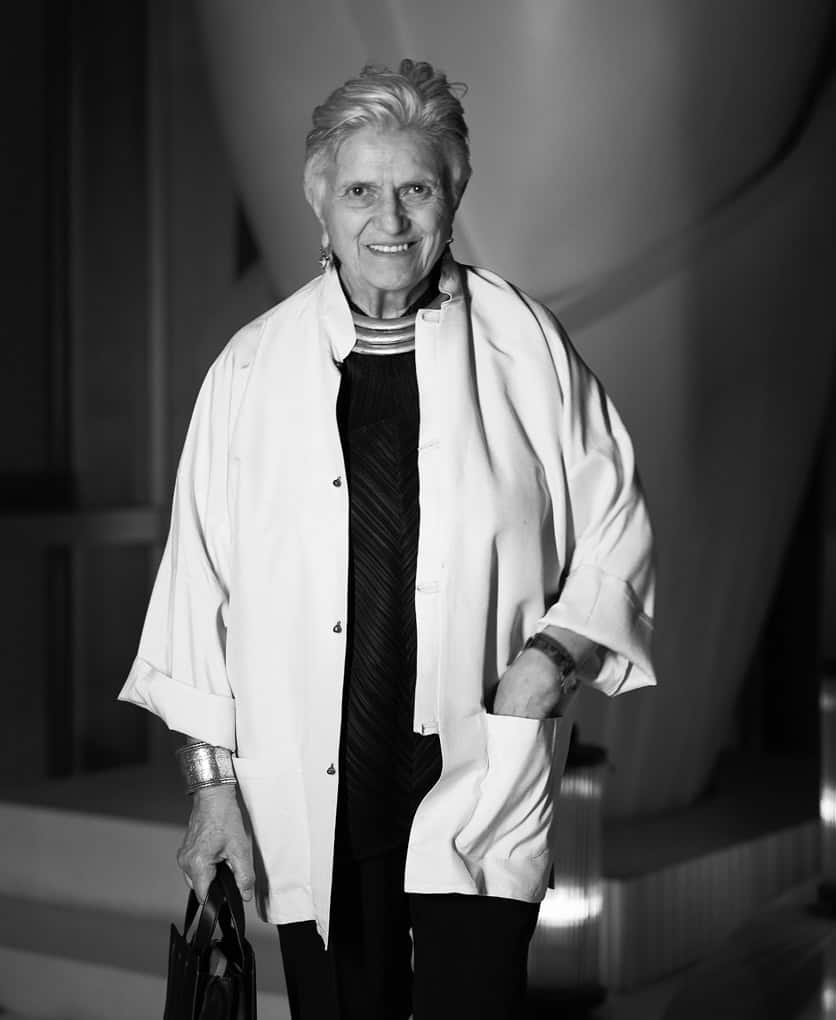
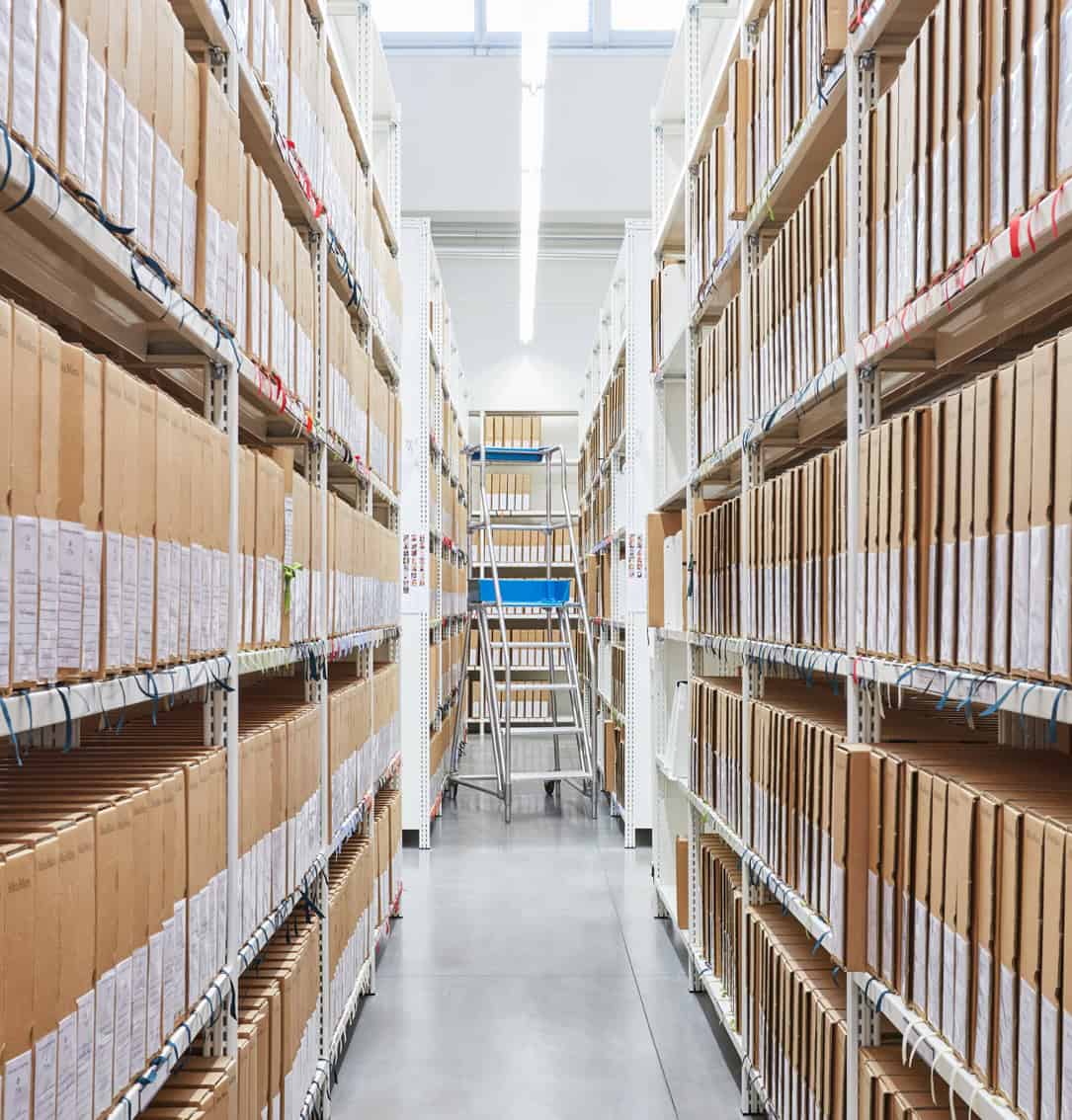
From Left; Laura Lusuardi, who joined the company as a designer in 1964 and now works closely with the archive, some of the 50,000 magazines stored in the archive
Photography courtesy of Nico De Rouge, production Sonya Mazuryk. Issue 77 of 10 Magazine – FUTURE, LEGACY, HERITAGE – is on newsstands now. Order your copy here.