June 12, 2026 |
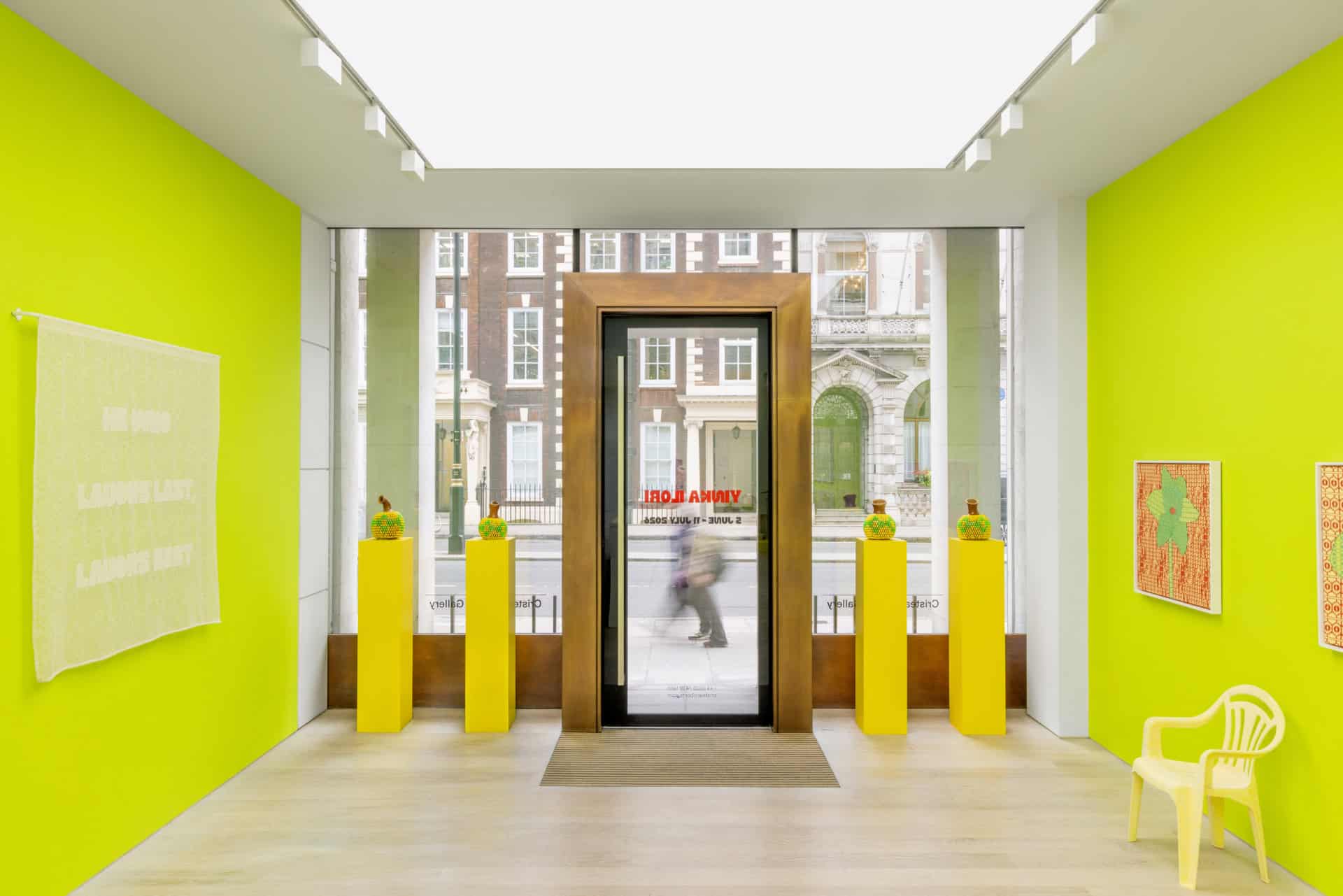
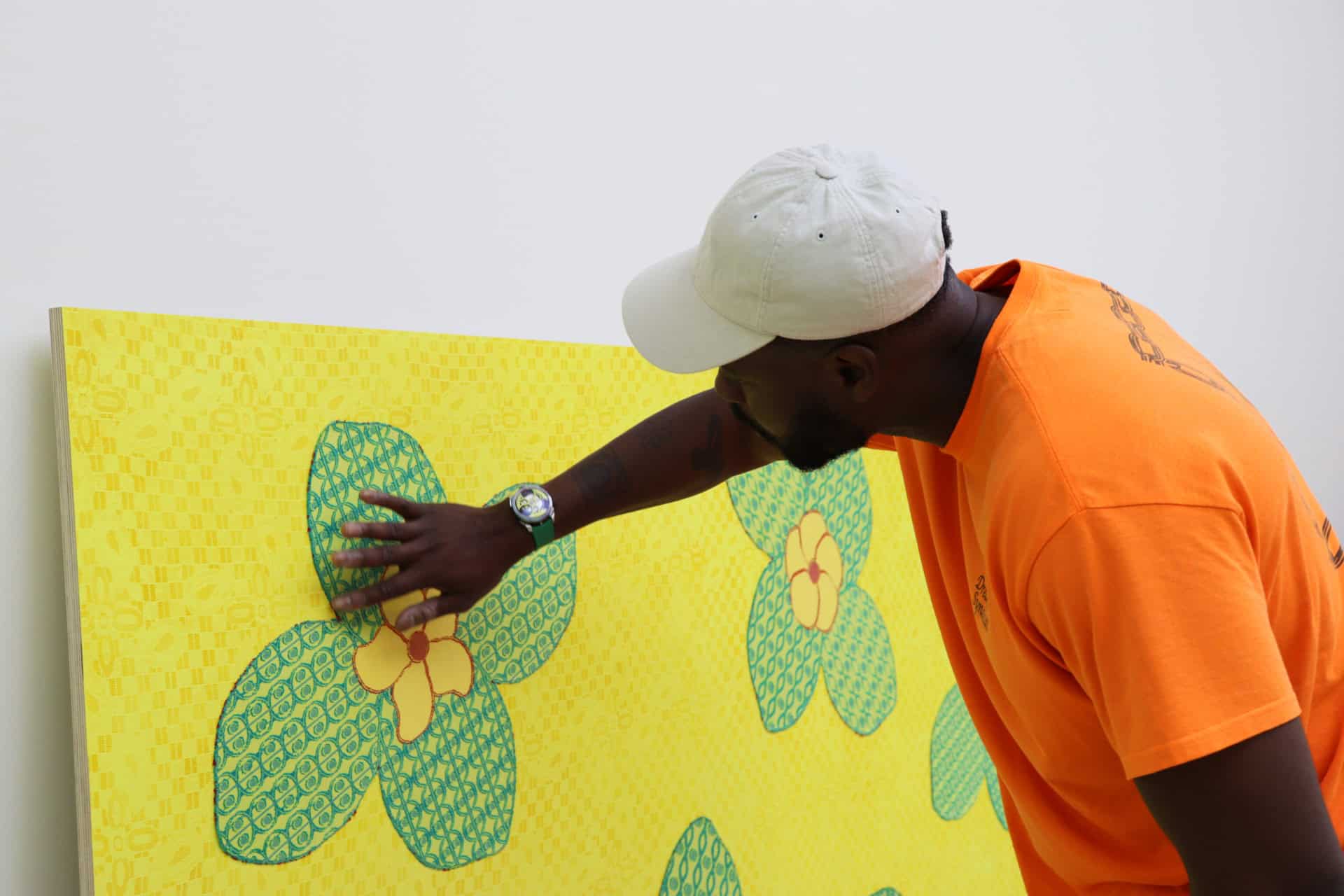
For his first ever solo exhibition, British artist Yinka Ilori was determined to turn hardship into strength. After the tragic loss of his mother, Ilori’s artwork, which prior to this has been a consistent exploration into joy and vitality, became a vehicle for processing this life-altering experience. Titled Joy Through Resistance, He Who Laughs Last, Laughs Best – a nod to something his mother used to say – the multimedia exhibition, which opened on June 5 at the Cristea Roberts Gallery, will run until July 11. Here, we chat with Ilori to hear more about his experience creating the exhibition and what he’s learnt about his craft in the process.
Can you explain what Joy Through Resistance: He Who Laughs Last, Laughs Best means to you?
Yeah. It’s quite a heavy title, but also a hopeful one. The title comes from a saying my mum used to repeat. I lost her two years ago, and it was something she would always say whenever we were going through difficult times: he who laughs last, laughs best. For her, it meant that whatever hardship you were facing, there would be joy at the end of it. It wasn’t meant in a dark or vindictive way; it was about empowerment and uplift. It was a reminder that, whatever situation you’re in, there is always hope. It’s something I’ve carried with me throughout my life and throughout my work. My mum would always say it to me and my siblings. The Joy Through Resistance part comes from being inspired by my parents and their immigrant stories. They came to London from Nigeria and Ghana with very little. Growing up in north London, on Essex Road, I was surrounded by a rich culture and a strong sense of community. One thing that really fascinated me was seeing how people responded to hardship and resistance. I saw people finding joy through church, through music and through community. I listened to a lot of Pentecostal and gospel music growing up. I sang in the choir as a child and later played music in a Pentecostal church in Borough. Every Sunday, I watched people dance away their worries, their pain and their struggles. For me, that was a form of resistance. It showed how people found joy despite everything they were going through. When you look at the exhibition, it touches on themes such as music, textiles, instruments, sound and flowers. These are all things that I saw my family, friends and community use as ways of expressing themselves and finding joy in difficult circumstances. The exhibition asks: how do people express themselves when they’re resisting hardship? And how can joy emerge from that experience? That’s really where the title comes from.
You’ve touched on the fact that a large part of the exhibition reflects your experience of losing your mum. Could you talk a little more about how creating these works and developing the exhibition helped you process your grief? Was it a channel for your pain?
Yeah, definitely. I was saying to someone yesterday that I’m often known as the “ambassador of joy”. My work is usually about joy, colour and optimism. For the first time, though, I was forced to think in the opposite direction. When you’re experiencing grief and loss, you start asking yourself: “How do I express joy when this is what I’m feeling?” Losing your mum – the first woman who ever loved you – is incredibly difficult. It brings emotions you’ve never experienced before. What I found healing was returning to archival photographs, her sayings, her affirmations and the values she instilled in us. So much of what she taught us was rooted in positivity and affirmation. In this body of work, I found myself returning to textiles. I thought a lot about lace, for example, and how my mum would buy lace for family celebrations. People in my community would travel across London – to places like Shepherd’s Bush and Hackney – to buy beautiful lace fabrics for weddings, parties and special occasions. For me, that was another example of joy through resistance. People were choosing beauty, celebration and self-expression despite whatever challenges they were facing. They would buy these incredible fabrics, take them to local tailors and create the most exquisite outfits. While making the exhibition, I found myself revisiting those memories of my mum – who she was, who she touched and the impact she had on people. That led me to reimagine those experiences through the work, particularly through the daffodil motif. The daffodil represents resilience, hope and comfort – qualities that she embodied throughout her life. It was difficult because it forced me to confront emotions that I hadn’t fully processed. But now that the work is complete, I can see so much joy within it because it’s filled with memory, culture and love. The exhibition also includes a soundscape, and visitors may hear fragments of my mum’s voice within it. They’re small reminders of her presence and the influence she continues to have on my life. One thing that always inspired me about both my parents was their optimism. Sometimes I found it frustrating because life would be difficult and they’d still find a reason to hope. But making this work reminded me that resistance can be joyful. It doesn’t always have to be angry. Sometimes it can be expressed in a beautiful, gentle and uplifting way.
What do you hope people will be left with after seeing the exhibition? Is it that sense of enduring optimism – that you can resist something in a positive way?
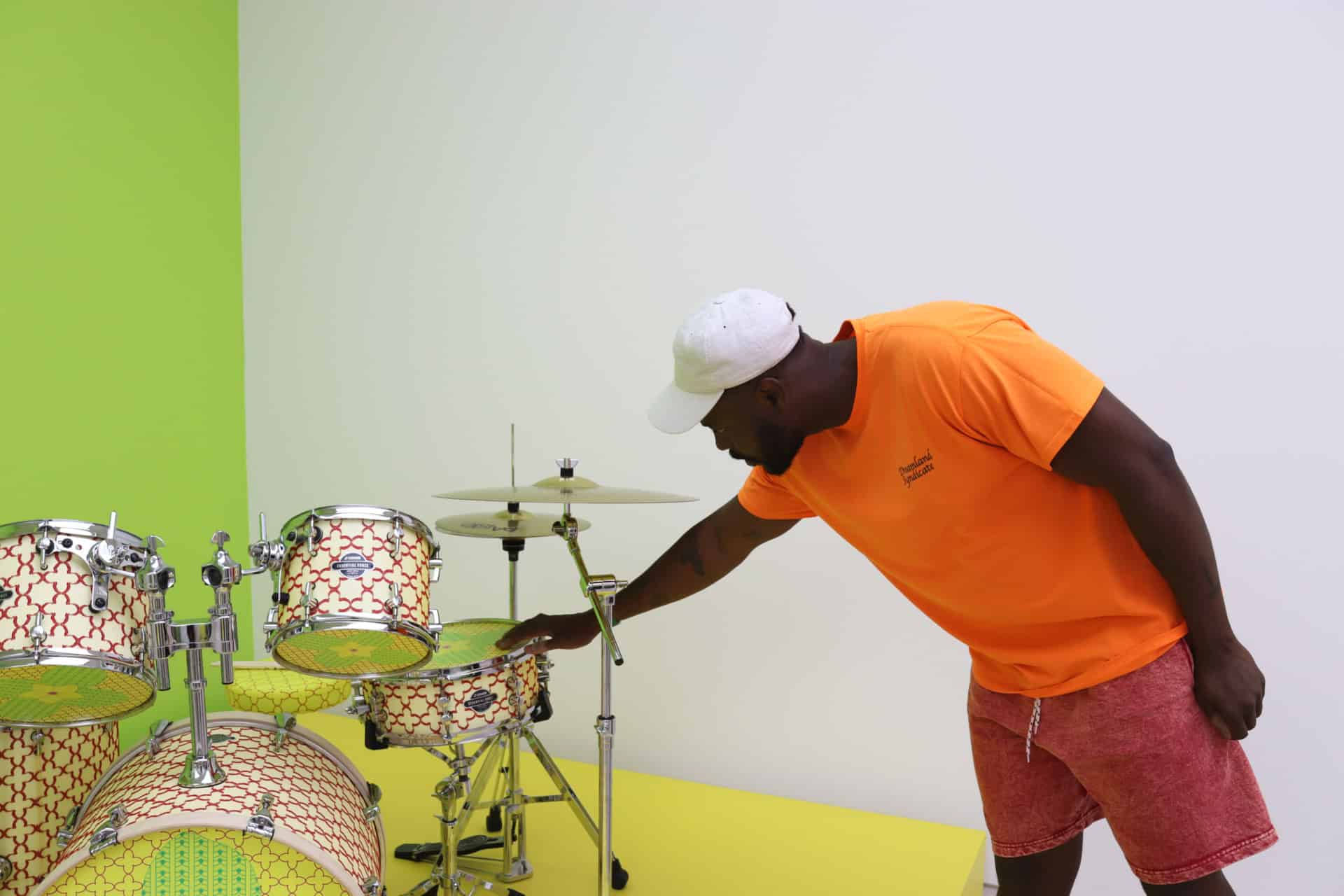
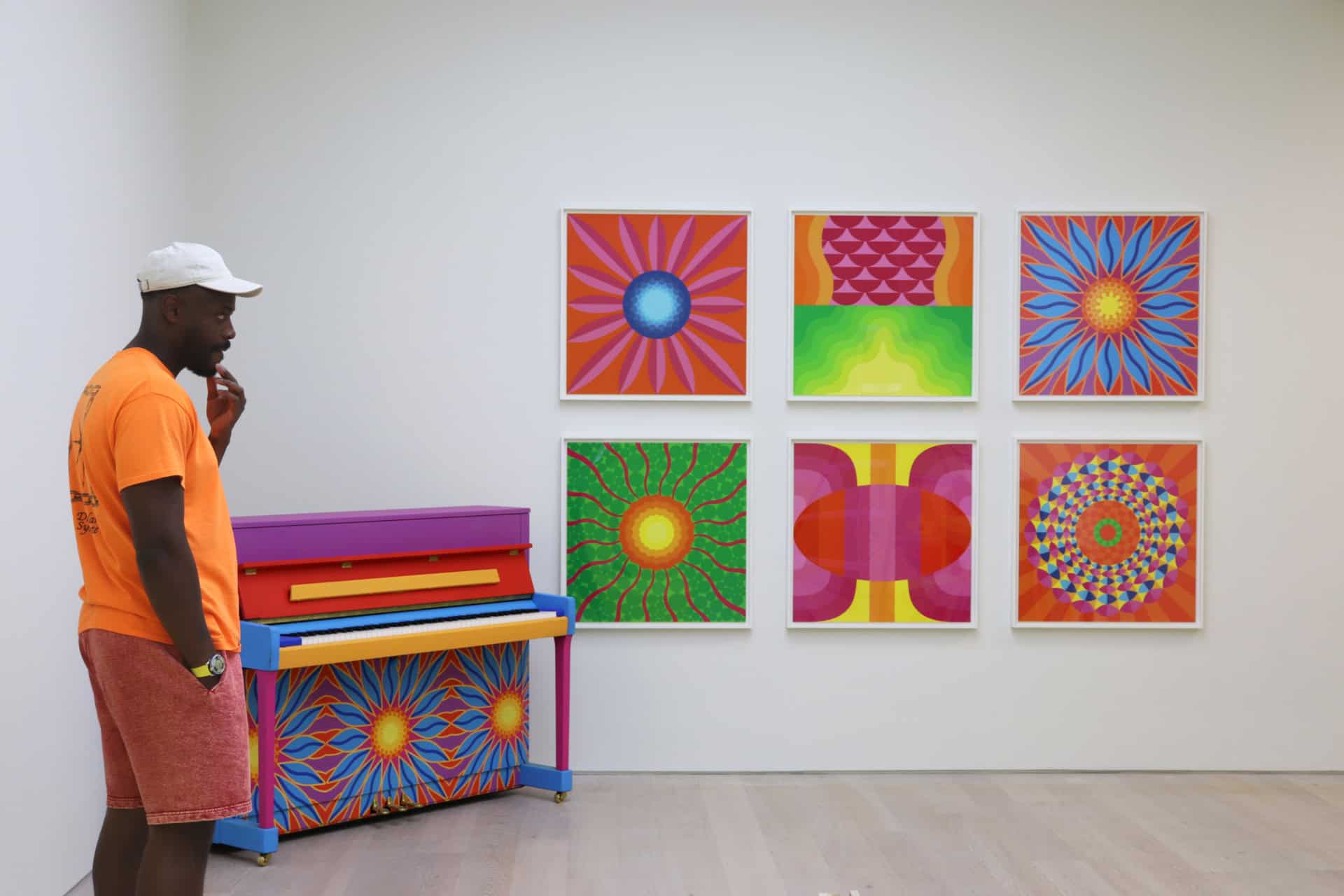
Yeah, definitely. One of the main things I hope people take away is an appreciation for the power of community, gospel music and collective experience. Whenever I find myself searching for peace or solace, those are the things that give me a sense of optimism, hope and openness. I think another takeaway is recognising the beauty in everyday life. Throughout the exhibition you’ll see flowers, percussion instruments, drums and lace. They’re objects that might seem ordinary or familiar, but I want people to think about them differently. How do we value those everyday things? How do we find joy in them? That could be going for a run, reading a book, sketching, spending time in a playground with your daughter, son or niece – those small moments that can easily be overlooked. For me, the exhibition is really about celebrating those quieter forms of resistance and recognising how they can create joy. Sometimes we forget that there are other routes to joy. We don’t always notice them immediately because they’re often quieter and less obvious. But that doesn’t make them any less powerful.
You’ve spoken about gospel music, Pentecostal music and the impact it had on you growing up, as well as its role within the community. Is that why you wanted the exhibition to become more of a multimedia experience?
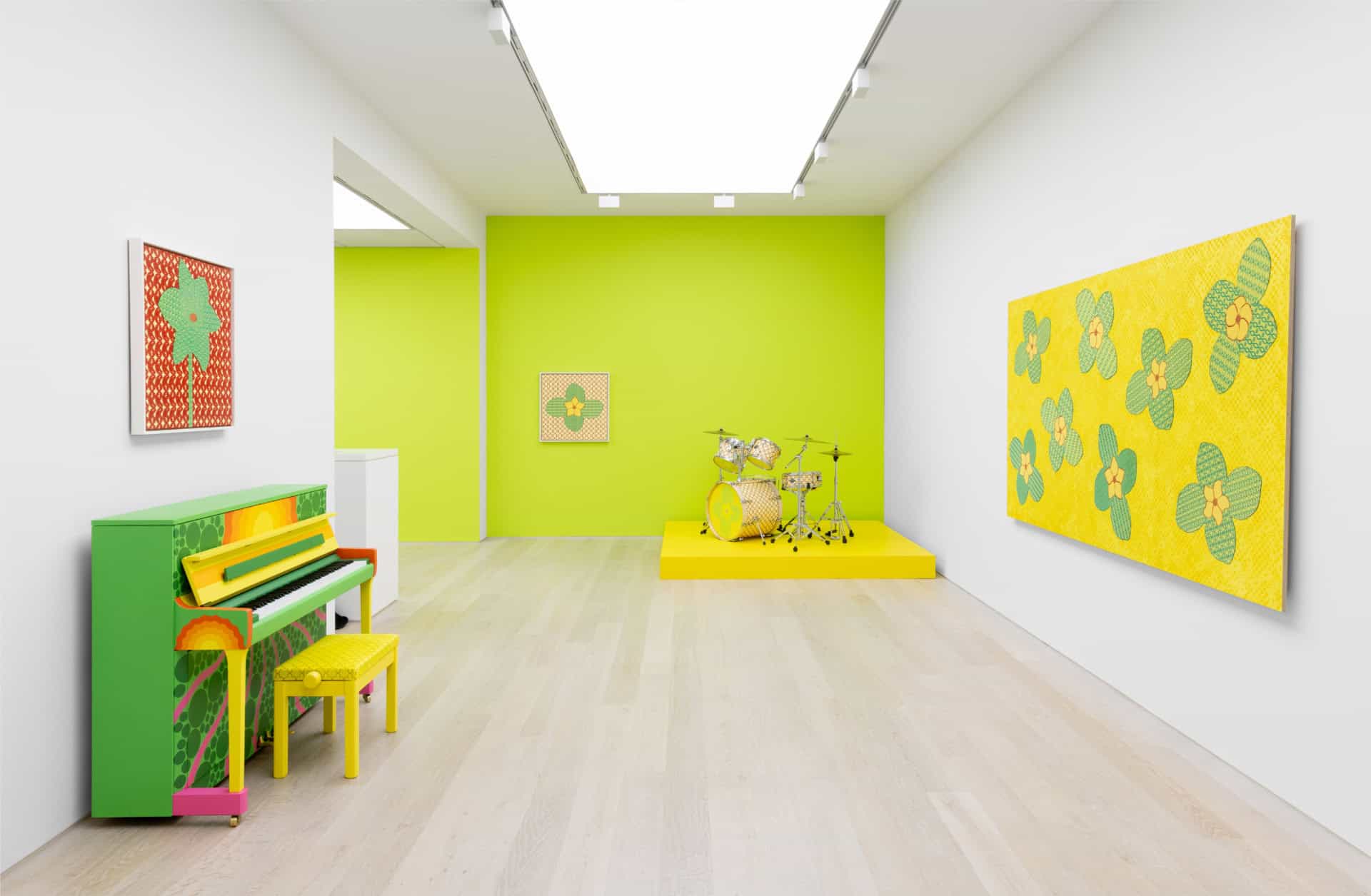
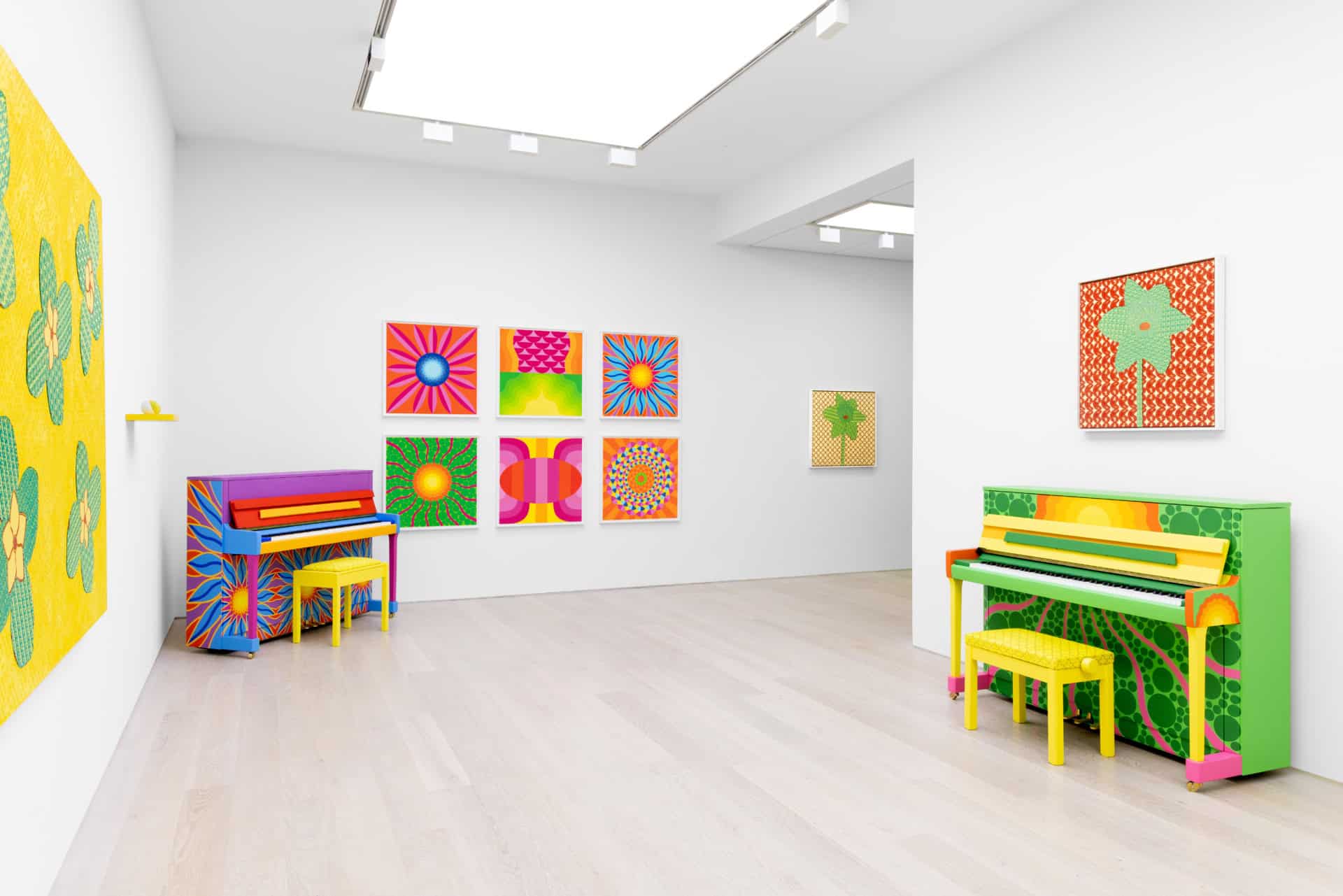
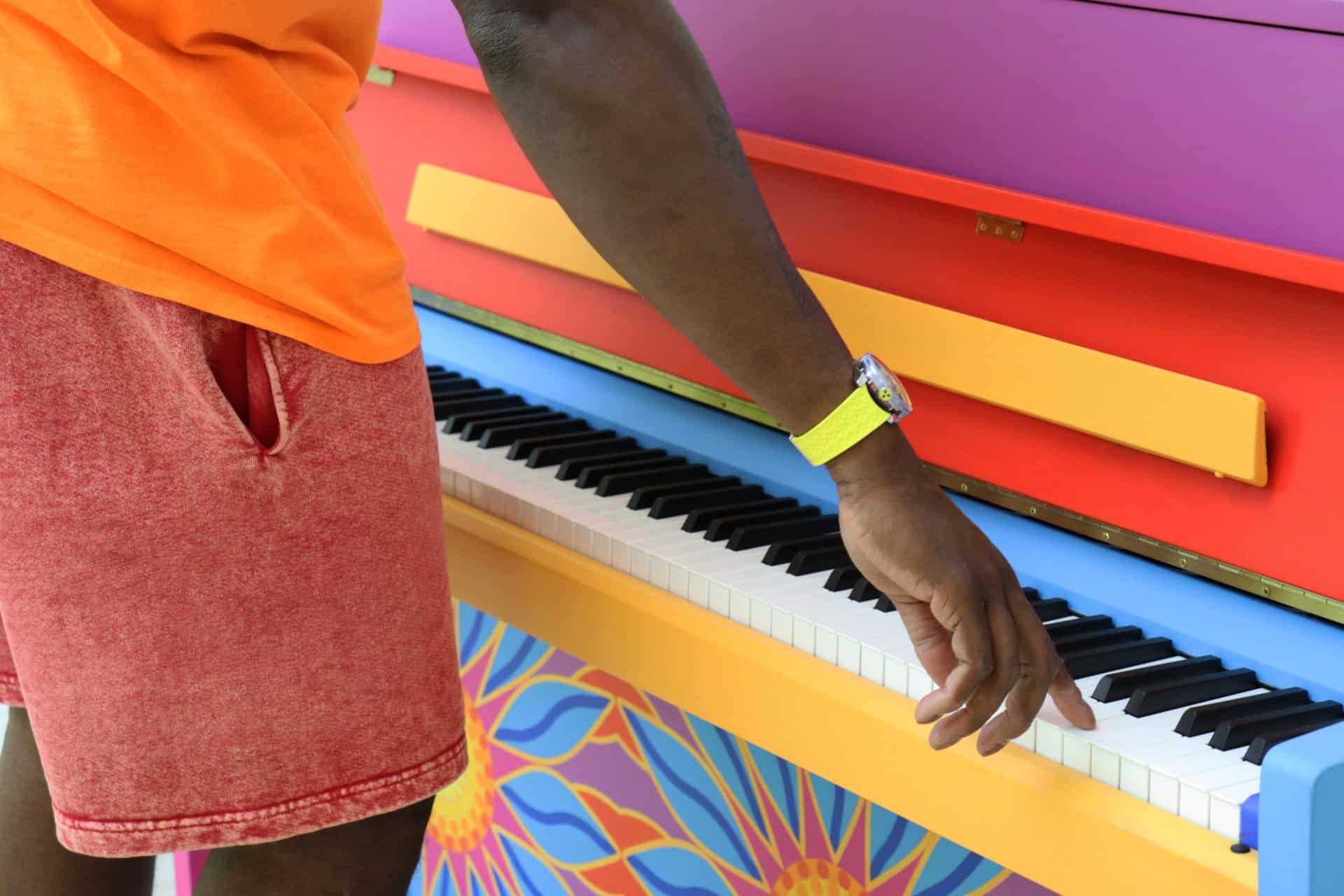
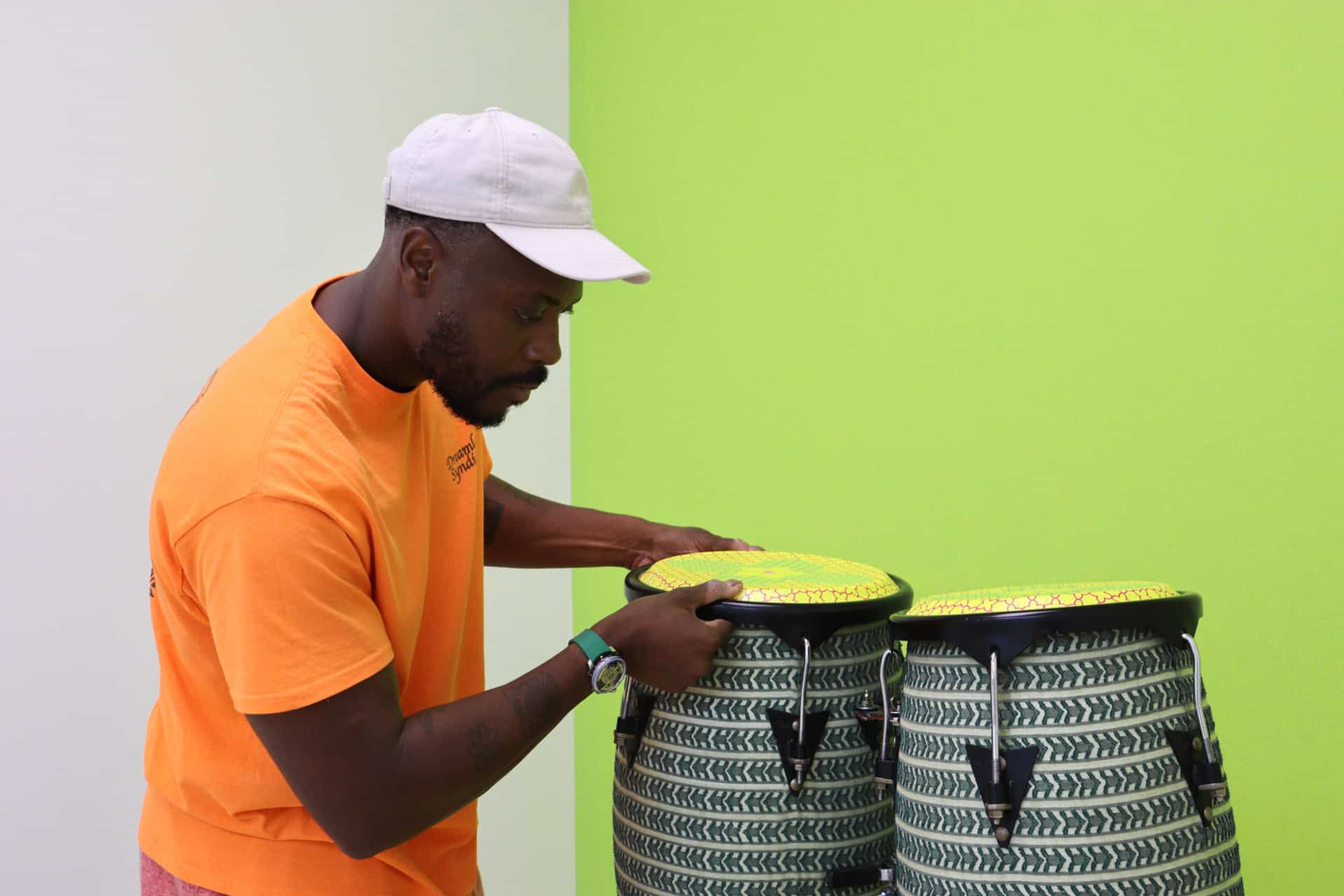
Growing up, my parents took us to a white-garment church. [Growing up in London] you may have seen churches in places like Peckham, where people wear these incredible white garments – beautiful lace fabrics with embellishments, embroidery and lots of detail. Every Sunday, church was this incredible sensory experience. There was the music, the piano, the drum kit, the percussion, the singing, the lace garments, the colours and the movement. All of those elements existed together. Many of the works in the exhibition draw directly from those memories. For me, church was a place where people could temporarily leave behind their pain, frustration, anxiety and stress. They would arrive carrying those burdens and then express joy through music, dance and worship. I loved watching people dance. I loved the praise and worship. I loved being part of the choir. Those experiences became central to how I understand joy and resistance. That’s why it felt important for the exhibition to include these instruments and objects – not simply as visual elements, but as symbols of what they represent. If you think about percussion instruments, for example, they have a long history as tools of communication and resistance, particularly within Black history and the history of slavery. So when I think about percussion being used in church, I see it as part of that wider story of resistance and expression. That’s why it felt important to include those references within the exhibition. The soundscape helps bring all of that together. When visitors enter the gallery, I want them to feel immersed in the atmosphere of joy, resistance and community. I want them to experience something of the feeling of being in a church congregation surrounded by people who may be carrying different fears, worries or struggles, but who are finding strength together.
Tell me a little more about the collaborators involved in the soundscape.
One of the collaborators is Peter Adjaye, who is a longtime friend and creative collaborator. What was incredible about working with him was the way he combined different musical elements that reminded me of the sounds I grew up hearing in church. His compositions bring together percussion, choral elements, piano, strings and guitar. Listening to them immediately transports me back to those experiences. Another collaborator approached the brief differently, incorporating Yoruba voices and spoken-word elements alongside gospel influences. What I loved was that each person interpreted the idea of joy and resistance in their own way. The brief was intentionally very open. I simply asked: “What does resistance mean to you? What does joy mean to you? And how can you translate that into sound?” The goal was to create pieces that captured the essence of the exhibition while taking visitors on a journey through the gallery and through the themes explored in the work.
Your work has always been associated with colour and joy, but this exhibition required you to process grief and channel some very personal emotions through that visual language. How do you see your creativity and your practice developing from here? Do you think this is something you’ll continue to explore?
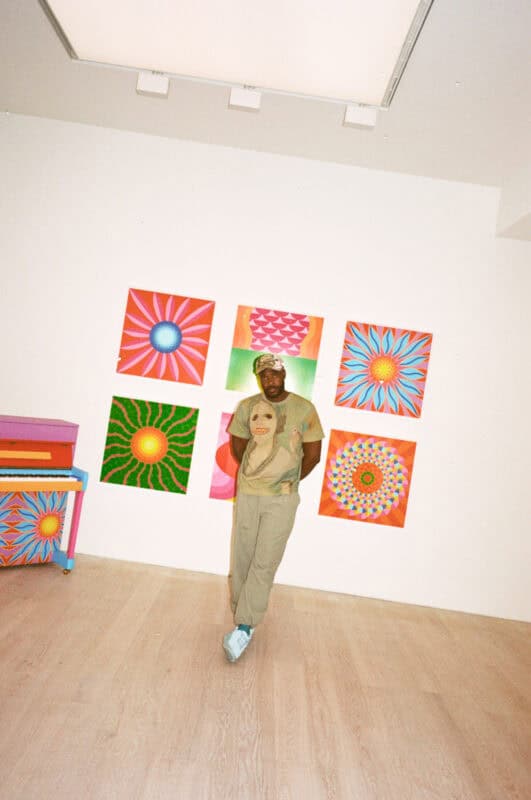
That’s a really good question. This is probably the most personal body of work I’ve made to date. I think there is still a lot of stigma around grief, particularly for men. There’s often an expectation that you don’t talk about loss or vulnerability. To be honest, when my mum died, I didn’t want to speak about it at all. For a long time I kept those feelings to myself. Now, though, I see art as an outlet. It’s a way of expressing emotions and experiences that can otherwise be very difficult to articulate. What this exhibition has taught me is that there’s value in sharing those personal stories. I think people will probably start to see more of that in my work moving forward. You may see more references to my family, more personal experiences and perhaps broader reflections on grief, loss and the experiences of people around me. I’ve also been thinking differently about materials, composition and colour. One thing that was very different in this exhibition was the colour palette. In previous works, you’ll often see every colour imaginable. Colour has always been a huge part of my visual language. With this exhibition, though, I placed much stricter limitations on myself. The work relies heavily on yellows and greens, and I became much more intentional about how colour was being used and what it was communicating. That restriction was challenging, but it was also incredibly valuable. It pushed me to think more deeply about colour and about the emotional role it plays within the work. Instead of asking, “What colours can I use?” I started asking, “Why am I using this colour? What is it saying? How does it contribute to the experience?” That process challenged me creatively and opened up new possibilities for the future. So I think people will see more personal work from me going forward. And they may also see a more considered and restrained approach to colour – one that’s driven by meaning as much as emotion.
“Yinka Ilori: Joy Through Resistance, He Who Laughs Last, Laughs Best at Cristea Roberts Gallery, London, 2026. Photography courtesy Cristea Roberts Gallery, London. Discover the exhibition here.