


February 5, 2026 |
At the ripe ol’ age of 13 I had an idea. What if I shaved off half of my hair? A mohawk? Perhaps. Or maybe a skullet – a hairdo that cuts the front brutally short while letting the back grow out in quiet defiance. I decided on the former. Rocking up to my first day of year eight with the sides of my head buzzed to my skull and the remaining hair left long (and exceedingly damaged from all the heat-based straightening it went through), I attracted a lot of looks. Some concerned, some quietly impressed by my commitment to the bit, others doing the maths on whether this counted as a cry for help. It paired with my freshly applied braces like pickles and peanut butter. I was, in my small town, a neo-punk you could say – not in the CBGB nightclub sense, more in the found a YouTube clip of Sid Vicious and ran with it kind of way.
Punk hair, historically, has always belonged to teenagers with time on their hands and a bone to pick. The original mohawk wasn’t about aesthetics so much as visibility – you could spot one from a mile away, which was the point. In ’70s Britain, it said you were opting out: of neatness, of class mobility, of being palatable. At 13, I didn’t have words like post-war austerity or anti-establishment signalling, but I did understand that shaving your head in a town where everyone else had a neat, sensible fringe meant you couldn’t disappear.
A year later I shaved the rest of my locks off and went full skinhead. It was… a decision. Historically loaded, socially confusing, deeply inconvenient in the throes of the Canadian winter (I lived in Canada until I was 18). But early skinhead culture – before it was hijacked and hollowed out – was about uniformity as defiance: cropped hair that said you didn’t care to be decorative because you didn’t have time for it. Mine said I had PE next period and an identity crisis brewing. But the point wasn’t necessarily to look good; it was to look unignorable.
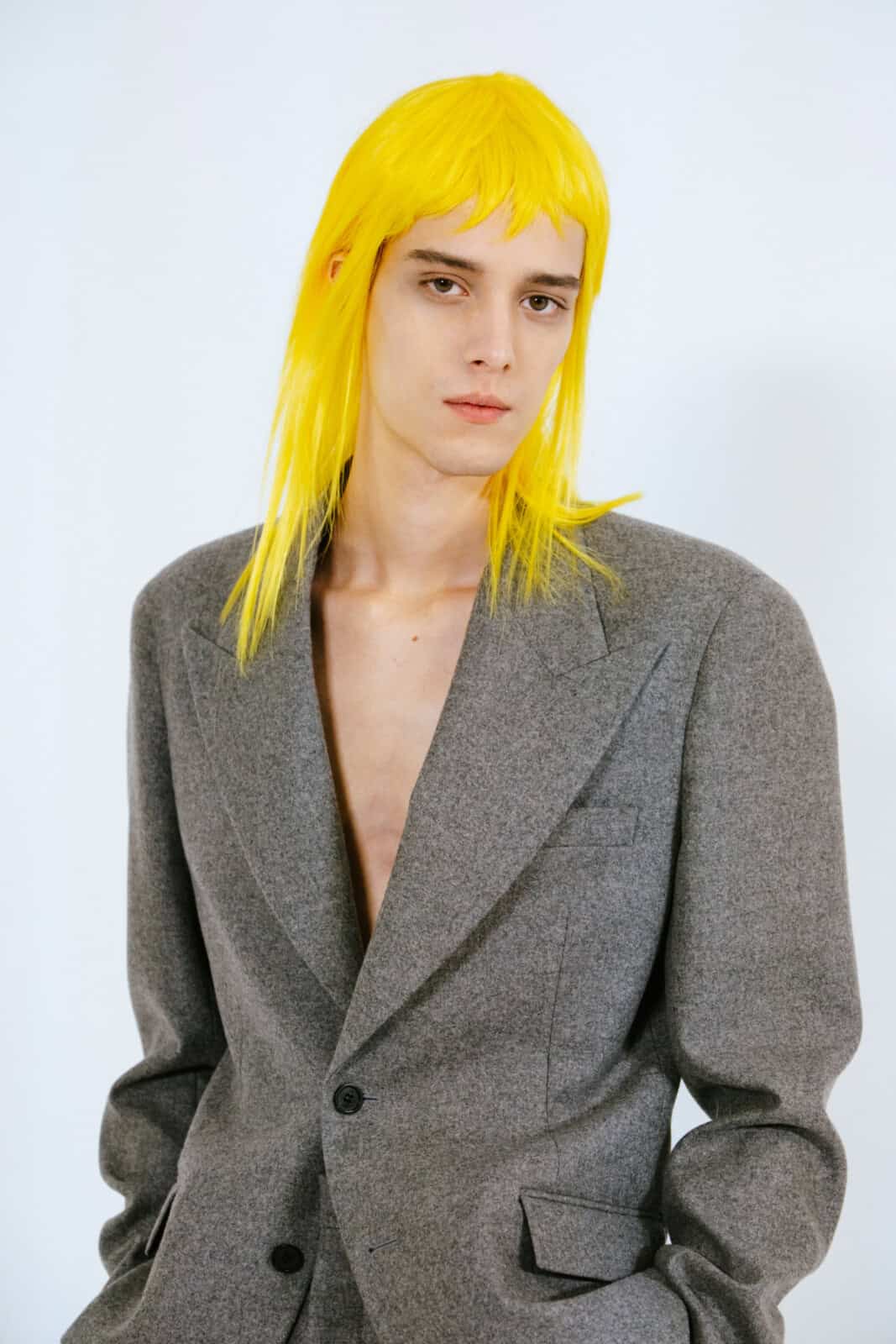
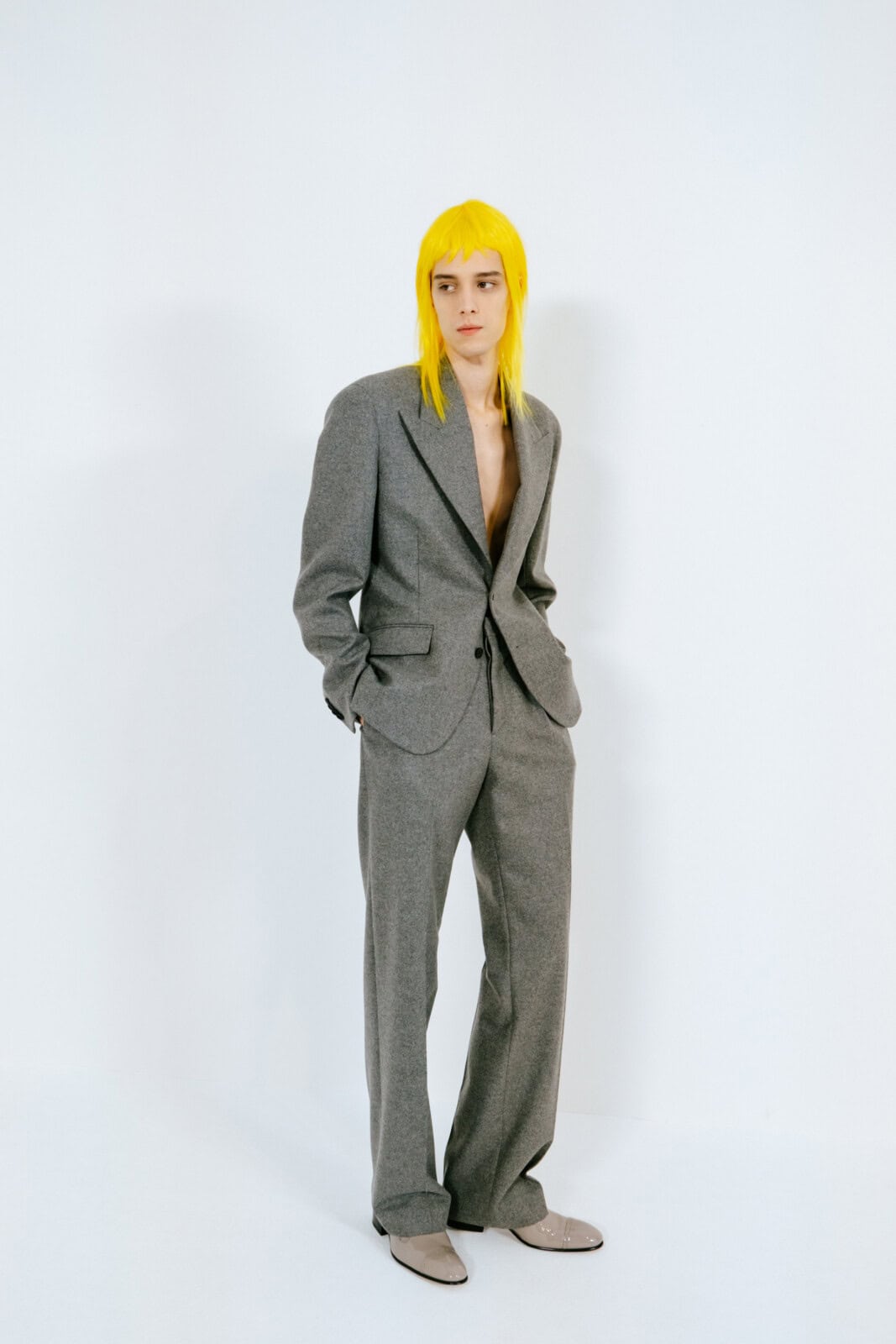
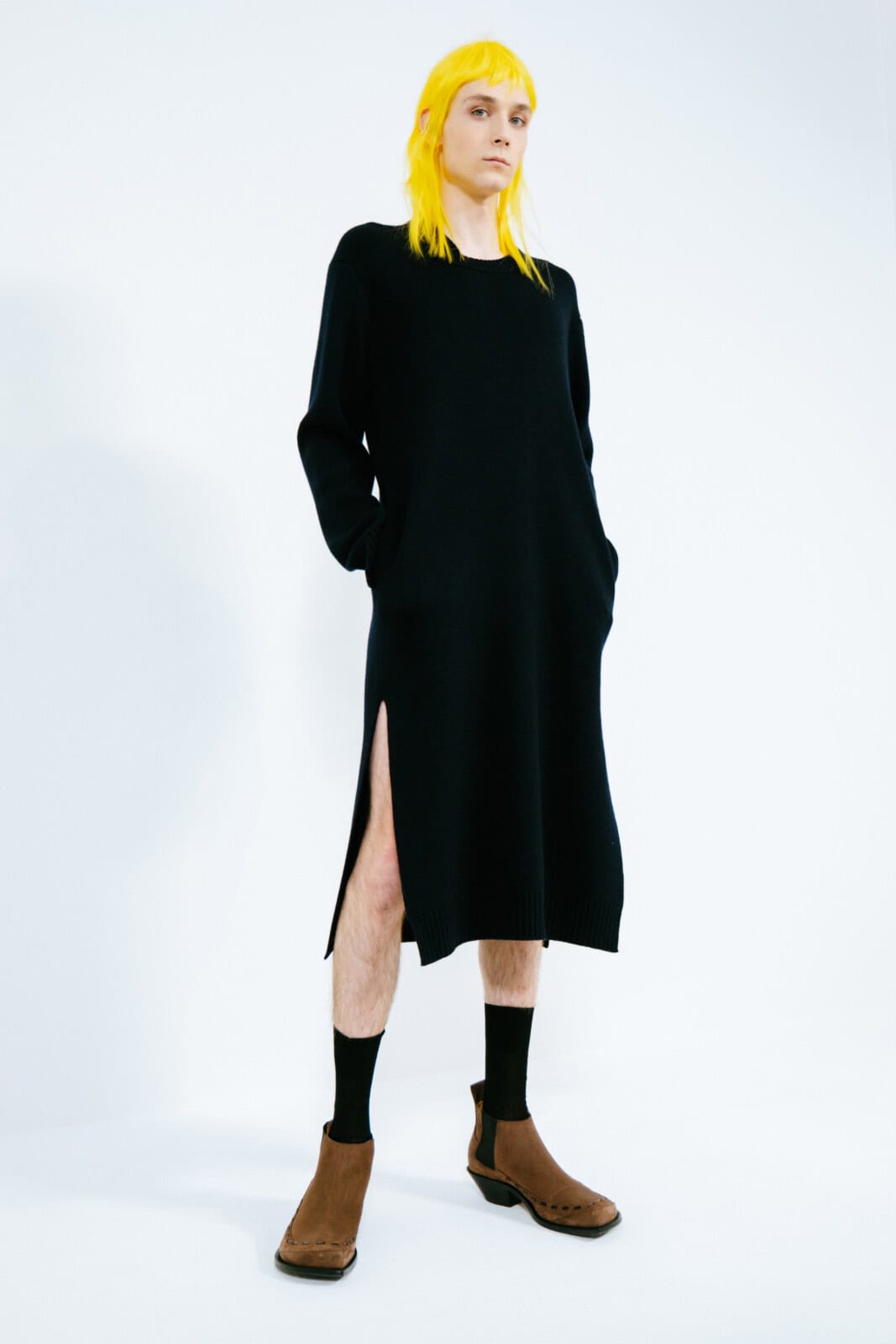
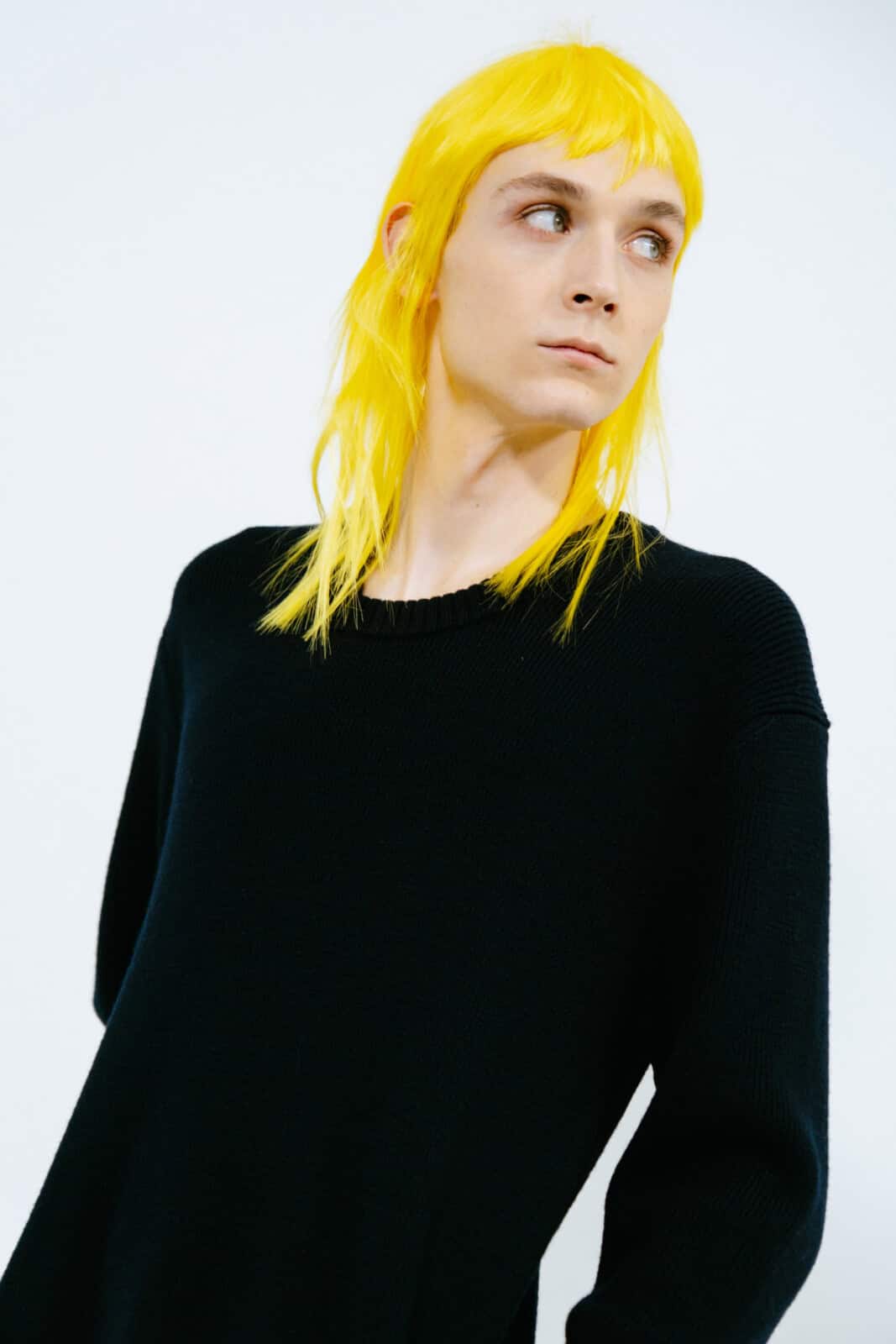
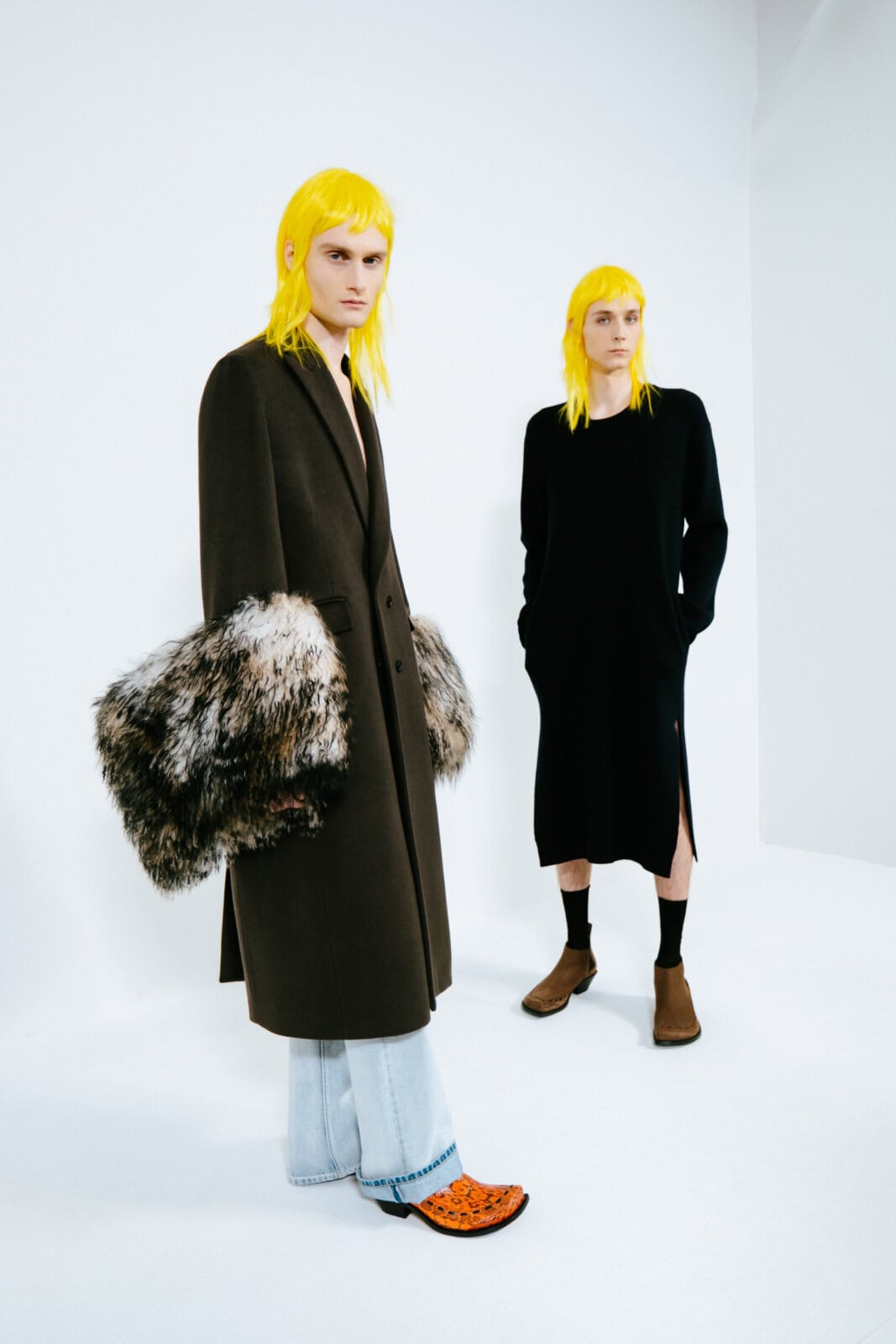
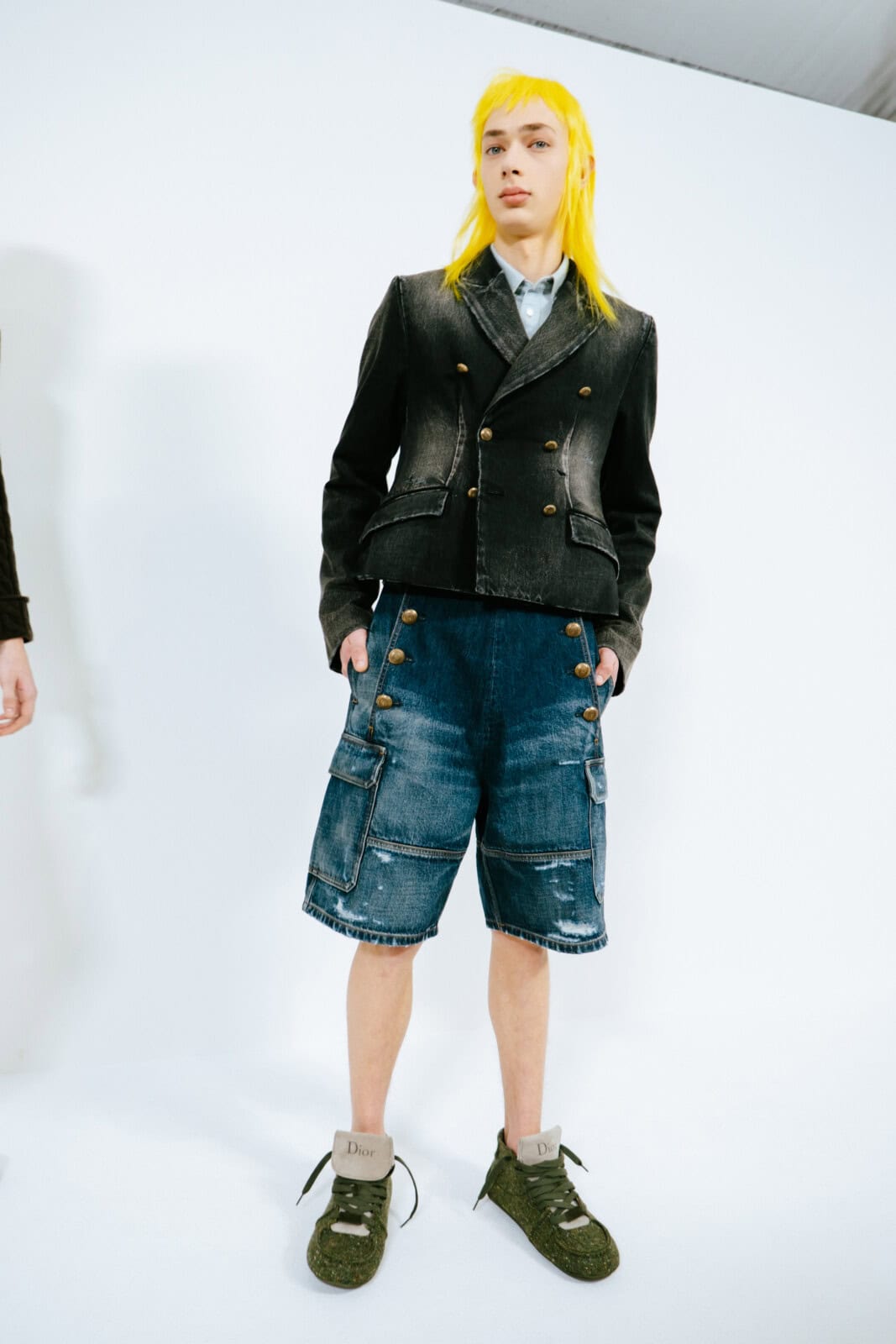
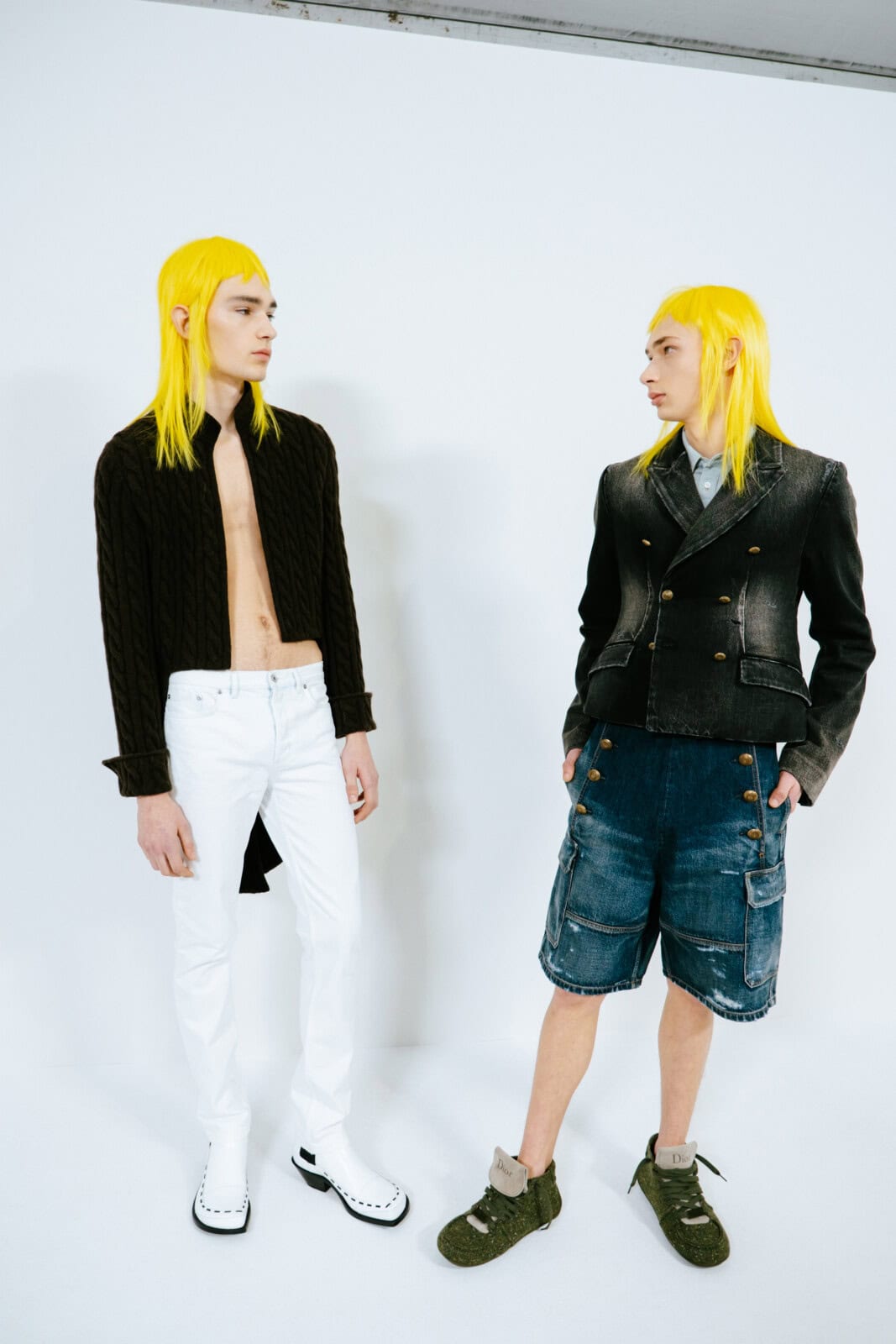
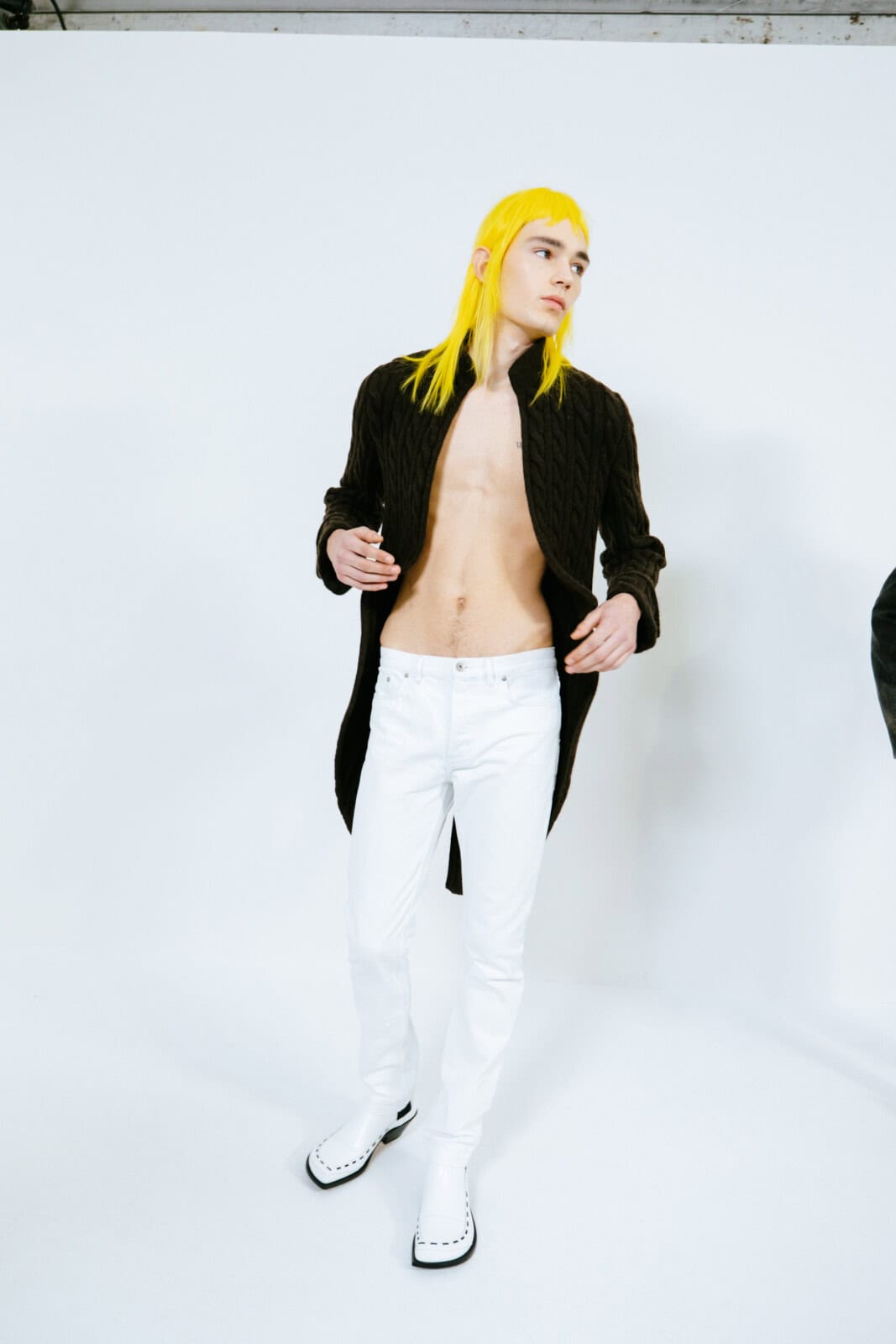
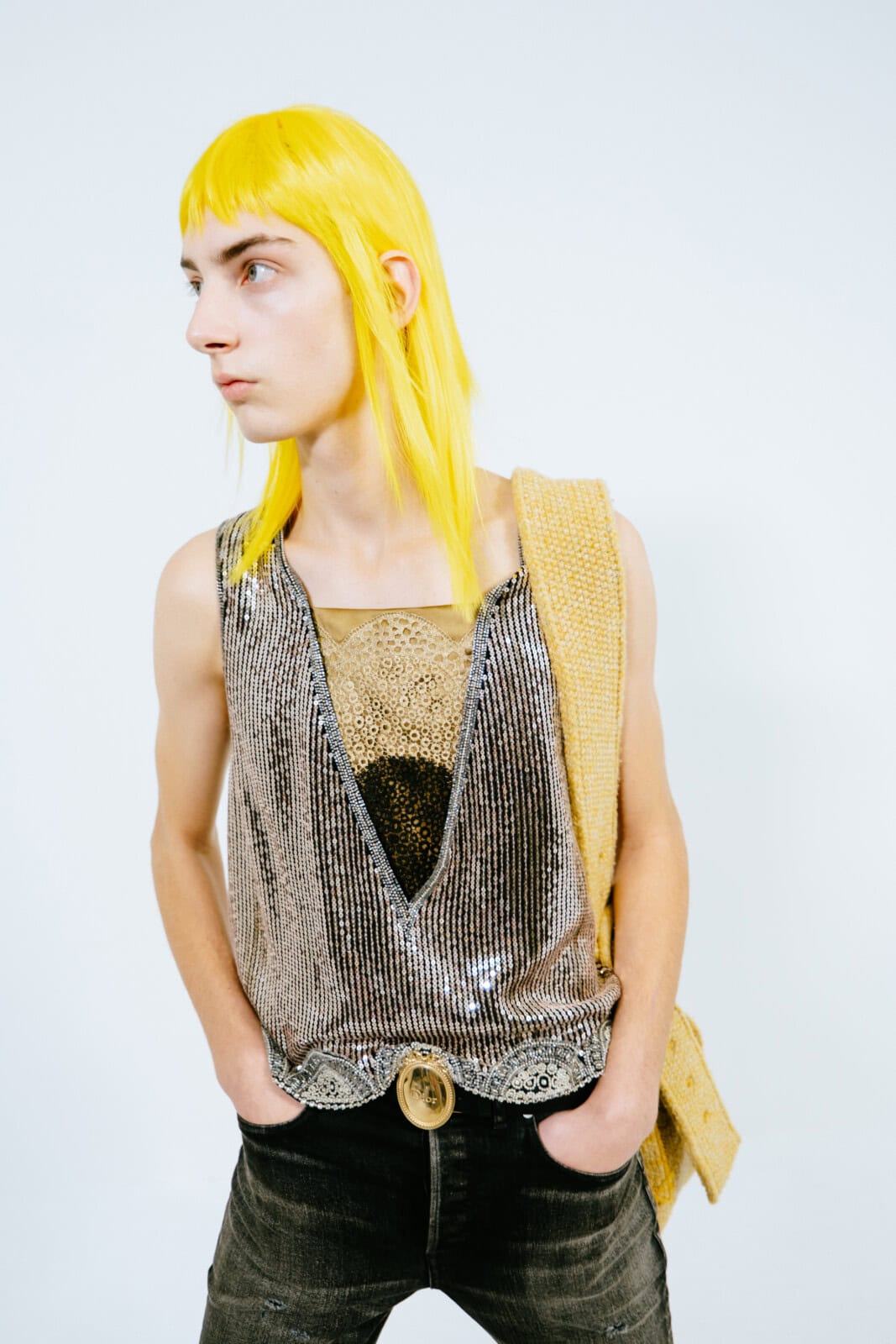
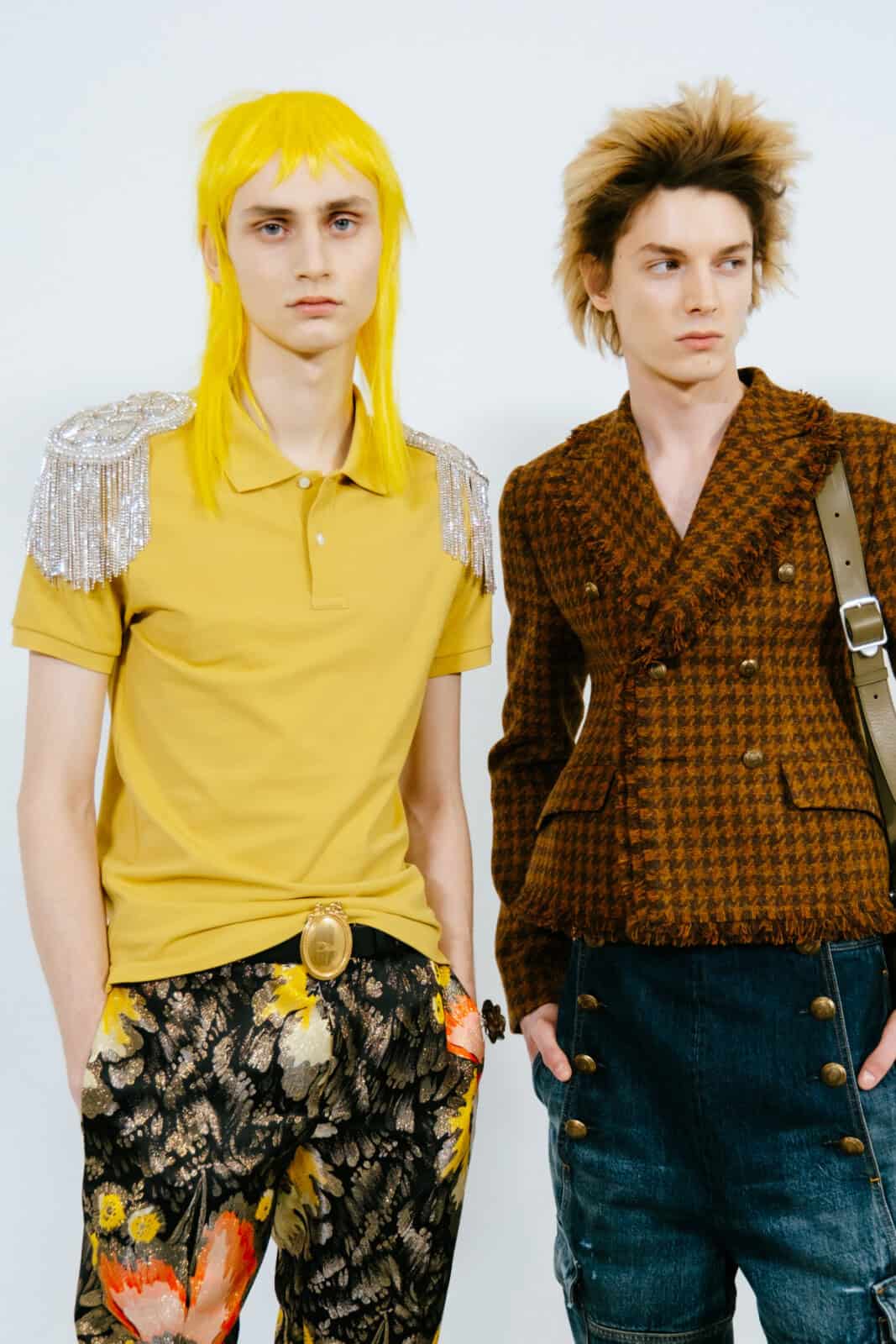
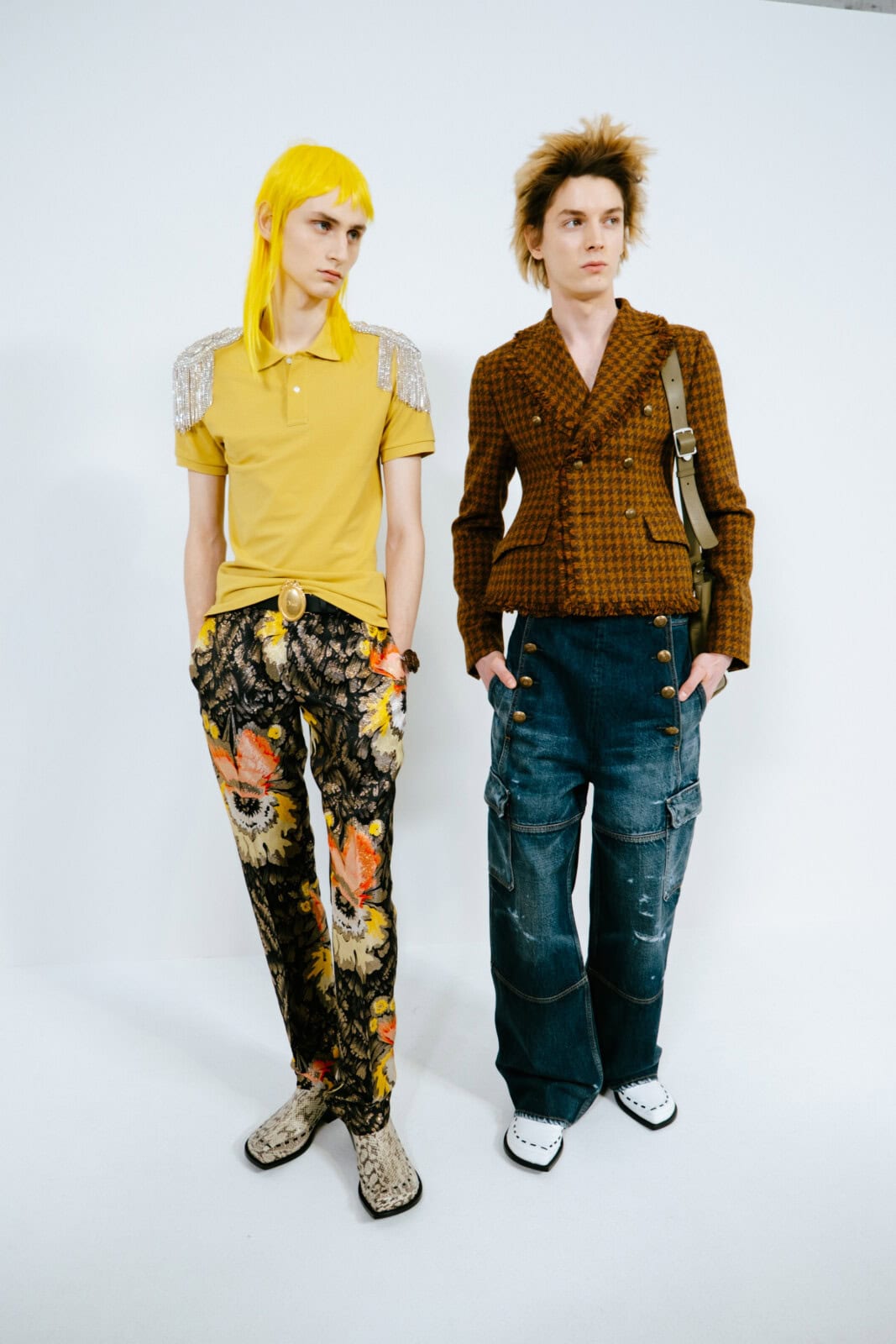
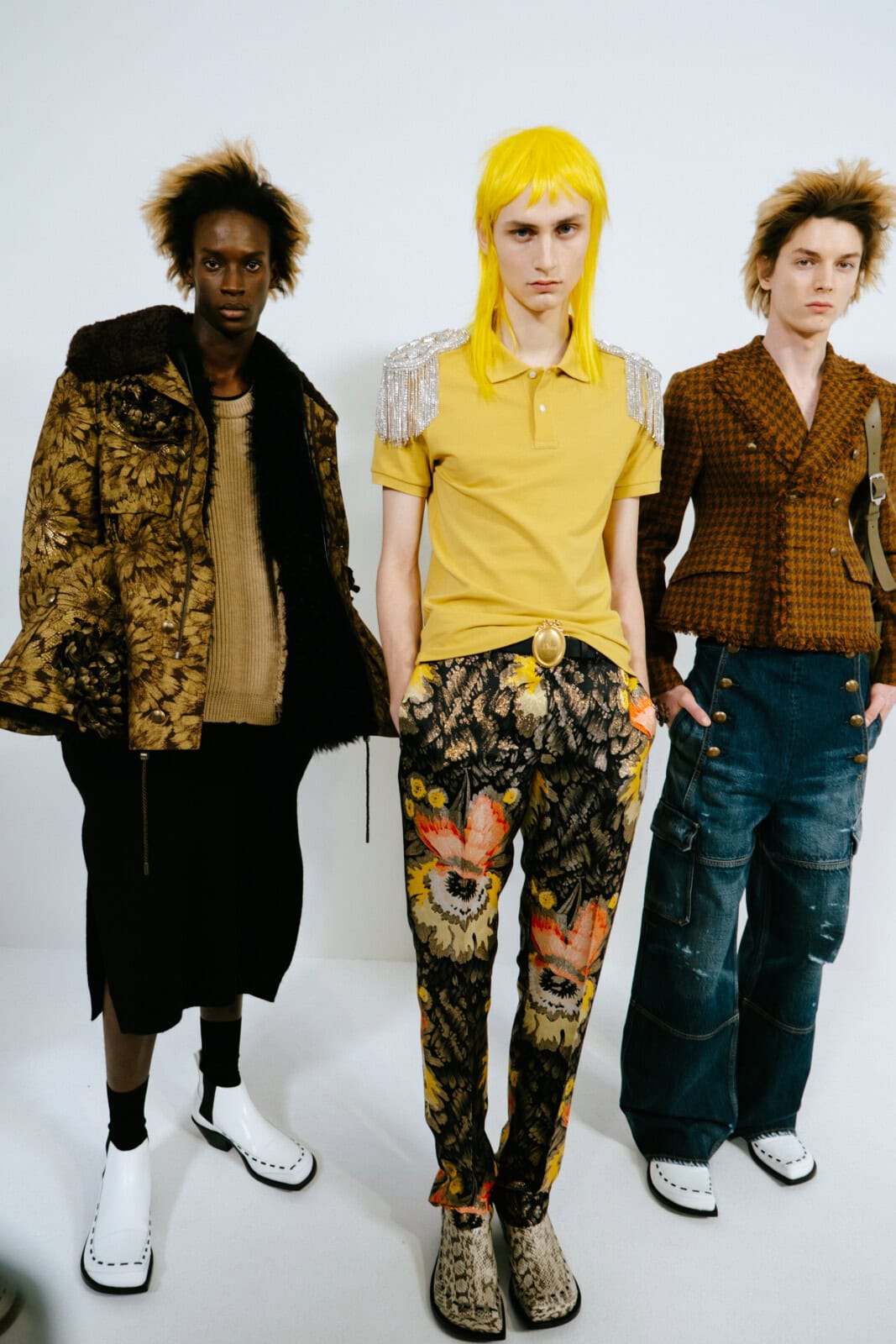
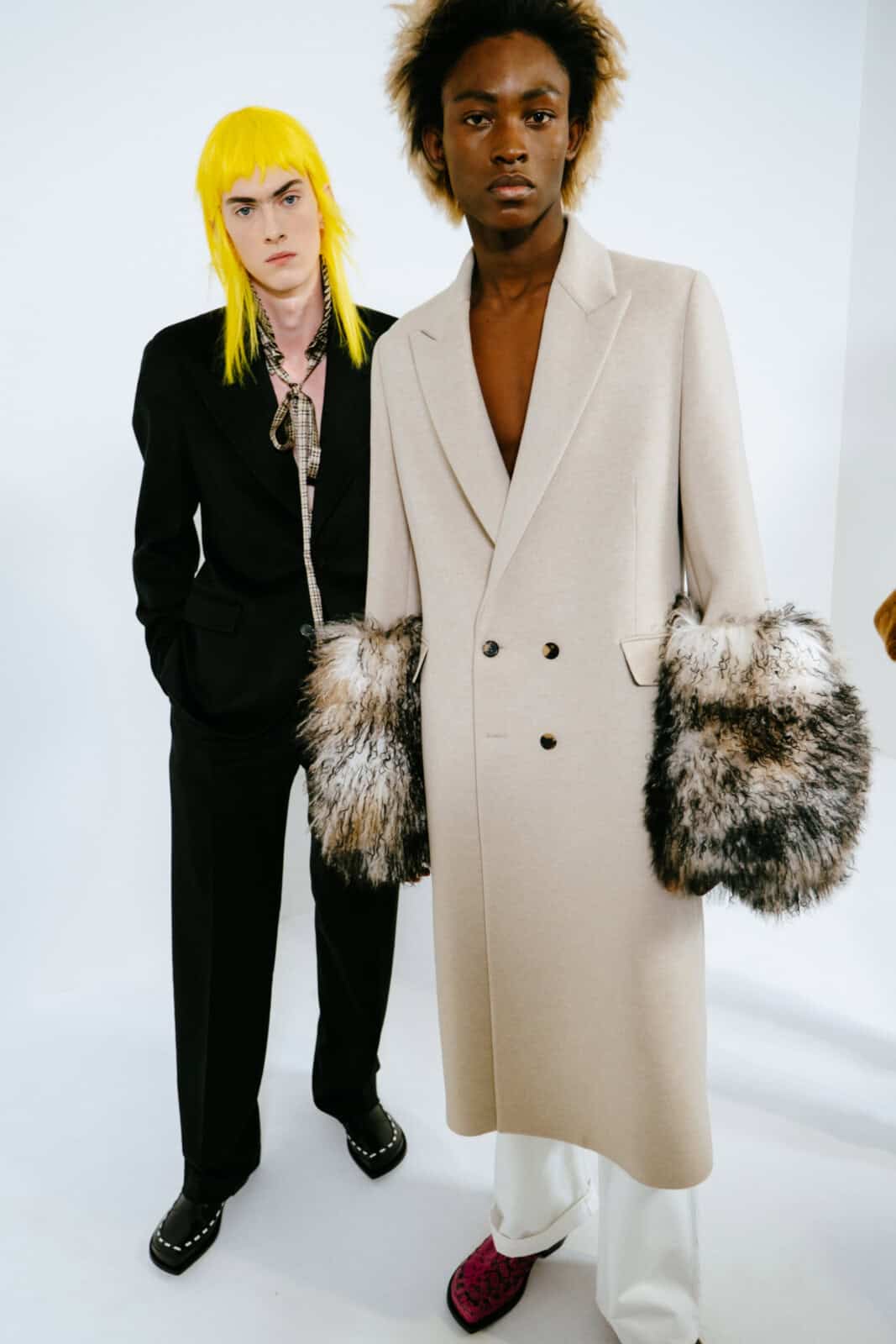
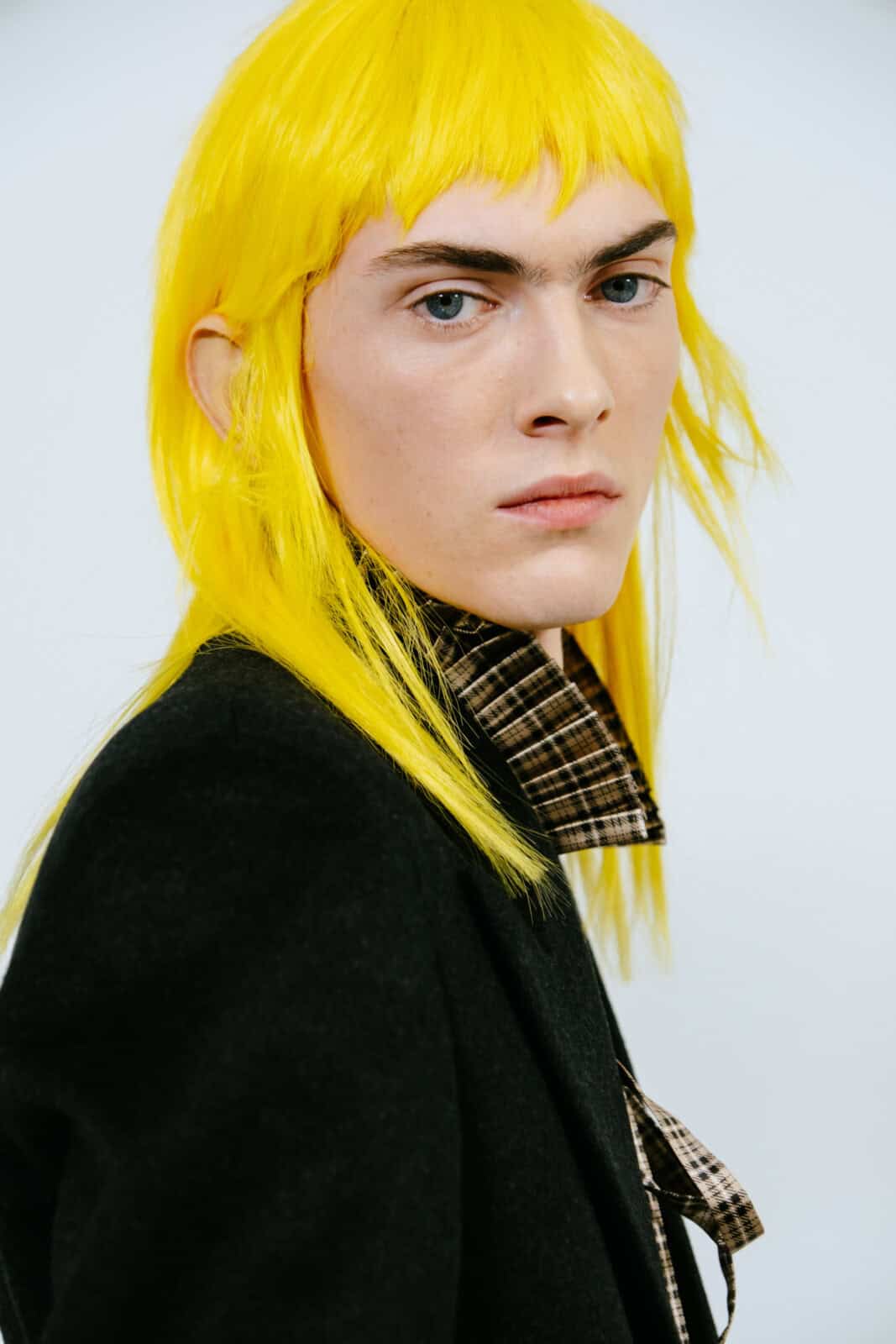
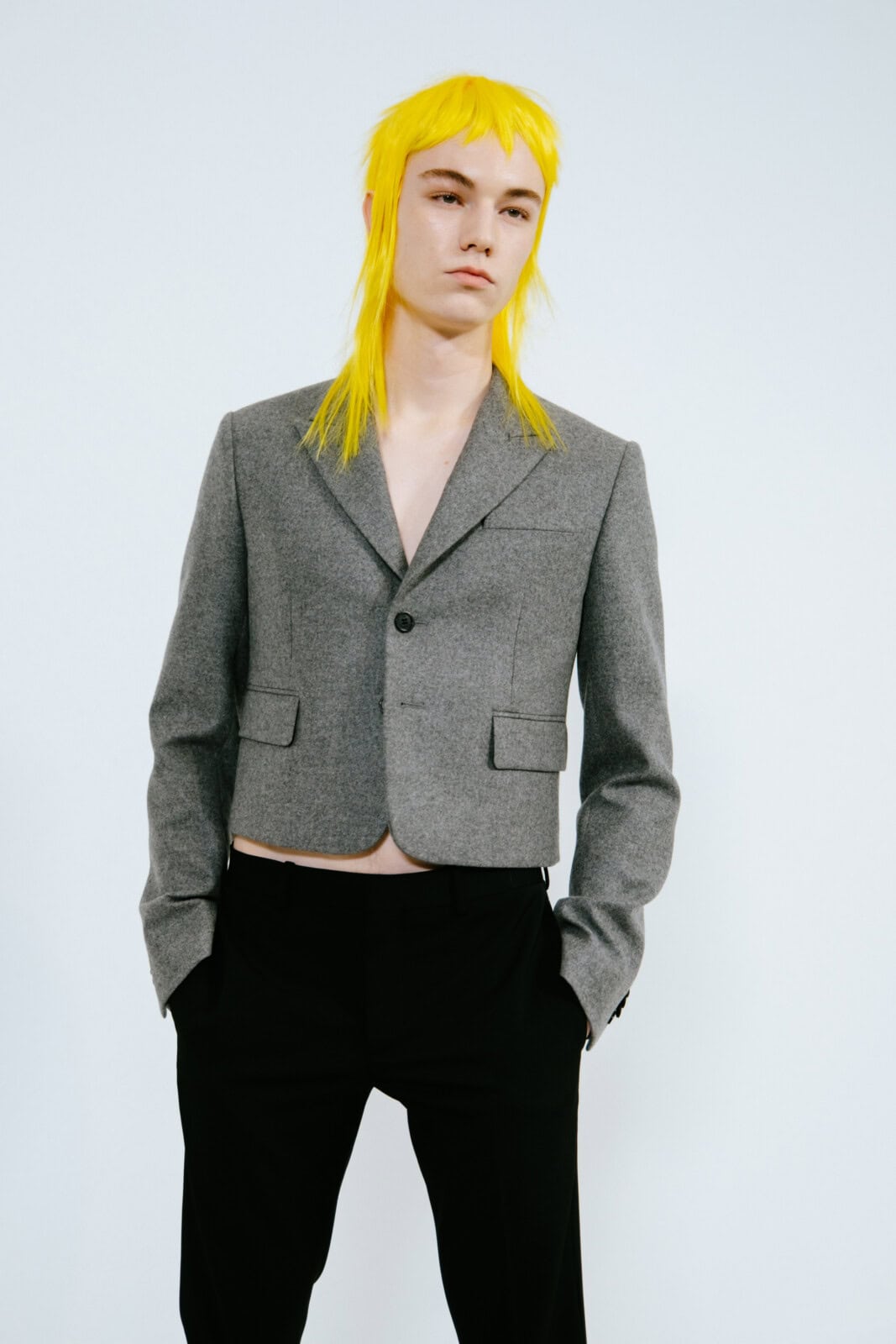
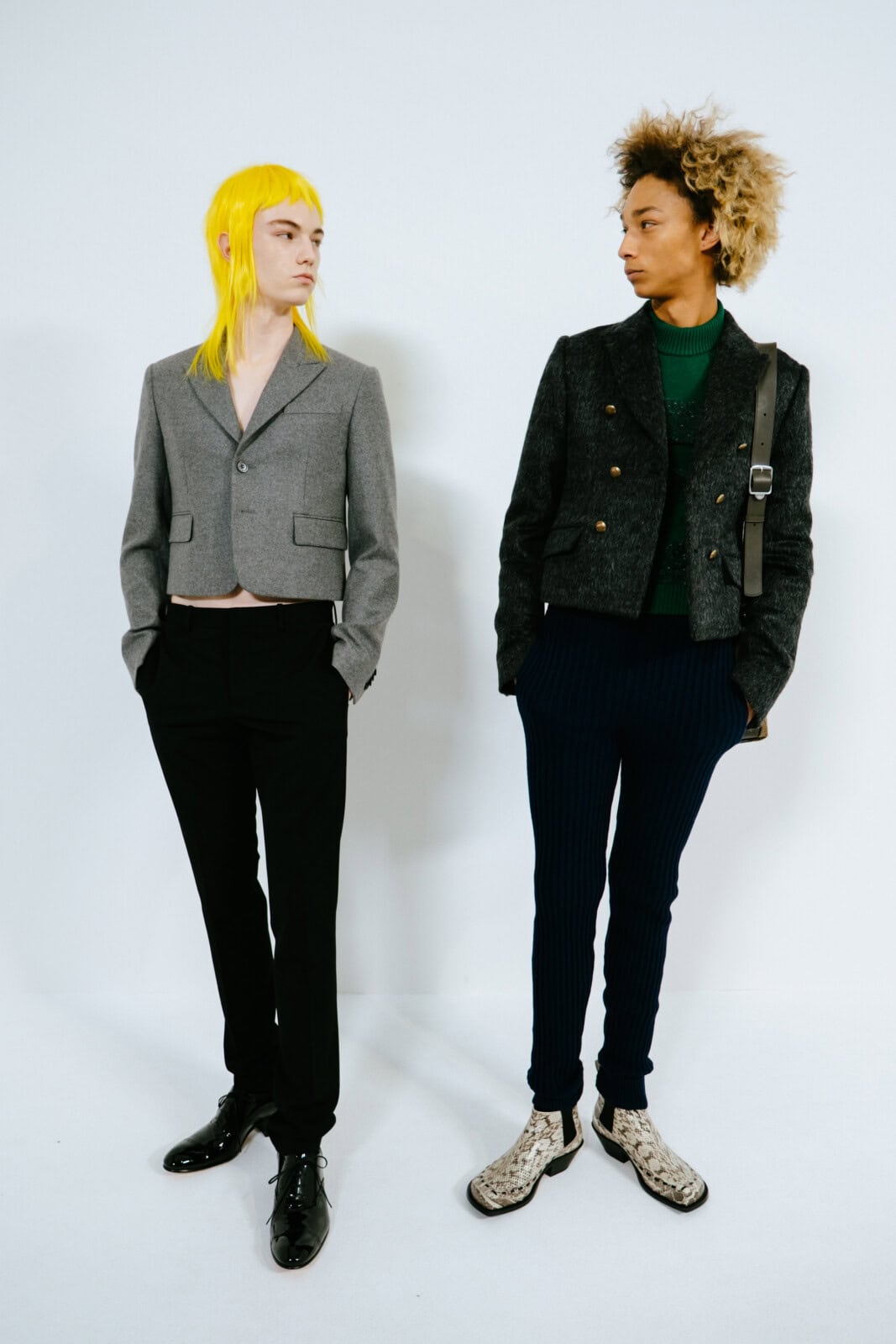
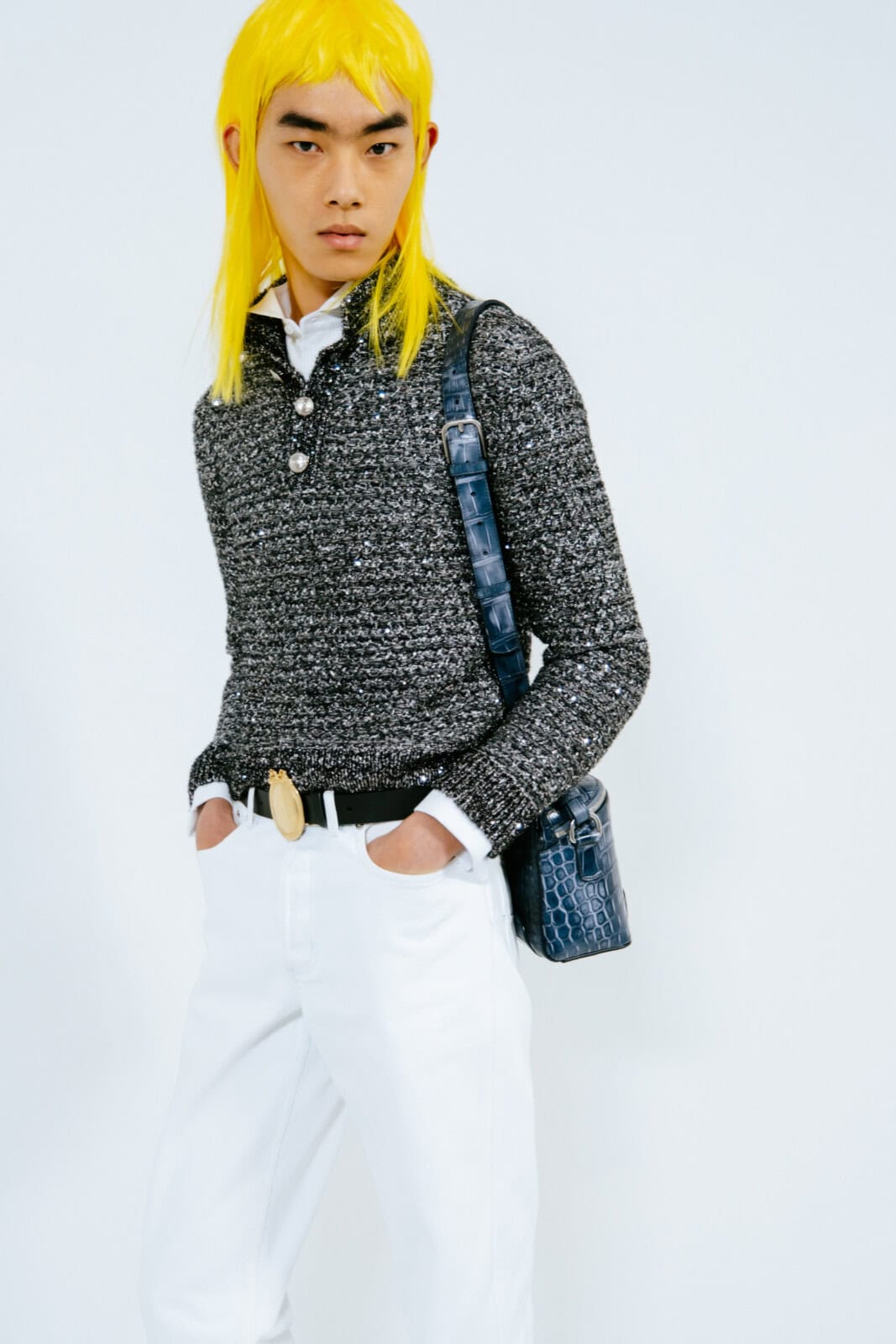
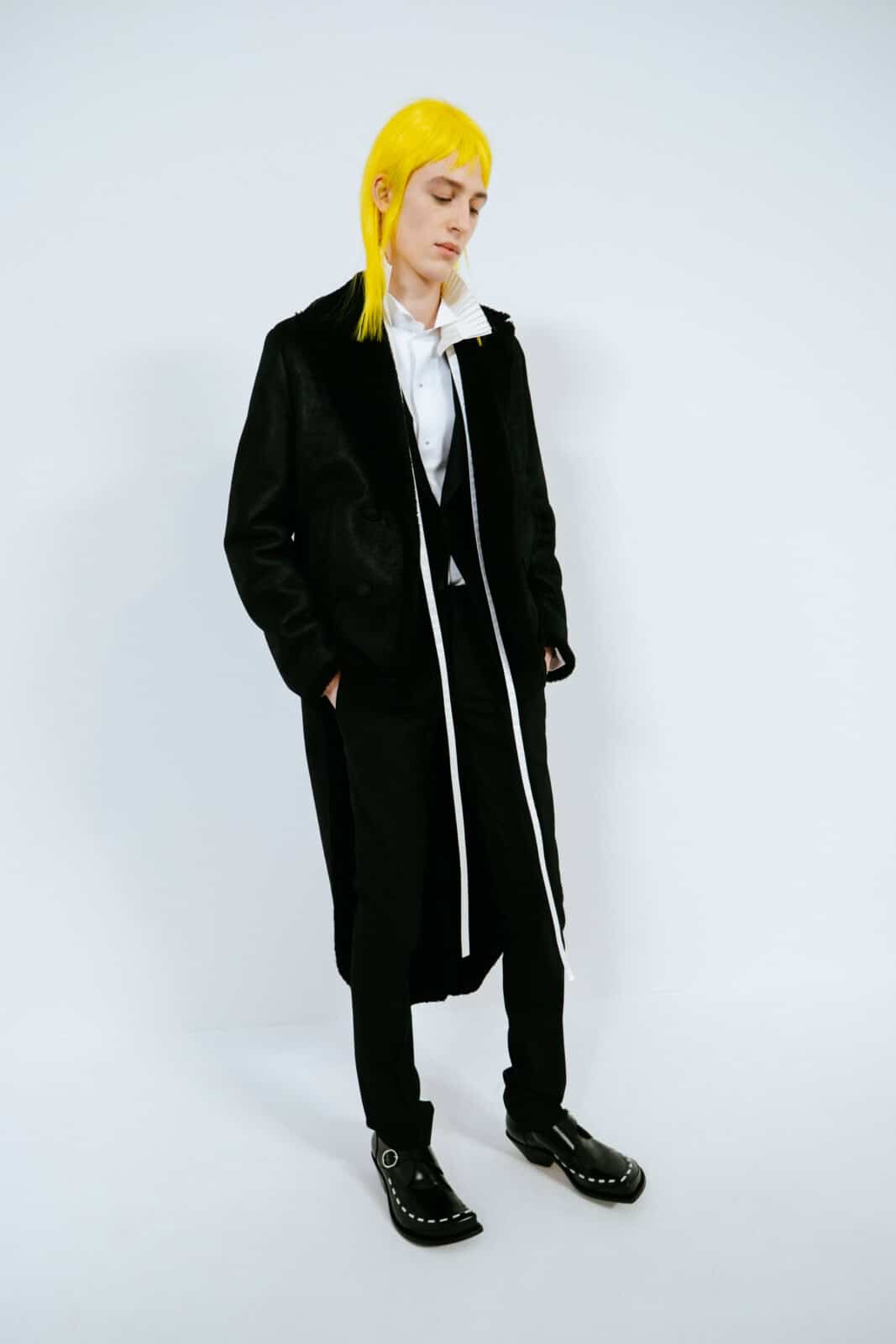
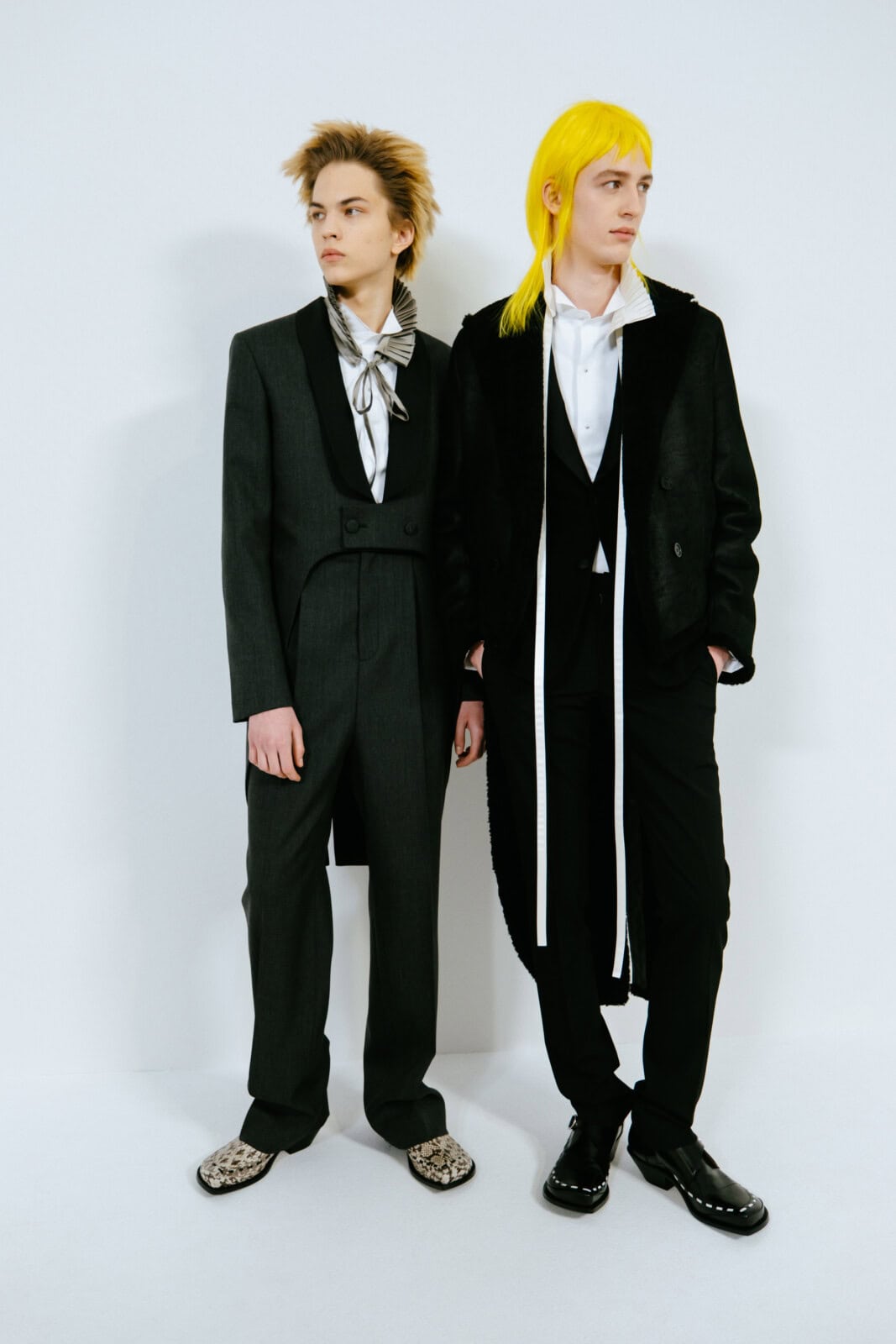
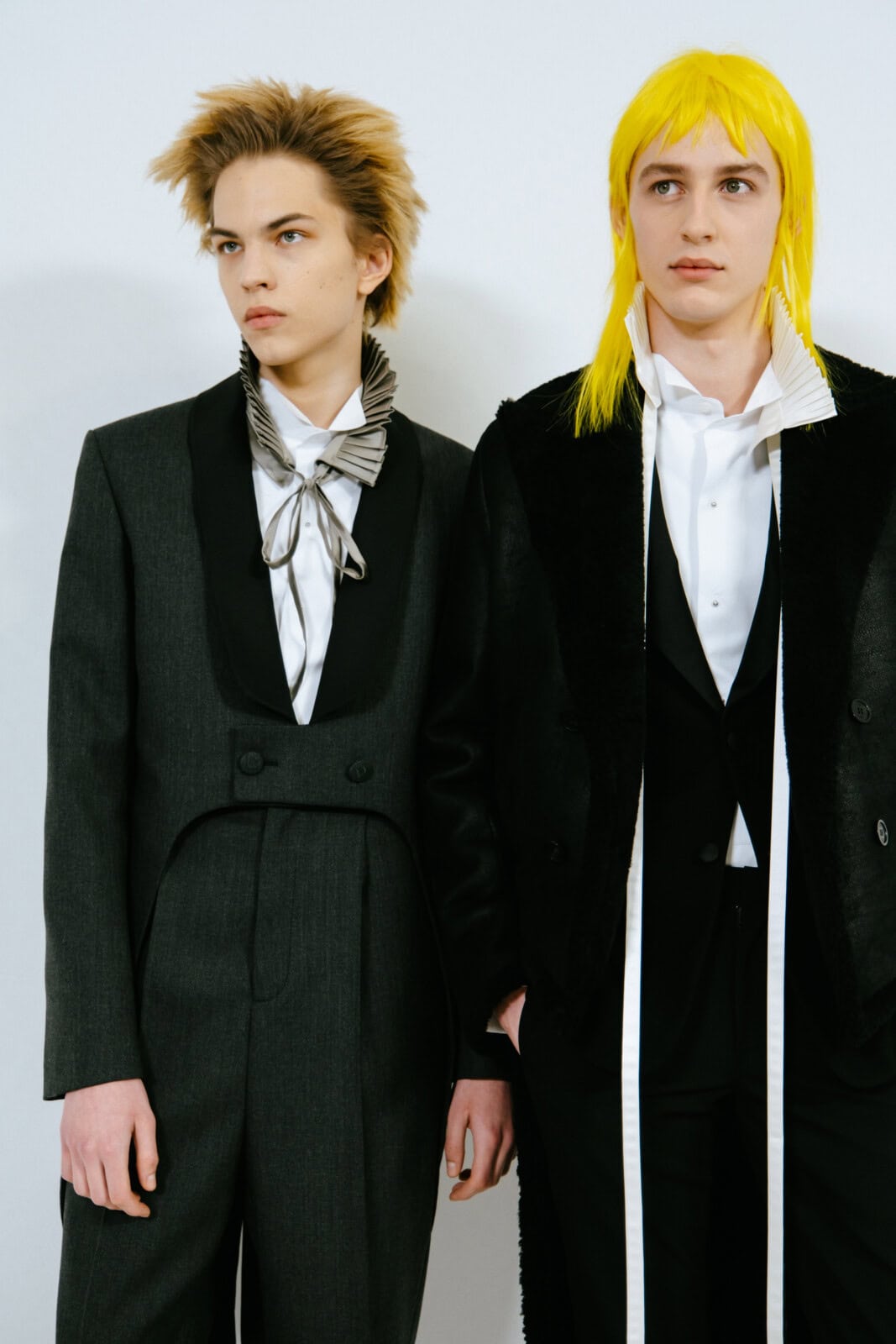
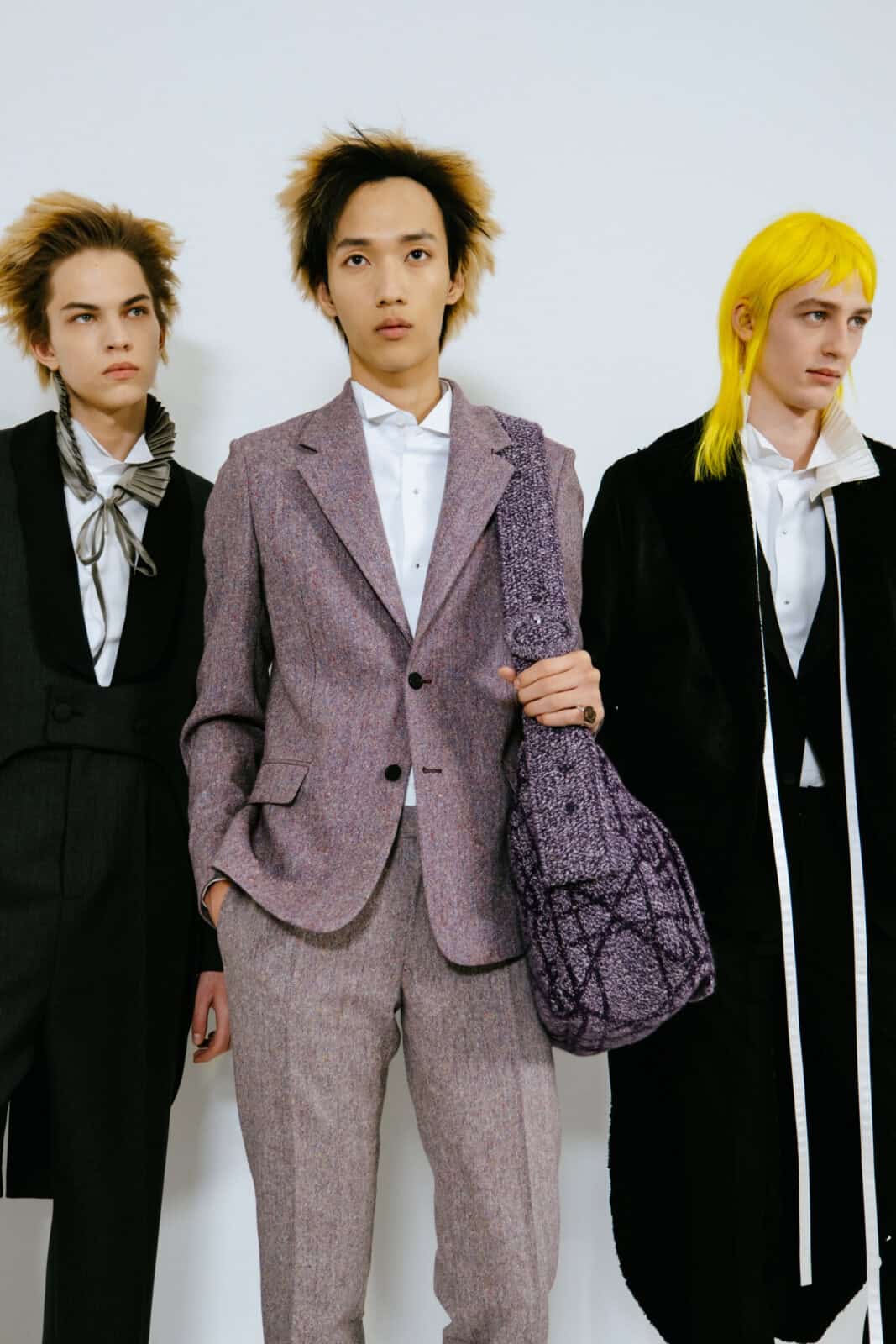
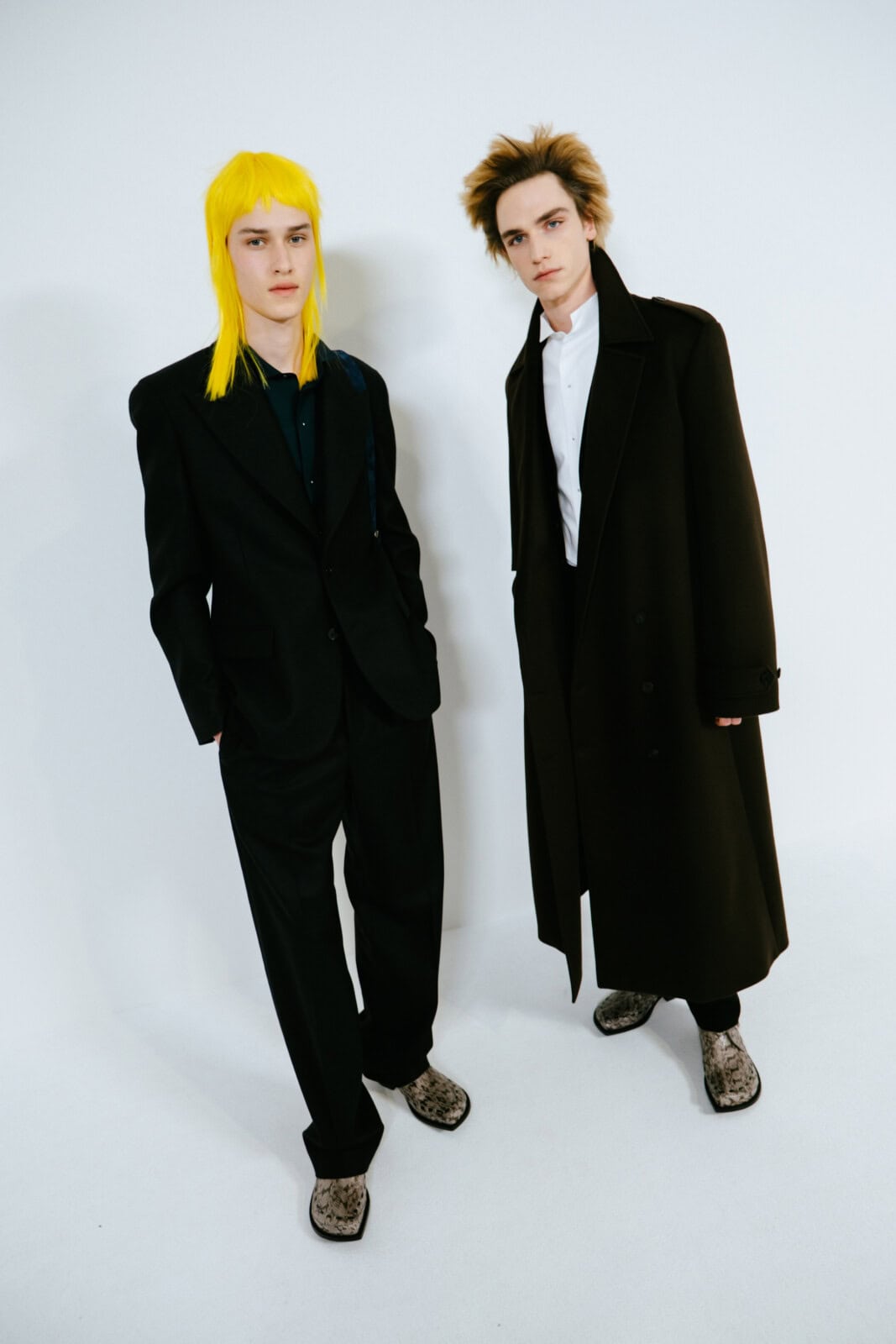
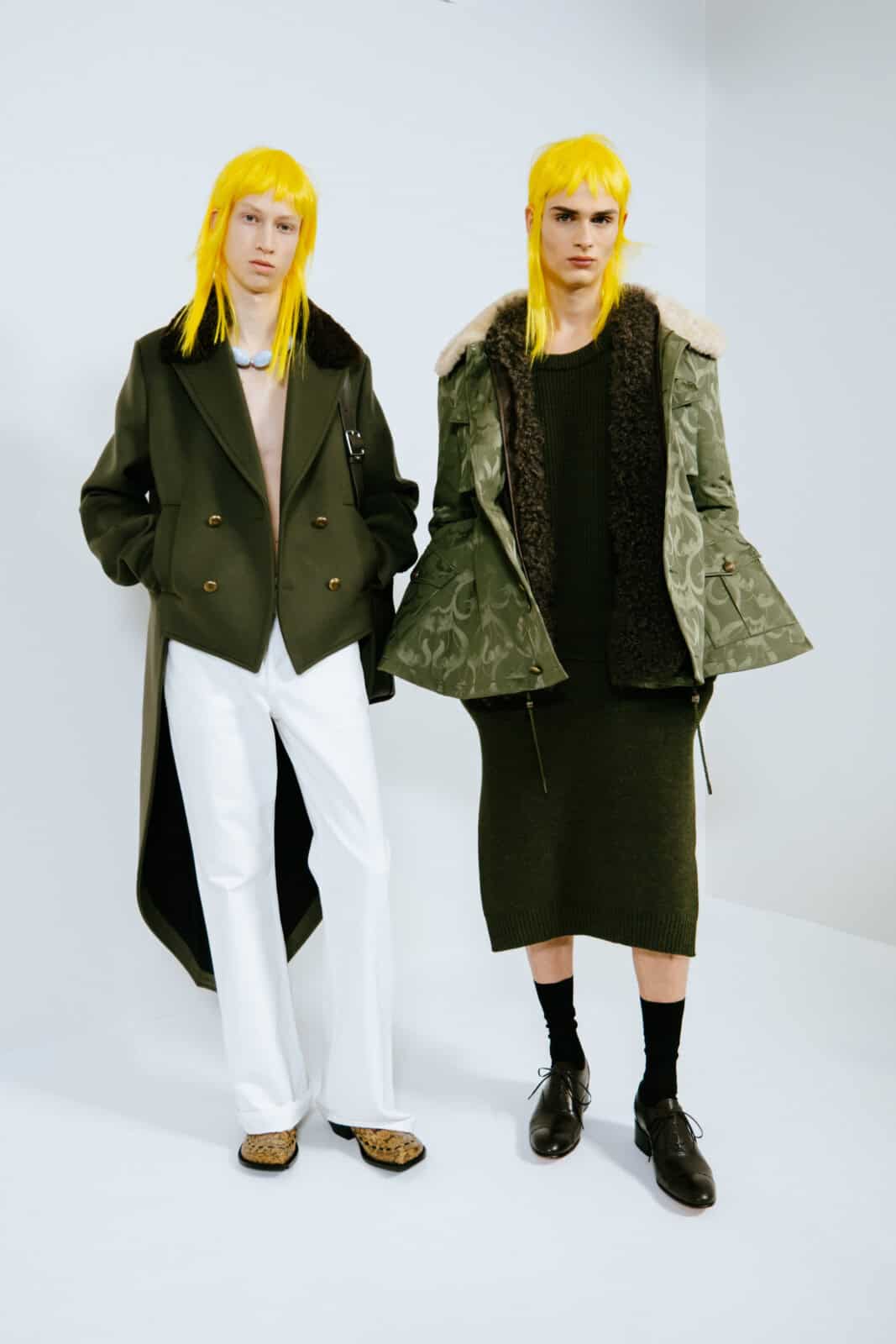
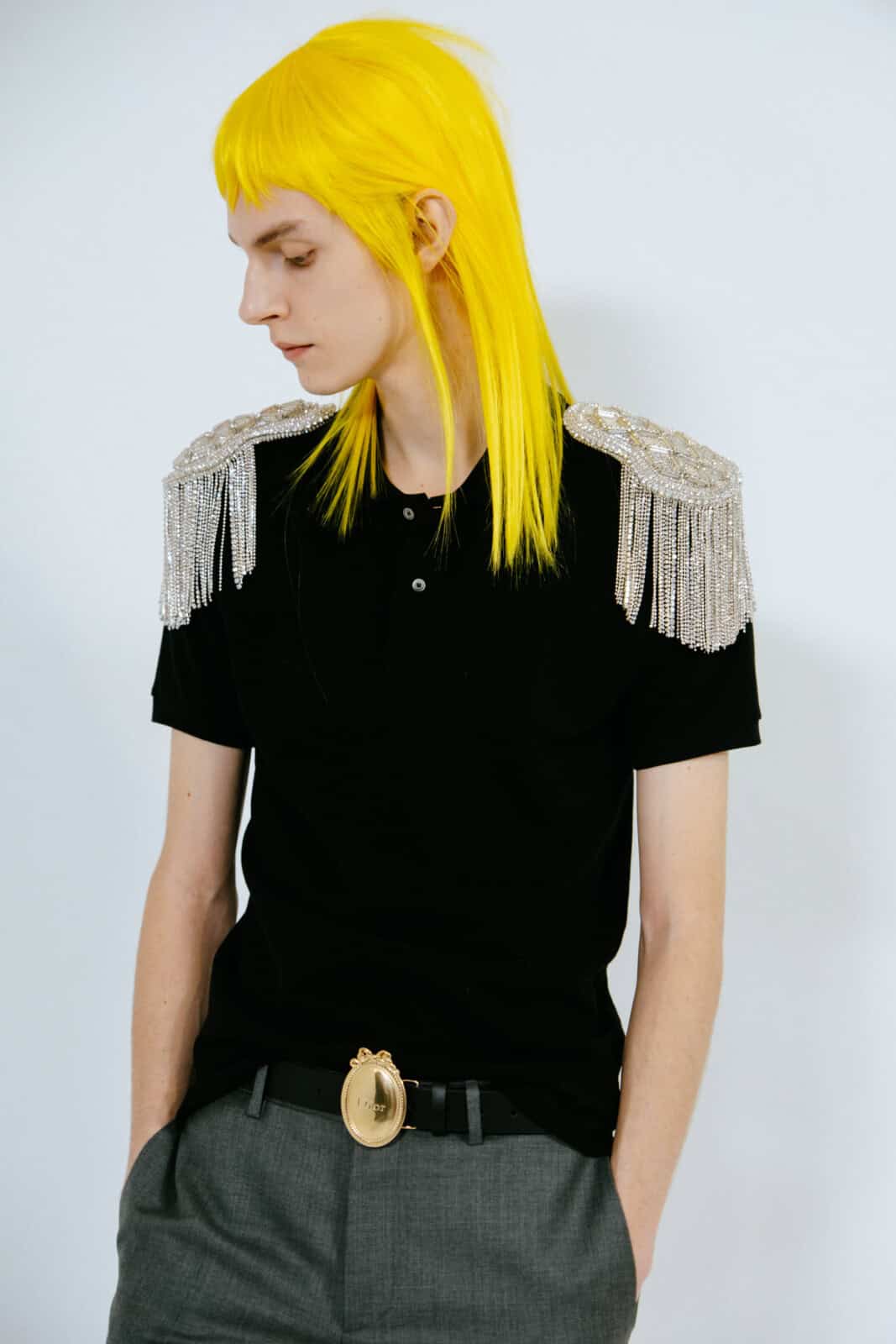
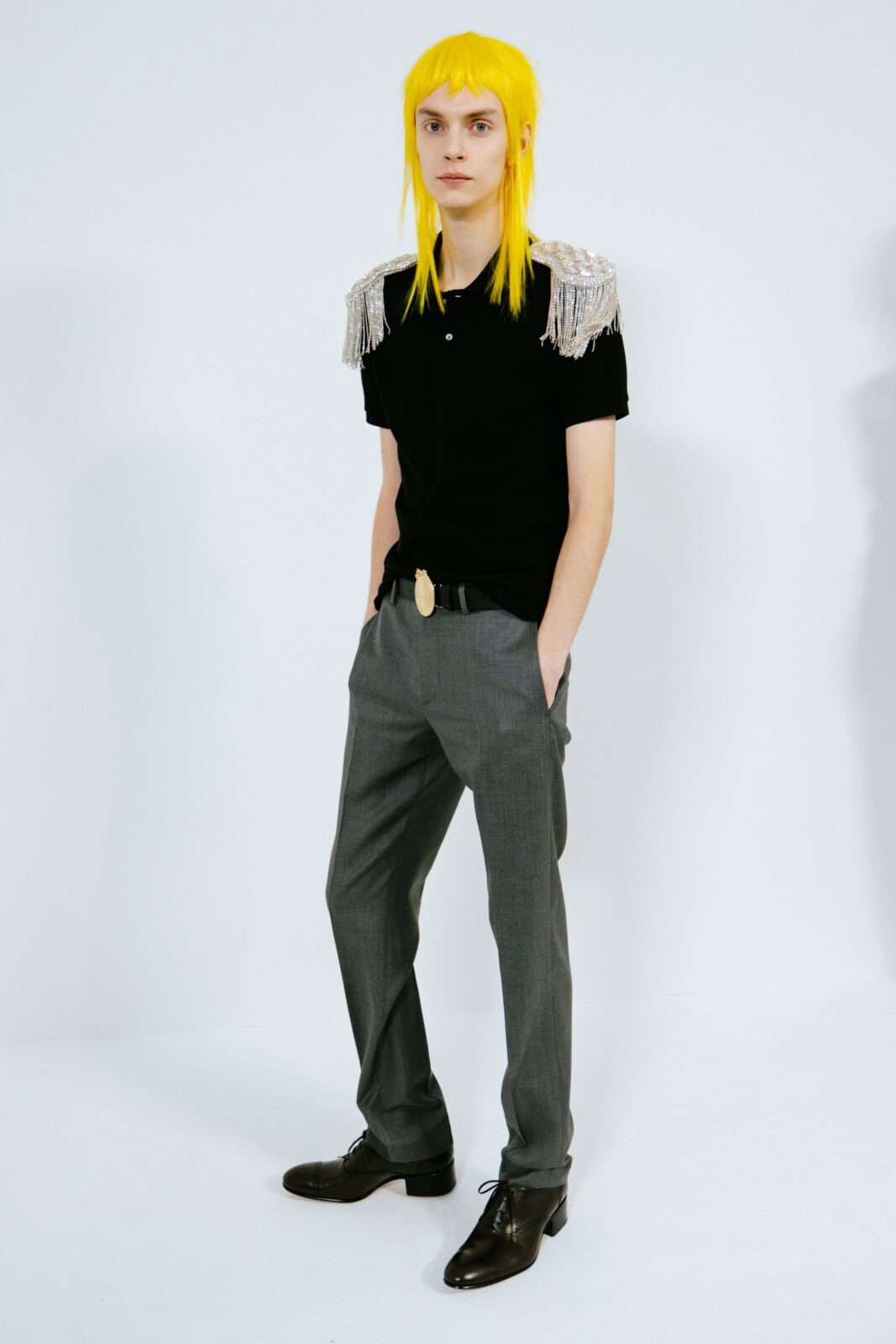
Dior Menswear AW26
I didn’t stop there. Punk hair rarely does – instead it escalates. As the movement mutated, hair followed suit: spikes sharpened, colours went nuclear, gravity became optional. By the time I reached the awkward hinge point of my adulthood, I dyed half of my hair electric blue. It was box dye, aggressively semi-permanent, applied with the confidence of someone who had never even read the instructions. It bled every time it rained, which felt less like a flaw and more like performance art. This was post-punk hair in the lineage of Debbie Harry’s peroxide blonde ambition – less about rage, more about intentional alienation.
What’s interesting about punk hair is how often fashion tries to clean it up and fails. The ’90s softened it into irony. The 2010s Pinterest-ified it into something polite, ironic, “edgy” in quotation marks. Which is why you can imagine my delight at the reappearance of genuine abrasion at the AW26 menswear shows. Unfolding last month across Florence, Milan and, especially, Paris, hair stopped behaving again.
At Dior, Guido Palau’s acid yellow, hacked-up wigs felt closest to the original sin of punk: deliberate ugliness. The colour wasn’t chosen to flatter skin tones or sell product; it looked toxic, like something you shouldn’t touch, yet maintained an undeniable sense of playful poise. Early punks dyed their hair with household chemicals because that’s what was available. These wigs carried the same energy – but did so with a high brow twist. It was Dior, afterall.
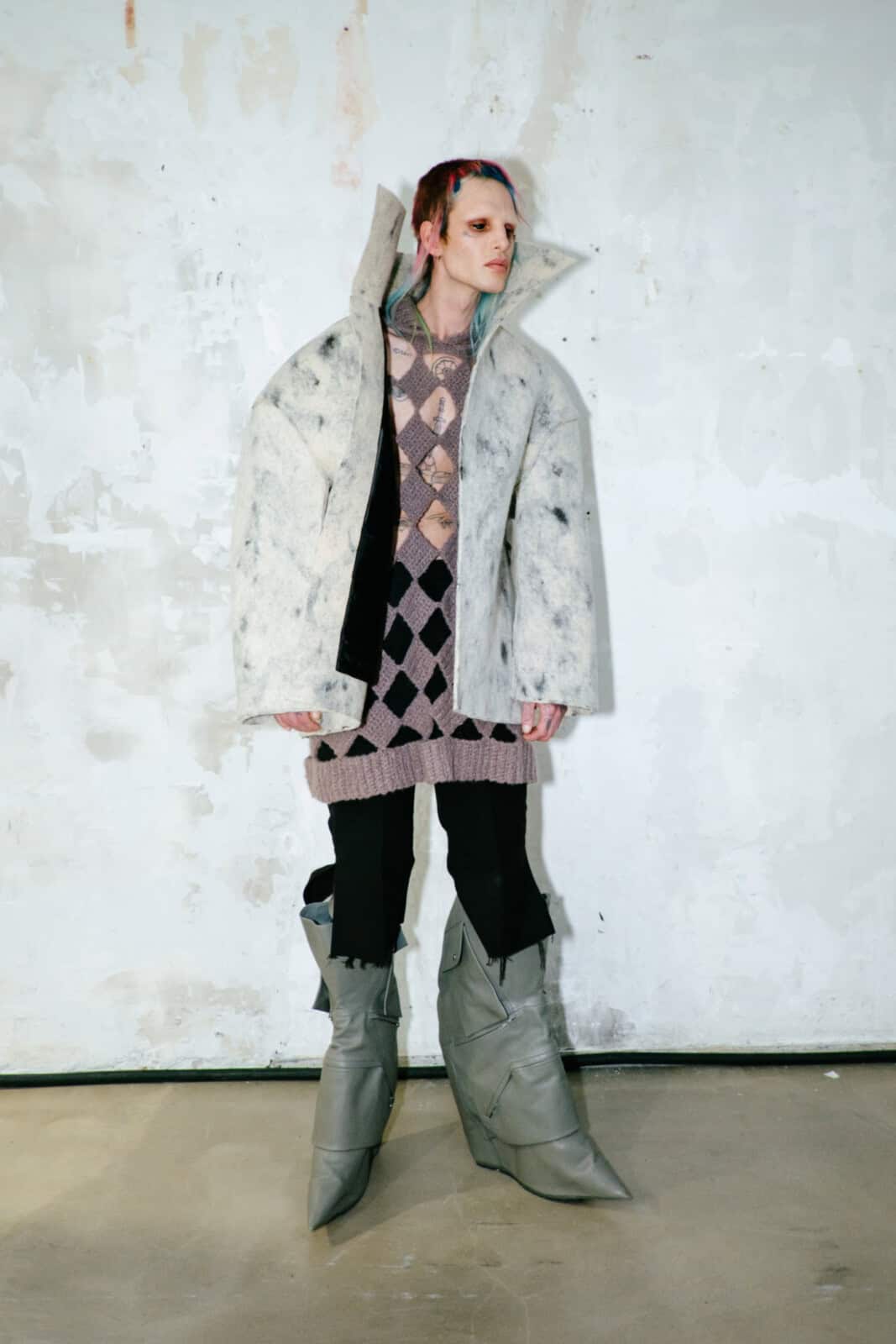
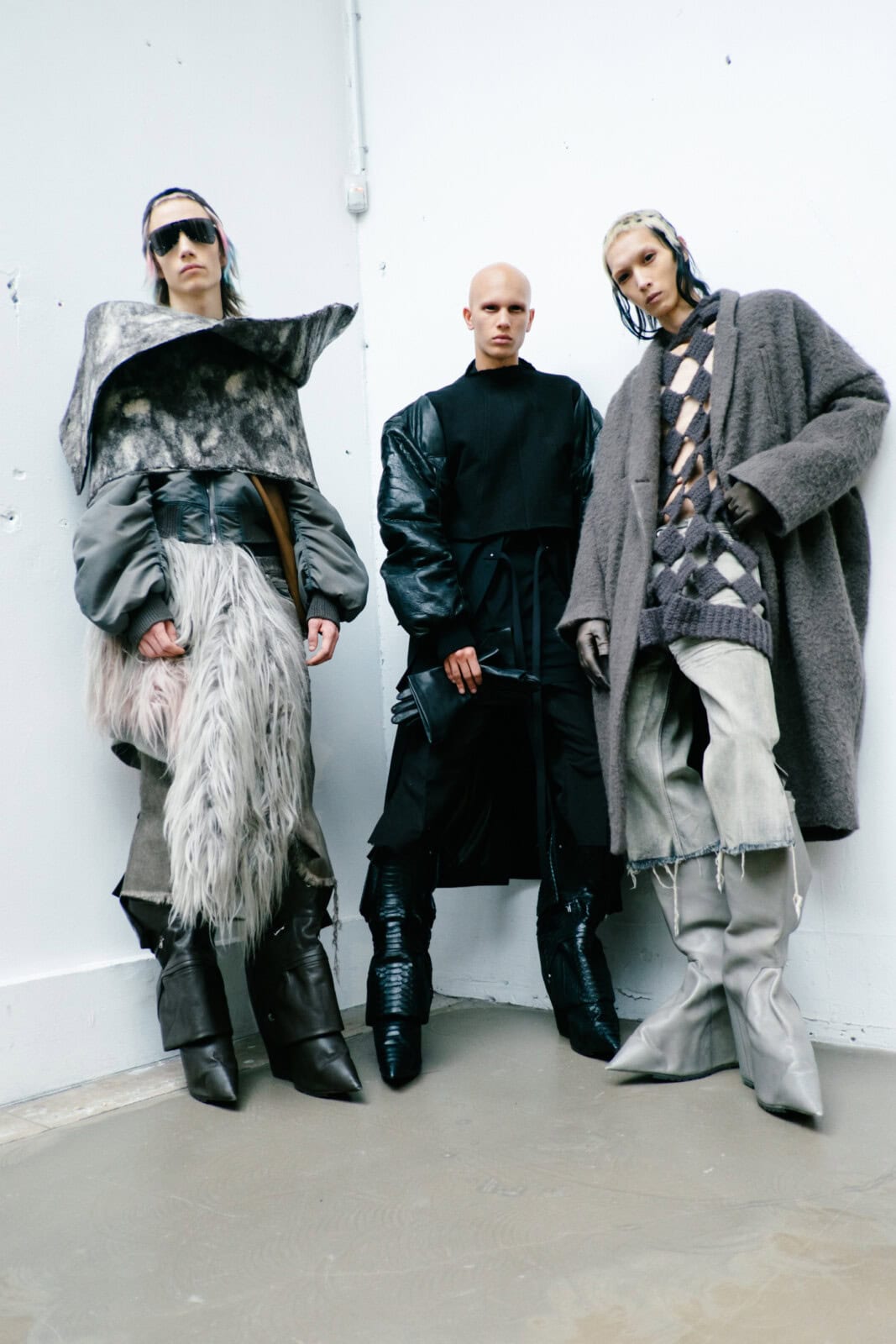
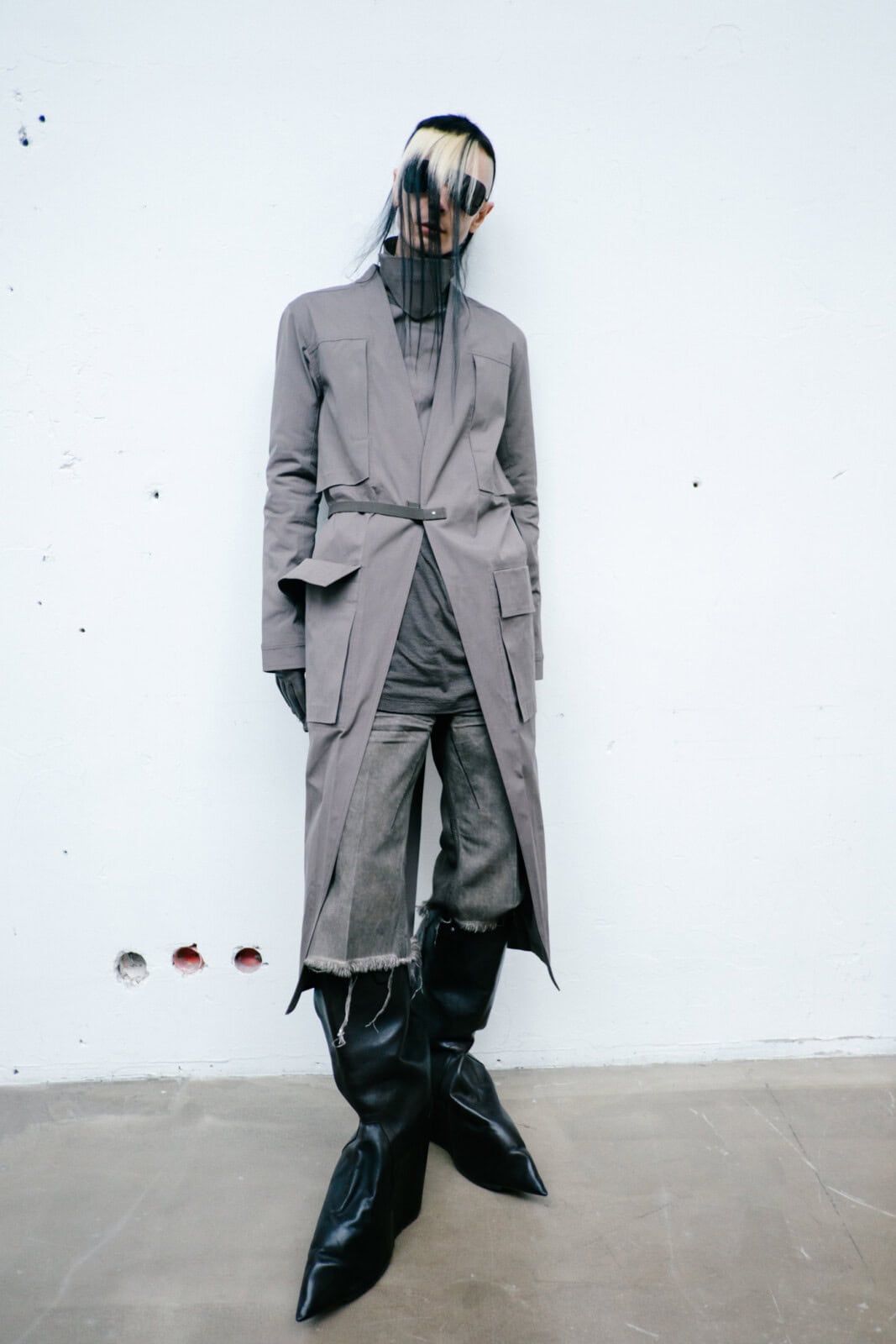
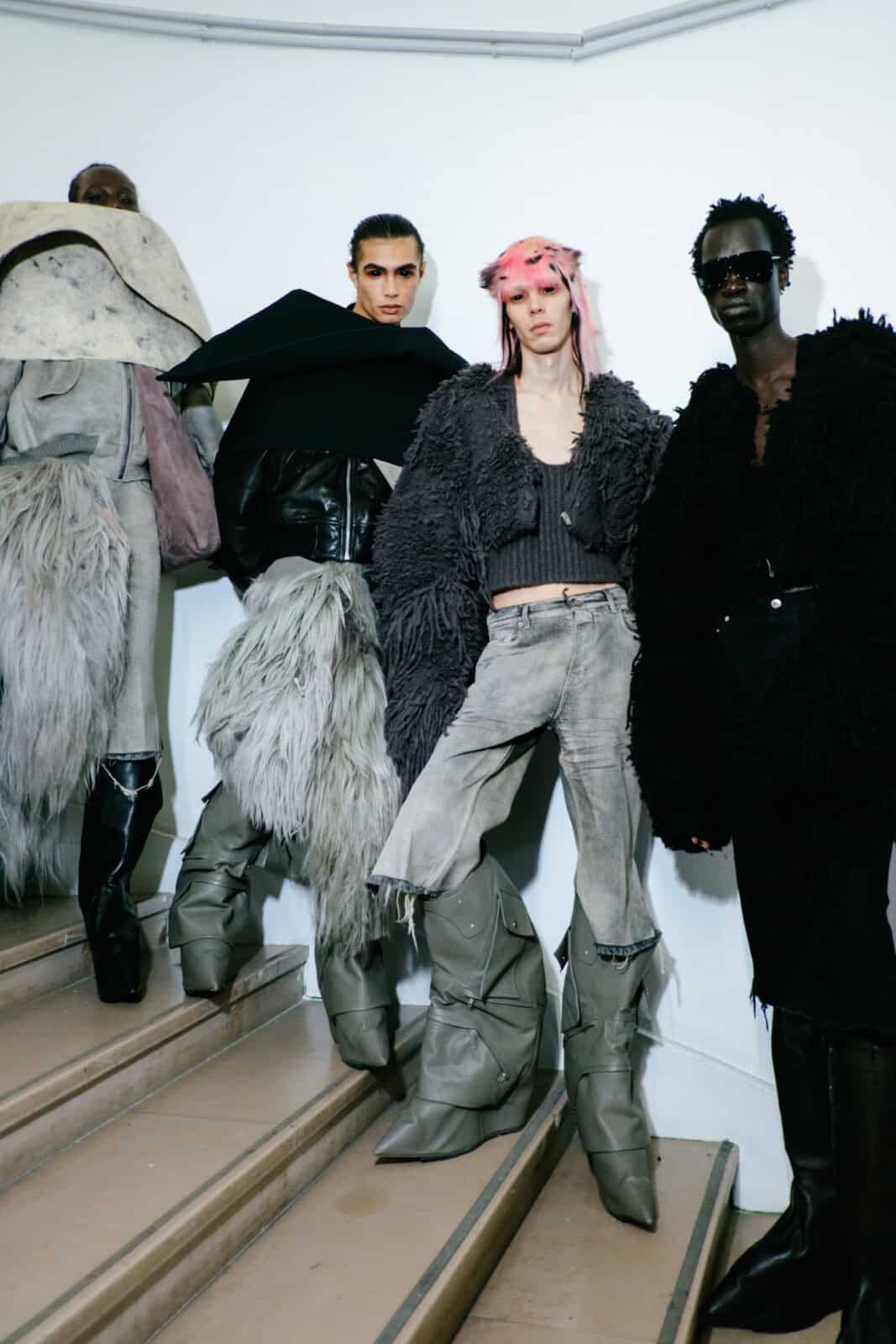
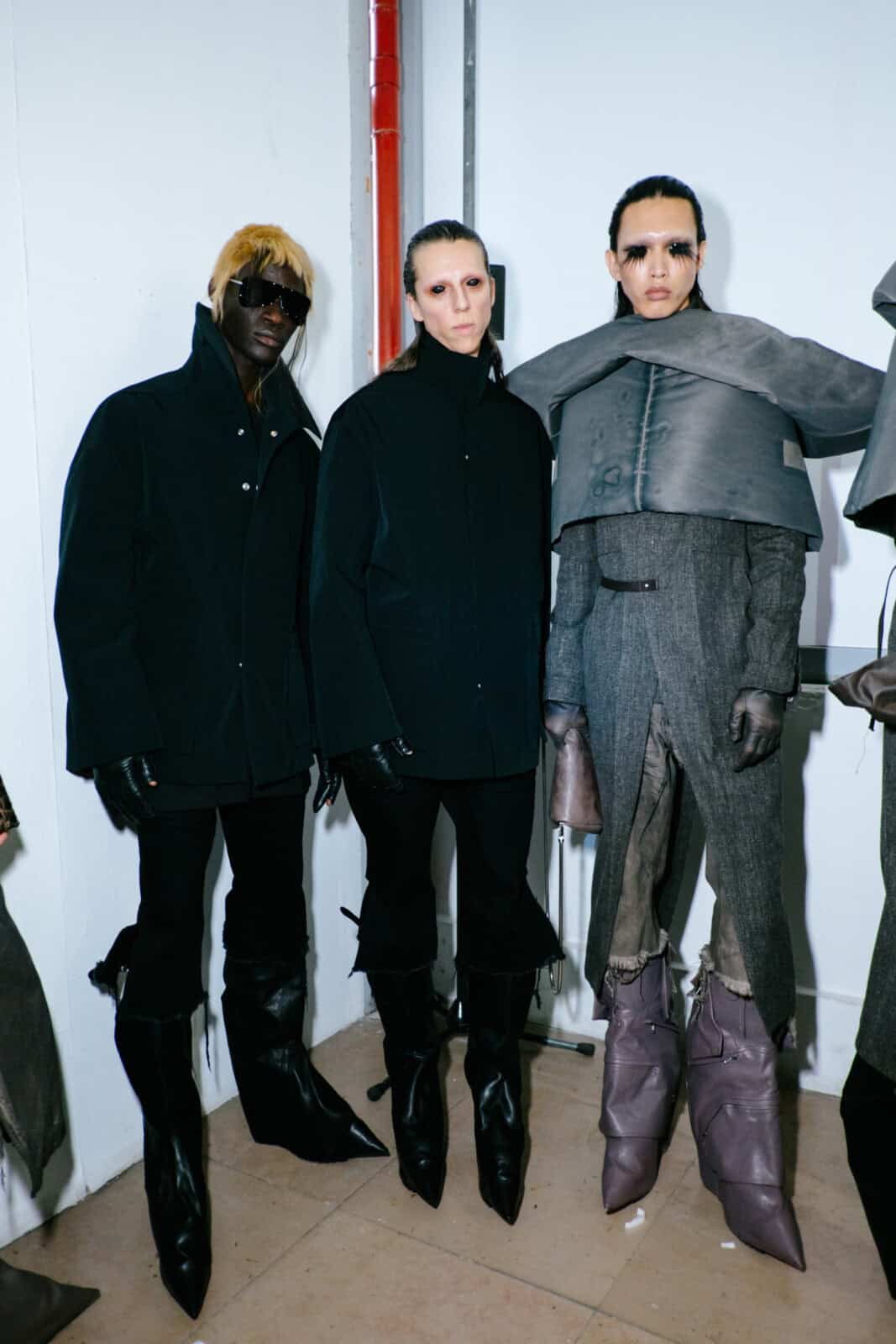
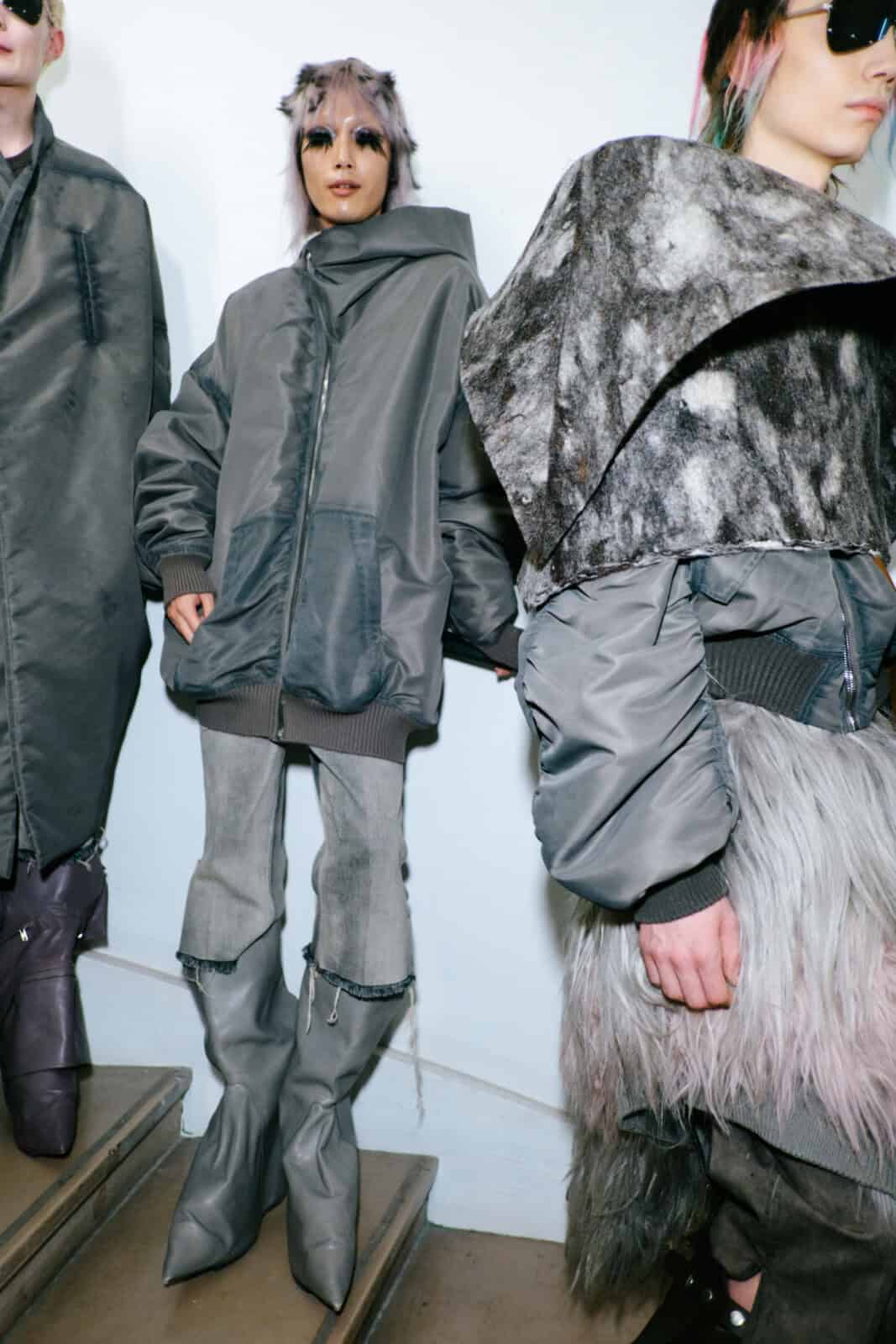
Rick Owens Menswear AW26
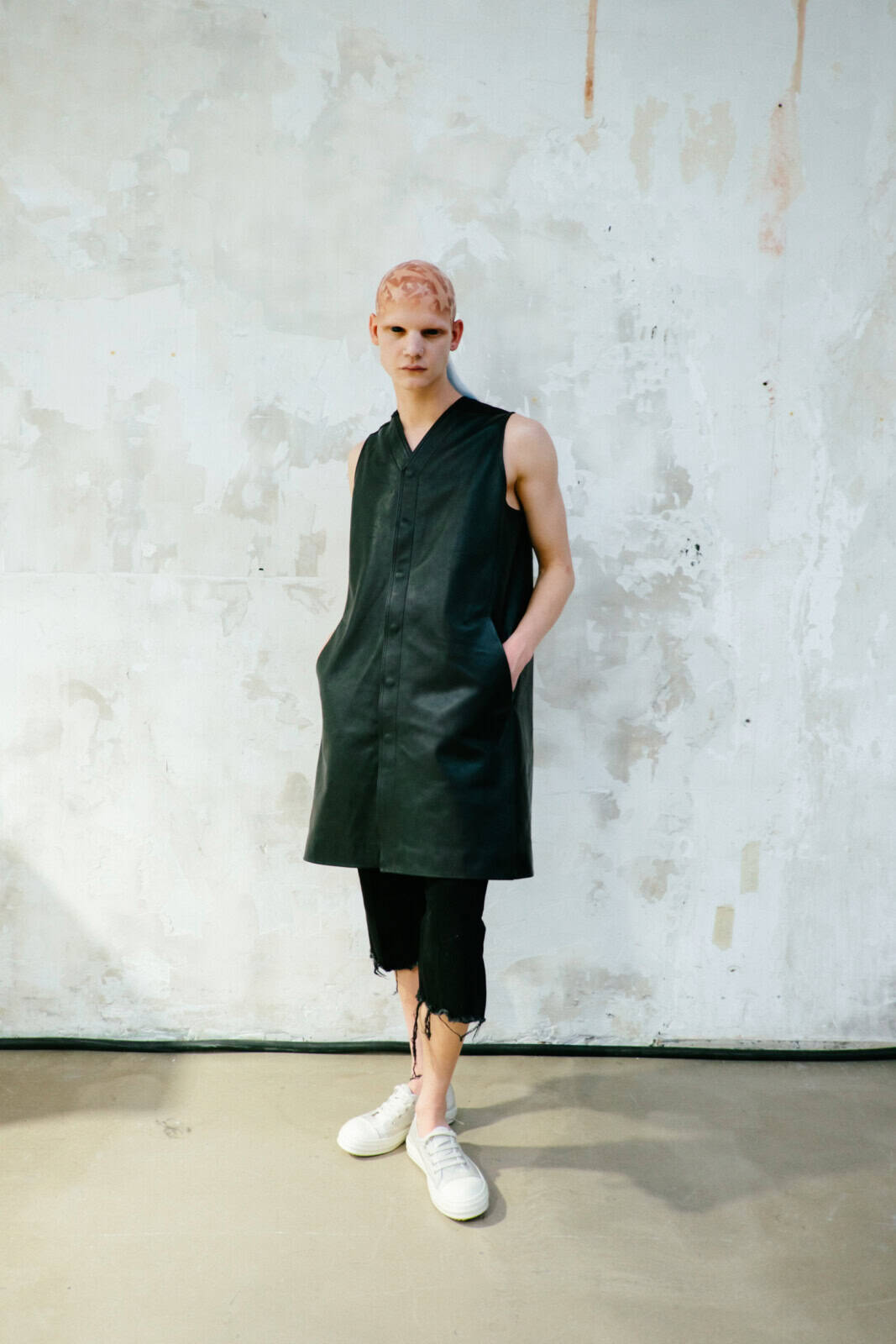
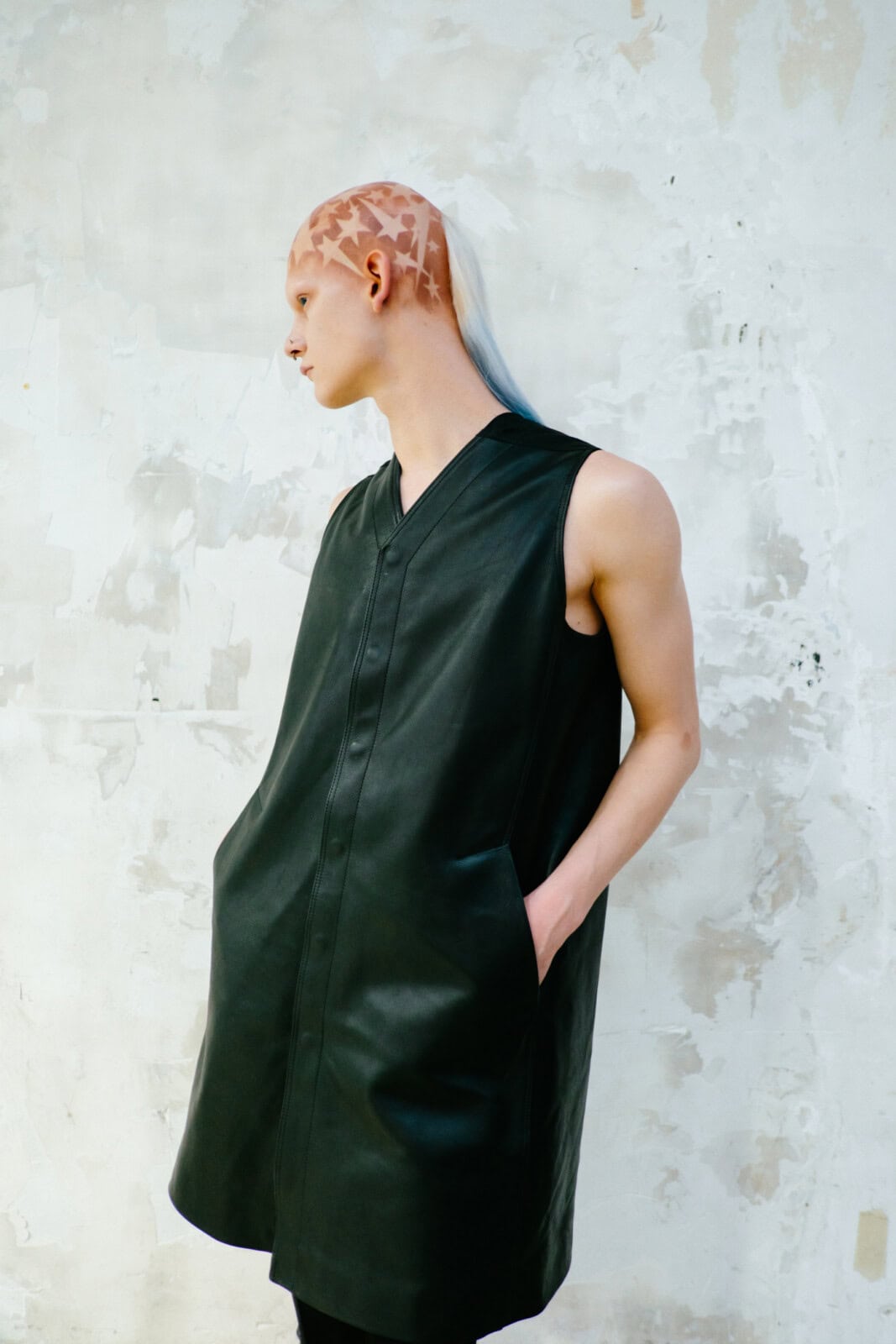
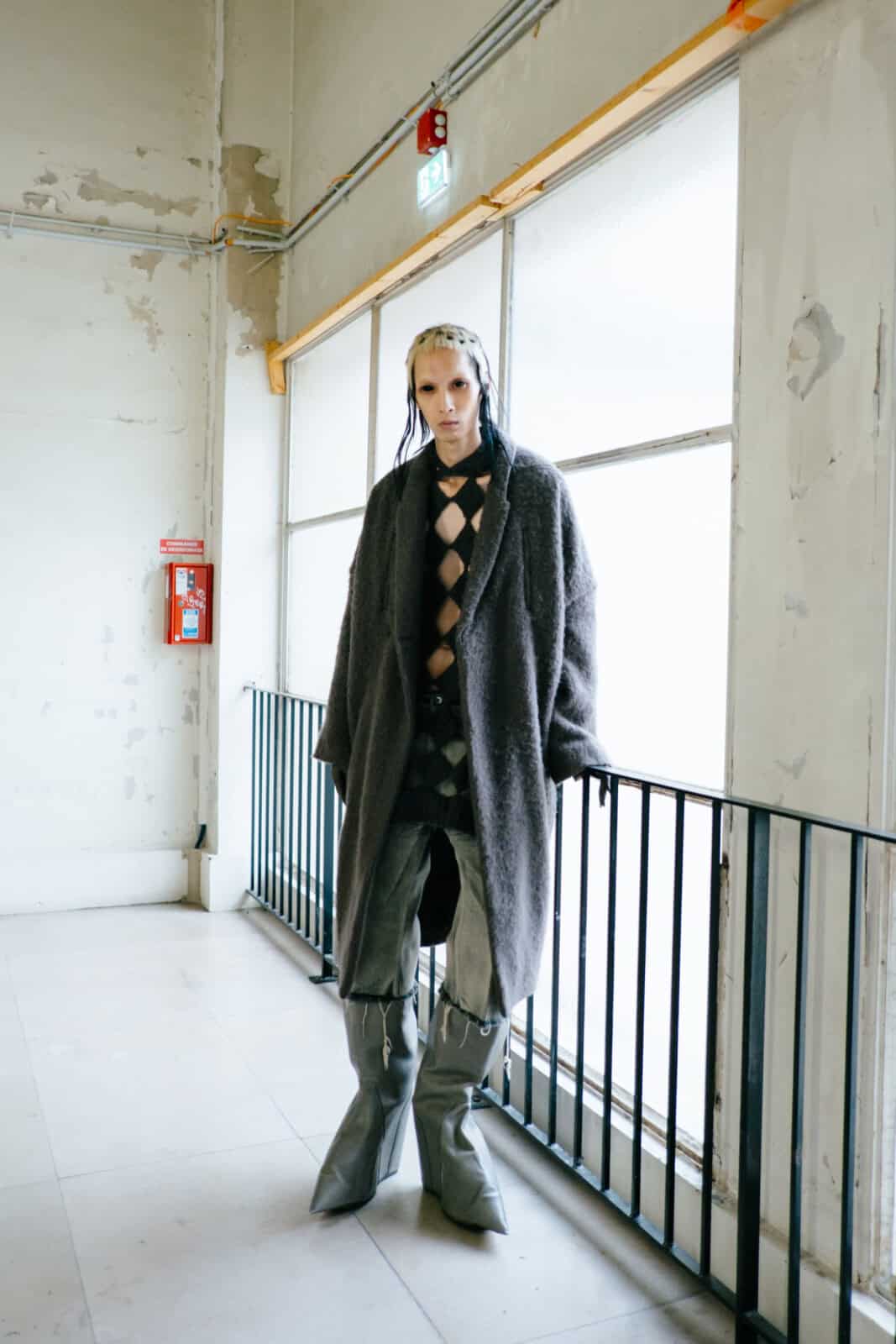
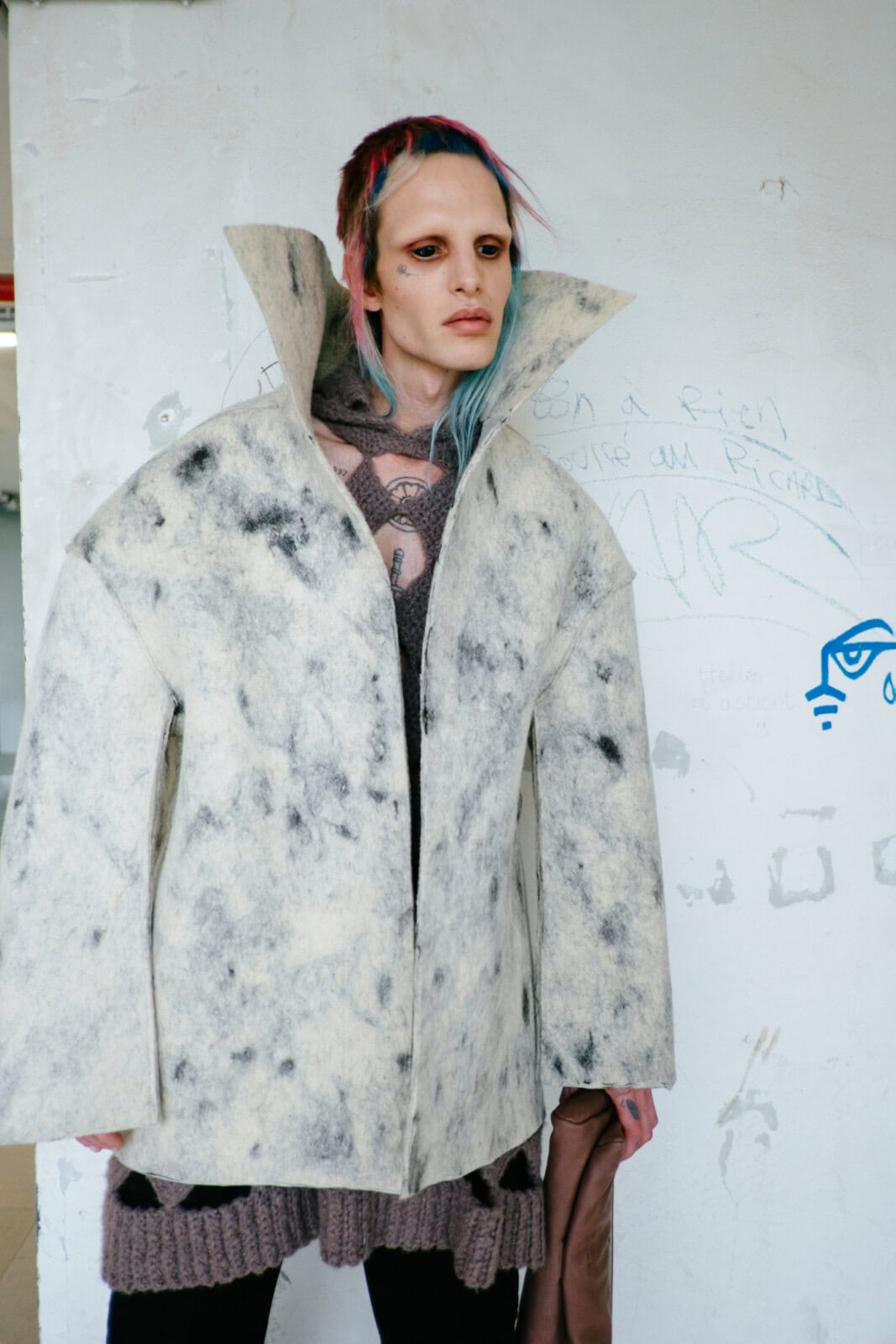
Rick Owens, forever the high priest of beautiful misfits, offered pastel skullets by Duffy that nodded to punk’s more nihilistic phase. The skullet has long been a staple of outsider style. The more dramatic of the dos featured long, ice-white rat tails with stencilled shooting stars cropping up across the cranium – not punk in the classic sense, but certainly punk in the DIY kind of way. Then, in washed-out red, blues, yellows and pinks, choppy mullets – jagged at the edges, probably cut freehand – brought energy and a sense of mischief back into the outing.
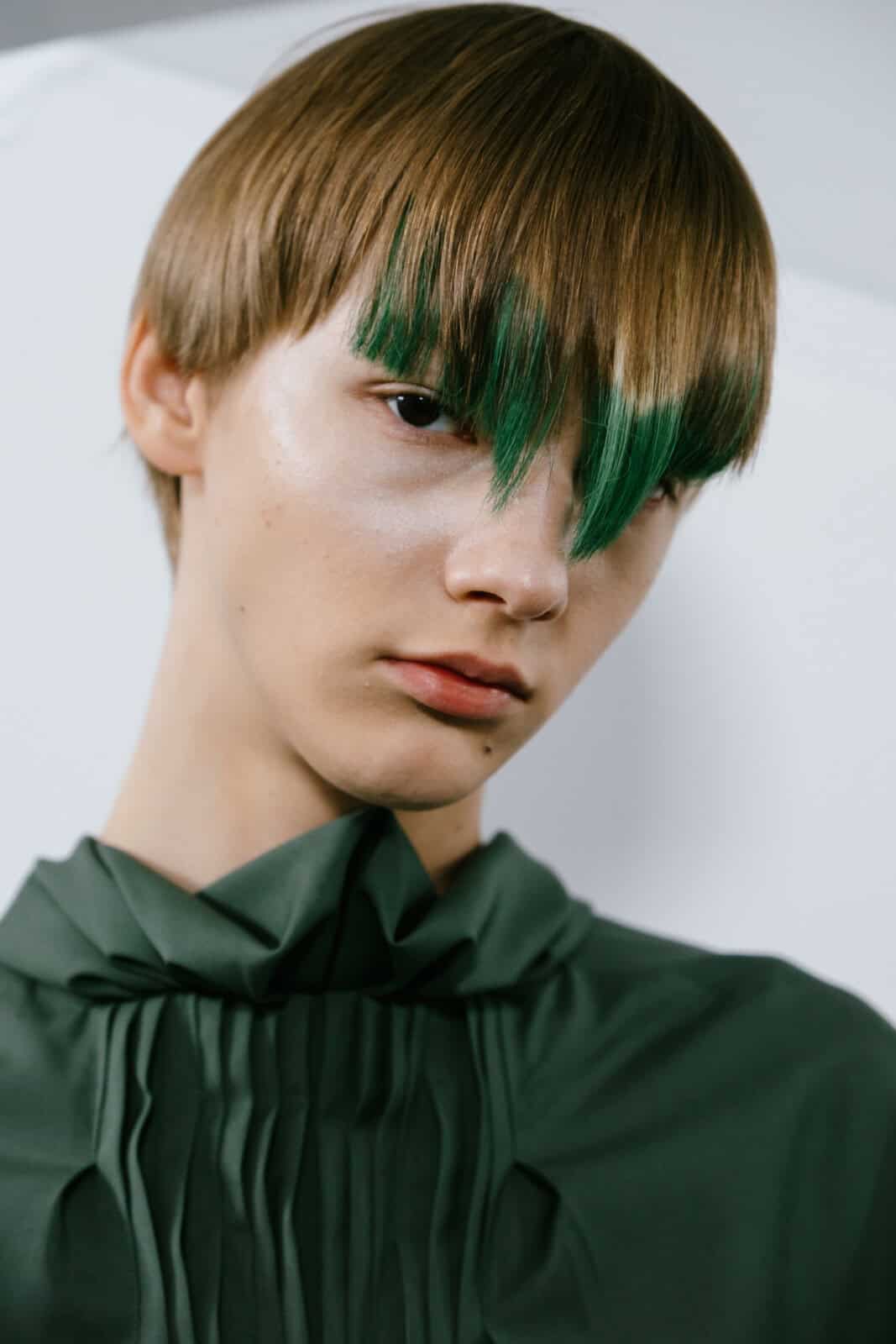
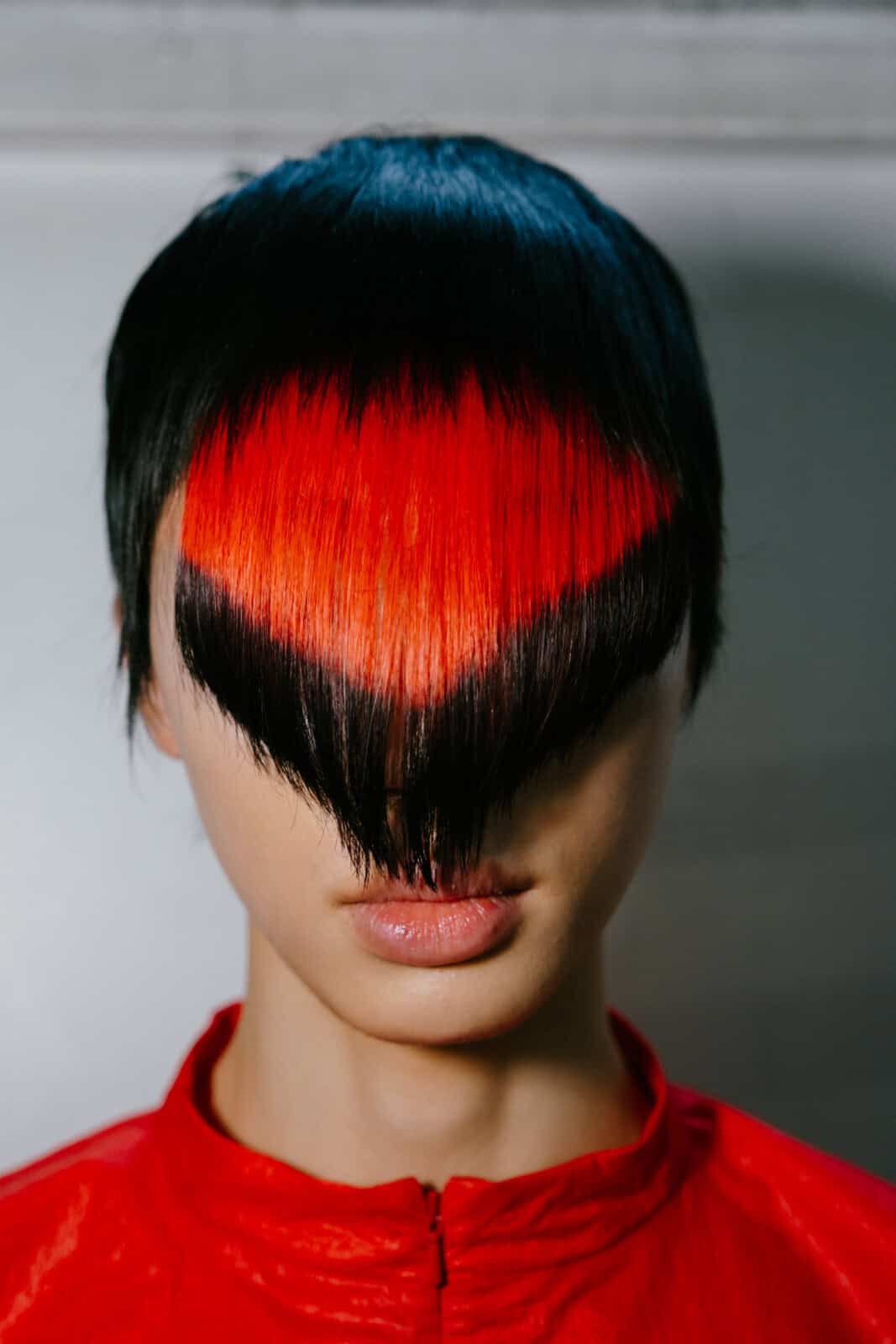
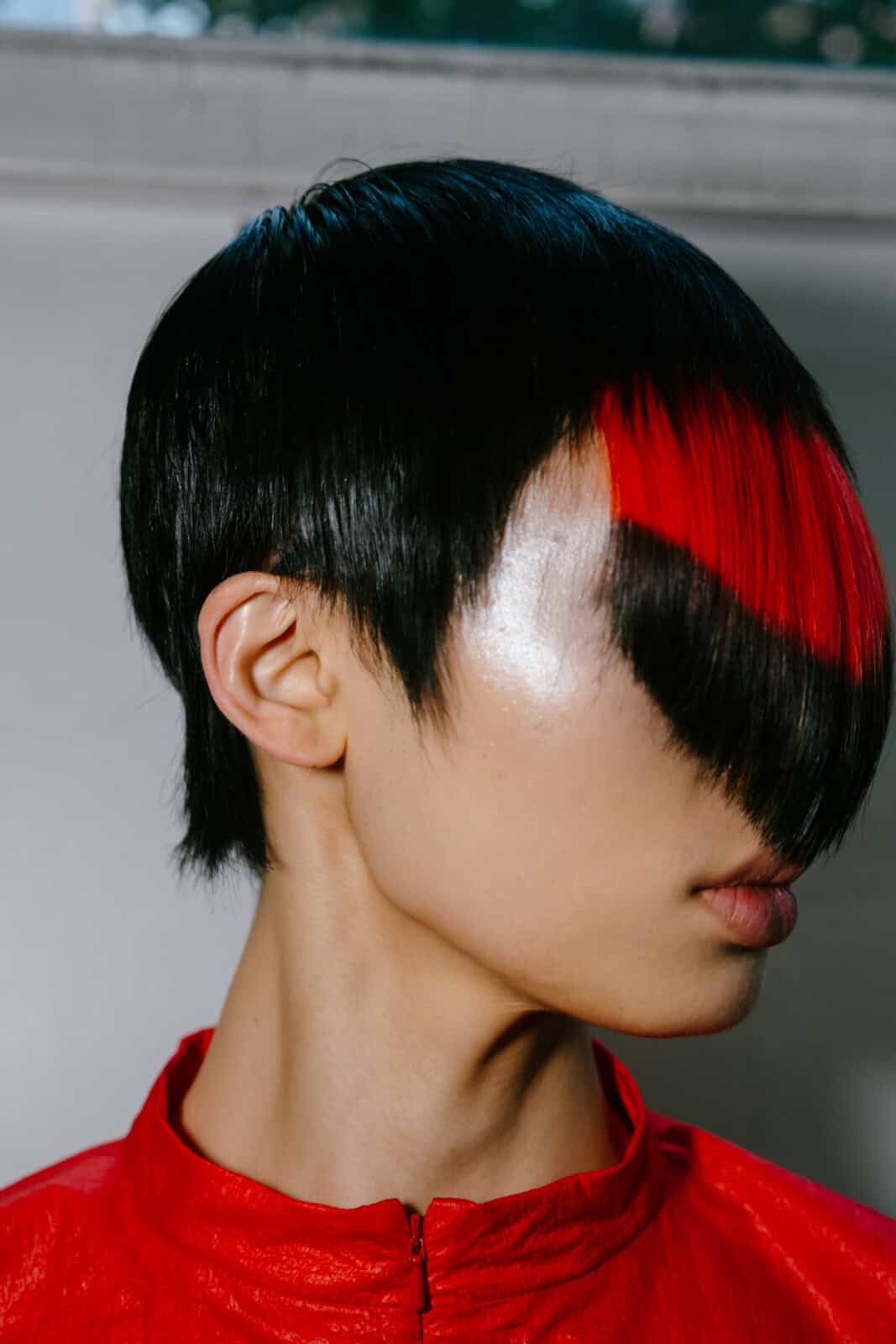
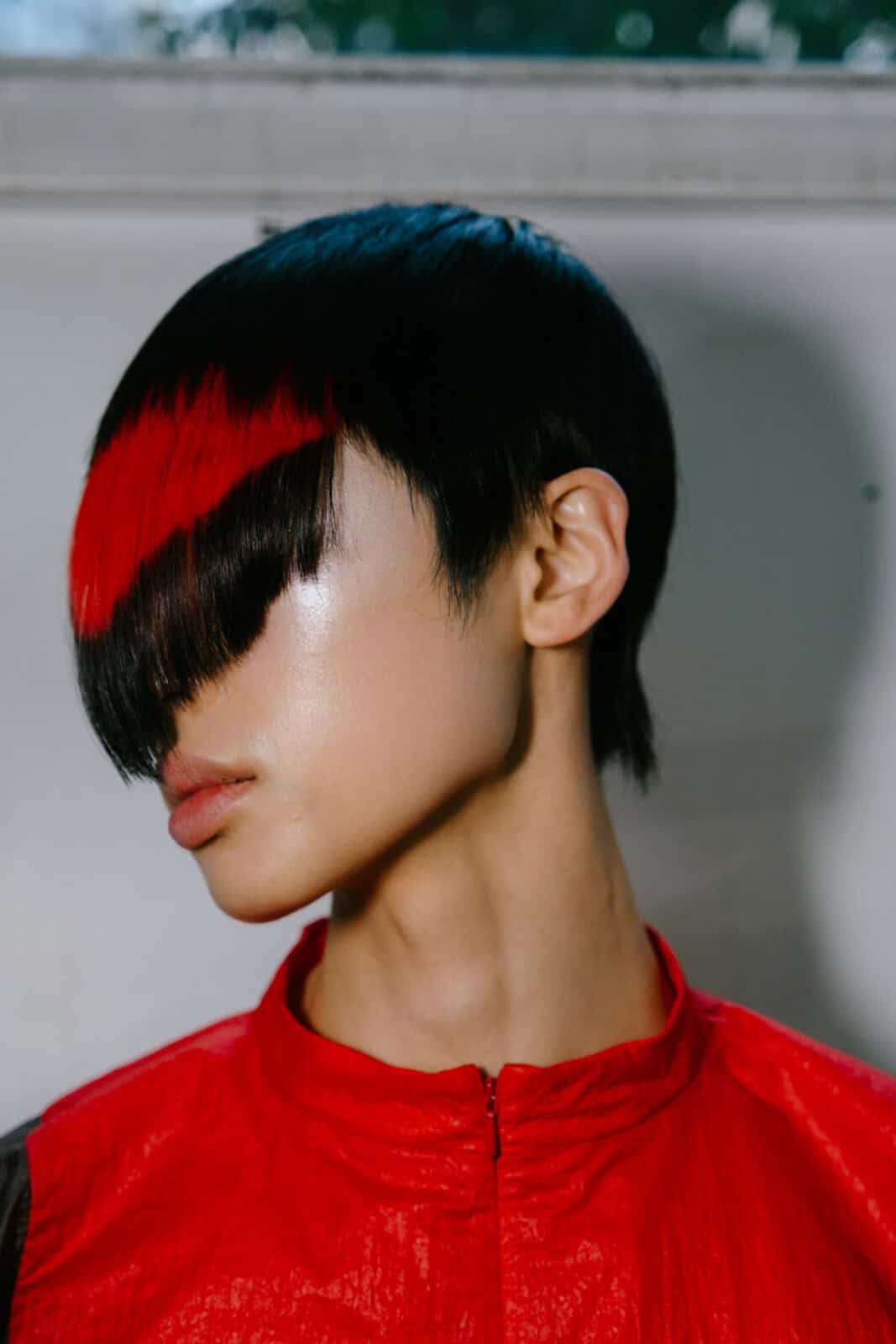
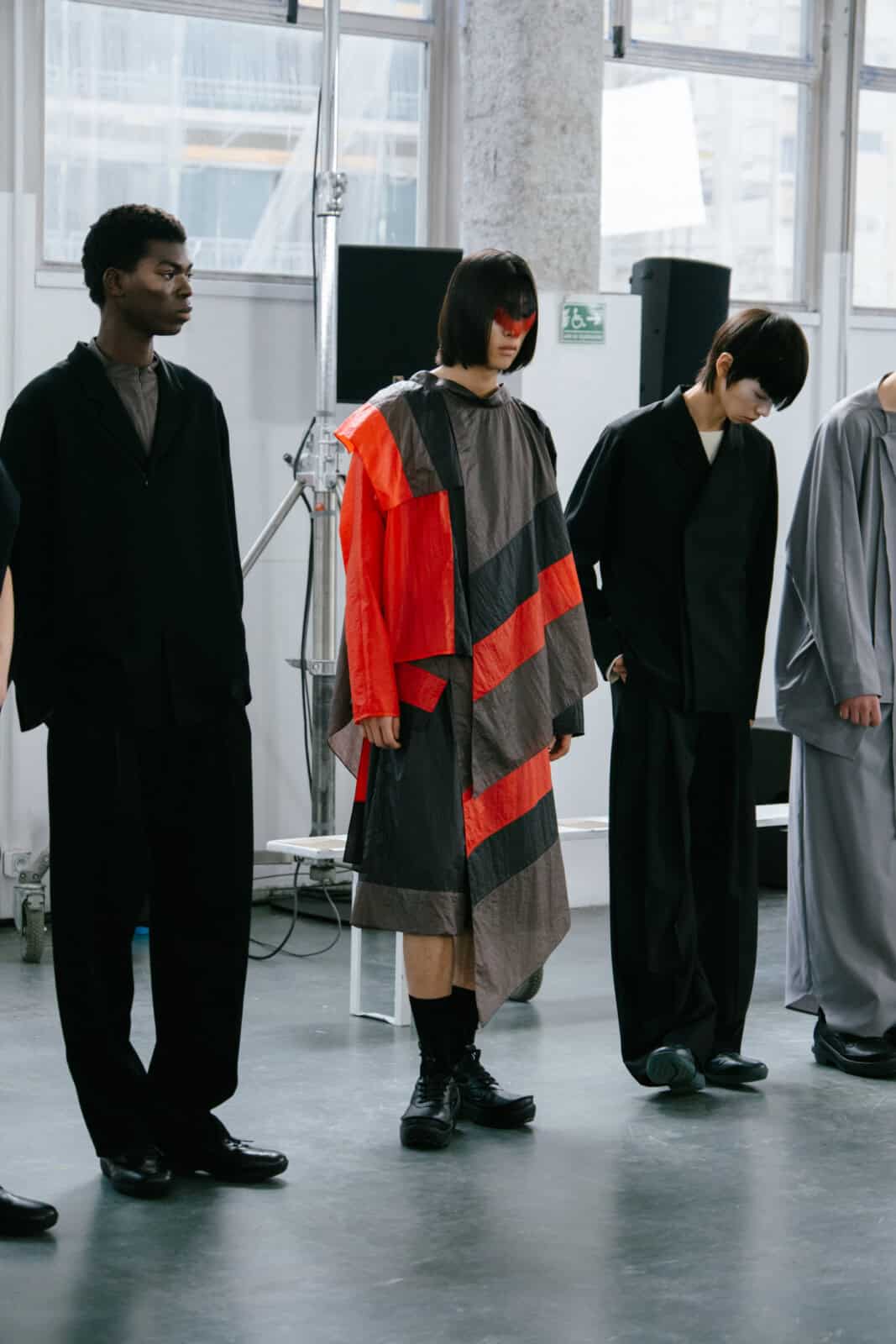
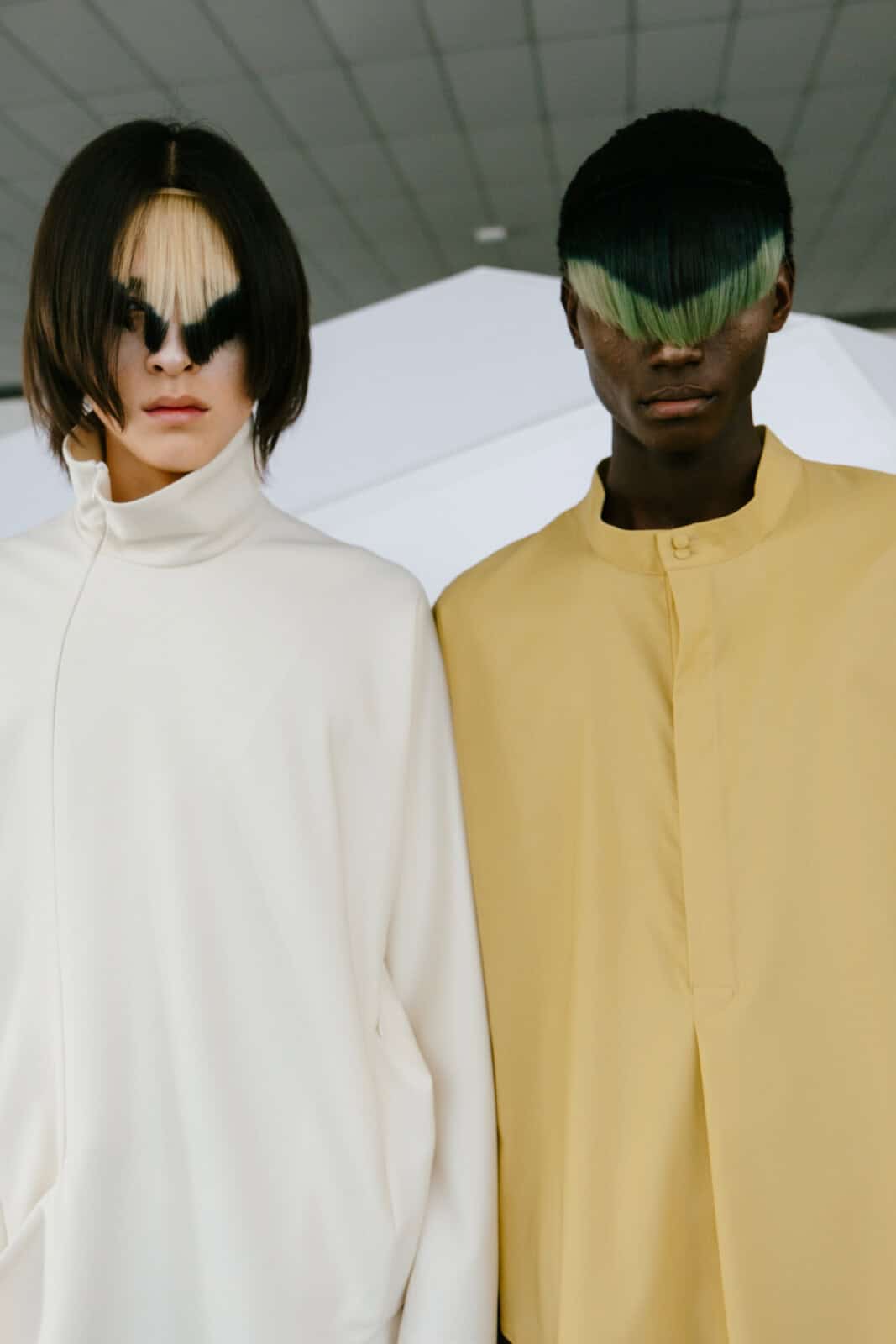
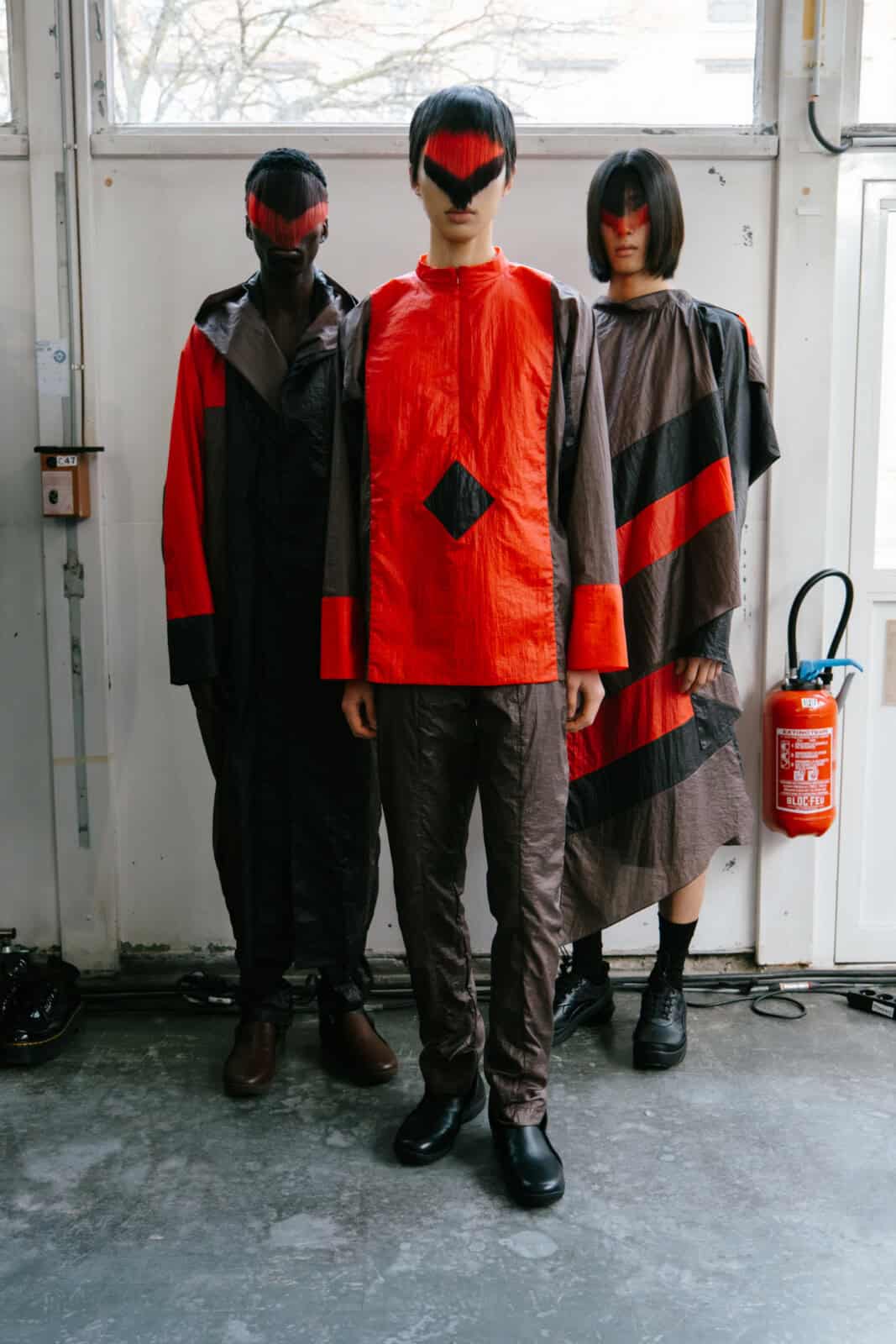
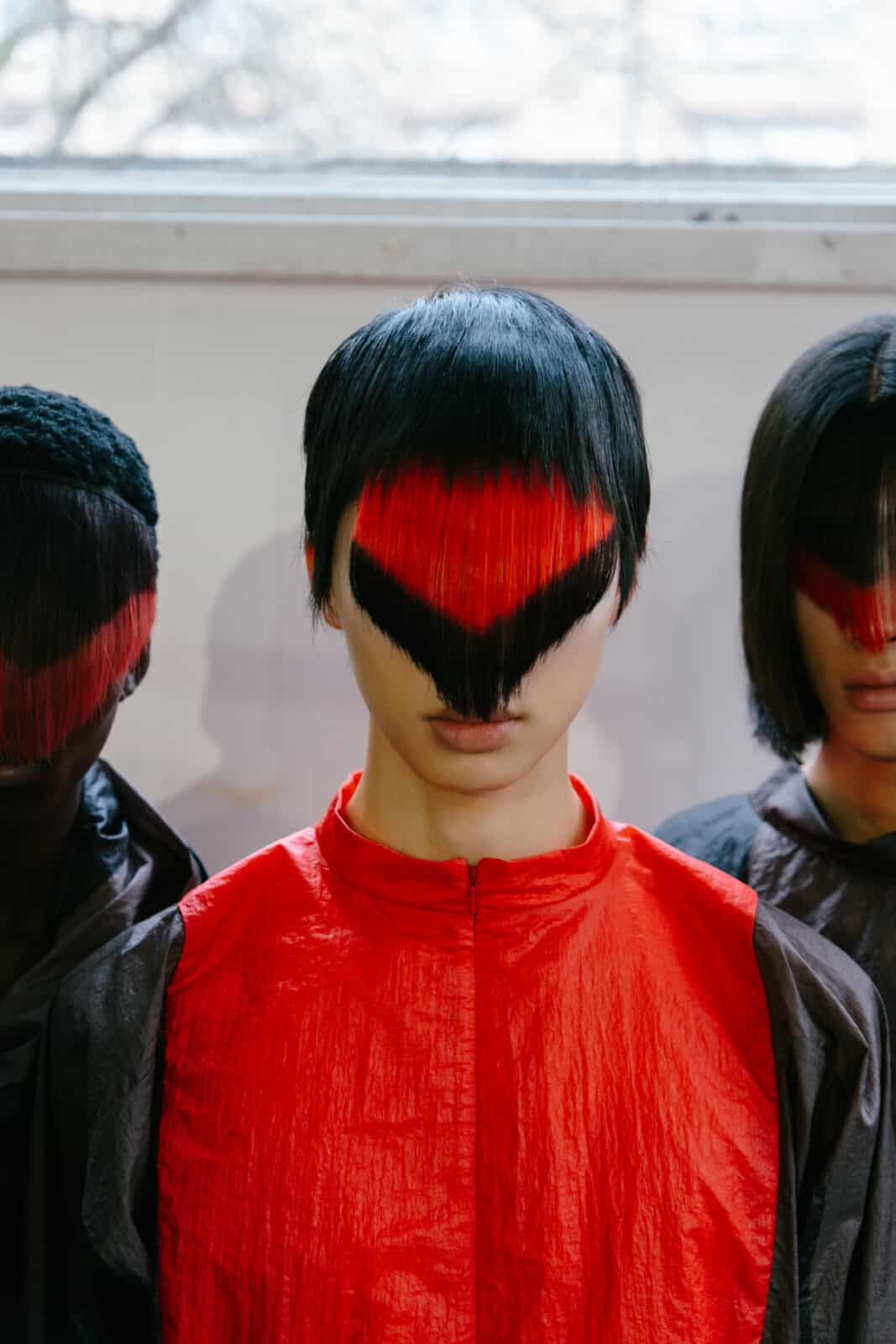
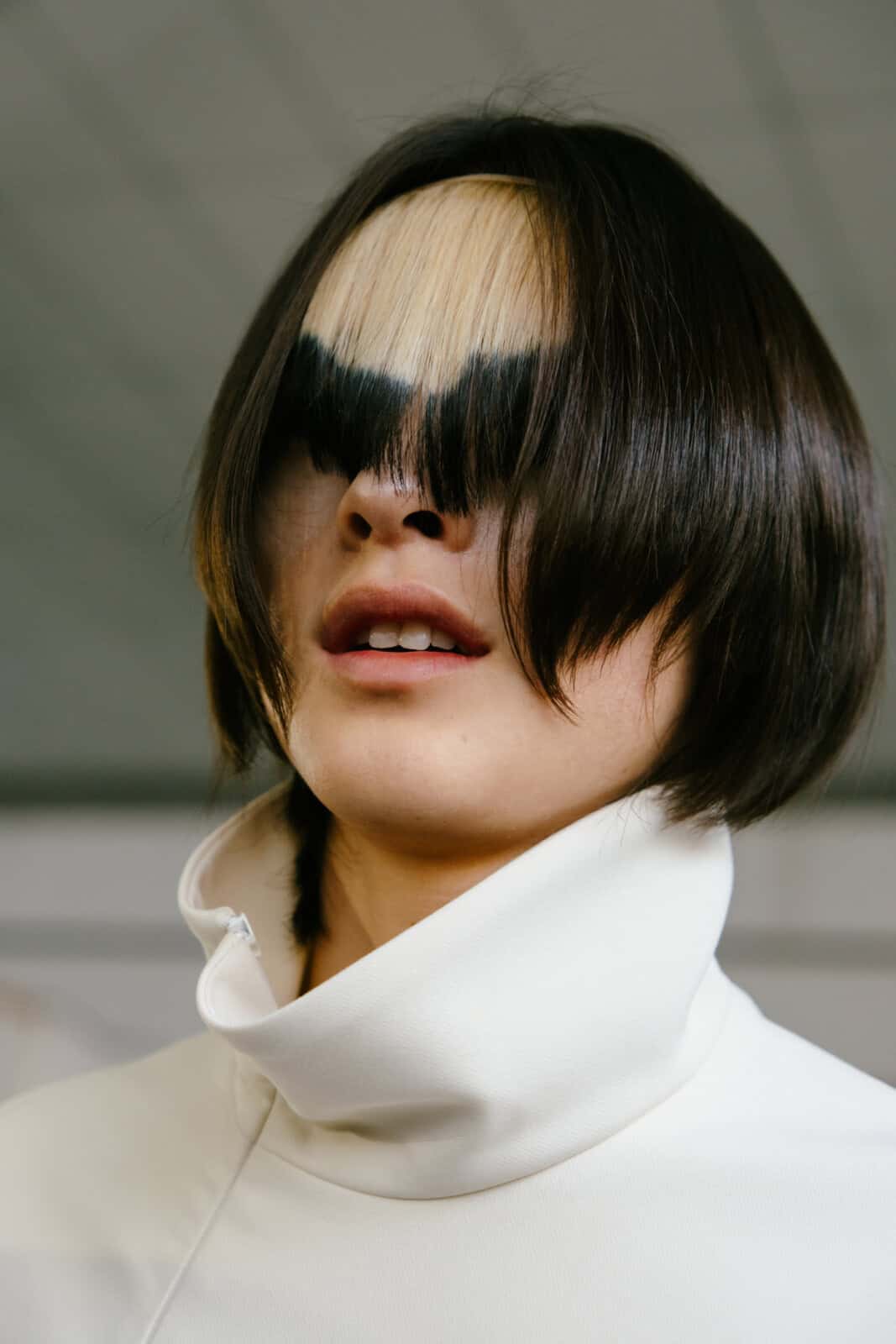
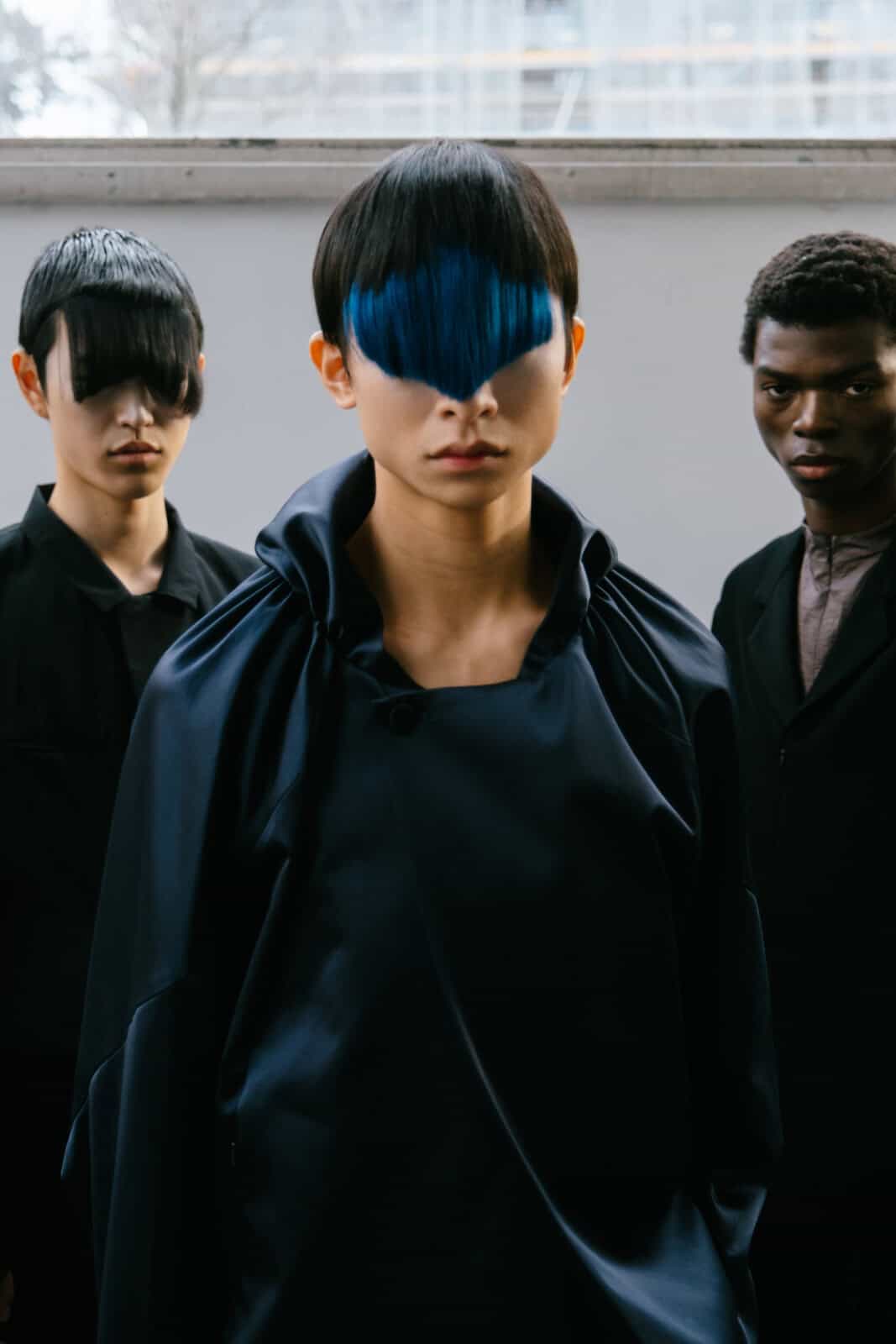
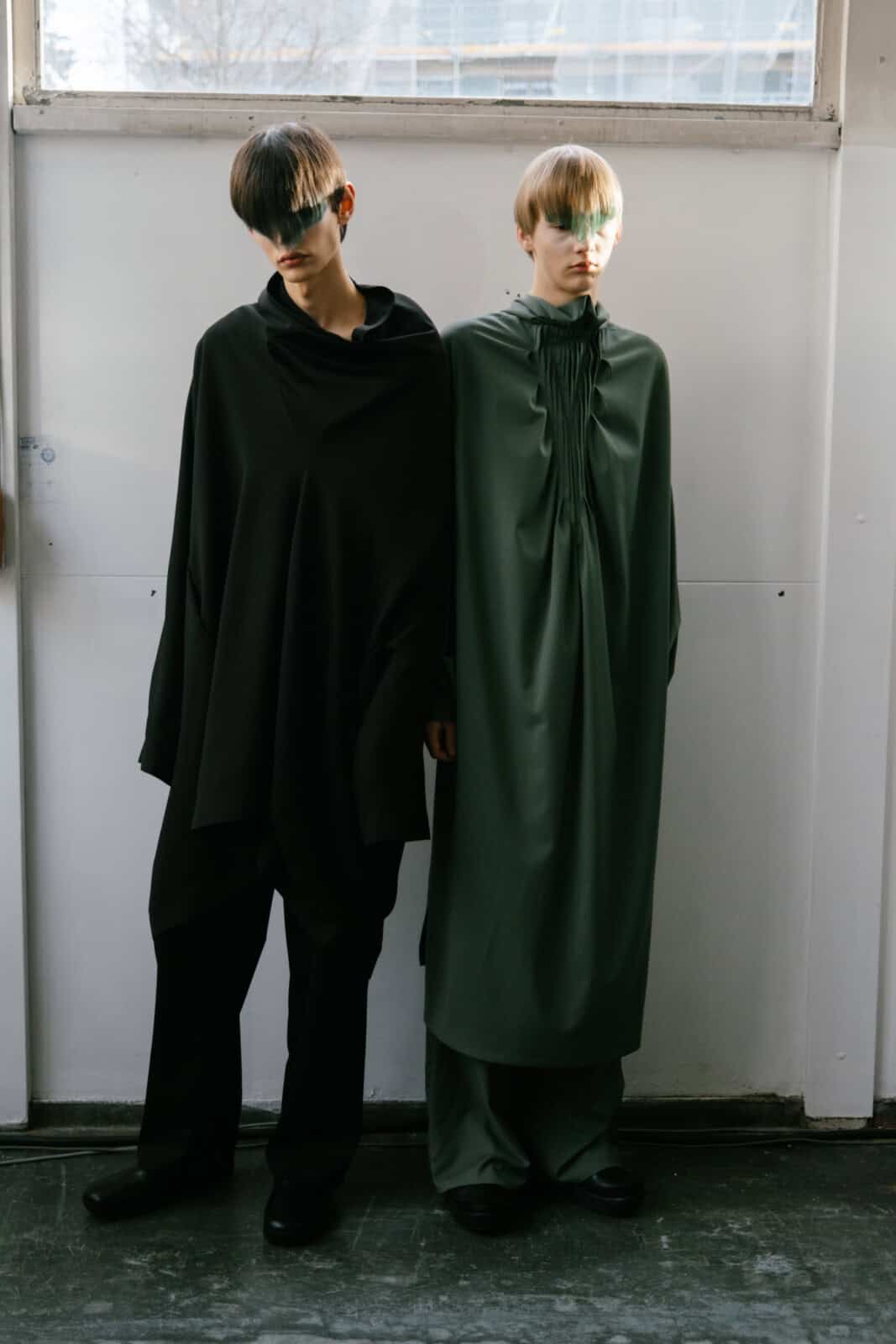
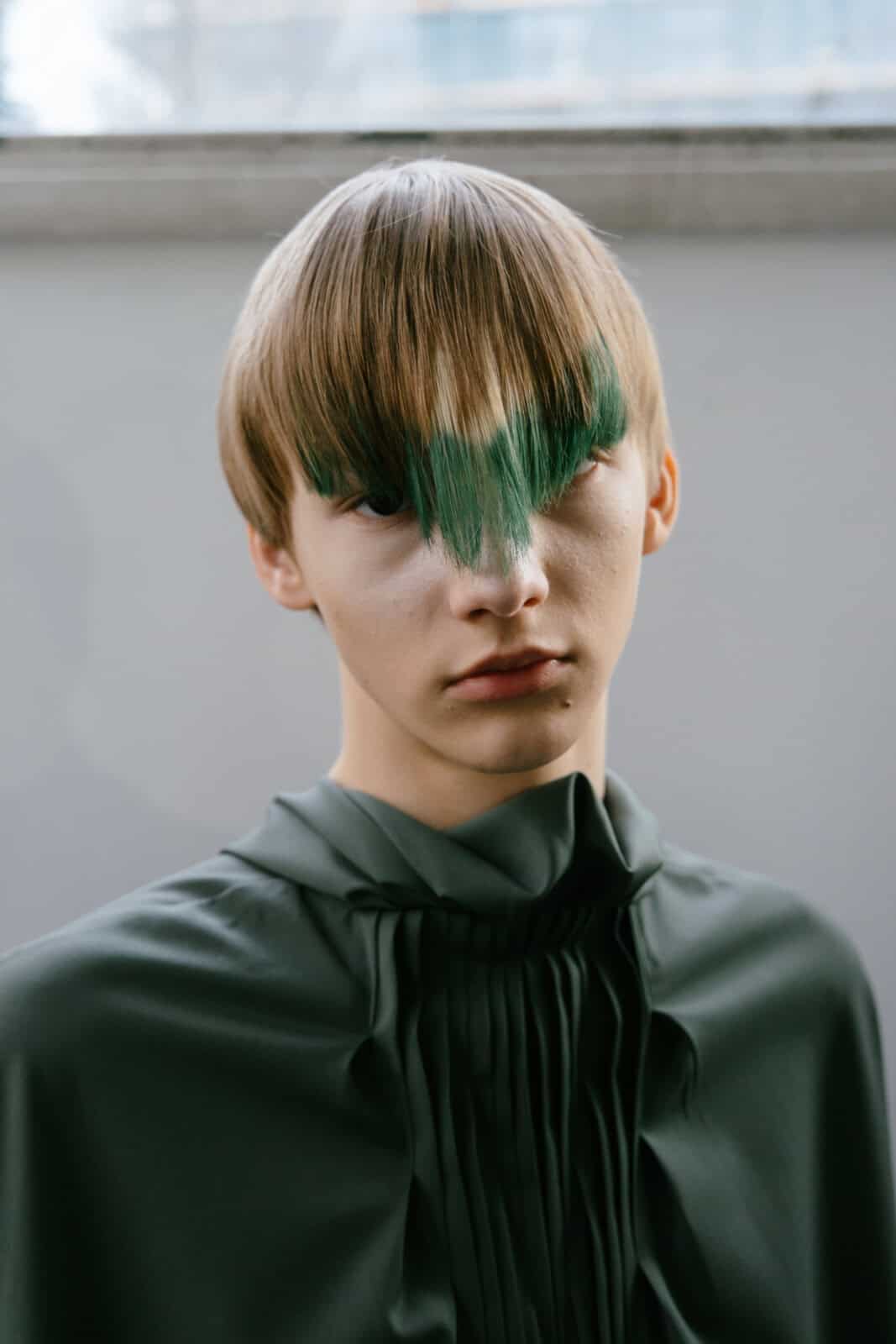
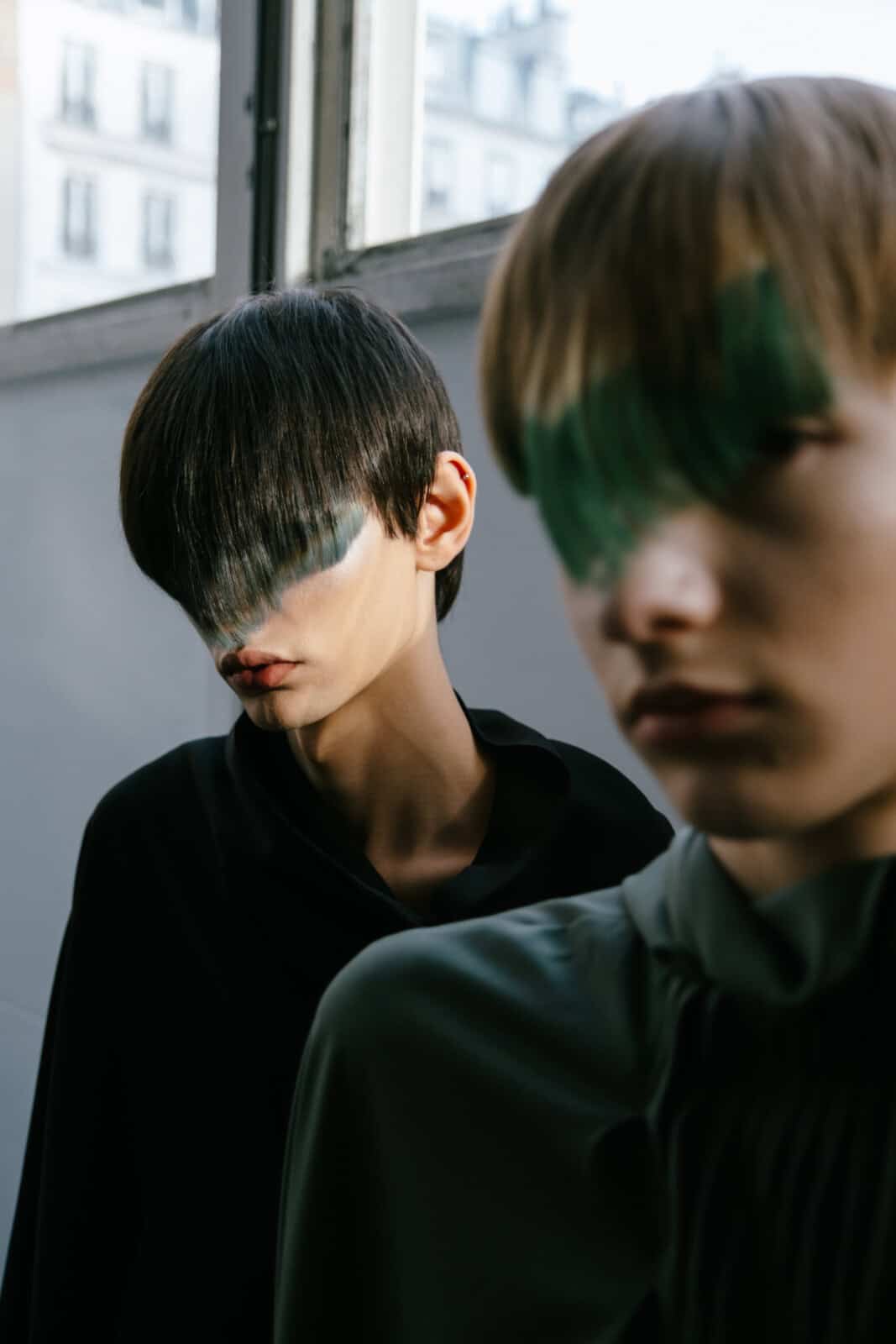
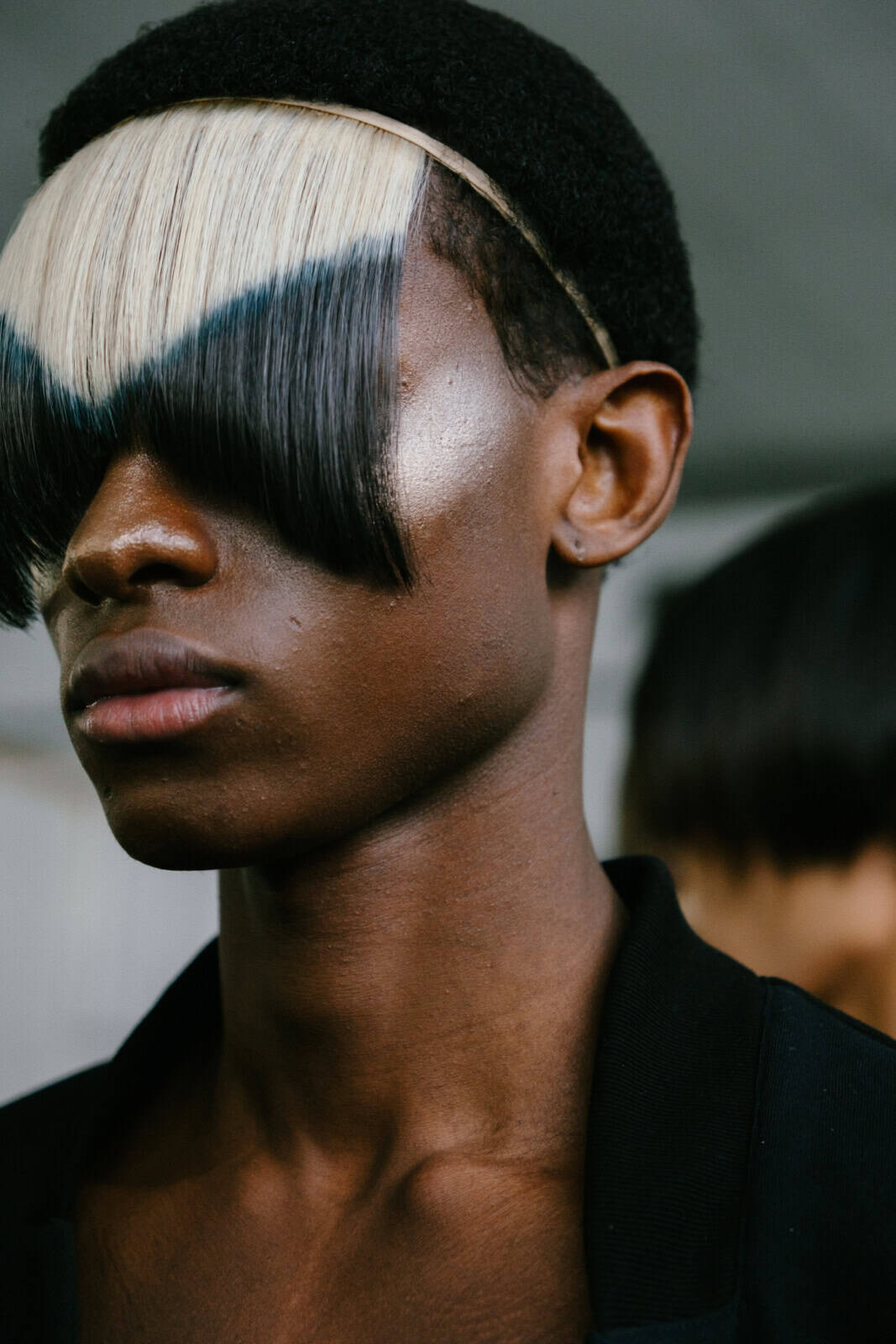
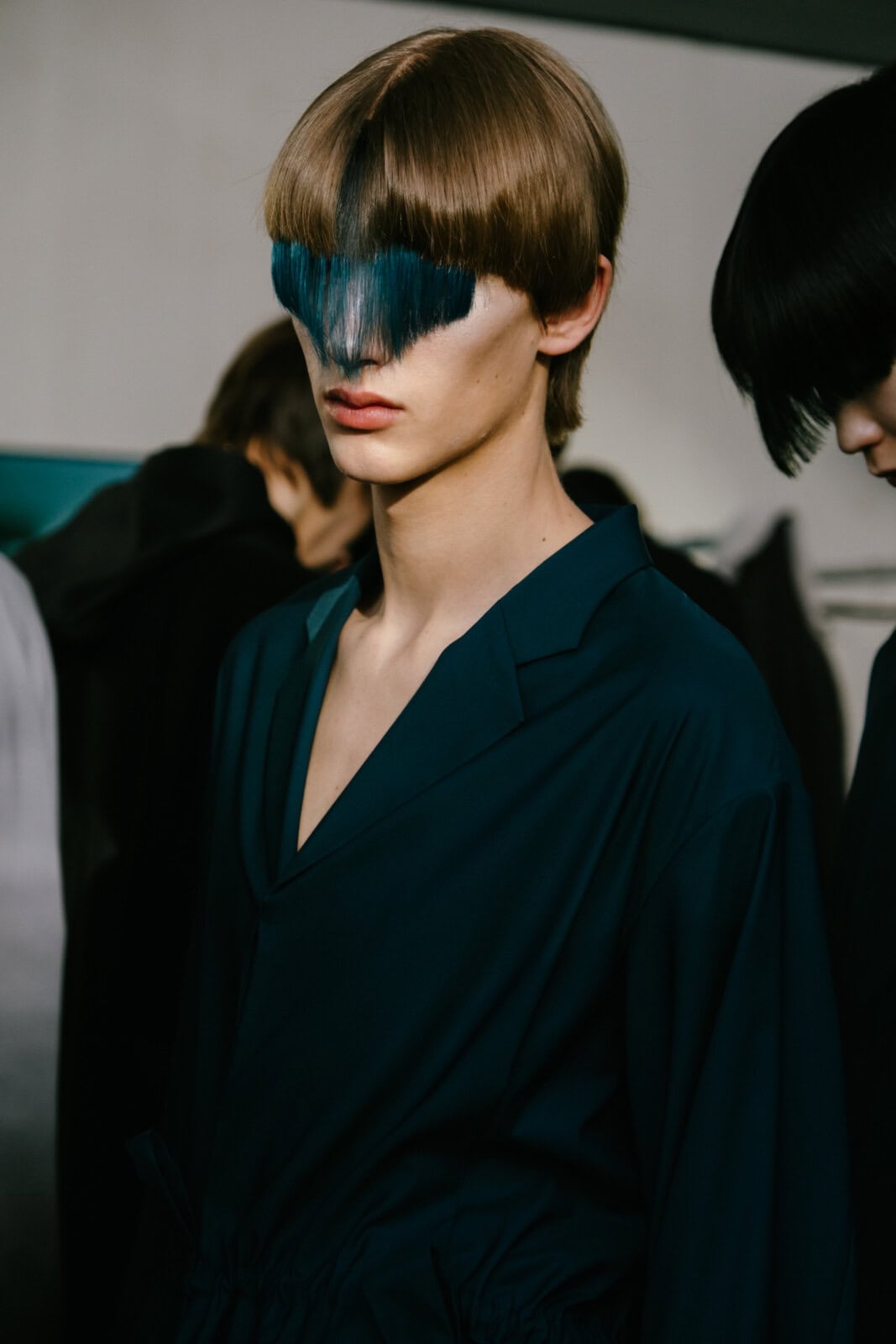
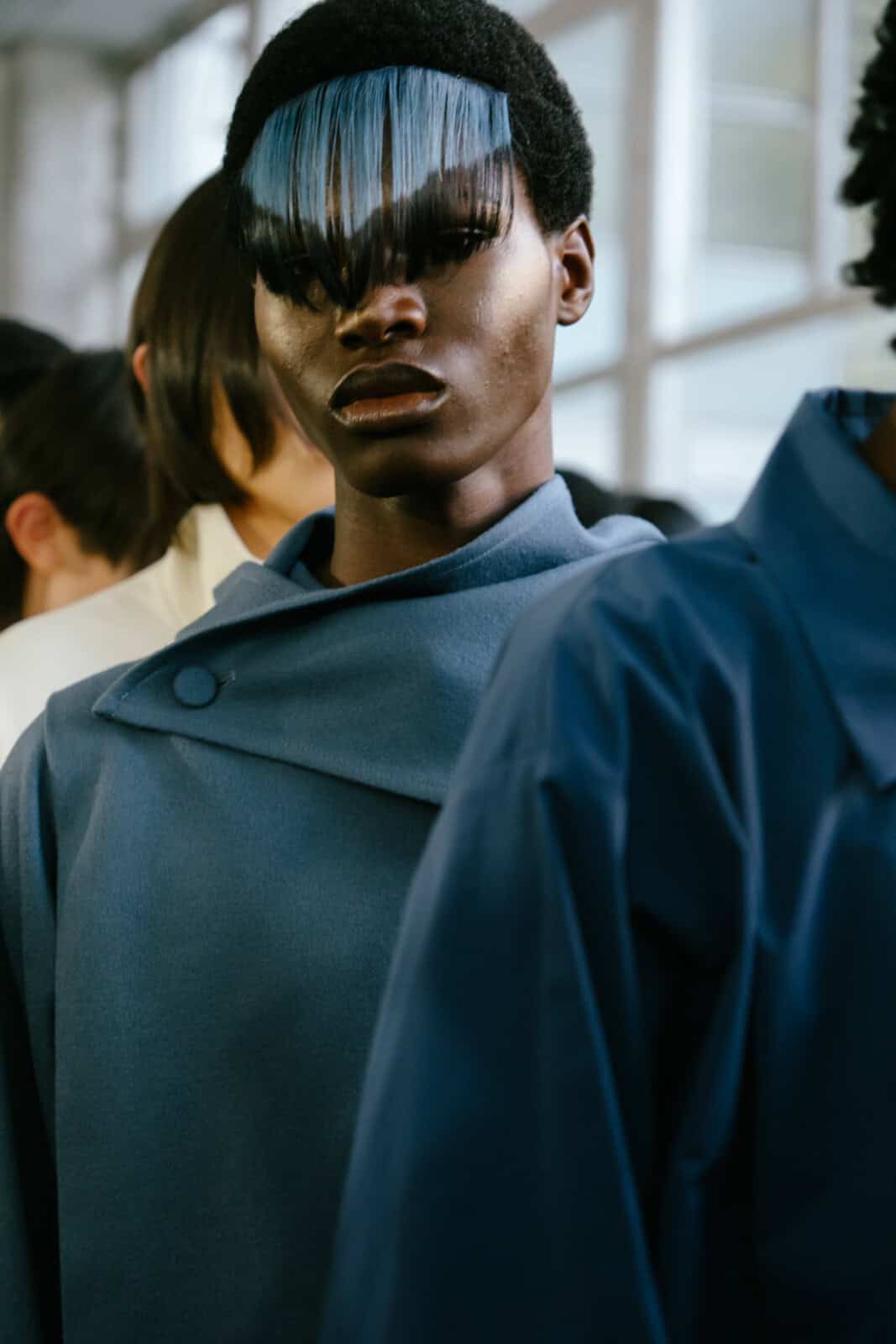
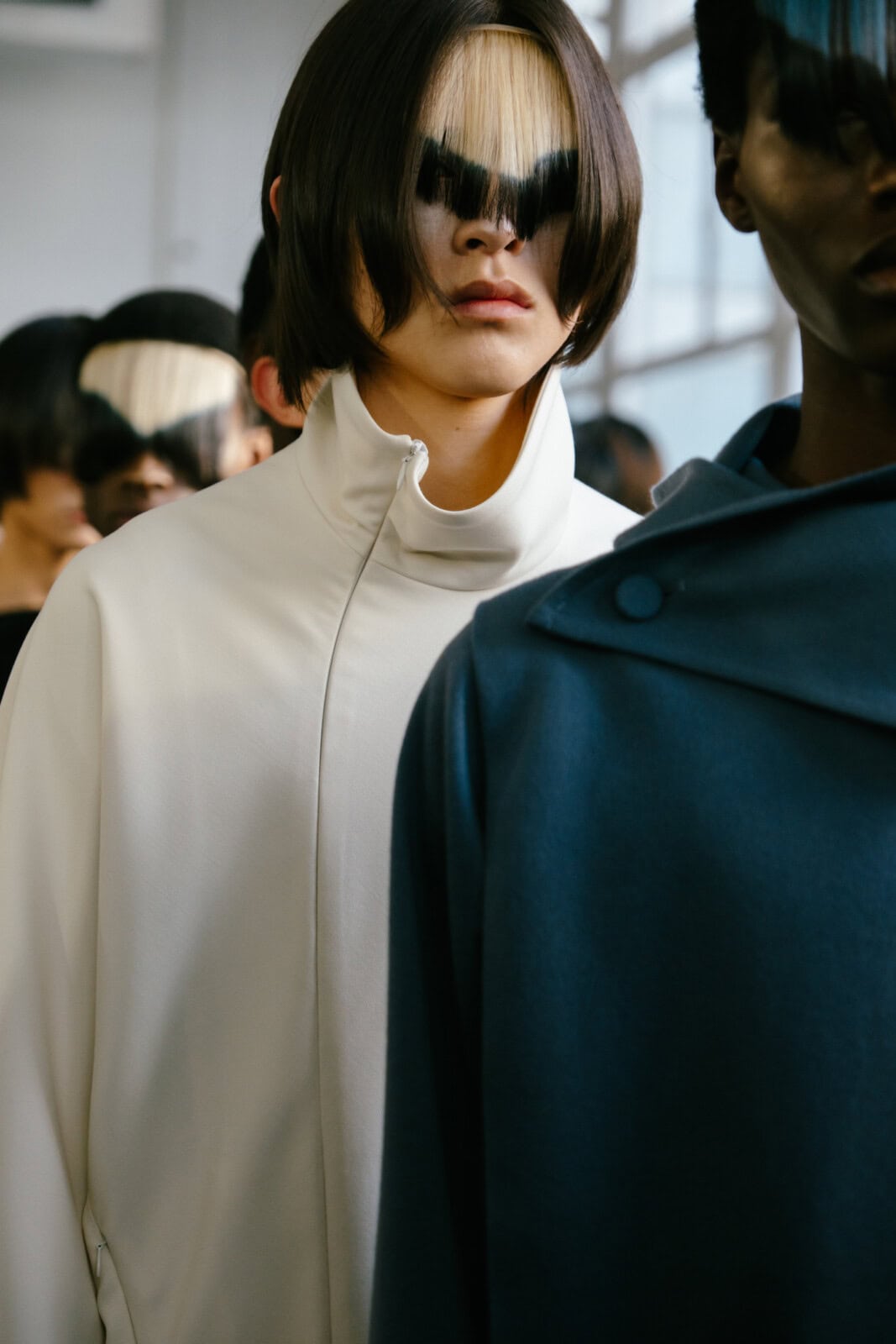
At Kiko Kostadinov, surgical and slightly sadistic, wig artist Tomihiro Kono cut dip-dyed bangs into a reverse V. It felt like punk hair after it’s been to design school: controlled, diagrammatic, still making a statement. The same impulse, sharpened.
My hair is blonde now – a far cry from my natural dark chocolate brown – and fine, almost annoyingly cooperative. No buzzed sides, no bleeding dye, no crisis of identity attached. But every so often, in a bathroom mirror or backstage at a show, I recognise the itch. Punk hair was never about shock for shock’s sake. It was about choosing a visible refusal, again and again, even when the refusal got absorbed, aestheticised and sold back to you. Especially then.
Top image: Kiko Kostadinov AW26. Photography by Christina Fragkou.
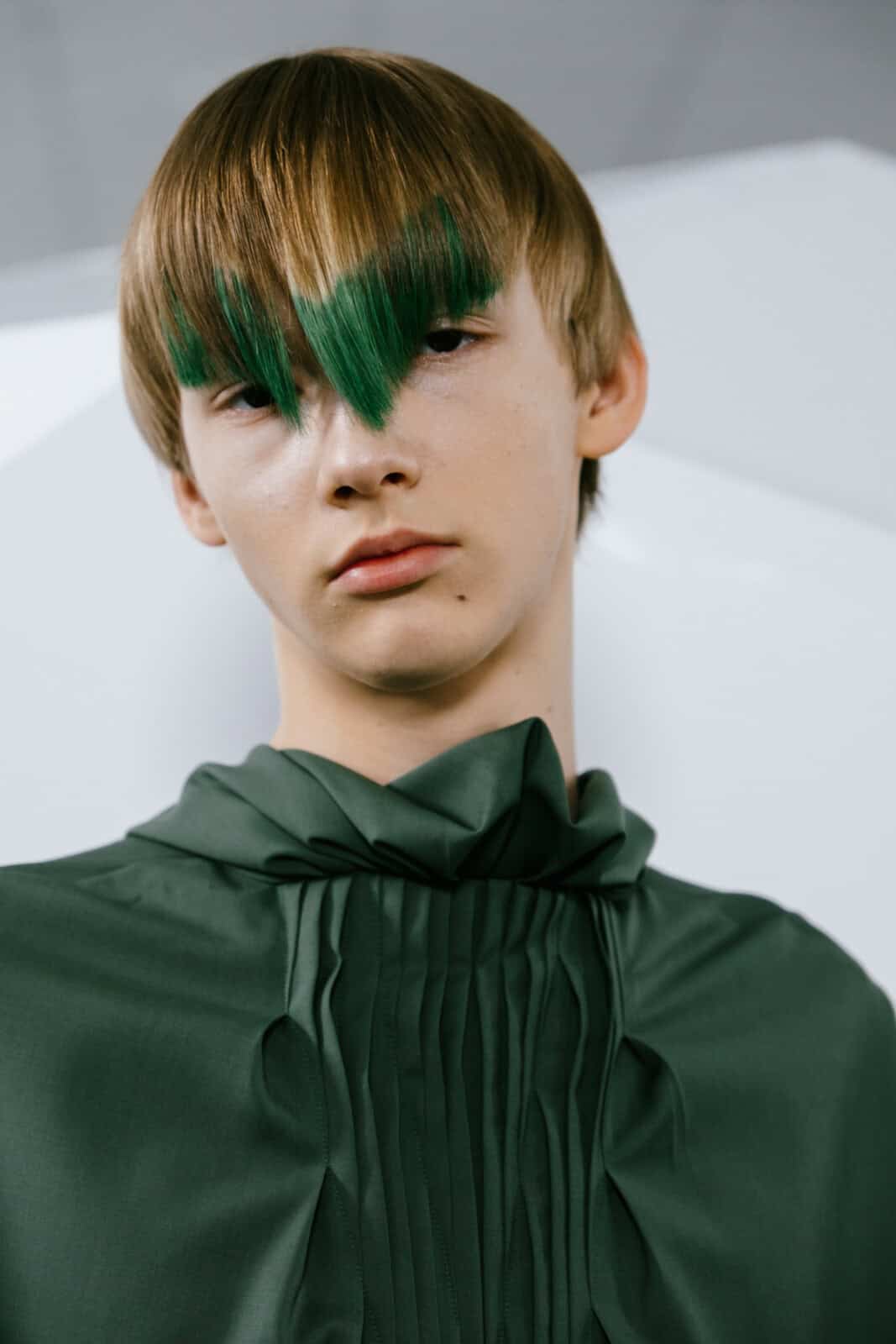
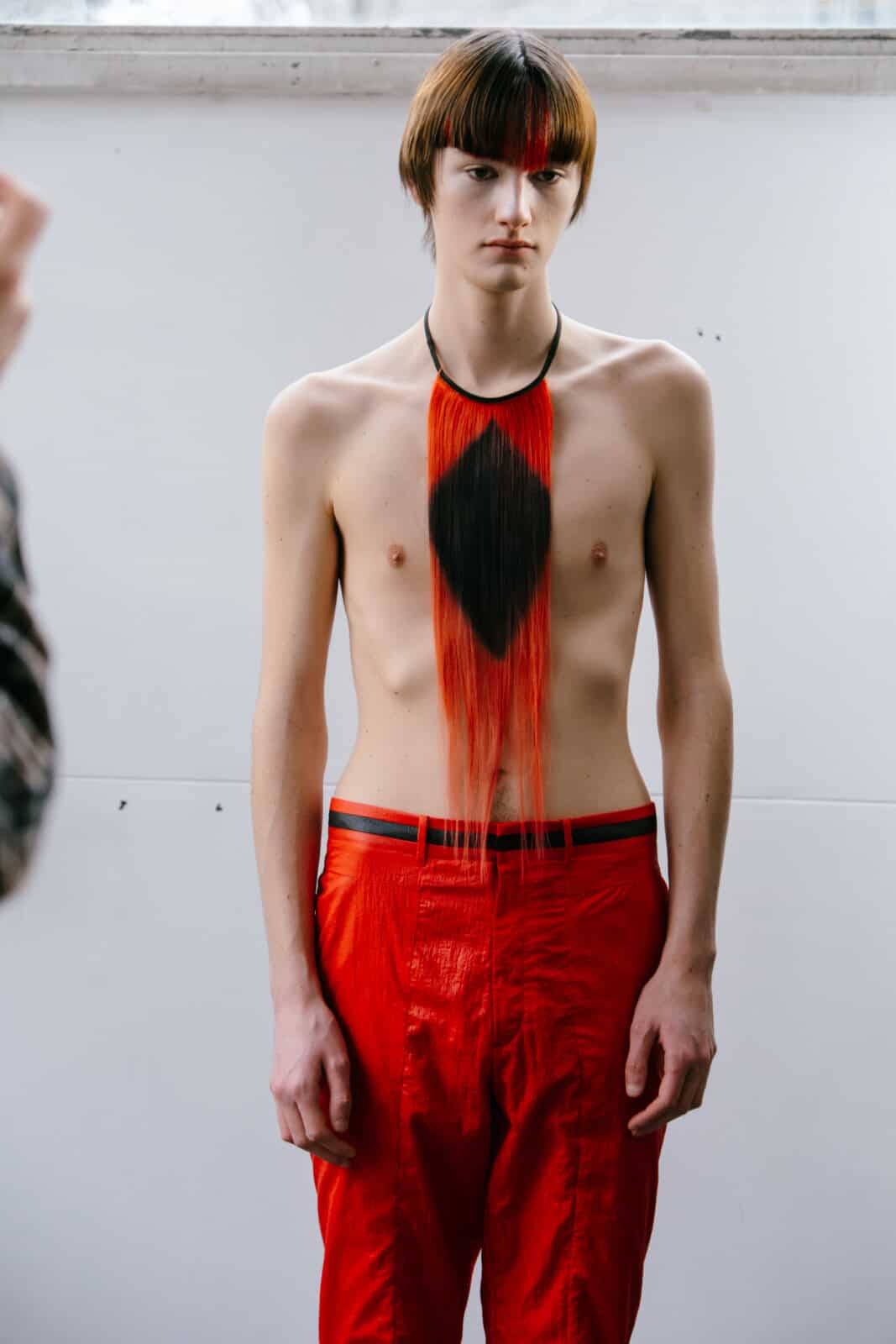
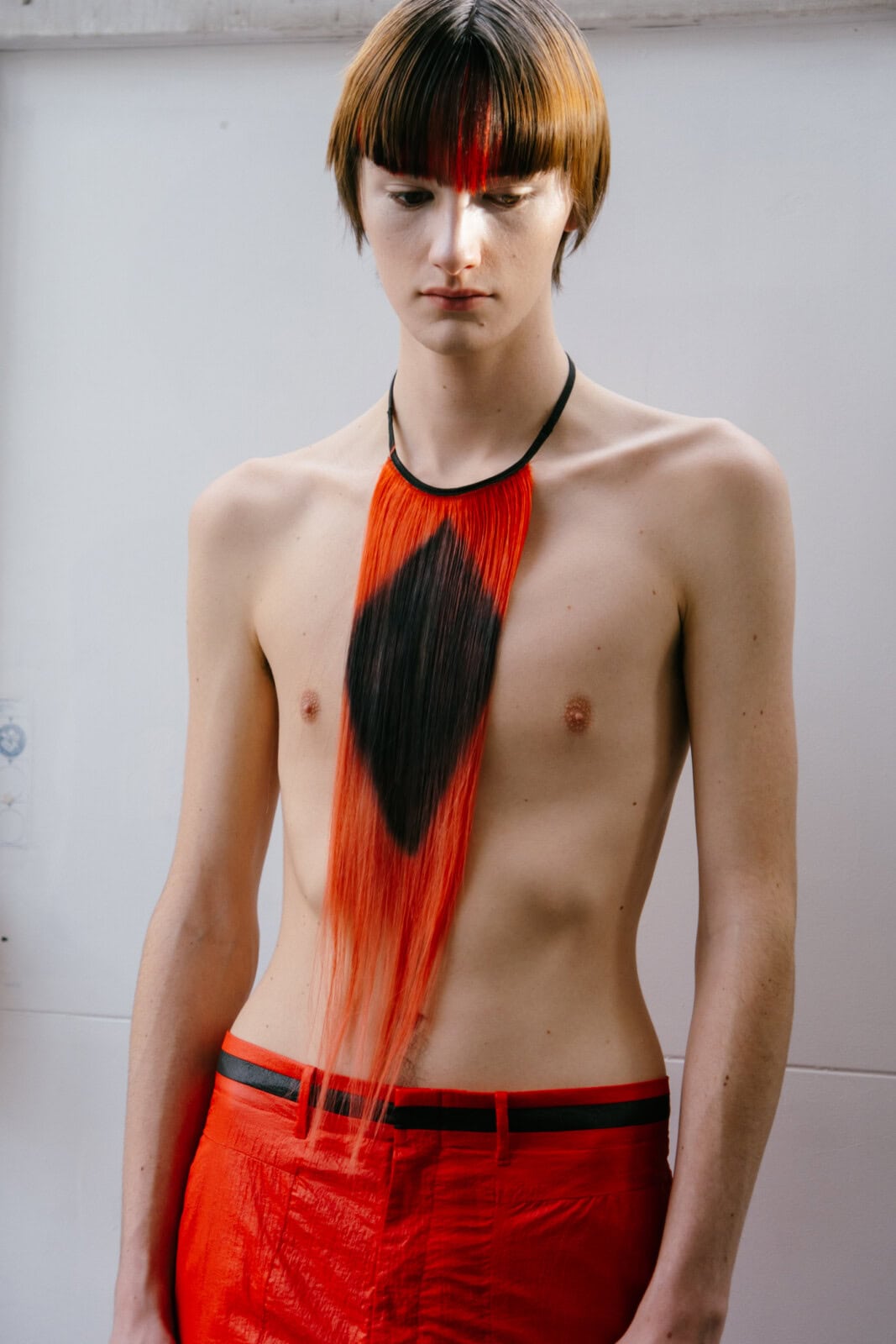
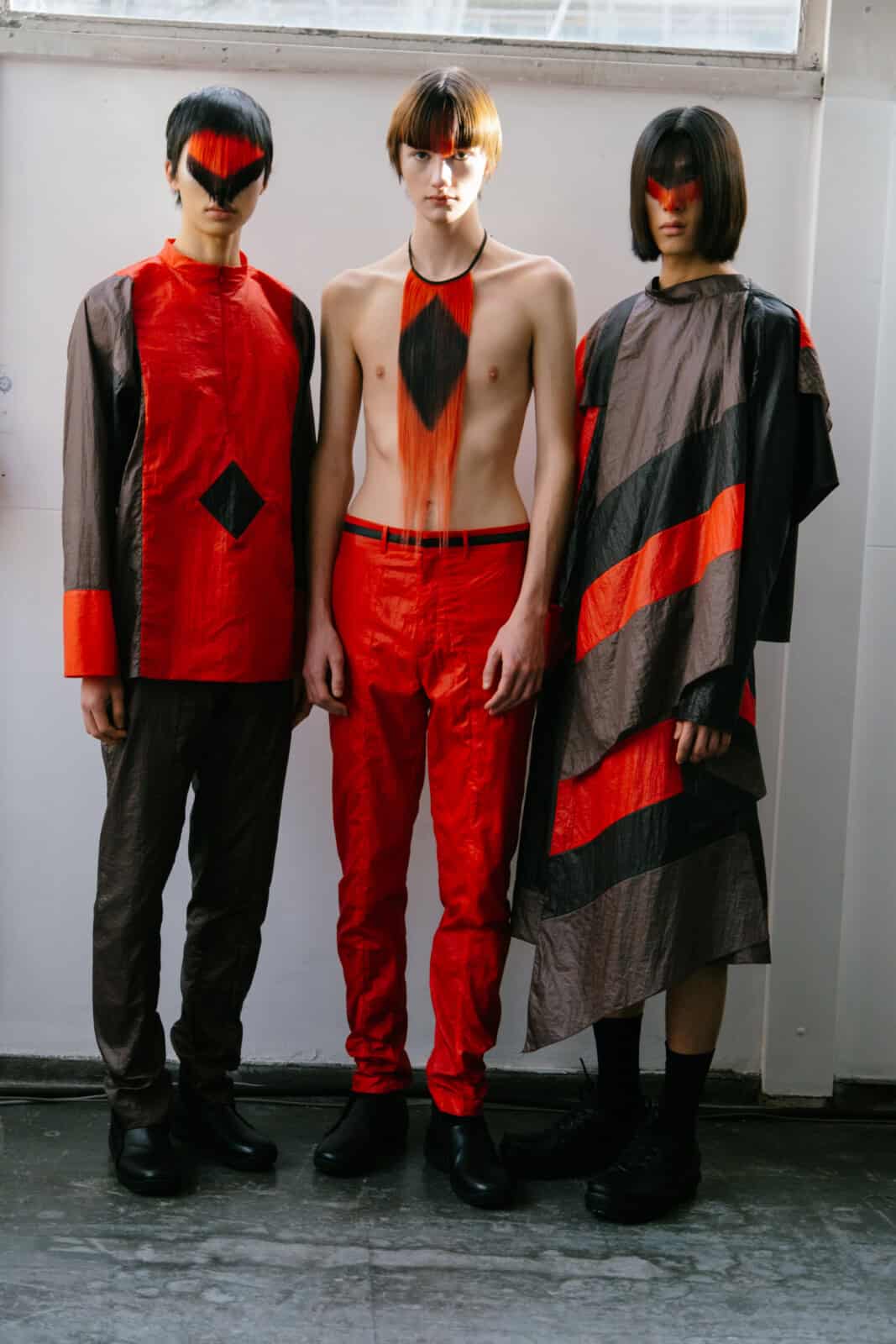
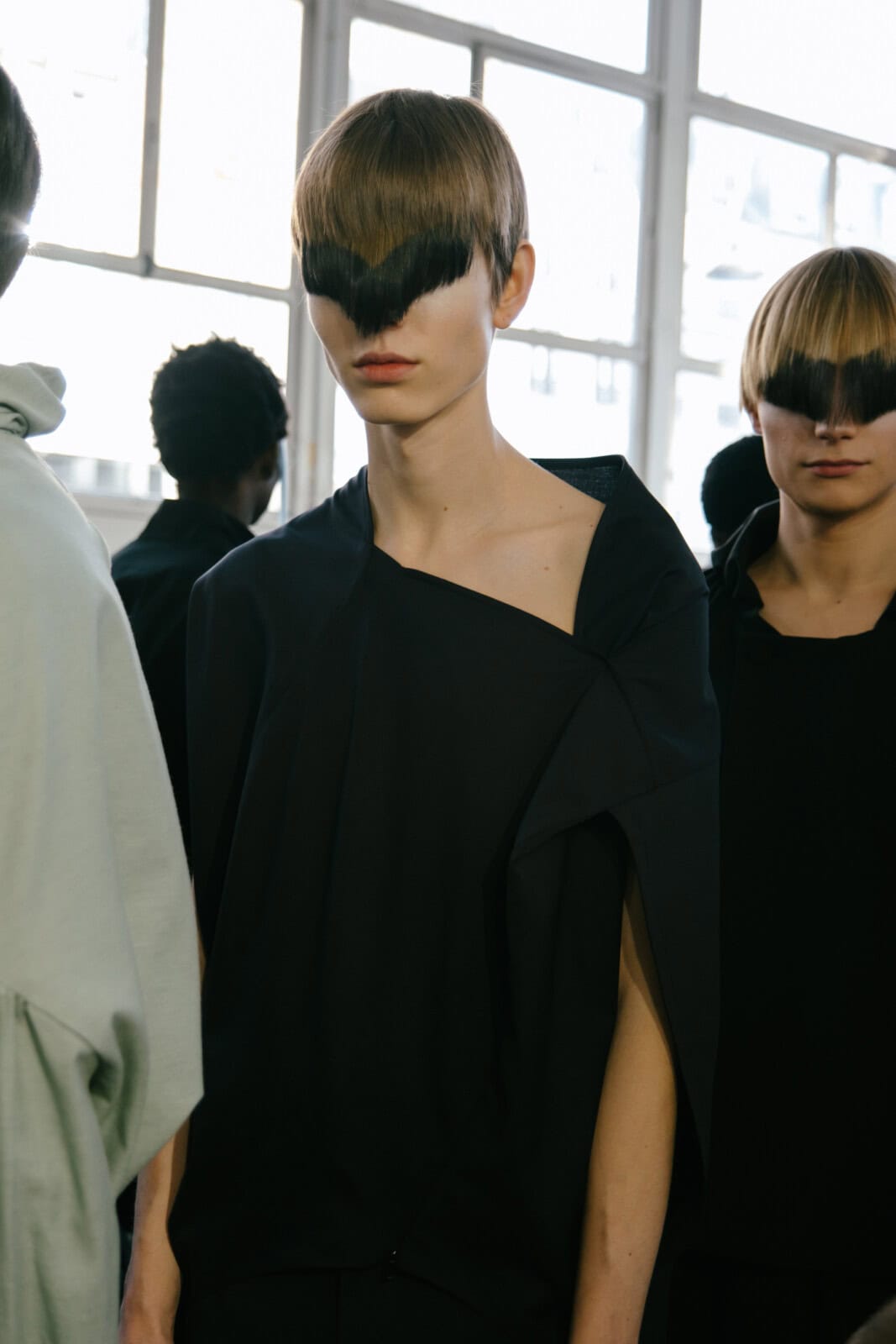
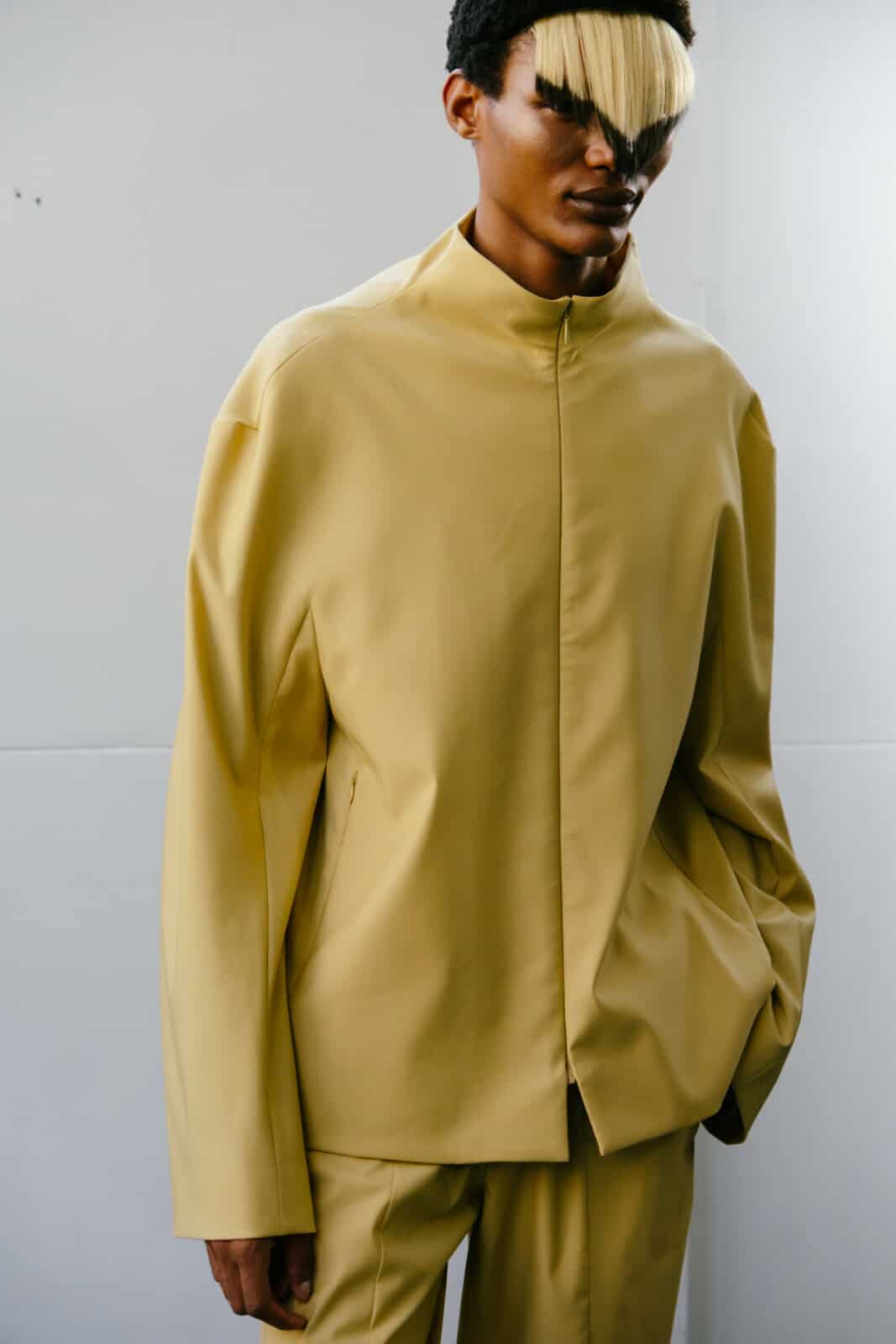
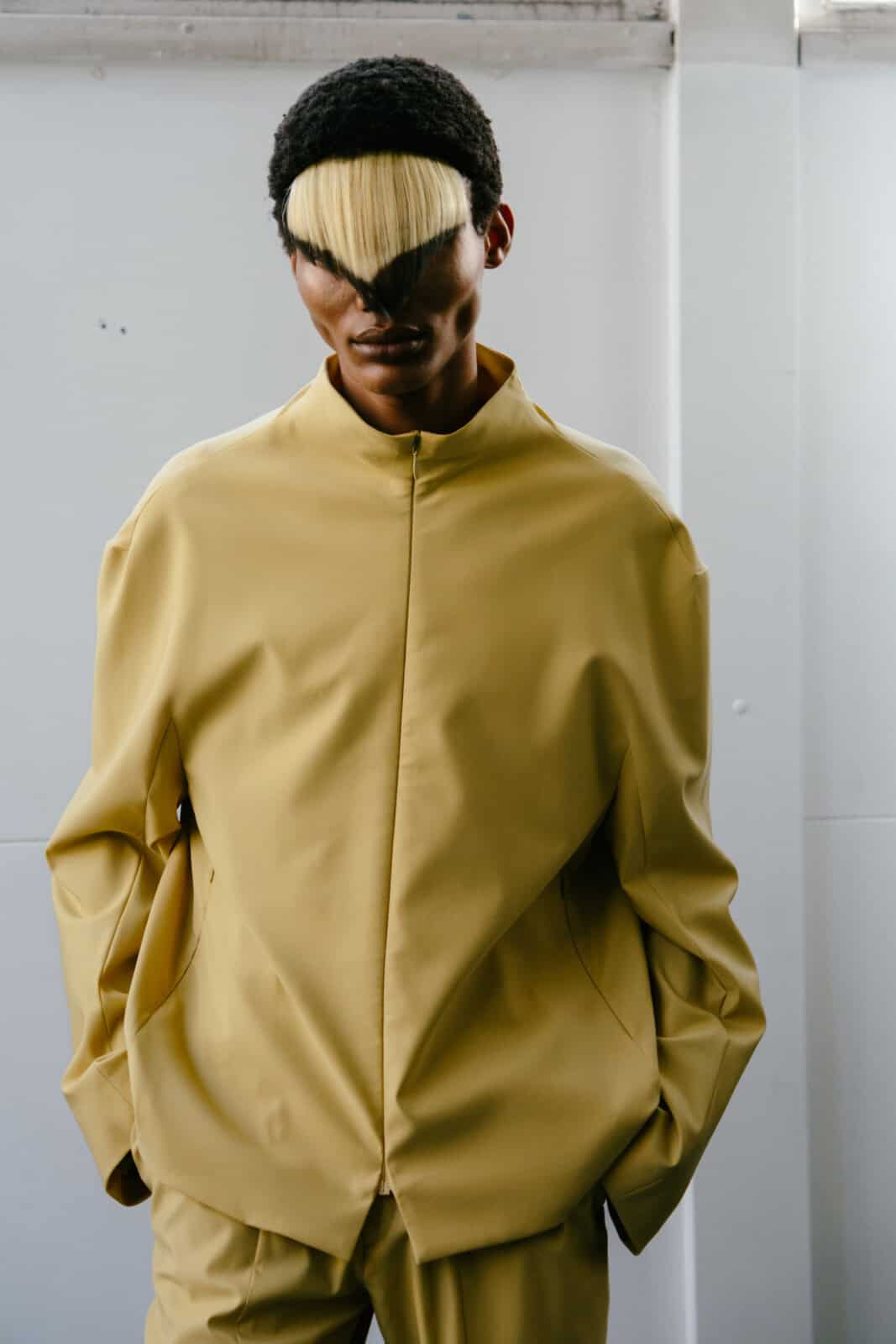
Kiko Kostadinov Menswear AW26


