September 10, 2026 |
For a city synonymous with freedom, Berlin has a complicated relationship with those who come looking for it. Vincent Wechselberger, who arrived from Austria aged 18, found himself in a city where he could grow into himself, and a terrain on which a decade of parties, friendship, intimacy and loss could unfold. Wechselberger’s second photobook, Dreams and How to Keep Them, is a ten-year photographic diary assembled from the people and moments that stayed with him over this time, as well as a mirror to how emancipation in the capital can sometimes tip into chaos.
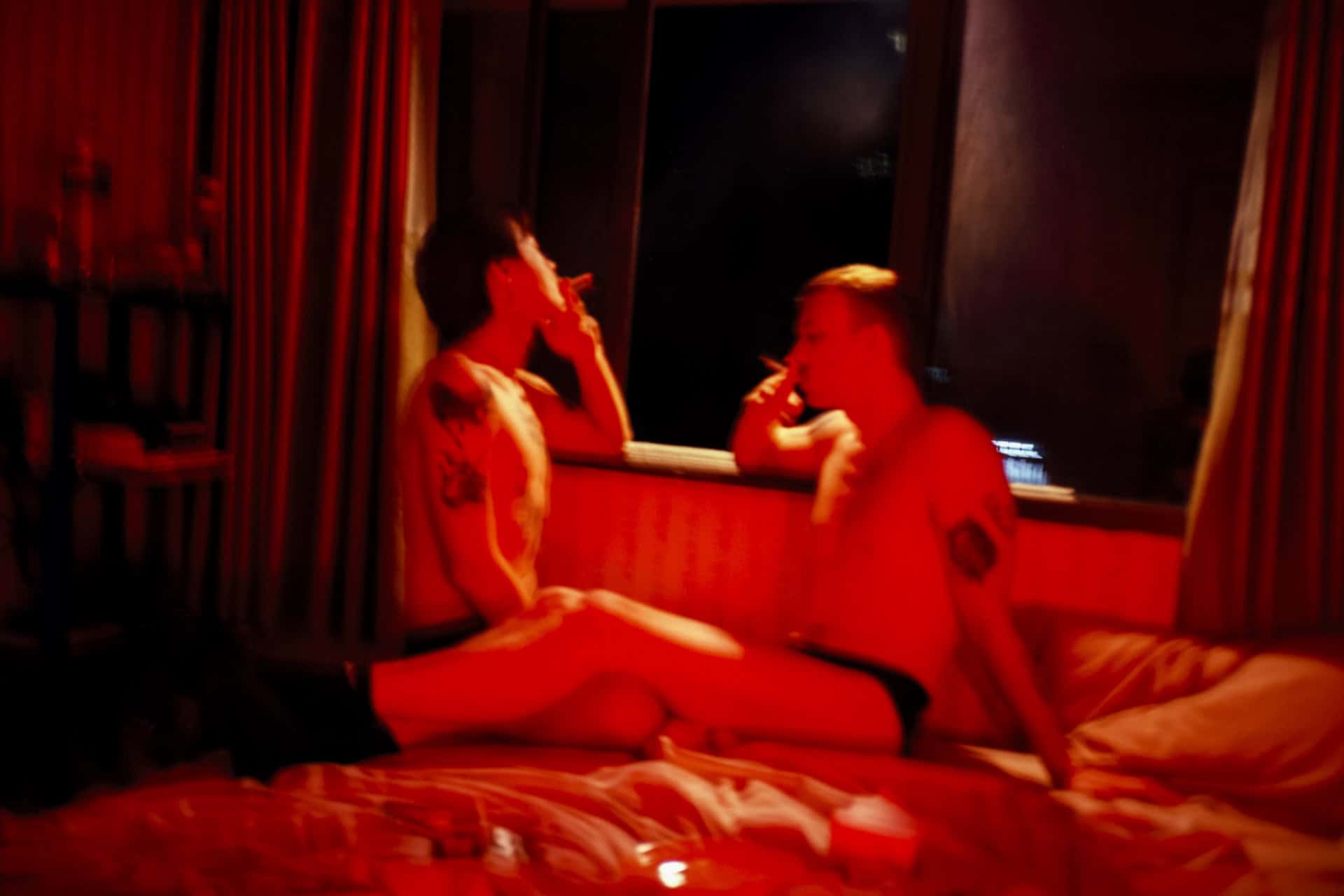
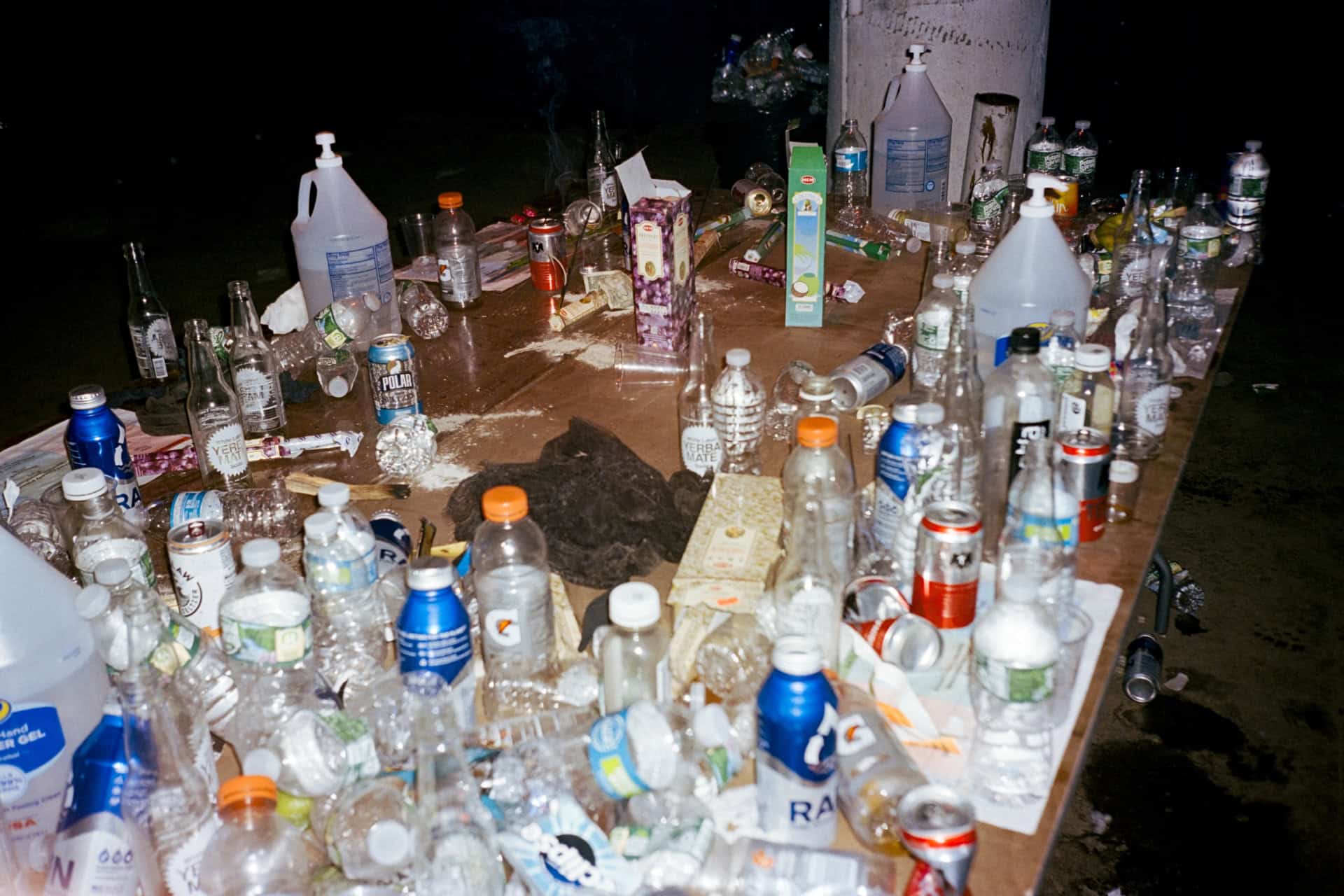
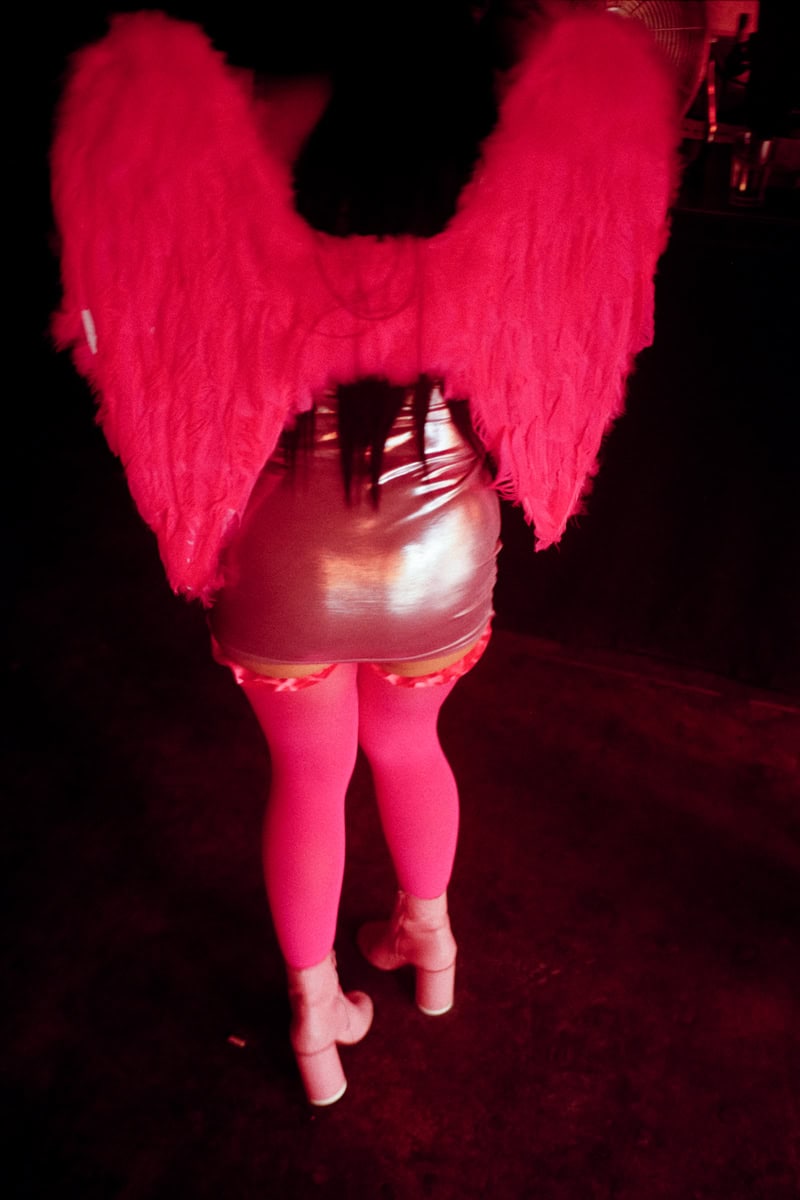
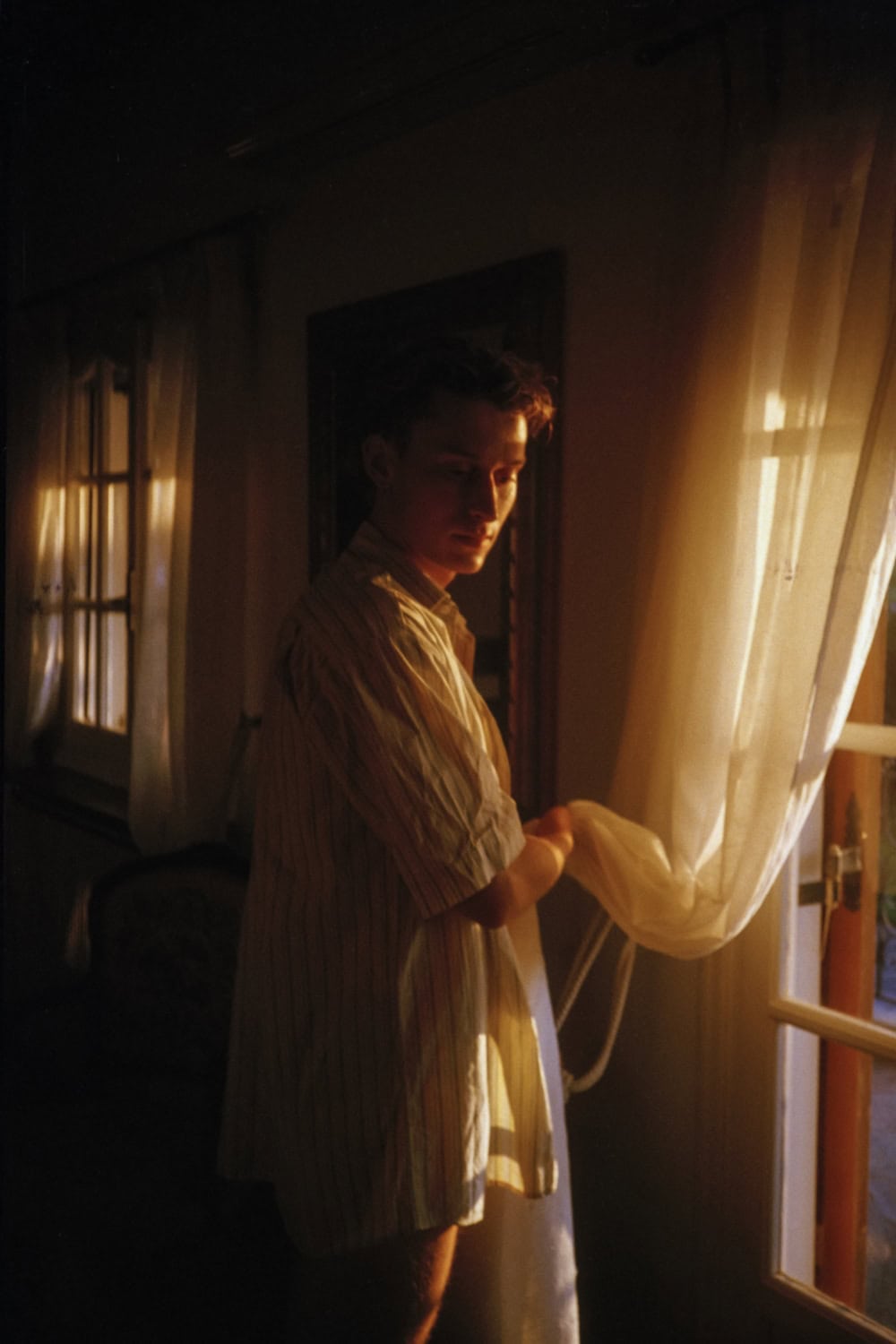
Published by Smut Press and officially launching today, the book shifts between crowded dance floors, the euphoria of sex and friendship and the strange melancholy that appears in the residue of a night out. Wechselberger’s photographs are intimate. While it documents the beauty of Berlin’s nightlife, it simultaneously questions what happens to the people living inside of it. Flick through the pages of the book and you’ll see a youthful, reverent cadre, shaped by the pandemic, by desire, by queer life and by the constant sense that time is fleeting.
At its core, the book holds its subjects dear and acts as a portal into a raucous yet delicate period. Here, Wechselberger talks about the making of the book and the city that shaped it.
1. Why the name Dreams and How to Keep Them?
There’s a bit of a double meaning in the title for me. I have so many dreams about the future, or my future self. Daydreams about moments and conversations with people, events I’d like to make reality, and my career. They’re something you hold onto, a vision of a future self or possibility, and they give me a lot of motivation. But dreams are also a form of memory, carrying the people and moments that shaped who I am. For the last ten years, I’ve tried to keep track of my dreams, to not lose them; to focus on what really matters, which can easily slip away in this city with all its excess. In the end, this book is my attempt to hold onto both. The dreams still ahead of me, [as are] the ones I’ve already lived through. Dreams and How to Keep Them is a book about people probably looking for the same thing, without knowing if they are. A book about youth and trying to figure it out, or at least pretending to. It’s a book about feeling moments, fleeing moments, fleeting moments. Maybe that’s why I wanted a romantic title in the end, because I think we’re all dreaming of, or looking for, the same thing: connection and being understood.
2. The publication spans ten years of your photographic archive. Did you know these would eventually come together to form a project like this?
My grandfather gifted me his point-and-shoot camera for my move to Berlin, and I just started photographing my friends and my surroundings. I treated it like my diary. I actually ended up enjoying analogue photography so much more than digital, because it slowed me down. I thought so much more about the frame and the moment I actually wanted to capture. Instead of taking twenty photos of one moment, I’d mostly just take one or two. When Jack and Jordan from Smut Press first approached me, I actually thought about working with them on my siblings’ book, but that project isn’t quite ready to be put into publication yet. So instead, I started going through all my archives. It was so much fun, revisiting all those moments again and again. And I think, with growing into myself over these years and trying to focus on different things now, it just felt right to finally make a book about this chapter of my life.
3. What went into deciding which images made it into the book and which didn’t?
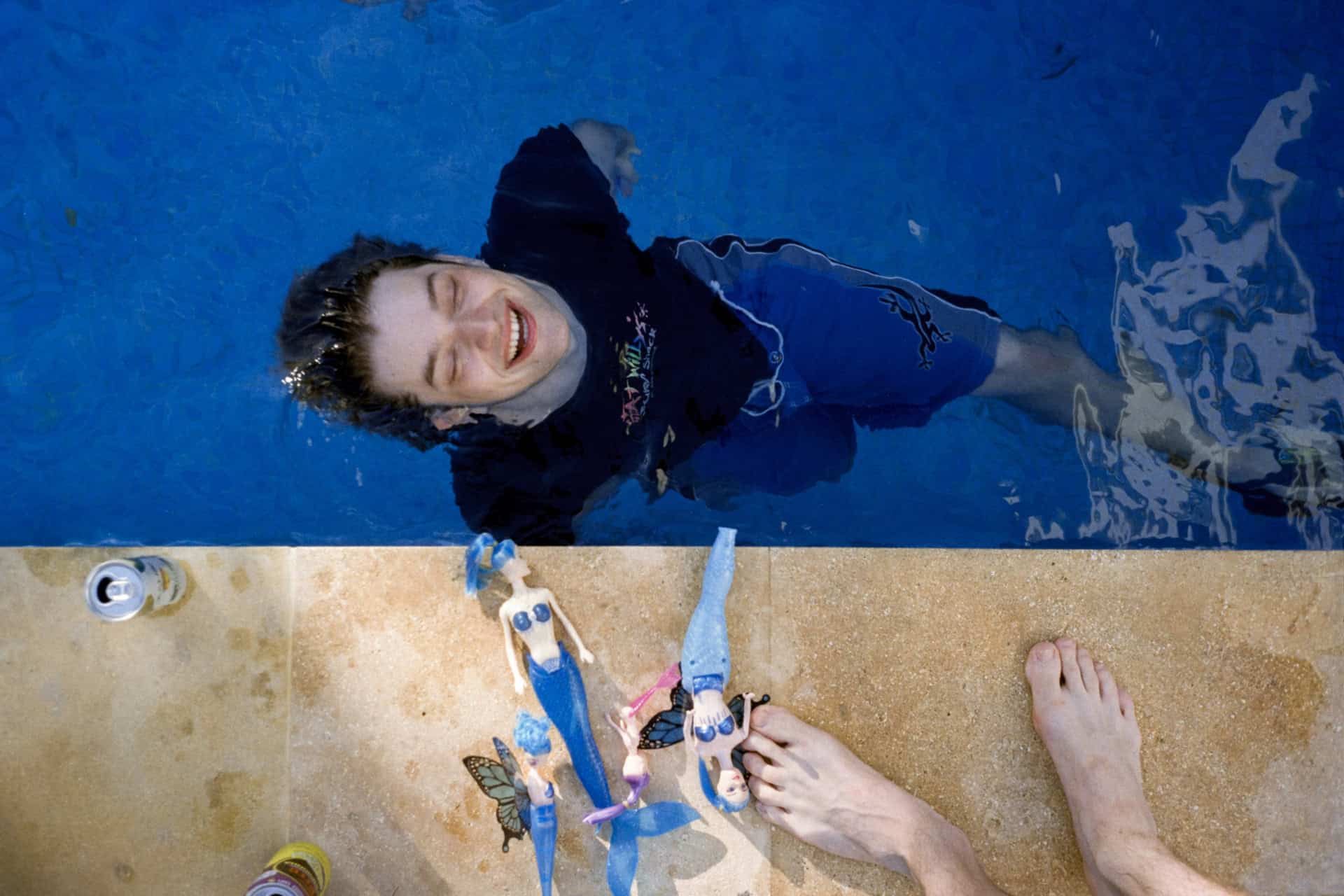
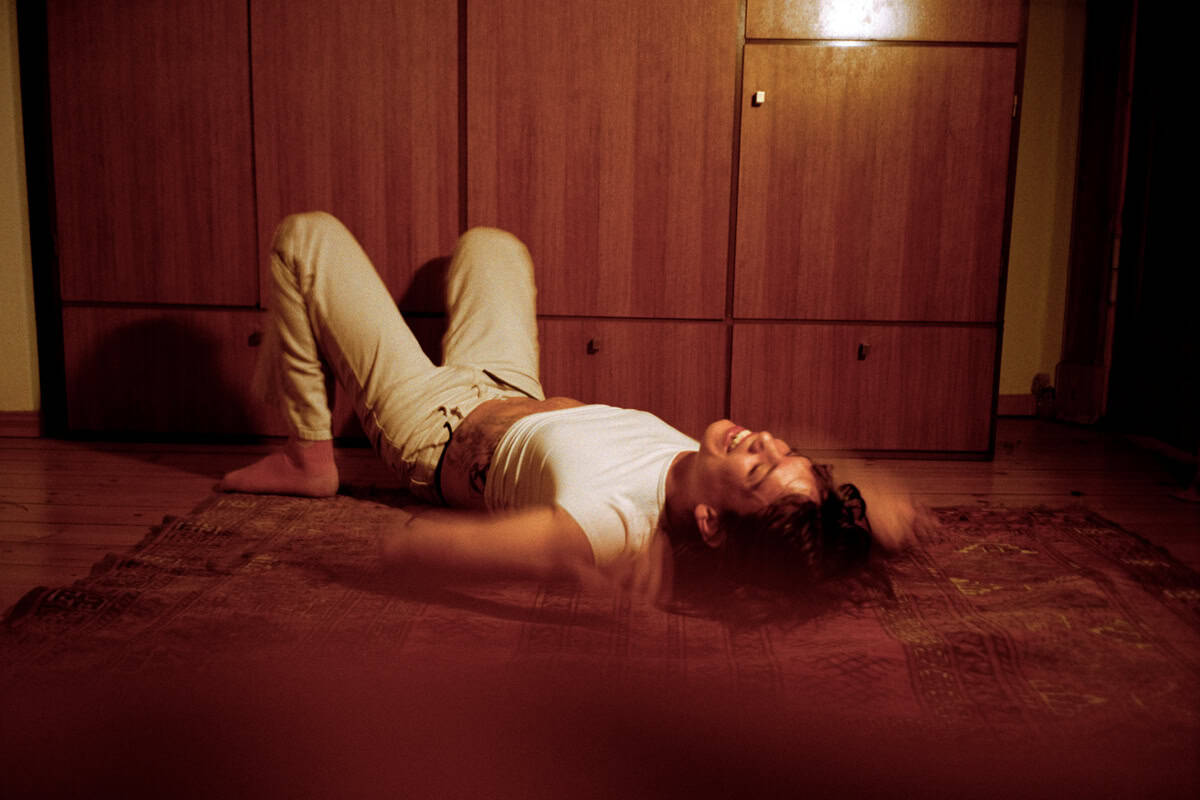
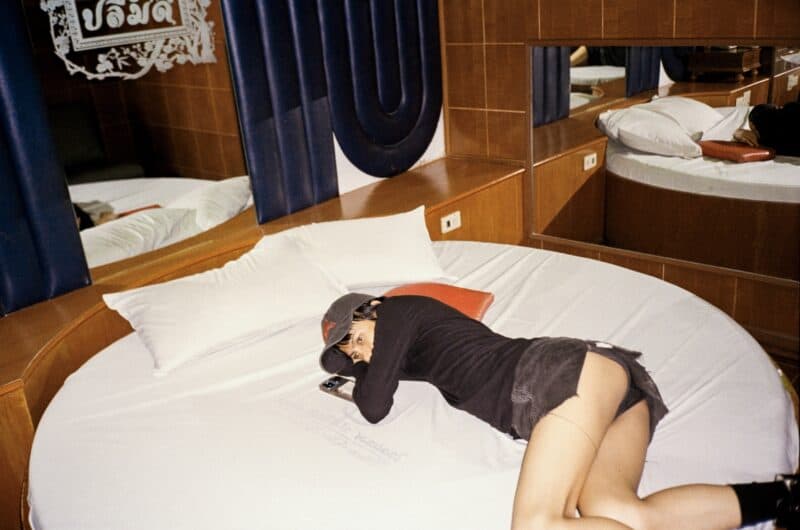
I wanted real moments: moments where people just get to be themselves. Enjoying a party, a hug from a dear friend, getting lost in a daydream, a person, friends around a kitchen table, or having sex. I wanted honest moments, nothing staged.
4. How have the individuals featured in these photos shaped your creative practice?
I see photography as a way of understanding myself and others. I really believe that understanding only comes with closeness. I’m drawn to people who reject systems and live authentically, and in their presence, I feel both comfortable and seen. All the people in this book helped me understand myself better, too. In a way, we’re all pulling in the same direction. We just want to be accepted. My practice becomes about relational proximity, resisting hypervisibility and creating images that leave room for complexity and openness, where people aren’t reduced to one fixed meaning.
5. What’s one thing you hope people will understand about your work after viewing this book?
I hope people understand that it’s more than just a book about nightlife. It’s a book about youth and about trying to figure everything out against the backdrop of a pandemic, in a world that is full of conflict and increasingly hostile to queer people. I want people to feel that being honest and inviting really does change a lot in people. It opens something up. It is about winning at life while losing time.
Photography by Vincent Wechselberger.