November 10, 2026 |
The tie I am wearing is woven in the softest racing-green silk covered with tumbling horseshoes and stirrups entwined with tiny sky-blue Hs. I am sitting next to Hermès’s Christophe Goineau, creative director of men’s silks and men’s universe designs, at a dinner in his honour. He has flown into Sydney to celebrate the essence of Hermès silk, the tie, which consists simply of two lengths of silk and a meticulous design.
The dinner invitation is in the shape of a tie and reads “Why Knot”. Indeed, why not spend time in the company of actors and musicians, a supercharged guest list of contemporary men who appreciate this level of super-subtle detail? Dinner is being served in the cellar at Swifts, the immense Victorian gothic revival mansion in Darling Point, Sydney, Australia, where we will drift upstairs to the original lush opium den in the 56-room mansion. We will not smoke, but we shall drink Vintage Louis Roederer instead and marvel at the history of this house. And marvel at the past ritual. We will, en route, pass the outdoor tennis court with players attired in their whites and Hermès ties, naturally, as if someone has rewritten the rules of Wimbledon.
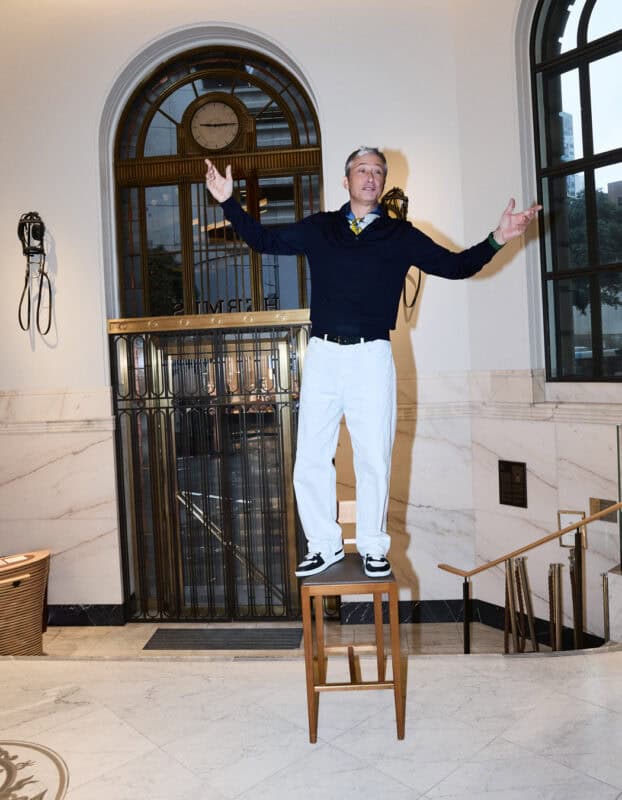
Earlier in the day, 10 photographed Goineau at the Sydney flagship, capturing a sense of the architecture and a man inimitably at his out-of-the-box best, as he perilously yet effortlessly balanced on a tall chair.
Goineau reveals himself as a man with all the easy confidence and wisdom of someone who has simply been allowed to fly and thrive in their creativity. He has, after all, worked at Hermès since 1987. When he started, he recalls, “You could cross Jean-Louis Dumas [then CEO, chairman and artistic director] in the corridor and he would ask you to do something that was nothing to do with your job because it was run as a family business, and so you just pitched in.”
Next year will mark Goineau’s 40-year anniversary with the maison. In that time, he has witnessed the journey in how men dress. “When I joined the company, people came to Hermès perhaps because it was an obligation. They had to have a piece of Hermès. It was a way of life and they needed to have a shirt, jacket and tie. There were bankers and lawyers, and were quite competitive, and this was their uniform. It said: ‘I’m part of the club of Hermès.’ That same man is still shopping but times have changed and things are much more relaxed. That sense of a uniform has gone completely. Now they are coming to Hermès and selecting things that are close to their souls, minds, personalities and hobbies. They are choosing a piece that says something about them, more than saying ‘Okay, I’m part of the Hermès club’… and they enjoy it.” Tiny jockeys, fishing flies, astronomical charts, dogs and dragons have all usurped the old-school regimental tie.
Earlier in the day, 10 photographed Goineau at the Sydney flagship, capturing a sense of the architecture and a man inimitably at his out-of-the-box best, as he perilously yet effortlessly balanced on a tall chair.
Goineau reveals himself as a man with all the easy confidence and wisdom of someone who has simply been allowed to fly and thrive in their creativity. He has, after all, worked at Hermès since 1987. When he started, he recalls, “You could cross Jean-Louis Dumas [then CEO, chairman and artistic director] in the corridor and he would ask you to do something that was nothing to do with your job because it was run as a family business, and so you just pitched in.”
Next year will mark Goineau’s 40-year anniversary with the maison. In that time, he has witnessed the journey in how men dress. “When I joined the company, people came to Hermès perhaps because it was an obligation. They had to have a piece of Hermès. It was a way of life and they needed to have a shirt, jacket and tie. There were bankers and lawyers, and were quite competitive, and this was their uniform. It said: ‘I’m part of the club of Hermès.’ That same man is still shopping but times have changed and things are much more relaxed. That sense of a uniform has gone completely. Now they are coming to Hermès and selecting things that are close to their souls, minds, personalities and hobbies. They are choosing a piece that says something about them, more than saying ‘Okay, I’m part of the Hermès club’… and they enjoy it.” Tiny jockeys, fishing flies, astronomical charts, dogs and dragons have all usurped the old-school regimental tie.
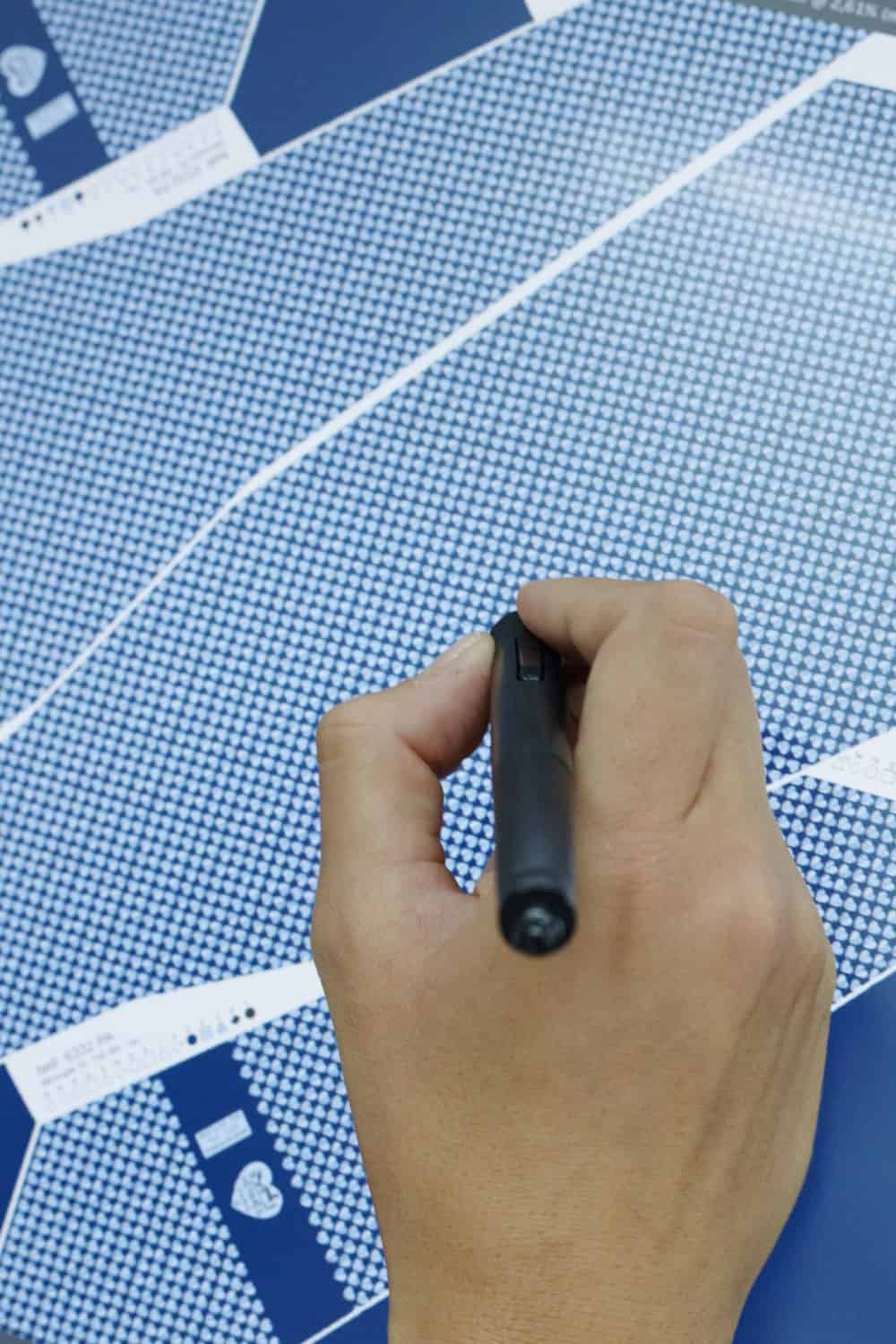
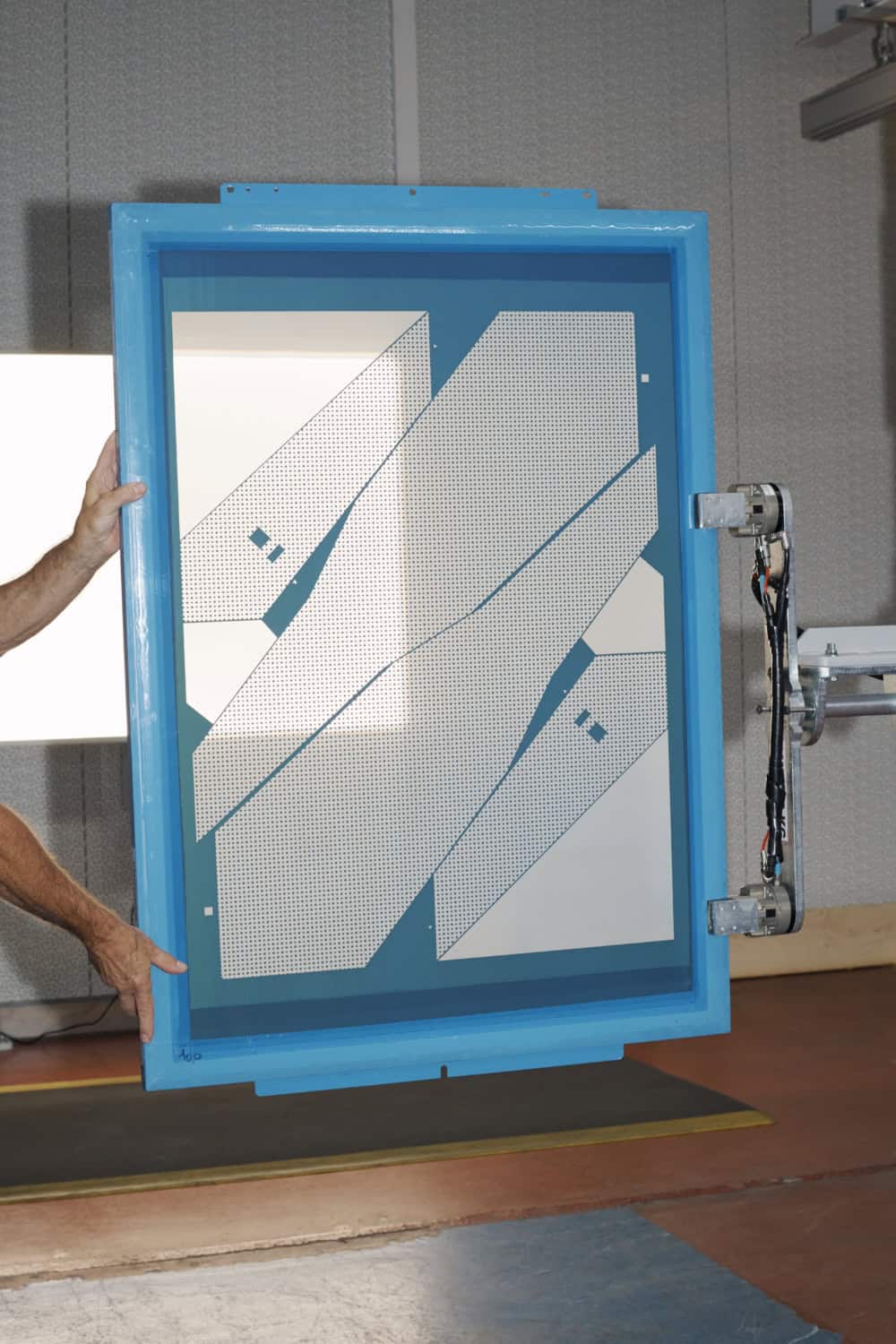
“And now customers are buying maybe a scarf or something new to upgrade an outfit with, a small accessory. They are looking for a touch of colour but it’s a soft colour, not as bright as things were back in the ’80s.” Gender has also blurred. Although there are delineated menswear and womenswear silk collections, men and women shop across both departments. “There is more freedom than there was,” he says.
There is no ‘correct’ way to wear a tie, he adds. And there is no ‘correct’ way to wear a scarf knotted at the neck. Rather, “It’s about personality and individuality,” he says. There is no ‘how to’, and it is this no-rules approach that lies at the heart of Hermès.
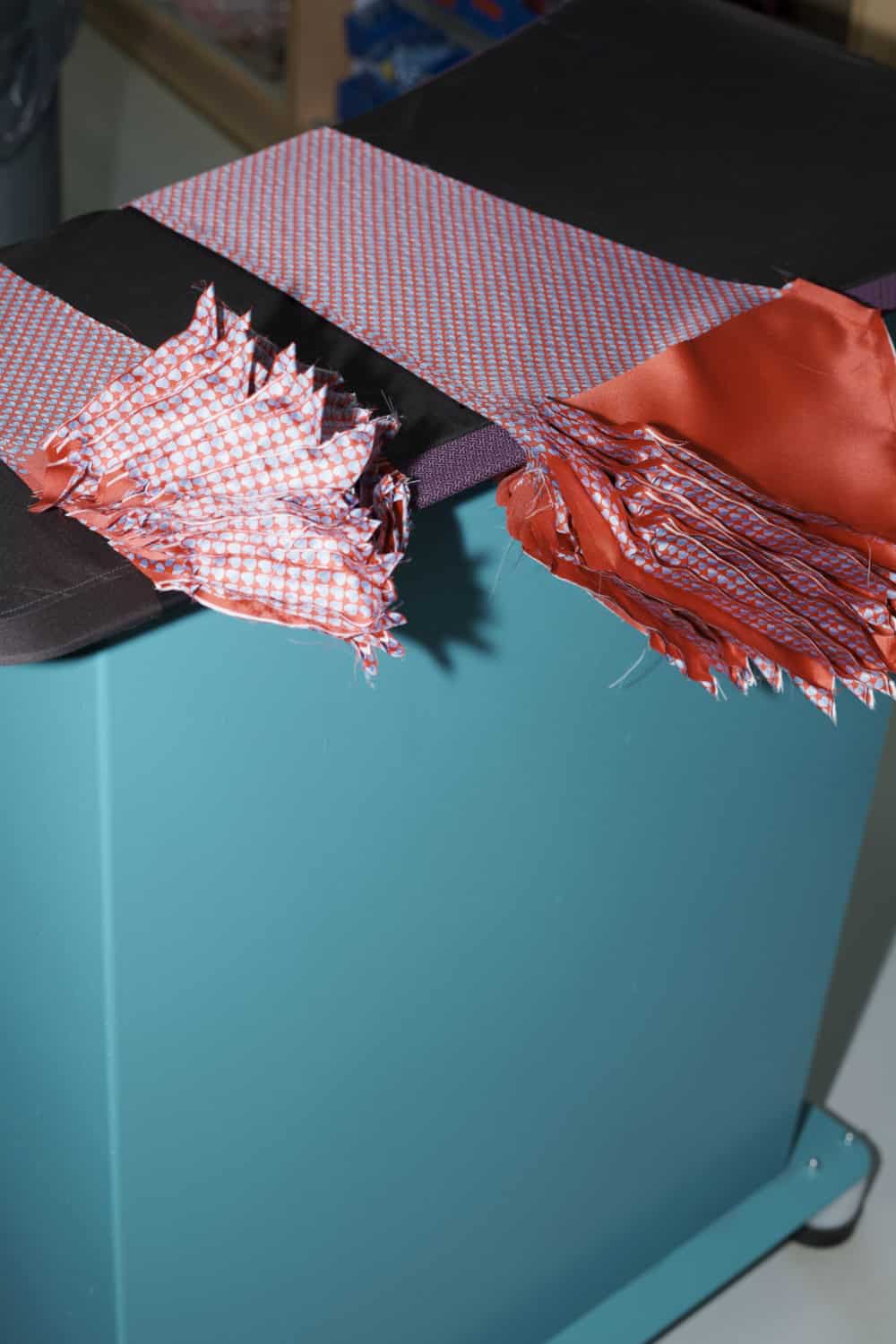
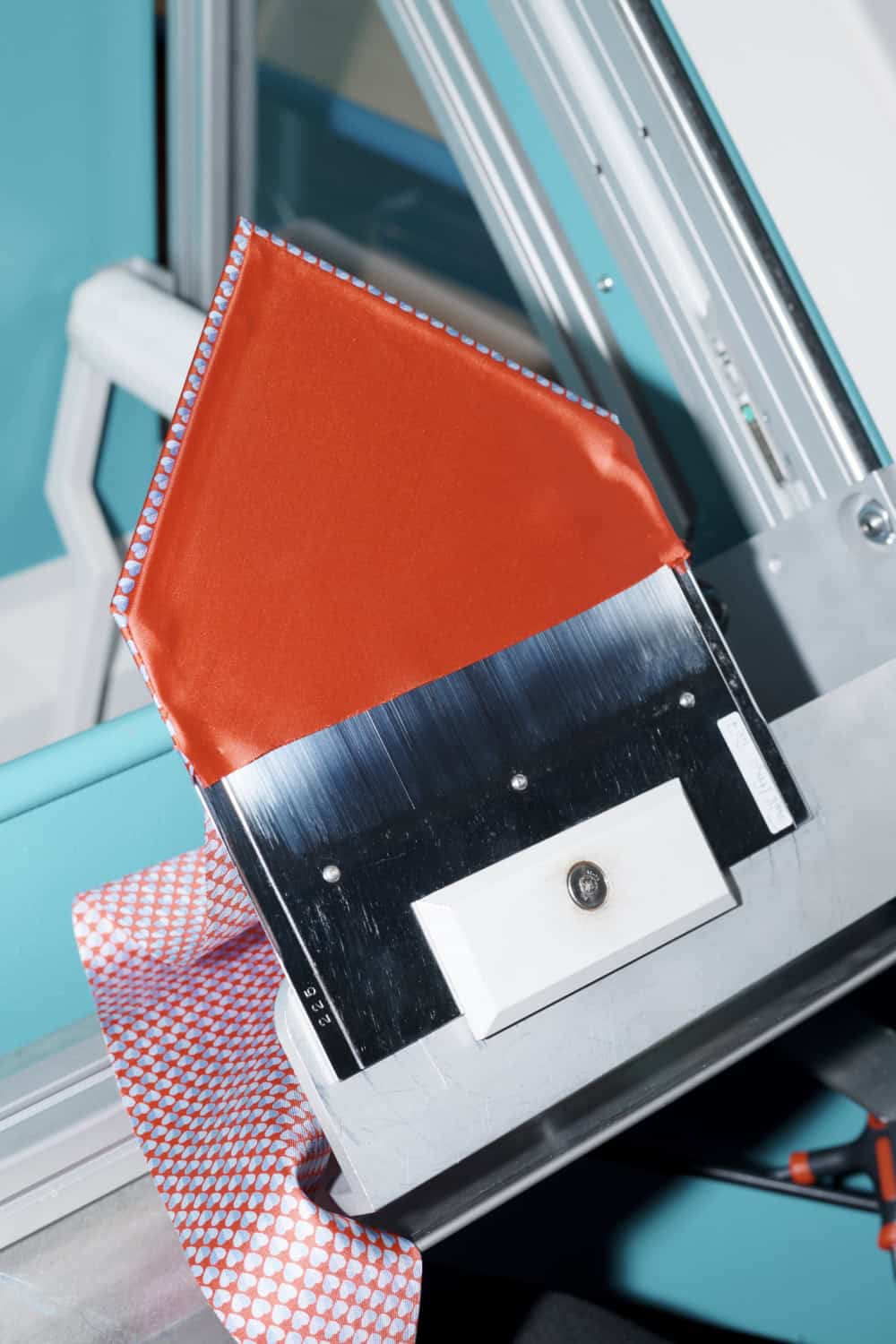
Goineau’s approach in the studio and to design is long-term. Some of his ideas can take years to come to fruition. Although Goineau and his team work seasonally to the runway collections, some artists have no deadline at all. “When a design is finally finished, I put it in what I call ‘the fridge’,” he says with a laugh. “This is where we keep all the designs. It’s very important to keep this long-term working relationship with an artist, illustrator, designer or sculptor because they need time and we want their work to be resolved. Sometimes it can be quick, or it takes an extremely long time, but it’s a conversation. And then at the end I hope we have a beautiful design. Sometimes I will wait a year, or two years, or five years, to find the right collection to put this design into. I go into the fridge and think, yes, it works now.” And out it comes.
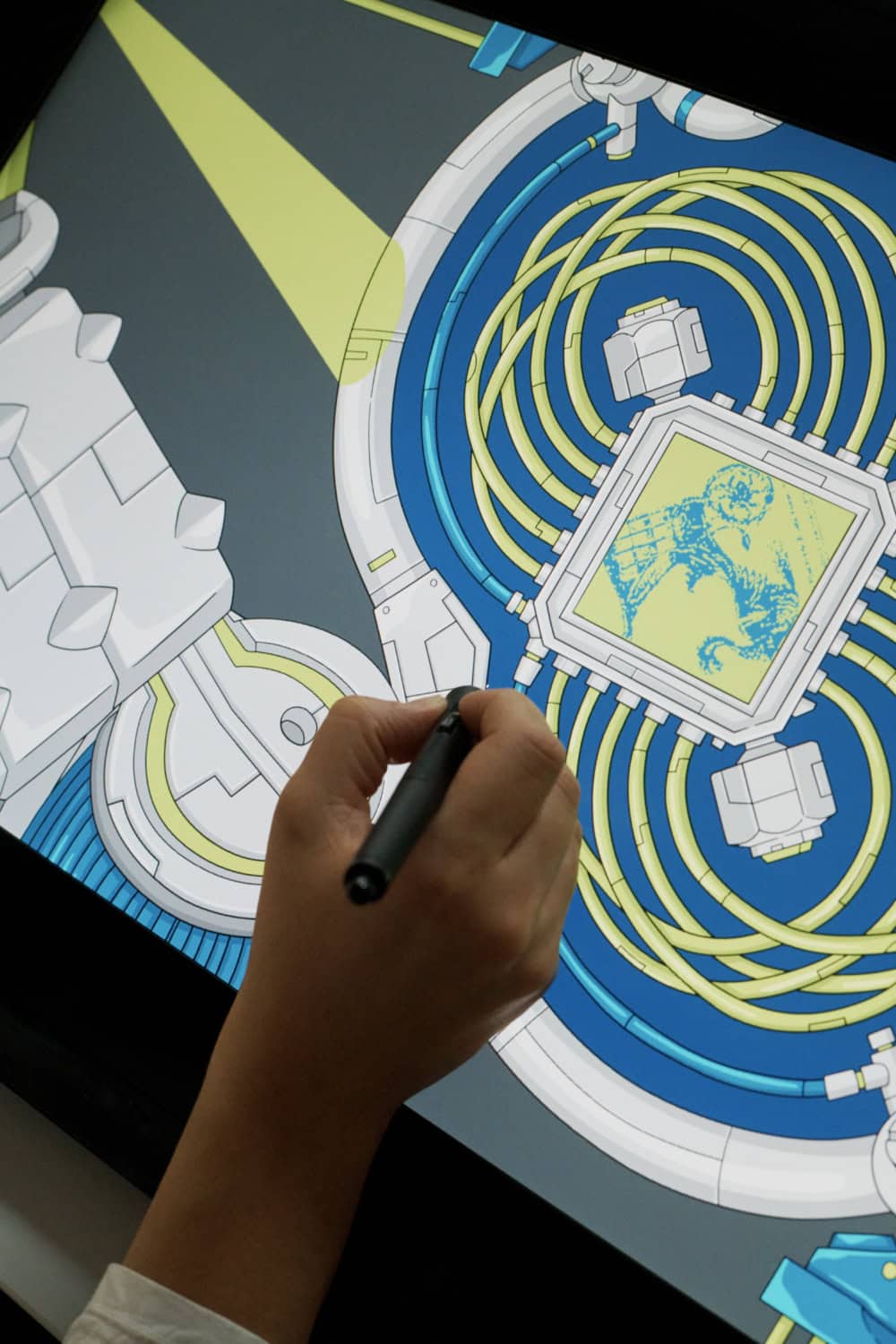
The process inevitably starts with “a little sketch, then we have a second meeting when the sketch is a bit more precise. Then we discuss the storytelling and what the meeting point between the artist’s universe and Hermès is. It should be a good marriage, so if it’s Elias Kafouros or Daiske Nomura I want people to recognise it’s the design from this artist. But at the same time I want our customer to have the feeling that this artist did it for Hermès and this is their vision of Hermès.”
The spirit of the designer is the holy grail. At the main archive, housed secretly in Paris, lies a complete collection of Hermès, one of everything that’s ever been produced. Heaven. “We have a beautiful archive, it’s inspiring. I especially like the 1950s. The designs from then are pure, quite simple. I feel connected to that period.” The early ’50s is also when the first Hermès tie was born. “I love the ’70s too, but for different reasons. I suppose we had a feeling then that everything was possible. There are such huge design patterns, colours, and it’s super ’70s.” For Goineau the archive acts less like a museum and more as an active conversation.
He particularly loves being involved with art and fashion schools in Paris. “My favourite time is the end of the school year when there are exhibitions and you get to see the work from people who have no constraints. They don’t know what it is to work for a company and how complicated it is. They’re completely free and it’s very inspiring. There are always a few things that open your eyes and you say, ‘Wow, I’d never think of that’, and sometimes it’s just a small detail, or a combination of different materials and how they make a new shape… it’s the smallest detail that lights up something.” Although Goineau receives unsolicited portfolios regularly, he takes the responsibility seriously and responds carefully, as sometimes there are hidden gems, or a germ of an idea that might lead to someone new. “I believe that life is a surprise and there is chance, but often there is some kind of connection too,” he says.
Hermès has uniquely mastered the art of creating a dangerous world of desire. It is impossible to enter a store and not be inspired by the dopamine hit of colour created by the famous silks and leather objets. “There is no reason to buy Hermès – perhaps the only reason is that it will make you happy or you’re expressing your love to someone with a beautiful object,” says Goineau. “That is a beautiful way of saying this beauty is connected to you and you are my beauty. And I think there is a triangle between Hermès, a love triangle.”
The reward? “The objects become even more gorgeous after maybe 10 years. So, this is partly the reward of the work, but the reward is a secret… I don’t like to explain it in a way.”

Undeniably, what Goineau does is initiate a conversation. Wearing an impeccable tie with a wizard design alone will do it or, he adds, “People will just say, ‘I love your jumper. I love your scarf.’ They start a conversation and connect people. I love this idea.” This is part of the Hermès magic.
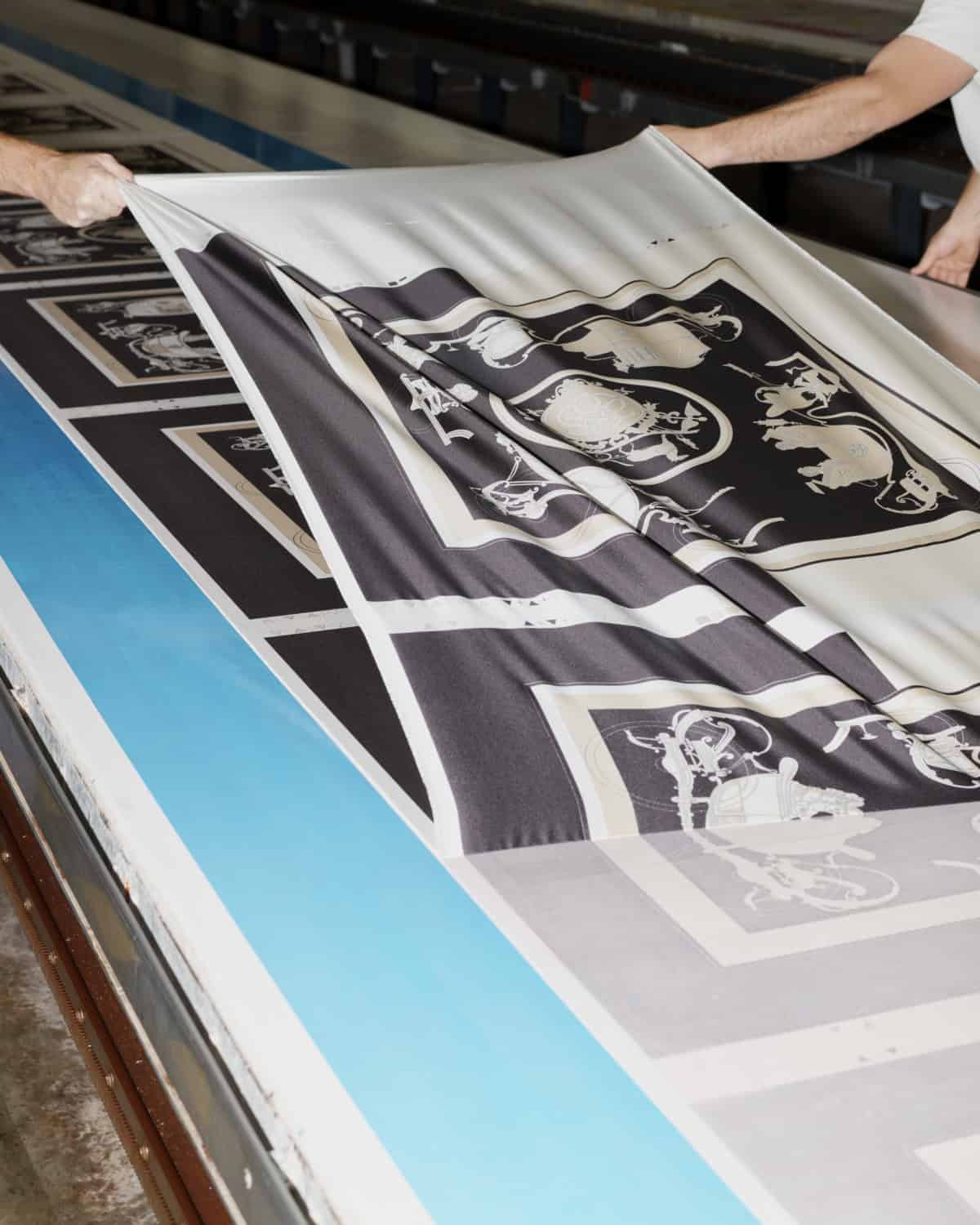
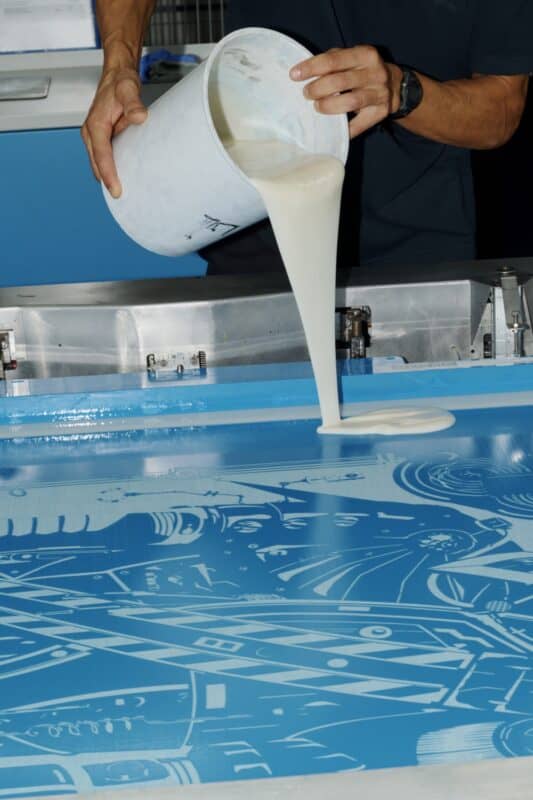
As creative director, he remains the conductor of the orchestra, which means his own work is rare. There is one print, though, that is his, called Crazy Printer. Conceived during a trip to Lyon where the scarves are printed, it is a mix of two overlaid scarf imprints. “It happened by accident. I said, ‘Wow, it’s chaos, beautiful chaos.’ And so, for a few seasons I selected a few frames of one scarf and a few frames from another scarf and mixed them to make an abstract design. It was part of a very classic design and one that was more modern.”
Undeniably, what Goineau does is initiate a conversation. Wearing an impeccable tie with a wizard design alone will do it or, he adds, “People will just say, ‘I love your jumper. I love your scarf.’ They start a conversation and connect people. I love this idea.” This is part of the Hermès magic.
As creative director, he remains the conductor of the orchestra, which means his own work is rare. There is one print, though, that is his, called Crazy Printer. Conceived during a trip to Lyon where the scarves are printed, it is a mix of two overlaid scarf imprints. “It happened by accident. I said, ‘Wow, it’s chaos, beautiful chaos.’ And so, for a few seasons I selected a few frames of one scarf and a few frames from another scarf and mixed them to make an abstract design. It was part of a very classic design and one that was more modern.”
Venture Beyond is the current theme of the year for Hermès, one that dovetails neatly into the story of how Goineau thinks. It is also the perfect descriptor for the essence of the house, which hums so perfectly under the guiding force of Pierre-Alexis Dumas, the artistic director. His expansive vision and his own eye for detail, space and ideas have made ‘going further’ possible, reflected too in the mega wattage success of the company. And it’s also allowed his team of creatives to thrive. Goineau says that from the beginning of his career at Hermès it’s been about passionate people, “When I joined, they had these strong values, and 40 years later those values haven’t changed at all: quality, beauty, creativity and respect for the customer.”
He draws a comparison to his tenure of a Japanese calligrapher, “someone who strives for perfection. He knows he will never achieve it, but he’ll try all his life.” He adds, “Sometimes people say, ‘Okay, you’ve been working so closely to silk for decades,’ and I say, ‘Yes, but I’m not bored.’ One day, when I leave, I will have the feeling that I’ve never done it all because the possibilities are endless.”
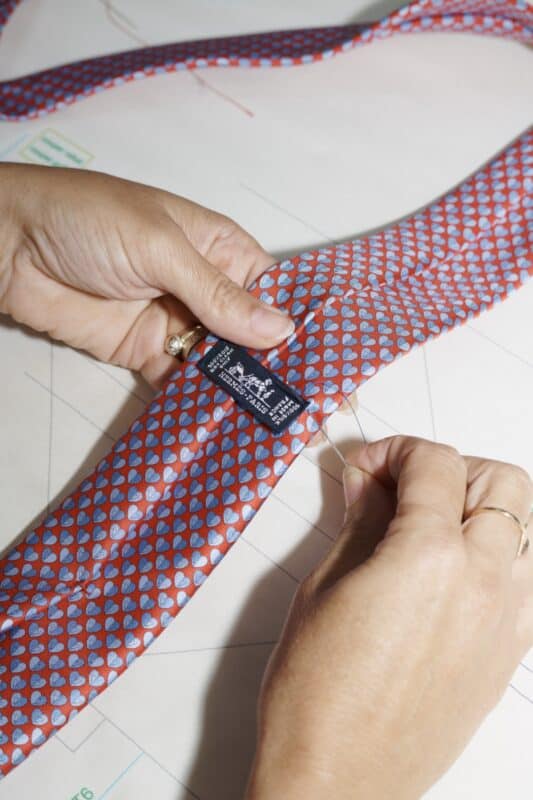
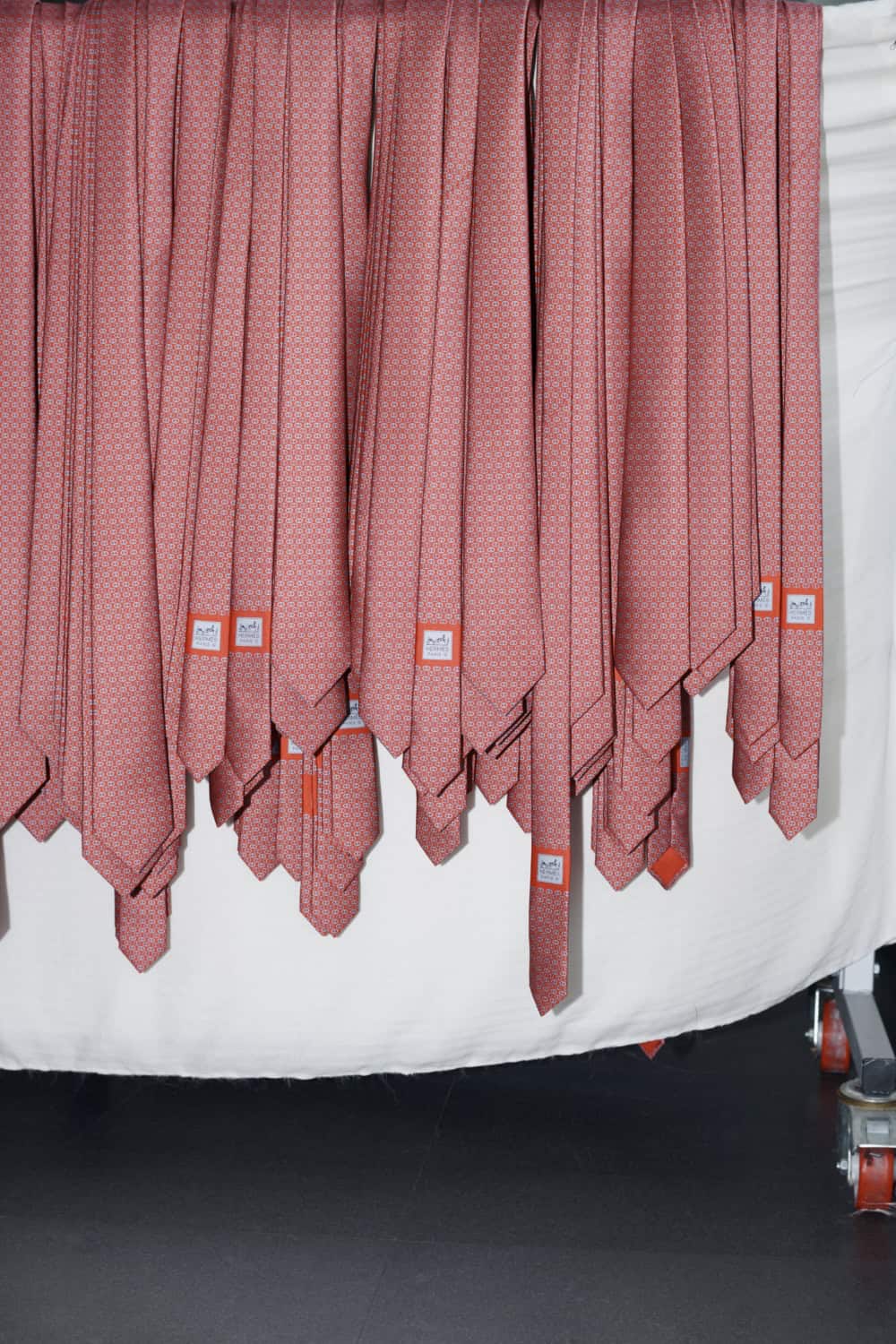
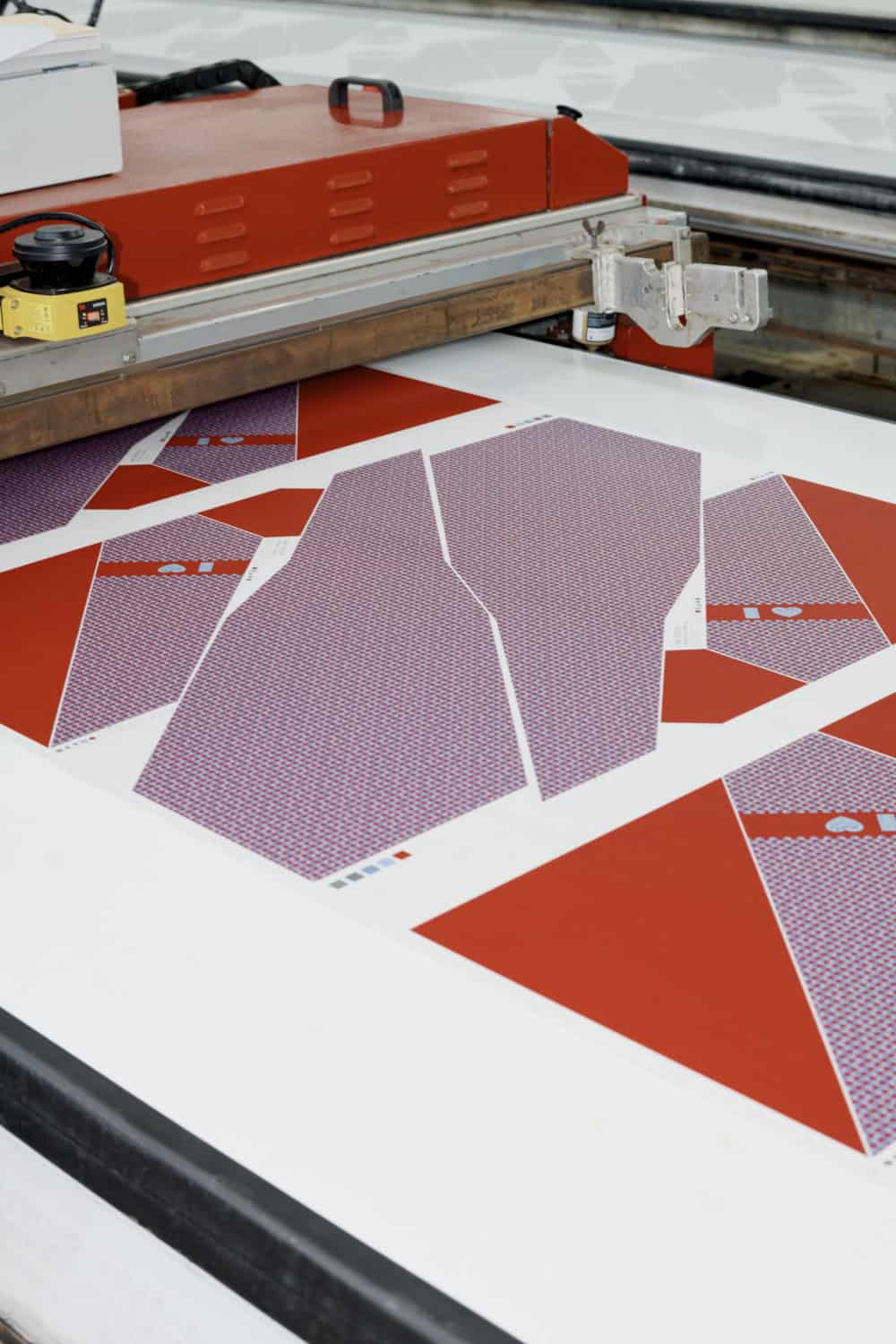
Perhaps that is why the Hermès tie survived long after the office uniform that once sustained it. It has mirrored Goineau’s journey. It no longer simply signals membership of a profession or allegiance to a dress code. Instead, it suggests something rarer: that elegance can still be playful, that personality resides in a hidden horseshoe or a barely visible H. And that a blade and a tail of silk twill, around a wool interlining, stitched with one continuous thread and patiently imagined, can still begin a conversation. The tie around my neck is, after all, doing exactly that.
Photography courtesy of Hermès. Issue 64 of 10 Men – FUTURE, LEGACY, HERITAGE – is on newsstands now.