In Grasse, France, the world’s perfume capital, Chanel’s September jasmine harvest unfolds at dawn – a ritual of precision, beauty and intoxicating fragrance.
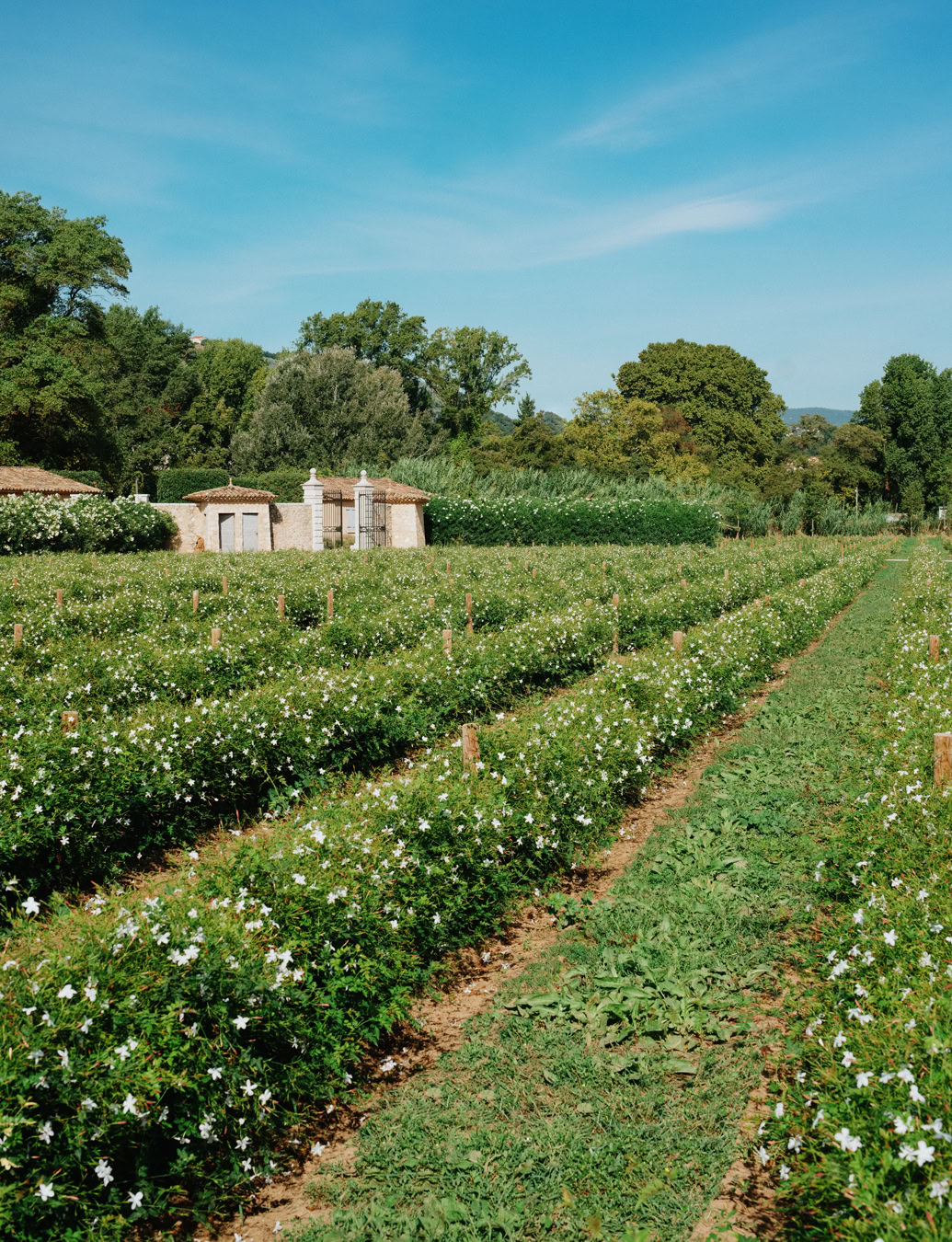
The town rises in the hills above the glamorous Riviera, far from the pull of the Mediterranean but surrounded by something far more intoxicating – endless fields of jasmine, May rose, tuberose and lavender. You smell it before you even see it, that unmistakable hit of jasmine that floods the car the second you turn into the Mul family farm. The fields are ridiculously pretty, but it’s the scent that really gets you. It’s so strong and so good you half expect someone from Chanel to start bottling it right there.
Before stepping into the fields, we’re fitted with Chanel wellington boots – because, of course, even in the mud, fashion must prevail. Rows of jasmine shimmer in the morning light, with each bloom quietly rehearsing for its role in the world’s most famous fragrance, Chanel N°5.
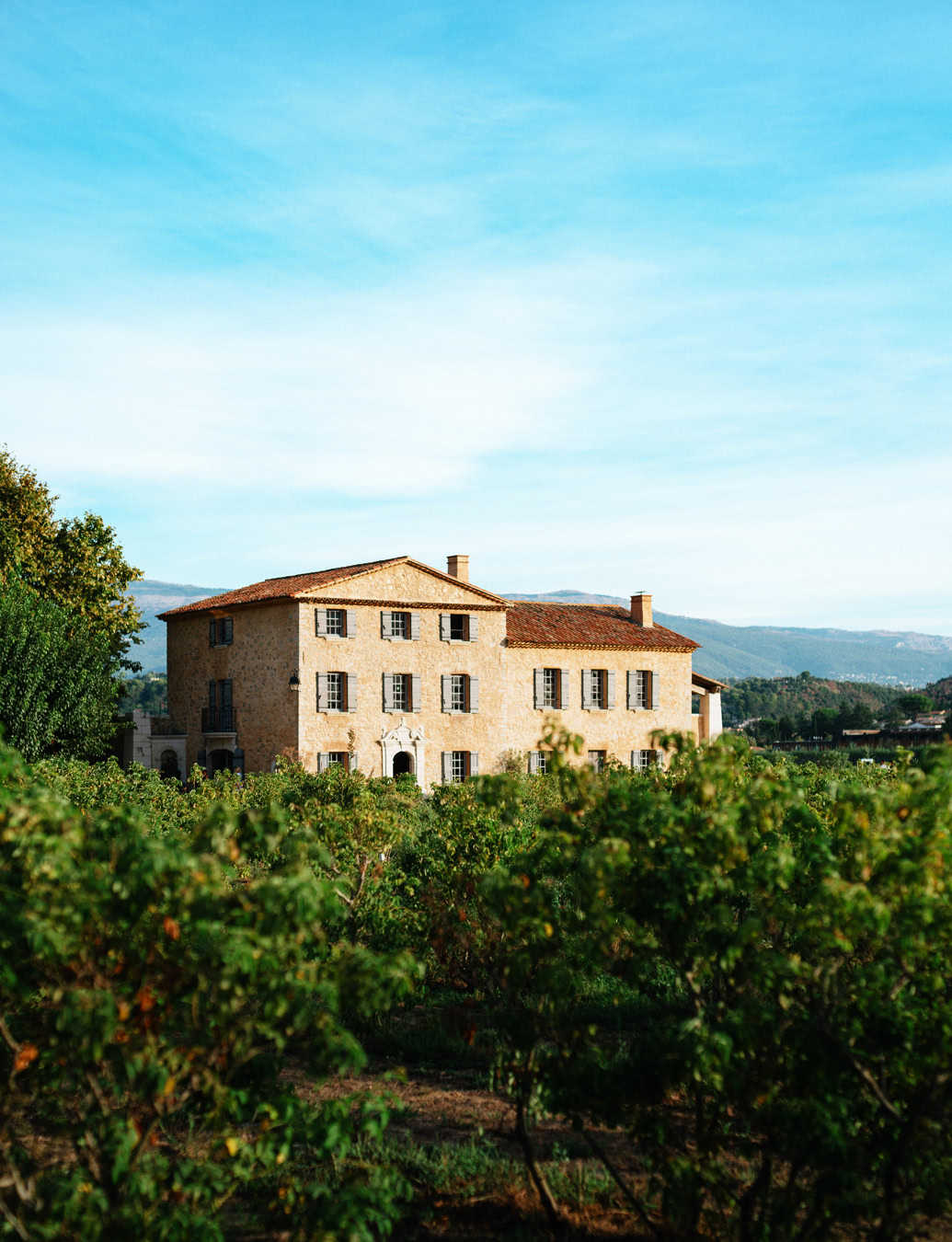
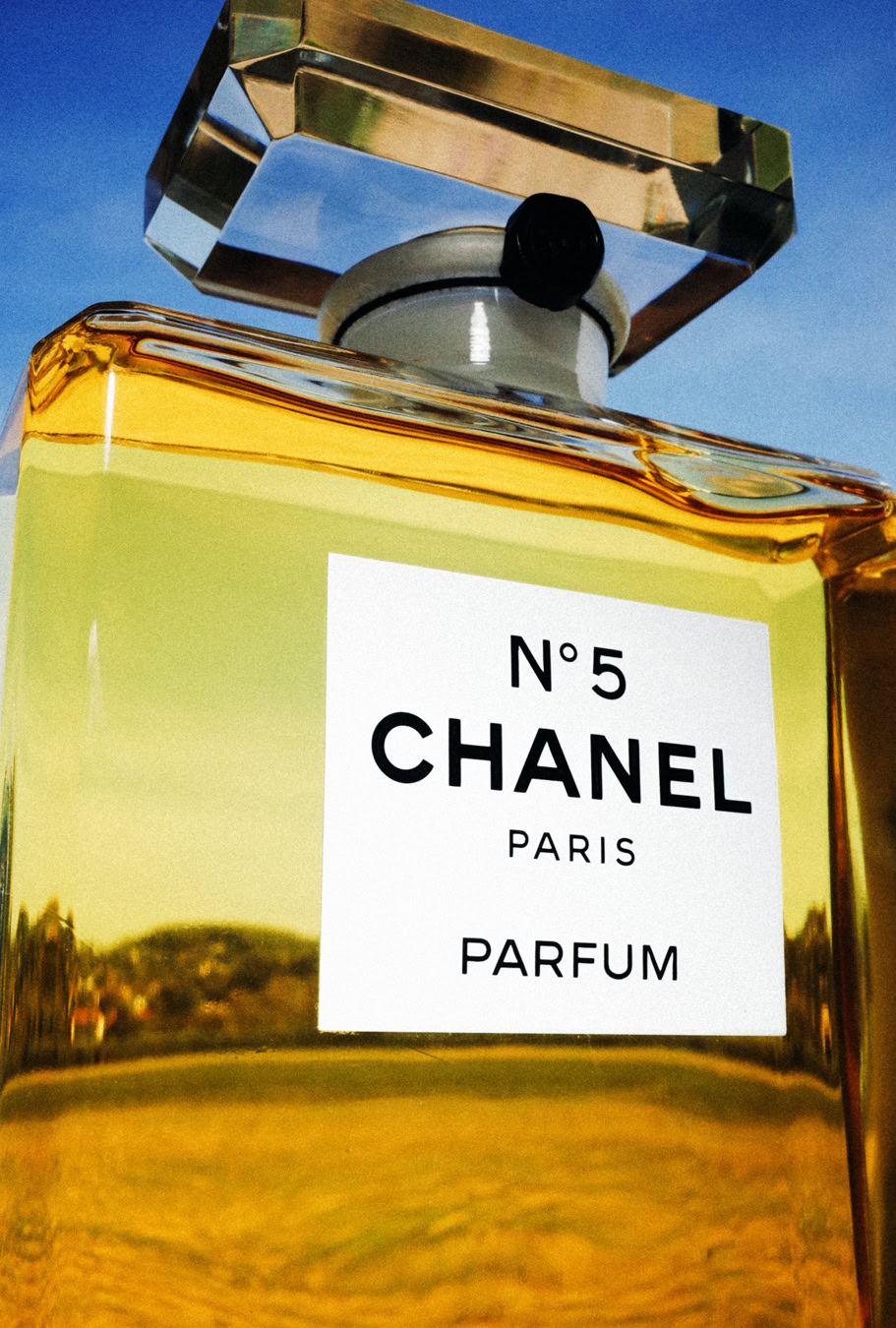
From left; the main entrance to the Mul family farm in Grasse, France; the famed Chanel N°5 bottle
WHY SEPTEMBER MATTERS
I arrived exactly when I needed to. Jasmine from Grasse has a strict blooming window (August through to early October), but its most fragrant, most expressive moment is early September. And that’s why the Mul family’s schedule is set with near-military precision.
Every day of the season begins in the dark. Pickers move through fields with quiet choreography, collecting each blossom by hand. No machinery. No shortcuts.
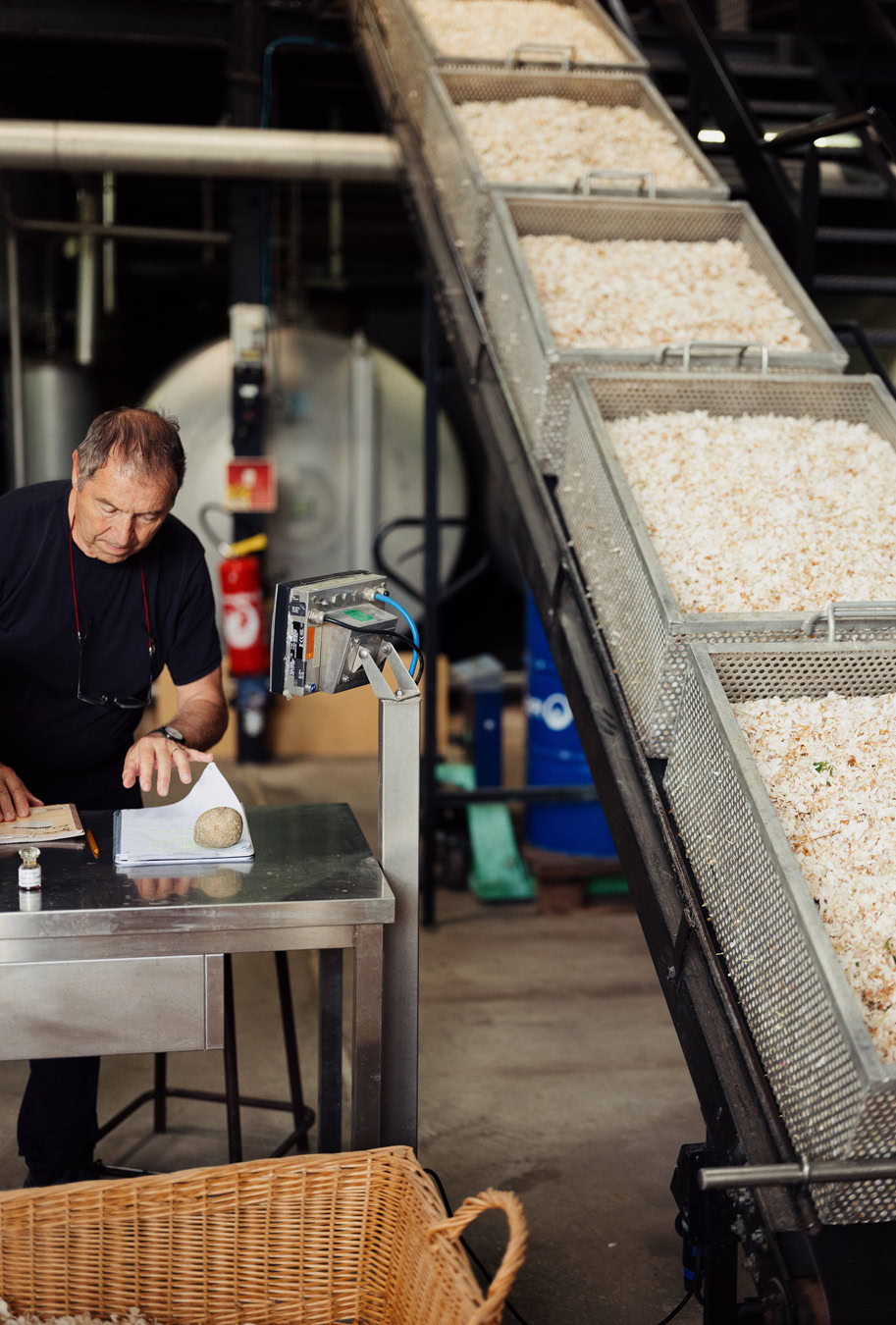
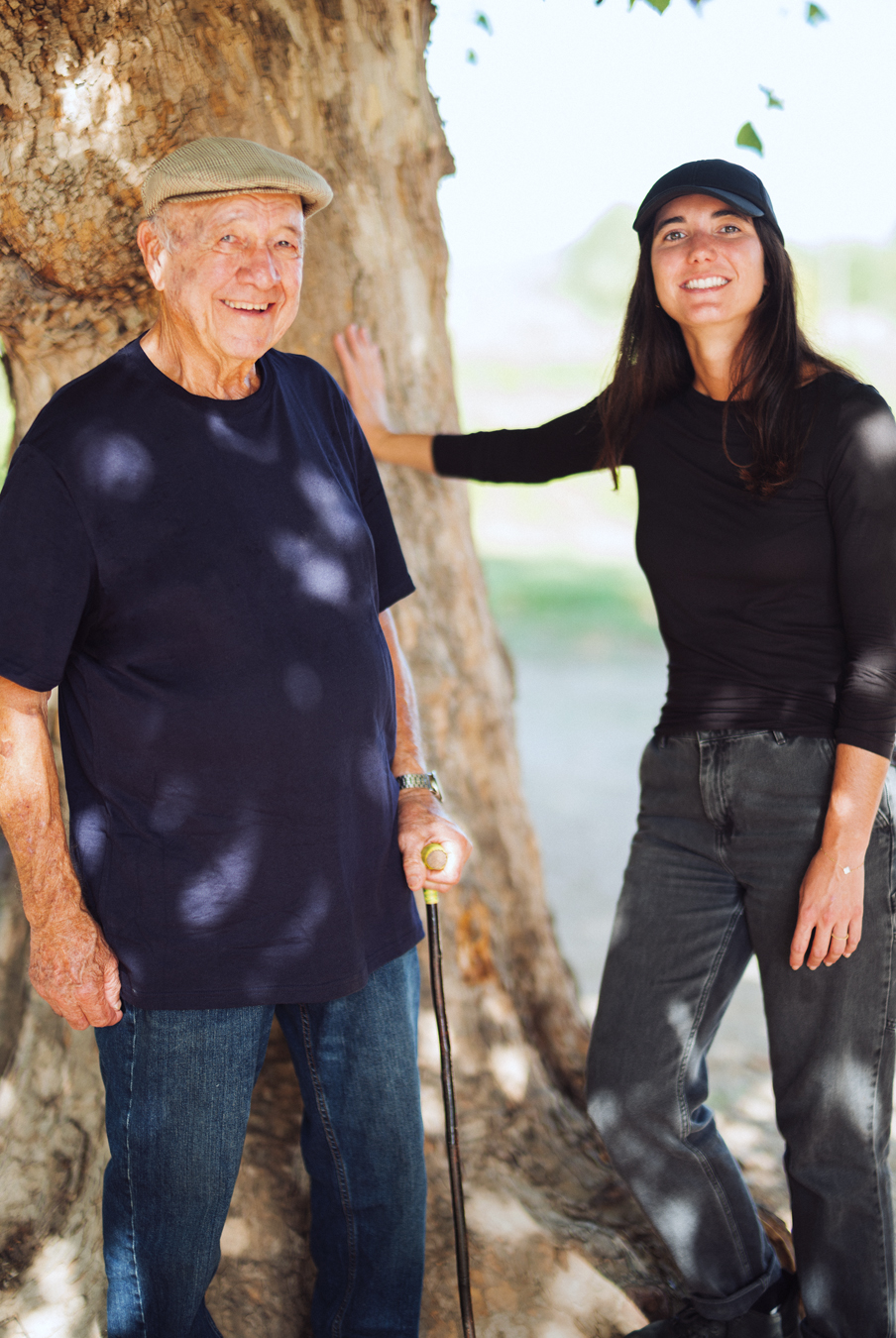
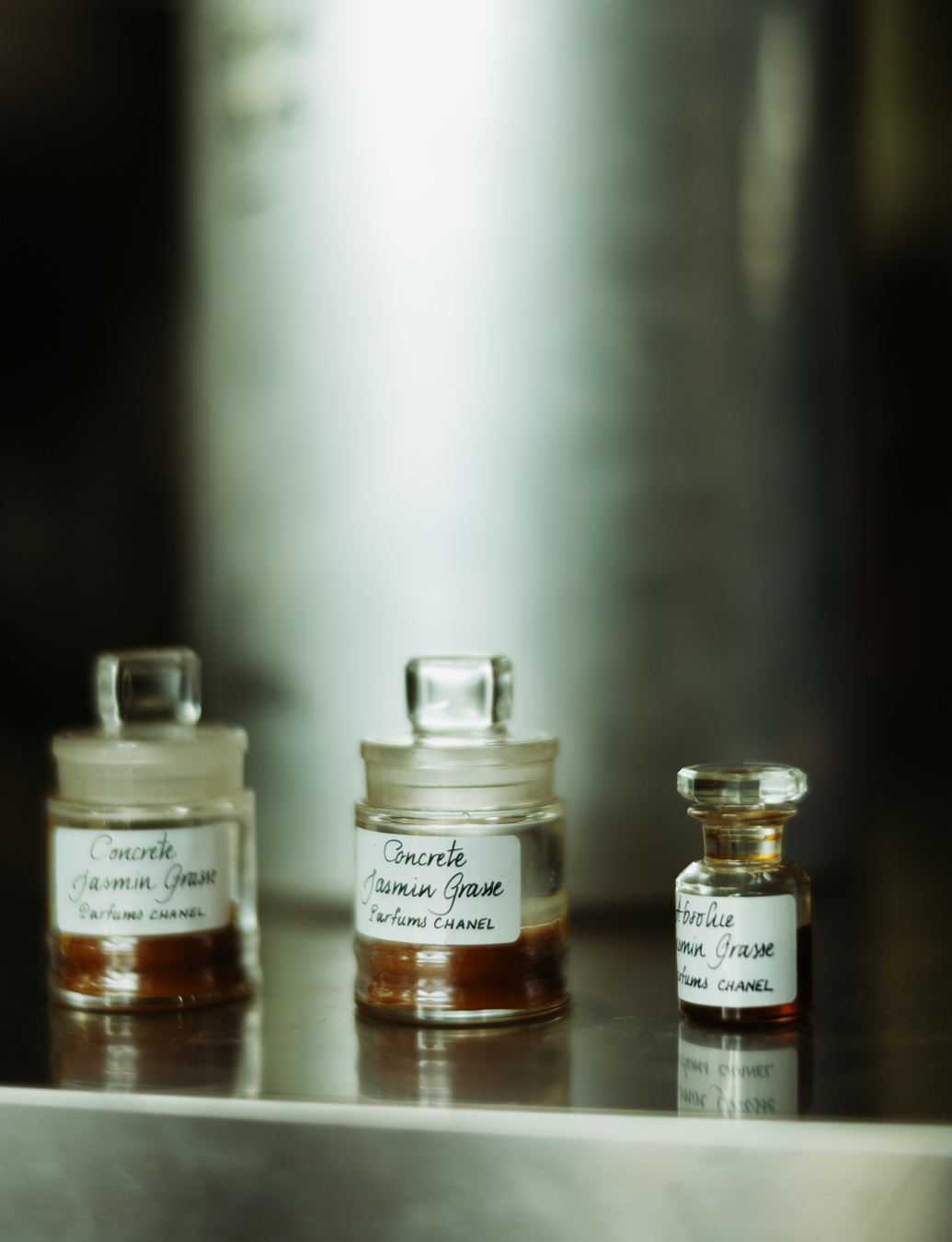
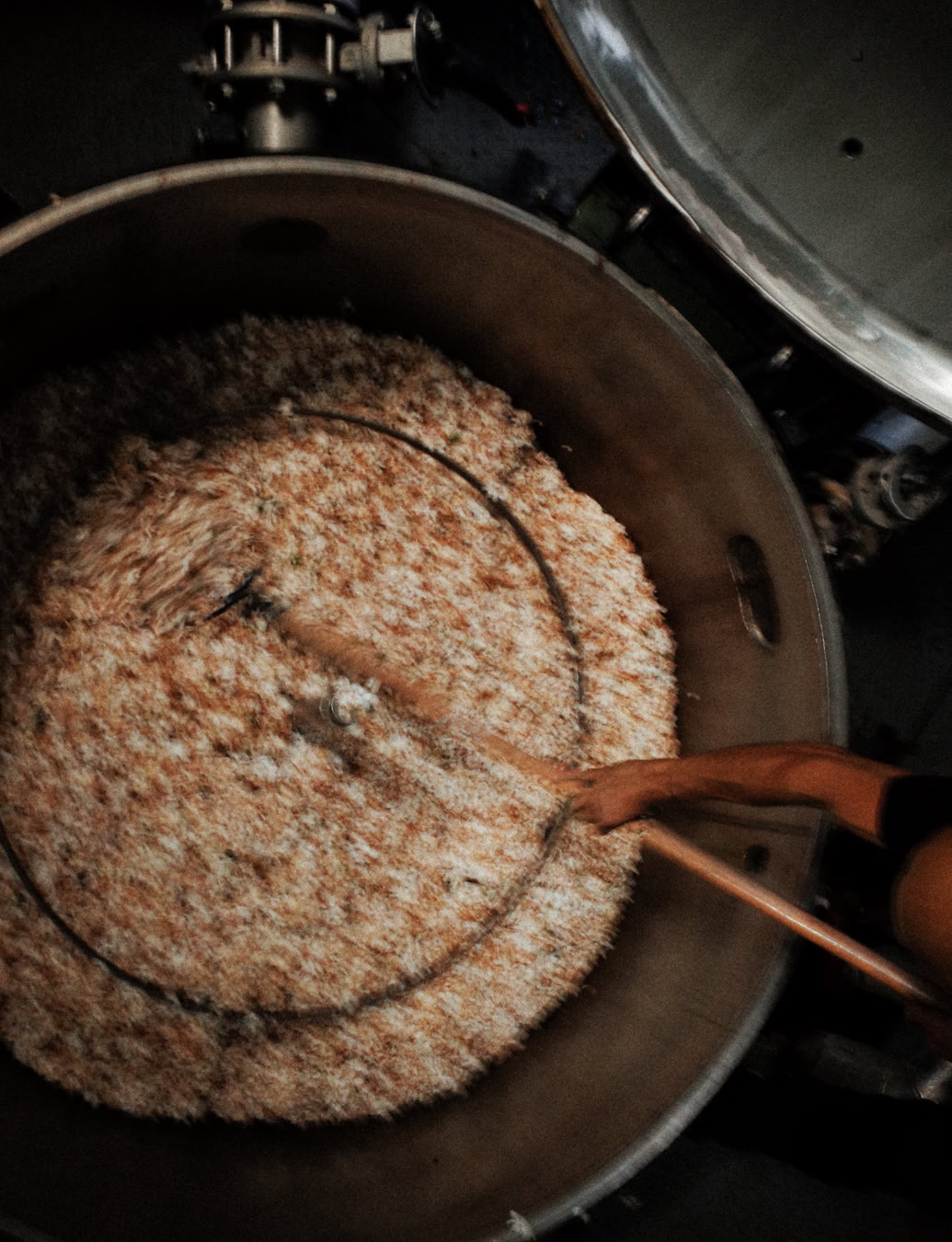
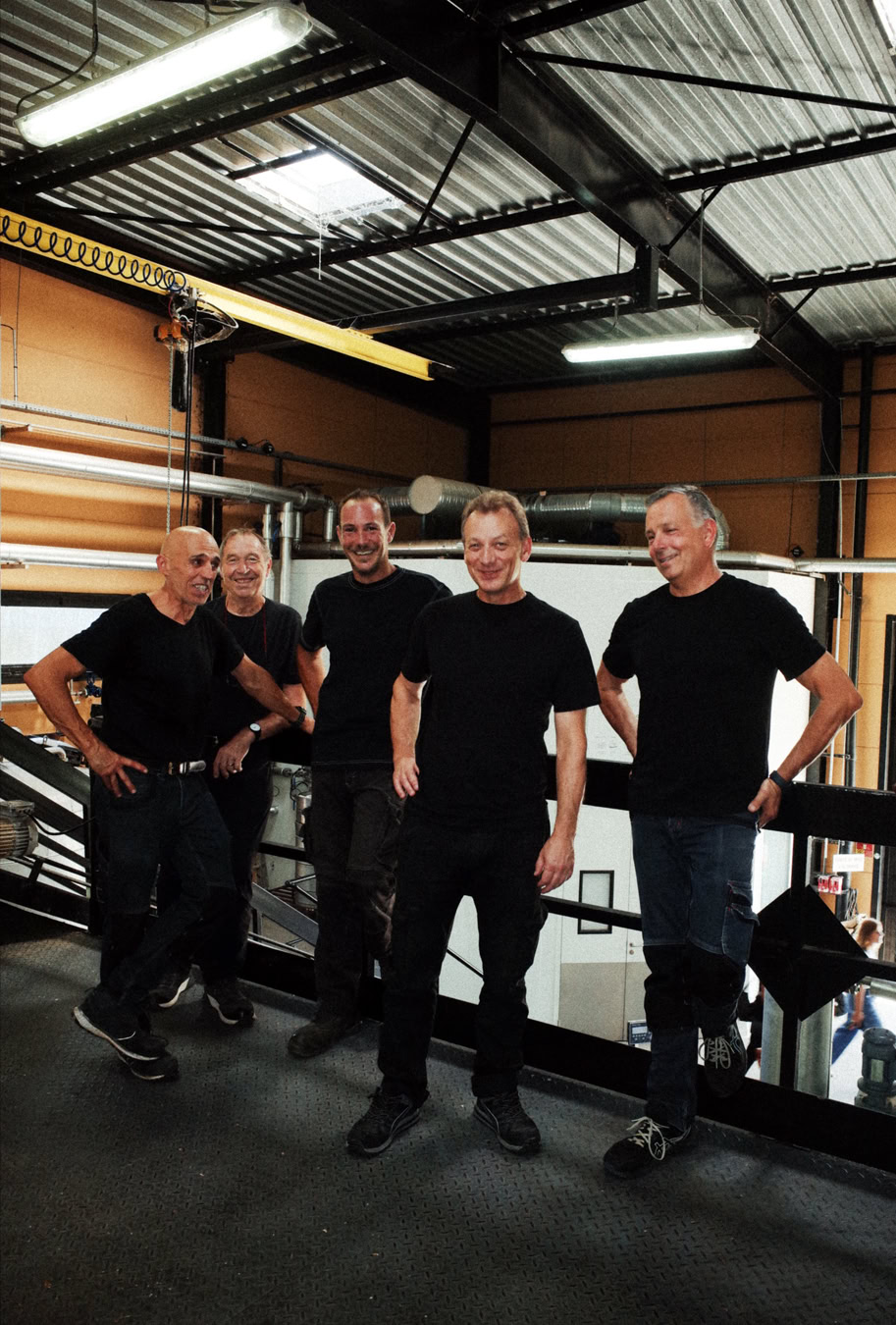
From left; A jasmine-processing area; Joseph Mul and his granddaughter, Marika Bianch; the Concrete and Absolute of Grasse Jasmin; jasmine being prepared to be distilled in a cauldron; workers at Chanel’s extraction facility
HARVESTING PERFECTION (AND A LITTLE BIT OF MADNESS)
The jasmine harvest begins at dawn when the flowers are still shy and fragrant. Pickers move through the rows like a ballet corps – except there’s no music, just the soft percussion of petals meeting baskets. Each blossom must be plucked by hand before the sun gets too high, or it loses its soul. The flowers are then put into wooden baskets with a wet cloth covering the blooms to keep their freshness.
By mid morning, the air is so thick with scent it’s almost edible. The blooms are weighed and whisked a few metres away to Chanel’s extraction facility: there are no middle men, no delay. This proximity isn’t romantic convenience, it’s science. The fresher the flower, the purer the absolute.
Then comes the alchemy: 560,000 jasmine flowers yield just 100 grams of absolute. Imagine that – more than half a million flowers to fill a vial no bigger than a lipstick. It’s absurd and sublime in equal measure. This is what separates a fragrance from a formula and puts the poetry into perfume.
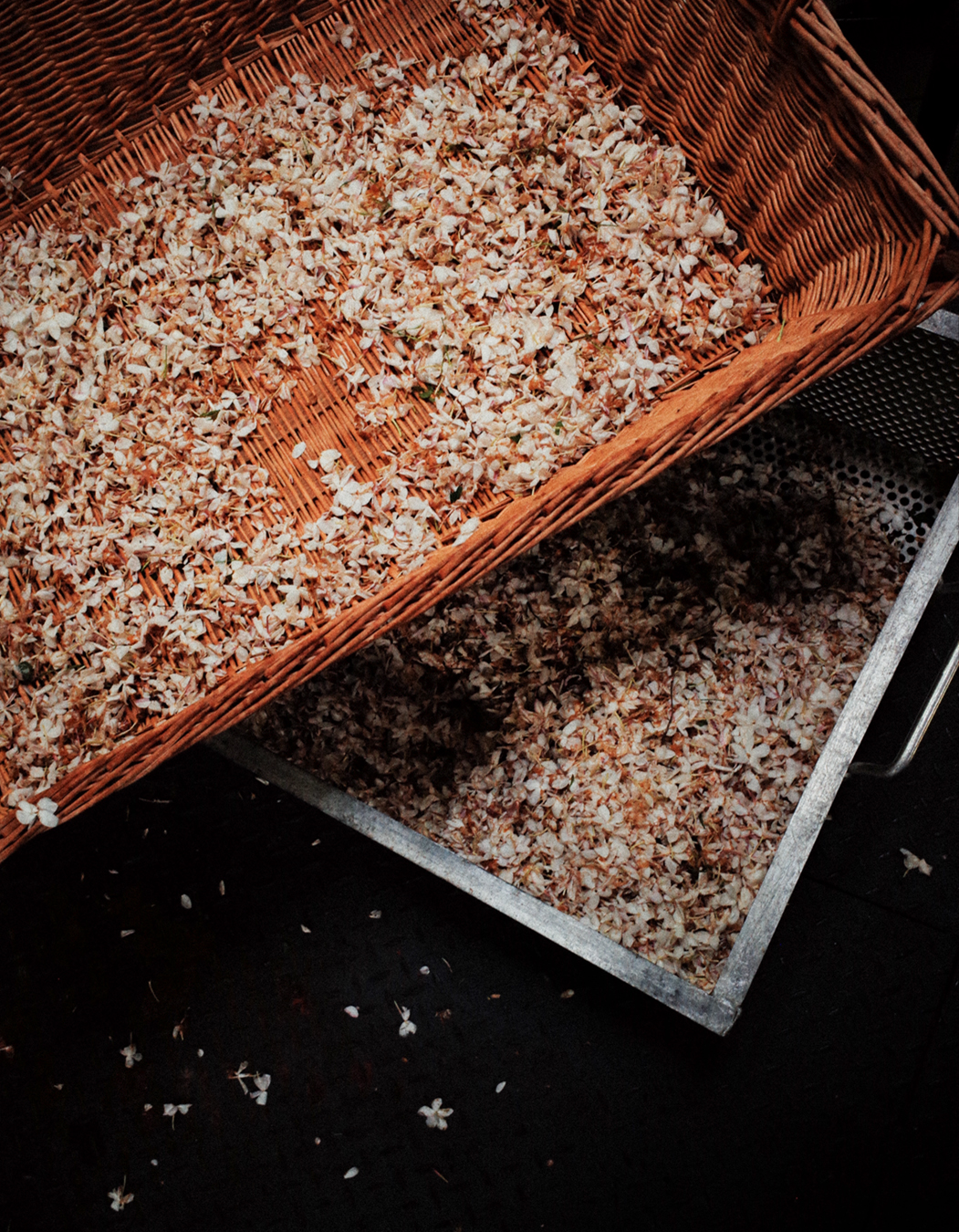
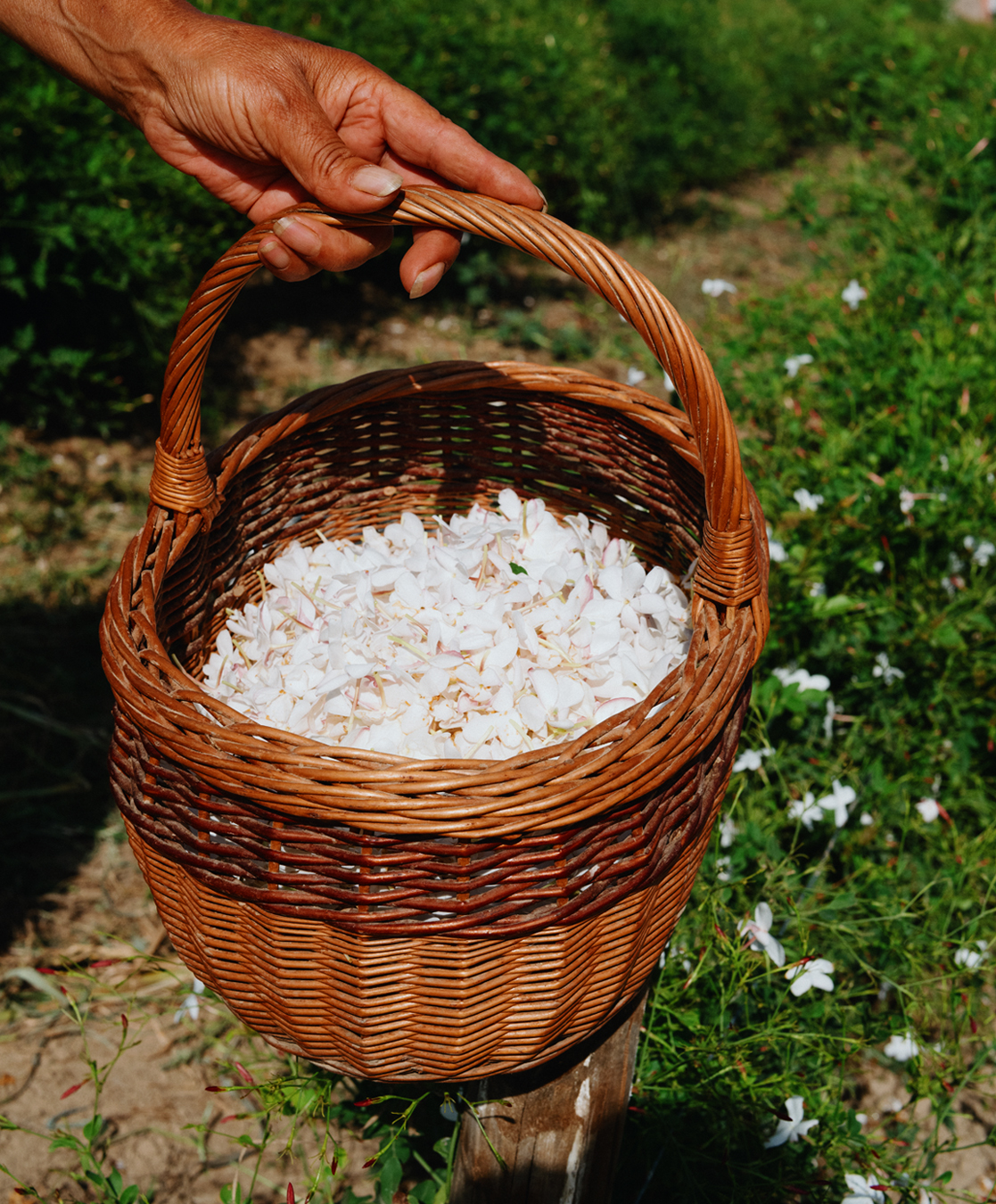
From left; A basket of freshly picked jasmine; A small portion of the millions of flowers that are transferred to be processed
THE SOUL OF CHANEL N°5
Since 1921, Chanel has been sourcing jasmine from Grasse for Chanel N°5 – a decision that made a legend smell like a dream. The region’s microclimate and rich soil produce flowers of such purity that Ernest Beaux, operating under the daring eye of Gabrielle Chanel herself, declared no other would do.
In 1987, Chanel sealed that romance with its long-term partnership with the Mul family, perfume plant growers for five generations. Their 30 hectares bloom with five essential ingredients: jasmine, May rose, rosageranium, tuberose and iris pallida.
“Each flower tells a story,” says Fabrice, one of the artisans. “You can smell the morning in the jasmine, the sun in the rose. Together, they become Chanel.”
It sounds poetic – and it is – but behind that poetry is a precision bordering on obsession.
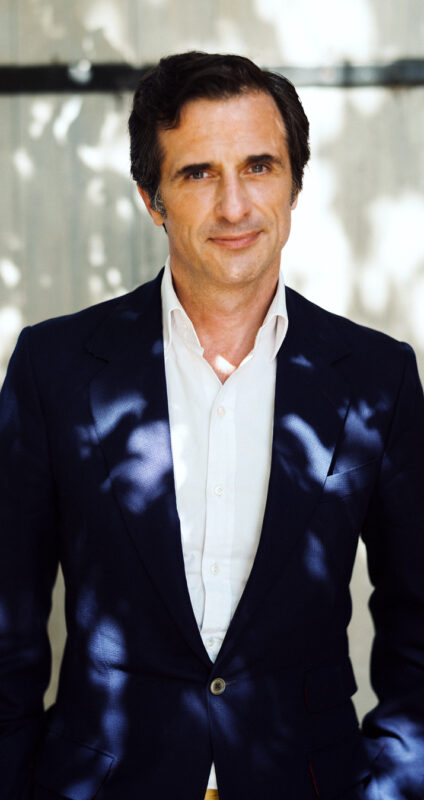
Olivier Polge, Chanel’s in-house perfumer creator
THE 55 FRAGRANCE VOICES
What struck me most wasn’t just the fields or the flowers, but the people. The making of a Chanel fragrance is not a solitary act of genius, it’s a chorus. Fifty-five individuals, each of whom is a ‘voice’ in Chanel’s fragrant symphony: artisans, chemists, perfumers, farmers, glassmakers, designers.
Olivier Polge, the brand’s in-house perfumer, an elegant figure, sits down with the group to remind us of the importance of the Mul farm’s work and why the jasmine from Grasse is the exact scent needed for this particular perfume, because in the floral kingdom not all jasmine is created equal!
Then there’s Joseph, who calibrates the extraction machines with the precision of a watchmaker, and Luciana, whose hands seem to sense ripeness by instinct. And of course, there are the ‘noses’, the perfumers who translate emotion into scent.
Together, they form Chanel’s ‘55 fragrance voices’. That does sound romantic, but it’s also logistical brilliance, a creative ecosystem where every gesture, from picking to blending to bottling, exists under one harmonious roof.
“It’s a conversation across time,” one of the 55 tells me. “Between the hand that picks, the mind that imagines and the nose that composes. That’s how you keep something eternal alive.”
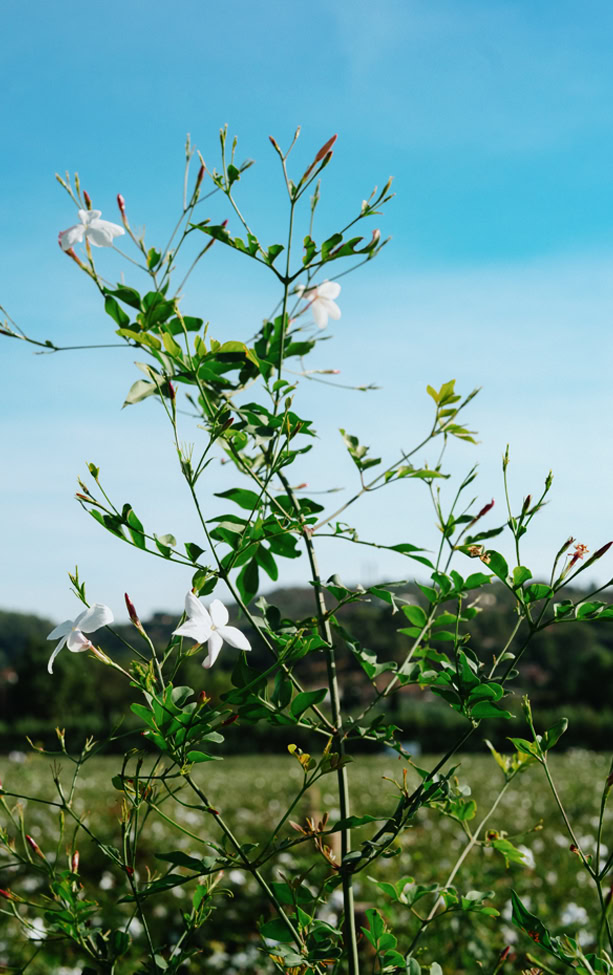
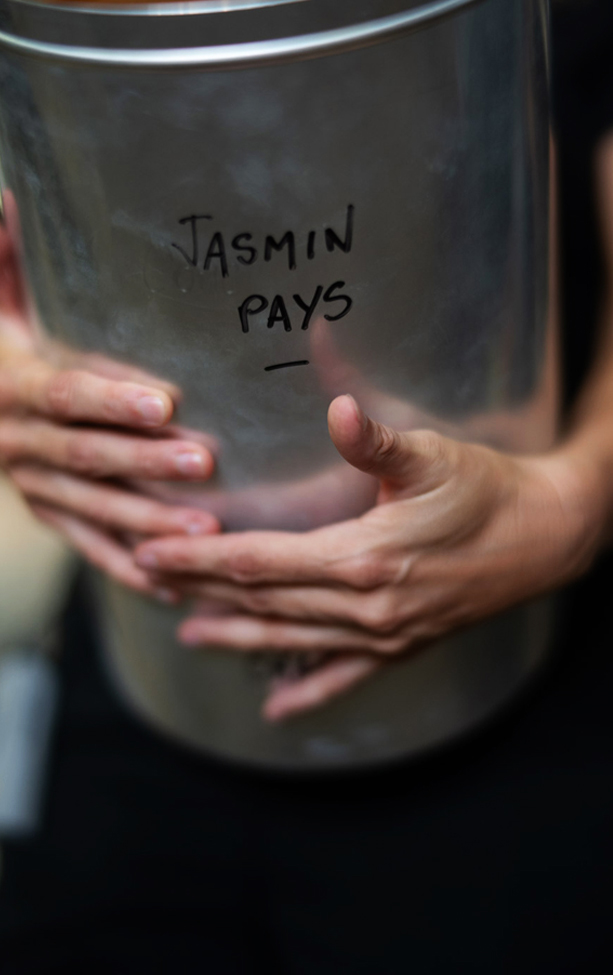
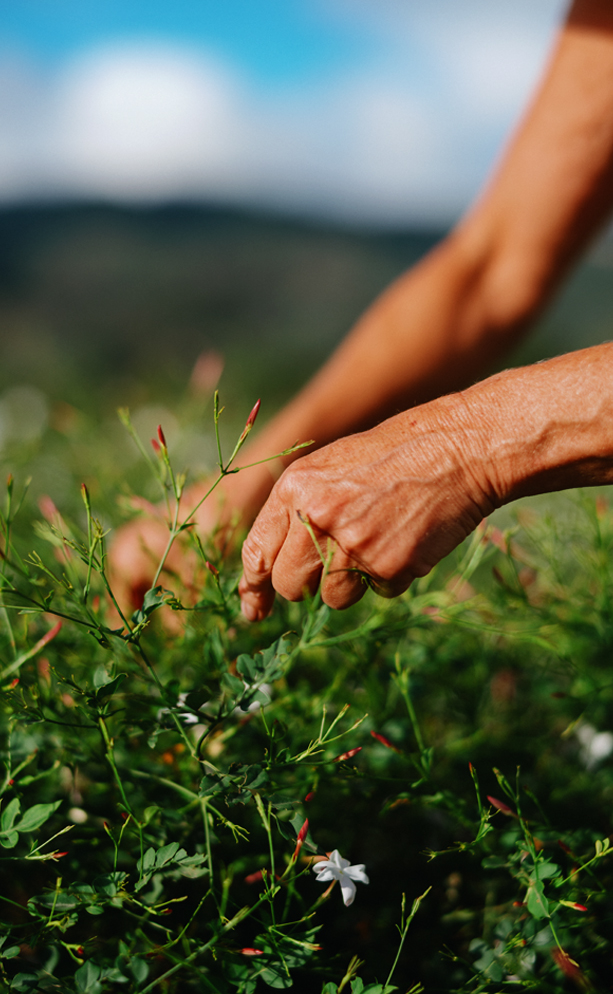
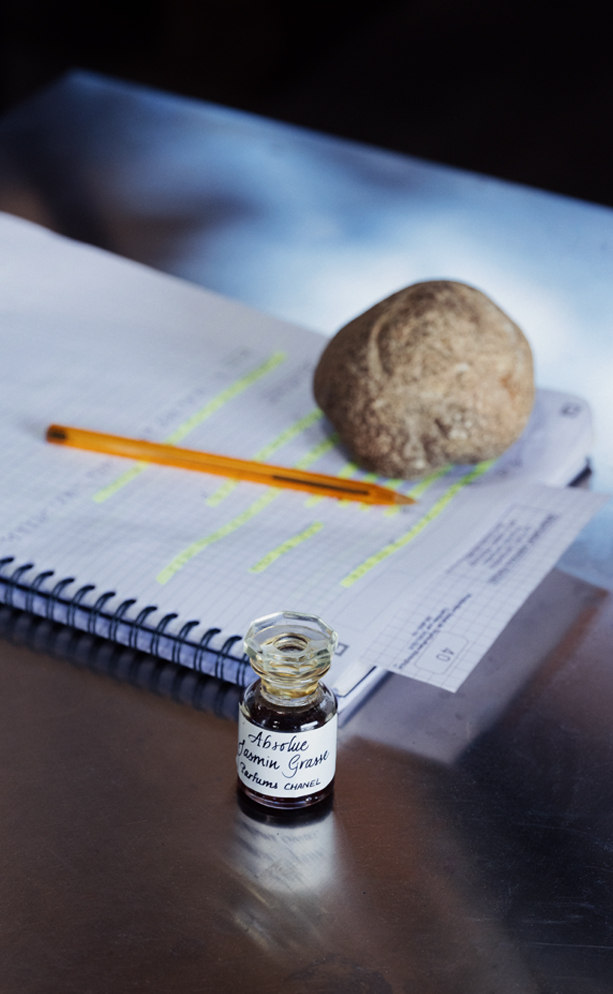
From left; The plant itself; Thick jasmine wax waiting to become Chanel N°5; Hand picking jasmine flowers; Jasmine absolute flacon
FROM FIELD TO FLACON
It’s not just chemistry, or luxury; it’s devotion disguised as routine. Every flacon (that’s French for bottle) contains a thousand tiny miracles – each one is touched by a hand, guided by a craft and infused with history.
Later, as I reluctantly returned my boots and brushed away the dust of Grasse, I realised the scent clings to everything, including my skin and hair. Maybe it was also because I did sit inside a cauldron of jasmine. But it’s not just Chanel N°5 anymore. It’s the smell of a legacy in motion.
Now, when I lift the bottle, I smell dawn in Grasse. I smell the Mul family’s meticulous schedule. I smell hands that pick with artistry. I smell a century of heritage, rendered in flowers and devotion.
The fragrance hasn’t changed, but my appreciation of the scent most definitely has.
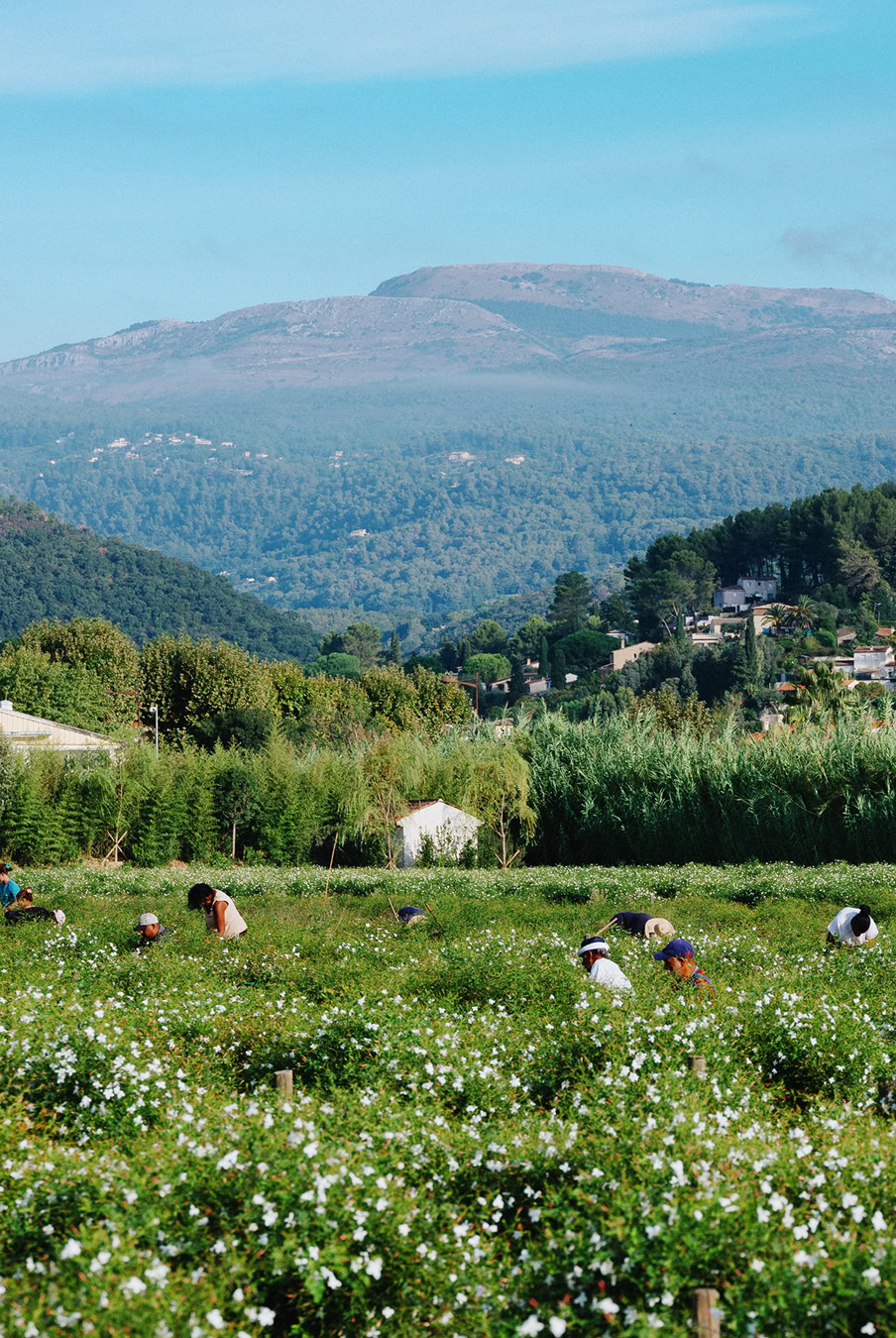
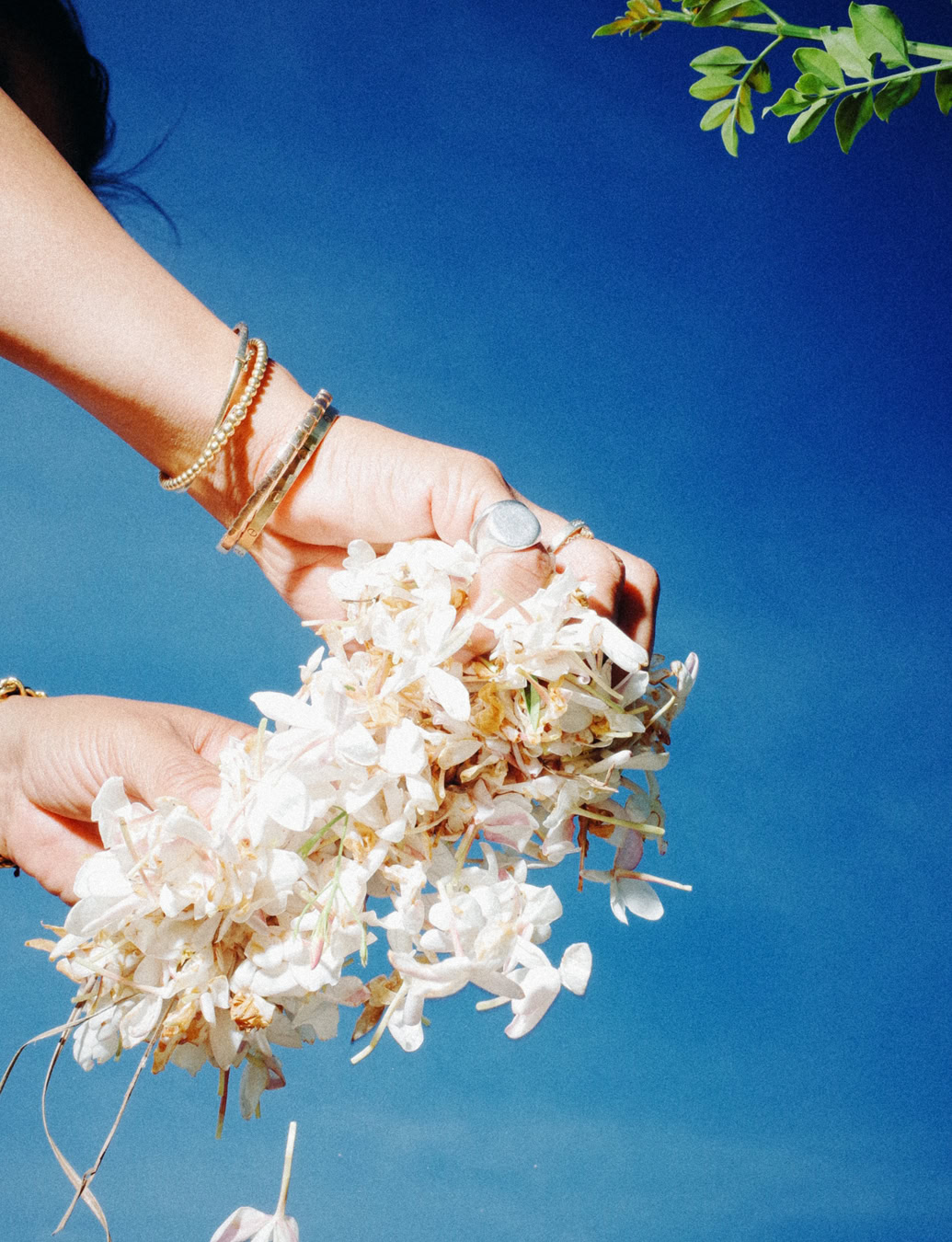
From left; pickers working in a jasmine field; freshly picked jasmine
Photography by Tinko Czetwertynski. Issue 77 of 10 Magazine – FUTURE, LEGACY, HERITAGE – is on newsstands now. Order your copy here.