July 30, 2026 |
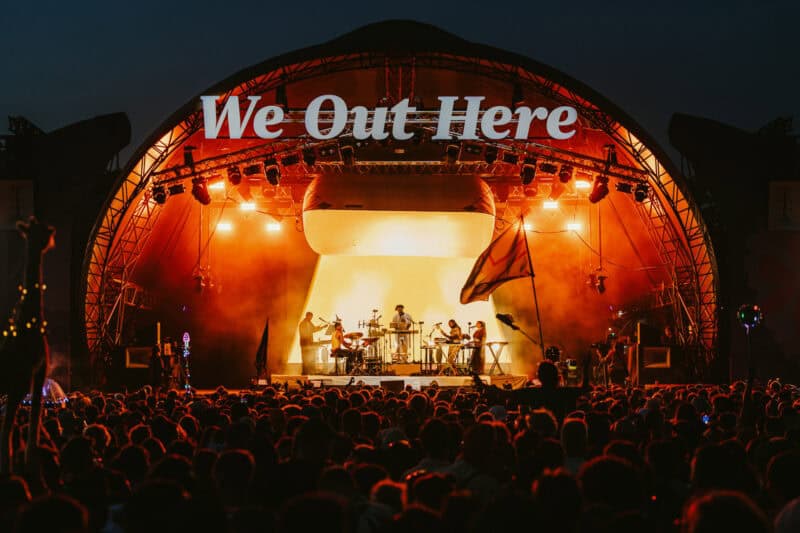
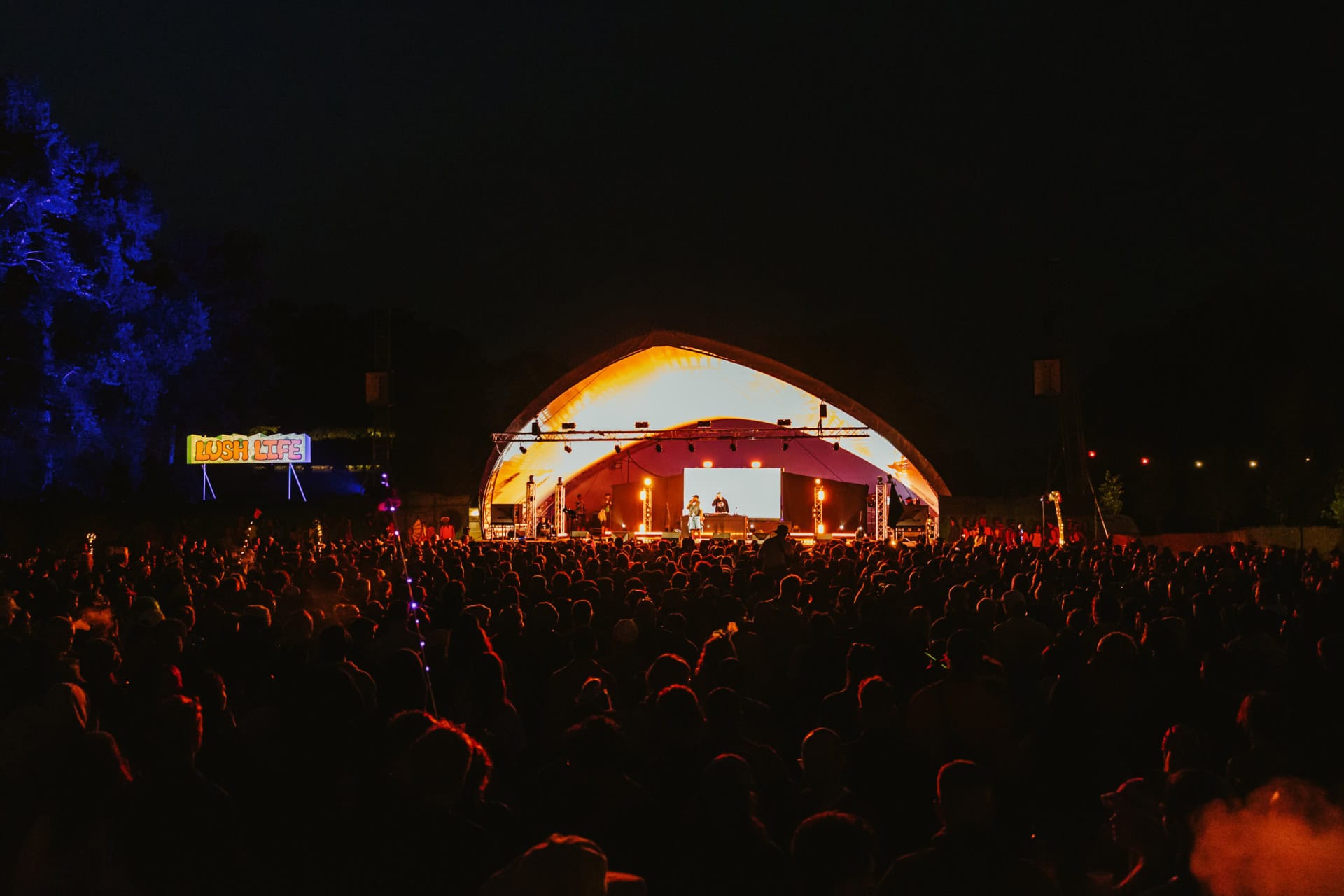
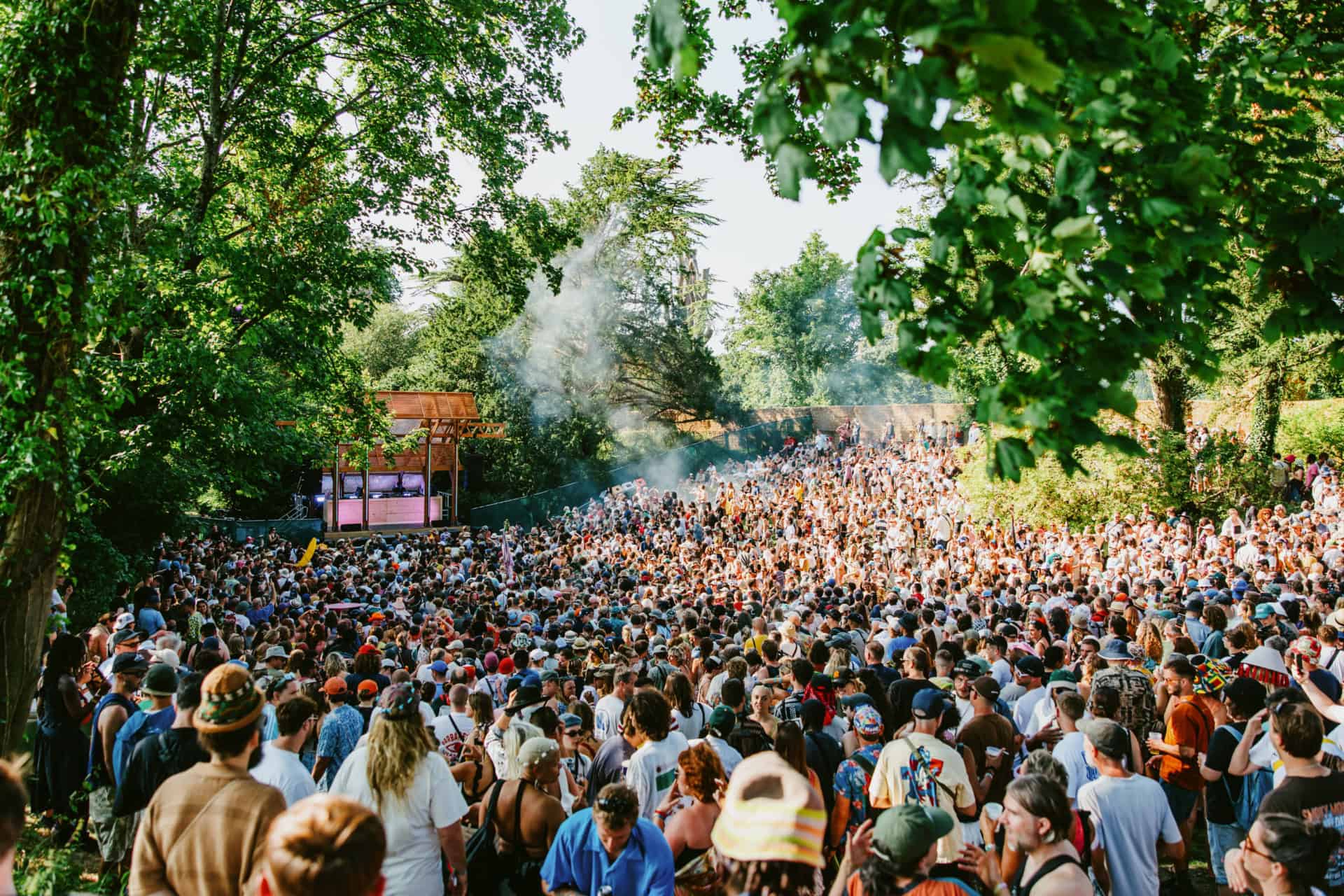
We Out Here is a special festival. Founded in 2019 by veteran DJ Gilles Peterson, the independent weekender prides itself on curating global-facing lineups stacked with hall-of-famers, emerging talent and everything in between. After dropping its full programme over the past few weeks, it’s clear that for 2026, Peterson has outdone himself.
At the top of the bill is heralded Brazilian musician Arthur Verocai, whose 1972 self-titled album tenderly threaded influences of jazz and soul together to create a rich and joyful sonic tapestry. It’s a feat that, when contextualised, feels politically significant too, with Verocai creating the album whilst Brazil was under military dictatorship. Sitting next to Verocai in the second headliner spot is LA-native Thundercat, a two-time Grammy winner whose experimental bass work has seen his star soar and blaze the way in the world of progressive funk.
But a festival is not the sum of its headliners, and Peterson knows that more than most. Also appearing on the bill are Hackney-born rapper John Glacier, Big Apple-based Keiyaa (a cult favourite for fans of offbeat r&b) and legend Peven Everett, whose one-of-a-kind single with Roy Davis Junior, Gabriel became the defining sound of ‘90s garage.
What We Out Here does really well is lean into its community, bringing friends new and old into the fold. This year, a fresh partnership with llegal Mezcal and The Beat Hotel brings a new stage to the festival’s Dorset homestead, with rising stars like the eclectic and experimental Babyschön billed next to household names like Prosumer, Ruf Dug and Al Wootton, whilst Lemon Lounge – a beloved We Out Here mainstay – has entrusted the likes of Dare Balogun, Mi-El and Coco Maria to bring the zesty energy to their sweaty, intimate tent.
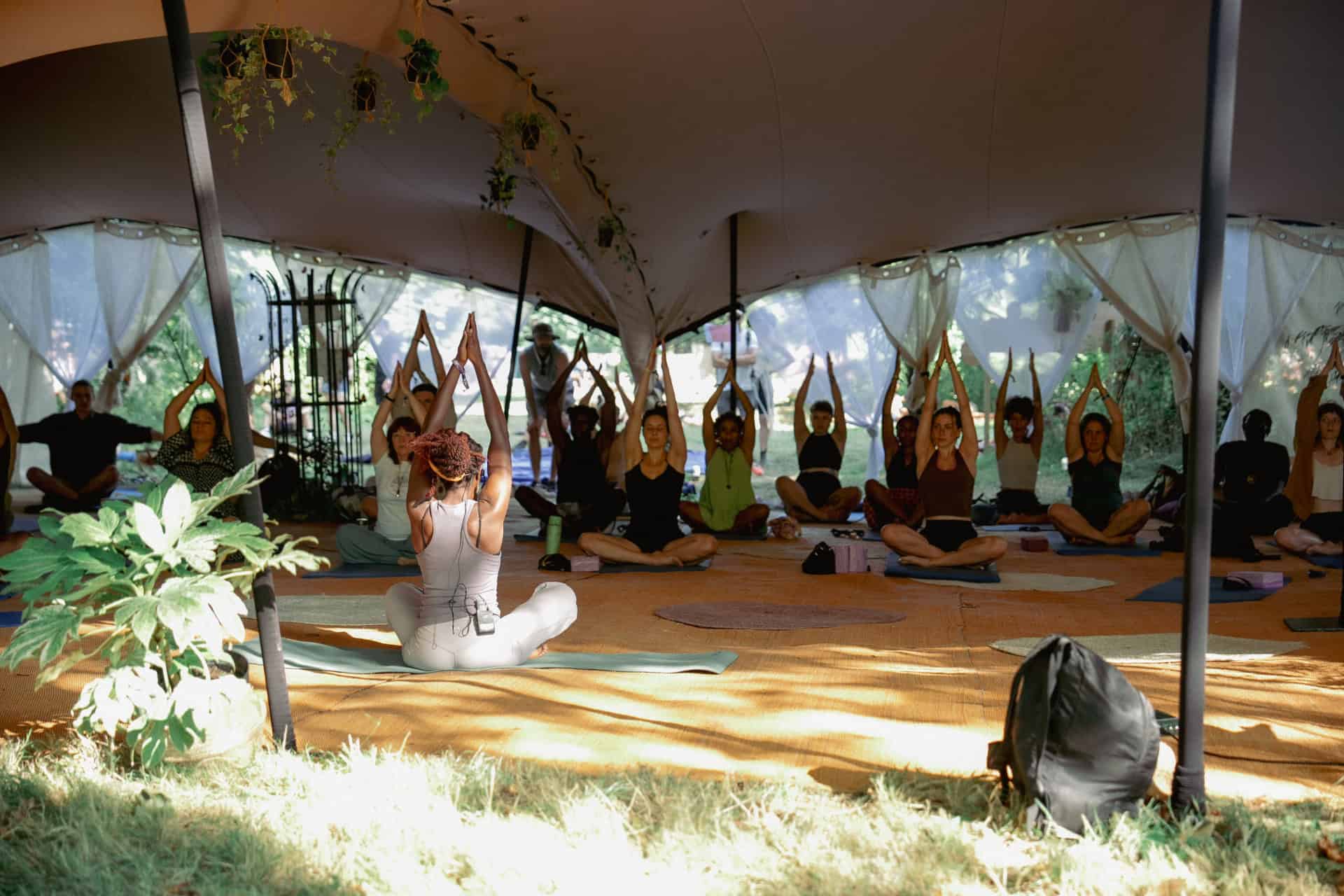
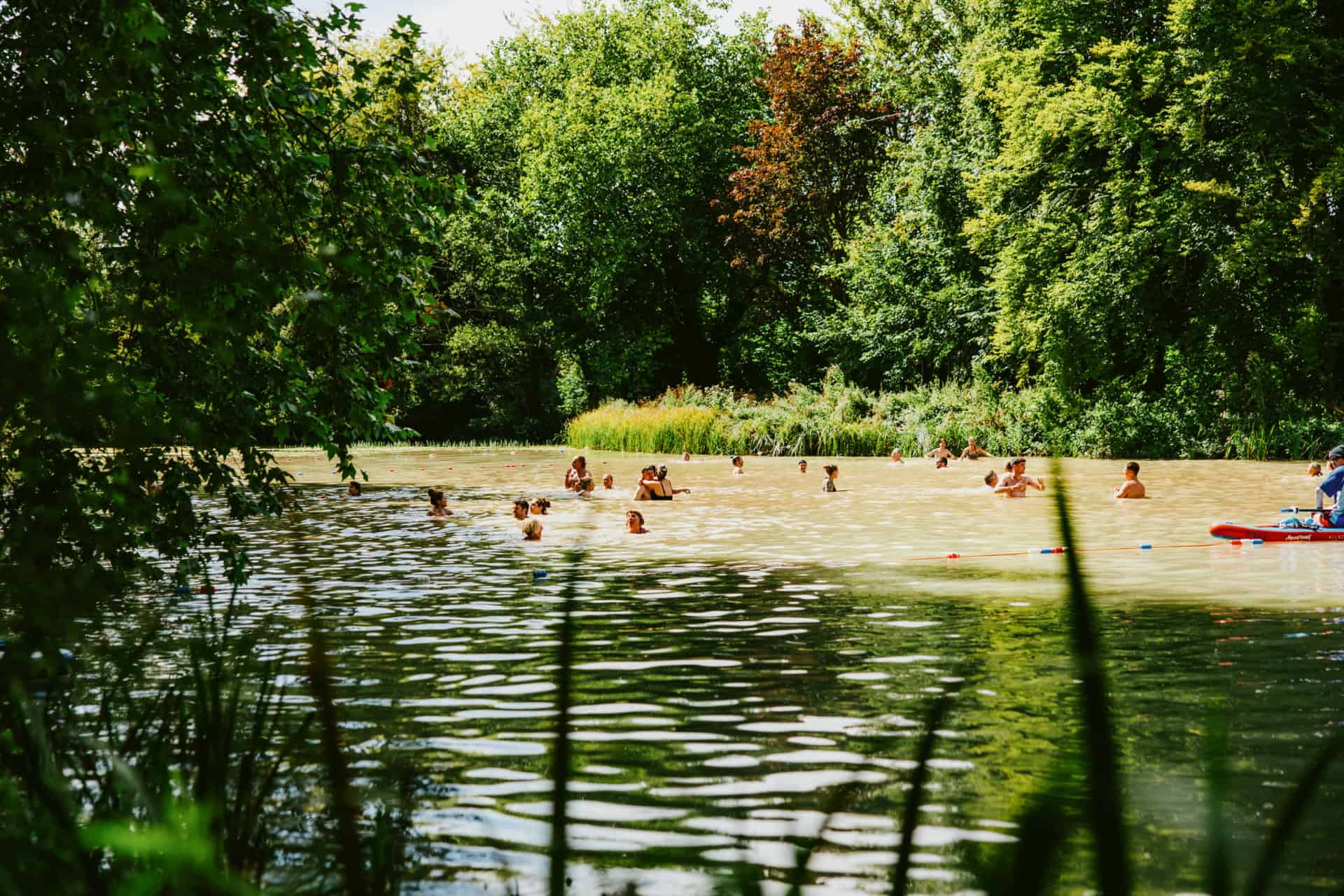
Committed to education, charity and inclusivity, We Out Here is also stacked with activities you can undertake away from the pulse of the dancefloor and boom of the soundsystem. There’s a restaurant where you can have a chef-cooked meal, a therapy tent, a live radio station that plays across each day and a schedule of talks touching on everything from mental health, migration, nutrition and activism. It’s an essential part of their ecosystem that sets We Out Here apart from lots of other festivals across the UK. Considered and expansive, the team responsible view the extended programme as a chance to deepen punters connection to the music they’re hearing, as well as learn new things, build bonds with each other and explore the educational corners of its sonic realm. Here, we speak to some of the programming team to see how they go about their curation and what it takes to execute it.
Carli Adams – Wider Programme Producer, Talks, Wellness, Family and Charities
1. Talk us through the process of producing the wider programme at We Out Here – how long does it take and what are the steps you take to get to the final product?
We tend to start working on the wider programme of the festival around February, once the project brief has been set and we know what goals and improvements that we’re working towards. Thankfully, we work with incredible programmers across each of the areas and have built great working relationships over the years, so the process gets smoother and smoother each time. In terms of steps, first off I meet with each of the programmers and determine the vision for the year – themes we want to focus on, our priorities, anything we want to change from the previous year. They then go off and begin going through applications, reaching out to contributors who we want to involve, and then it’s a process of selecting to create the most cohesive programme – inclusive, expansive, and varied. We then think of more detailed elements of delivery like the decoration, the space, the sounds, the look and feel. And then of course back into the logistics of everything – making sure we have the right equipment, staff in place, people, accreditation and schedule.
2. When producing the programme for We Out Here, what is one thing you always bear in mind?
The main thing I want to make sure of is that our programmes reflect the interests of our audience and that the contributors reflect the makeup of our audience. We always want to ensure that we’re including people who are local to the area and from different backgrounds, in culture, in identity, in life experience. We try to practice this across all areas of the wider programming and it’s one of the driving pillars to our approach.
3. What’s one thing you’re excited to catch at this year’s festival?
I’m really excited to see the Craftwerk tent back in action – second year running and with way more creative sessions and workshops this year! I’m also excited to see how Good Karma and the new activism tent will work together hand-in-hand.
Magdelena Poppy Moursy, WOH Radio Programmer
1. What contribution does the radio programme make to the overall experience of We Out Here?
The radio stage is an important space on site for showcasing some of the UK’s best music radio talent. It’s a collaboration with Worldwide FM that brings together different community radio stations, representing established radio names alongside emerging voices across the country. The programme gives our audiences an opportunity to engage more deeply with the stories, influences and contexts behind the artists and sounds they’re hearing across the weekend. It acts as a bridge between performance and conversation, really showcasing radio as a creative and cultural art form in its own right.
2. How do you go about curating the radio programme? What do you look for when selecting who will feature?
Each year we curate the radio programme around a theme that reflects both the values of We Out Here and the wider festival programme. Last year after WOH, Gilles reflected that it really takes a village to make a festival happen. We felt this message strongly captured the spirit of music cultures and movements worldwide and provided a strong brief for our radio hosts to respond to. We want to ensure the programme is as diverse as possible, representing a wide range of sounds, countries, generations and cultural movements – from emerging scenes today to historically significant genres that have driven social or political change or musical innovation. This year we looked for proposals that celebrated the communities sustaining and shaping music scenes and offered our audiences the chance to discover new perspectives about the music genre and the people behind it.
3. How do the shows selected reflect the overall ethos of We Out Here?
This year’s programme brings together a rich mix of music scenes, genres and global perspectives. It explores important emerging artist development initiatives, the history of iconic record labels, radically inclusive club spaces and greater accessibility for parents in music. The programme’s topics include the role of music for women during the Arab Spring protests and the collaboration between dub and post punk communities during the 1980s London riots. It highlights rare vinyl cultures and music movements across Africa, including Ethiopia and Ghana, alongside music’s role in uniting people in conflict-affected regions such as Cyprus and Afghanistan. It traces the evolution of electronic music genres, from acid house born out of ‘90s free party scene in the North to batida in Lisbon and broken beat and jungle in London. It also covers jazz movements from spiritual jazz in Southeast Asia to the 1970s New York No Wave scene. All together these stories show music scenes not in isolation, but as part of an interconnected system where different sounds and movements inform and inspire others. This is the heart of WOH’s music programming.
Lemara Lindsay-Prince, Talks Tent Programmer
1. How do you go about curating the Talks Tent at We Out Here? What do you look for when selecting who will feature?
The curation starts with a gathering of ideas and references from where culture is directly happening, and also its echoes. Where else is this idea, thought or practice showing up? It could be in conversations with friends, or in similar programming elsewhere. I’m always on the lookout for ideas that will really connect with the We Out Here audience, who I have enormous respect for. They’re brilliantly curious and genuinely open to emerging and established voices, to ideas and genres and collectives across every discipline and topic. A good example of what I look for is Speech Debelle, who I booked for this year. I saw them at an event at the Southbank last year – rather than do a straightforward reading from their upcoming book Black Fish, Debelle told a story about being in a canoeing accident with their friends. The way they delivered it, the way they held the room – we all laughed, we all recognised something in the emotions of that moment. The deeper threads around kin, memory and the body are beautiful things for an audience to hold onto, but it was the way they owned that stage that made me book them instantly.
2. Tell us a little bit about the process – do people pitch to you or do you reach out to people, and how does that turn into a finalised programme?
It’s a mixture of both. I’m always scouting and bookmarking – people, talks, literature, conversations – and building around the ideas I want to programme for the year. A lot of matchmaking goes into it, too. I may have the shape of an idea and then find a host or panellist who can build it out and carry it through. Or someone may come to me with an idea, and I’m fortunate enough to suggest who they should be in conversation with. Last year, the author Andrei Sandu wanted to build a panel about the untold stories of the music we love, and I suggested a great friend and broadcaster, Jamal Khadar, who hosts Re:Imagining Country on NTS, for that panel. Sometimes you just know who to connect people with. Then there’s the fact that the Talks Tent is now so established and respected that people actively want to pitch ideas to me, and I’m genuinely privileged to say I’m inundated. Once I have a full set list, it’s all about building the jigsaw – finding a flow to each day that the audience can slip into.
3. What’s one thing you’re excited to catch at this year’s festival?
Honestly… the vibe. That feeling of being together and fully present across those four days – and hopefully under the sun! But more specifically, Anaiis. I want to get completely lost in listening to her live. Her album has been the soundtrack to my year so far, and I can’t wait to hear it in the field.
Photography by Jake Davis, Rob Jones and Lorraine Gray