Few areas of our lives are as deeply entangled with the idea of change as fashion. With every passing season, silhouettes shift, trends dissolve and new systems of expression emerge. To participate in fashion is to embrace a state of perpetual transformation. It follows, then, that the industry’s internal frameworks are often shifting, with roles, hierarchies and power dynamics constantly being renegotiated.
Yet in today’s turbulent climate, that typically generative force risks tipping into chaos. Hard-won progress around inclusivity, representation and creative freedom is increasingly met with backlash, as rigid and oppressive ideologies are making a comeback. The question, then, is not whether fashion will evolve, but how? How do we continue to amplify the right voices? How do we safeguard the openness, experimentation and plurality that so positively define what we do? Ultimately, how do we ensure that we change for the best? To map the challenges and possibilities of the present moment, we spoke to figures at the forefront of this shift who are shaping both our taste and the wider structures and responsibilities of the fashion industry today.
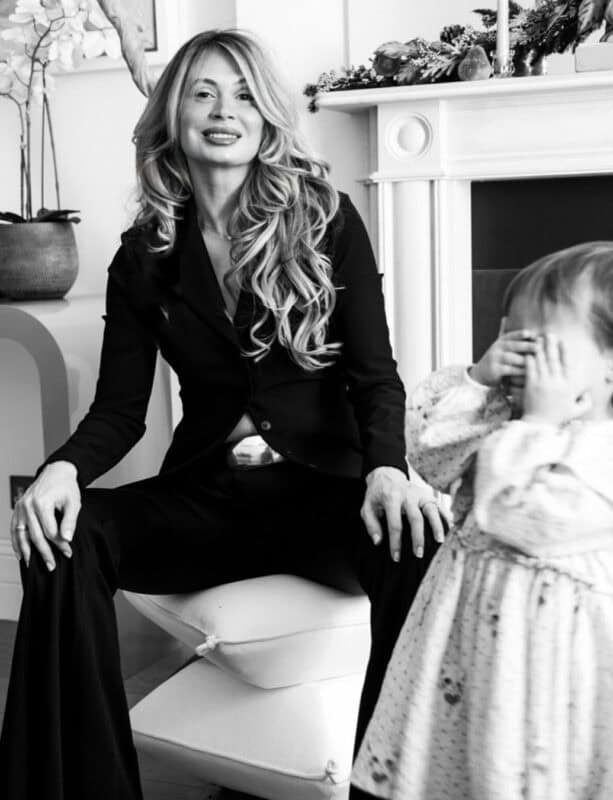
Lucy Greene
Historically, beauty ideals have always been susceptible to change and are constantly being redefined. London-based casting house Anti-Agency is credited by industry insiders as one of the earliest proponents of “unconventional beauty”, though, as founder Lucy Greene told me, “We never set out to find the ‘unconventional’. We just cast people we find compelling [who are] mesmerising, cool and impossible not to look at. The ‘unconventional’ label was something the industry projected onto our models because they didn’t fit outdated rules.” Where others treated casting as a rigid formula of ideal bodies that was defined by strict rules around height, limb length or hip and shoulder width, the team at Anti-Agency scouted for uniqueness, searching for lovable imperfections. “One of our models looks like she was painted by Botticelli himself, yet she’s deemed unconventional because she’s over 6ft tall. Why is that so? Why is someone with freckles and gappy teeth also considered unconventional? It’s so silly.” Their instincts proved right. Many of Anti’s talents have since appeared on some of the most coveted catwalks for brands like Our Legacy, Dsquared2 and Miu Miu, as well as on standout magazine covers for 10, Elle UK and Dazed, among others. Perhaps even more interesting is how Anti has continued to be one of the strongest curators of unique talent at a time when causes like diversity and body positivity have often been tokenised, then quietly dropped to drive revenues. “Anti-Agency has lasted as long as it has because we’ve always been authentic,” Greene says. “We’ve never signed people to tick boxes.”
For Greene, it’s no surprise that a period of rising conservatism has brought a return to rigid standards. Still, she offers reassurance: “Beauty trends have always been cyclical. Conservatism itself has almost become a trend because it goes against the current. But it won’t last. What matters is that with each cycle, we collectively learn a bit more and evolve for the better.”
Photography by Iona Wolff. Taken from 10 Magazine Issue 76 – CREATIVITY, CHANGE, FREEDOM – out NOW. Order your copy here.