May 1, 2026 |
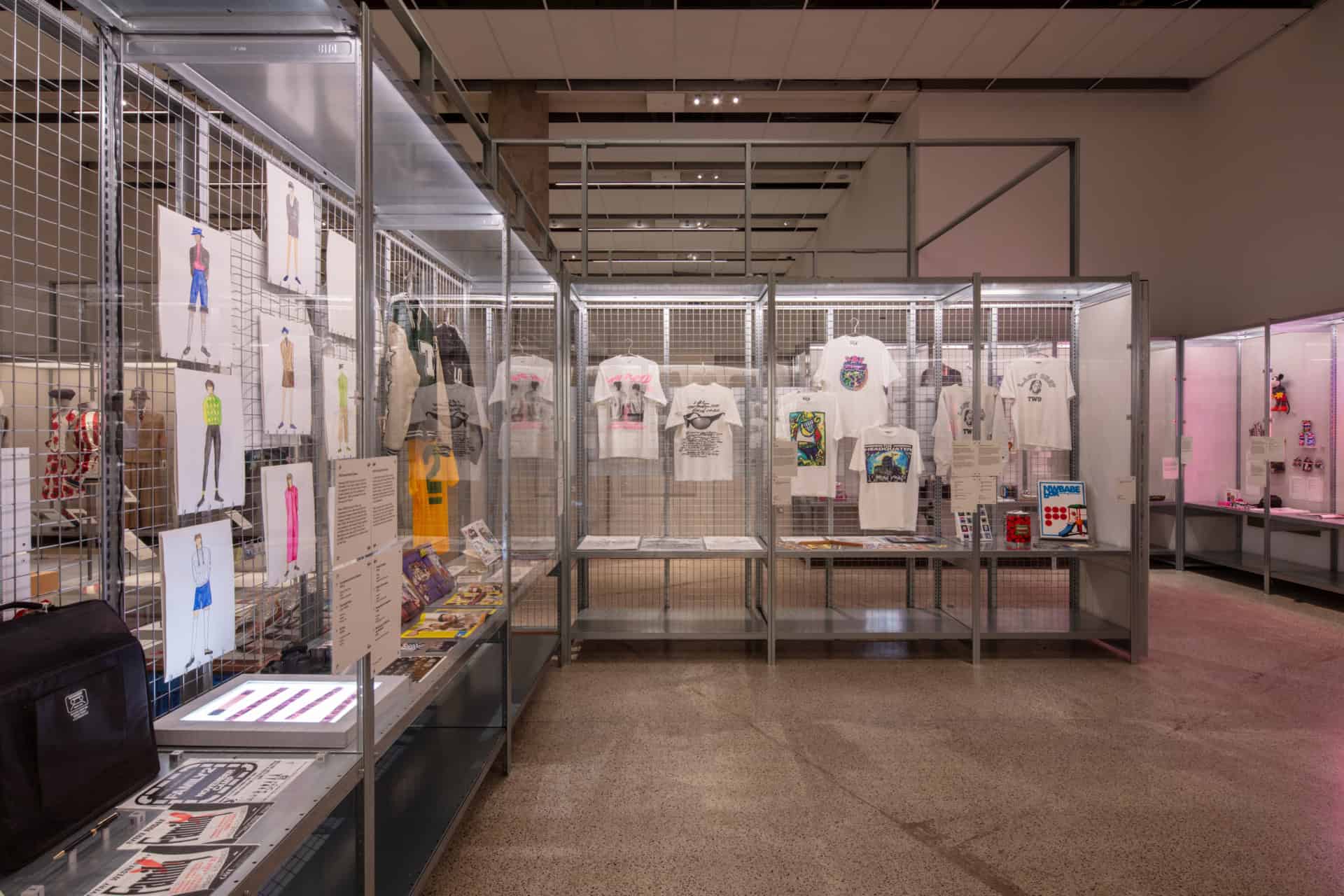
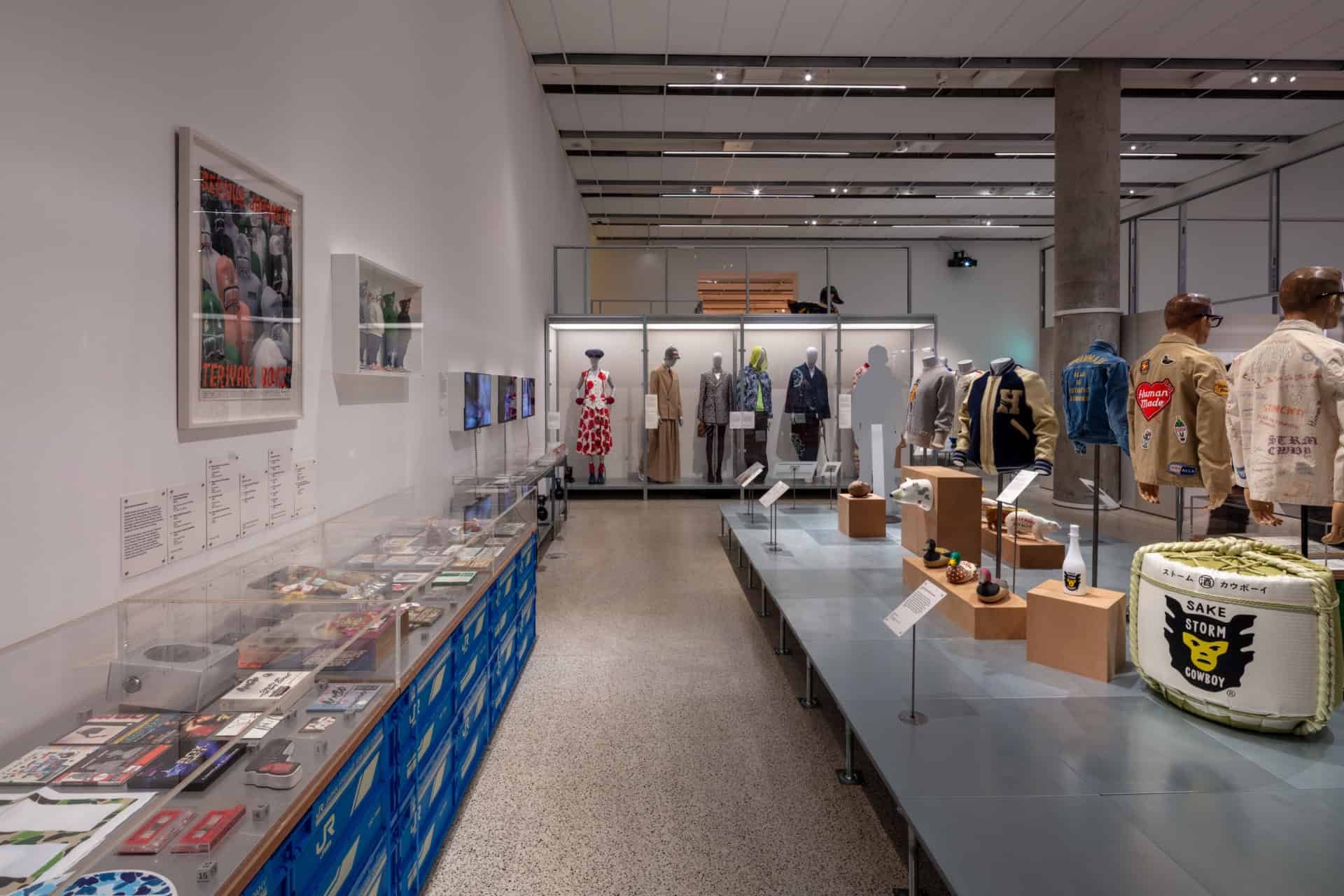
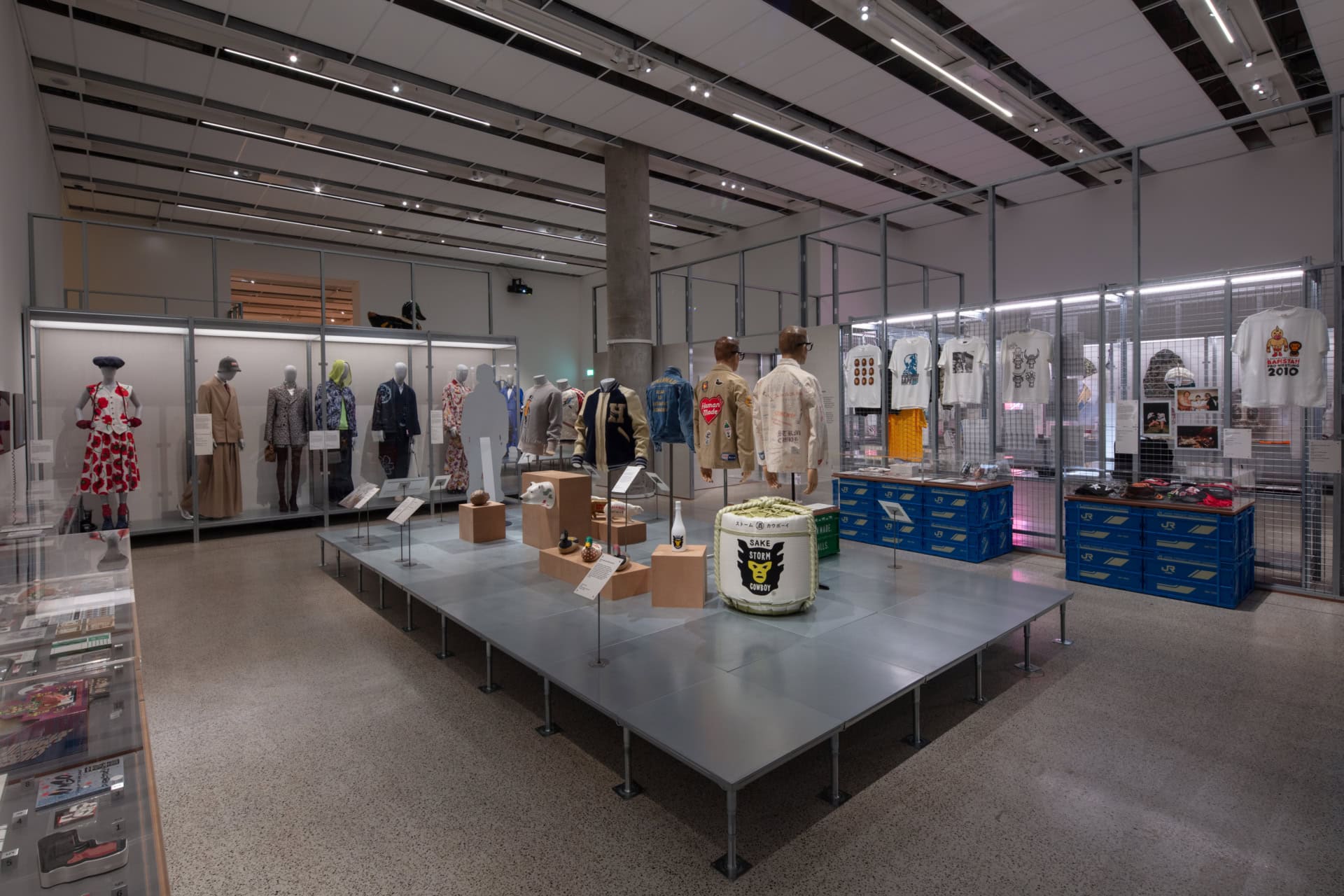
As one of the founding fathers in the now-longstanding dialogue between streetwear and luxury fashion, Nigo has earned his own major retrospective. Right now, the hype-culture fashion designer and visionary, born Tomoaki Nagao in 1970, is the first Japanese creative director of Kenzo succeeding the direction of founder Kenzō Takada (who exited in 1999). Yet, all of the visionary’s life’s work thus far is condensed in this exclusive display of at least 700 objects opening today at London’s Design Museum and running until October 4. Covering four primary sections, fixating on his origins, evolution, impact and future manifestations across the worlds of fashion, art and culture, it’s a good ‘un that you certainly won’t want to miss.
Speaking on the major moment, Nigo said, “I am truly honoured for my first retrospective exhibition to be held at the Design Museum in London, and I’m deeply grateful for the opportunity to present my work in such an iconic space”.
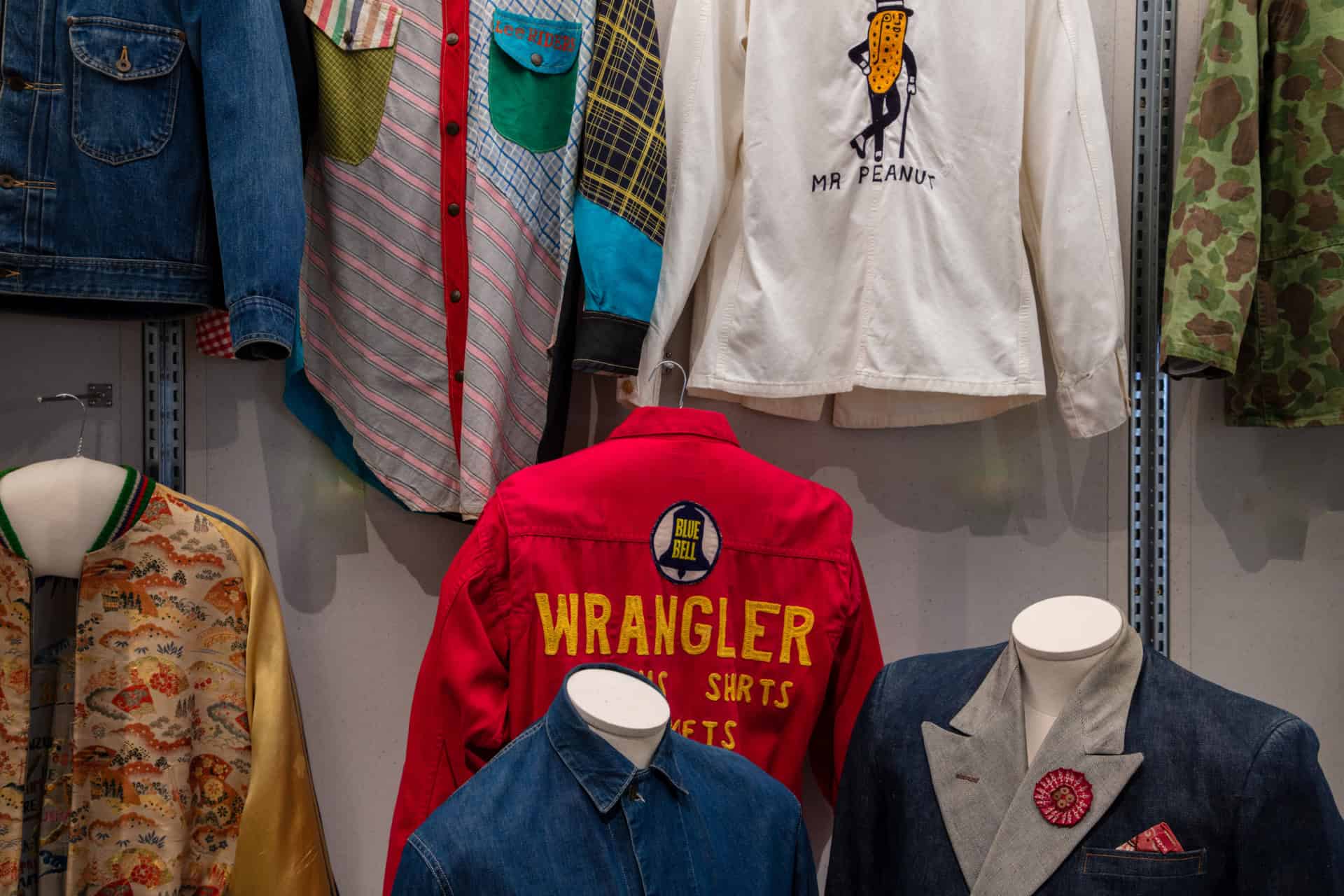
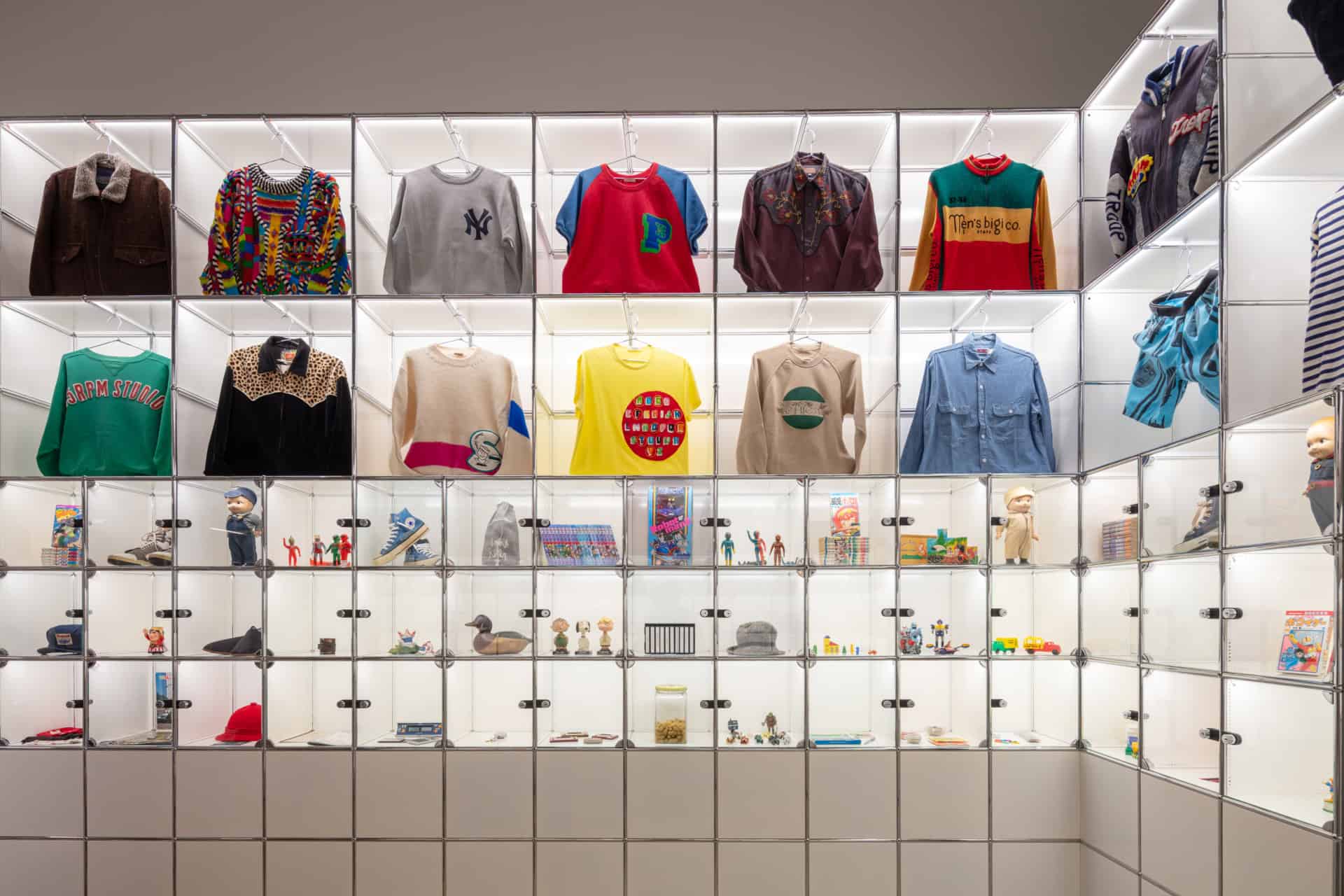
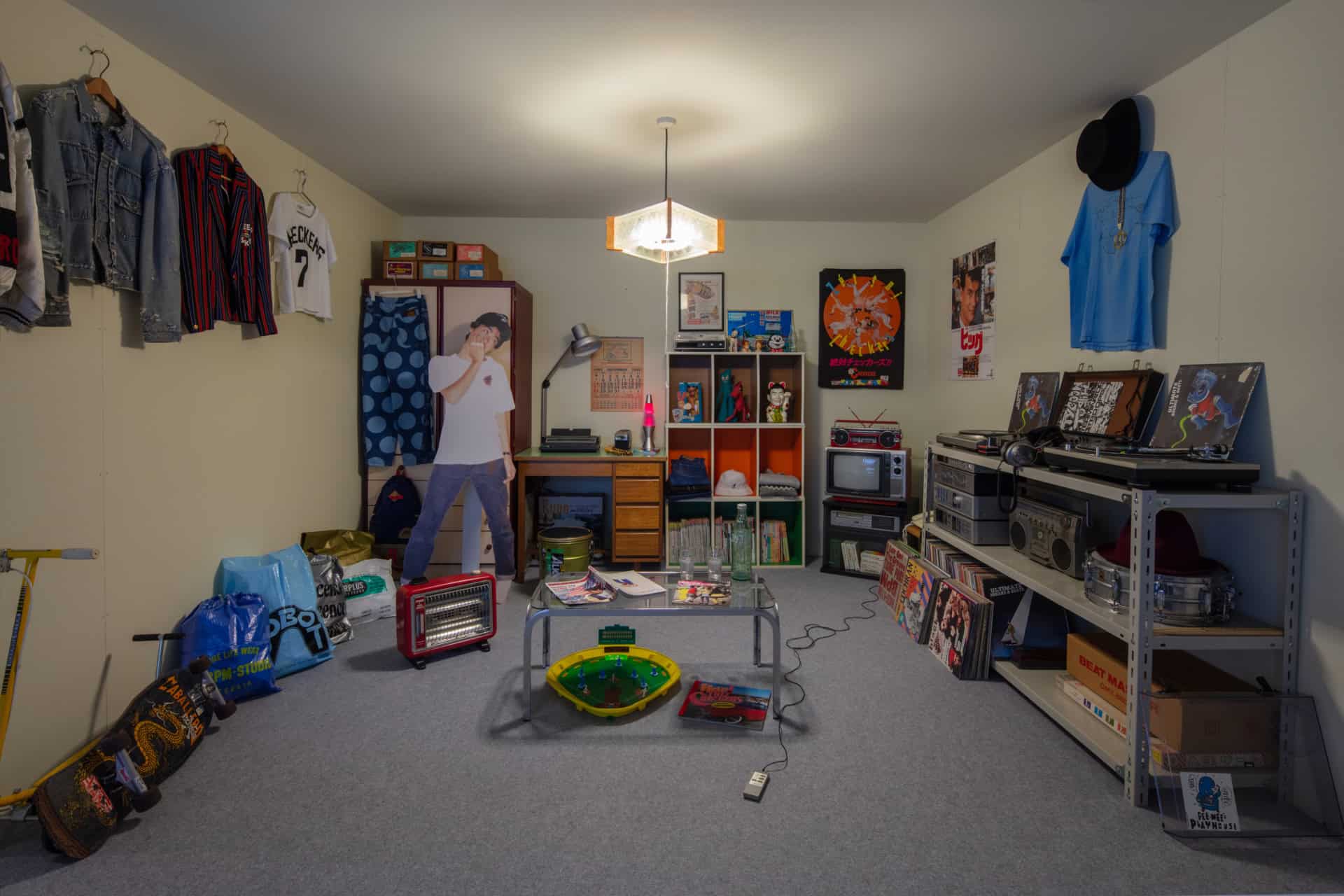
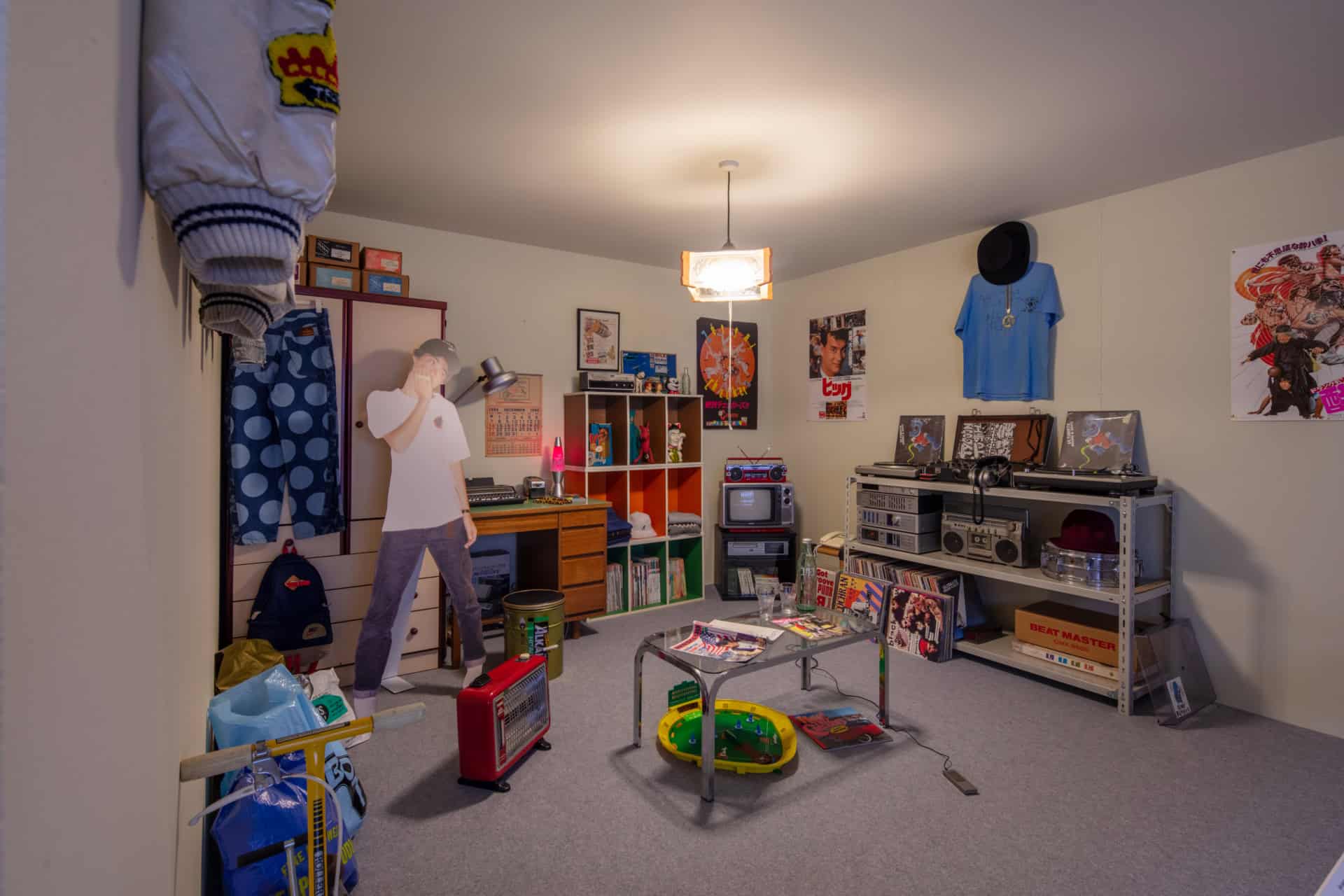
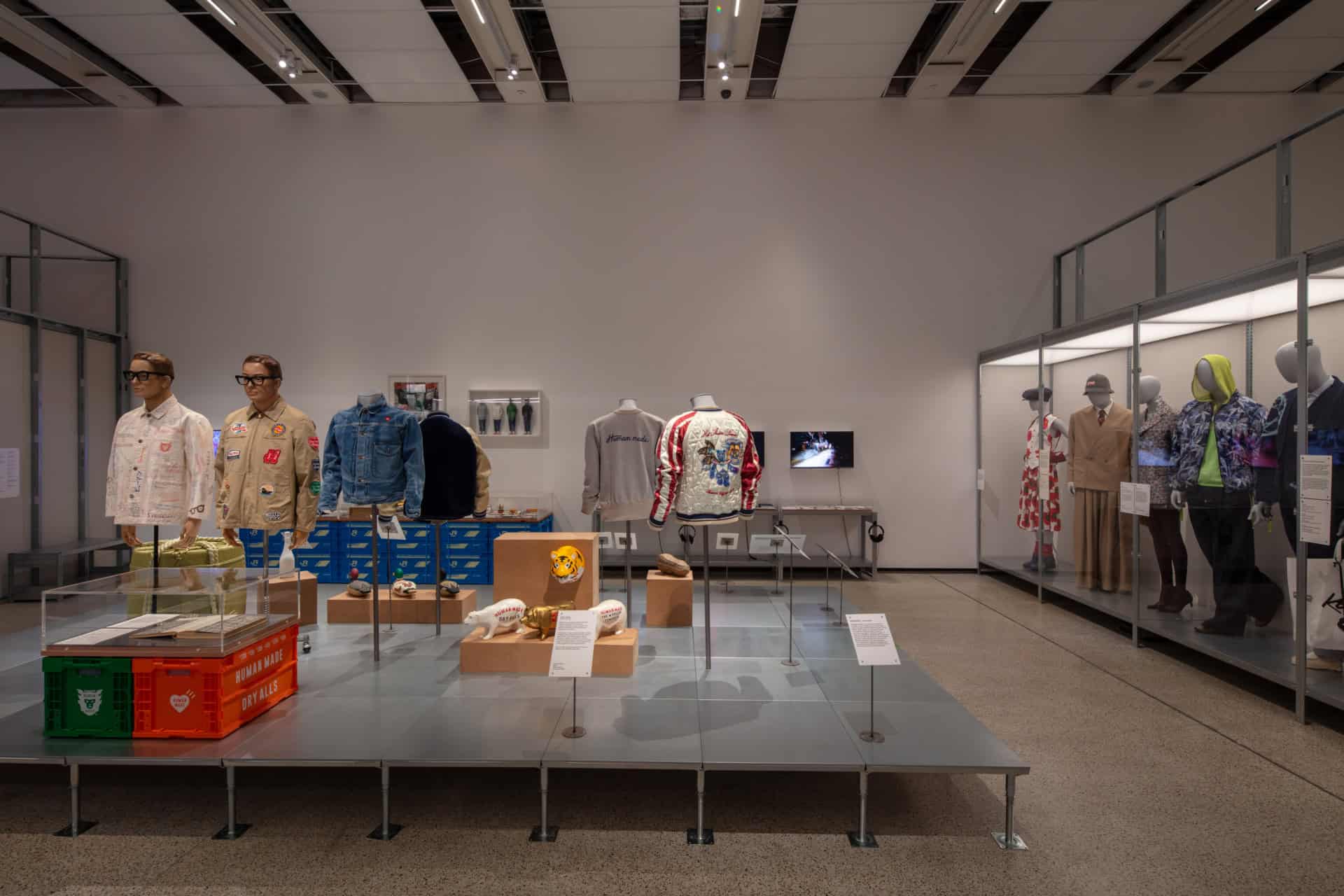
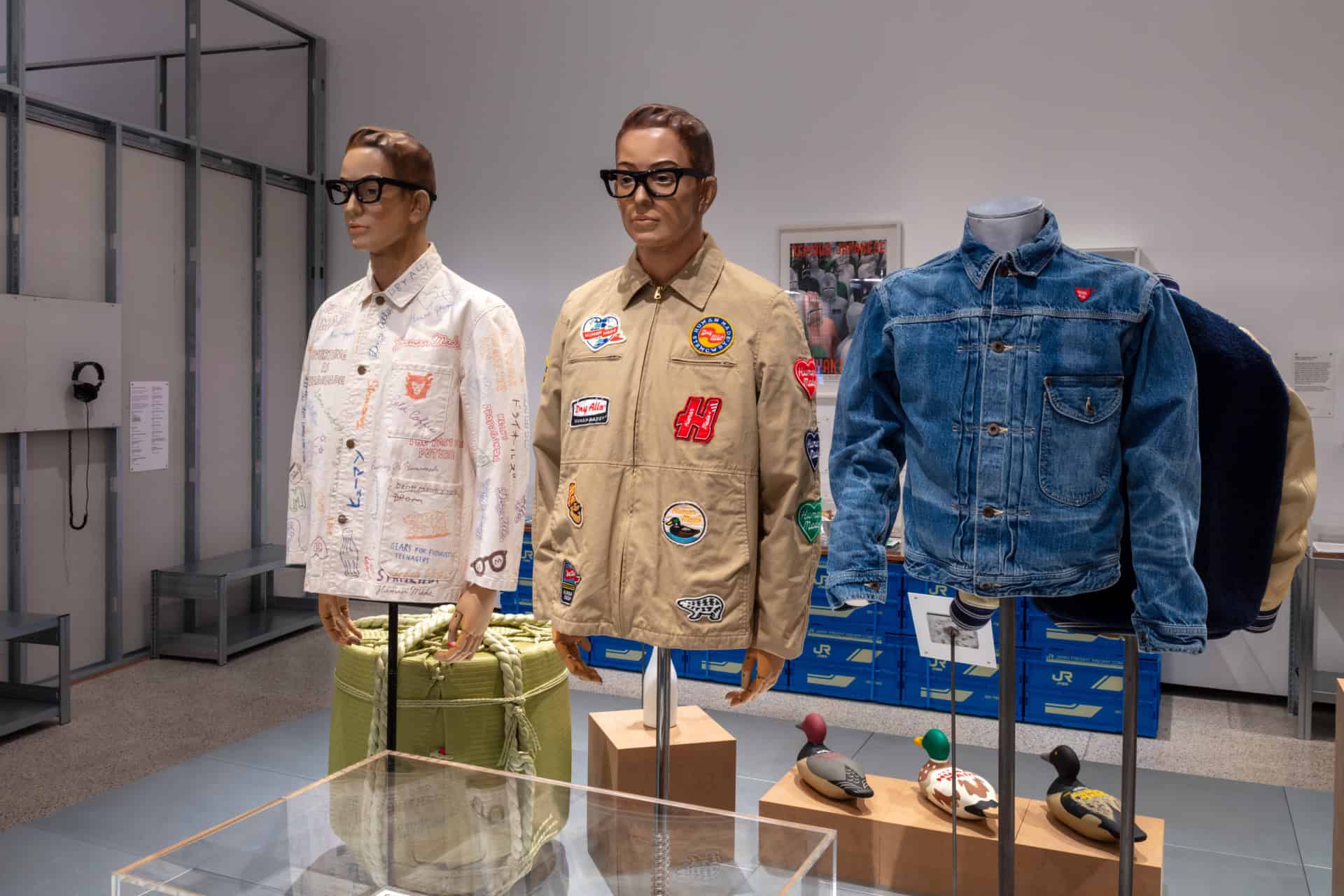
Setting the tone, a recreation of Nigo’s own childhood bedroom features in the The Future Is In The Past section, paying homage to a sanctuary in which moment-transcending and career-defining happenings shaped the designer’s future. Following on with surrounding objects like military ephemera which saw American culture trickle down into his own, the exhibition hones in on Nigo’s fascination with Americana aesthetics. It displays his collection of all things ‘50s – including his collection of Levi’s denim and varsity jackets that have been pulled from his own archive of meaningful and craft-encompassing possessions.
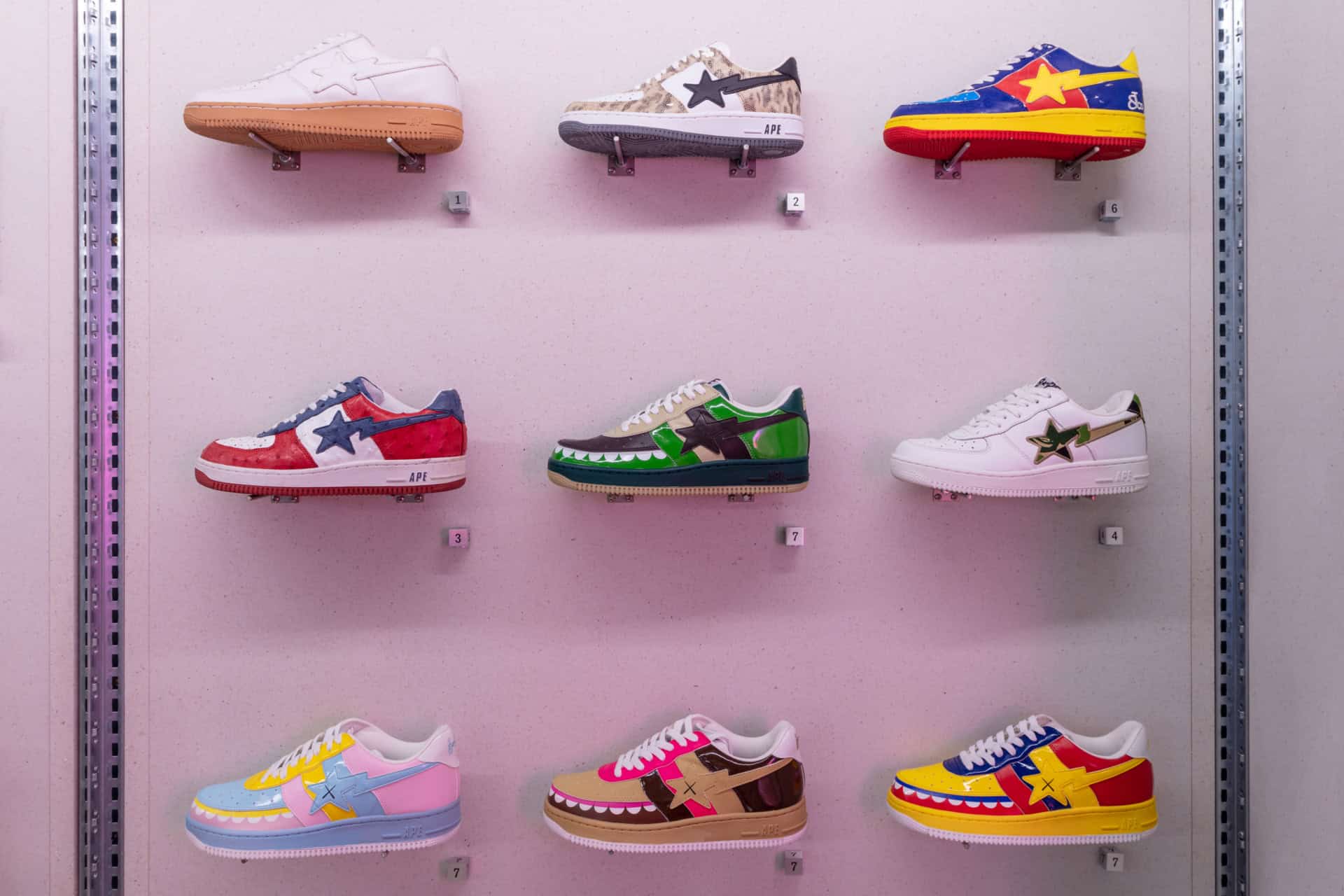
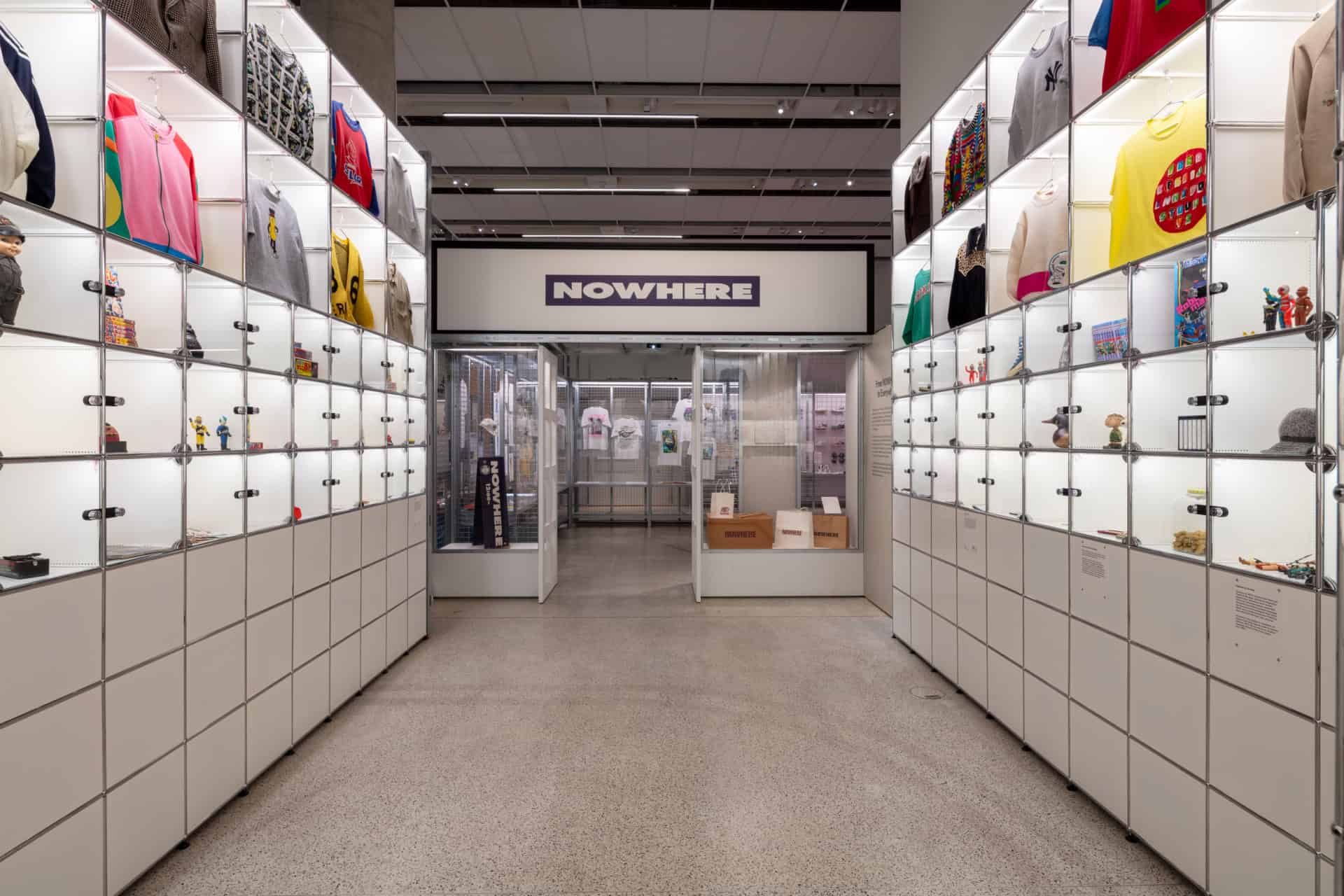
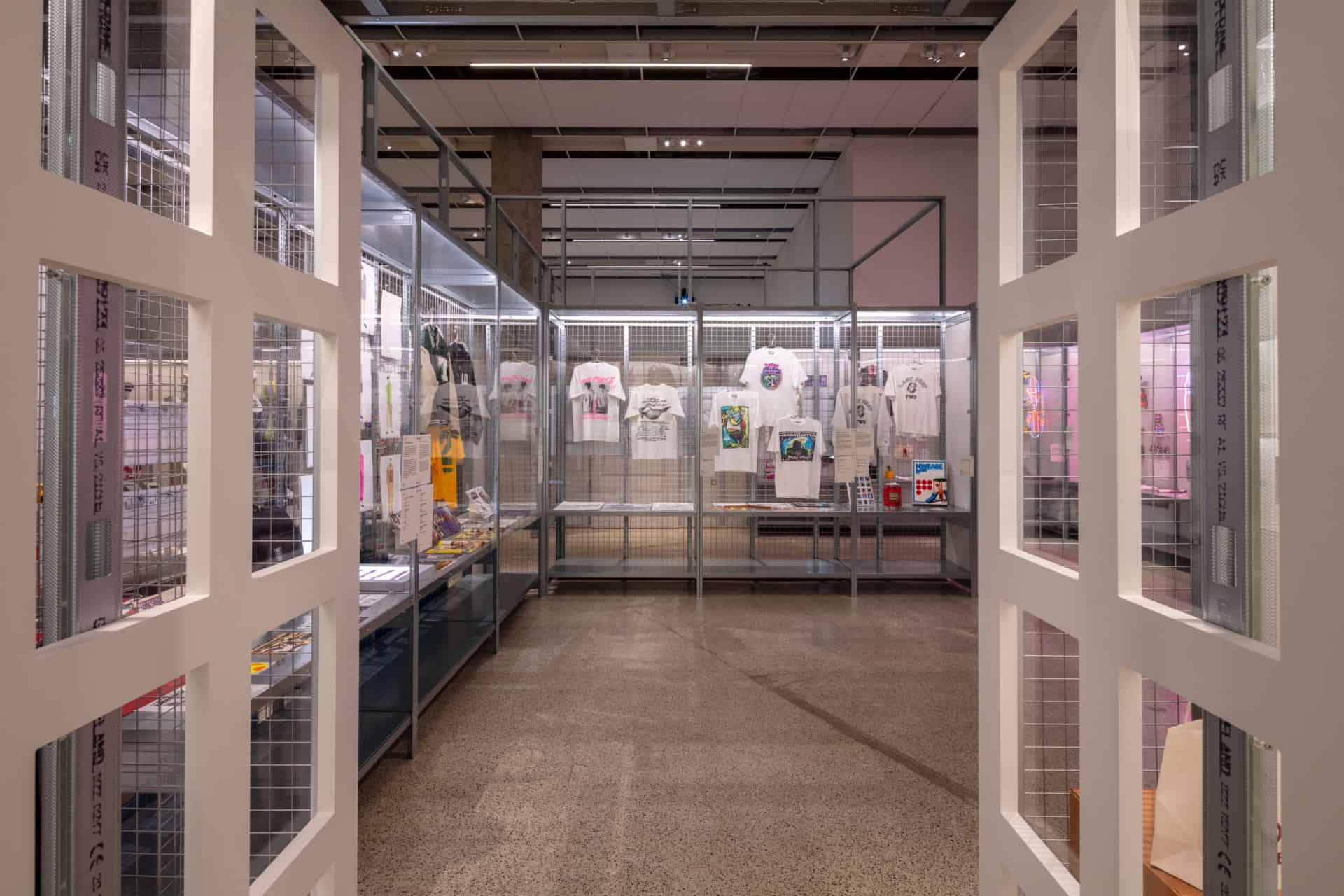
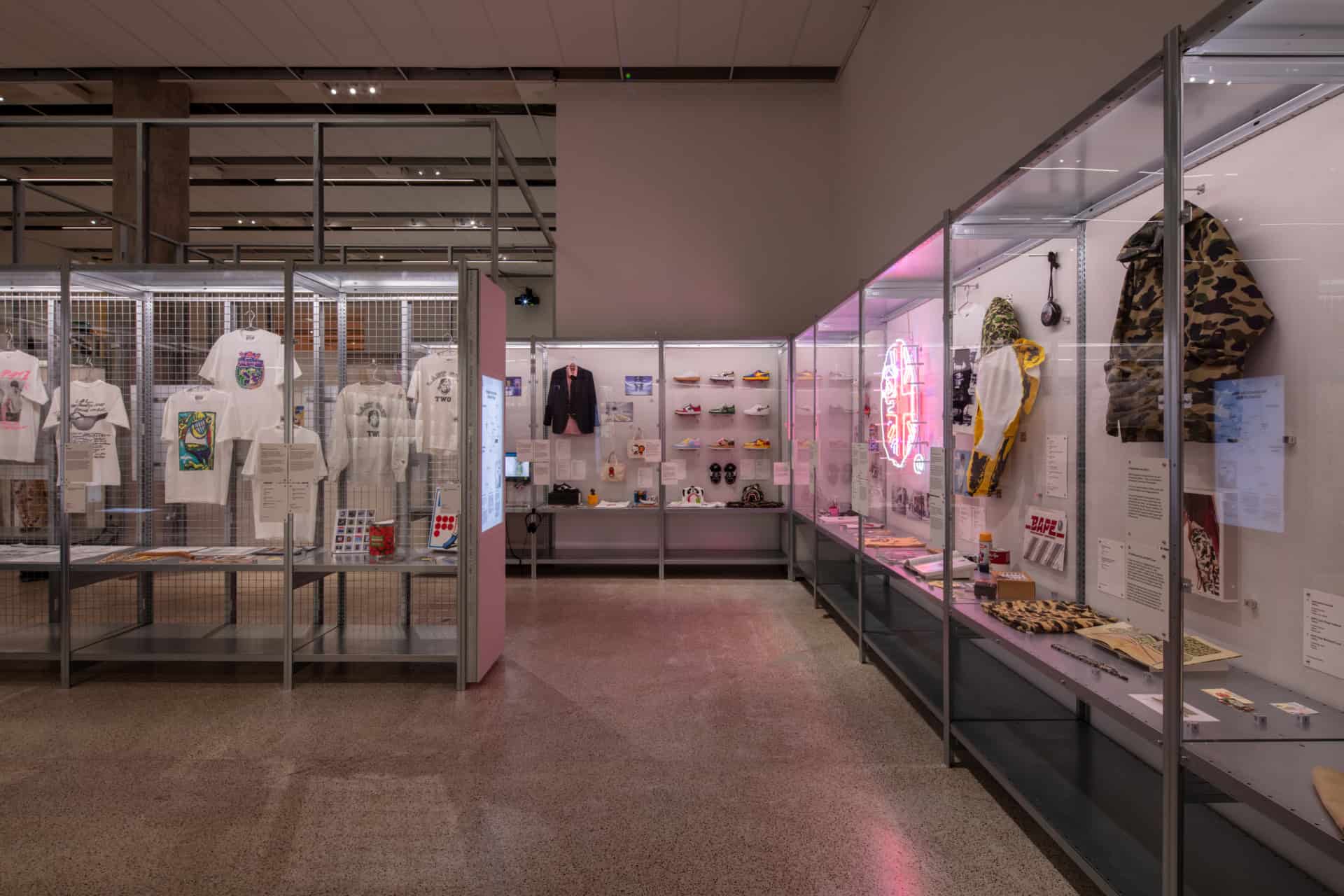
The narrative then shifts into the Evolution section – peering into Nigo’s beginnings within his entrepreneurship – his modest 1993 beginnings in his store Nowhere, co-founded with fellow designer Jun Takahashi, which held a small presence in a corner of Harajuku’s backstreets. It explores BAPE’s launch and even offers exclusive viewings of early-era samples from the brand.
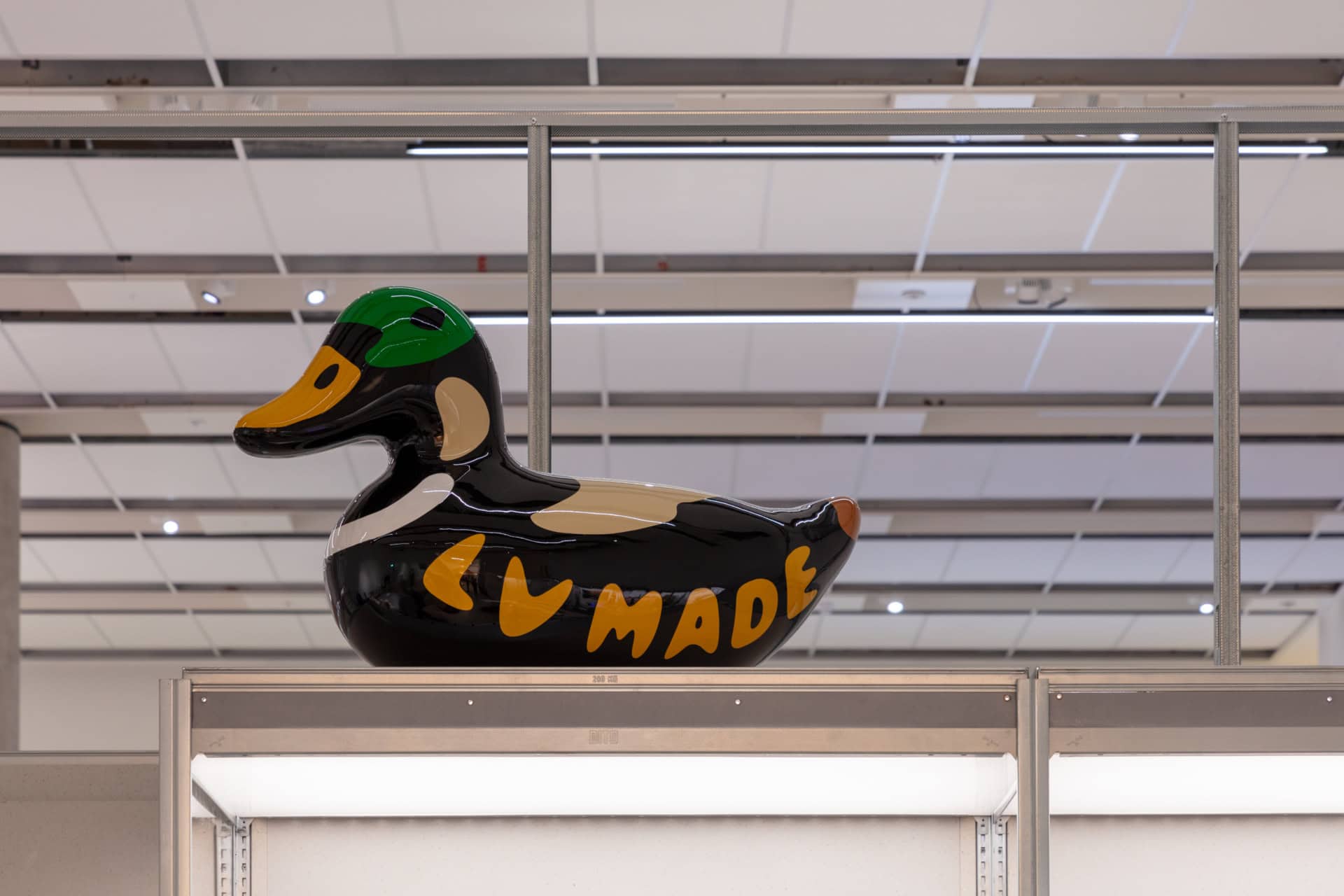
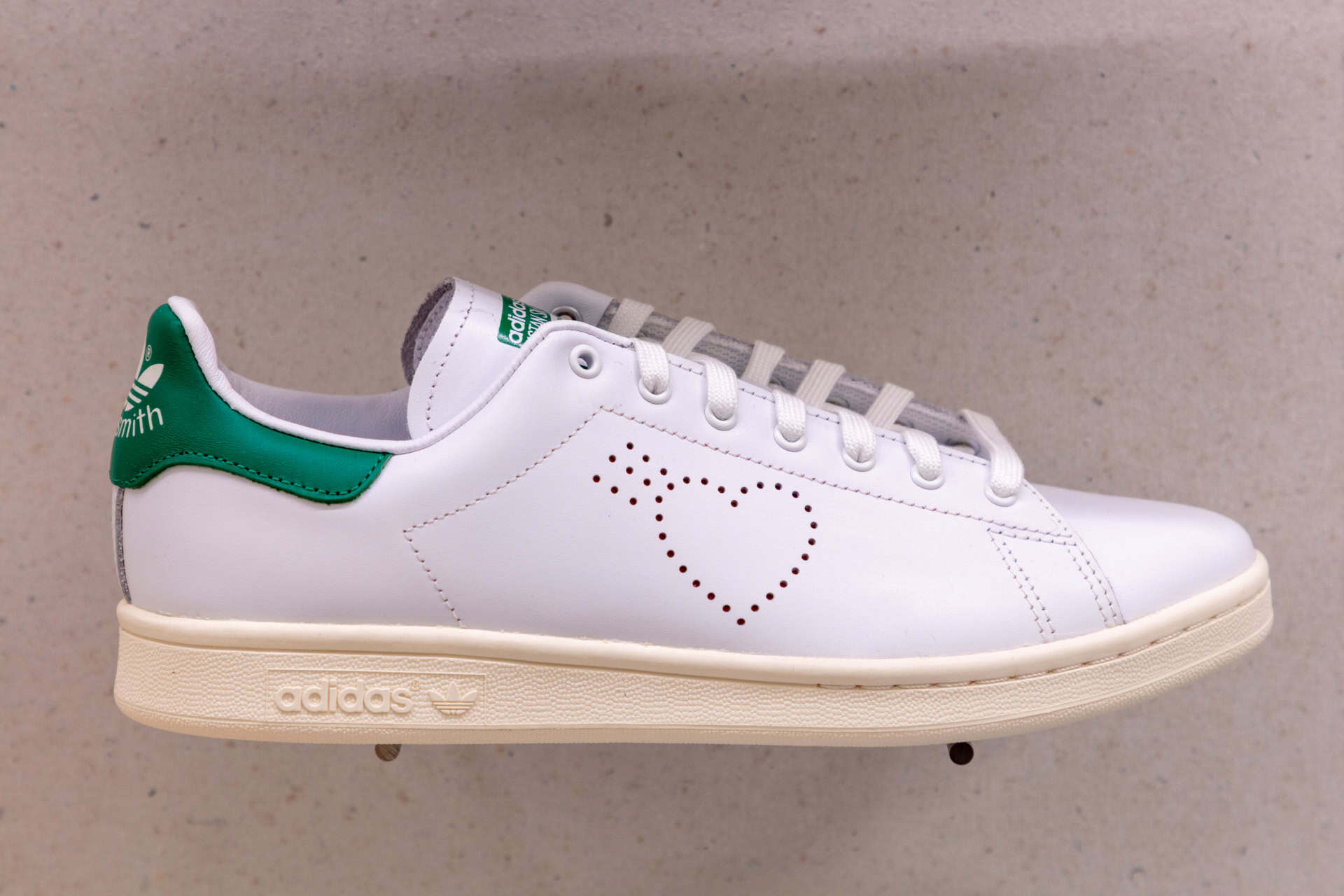
Nigo rose to eminence through his mid ’90s-introduced streetwear brand A Bathing Ape, where he then moved on to Billionaire Boys Club (founded alongside Pharrell Williams in 2003) and lifestyle-clothing brand Human Made, established in 2010. These brands all hold an impactful space in the history of design, the streetwear-pioneering BAPE being especially so due to it being one of the first brands to utilise the limited drop model and exclusive hype-accumulating releases. Graphics-inspired Billionaire Boys Club eventually sub-sectioned off into brands such as footwear house Ice Cream – who also unveiled a skaterboy reminiscent footwear line under Reebok. Nigo’s creative direction over these labels has led to the title of fashion virtuoso he is considered under today – and the exhibition unpacks exactly this. It unfolds as a layered exploration of the themes that have defined Nigo’s career over the past three decades. Perhaps best known for his cultural references, he has linked vintage Americana, hip-hop, traditional Japanese artistry and growing up in ‘80s Tokyo – Nigo has proved his ability to set some of the most prominent trends in contemporary fashion history. This cultural interplay is perhaps best encapsulated in the highly collectible Bapesta sneaker, which in the early 2000s took the underground streetwear fashion scene by force and launched BAPE into global relevance.
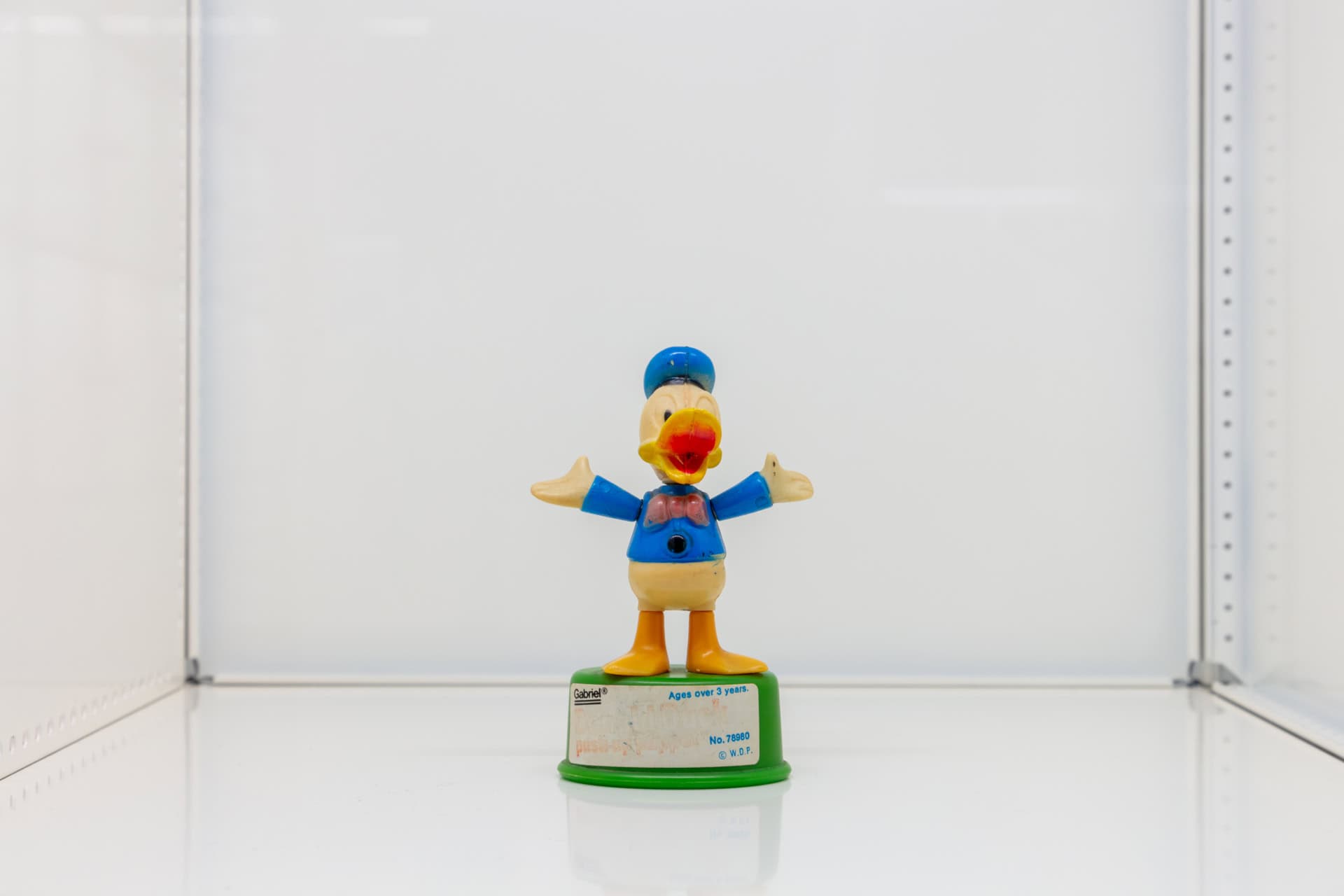
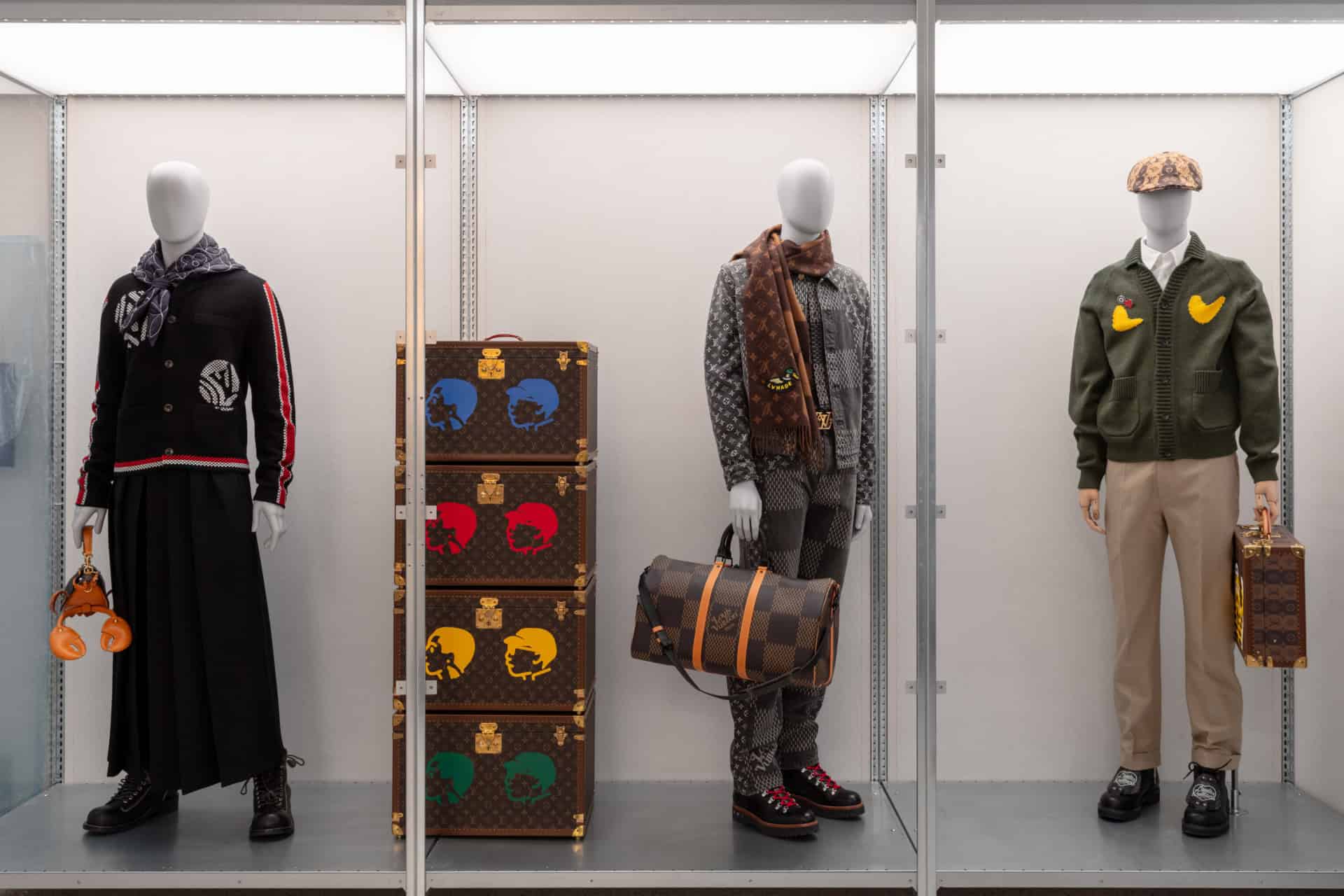
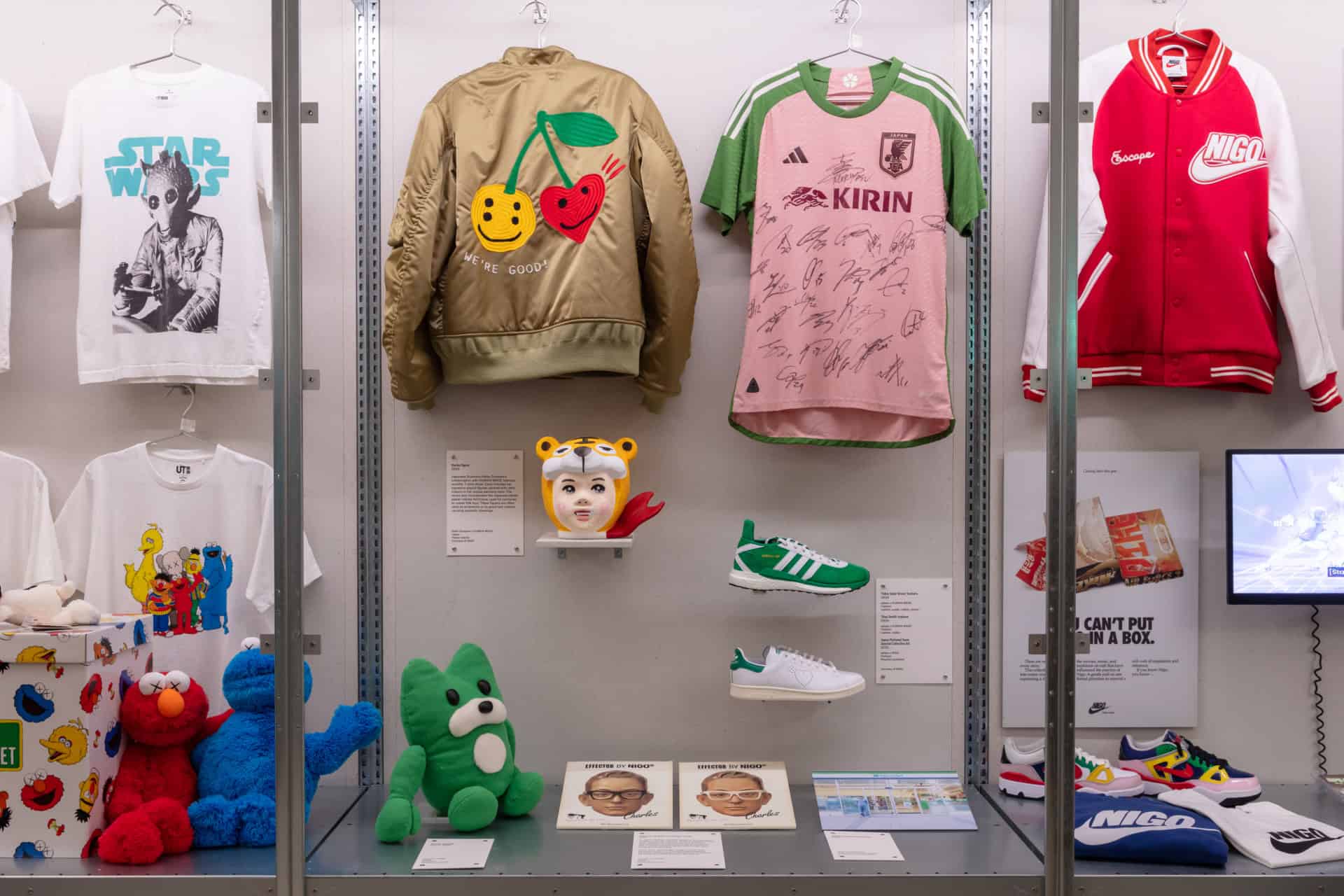
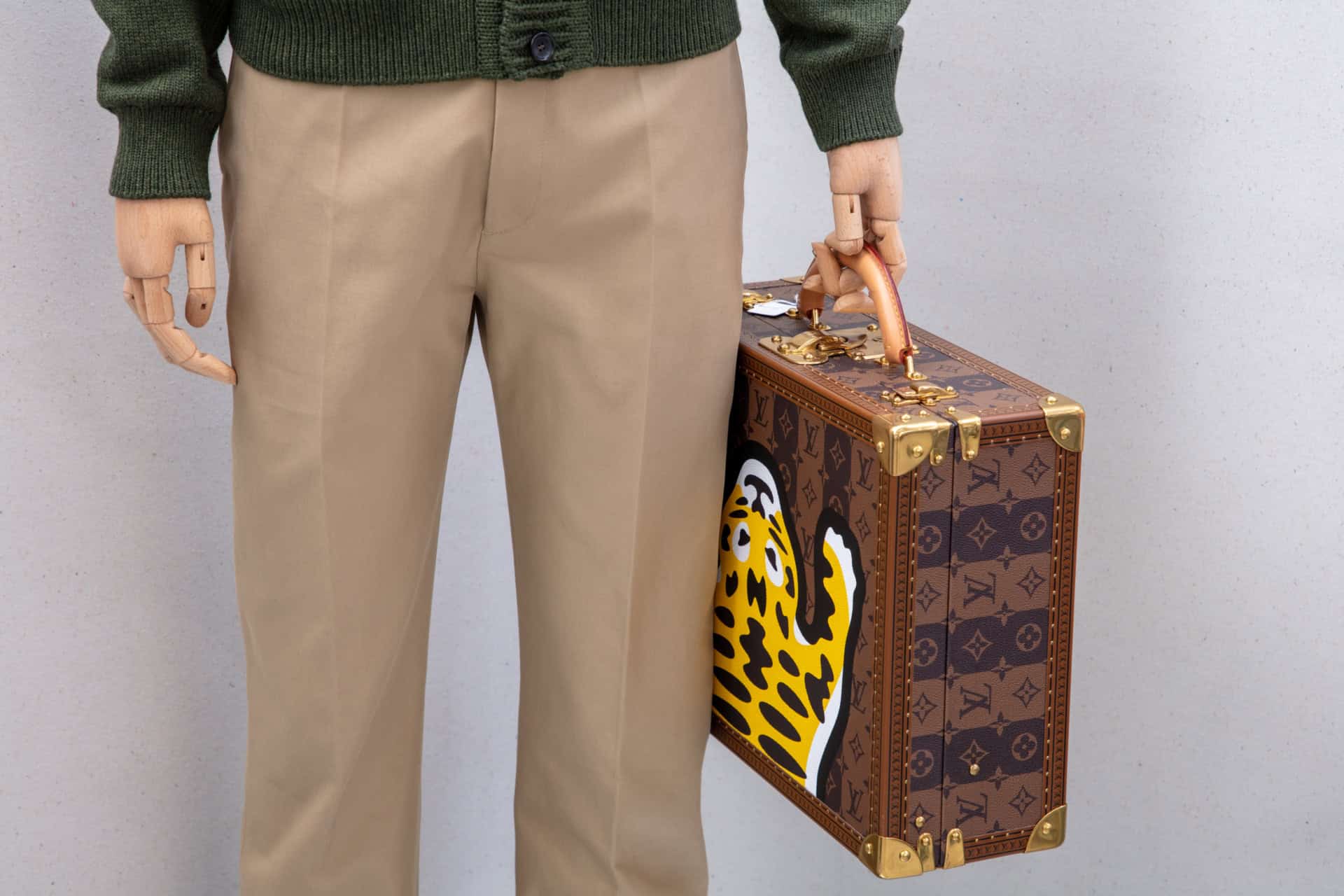
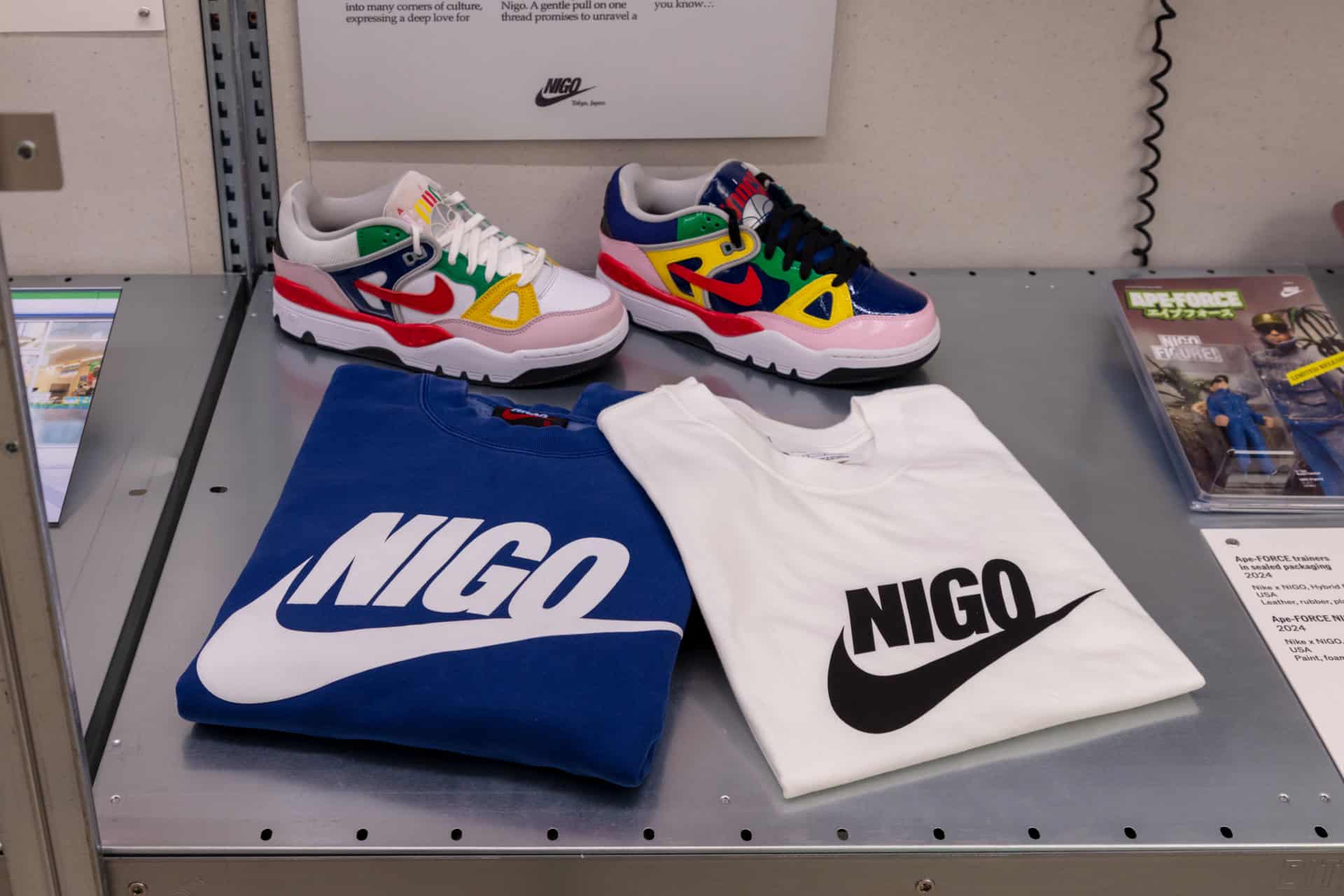
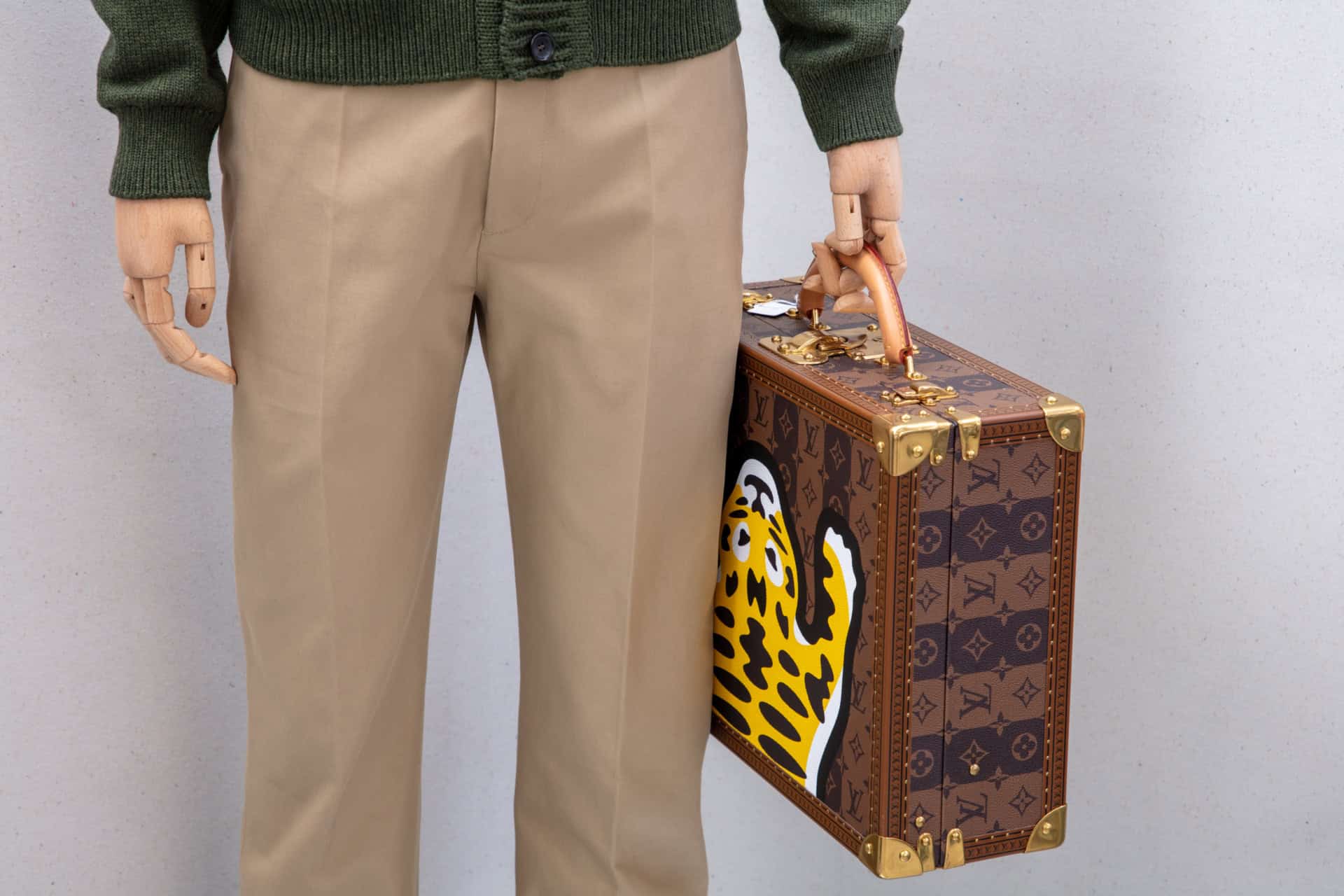
In The Nigo Effect section, his design approach is explored outwards into a broader cultural network – Nigo found his niche for creating hype culture and expanded this with brand collabs with giants like Disney, Pepsi and Nintendo, featuring in the show. Music, however, remains a constant thread throughout, as perhaps one of his most prominent influences. Through ventures such as his music label, BAPE Sounds, and creation of hiphop band Teriyaki Boyz and the nurturing of long-standing collaborations with Pharrell Williams, he conjoins music and fashion to create a universe that is ultimately, his. Wider dialogue around his fashion collabs with Louis Vuitton, Nike and Marc Jacobs show themselves in specially selected objects.
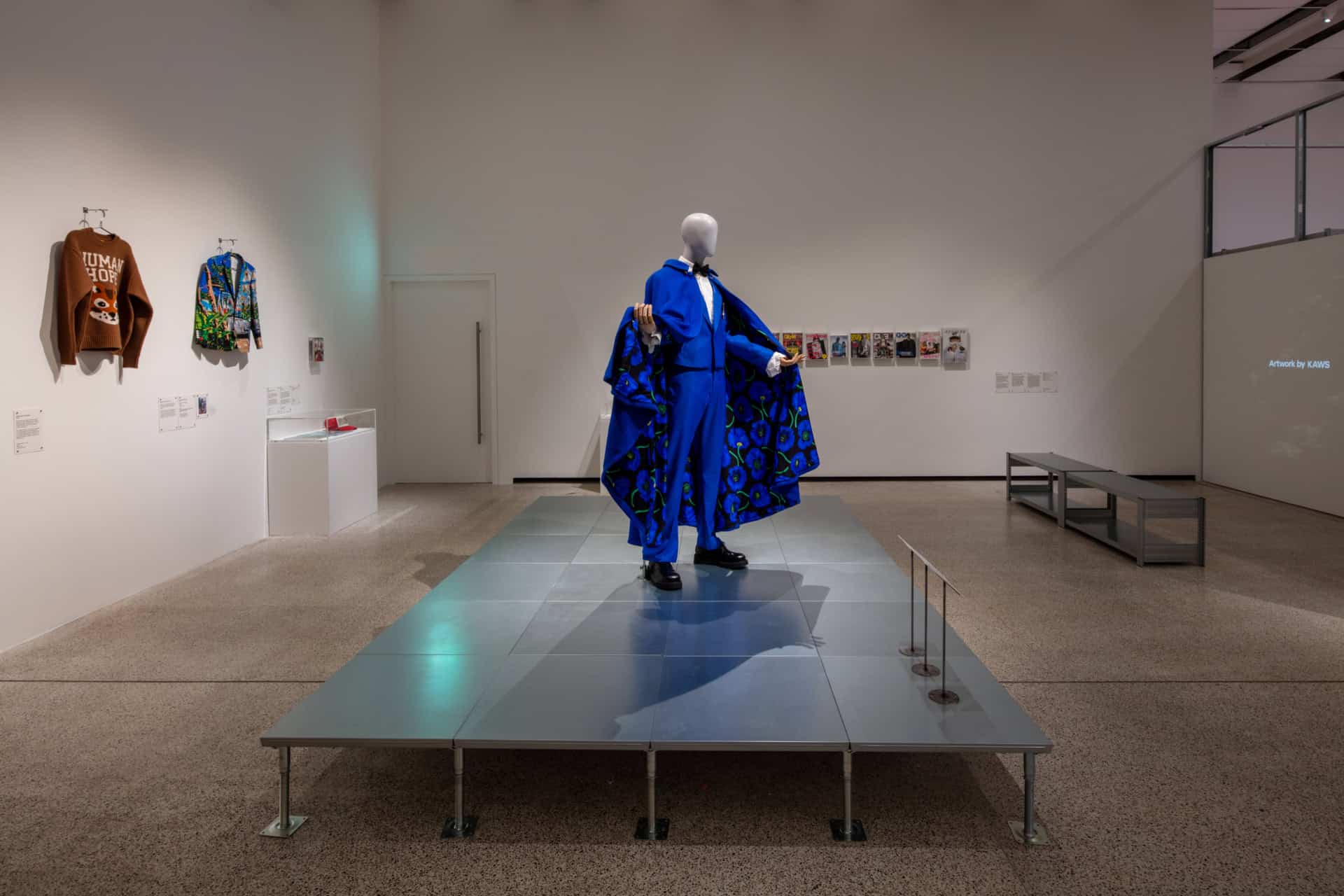
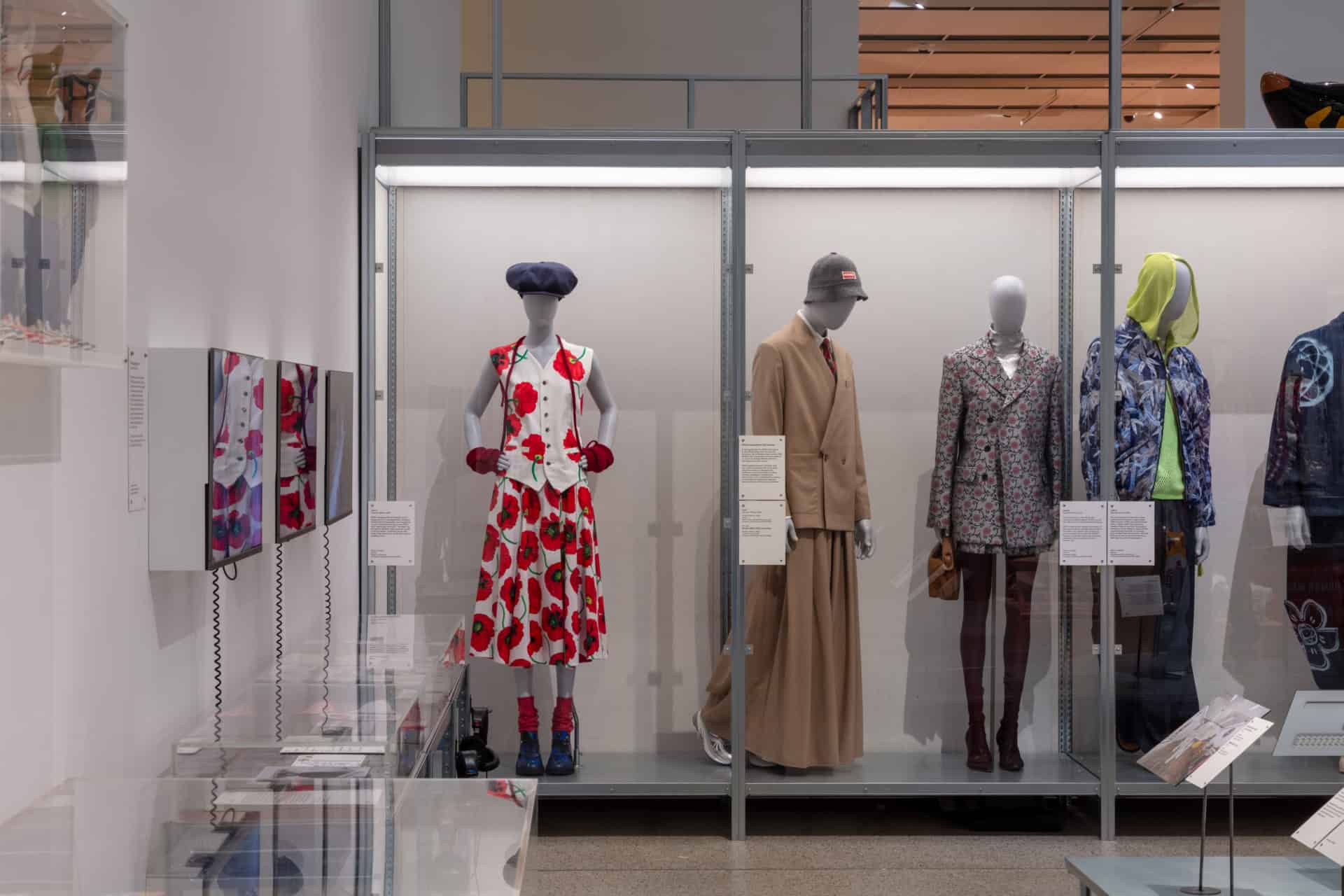
Personal possessions such as a baseball cap signed by Nigo’s mentor and the streetwear extraordinaire Hiroshi Fujiwara, to handmade ceramic pots, hoodies from the BAPE archives, and varsity jackets from a previous Nike collaboration feature in a whirlwind of East-meets-West iconography. Several Kenzo runway looks, including one that was worn by Kid Cudi at the 2022 Met Gala, feature as an exploration of Nigo’s nostalgic yet updated approach to Kenzo’s identity. Ultimately, the show spans an impressively detailed 30-year timeline, from Nigo’s humble beginnings in a corner of Tokyo to major runways in Paris.
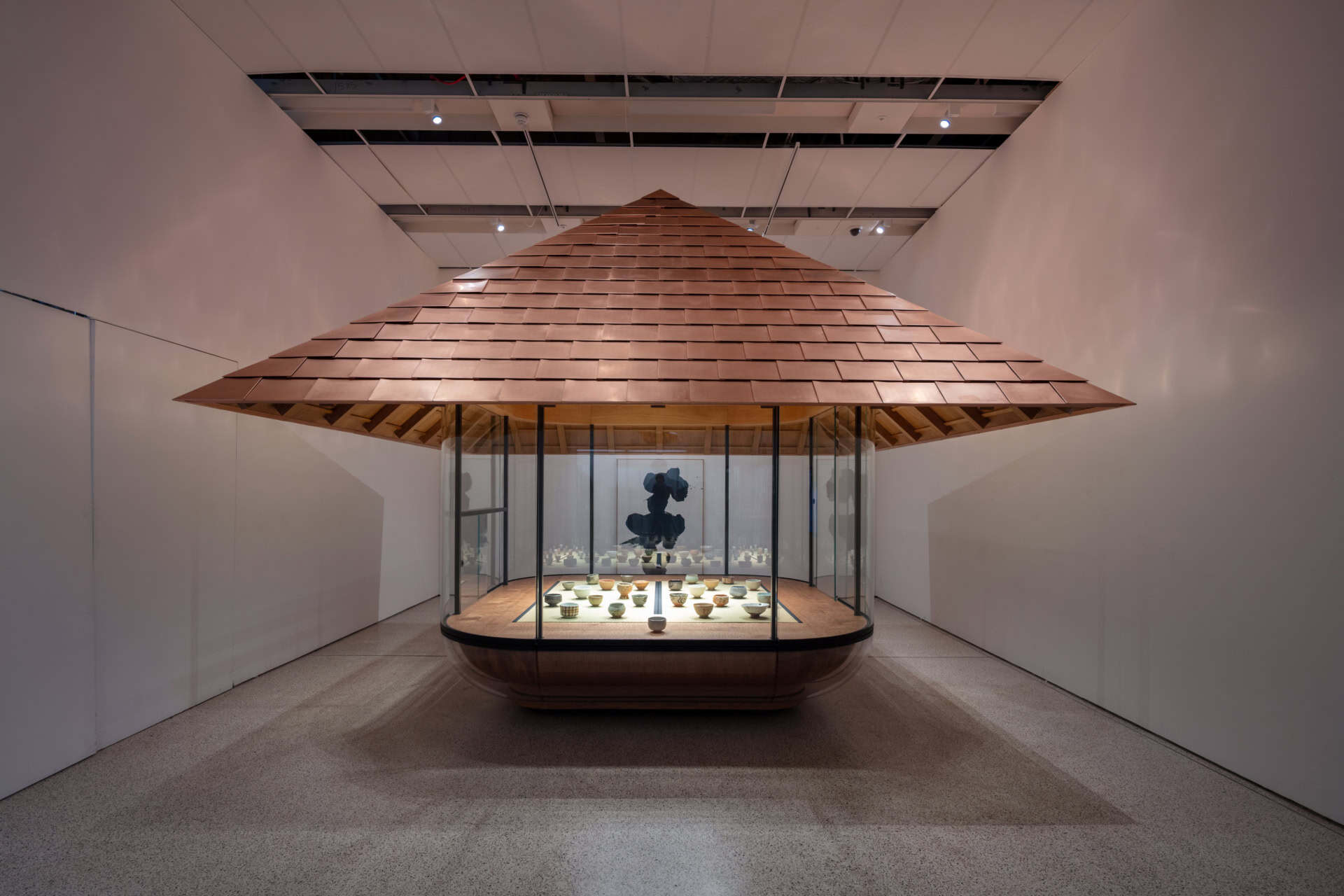
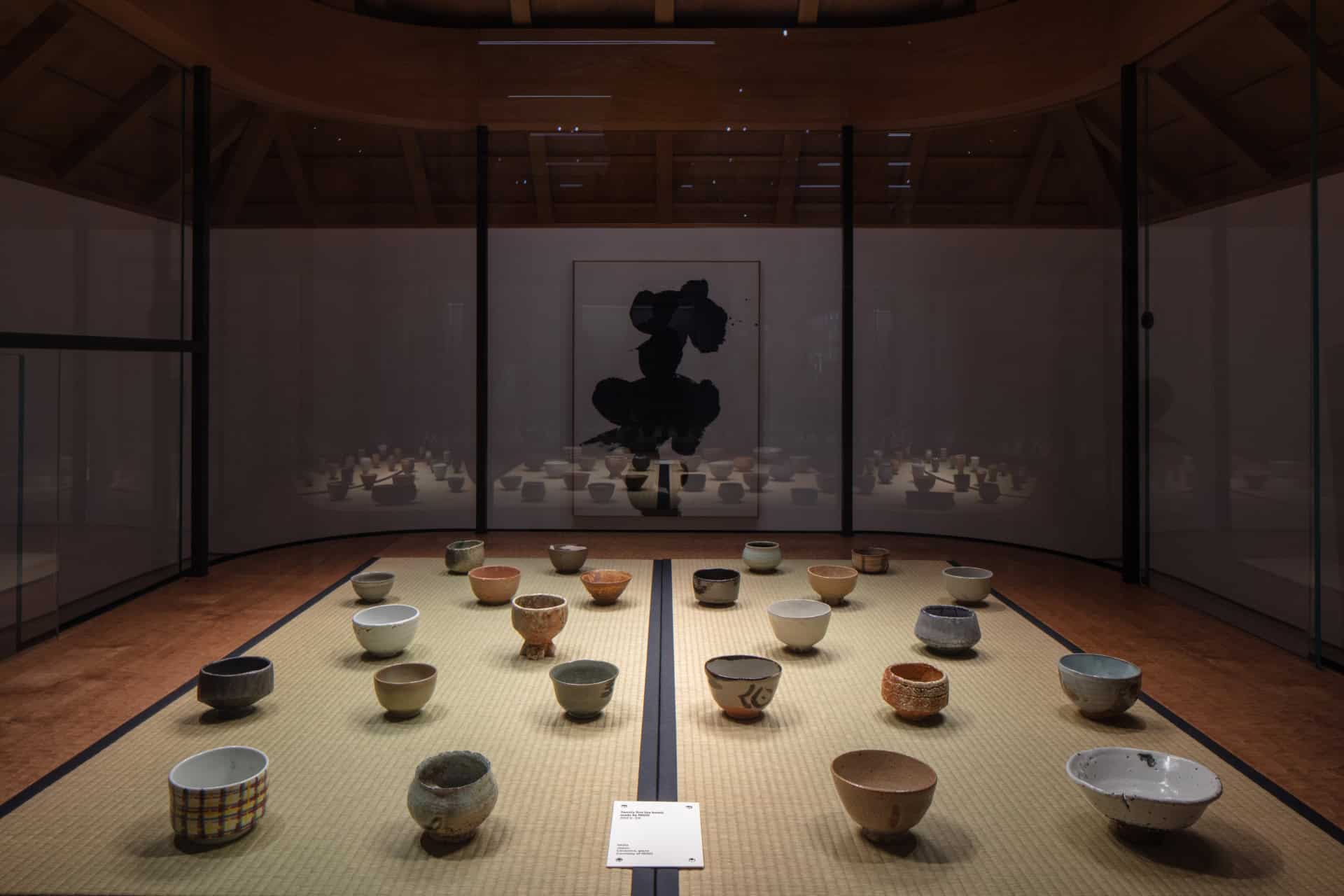
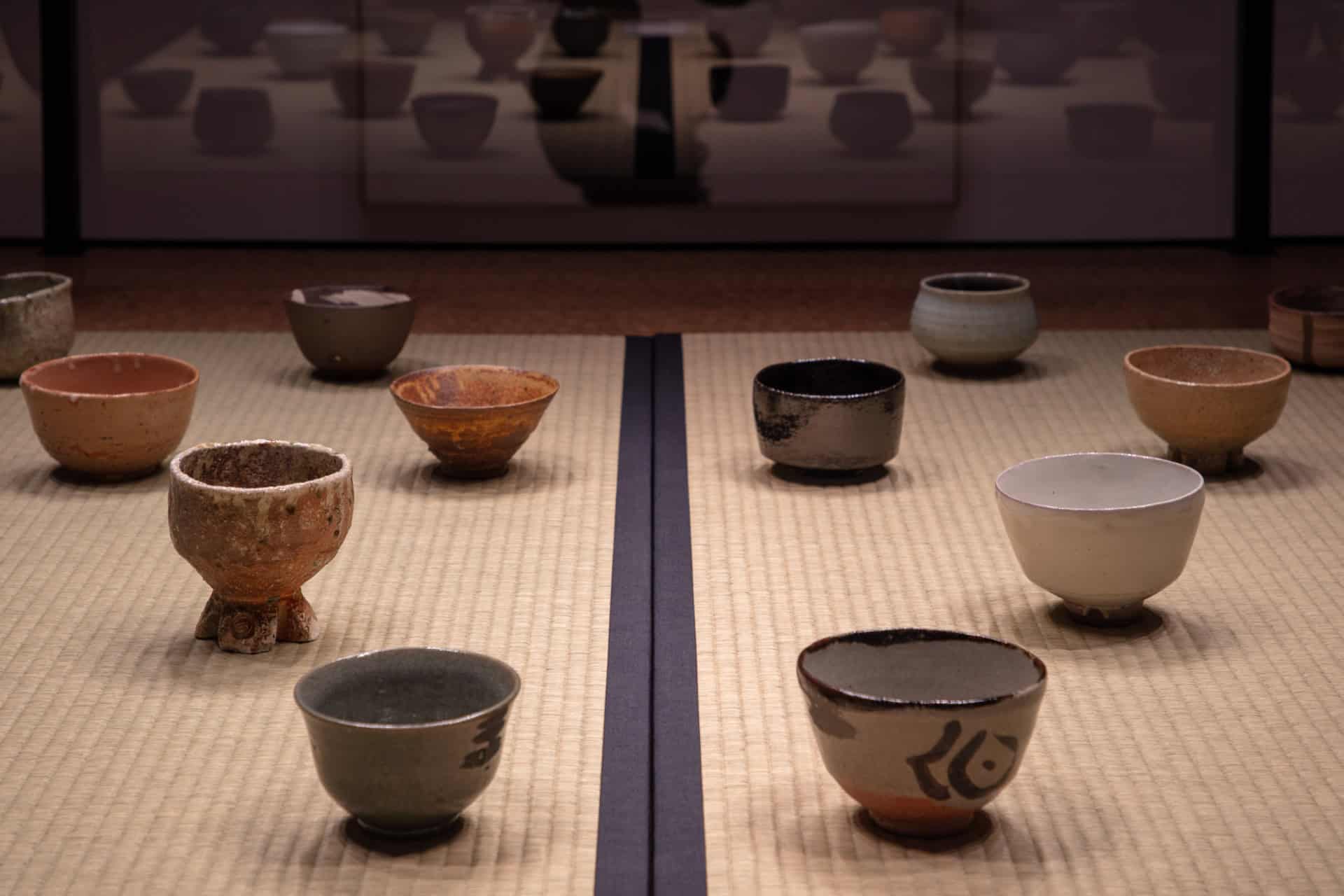
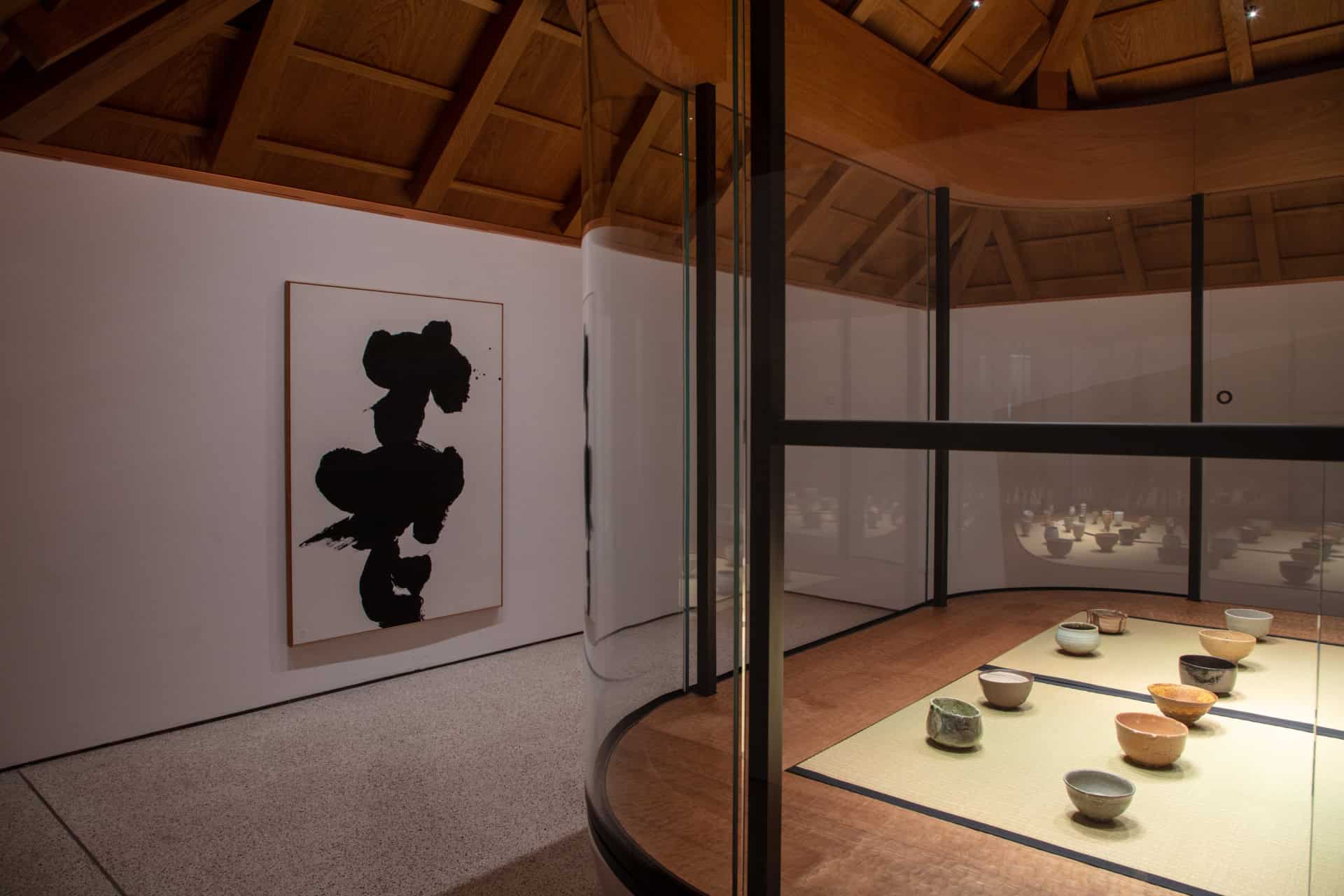
In New Traditions, the show zooms in on Nigo’s latest creative endeavour – the art of the tea ceremony, in which he is training to be a master of. His handmade ceramic pieces are set within a backdrop of a lifesize glass tea house, made specially by Nigo and architect-consultants Not A Hotel for the exhibition.
Below, we get chatting to curator Esme Hawes about the exhibition, Nigo’s immeasurable creative impact and the new things she learned about Nigo during the curatorial process.
What do you want people to take away from the exhibition after seeing it?
I’d love visitors to be able to take away that Nigo is a true polymath. He might just be known for his fashion work and work with Kenzo, Human Made and A Bathing Ape, but he’s actually so much more than that. He’s worked across the music industry and the design industry, bringing subcultures to the forefront, [as well as] interior design and sort of popular culture, more at large.
Why do you feel Nigo has been such an impactful force in fashion?
I think Nigo has been such an impactful force on fashion, because, with his first brand, A Bathing Ape, he really merged the difference between streetwear and luxury, which is something that we see as more prevalent now, but in the ’90s, it wasn’t so much. He was also really influential in sort of changing marketing techniques in the fashion industry, so things like celebrity collaborations, limited edition drops and sort of creating hype around products too. And I really think that came from A Bathing Ape and something that we see quite commonly today.
If you had to select one piece included in the exhibition which epitomises Nigo’s creative approach, what would it be?
So an object in the exhibition that really epitomises Nigo’s creative practice is probably his debut collection for Kenzo. So that’s AW22 and what we can see him doing here is this beautiful sort of tailored, Poppy print women’s suit. He was really looking at the Kenzo archives from Kenzō Takada to use his drawings and silhouettes, but mixing that with his own sort of style, taking the iconic Kenzo Poppy print and making it more modern, but also adding these very Nigo twists. So you have the baker boy cap, which is a more sort of British punk style mixed with DM style shoes and then knitwear too.
What’s one thing you learnt about Nigo that you didn’t know before curating the exhibition?
So something I learned about Nigo while curating this exhibition is that he has a really keen passion for Japanese rituals and crafts. So more recently, he’s turned his hand to training to be a master of tea ceremony, but also creating ceramic pots that he uses in those tea ceremonies.
Photography courtesy of the Design Museum. ‘NIGO: From Japan with Love’ is open at the Design Museum from now until October 4.
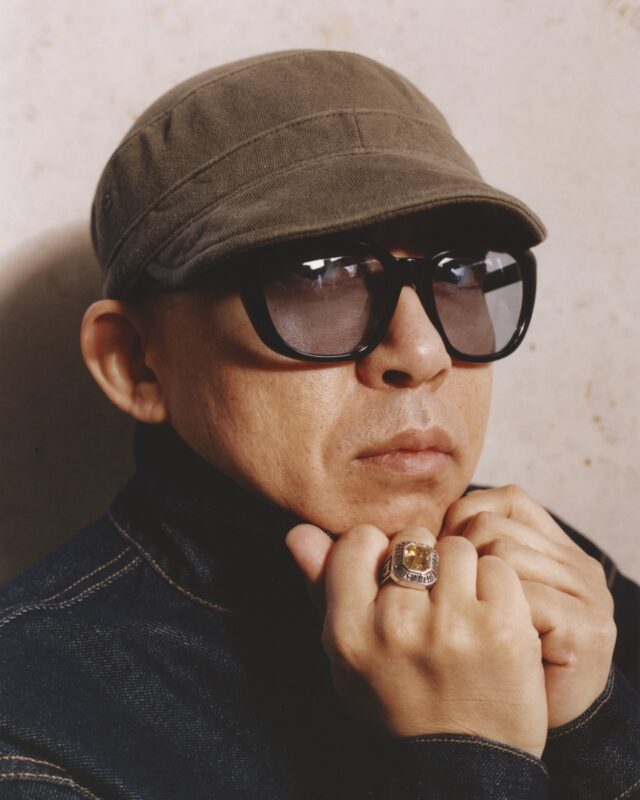
Nigo; photography by Elliot James Kennedy