March 16, 2026 |
Elsa Schiaparelli understood what it meant to go viral long before the internet was invented. Throughout her career, the Italian couturier harnessed shock, humour and celebrity to amplify her house.
Schiaparelli rebranded bright pink as ‘shocking!’ and claimed it as her signature shade, turned a shoe into a witty hat and dressed the Duchess of Windsor, Wallis Simpson, in a lobster dress created in collaboration with Salvador Dalí. The art/fashion/celebrity axis has since become a familiar element of the luxury brand playbook, but in 1937, Schiaparelli, who counted Jean Cocteau, Pablo Picasso, Man Ray, Leonor Fini and Dalí as friends, was the pioneer.
Of her contemporaries, Coco Chanel’s life and style is better known and Christian Dior’s silhouettes are more recognisable, but Elsa Schiaparelli could claim to be the most prescient 20th-century fashion designer. A hundred years after she launched her label, her ability to connect with culture (both popular and high) seems startlingly current.
SCHIAPARELLI
“She led an extraordinary life,” says Sonnet Stanfill, the senior curator of fashion at the V&A, which will soon host Schiaparelli: Fashion Becomes Art, a major exhibition that tells the story of the house from its beginnings in the 1920s to the present day under the current ownership of Tod’s‘ Diego Della Valle and the creative direction of Daniel Roseberry. “Elsa Schiaparelli was a disruptor and a rule breaker. She was a strong woman, an entrepreneur. All of those elements combine in a figure who is still incredibly fascinating,” says Stanfill.
Elsa Schiaparelli was never going to stay in her lane. Born into an aristocratic Roman family and raised in the splendid Palazzo Corsini, she was expected to marry well and have a family, but Schiaparelli was impulsive and valued her freedom. As a child, she once released a box of fleas at a party because the grown-ups wouldn’t let her attend and in 1911 was sent to a convent after her sensual poetry came to the attention of her parents. She left Rome in 1913, taking a nanny job in London to avoid being married off to a Russian aristocrat. There she met a Polish-Swiss lecturer on spiritual mysticism, Willem de Wendt, and they got engaged the next day, marrying shortly after. They moved to Nice, then New York, but by 1922, Schiaparelli had arrived in Paris, separated from her husband and raising their two-year-old daughter alone.
SCHIAPARELLI
She gravitated towards creative circles, making friends with surrealist artists and designers – it was the legendary couturier Paul Poiret who advised her to go into fashion after admiring her personal style. She took his advice, launching a line of trompe-l’oeil ‘bow’ knits in 1927, which were an instant hit. An enthusiast for novelty and innovation, she quickly expanded into other categories, always bringing an experimental flair and a bold approach to her designs. In 1928 she produced a line of innovative skiwear, which in turn inspired her to use visible zips as a feature of her couture, where she was also known for using cellophane and even knitted glass fibres. “She wasn’t afraid to use new and experimental fibres. In one collection she talked about a waterproof tweed,” says Stanfill. By 1933 Schiaparelli had expanded into jewellery, haute couture and fragrance, and she had 400 employees. Two years later, she opened a new atelier on Place Vendôme, the most prestigious address in Paris.
“It stems from a very strong personality,” says Stanfill of Schiaparelli’s trajectory. “She made her own way in a world that should have been closed to her as an Italian, [as she was] untrained [in fashion, then] fought her way to the beating heart of couture. She did it on her own terms. That’s quite inspiring.”
SCHIAPARELLI
In many ways Schiaparelli was the blueprint for the modern fashion creative director, as she orchestrated a range of boundary-breaking creative collaborations. The balance of power was important, says Stanfill. “She didn’t simply take motifs and images from the surrealists or artists and stick them on her clothes. She was working with them and encouraging them to collaborate and work alongside her to create these offerings.” By the late 1930s, Stanfill says, “Schiaparelli was absolutely at the nexus of creativity, working with some of the most important artists of the time.”
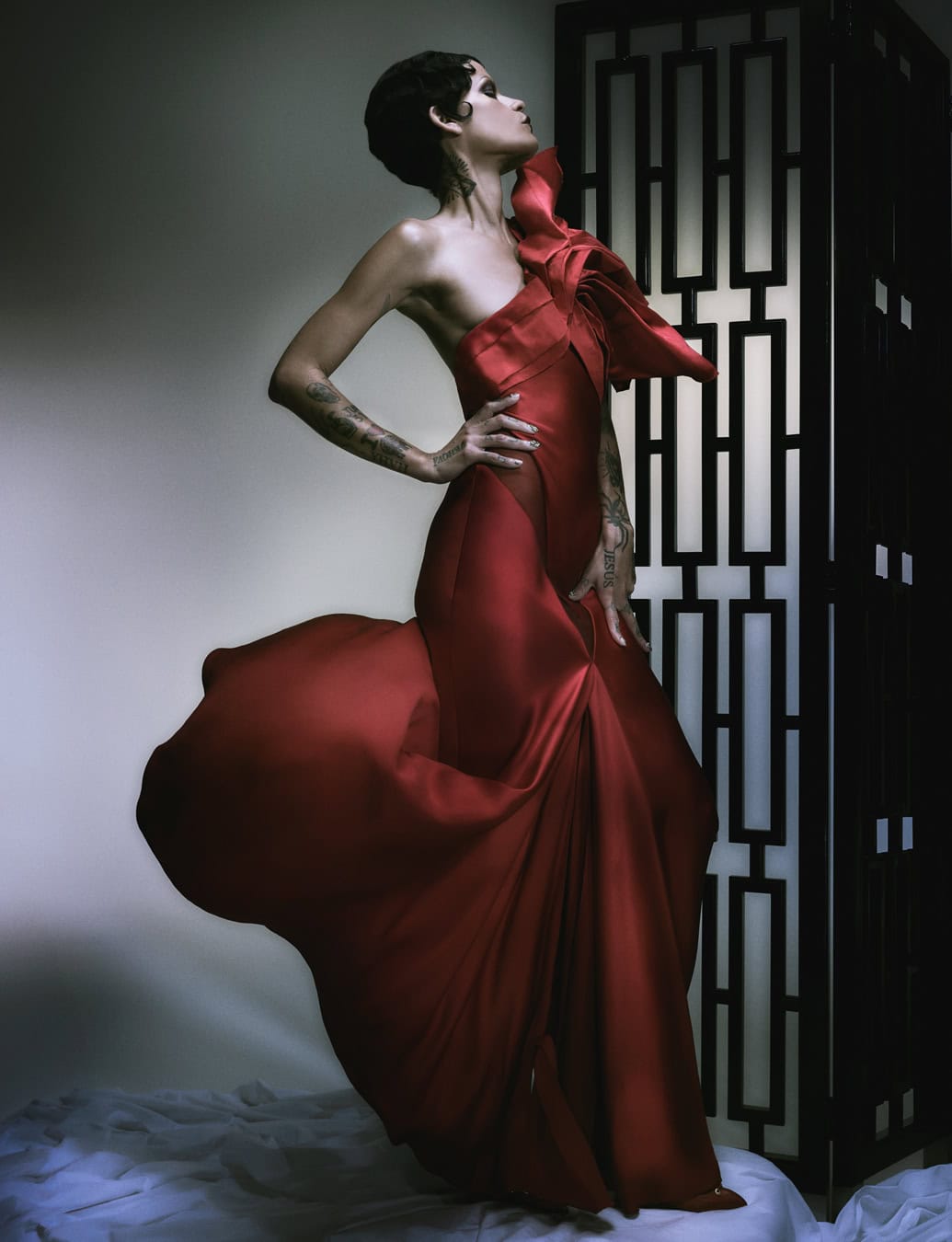
Her many collaborations with artists take centre stage in the exhibition, including a 1937 Jean Cocteau drawing embroidered onto a jacket with a glorious cascade of golden beads for hair. The surrealists, perhaps more than any other art movement, had a particular fascination with fashion. “They saw clothing as a unique arena to appropriate,” says Stanfill. “For the surrealists, clothing was often erotic. For Dalí, the shoe was kind of an erotic appendage of the female leg.” Schiaparelli’s Salvador Dalí collaborations include the famed lobster dress, presented a year before Dalí’s Lobster Telephone. Also in the exhibition is the macabre-but-beautiful skeleton dress from 1938; its bones, created with a trapunto quilting technique, are said to foreshadow the Second World War. Also on show will be the Dalí-designed tears dress, also from 1938, with its striking a trompe-l’oeil motif of torn strips of flesh, often cited as a precursor to the distressed punk aesthetic.
SCHIAPARELLI
Schiaparelli took fashion to the heart of high culture and vice versa. To tell the story of how she intersected with so many contemporary creatives, Stanfill worked alongside three other V&A curators on the exhibition: Rosalind McKever, curator of paintings and drawings; Simon Sladen, a senior curator of theatre and performance; and Lydia Caston, a photography curator. As well as the clothes are paintings by Picasso and Man Ray, jewellery by Jean Schlumberger as well as film and audio. “She was a designer who broke the rules and encouraged her clients to dress in a way that was quite provocative at the time. She wanted people to look twice at what they were wearing,” says Stanfill. “The clothes alone would be an extraordinary exhibition, but by layering in these other elements, which tell the fuller story, you get a much deeper appreciation and understanding of what an incredible creative she was.”
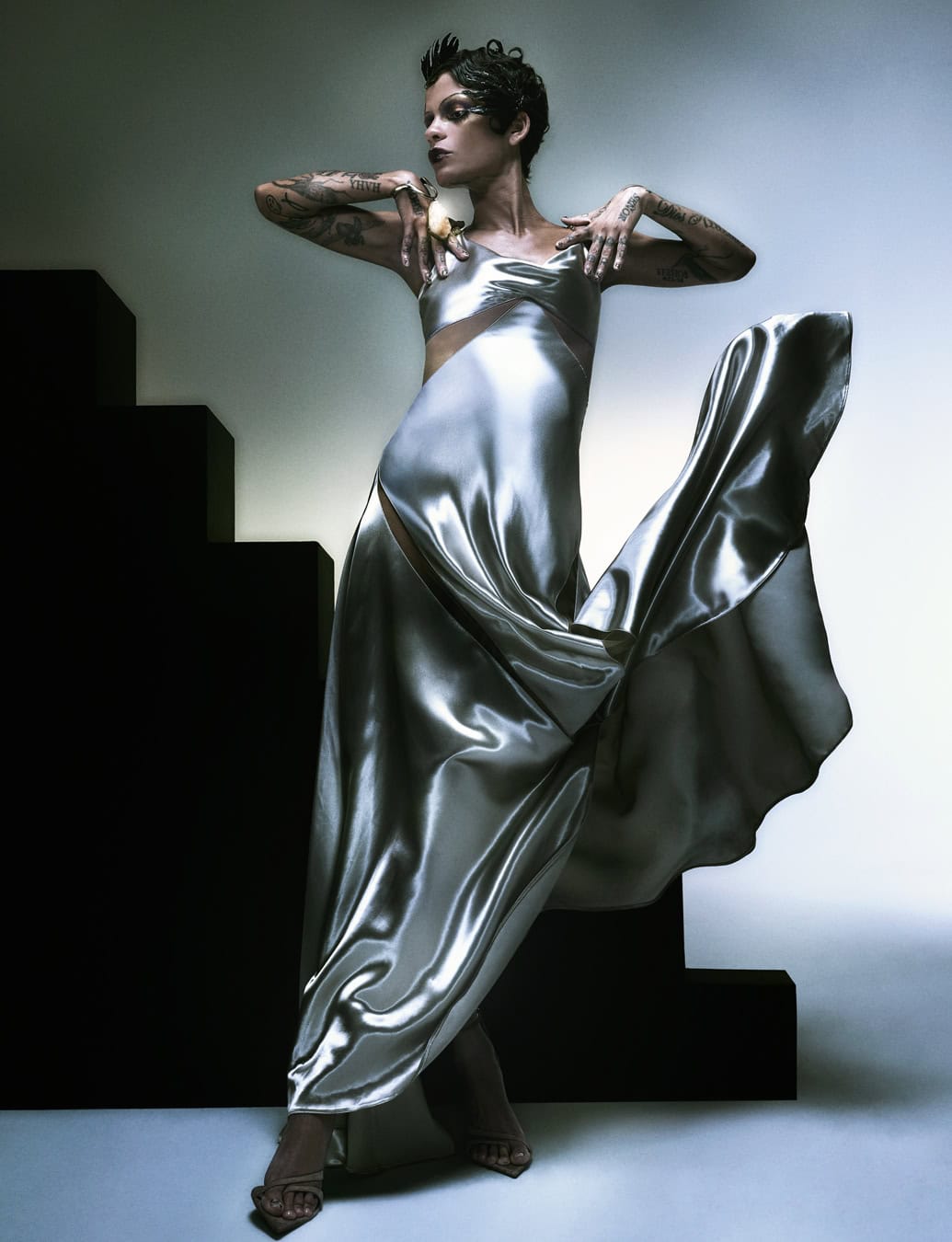
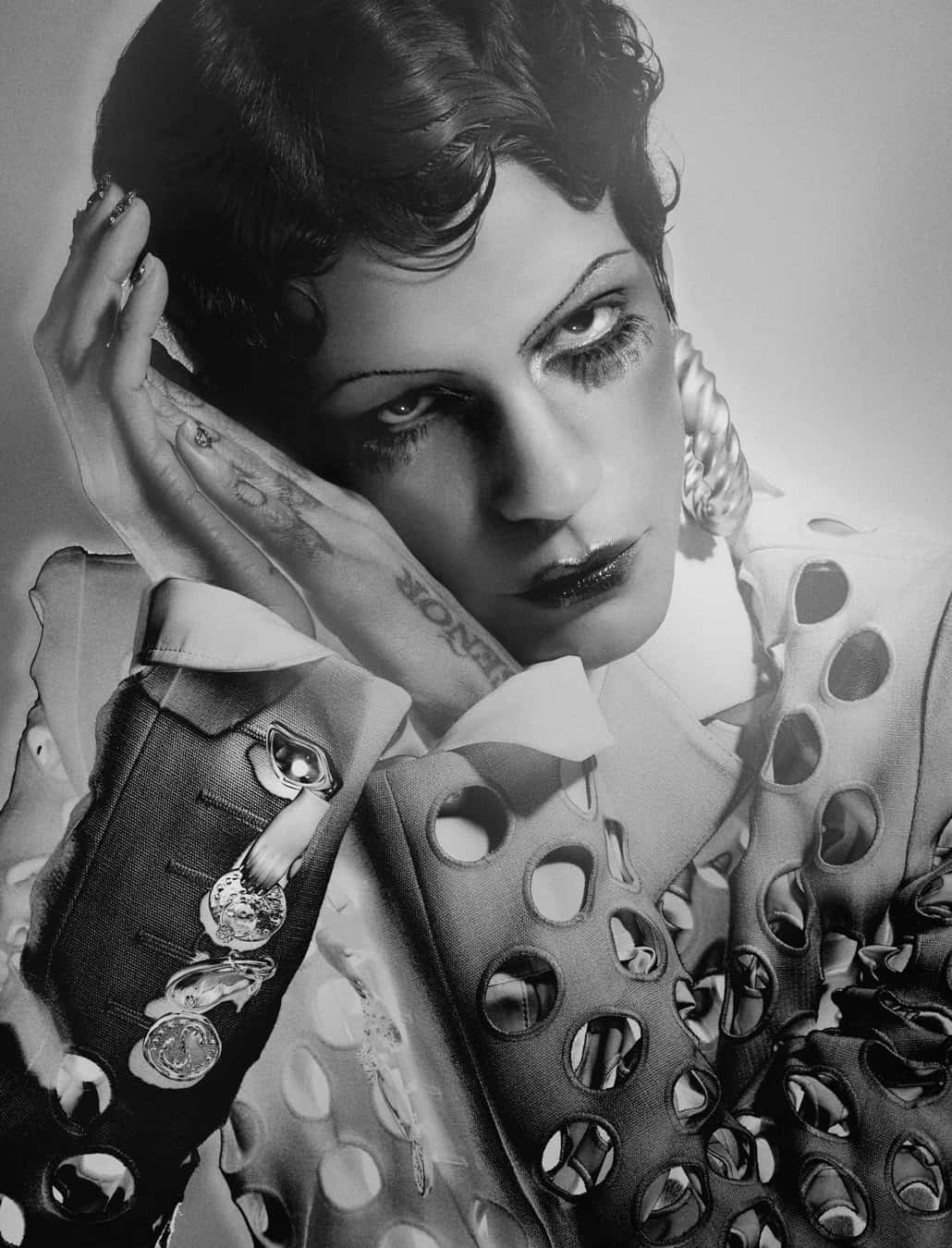
“What I am drawn to is the connectivity of Elsa’s work,” says Schiaparelli’s creative director, Daniel Roseberry. “She connected with society in a way that even Coco Chanel, Jeanne Lanvin or Cristóbal Balenciaga never did. There was a distance between culture and most French couture houses back then. Elsa’s focus wasn’t just on good taste or lifestyle or even beauty, it was more cerebral than that. It was about how the expression of the surreal can create a more intimate connection between art, pop culture and fashion and between the designer and client.”
SCHIAPARELLI
For Roseberry, who joined the house in 2019, this upcoming exhibition allows him to further develop his complex relationship with the house’s history. “I’ve tried to maintain a really light touch with the archives. The higher the stakes, the lighter the touch,” he says. “At the beginning of my journey at Schiaparelli, I was defiantly not interested in going into the archives. I said: ‘No lips, no hands, no lobsters.’ And it’s to the credit of the house that they let me do that. They let me come in on my own terms before deciding that I wanted to naturally and organically re-enter the archives. But again, there is a mysterious chemistry that evolves between a designer and the source codes of a house. You can’t rush it. There’s no formula. It’s really a gut intuition. And it’s seeing the house as a mirror of yourself.”
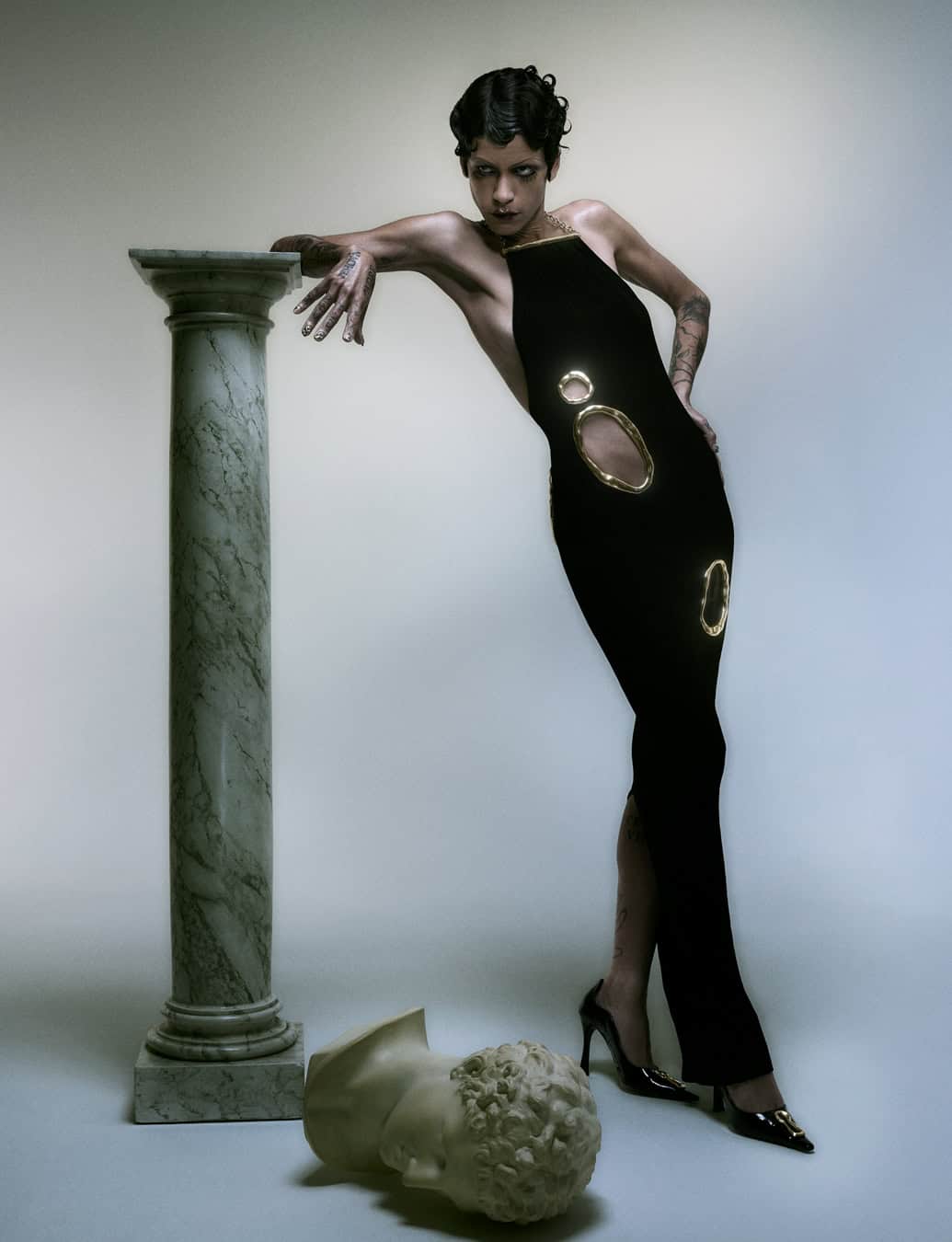
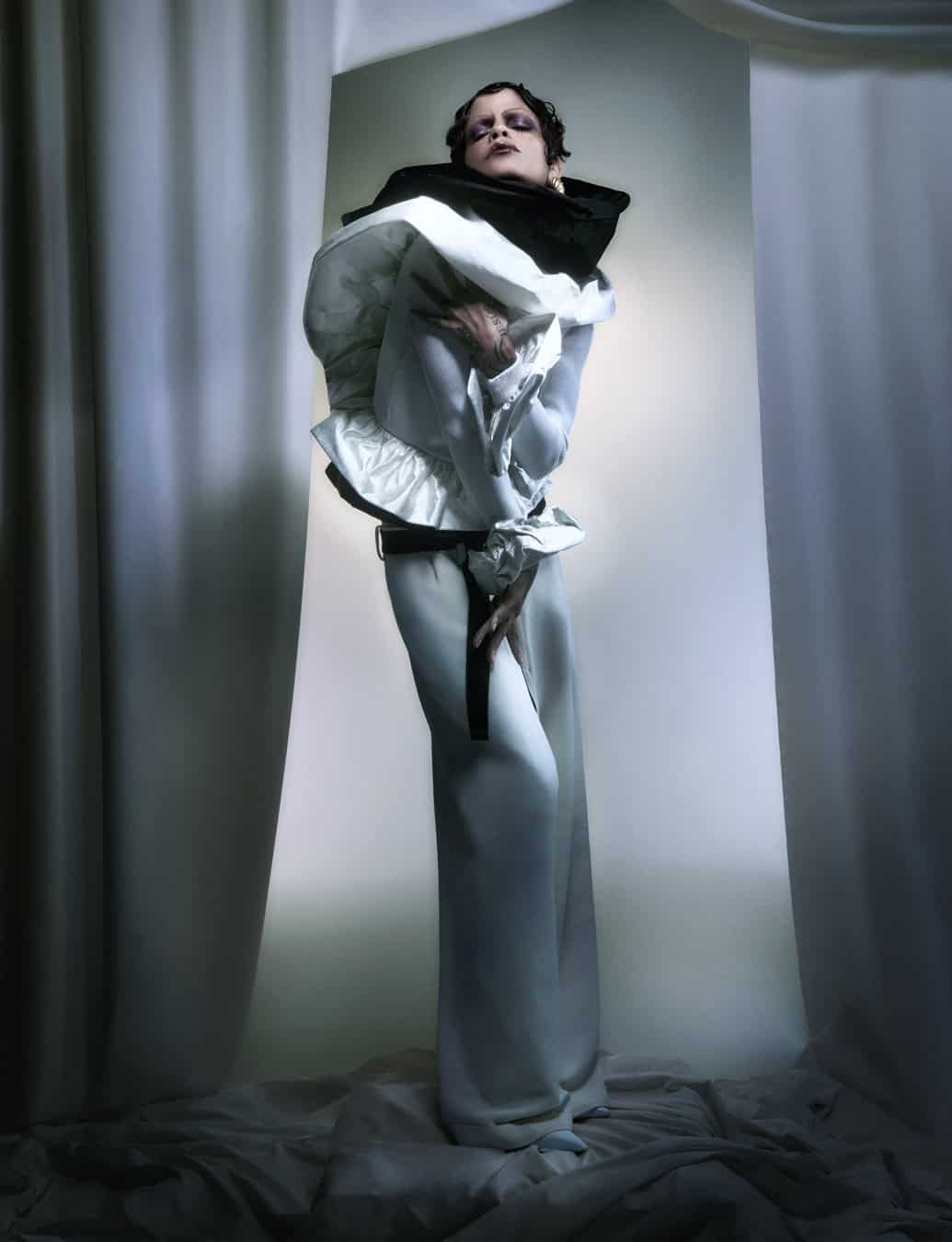
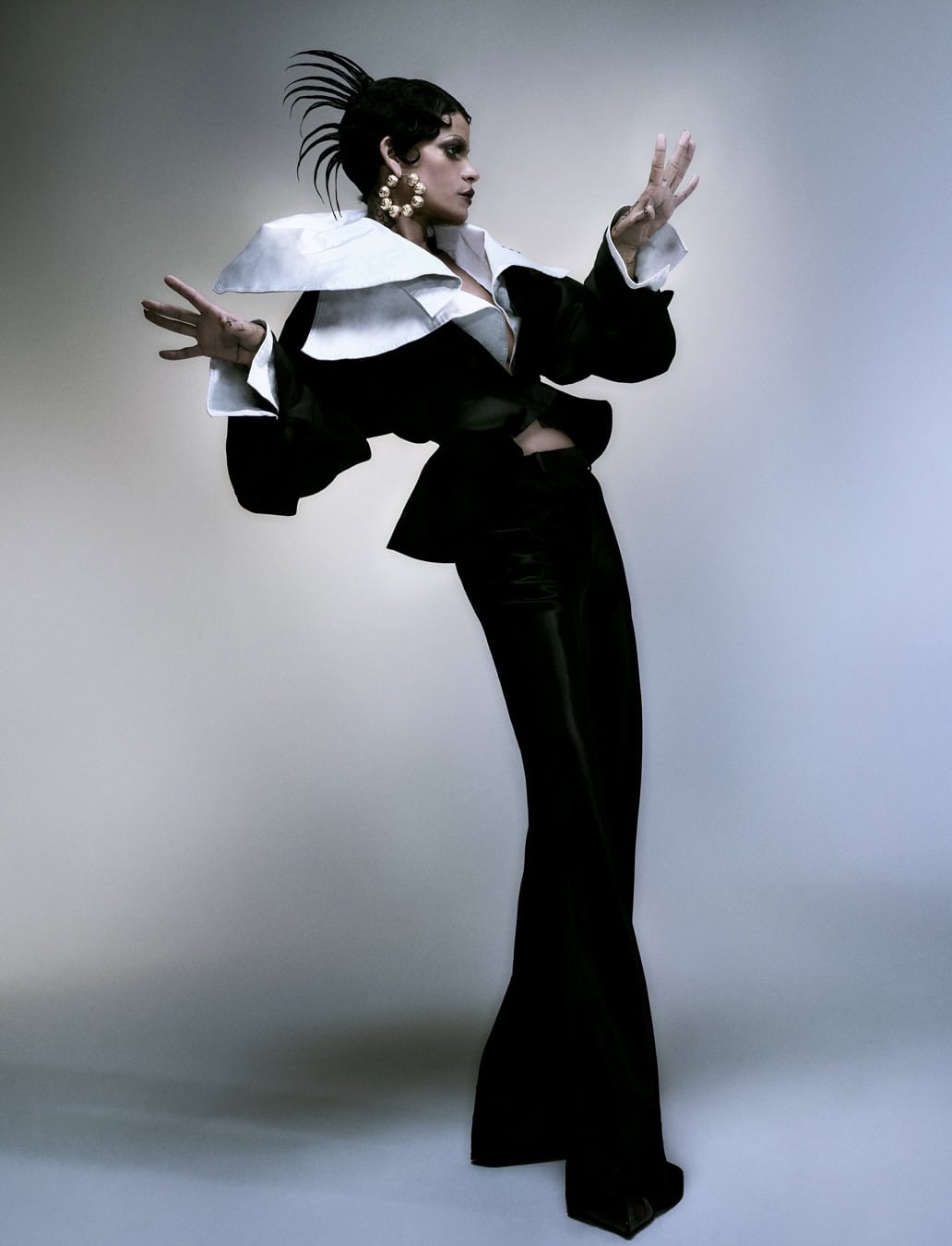
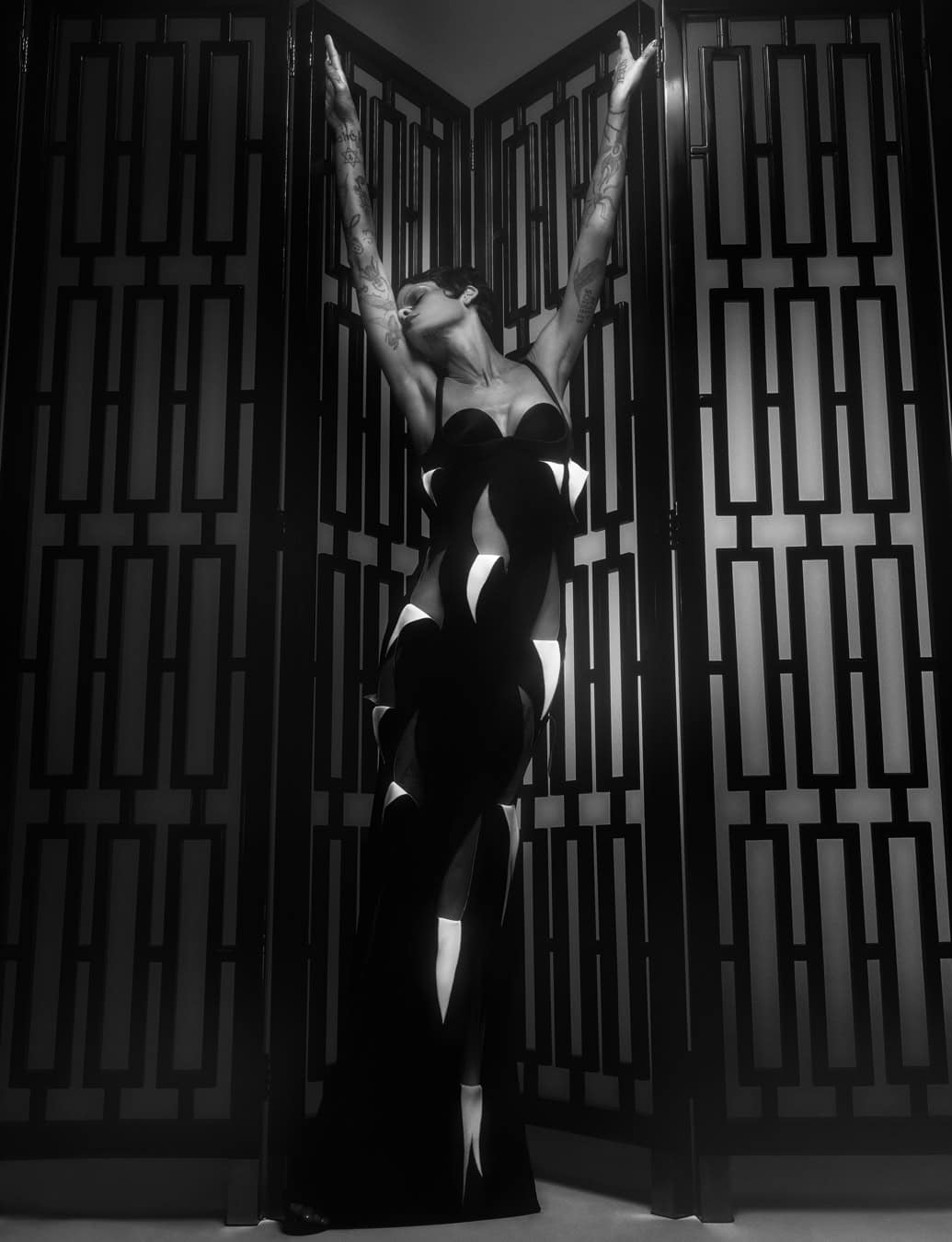
The Texas-born designer, who joined the house from Thom Browne, has brought a unique marriage of Parisian haute couture and American pop culture to the house. A consummate storyteller and showman, many of his most viral pieces are in the exhibition, including the 2021 ‘lungs’ dress worn by Bella Hadid to the Cannes Film Festival and the soaring fantasy of his anthropomorphic golden eagle cape from his AW24 couture collection.
SCHIAPARELLI
Reflecting on the differences and similarities between himself and Schiaparelli, Roseberry remarks on her wit. “I don’t think any other couturier was as funny as Elsa, and it came through in her work. She had a big sense of humour, playfulness and a connection to pop culture outside of the Parisian couture house culture that was unique to her,” he says. One thing he doesn’t plan on replicating, however, is her relationship with artists. “When I first started, people asked when the first collaboration with an artist would be. Who would be the Salvador Dalí counterpoint to my Schiaparelli? And I thought, Elsa is the collaboration, I’m in collaboration with her! It wasn’t about re-establishing the authority of the house with new external collaborators. That’s how I still feel.”
Stanfill believes that Roseberry is writing an important chapter in the history of the house and, just like Elsa before him, is uniquely attuned to his moment. “I think that he is nothing like any other designer. He captures the attention economy. But at the same time, he has transferred from an American fashion house founded for menswear and found himself – a bit like Elsa – as an outsider in Paris, at the centre of a brand with an haute couture tradition. And that alone speaks of a vast and impressive talent. Combined with the quality of what goes down the catwalk, and the range of materials and silhouettes and colour, I think that we will be speaking about Daniel Roseberry in future generations.”
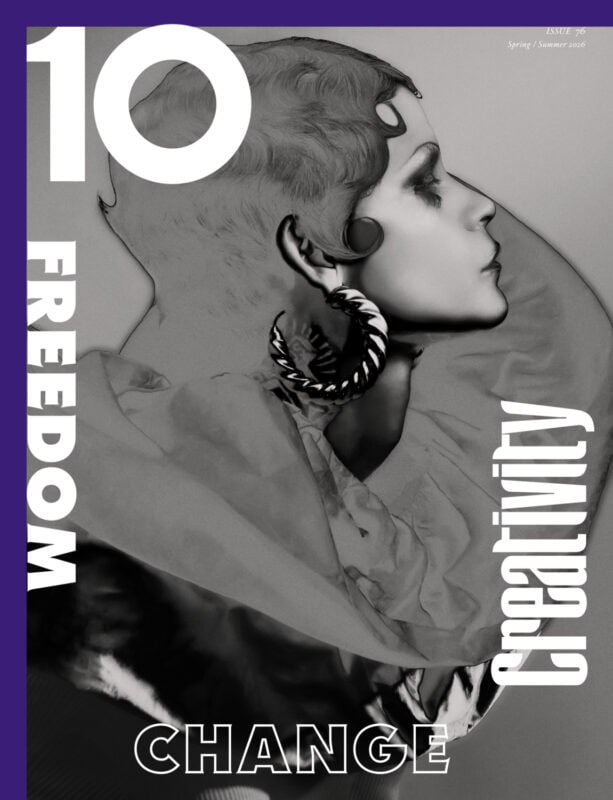
‘Schiaparelli: Fashion Becomes Art’ runs from 28 March until 8 November at the V&A, South Kensington. 10 Magazine Issue 76 – CREATIVITY, CHANGE, FREEDOM – is out on newsstands March 18. Pre-order your copy here.
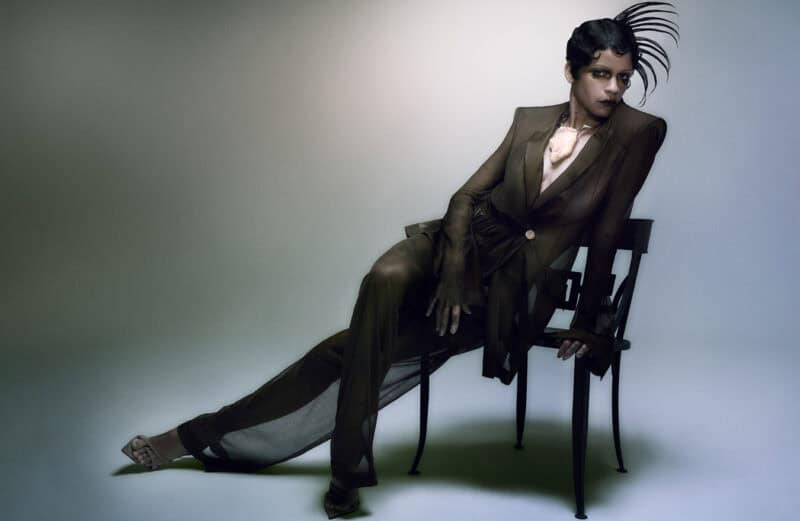
SCHIAPARELLI: FASHION BECOMES ART
Photographer ROB RUSLING
Fashion Editor ANNA TREVELYAN
Text CLAUDIA CROFT
Model OMAHYRA MOTA GARCIA at Supreme Management Paris
Hair YUMIKO HIKAGE at One Represents
Make-up JOEY CHOY at The Wall Group
Set designer CORENTIN STILL
Digital operator MANON CLAVELIER
Photographer’s assistants CAMERON KOSKAS and TIMOTHE BENDRIMIA
Fashion assistants LILA SOEN at Noob Agency, AMY TA and GEORGIA EDWARDS
Production ZAC APOSTOLOU and SONYA MAZURYK
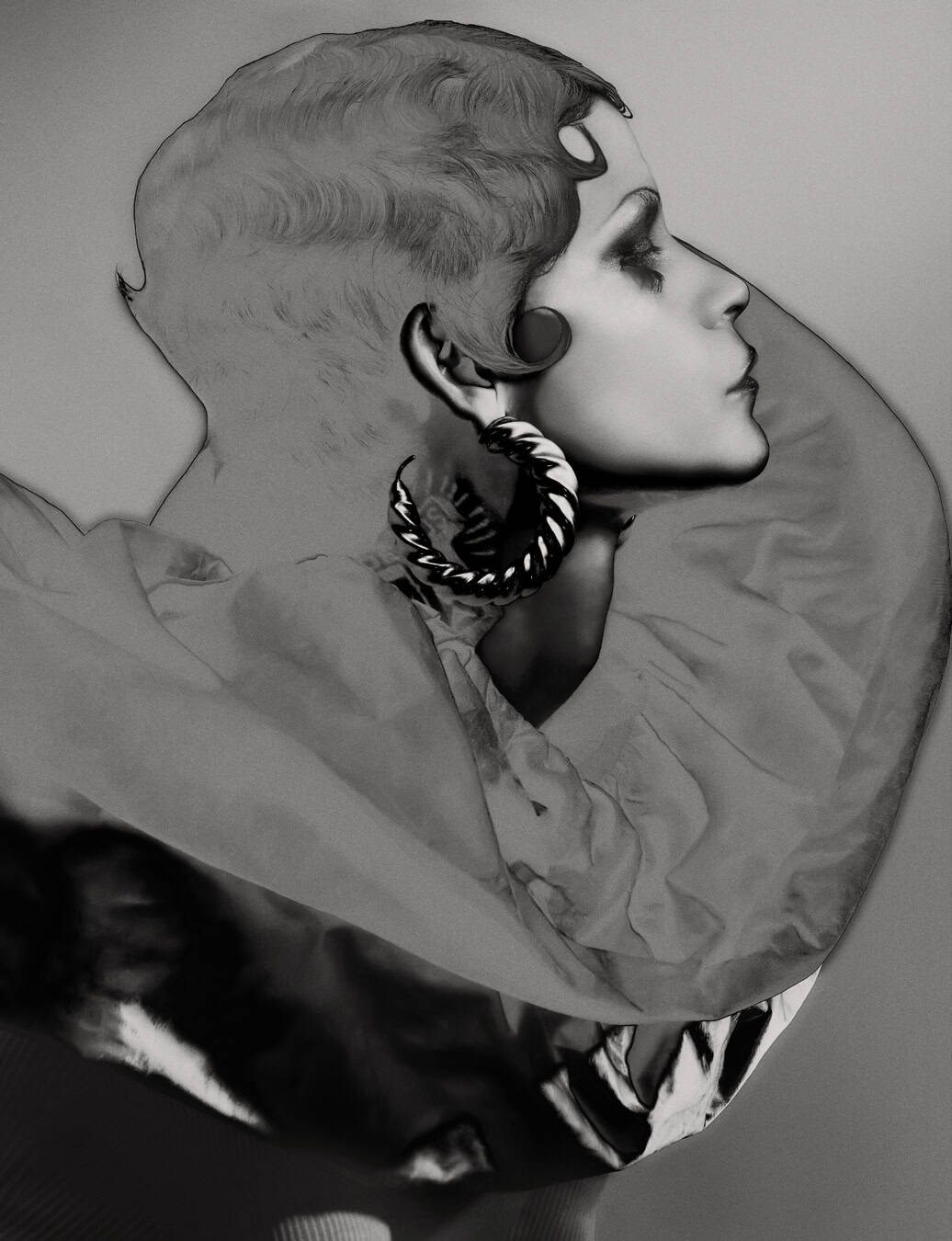
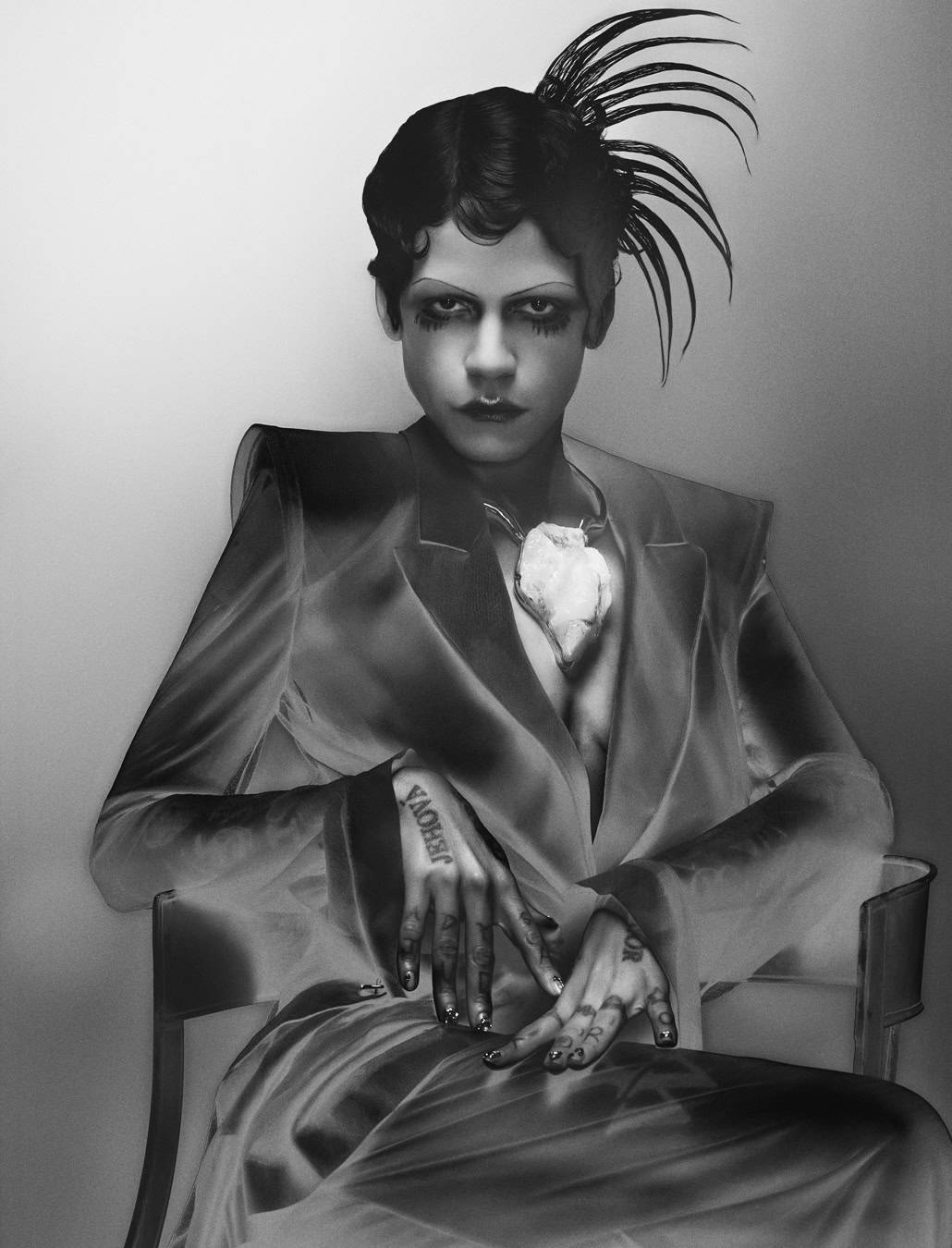
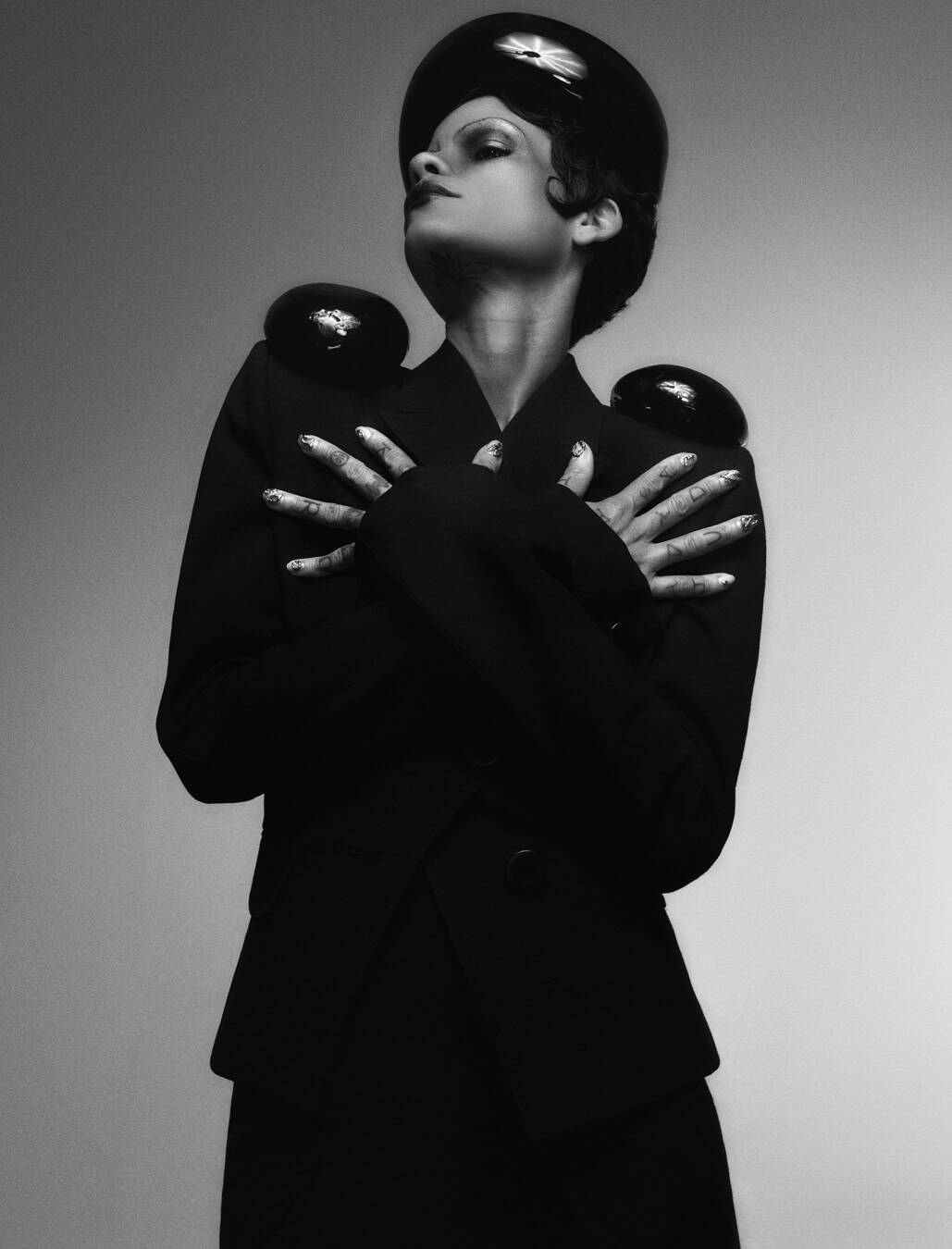
Clothing and accessories throughout SCHIAPARELLI SS26