October 7, 2026 |
There is a particular kind of electricity Edward Enninful has spent the past two years trying to bottle for the walls of Tate Britain. It belonged to a decade when nobody stayed in their lane – when, as he remembers it, “a morning shoot with Nick [Knight] and Kate [Moss] would very often dissolve into a night in Soho”. Designers, artists, photographers and musicians were all circling the same rooms. The ideas they had and the boundaries between disciplines were collapsing in real time. The 90s: Art and Fashion, which opens on October 8, is Enninful’s attempt to get all of that back, inside one building. It is the first exhibition to show the era’s art, photography and fashion together, and the first major show he has ever curated.
He is well placed to tell the story because he lived through it. In 1991, aged 18, he became fashion director of i-D, holed up in Ladbroke Grove with, in his own phrase, “no money, no budget, just pure hunger”. It was, he says, “about access, and finding a place within spaces that hadn’t been built with me in mind”. It was this that stands as the governing idea of the whole show. Because what Enninful has set out to do is widen a story long told too narrowly. This is not another lap around the Young British Artists. The YBAs are here, but so are Sonia Boyce, Maud Sulter, Normski, Barbara Walker and Steve McQueen – the talents whose energy, he points out, was “distributed across communities, practices and places that have not always been equally represented”.
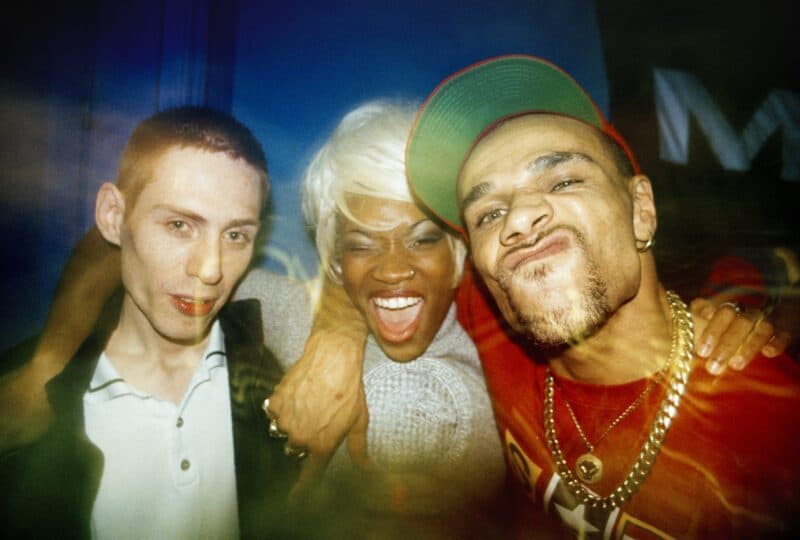
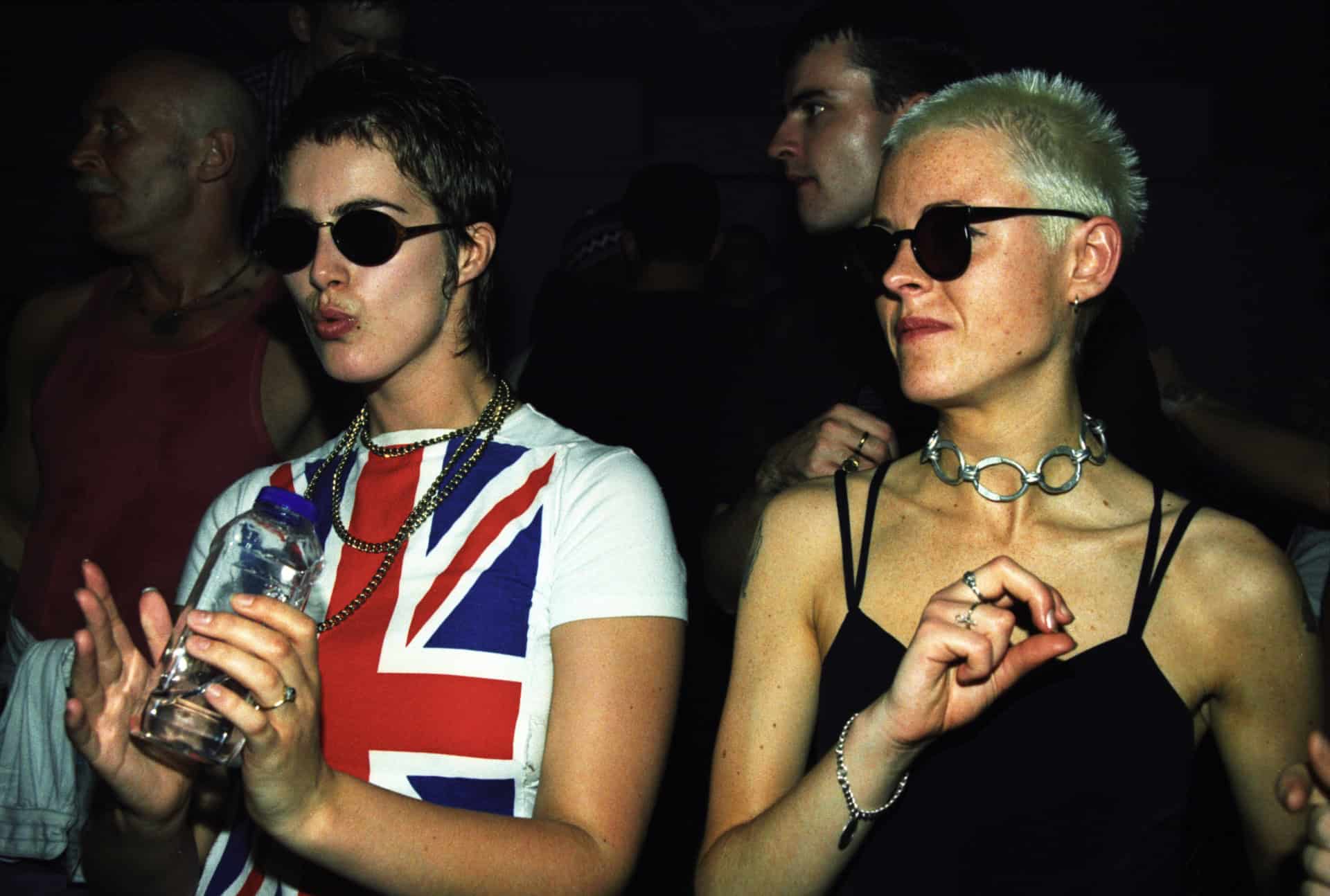
What follows, across nearly 70 names and more than 100 works, is a portrait of a generation that made a virtue of having nothing. There is the gloriously scrappy anti-fashion photography of Corinne Day, Nigel Shafran and Juergen Teller, shooting for i-D and the newborn Dazed & Confused and the sweat and strobe of the Haçienda and Bagley’s, their speakers booming with acid house, jungle and drum and bass. There’s also, shown together for the first time in Britain, the female photographers who chronicled clubland from within, among them Vinca Petersen and Seana Gavin. “We customised everything,” Enninful says, “and took inspiration from underground raves, night buses and street culture. It showed me that street culture and high art could exist in the exact same room.”
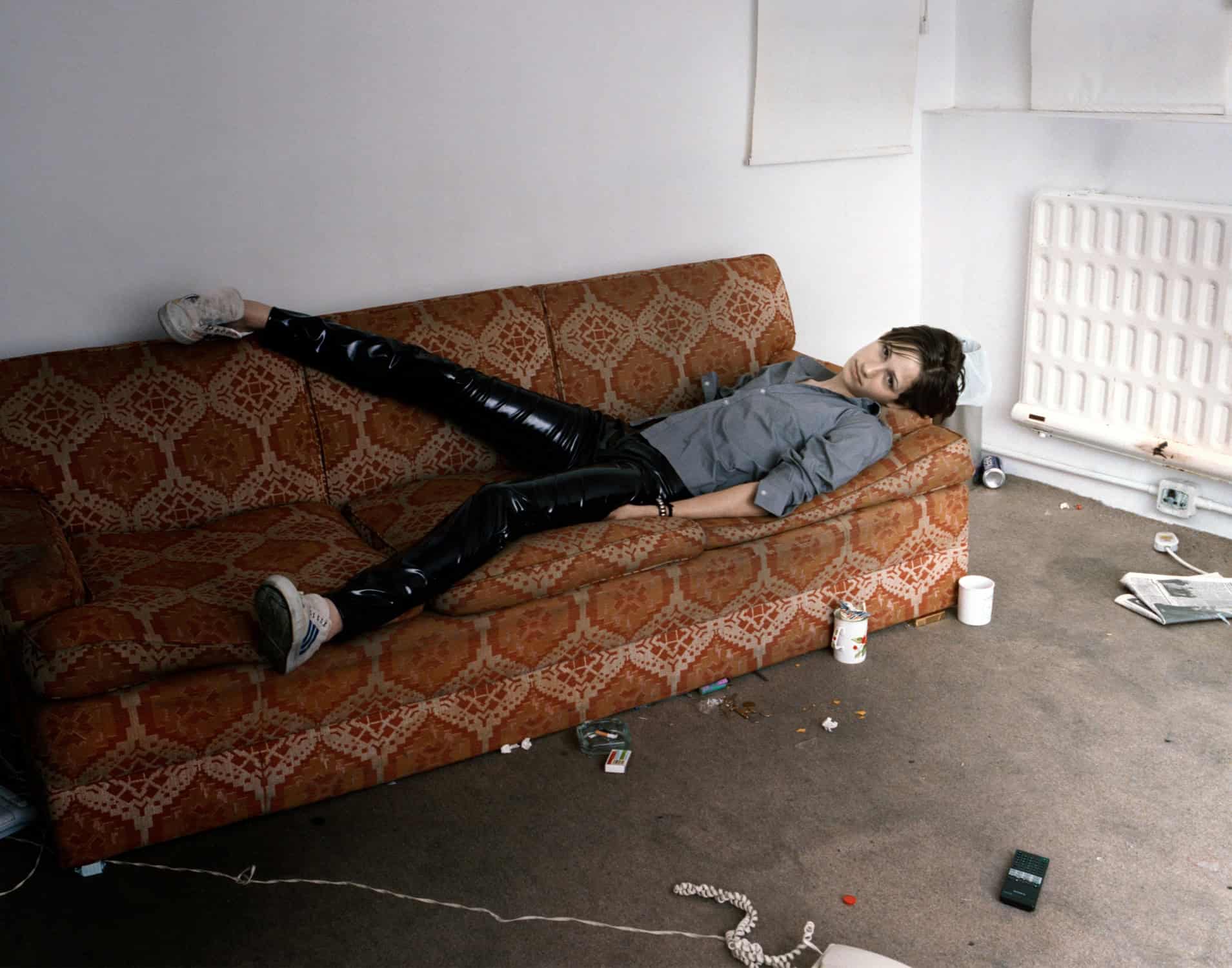
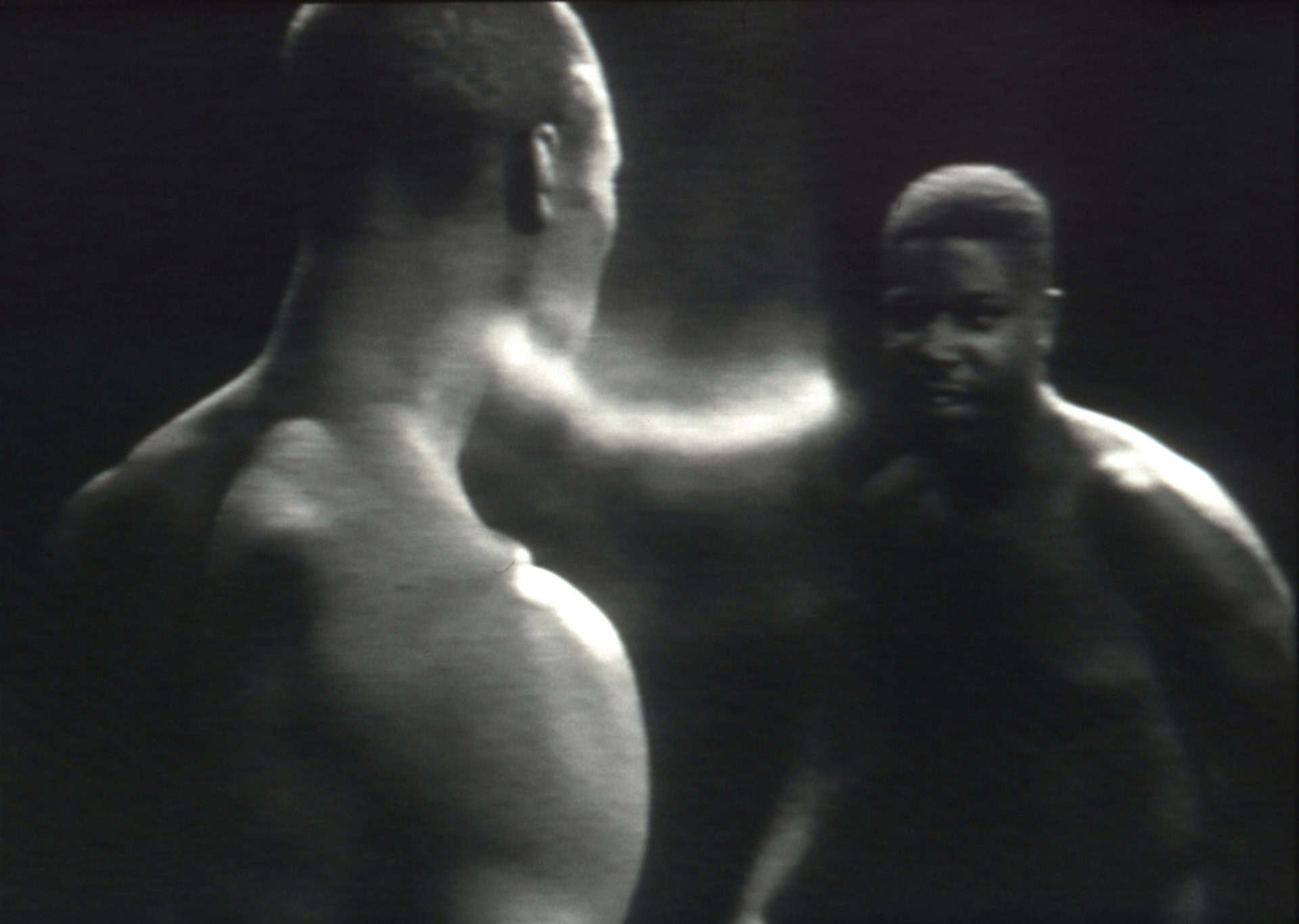
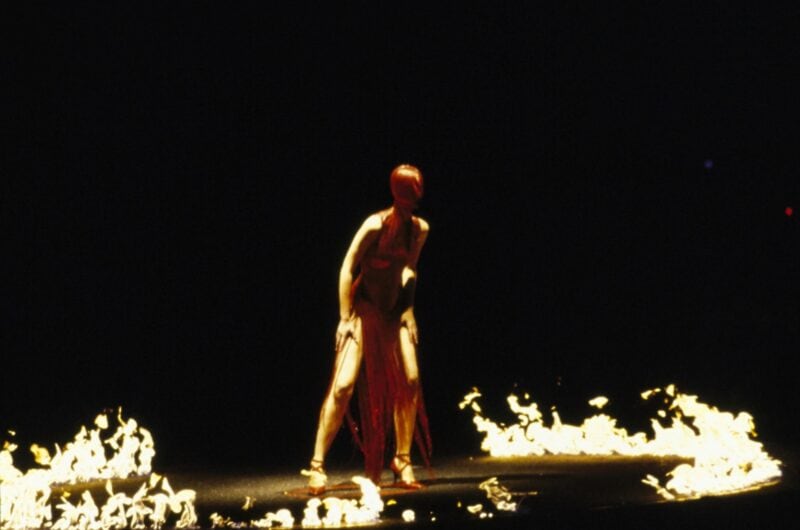
That is the current running through every room. Chris Ofili‘s Turner Prize-winning No Woman, No Cry, painted for Doreen and Stephen Lawrence, shares space with Steve McQueen’s first film, Bear; the impeccable tailoring of Ozwald Boateng and Joe Casely-Hayford, the gothic nightmares of Alexander McQueen and the cool conceptualism of Hussein Chalayan. Grunge fashion editorials rubs up against the pioneering works of Gary Hume and Rachel Whiteread. It is messy, contradictory and thoroughly alive – exactly as it should be.
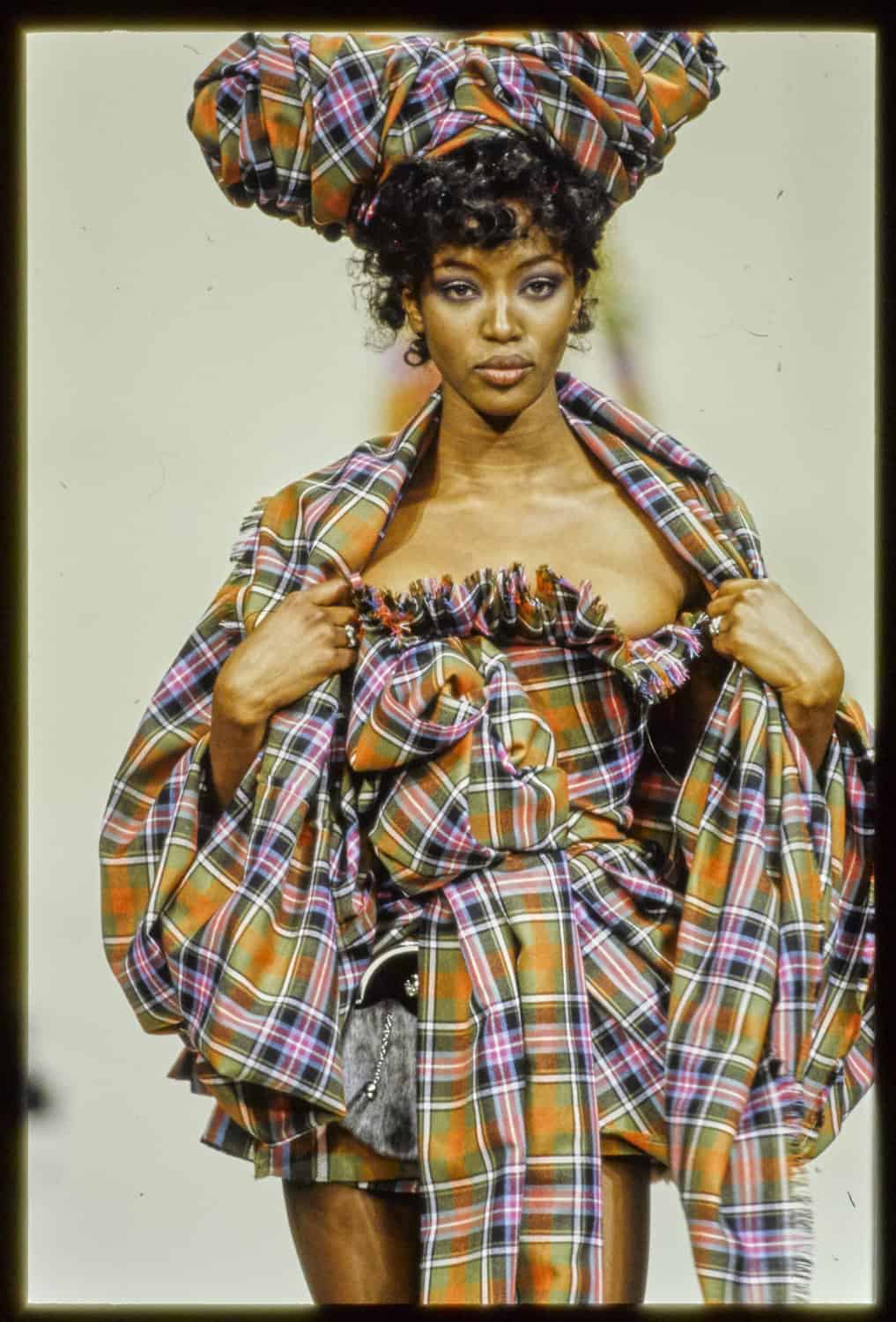
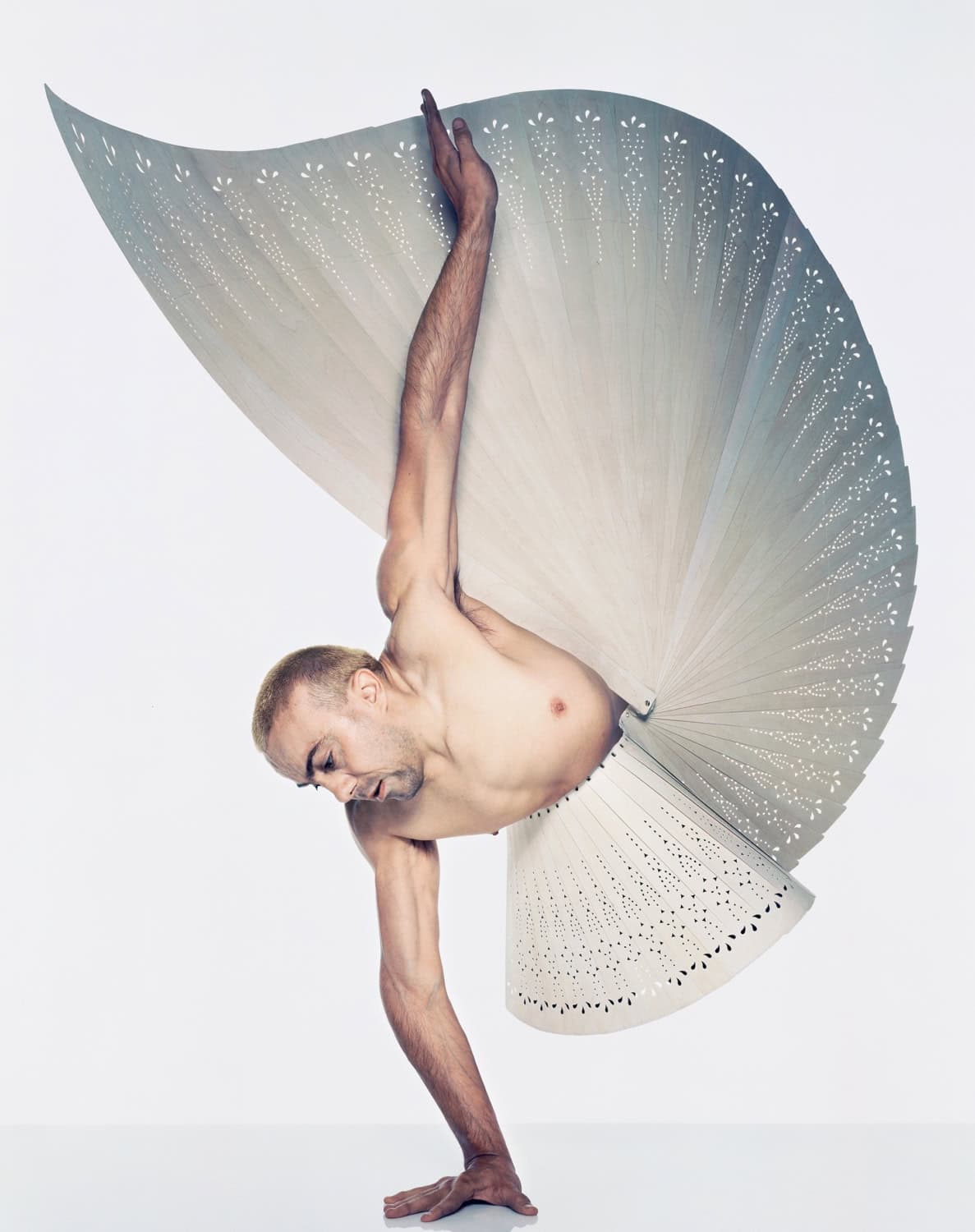
And it is, Enninful insists, anything but a nostalgia trip. The questions the decade threw up including the politicisation of the image and diversity as a genuine creative force, are, he argues, still waiting on their answers. “The questions we were asking then remain urgent now,” he says. “Questions of visibility, access and who gets to be seen.” He wants people to walk out thinking, in his words, “The ’90s really started these conversations”. He wants people to see the decade not as a closed chapter but as something still unfolding. “I wanted this exhibition to be an invitation,” he says. “Not to look back, but to look again.”
Photography courtesy of Tate Britain. ‘The 90s: Art and Fashion’ runs at Tate Britain from October 8, 2026 to February 14, 2027.