March 30, 2026 |
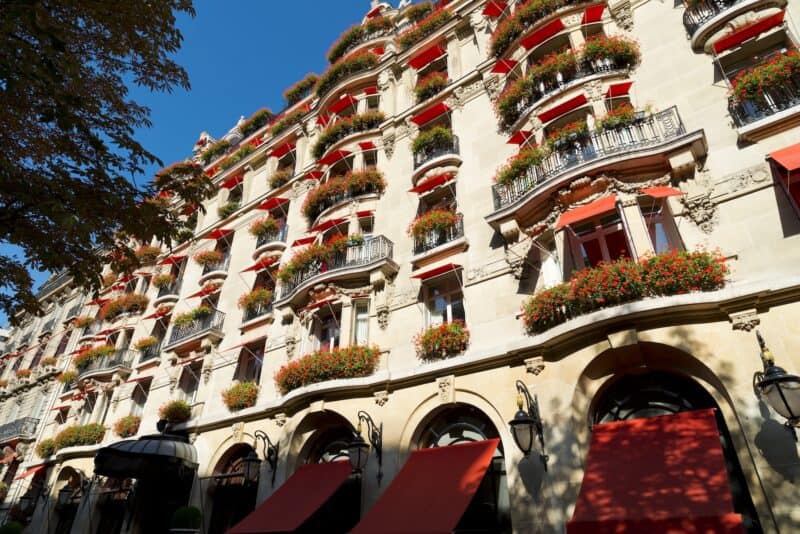
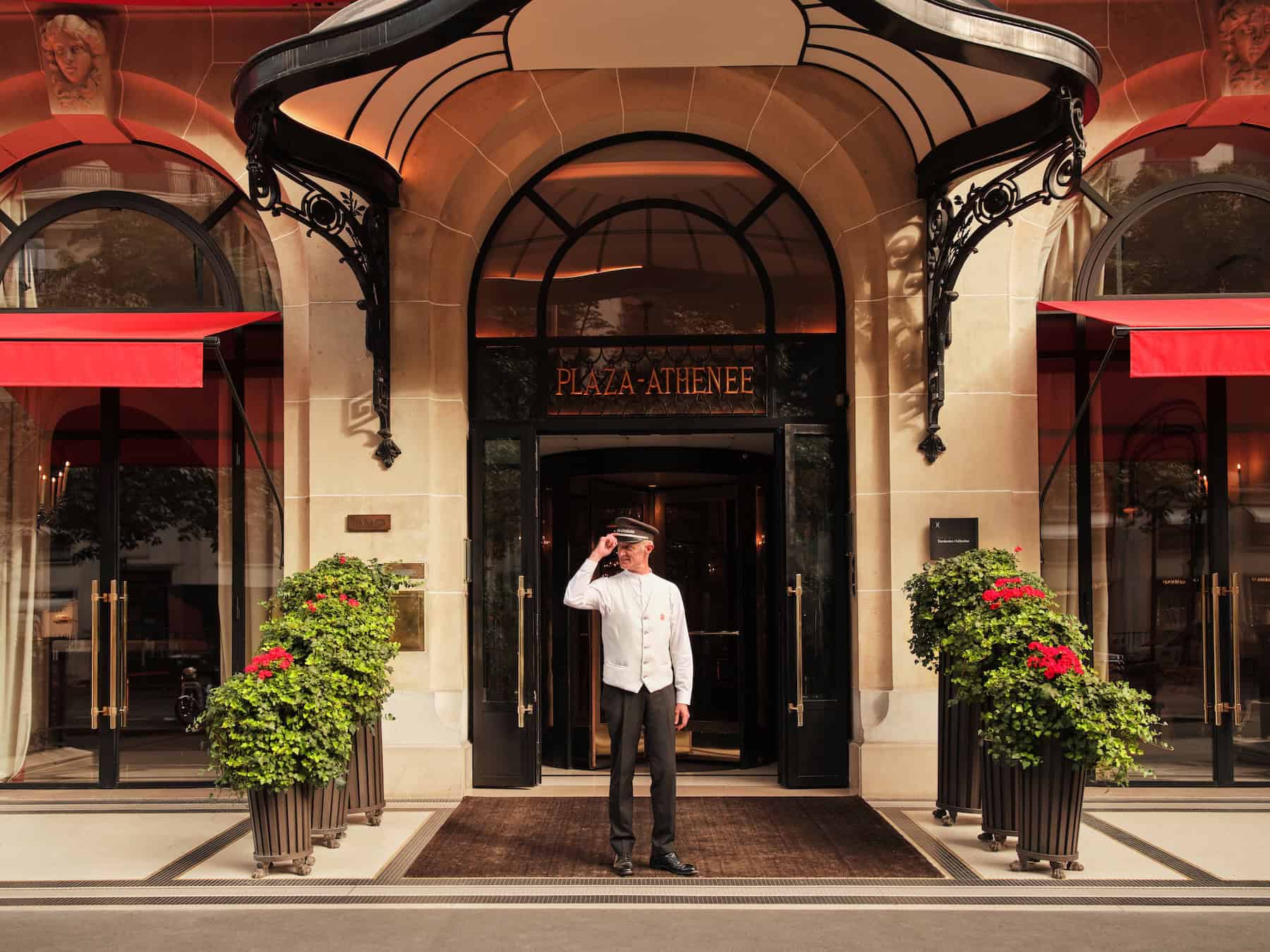
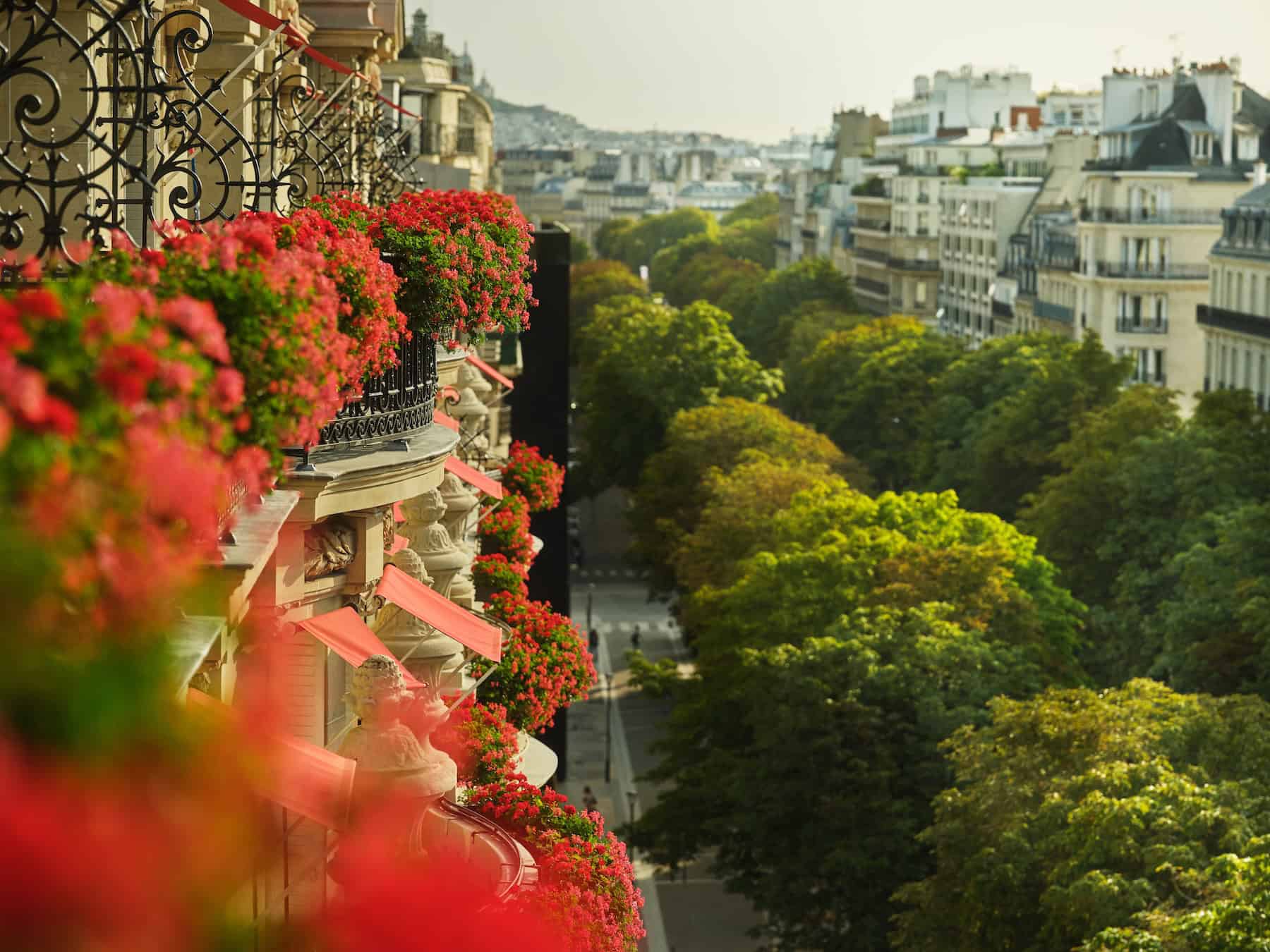
During the spring of 1913, at number 25 Avenue Montaigne in Paris, something new was wafting through the flora-flavoured wind. Just a stone’s throw from the Champs-Élysées, a new place to see, to be seen and to stay, sitting pretty at the precipice of French luxury, the Hôtel Plaza Athénée had opened its doors, and with it, a new rhythm for the city’s social life began to take shape. “Once upon a time, the palace of tomorrow”, it declared, the motto denoting a careful balance between heritage and forward motion – a promise to honour what had come before while continuously refining what luxury could look like next. This was where Paris came to gather after the curtain fell. Alive with composers and performers in its earliest days, it attracted an ever-expanding constellation of guests, eventually counting the likes of Marlene Dietrich, Grace Kelly, Jackie Kennedy and Elizabeth Taylor among its regulars. Luminaries of the time arrived in flocks, certifiably cementing it as a cultural institution, and somewhere that, if you had the means, couldn’t be missed.
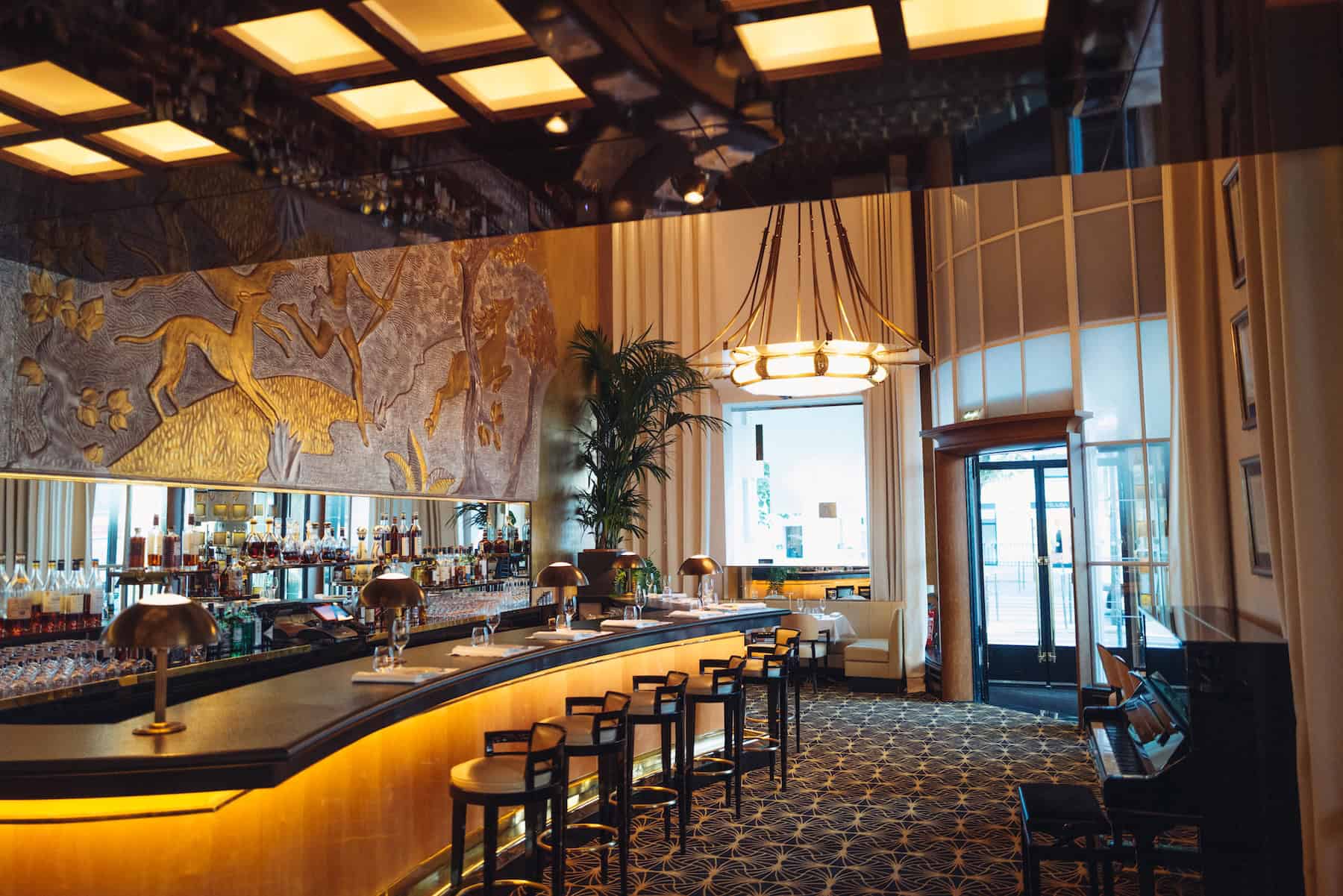
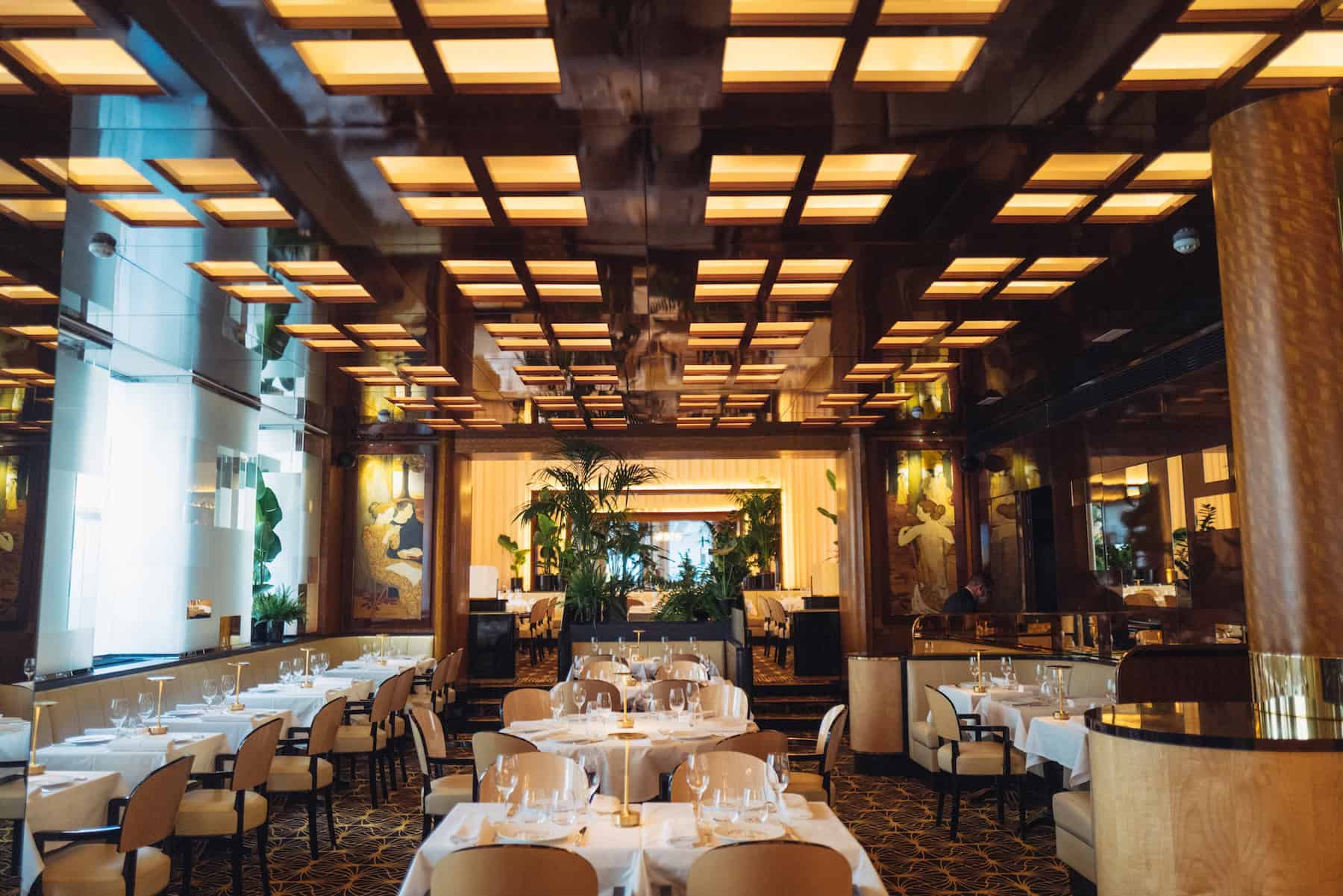
Designed by renowned architect Charles Lefebvre, at the time, the hotel, with its Haussmann-style architecture and elegant façade, boasted 16 rooms per floor, as well as apartments on the top level. Architect Jules Lefebvre later shaped its evolution, creating the large apartments, the Cour Jardin and the Régence and Marie-Antoinette salons – spaces that would come to define the hotel’s internal life. The Relais Plaza restaurant too, opened in 1936, was a chic Parisian brasserie led by chef Jacques-Léon Colombier and entrusted to the interior designer Constant Lefranc, who turned it into an “Art Deco temple” – a space that still anchors the hotel’s dining identity today.
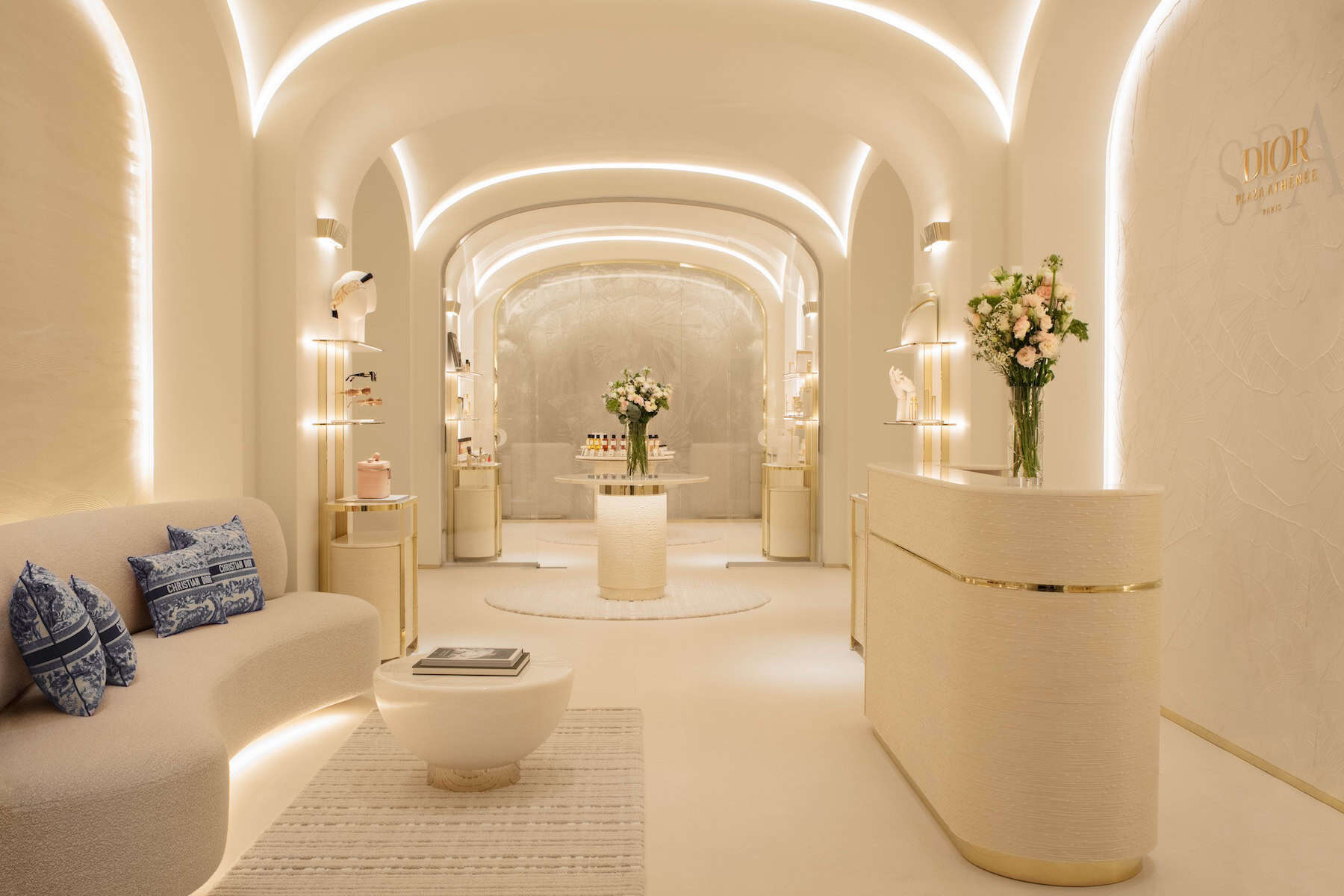
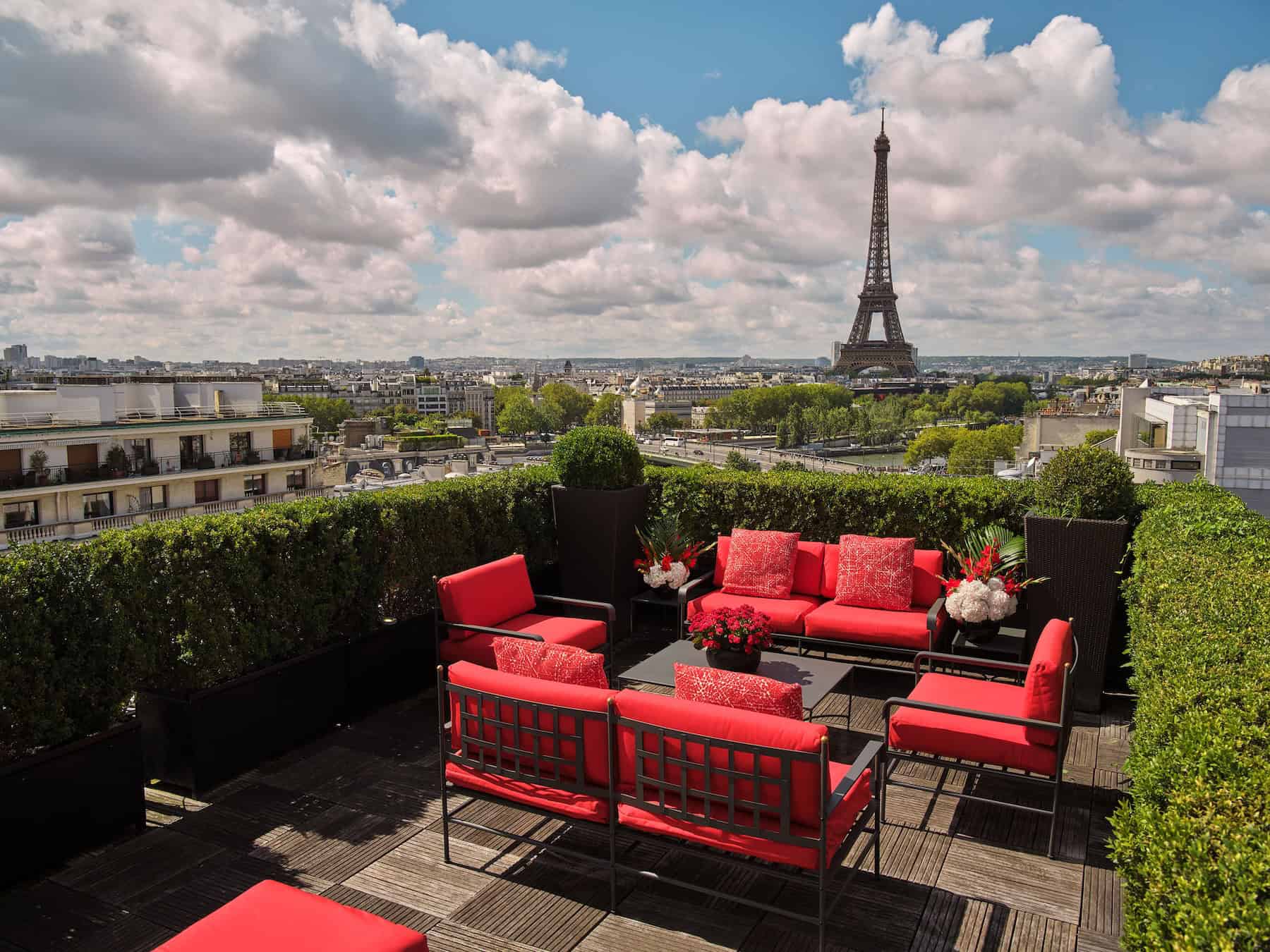
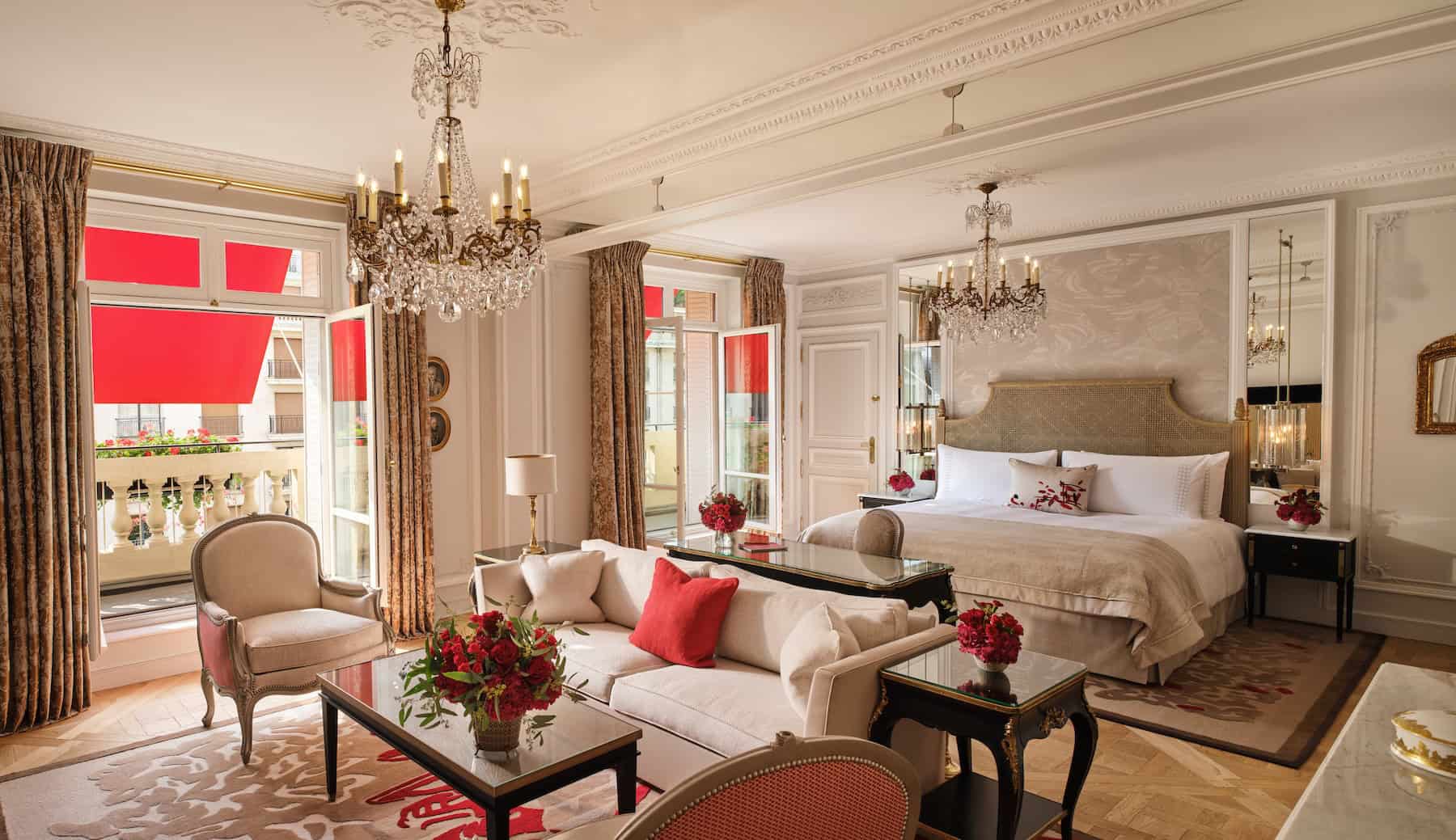
Then, in 1947, one of the most enduring relationships in fashion and hospitality was set into motion. Just across the avenue, deliberately positioned within sight of the hotel, Monsieur Christian Dior established his first fashion house. The proximity was intentional, the alignment immediate. Over the decades, the Plaza Athénée became not just a neighbour but an extension of the Dior world – a place where clients stayed, collections were discussed and the cadence of couture life played out just steps from the ateliers. That relationship has since been formalised within the hotel itself, evolving from influence to integration, culminating in the opening of the Dior Institut in 2008, now the Dior Spa – a 400-square-metre space dedicated to made-to-measure treatments, mirroring the precision and personalisation of haute couture.
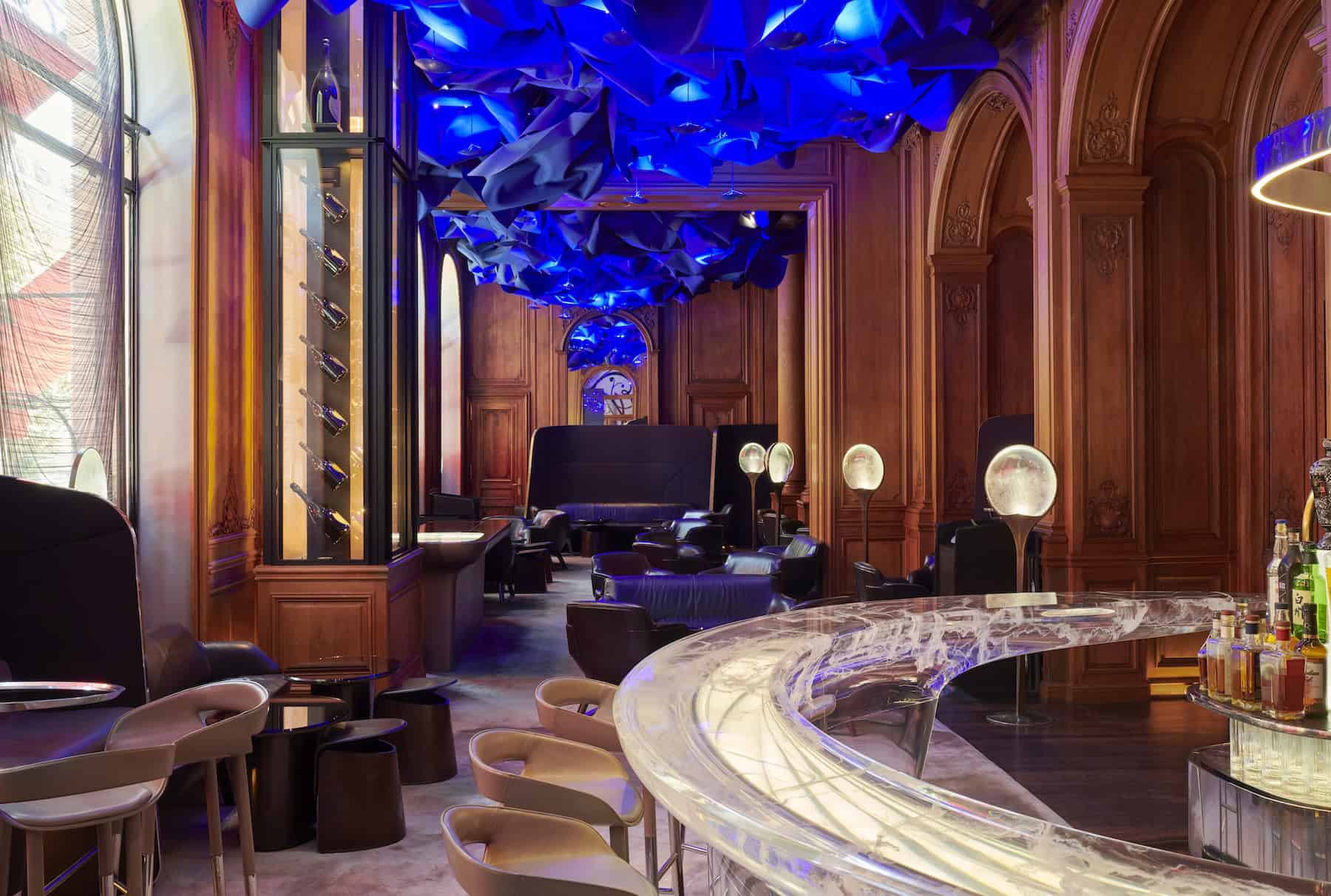
Between then and now, the hotel has moved through periods of reinvention without ever losing its footing. The post-war years brought embellishment and expansion; the late 20th century saw resistance to change as much as adaptation to it – from staff-led protests against its sale in 1969 to a series of leadership shifts that reshaped its direction. By 1999, under general manager François Delahaye, a decisive new chapter began. Alain Ducasse was brought in to redefine its culinary offering, while successive renovations addressed both competition and expectation. The early 2000s introduced new design voices – Patrick Jouin’s Bar in 2001; the refurbishment of bedrooms and suites in 2003; and the unveiling of the 450-square-metre Royal Suite in 2005, still one of the largest in Paris.
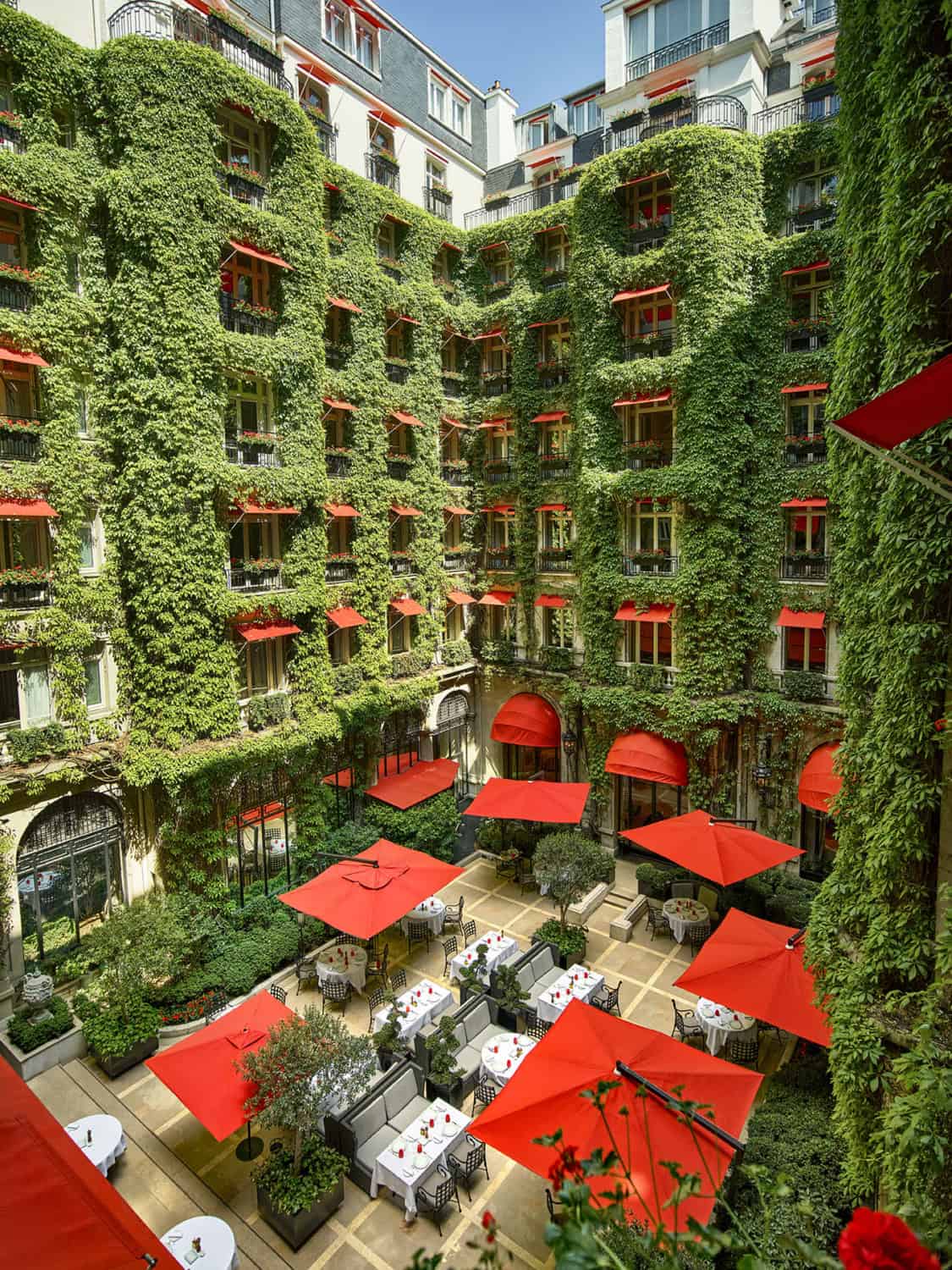
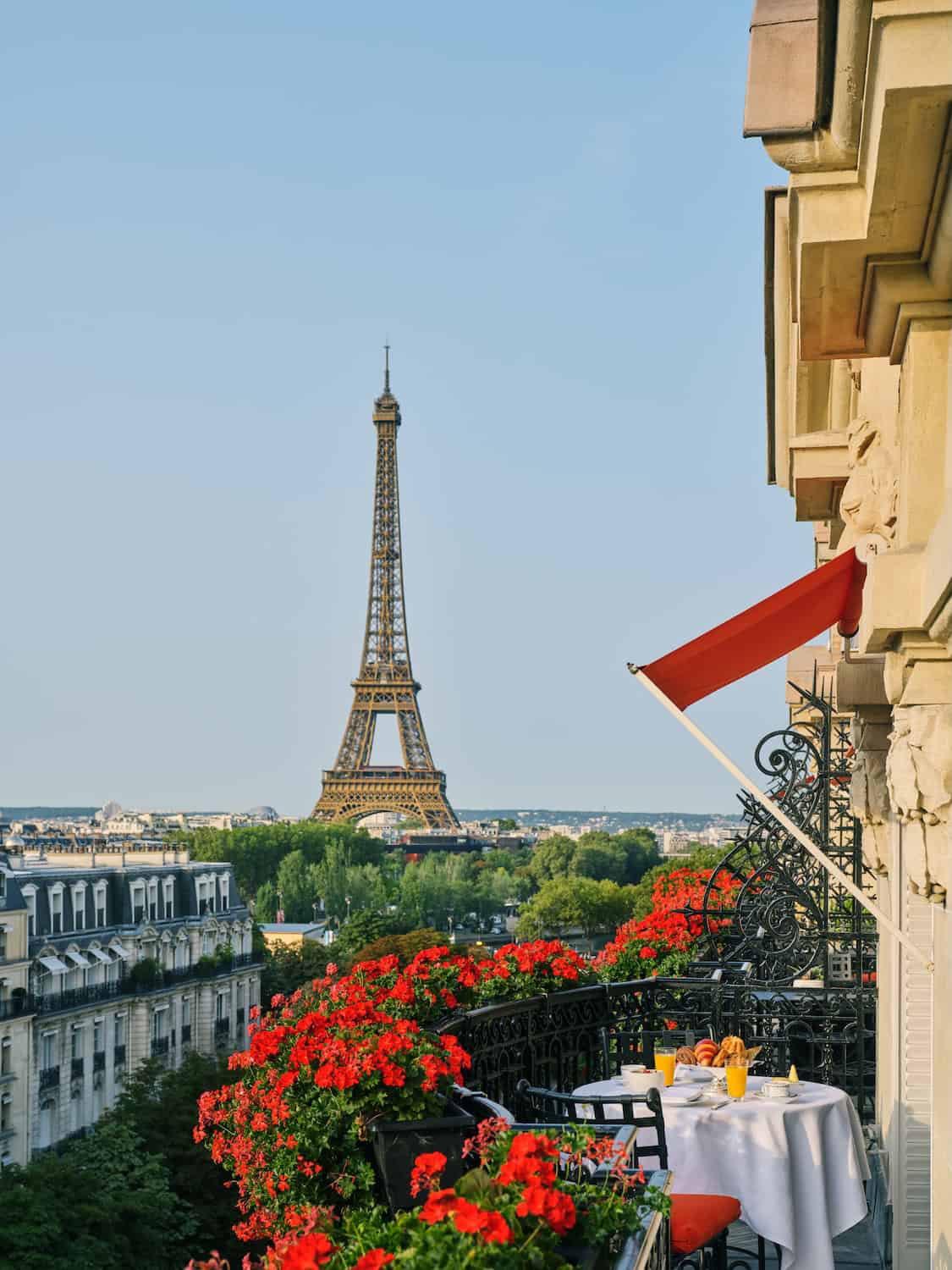
Recognition followed. In 2011, the hotel received the Entreprise du Patrimoine Vivant label (a government award acknowledging exceptional know-how), and in 2012, it was officially awarded Palace distinction (the most prestigious honour in the French hospitality industry, awarded to exceptional hotels sitting strictly above the five-star rating). Its centenary in 2013 was marked not with spectacle but with preservation – a time capsule sealing objects from past and present for the next generation. A major renovation in 2014, led by architect Jean-Jacques Ory alongside designers Bruno Moinard and Claire Bétaille, expanded and refined the hotel, integrating three adjacent buildings while maintaining architectural continuity. Subsequent updates – from the redesign of the Dior Spa in 2016 to the reimagining of the seventh floor in 2021 in a sharper, more assertive Art Deco style – have continued this incremental evolution.
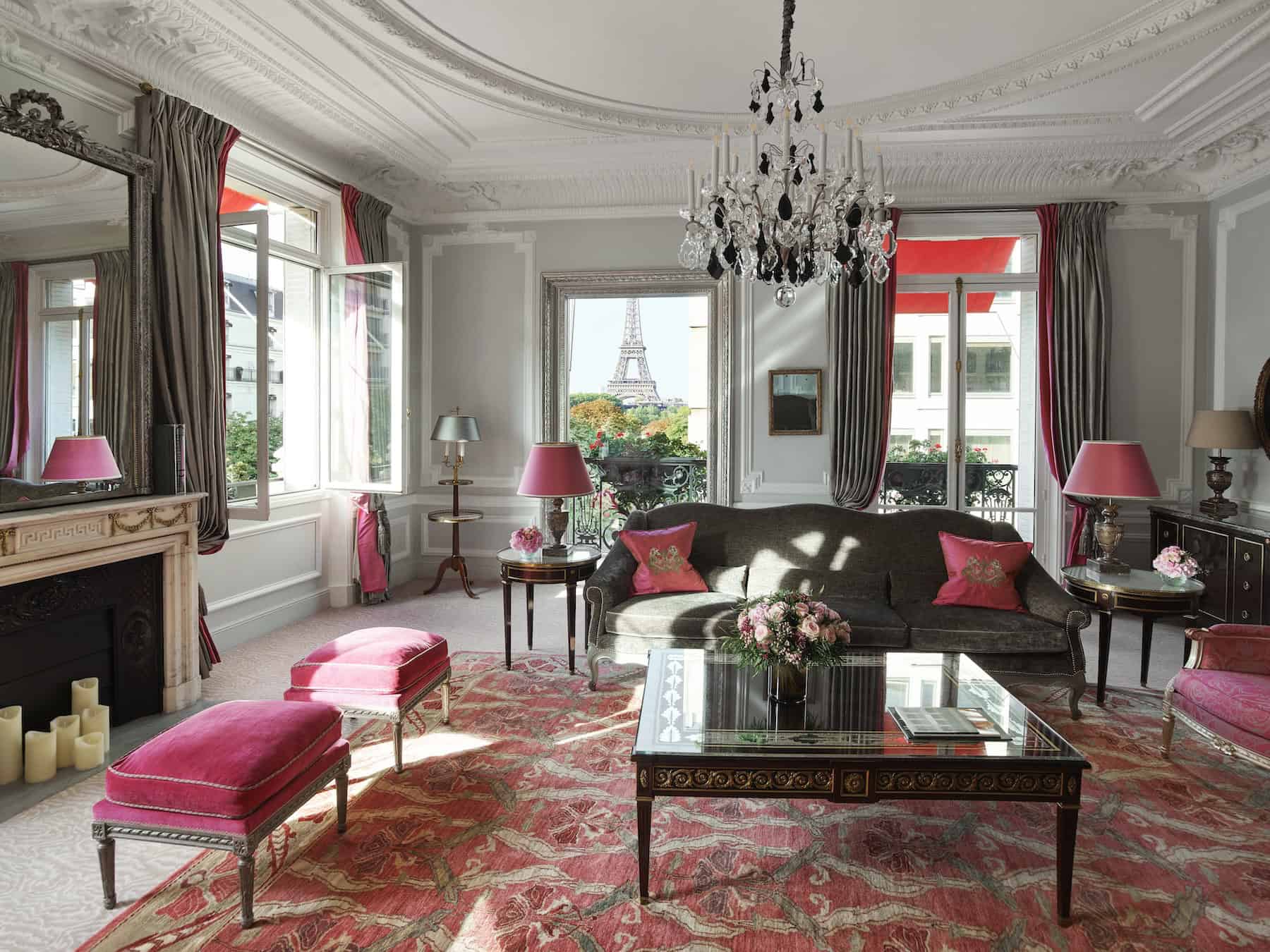
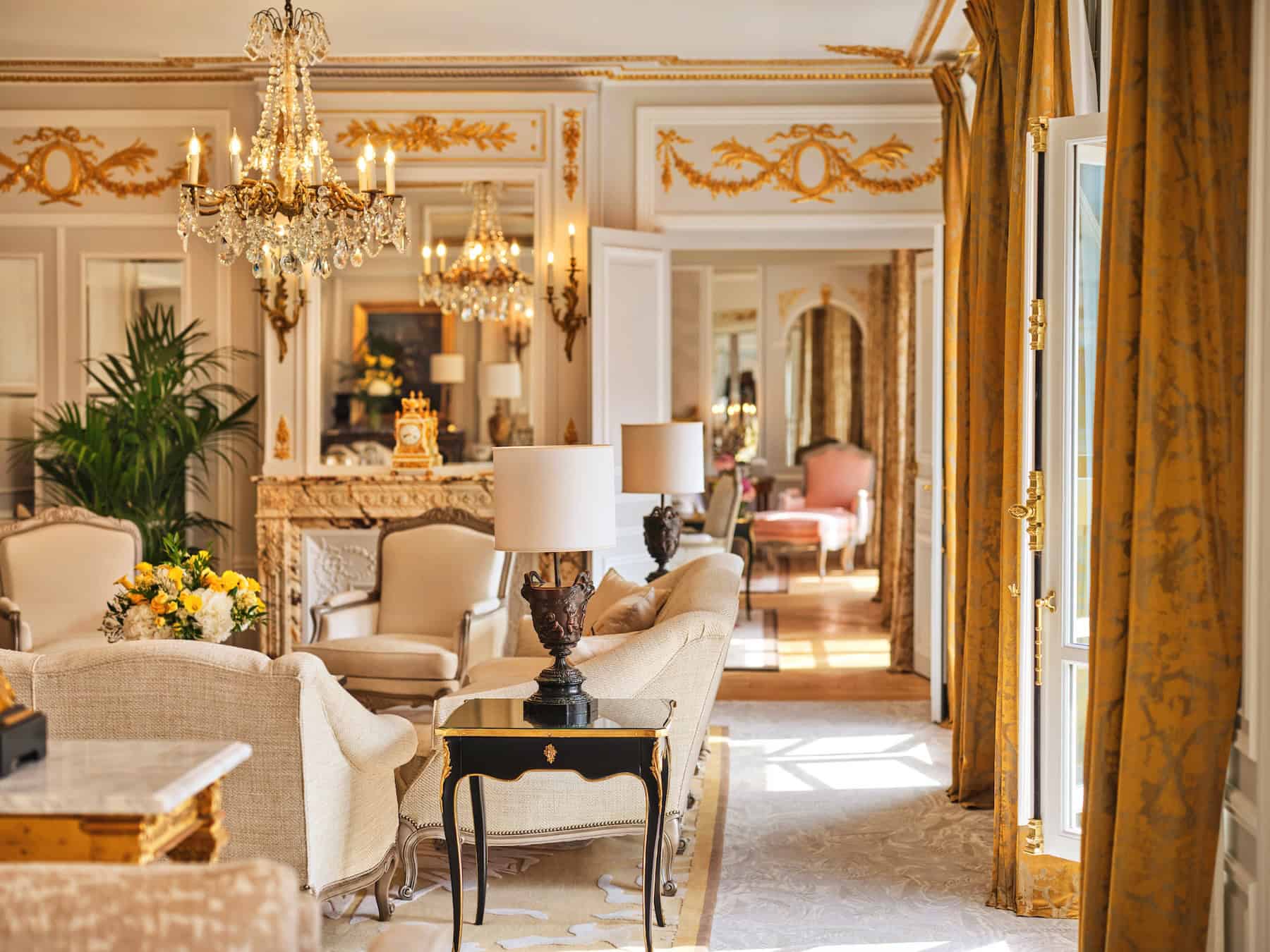
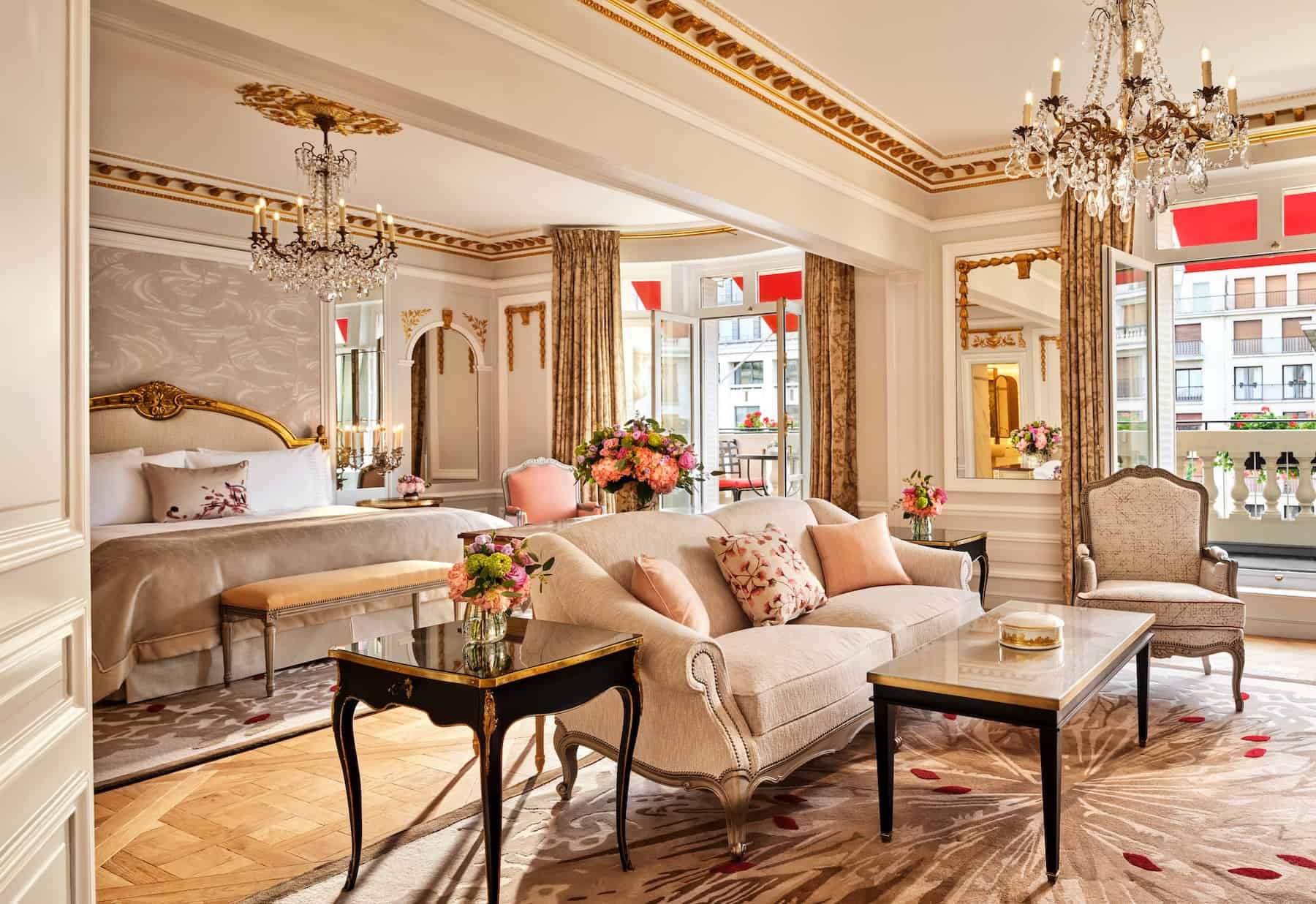
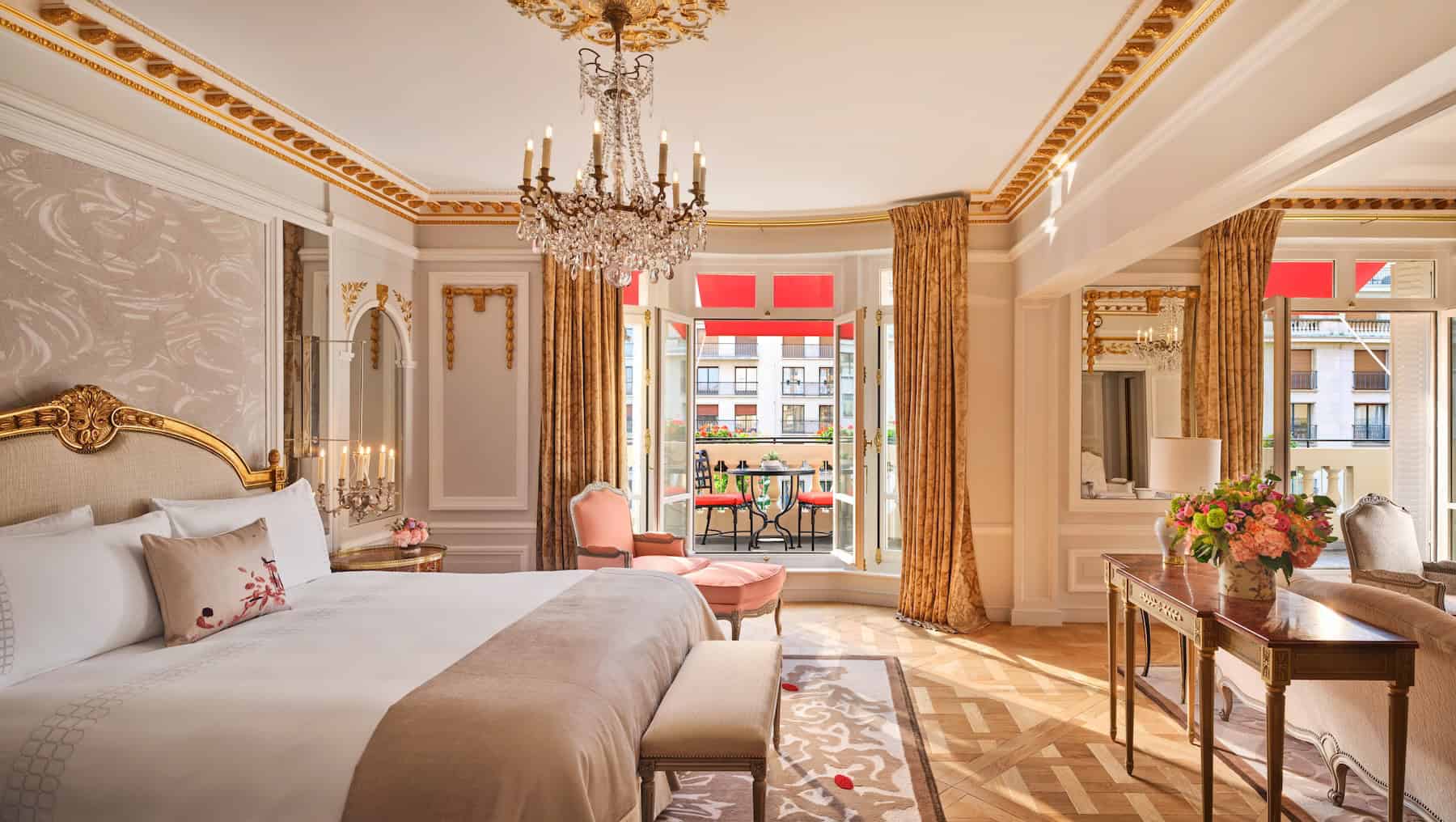
Fast forward to 2026 and the Hôtel Plaza Athénée is both intact and entirely current. It now stands with 154 bedrooms and 54 suites across eight floors, each room conceived as a Parisian apartment – some rooted in classic Haussmann detailing with mouldings, parquet floors and silk-lined walls, others leaning into a more graphic Art Deco sensibility. Technology is integrated discreetly, never interrupting the visual language of the spaces. Suites such as the Eiffel offerings frame the landmark directly, while the Royal Suite operates on an altogether different scale, complete with multiple bedrooms, private wellness facilities and views that stretch across Avenue Montaigne.
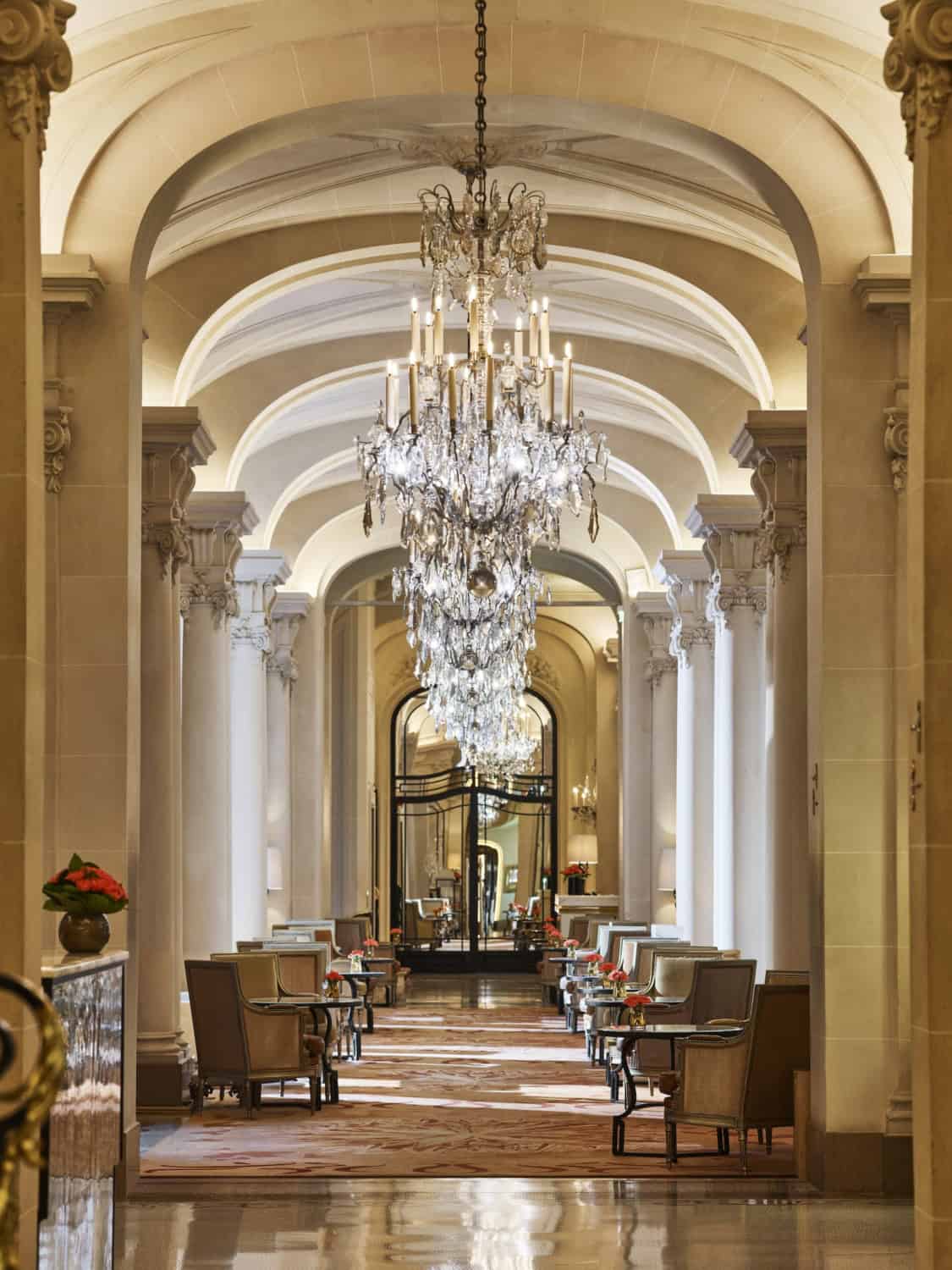
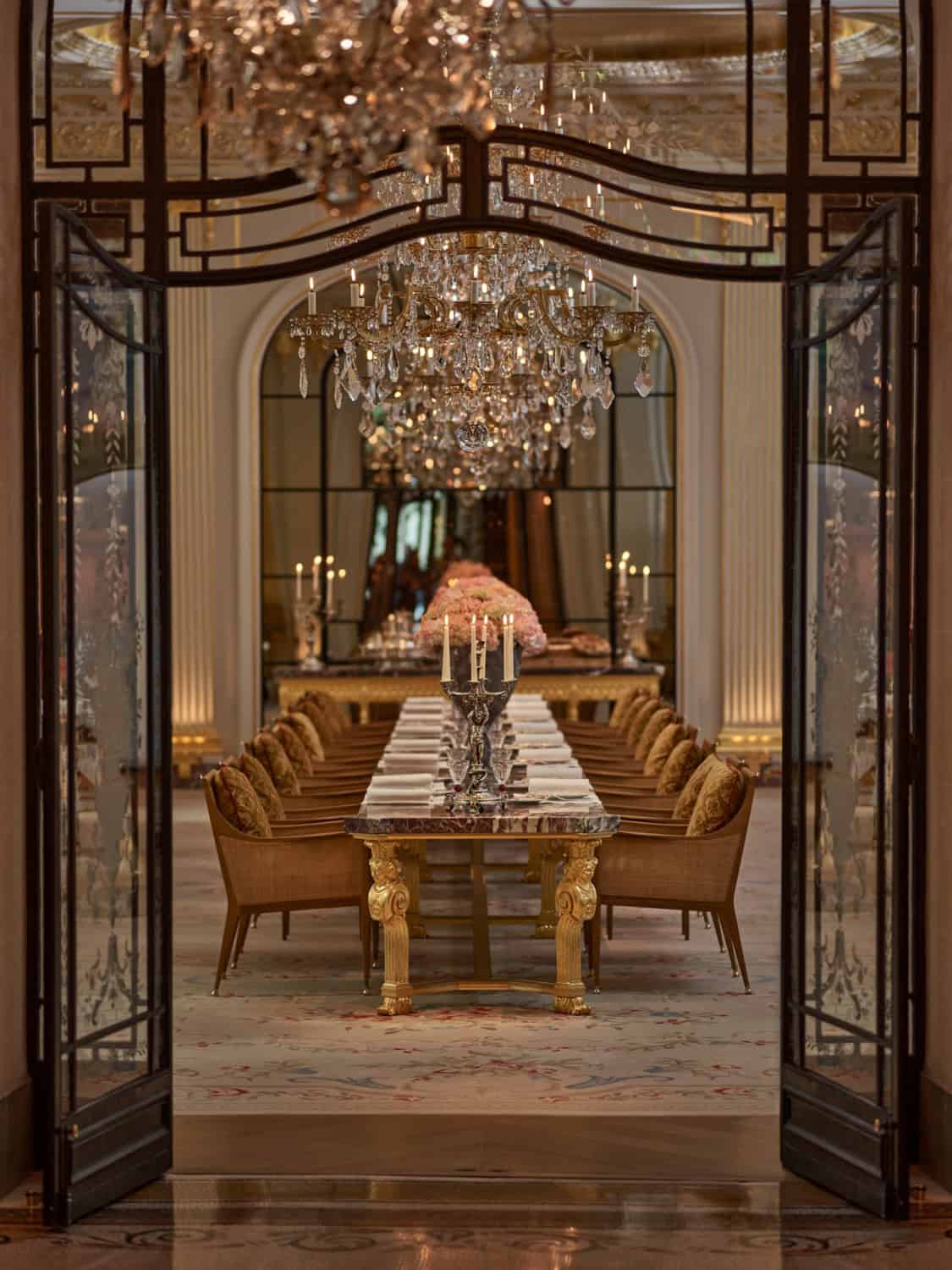
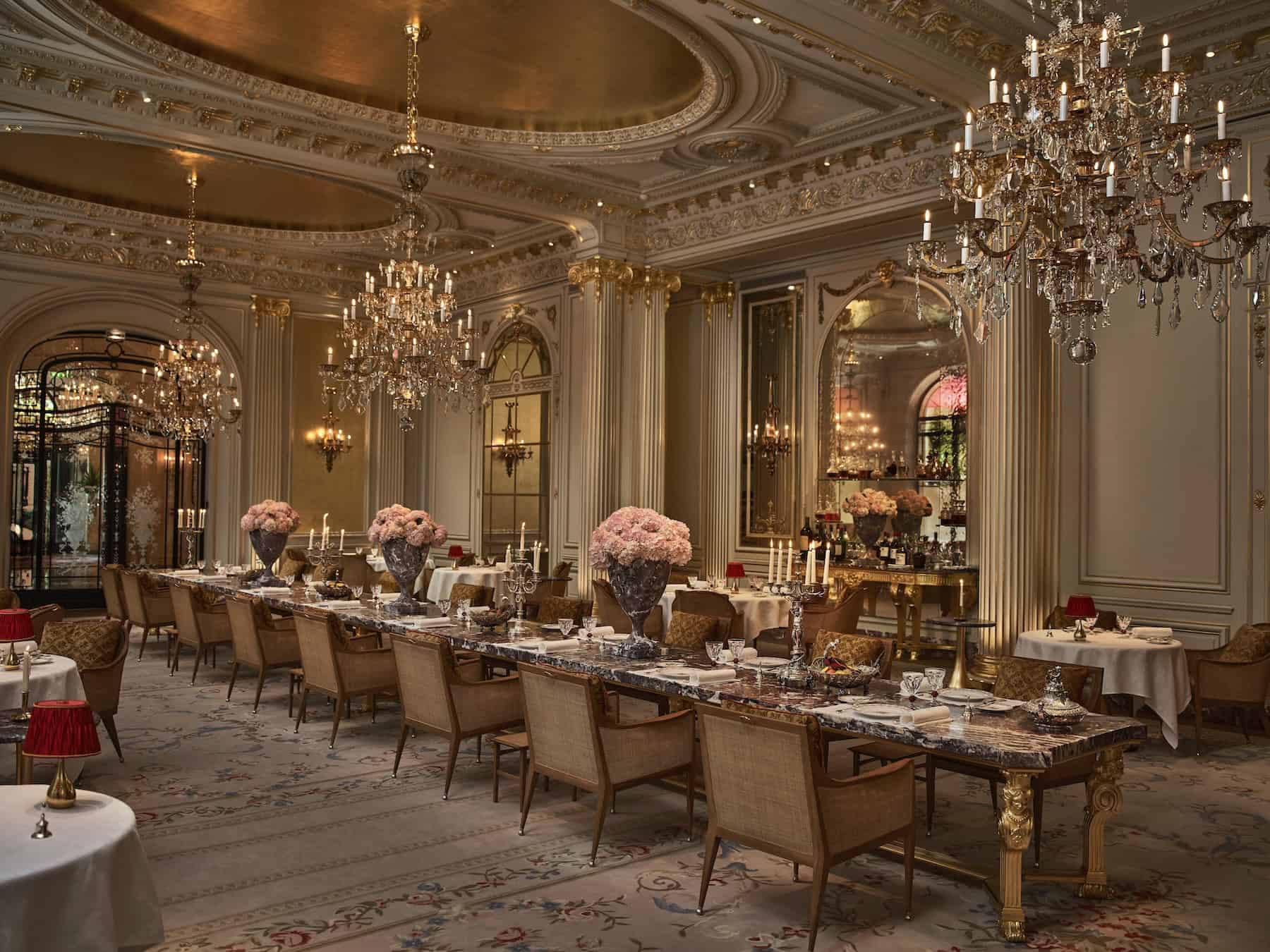
Another chapter in that longstanding relationship with Dior continues within its walls. The Dior Spa has expanded further, introducing new treatment areas, a fitness studio and light therapy – a first for a Parisian palace – designed to regulate circadian rhythms and recalibrate energy, sleep and skin health. Elsewhere, the hotel’s living spaces operate with the same attention to detail: La Galerie remains a centre for breakfast and afternoon tea, Le Relais Plaza continues to serve classic French dishes within its preserved Art Deco interior and the Gastronomic Restaurant, reopened in 2022, secured a Michelin star just nine weeks after launch. The Cour Jardin shifts with the seasons – from a summer restaurant shaped by Breton flavours to a winter ice rink – while the Terrasse Montaigne offers a direct line onto one of the city’s most visible avenues.
Hosting 10 Magazine for our Dior editorial inside Issue 76, released earlier this month, the hotel once again proved its ability to function as both backdrop and participant. Not just a setting, but a place with its own continuity – where past and present are not staged in opposition, but run alongside one another in a way that feels considered rather than nostalgic. Over a century on, the Plaza Athénée remains exactly what it set out to be: not simply a place to stay, but somewhere that continually adjusts its definition of tomorrow with the highest comprehension of luxury woven into its DNA.
Photography courtesy of the Hôtel Plaza Athénée.