


Few areas of our lives are as deeply entangled with the idea of change as fashion. With every passing season, silhouettes shift, trends dissolve and new systems of expression emerge. To participate in fashion is to embrace a state of perpetual transformation. It follows, then, that the industry’s internal frameworks are often shifting, with roles, hierarchies and power dynamics constantly being renegotiated.
Yet in today’s turbulent climate, that typically generative force risks tipping into chaos. Hard-won progress around inclusivity, representation and creative freedom is increasingly met with backlash, as rigid and oppressive ideologies are making a comeback. The question, then, is not whether fashion will evolve, but how? How do we continue to amplify the right voices? How do we safeguard the openness, experimentation and plurality that so positively define what we do? Ultimately, how do we ensure that we change for the best? To map the challenges and possibilities of the present moment, we spoke to figures at the forefront of this shift who are shaping both our taste and the wider structures and responsibilities of the fashion industry today.
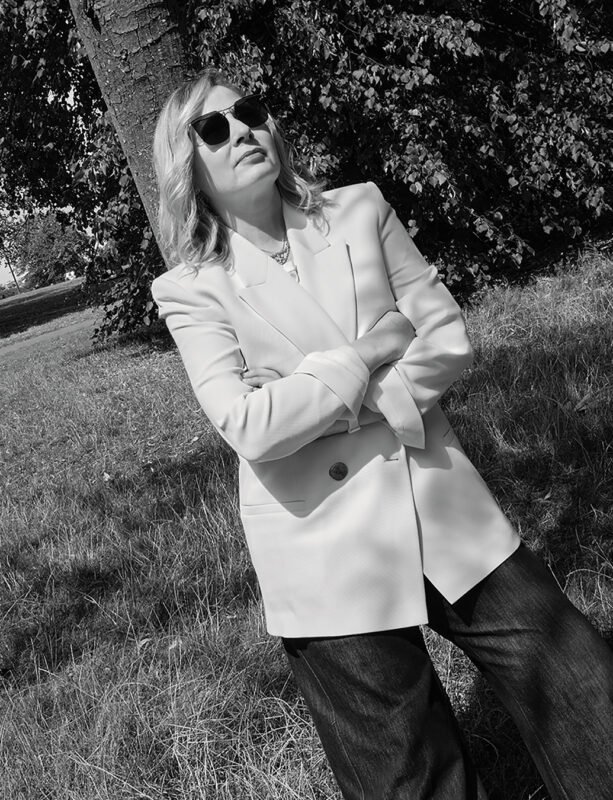
Sarah Mower
SARAH MOWER, chief critic of Vogue Runway
What makes someone stand out amid the growing influx of design talent coming out of fashion schools each year? For Sarah Mower, chief critic of Vogue Runway and one of the most respected editors in the industry, the answer has little to do with fixed rules. “If anything, I don’t believe in rules. I believe in breaking them,” she affirms. Having played a formative role in the rise of now-celebrated designers such as Jonathan Anderson, Christopher Kane and Simone Rocha, Mower has a sharp instinct for spotting potential, but crucially, she insists that brilliance rarely exists in a vacuum. Again and again, she stresses the importance of community, seeing collective movements as a key driver of lasting change. “Sure, you need people who have something to say and strong ideas, but to materialise them they need all the support and external input they can get. When fashion movements have lots of people involved, then they become something that people will pay attention to and pay for.” Historical examples like the Antwerp Six naturally come to mind, but Mower also points to contemporary models, such as Nasir Mazhar’s Fantastic Toiles in London, an independent design marketplace where designers share space, resources and responsibility. Despite the dominance of digital platforms, much of Mower’s work still involves travelling to scout emerging talent first hand, a commitment that led to her nomination as an Ambassador for Emerging Talent by the British Fashion Council. In collaboration with the council, she has helped shape initiatives like NewGen, which supports young designers through sustained mentoring and financial backing, rather than fleeting exposure. From world-class magazines to curating exhibitions such as Rebel: 30 Years of London Fashion at the Design Museum, which celebrated emerging British talent, Mower’s legacy traces some of fashion’s most defining stories. And if there is one lesson she returns to, it is patience. In an era of viral moments and hot takes, she offers a measured reminder: “It’s a long game, and it’s far more than an overnight internet sensation.”
Photography by Jermaine Francis. Taken from 10 Magazine Issue 76 – CREATIVITY, CHANGE, FREEDOM – out NOW. Order your copy here.


