March 27, 2026 |
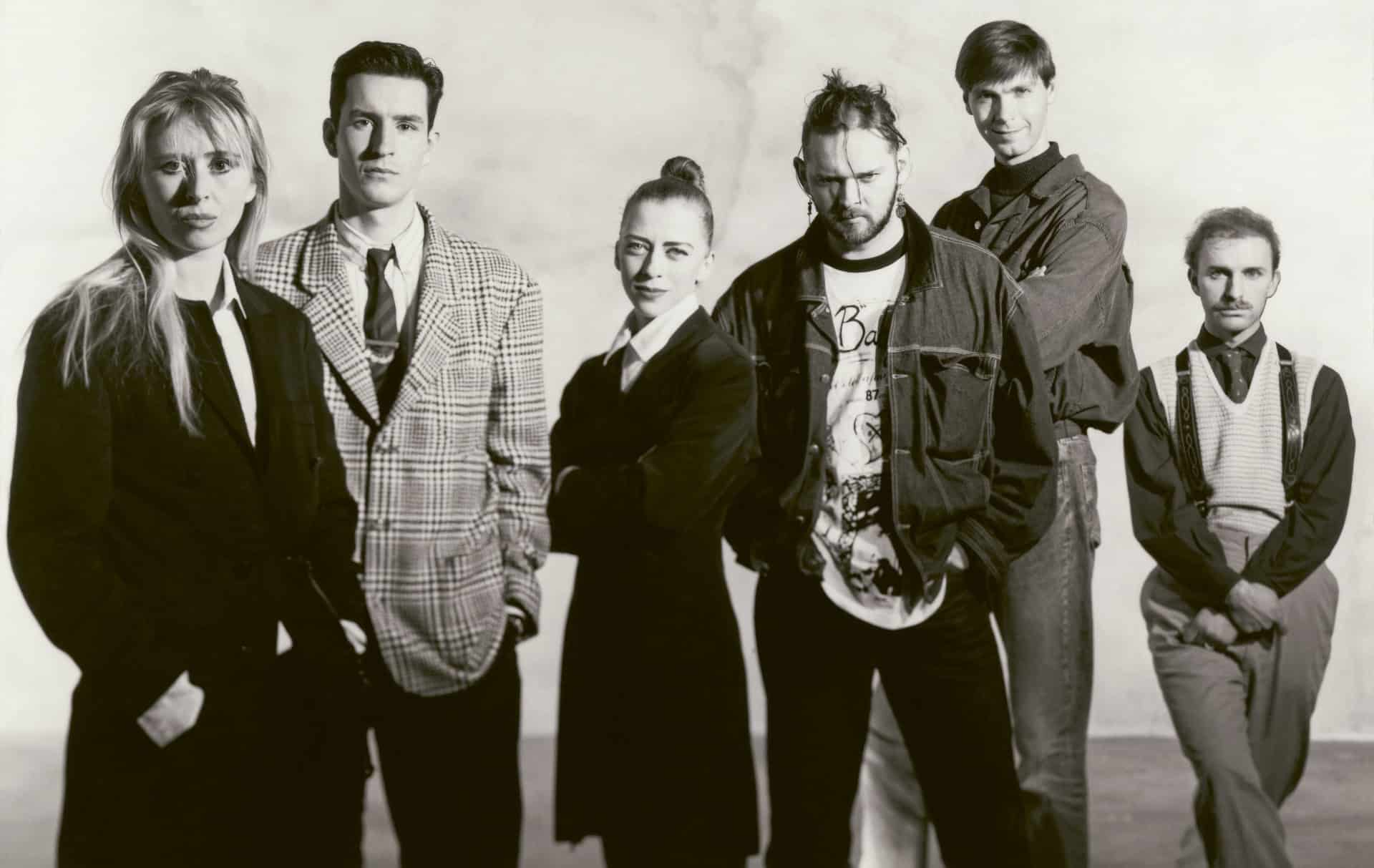
The year was 1986. The month was March. And six young students from the fashion department at Antwerp’s Royal Academy of Fine Arts, had packed up a van with their latest designs and cruised across the English Channel to exhibit at the British Designers Show at London’s Olympia. Ann Demeulemeester, Dries Van Noten, Walter Van Beirendonck, Dirk Bikkembergs, Dirk Van Saene and Marina Yee arrived, bright eyed and bushy tailed, primed to try their luck at being noticed. A short while later, buyers from renowned New York department store Barneys approached their poorly located booth (it was amongst the bridal wear on the second floor of the fair) and placed an order from each right then and there. This swift ascent quickly captured the attention of journalists from the likes of WWD and i-D, but, finding the group’s Flemish names challenging to pronounce, an apocryphal story says that one of the designers simply stated, “just call us The Antwerp Six”.
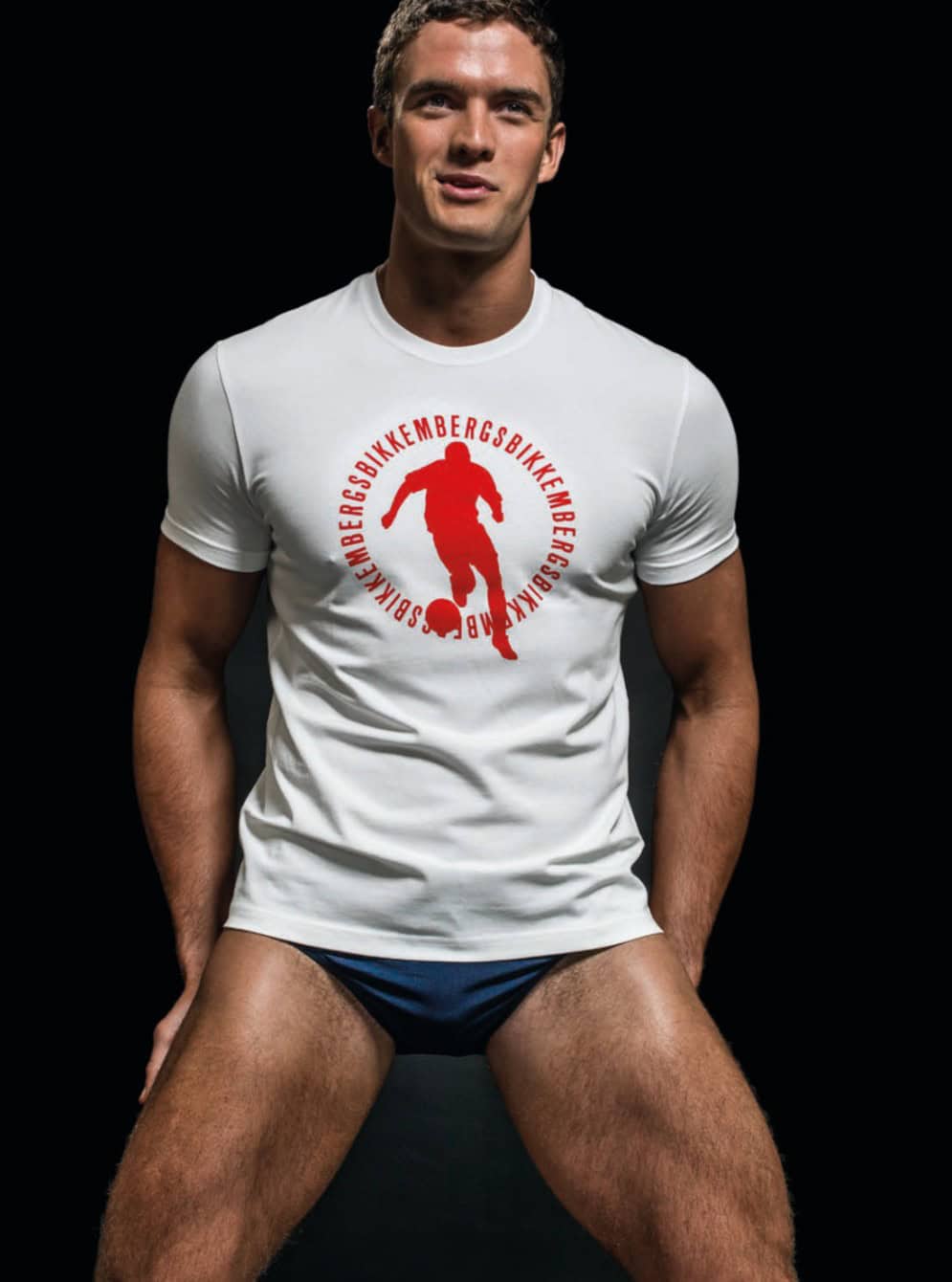
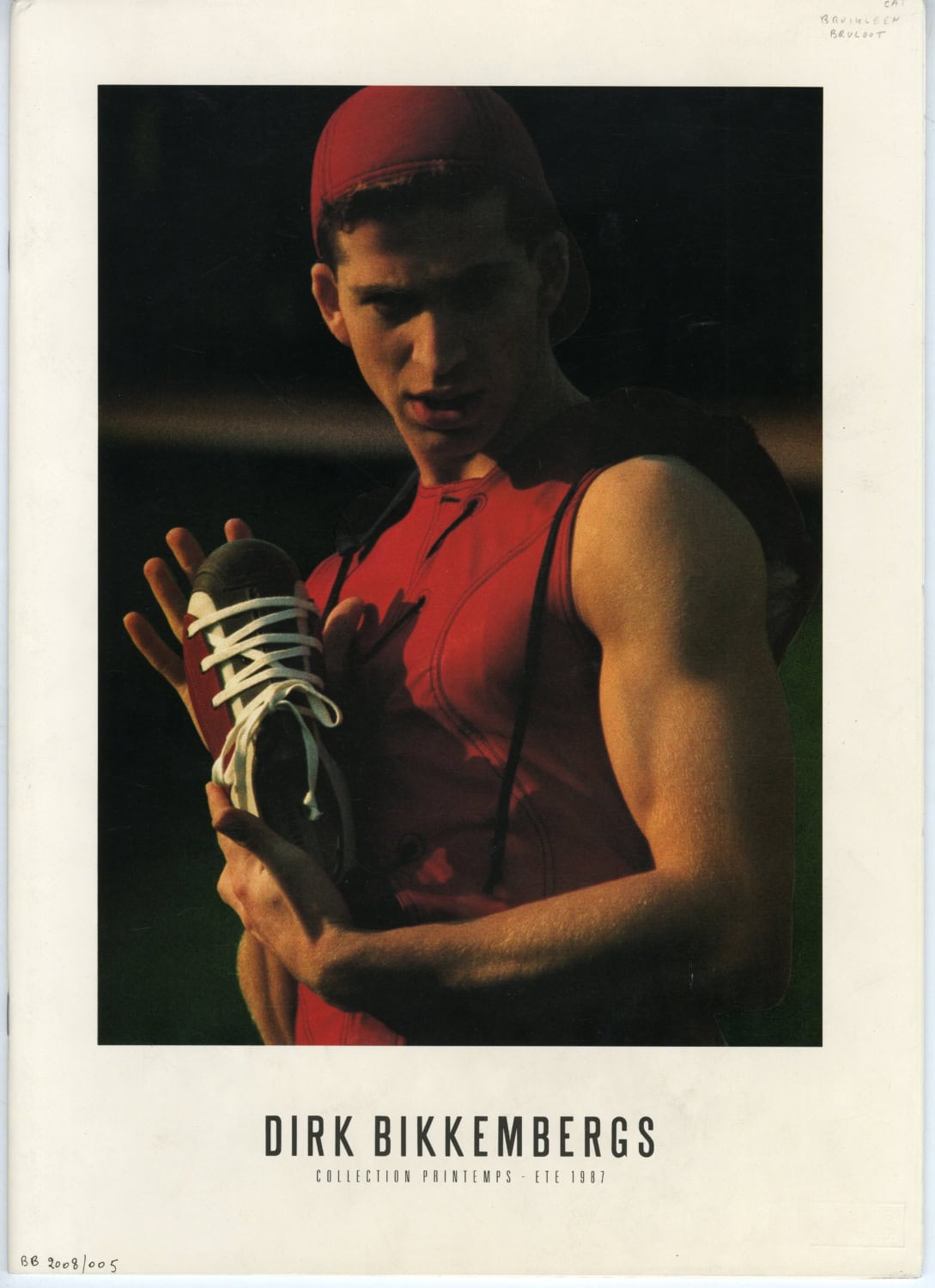
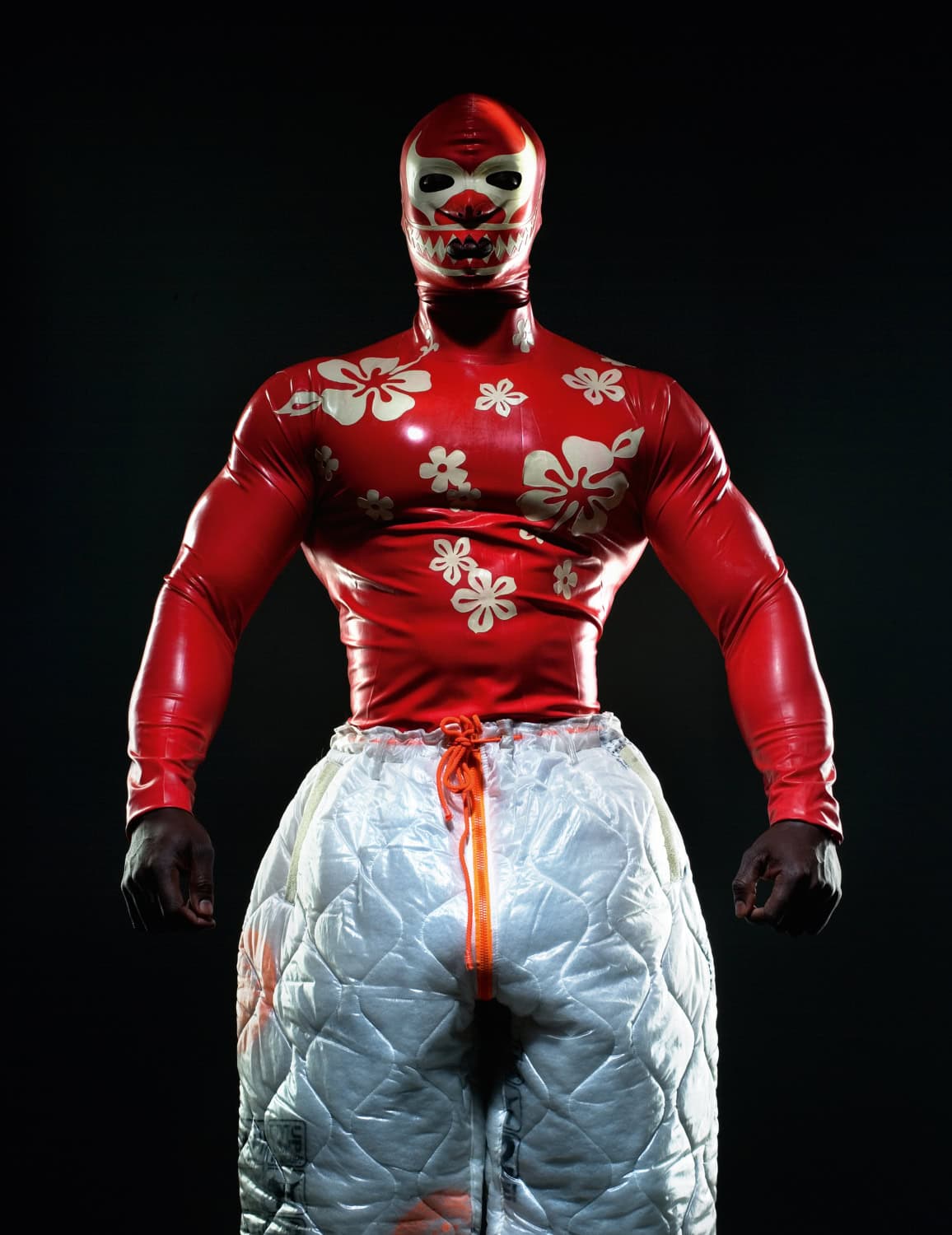
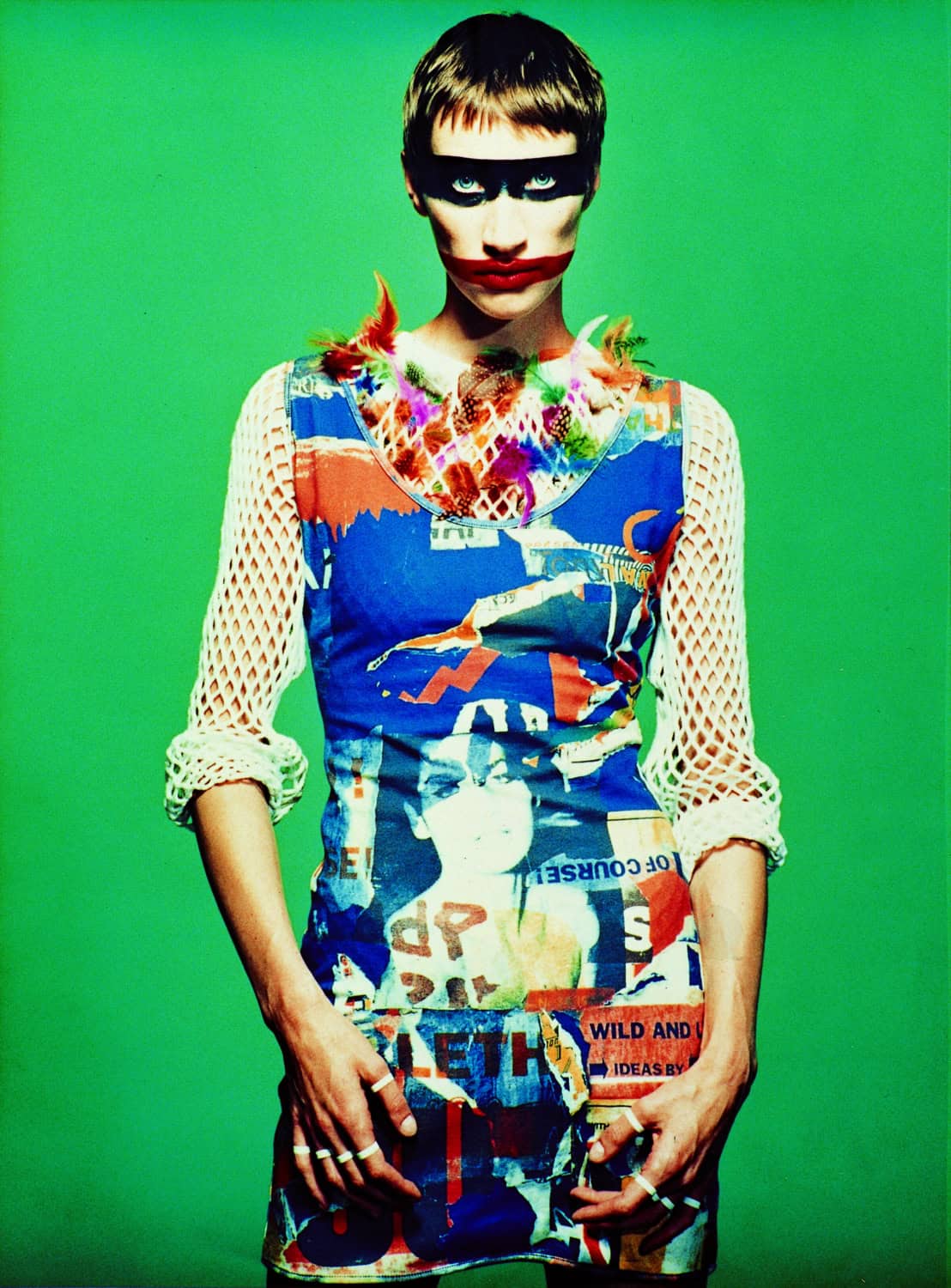
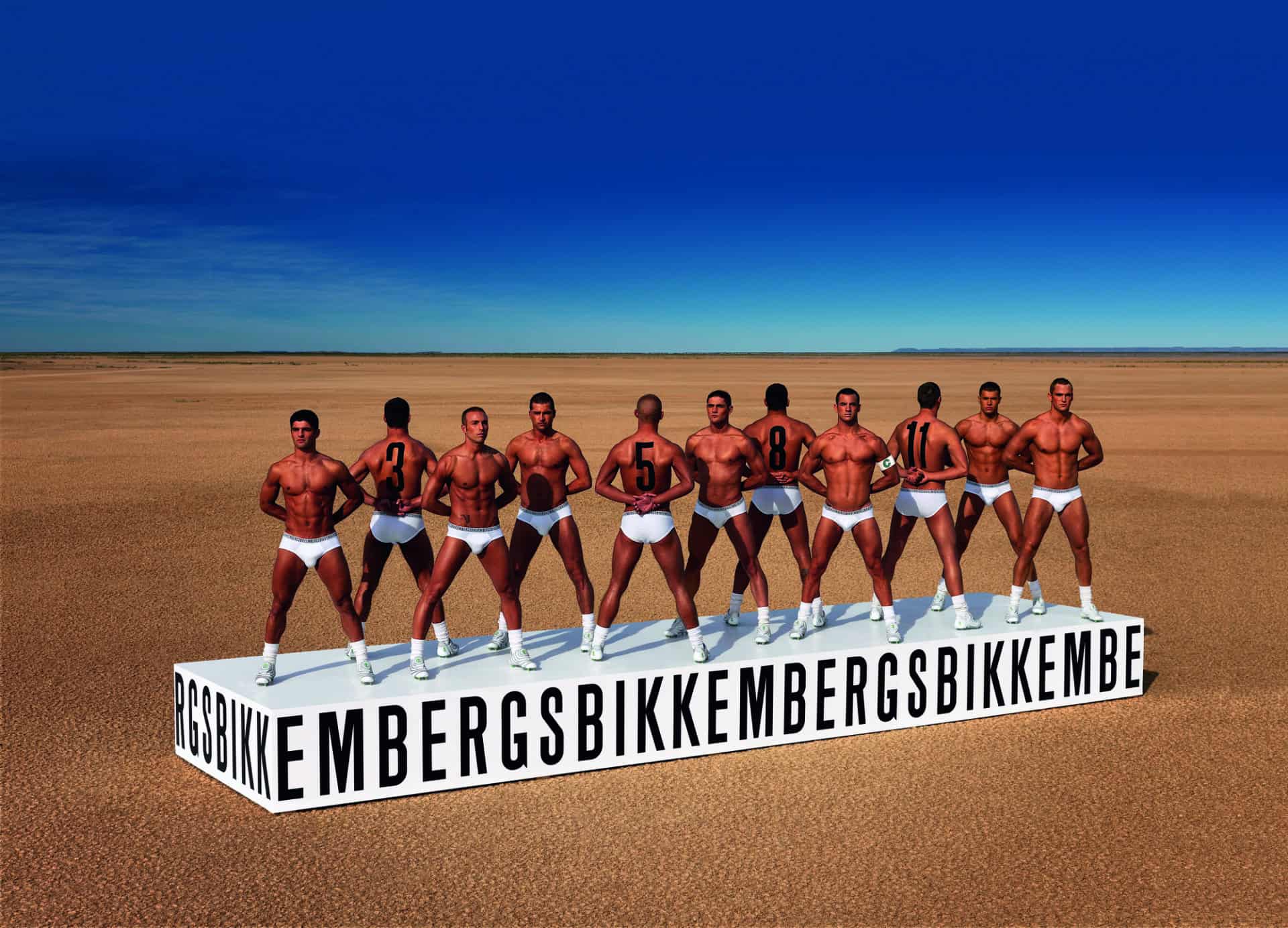
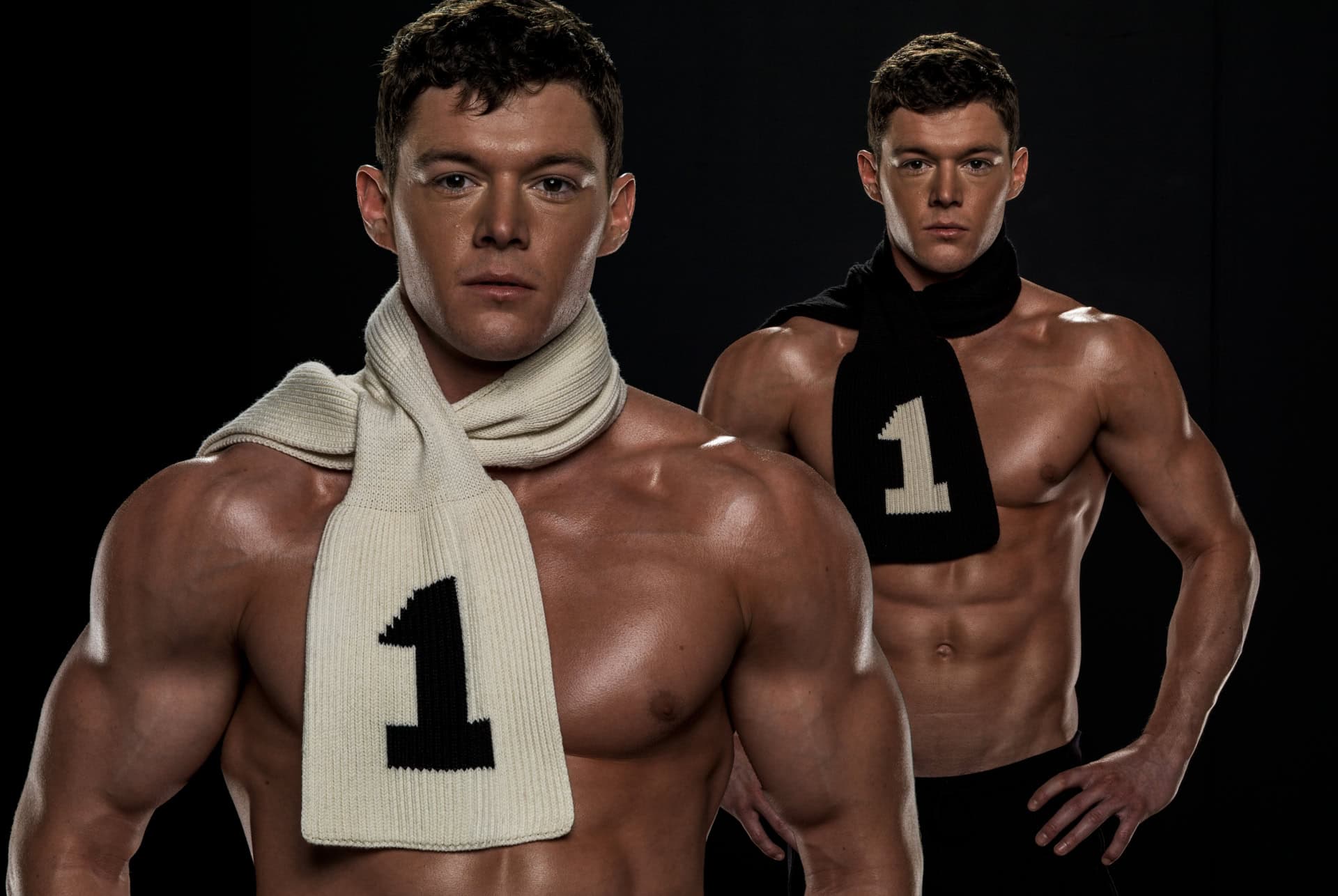
And so it began, and The Antwerp Six was born – all six of which would go on to build influential, independent fashion houses that reshaped the global industry. Van Beirendonck became known for his bold, graphic menswear and long-standing role as an educator at Antwerp’s Royal Academy (and is the only member of the collective that continues to design under his own name), while Demeulemeester established a poetic, monochromatic language rooted in romanticism and rock subculture, her brand becoming a byword for intellectual minimalism (her label is now designed by Stefano Gallici). Dries Van Noten, who perhaps garnered the greatest global recognition of the sextet for his masterful use of colour, print and texture, built a quietly powerful empire without outside investment. He left the helm of his own brand in 2024, after nearly four decades at its creative helm, and was succeeded by Julian Klausner who currently holds the position. Bikkembergs, Van Saene and Yee too, carved out singular paths, spanning sport-inflected tailoring, artistic experimentation and upcycled couture long before sustainability became industry shorthand.
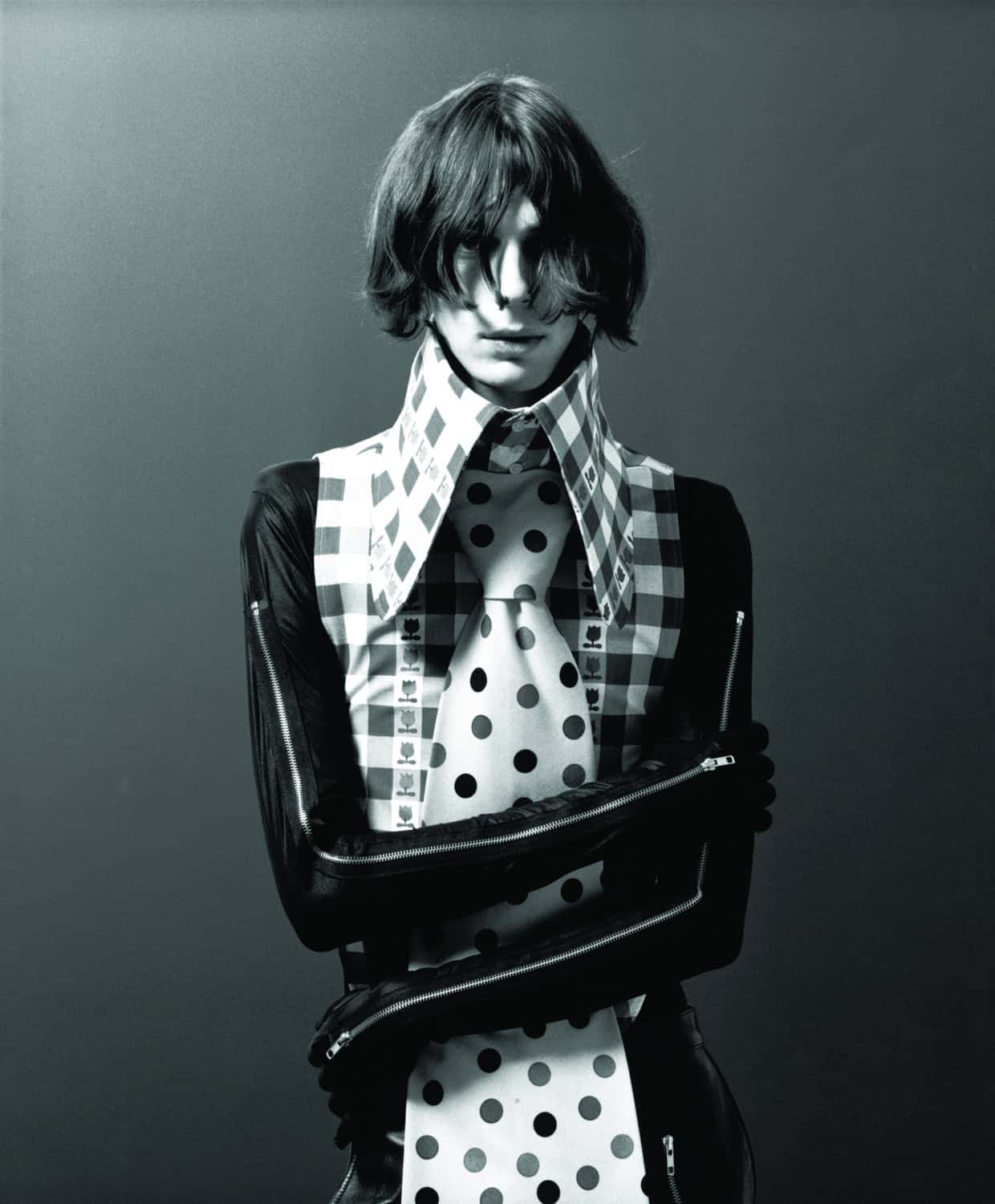
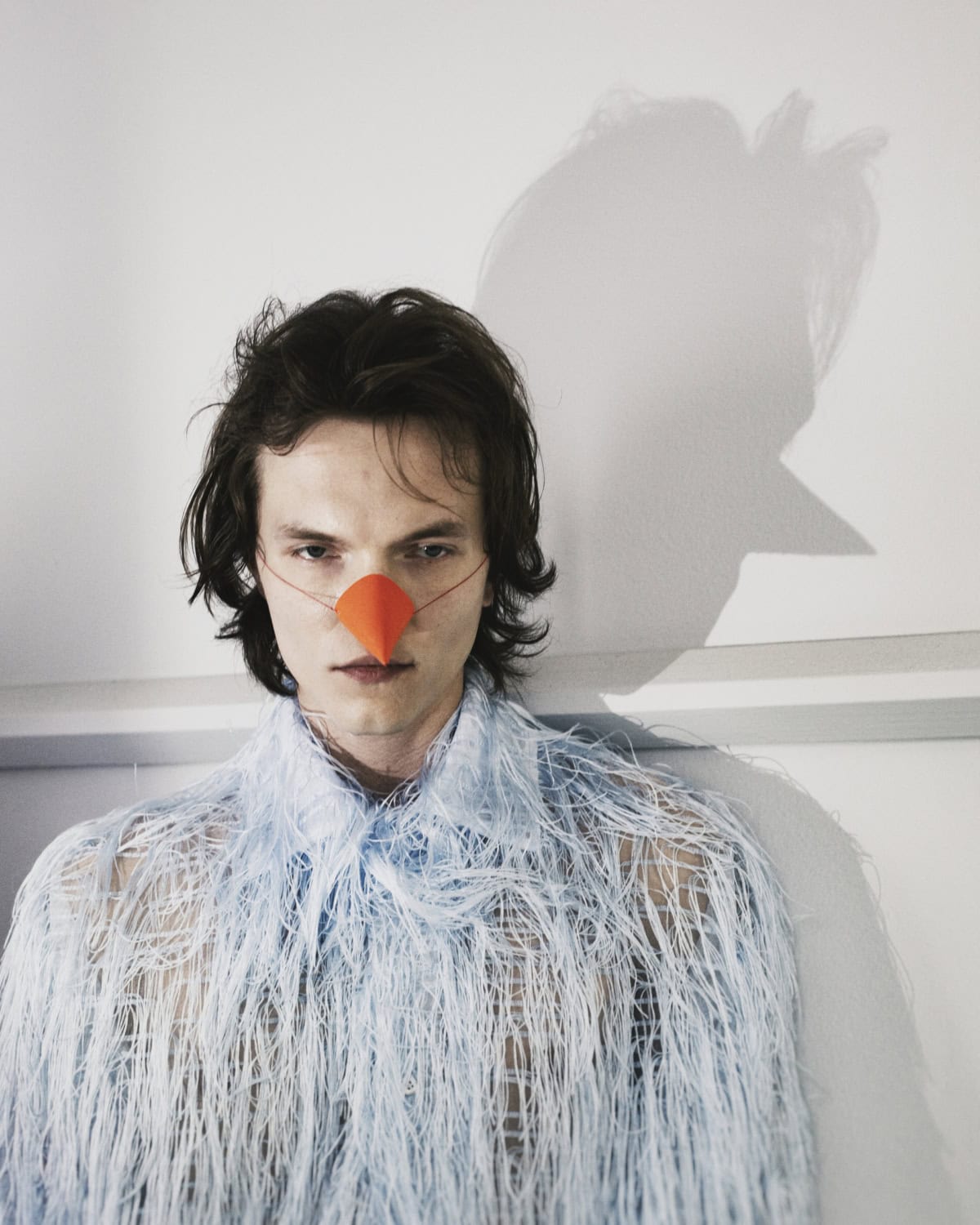
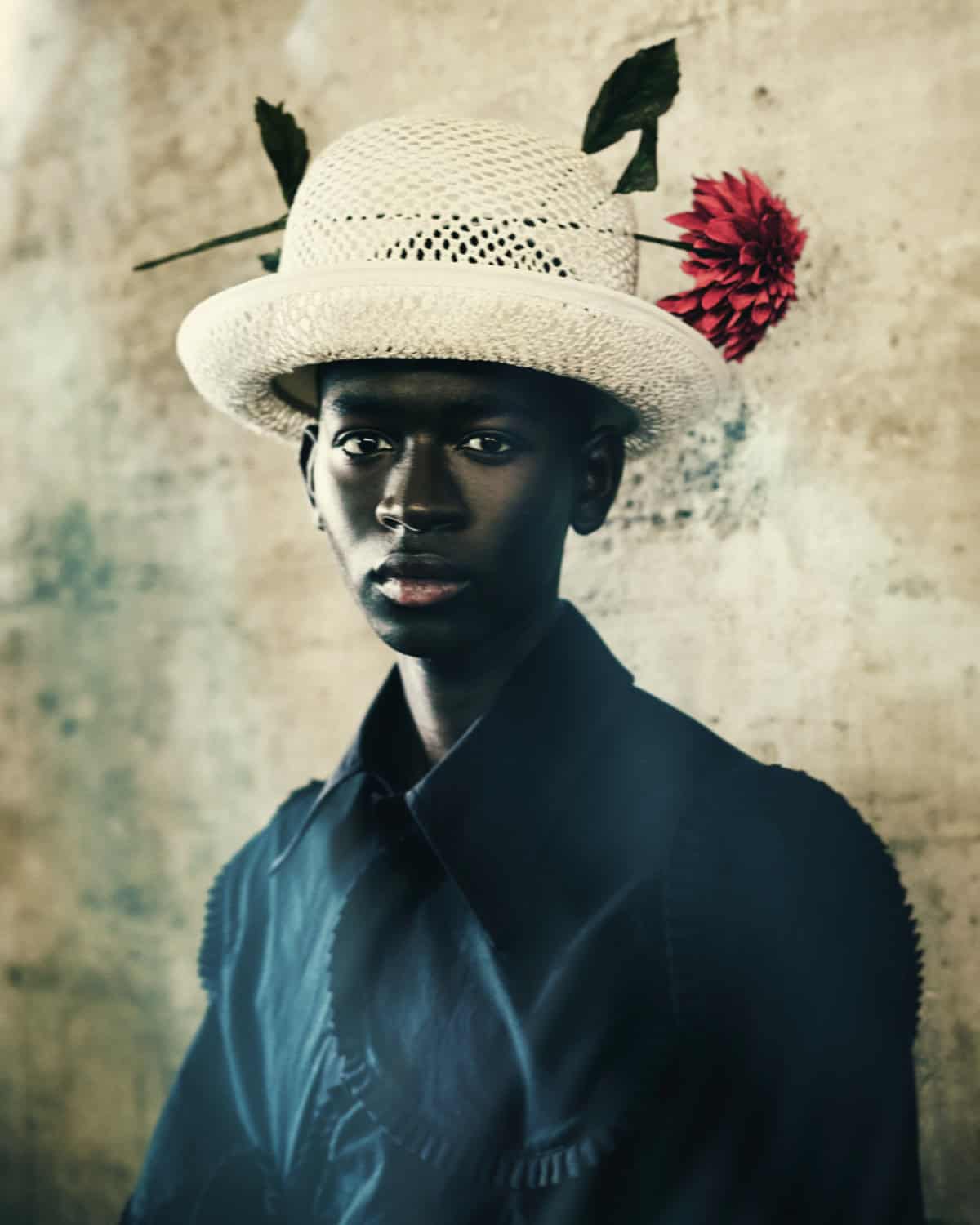
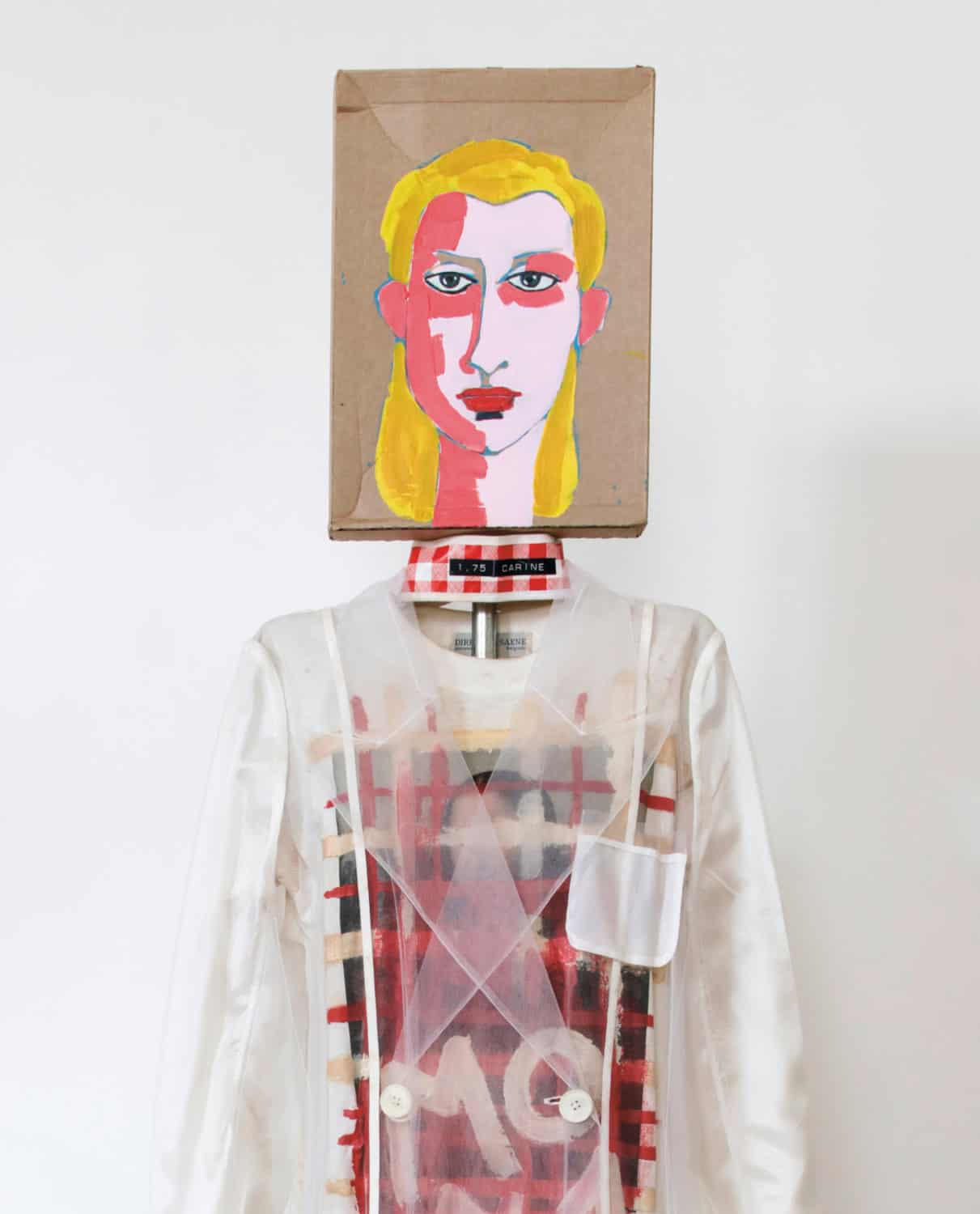
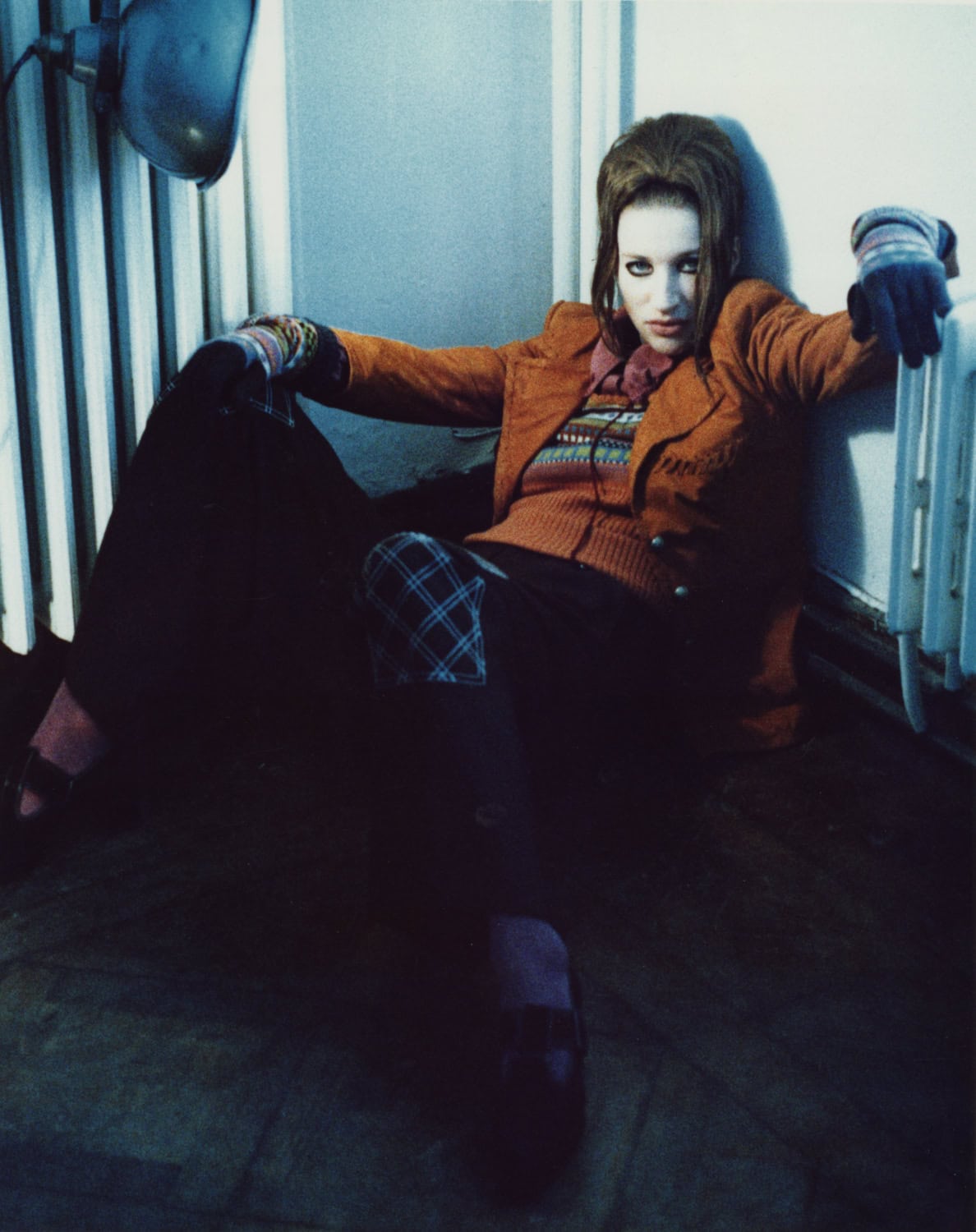
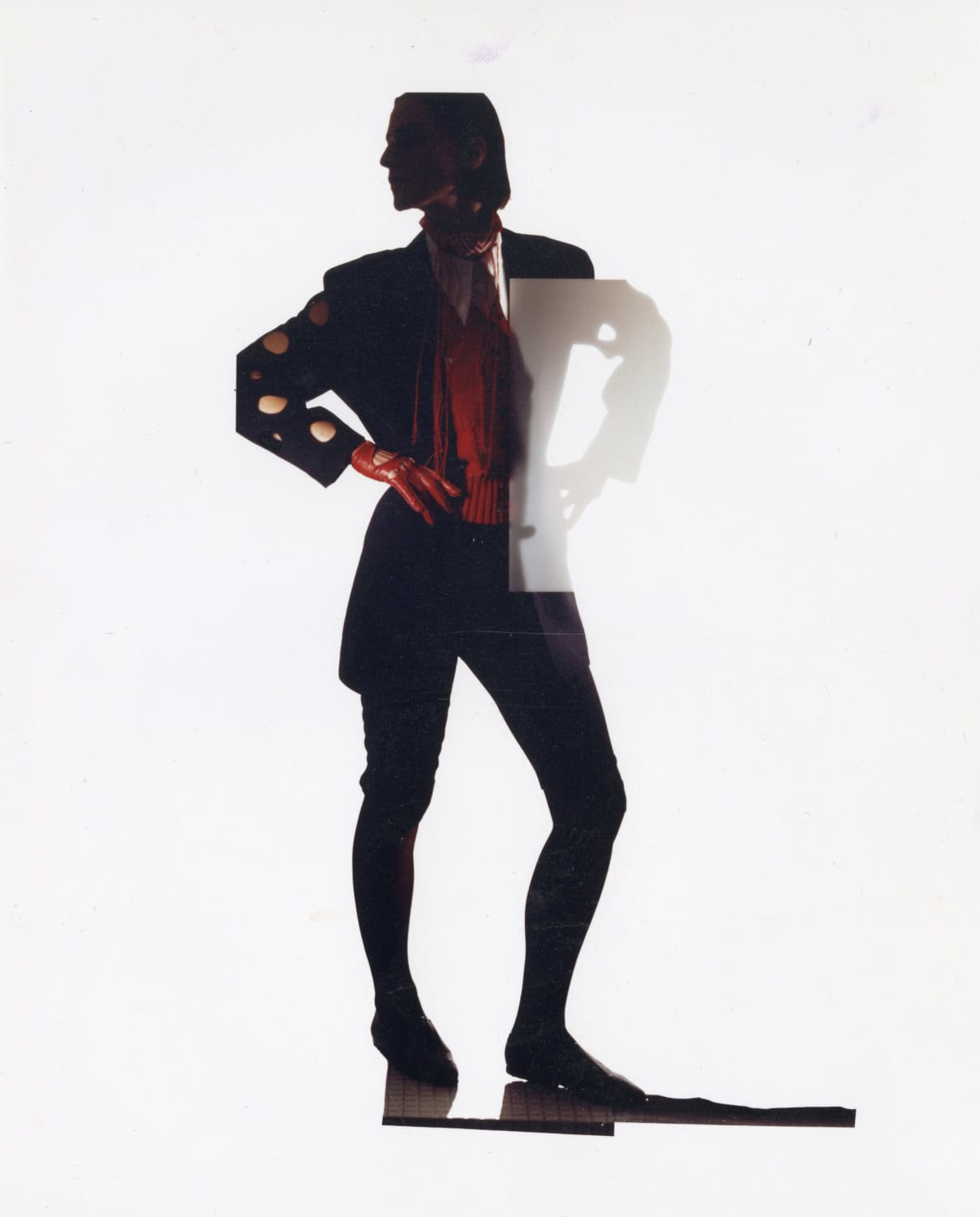
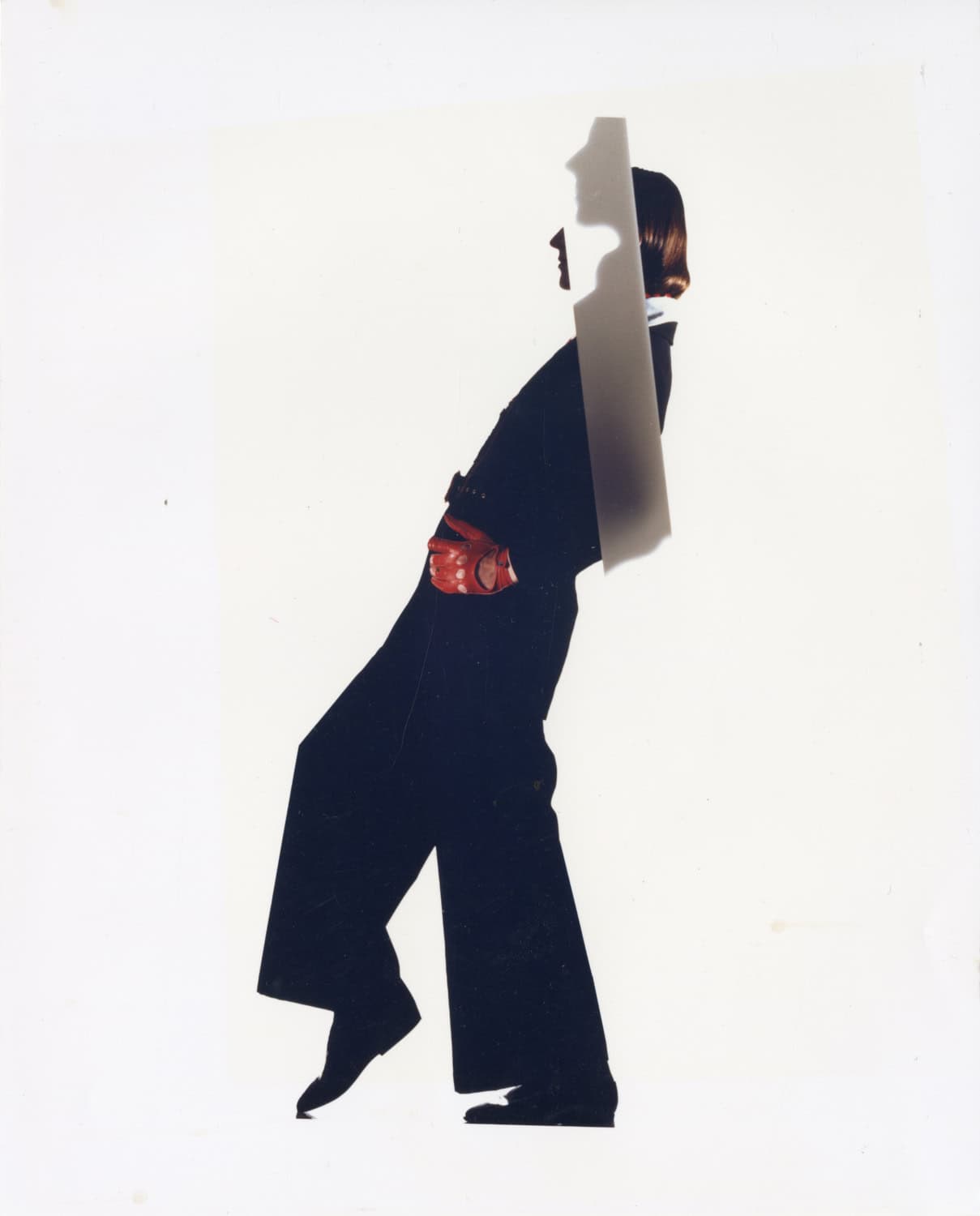
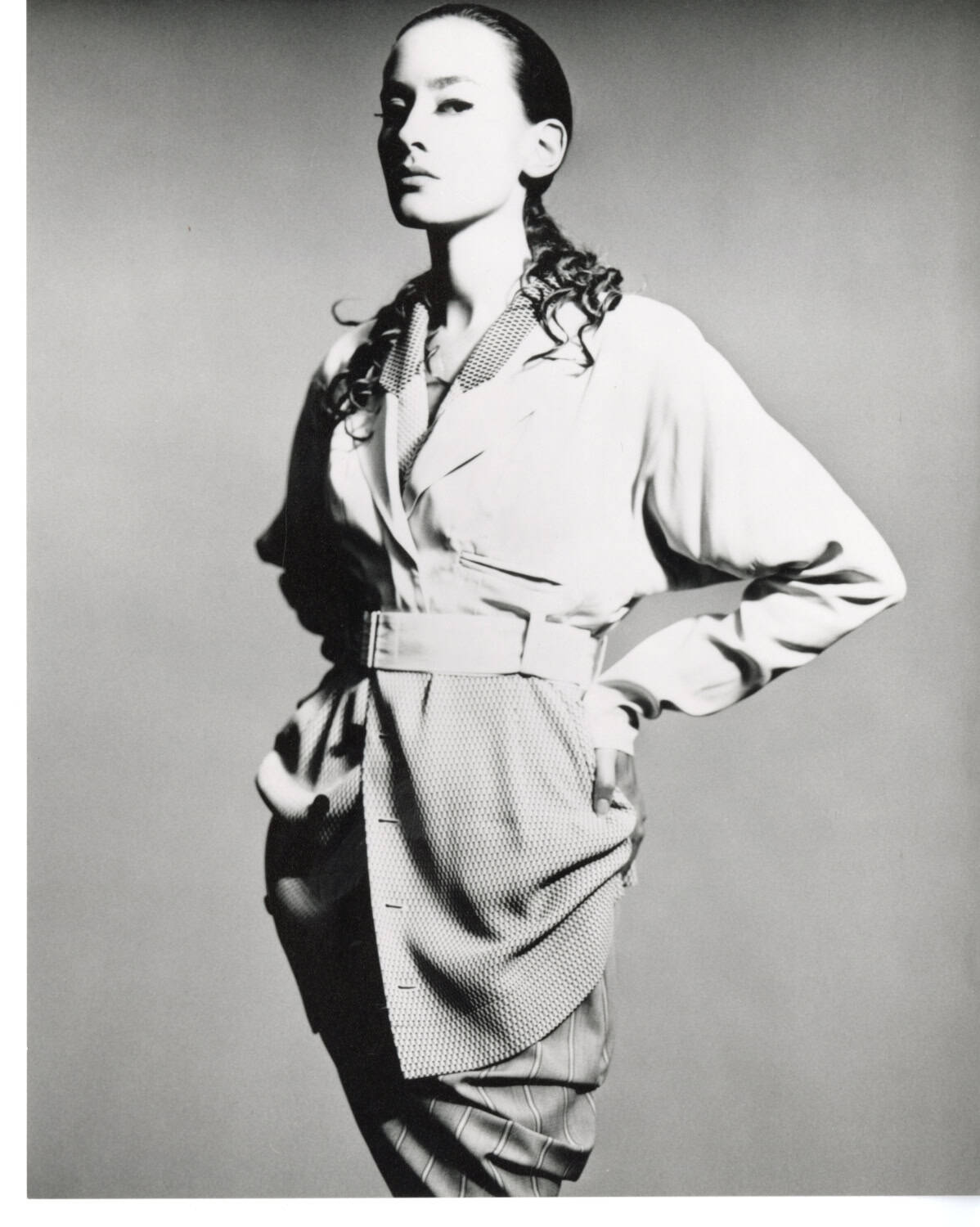
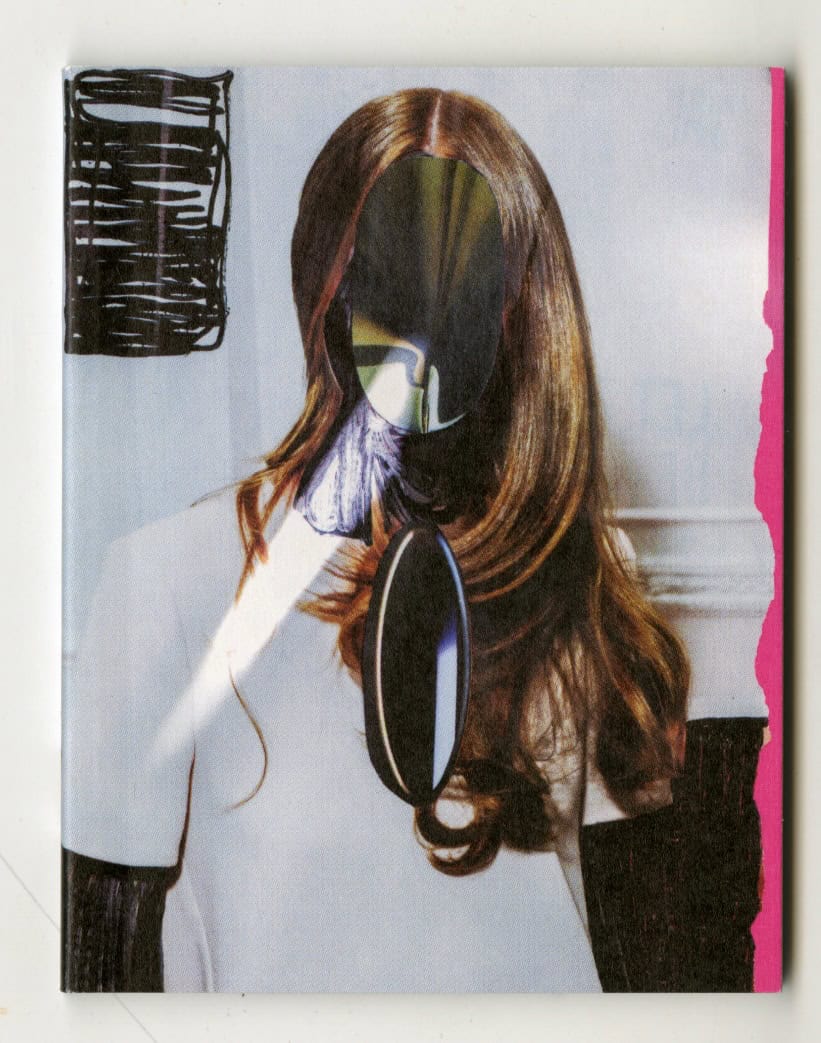
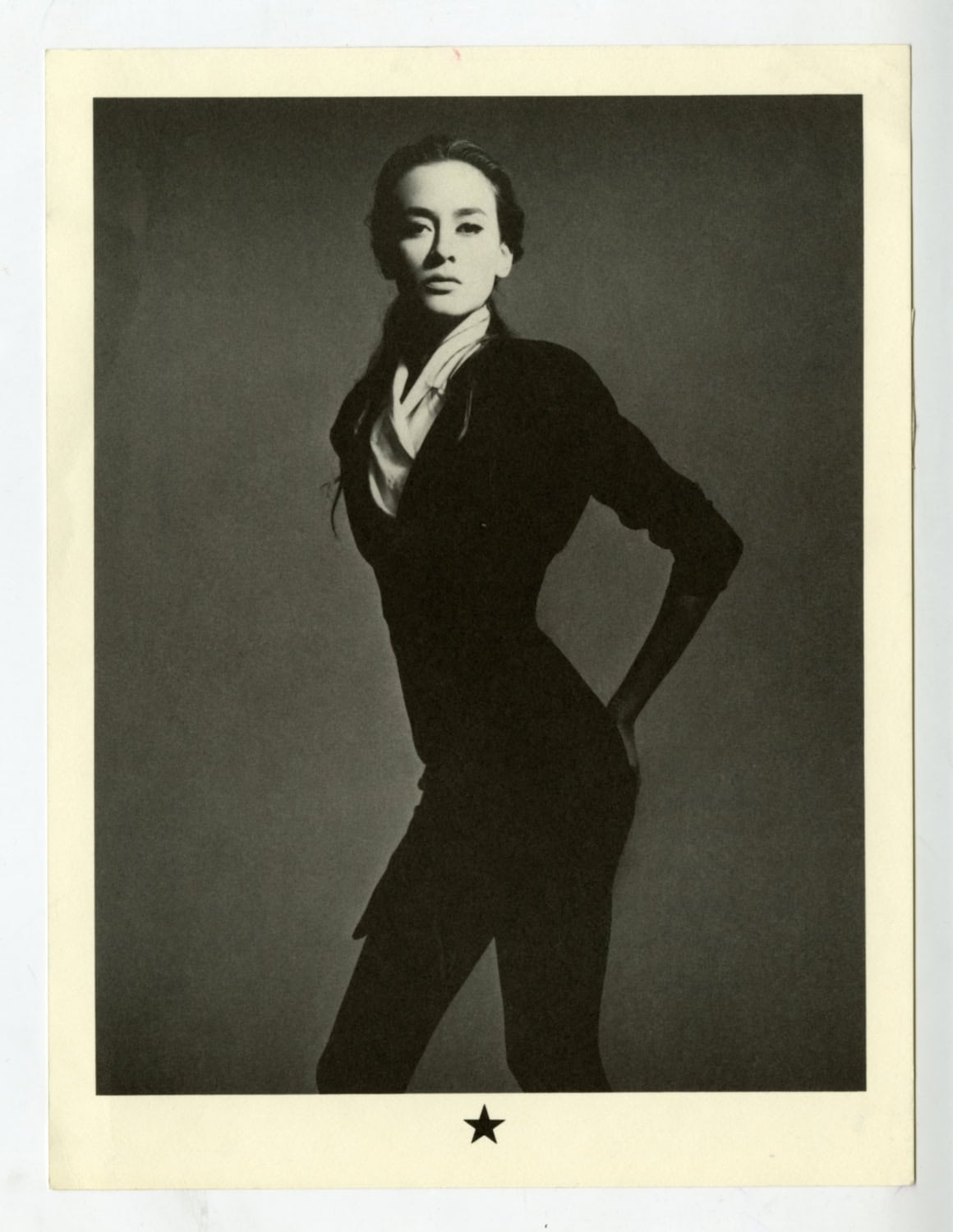
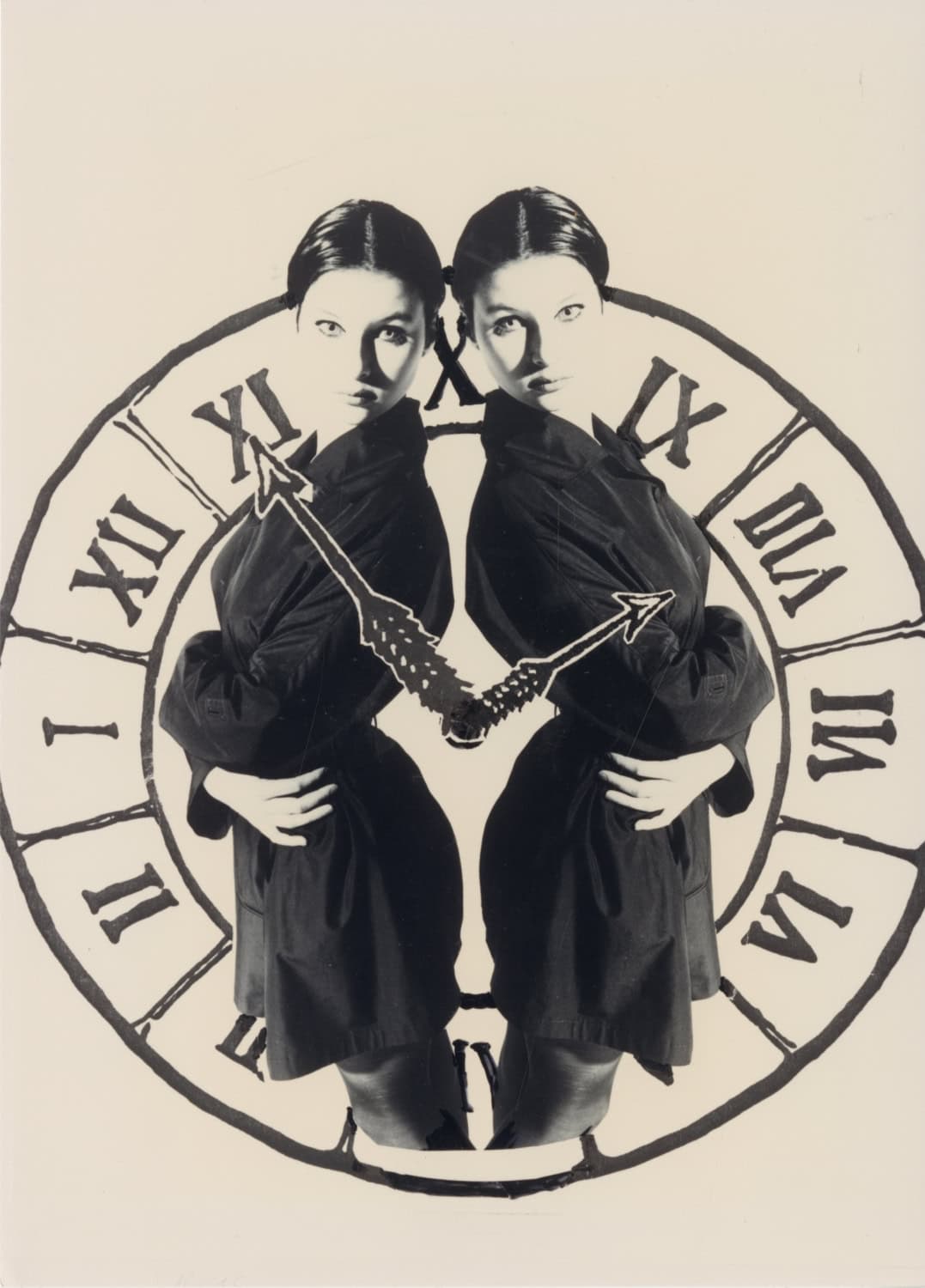
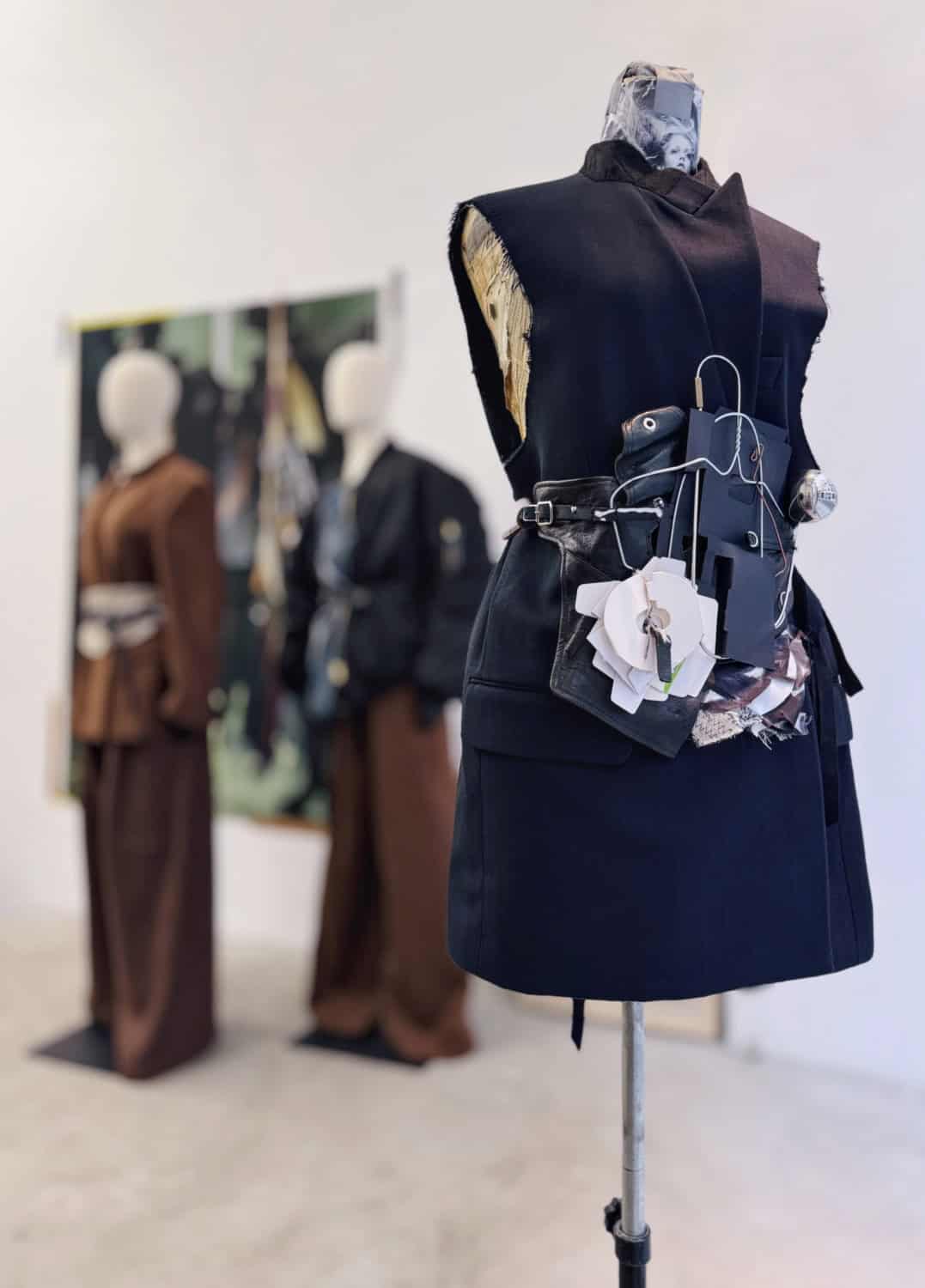
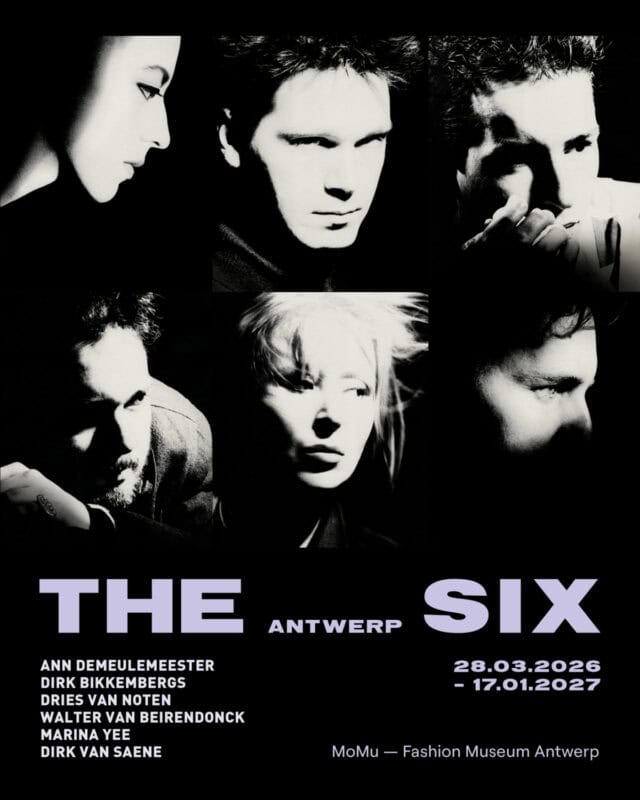
Tomorrow, a landmark exhibition celebrating the creative crew is opening at MoMu – Fashion Museum Antwerp. Simply titled The Antwerp Six, it will run until January 17, 2027.
If the legend of that van journey has been told often, it is because it marks a genuine rupture – a moment when Antwerp, previously peripheral, asserted itself as a serious force within fashion. As the accompanying exhibition makes clear, the Antwerp Six did not operate as a collective in any formal sense, but their shared education and simultaneous emergence created a critical mass that proved impossible to ignore.
The exhibition, staged to mark 40 years since that pivotal London showing, traces the designers’ trajectory from students to internationally recognised auteurs. Under the guidance of guest curator Geert Bruloot – himself instrumental in championing their early work – and MoMu’s curatorial team, the show brings together archival garments, sketches and ephemera that map not only six careers, but a broader shift in fashion’s centre of gravity.
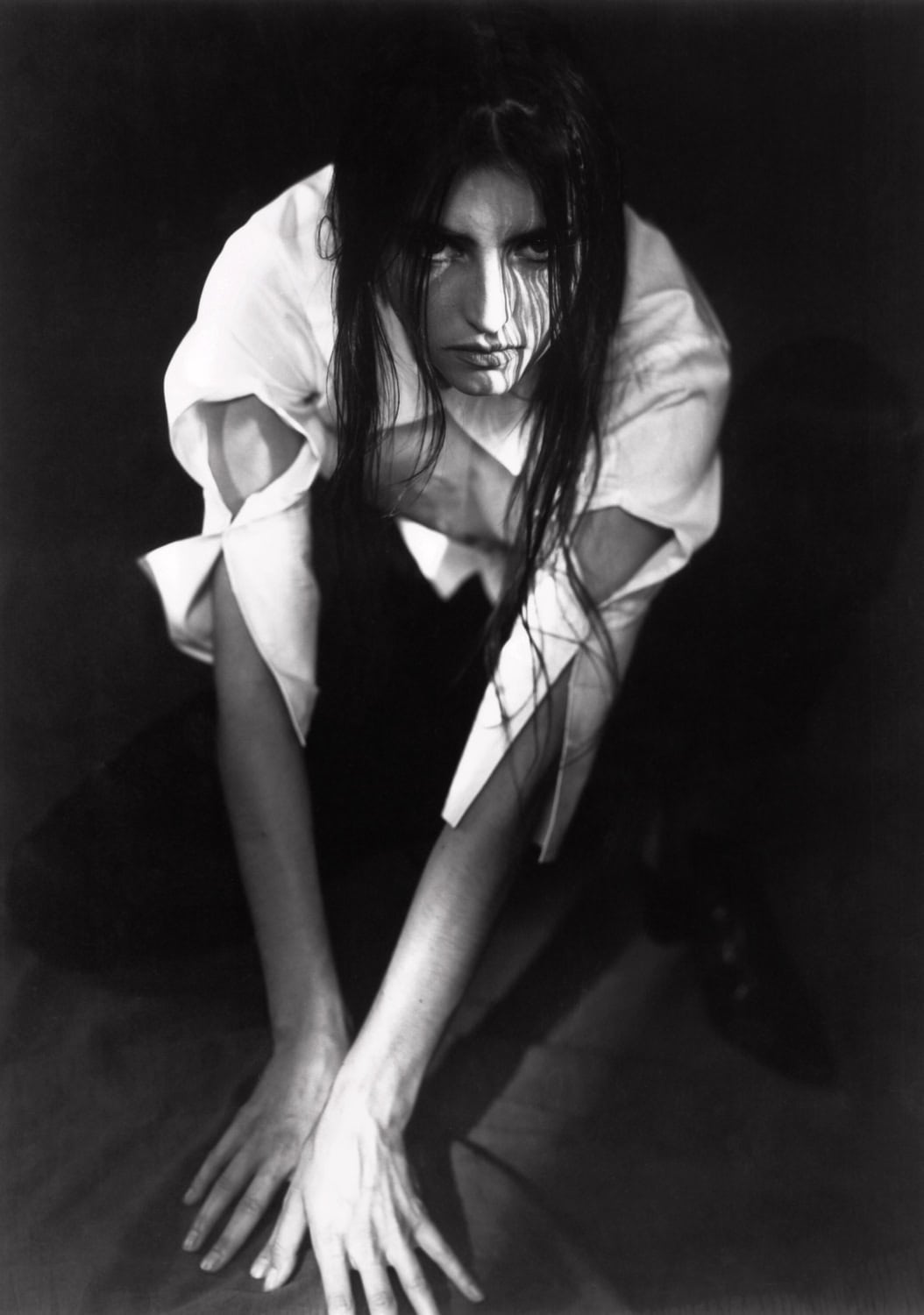
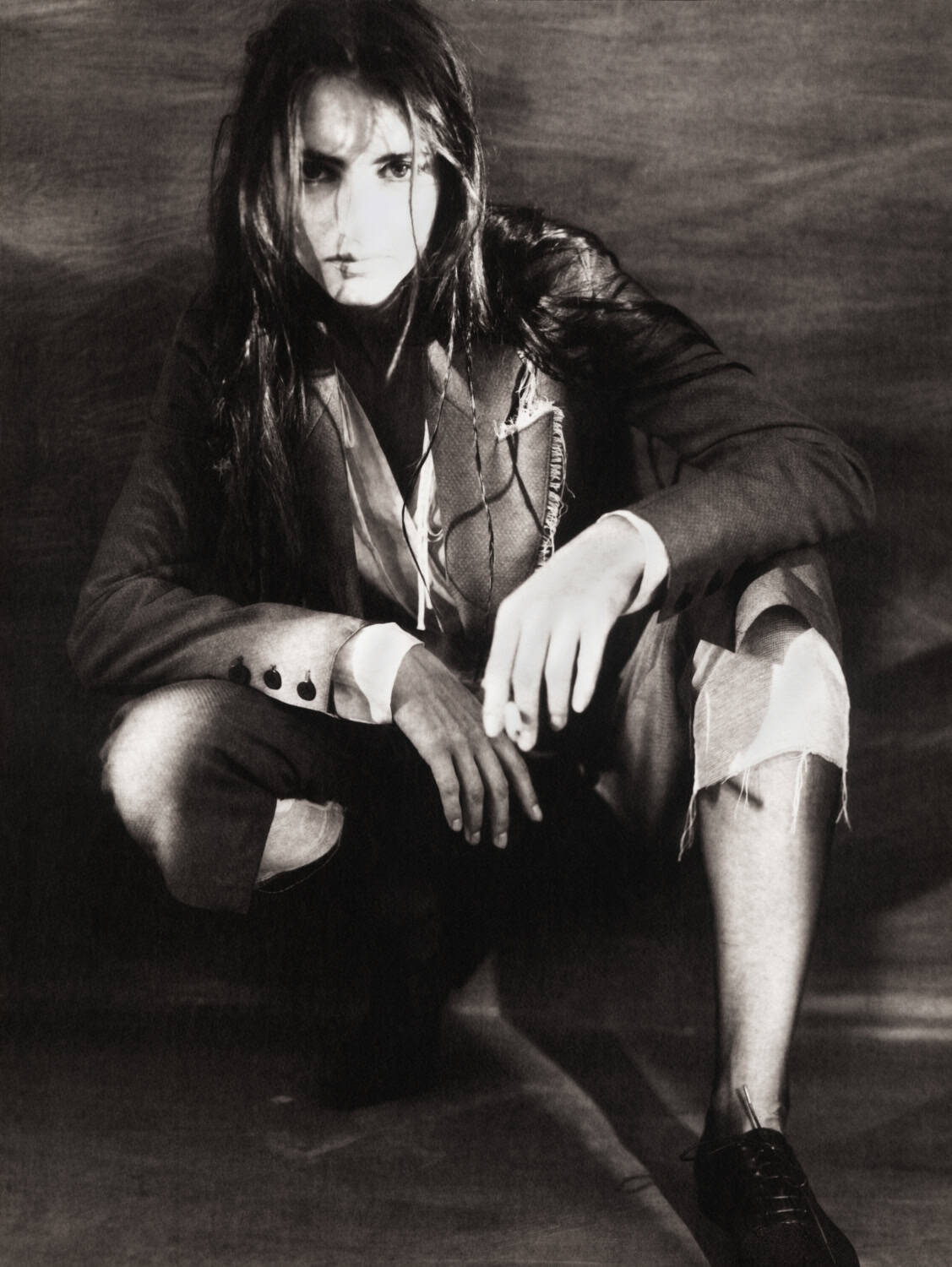
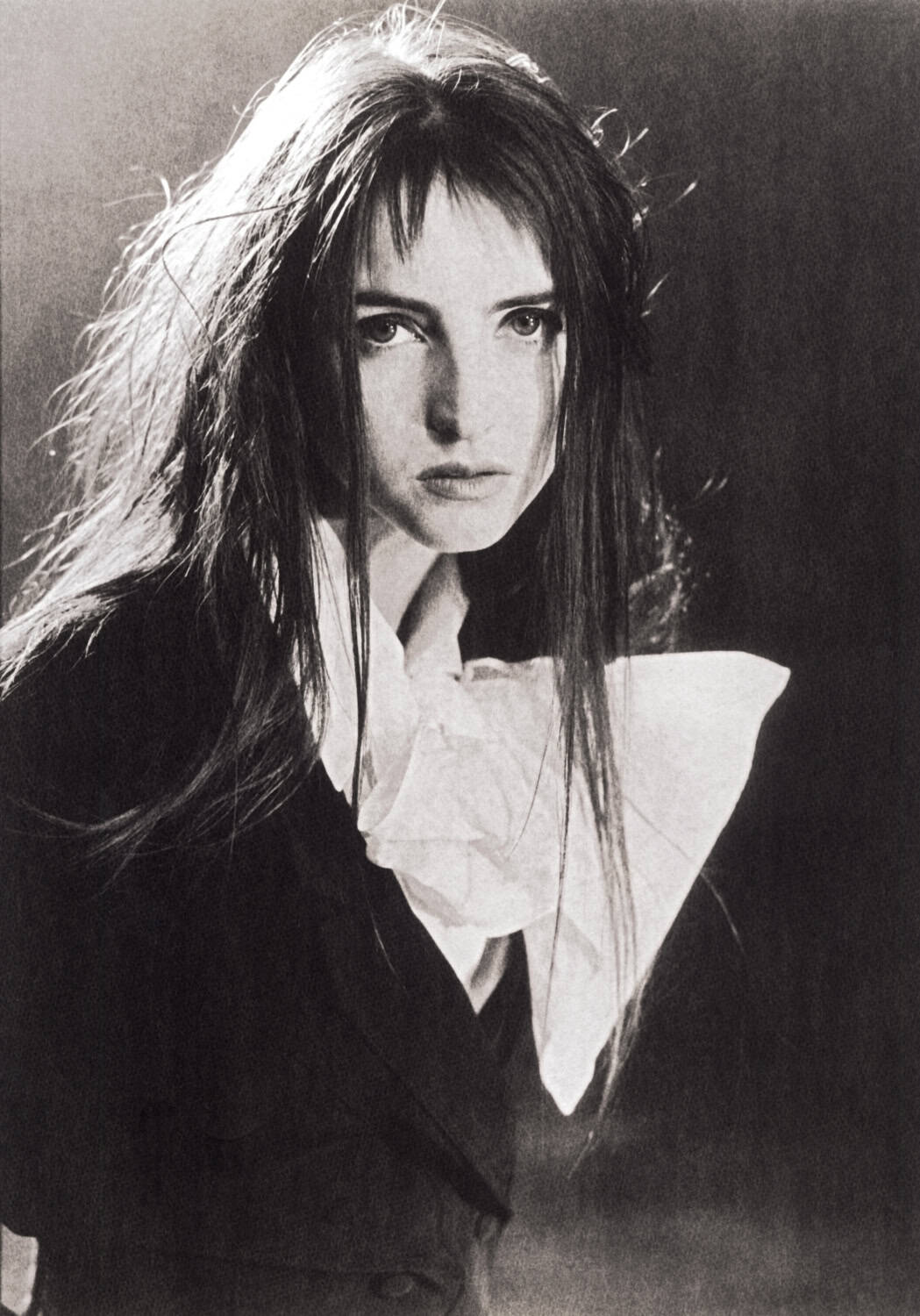
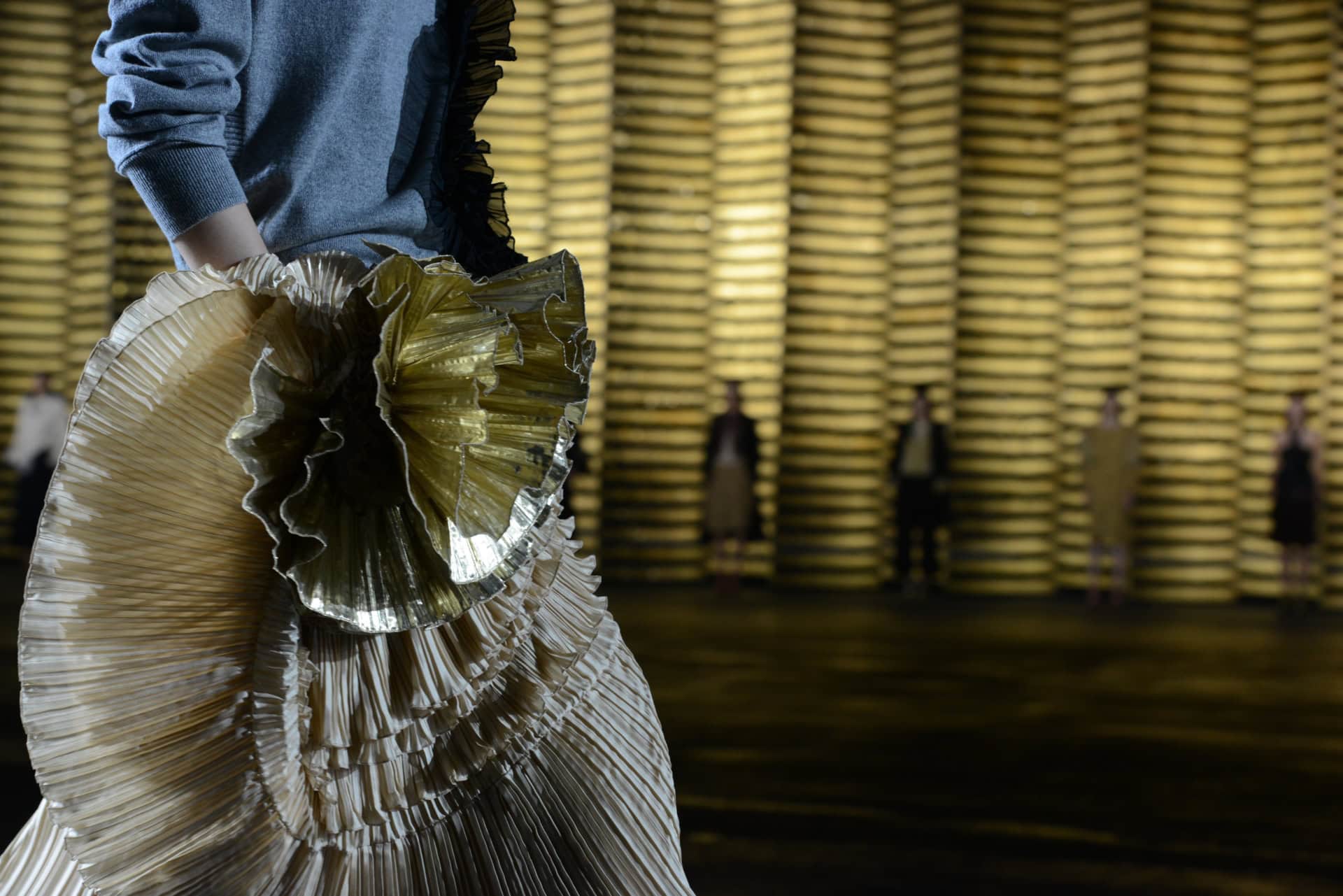
On view are 100 looks that distill the designers’ distinct languages: a deconstructed Ann Demeulemeester suit offset with a feather necklace and rope belt; a richly patterned Dries Van Noten jacket appliquéd with patches. There is also a wealth of archival material – flyers, photographs, ephemera – that situates their emergence within a specific cultural and socio-economic context, grounding the mythology in something more tangible.
What becomes immediately apparent is how radical their approach was within the context of the late 1980s. At a time when power dressing and overt luxury dominated, the Antwerp Six proposed something altogether more subversive – an anti-glamour that drew from street culture, music and art. Their work resisted easy categorisation: Demeulemeester’s slashed silhouettes, Van Noten’s layered textiles, Van Beirendonck’s saturated graphics. Together, they dismantled the notion that fashion had to serve status, instead positioning it as a form of cultural commentary.
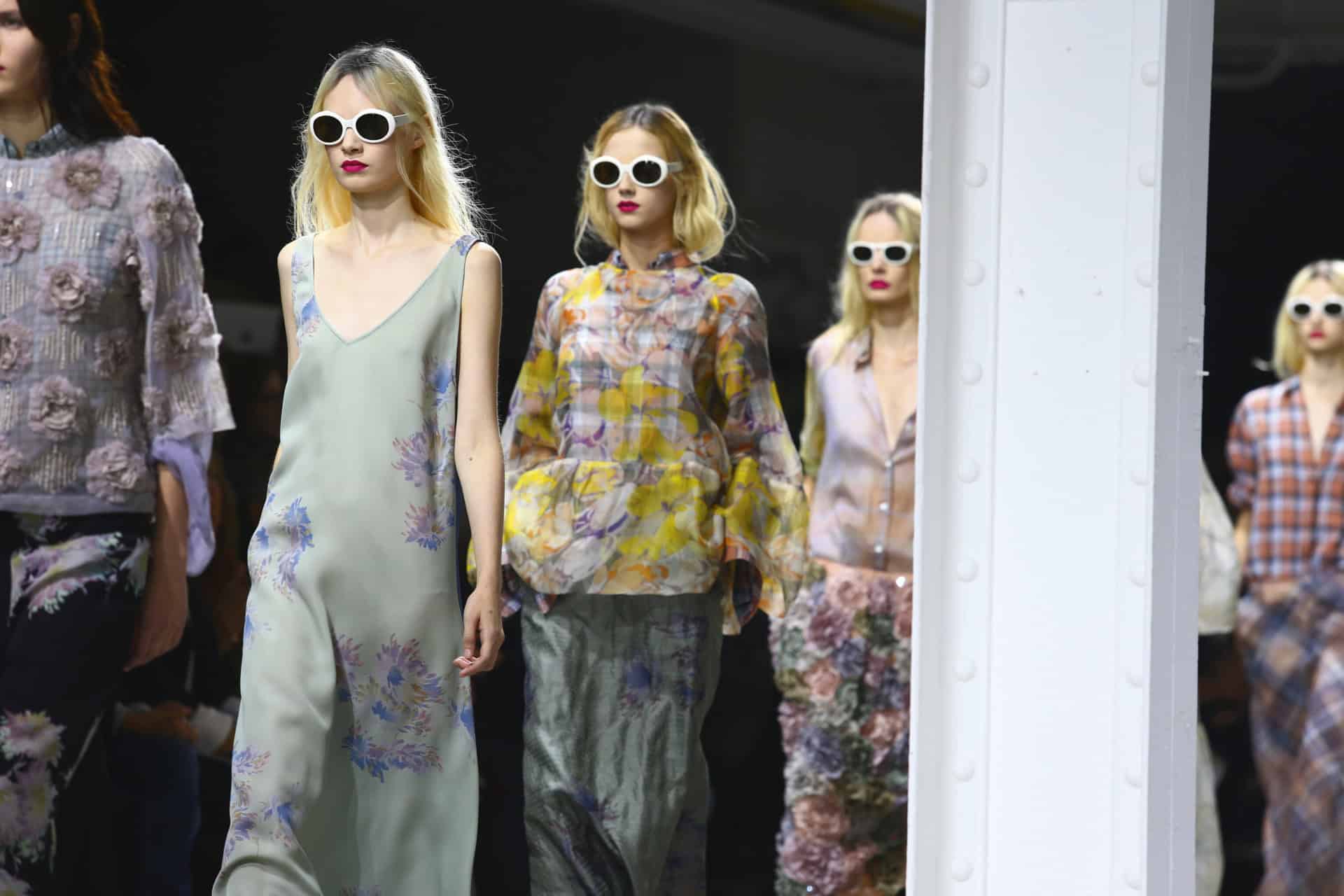
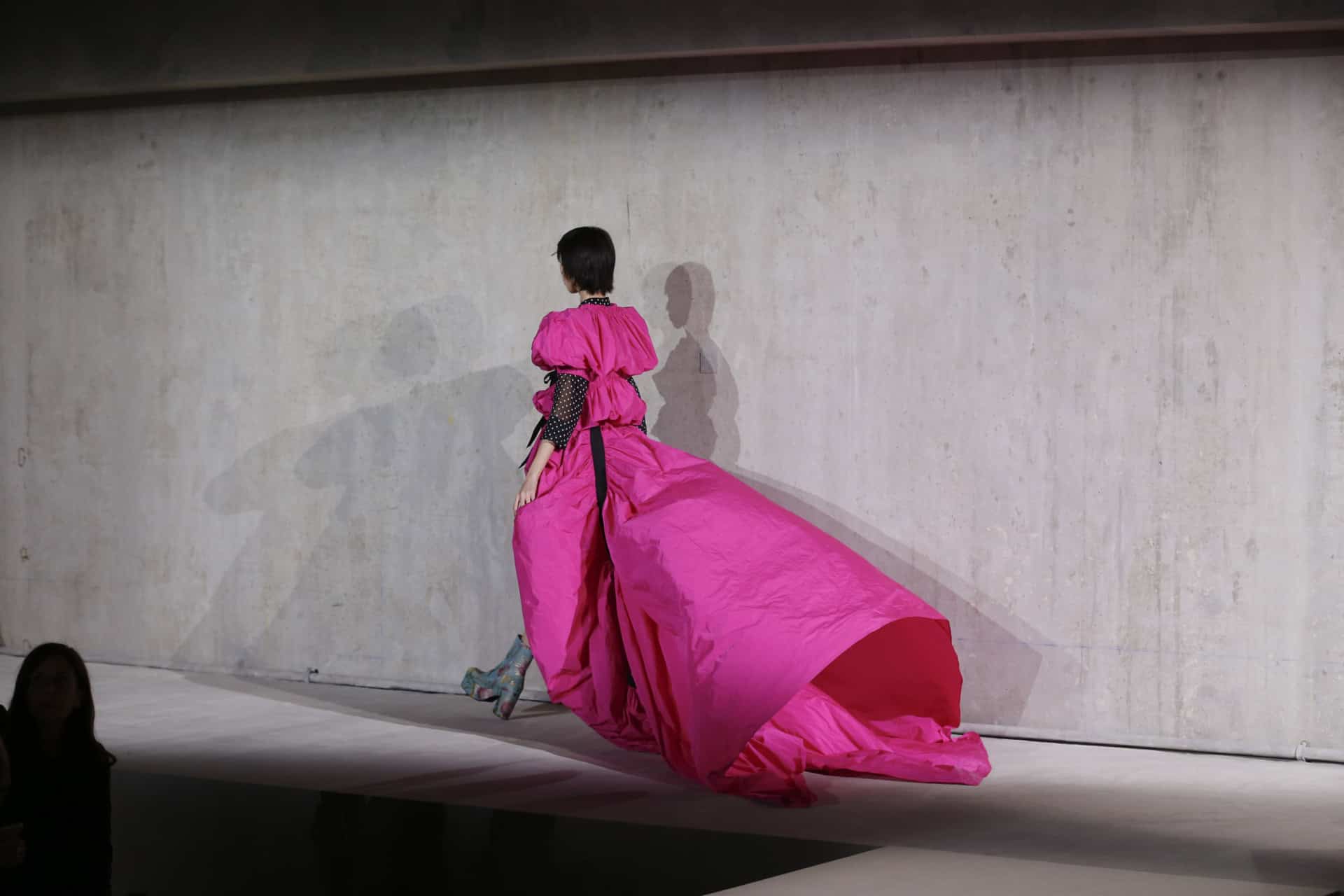
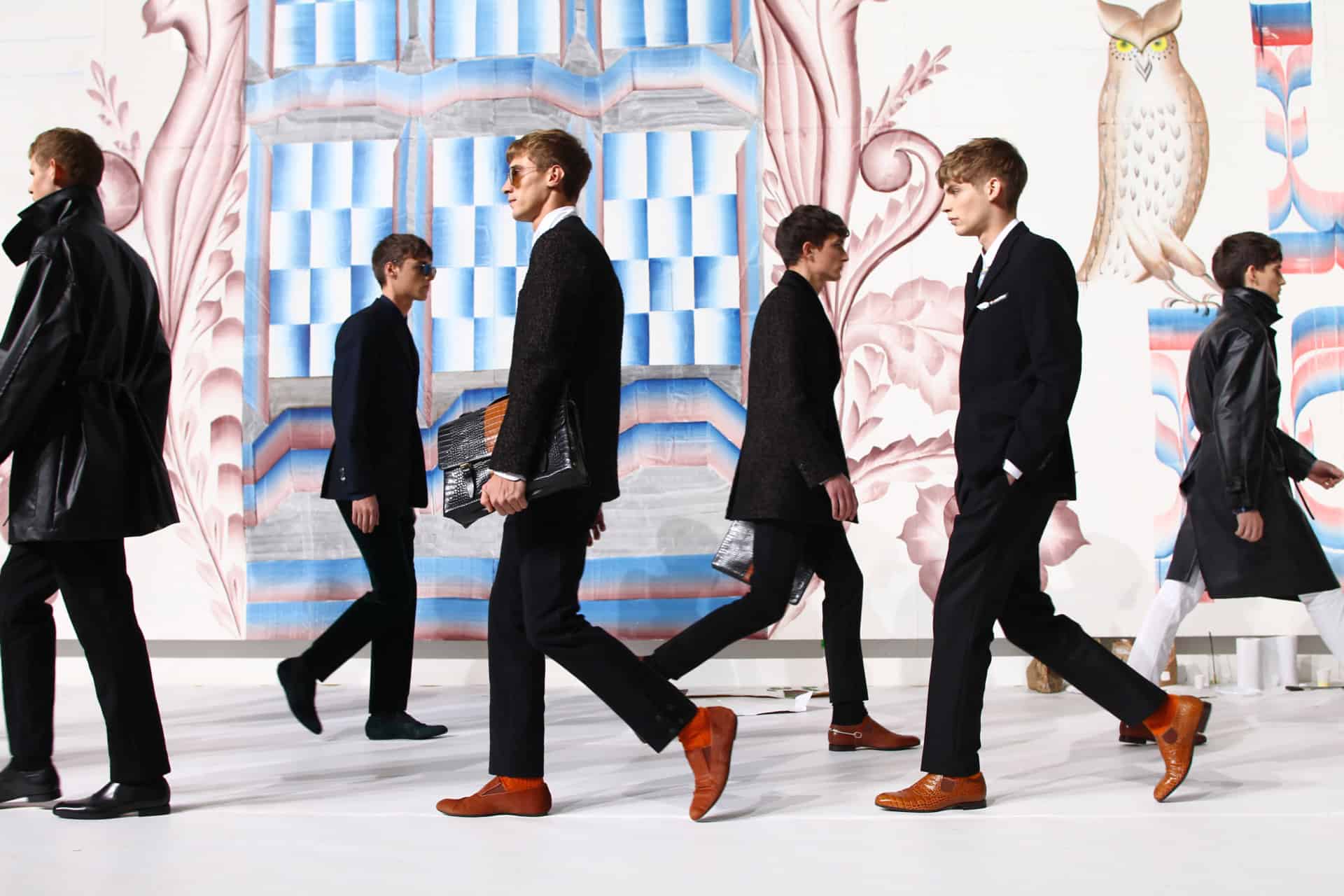
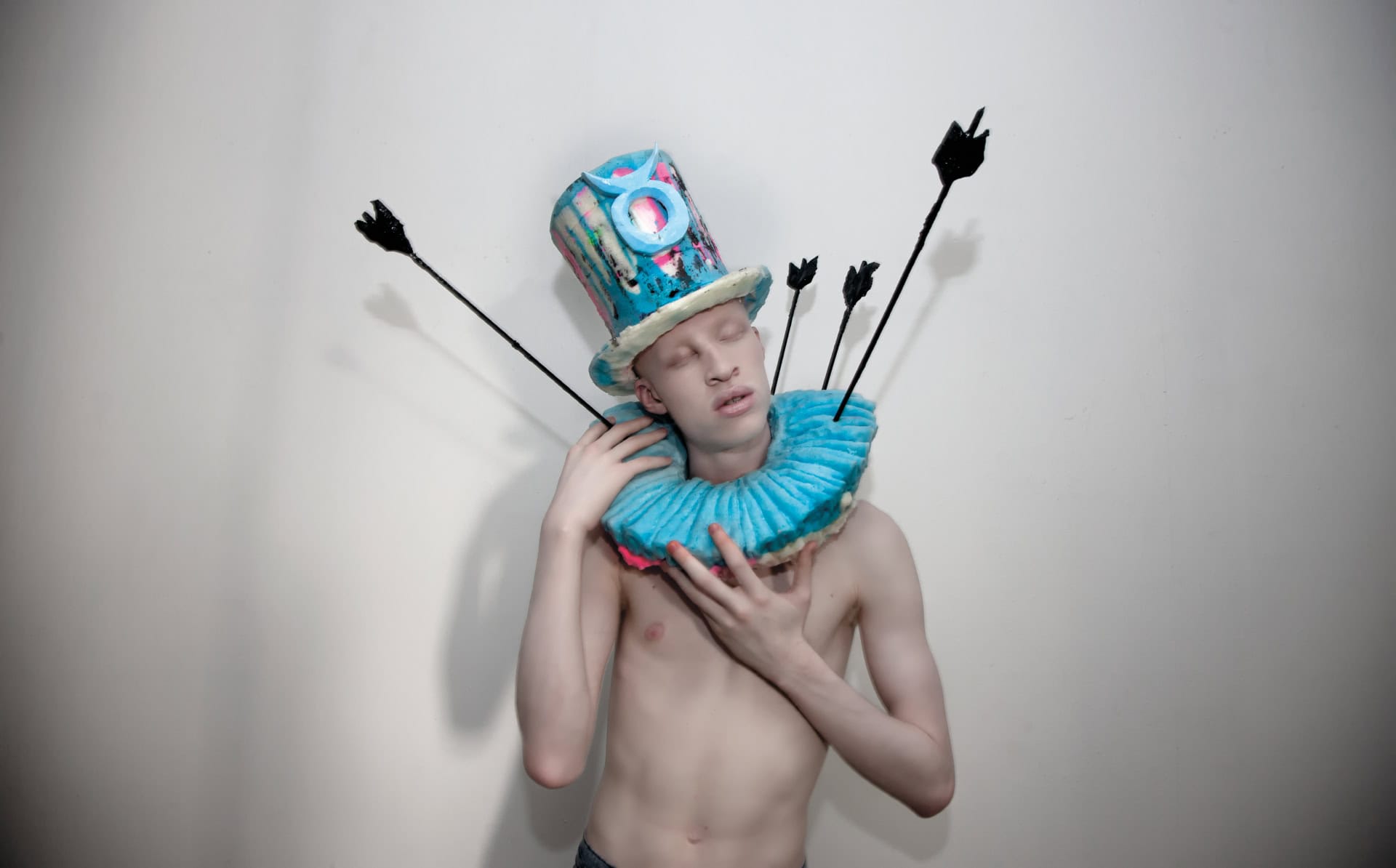
Their influence extended far beyond Belgium. Alongside contemporaries such as Martin Margiela, Rei Kawakubo and Helmut Lang, they helped decentralise fashion, challenging the long-held dominance of Paris and Milan. Antwerp became synonymous with experimentation – a place where designers could operate independently, outside the strictures of traditional luxury systems.
That independence is a key thread within the exhibition, and one that feels particularly resonant now. As the contemporary industry consolidates under the control of global conglomerates, the Antwerp Six stand as an enduring example of another way – one rooted in authorship, longevity and a refusal to compromise. Dries Van Noten’s decision to grow his label without external investors, for instance, remains almost anomalous in today’s landscape.
The exhibition also underscores how prescient many of their ideas were. Marina Yee’s early explorations of reuse and transformation anticipate current conversations around sustainability, while Dirk Bikkembergs’ fusion of sport and fashion prefigures the now ubiquitous athleisure category. What was once niche has, in many cases, become mainstream.
Accompanying the showcase is a substantial publication – nearly 400 pages – from Hannibal Books, featuring contributions from critics including Tim Blanks and Angelo Flaccavento, offering further context to the designers’ work and its ongoing relevance.
The Antwerp Six did not simply produce influential clothes; they altered the conditions under which fashion operates. They demonstrated that a small city, a shared vision and a willingness to challenge convention could reverberate globally.
40 years on, that legacy feels less like history and more like a provocation – a reminder that fashion, at its most compelling, is not about scale or spectacle, but about ideas.
Book your tickets here. Photography courtesy of MoMu – Fashion Museum Antwerp.