


December 9, 2025 |
Max Mara is heading east!
This morning, the Italian maison announced that its 2027 resort show is set to take place in Shanghai, China, on June 16 2026. Watch this space to catch all the action, and in the meantime, take a look back at Max Mara’s stopover in Naples for resort 2026 as it appears in 10+ Issue 8 – FUTURE, JUBILEE, CELEBRATION.
Come to Naples, said Max Mara, for a whirlwind 48 hours of steamy streets, ravishing antiquities, harbour-side Neapolitan sing-alongs and a fashion show in one of Europe’s grandest palaces. “I wanted to show in a place where the idea of Italian style really started,” said Max Mara’s creative director Ian Griffiths of its resort spectacular. The dapper designer, immaculately outfitted in Neapolitan tailoring, held court for the British press as the sun bounced off the bay of Naples on the morning of the show.
More on Max Mara’s catwalk spectacular later. First, we have to talk about the destination show experience. Every moment is carefully curated, with Griffiths putting together a cultural itinerary to immerse us. There’s an edgy energy to the gritty, graffitied streets of the city, which is also revered for its soft Neapolitan tailoring. First stop, the white marble glory of the Cappella Sansevero. Stepping inside the chapel from the scruffy, steamy street feels like entering another dimension. The place is covered, floor to ceiling, with the most exquisite marble carvings, including Giuseppe Sanmartino’s Veiled Christ. Completed in 1753, it depicts Jesus shrouded in what looks like transparent cloth but the whole thing is formed from a single block of white marble. That masterpiece was followed by another – Caravaggio’s Seven Works of Mercy, which he painted for the altar of the nearby Pio Monte della Misericordia chapel in 1607, just after his murder conviction. Some say it was a plea for compassion.
After high art, must come tat. Around the corner from the chapel housing Caravaggio’s masterpiece is the narrow Via San Gregorio, which is lined with tiny gift stores selling caricature figurines of celebrities, popes and royals as well as elaborate nativity scenes and chilli peppers (a good luck charm) in every size. Then it was back to the hotel, a quick change and an evening at a harbour-side restaurant sharing plates of delicious Italian food before singing along to Volare with a traditional wandering band.
The next day, over breakfast with Griffiths, the designer cemented his reputation as one of fashion’s most erudite voices. Musing on the origin of the Italian fashion scene that we know today, he explained that unlike Paris, which evolved around the distinctive handwriting of star designers like Dior and Chanel, postwar Italian fashion grew from the strength of its manufacturing. Without household names (these would emerge in the 1960s and 1970s), Italian fashion was focused on honing a sense of style. “Italian fashion emerged as an entity that was so strong because it didn’t have those egos. It’s grown as a culture [ever since],” he says.
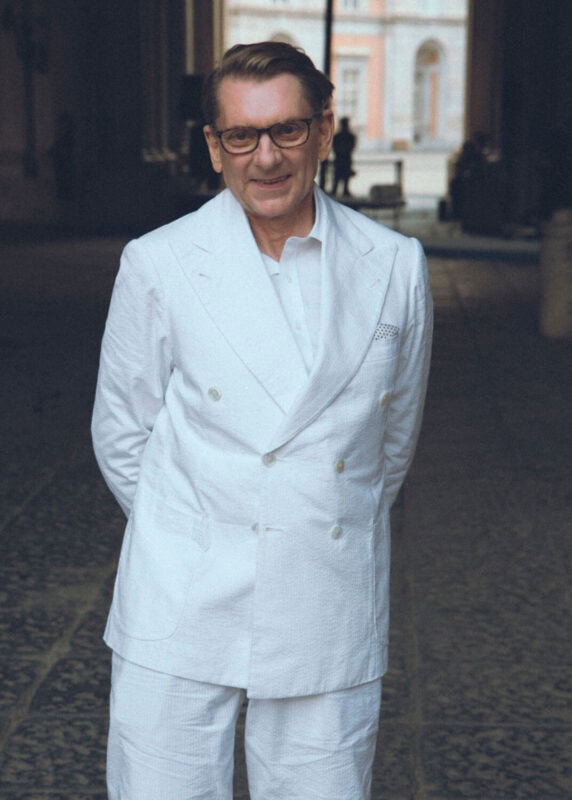
Ian Griffiths
Founded in 1951 by Achille Maramotti, Max Mara has grown with it and is now a major player in the resort show calendar. “There’s an aspect of it that is flexing your muscles as a brand, because you have to have pull to get everyone to go. It’s three days. So, if you’re not a big enough brand, you can’t do it. It has become an important moment in our calendar,” he says. Griffiths revels in the opportunity to tell in-depth stories with his resort shows. “While you’re working on resort, you tend to think we couldn’t get more Max Mara than this, because you build your world and communicate it,” he says, “We realised we could give a greater level of experience by doing resort shows.”
Our experience continued after breakfast with a private visit to the National Archaeological Museum, which houses one of the best collections of treasures from the ancient world. Our guide’s immaculate purple winged eyeliner spoke to the natural flair inherent in Italian style. We toured the colossal statues excavated from the Baths of Caracalla in Rome and marvelled at the lifelike ‘runners’, a pair of bronze statues of athletes with eerie bone and ivory eyes that were buried in the Vesuvius eruption and unearthed in the ancient Roman town of Herculaneum in the 1750s. Winding through galleries stacked with mosaics and everyday artefacts, we eventually came to the ‘Secret Cabinet’. This special corner of the museum is devoted to erotic objects and murals – think OnlyFans but in mosaic and statue form. The contents were deemed so scandalous that women were not allowed to view them until the renovated gallery was reopened to the public in 2000.
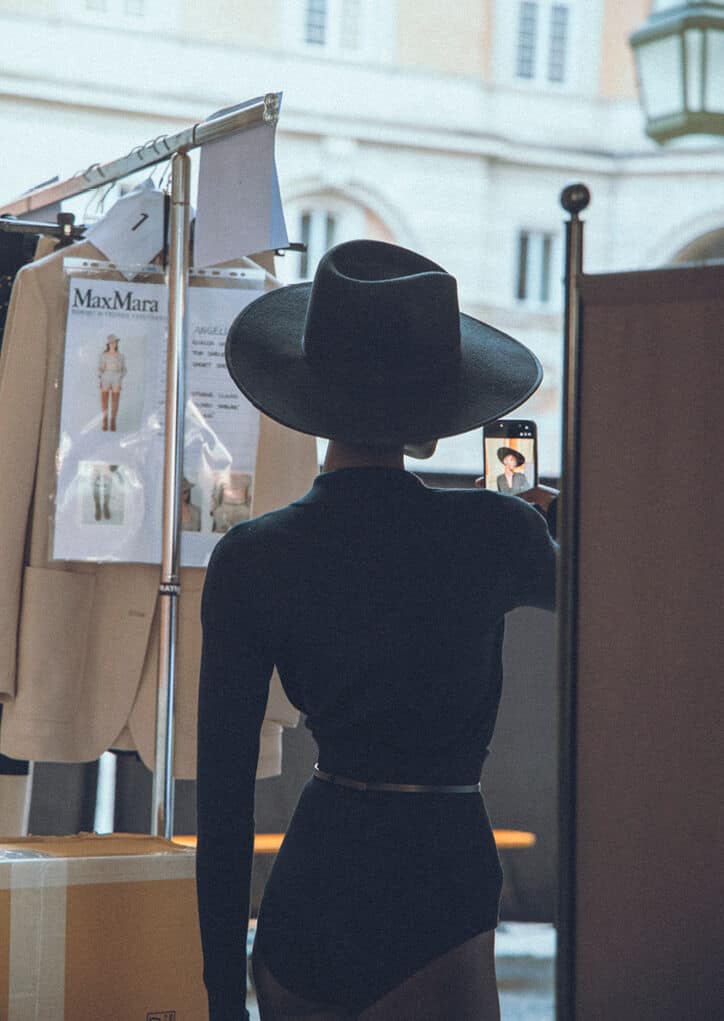
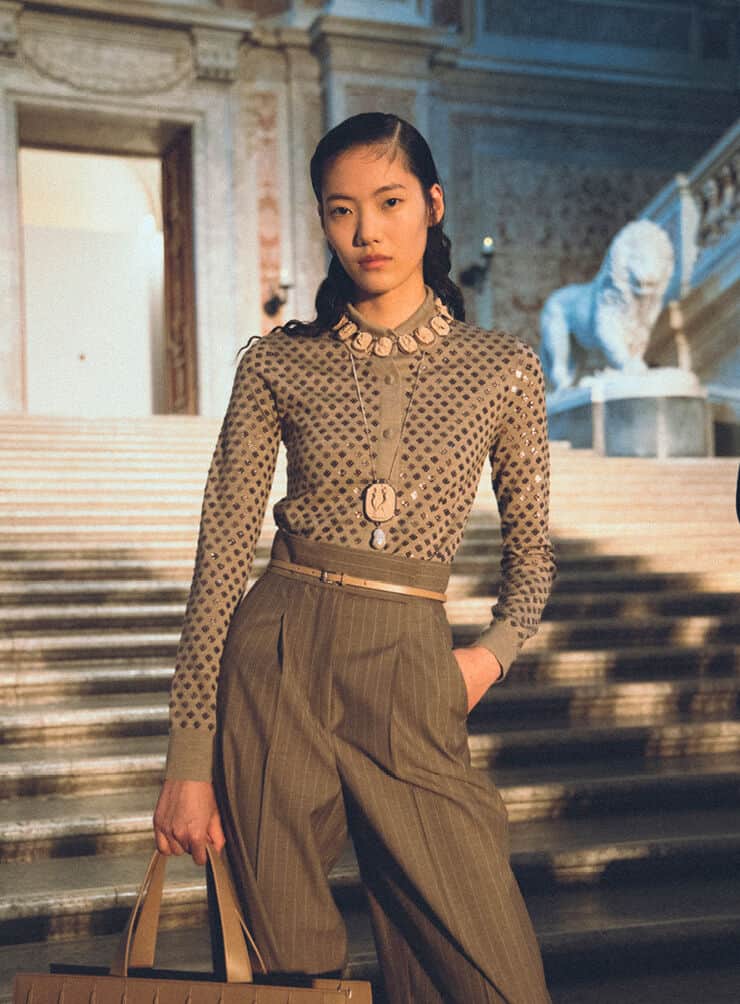
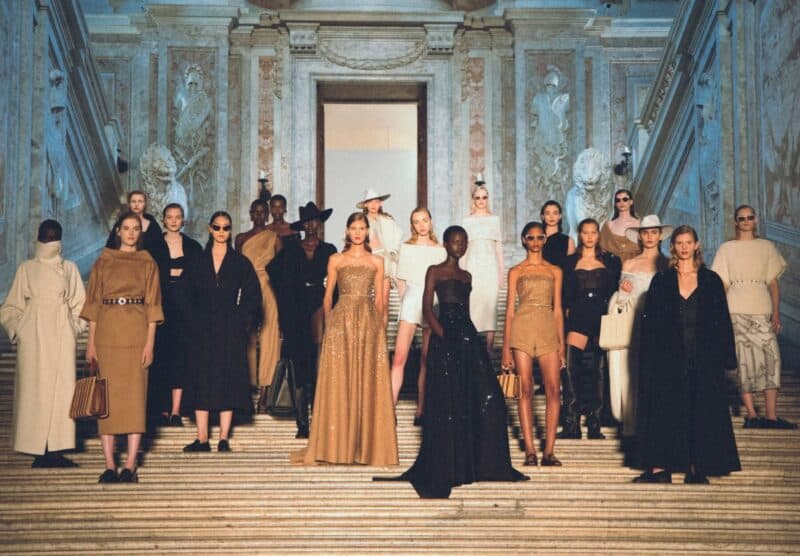
The two-day event culminated in a spectacular fashion show at the Reggia di Caserta, aka the royal palace. Bigger than Versailles, it was once the seat of the Neapolitan kings. Into this symbol of Italy’s old monarchic past came Max Mara. An icon of the new post-war Italy, it clothed an aspirational new generation. Maramotti and other Italian entrepreneurs of his era – in textiles, product design and motoring – became Italy’s industrialist kings and powered its remarkable regeneration.
Griffiths looked to that era when Max Mara first rose and took inspiration from the smouldering, hip-swinging beauties of 1950s Italian cinema: Gina Lollobrigida, Sophia Loren, Silvana Mangano, Anna Magnani, Claudia Cardinale and Lucia Bosé. Whether they played sizzling southern sex bombs or elegant northern matriarchs, they telegraphed a sensual Italian style to the world.
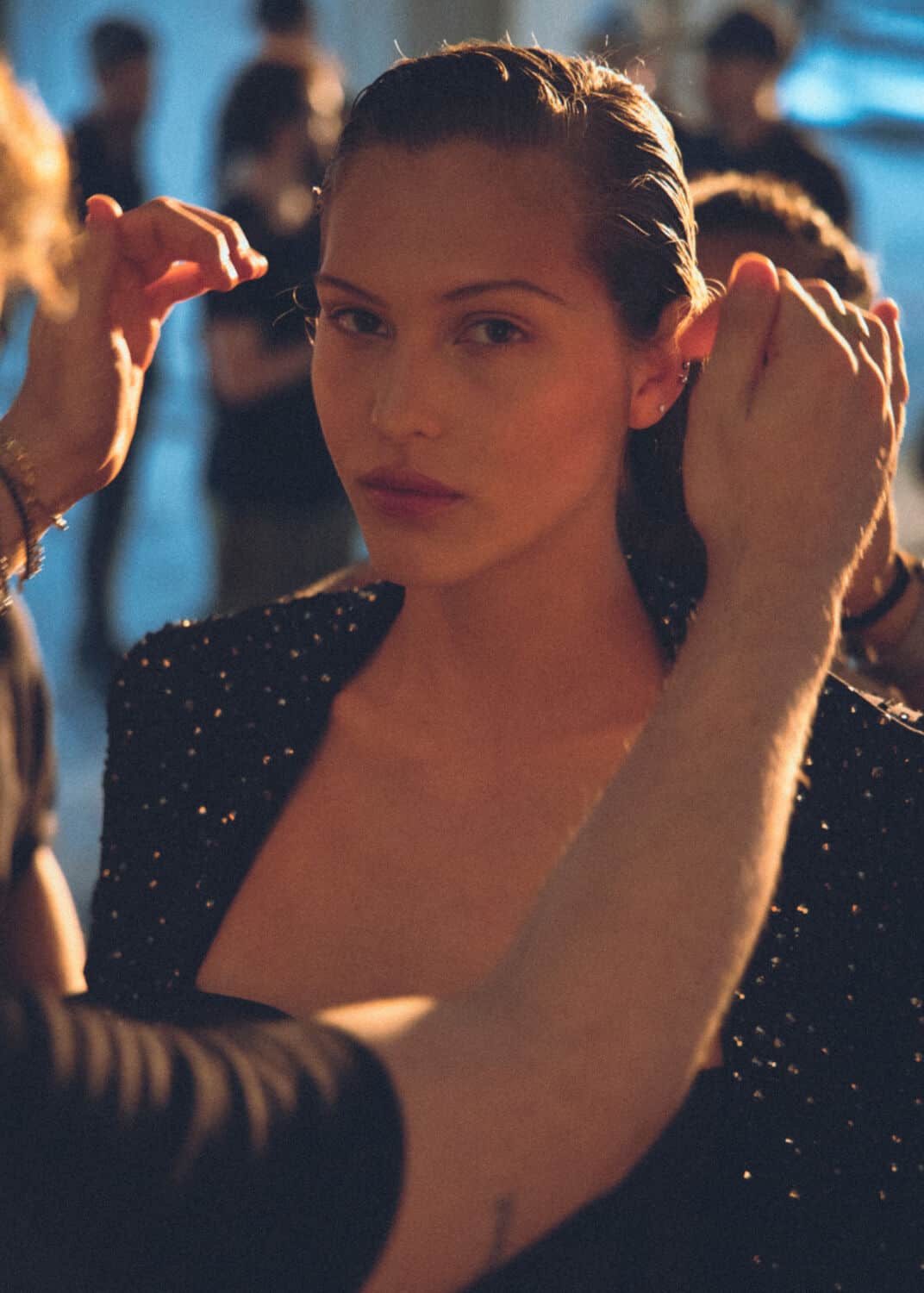
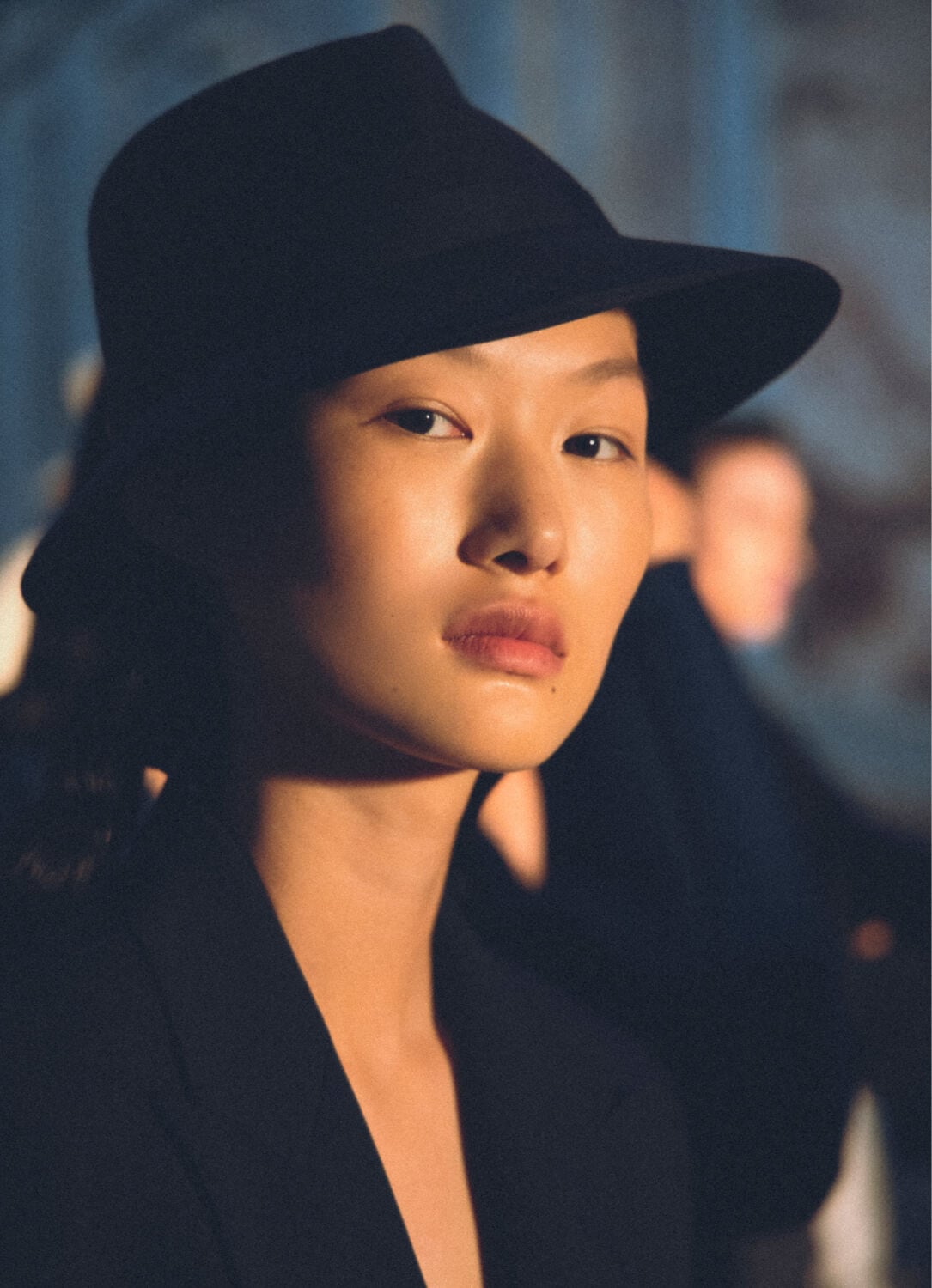
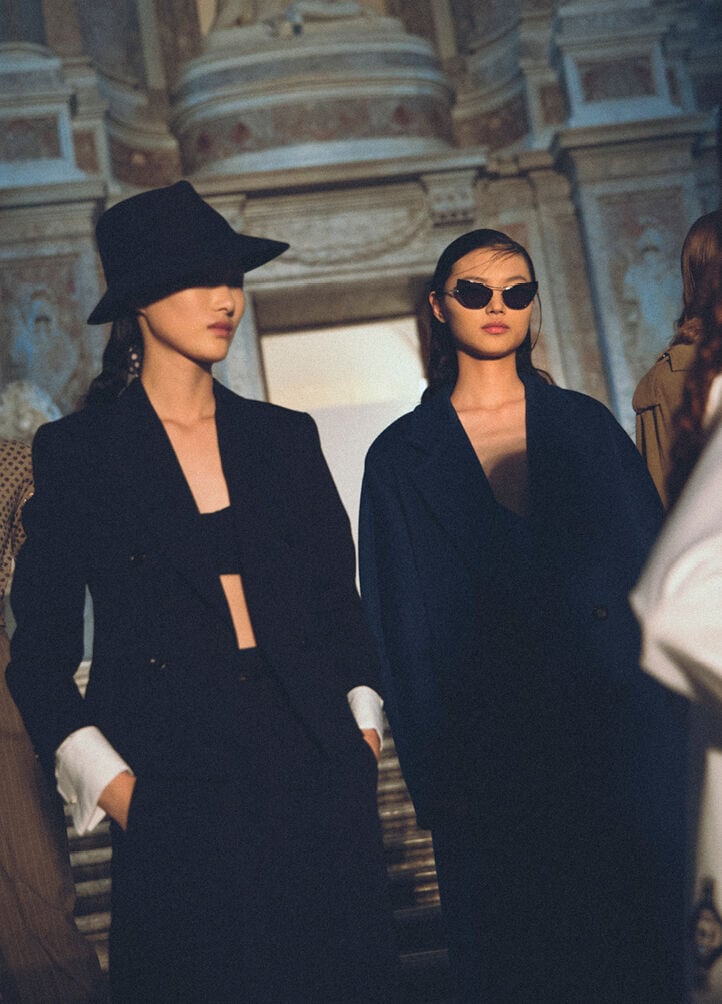
MAX MARA
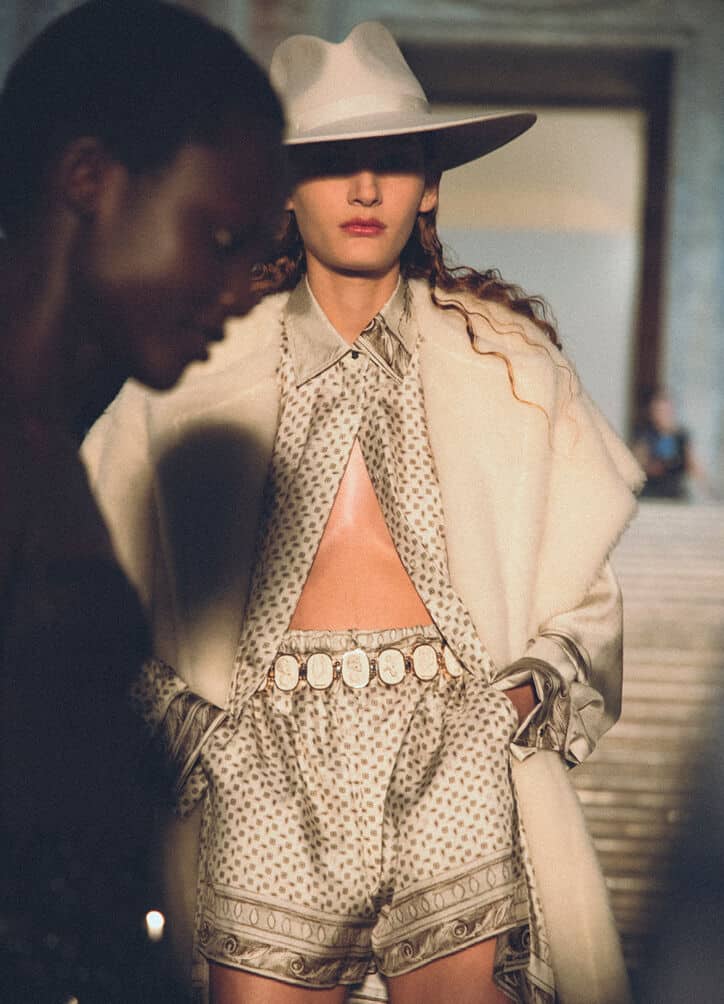
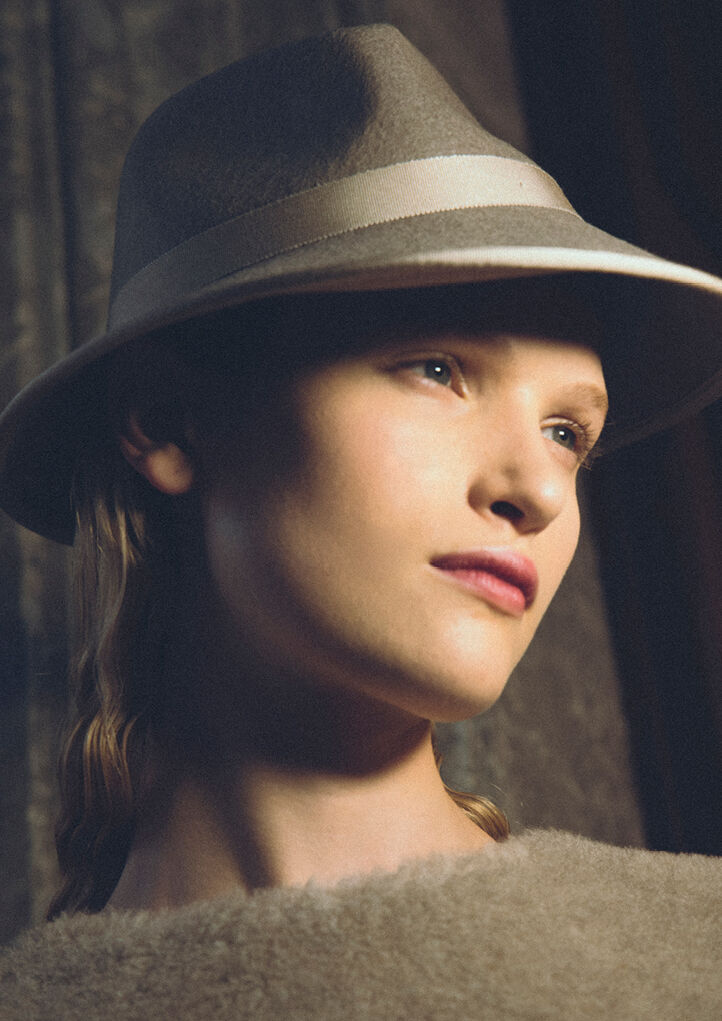
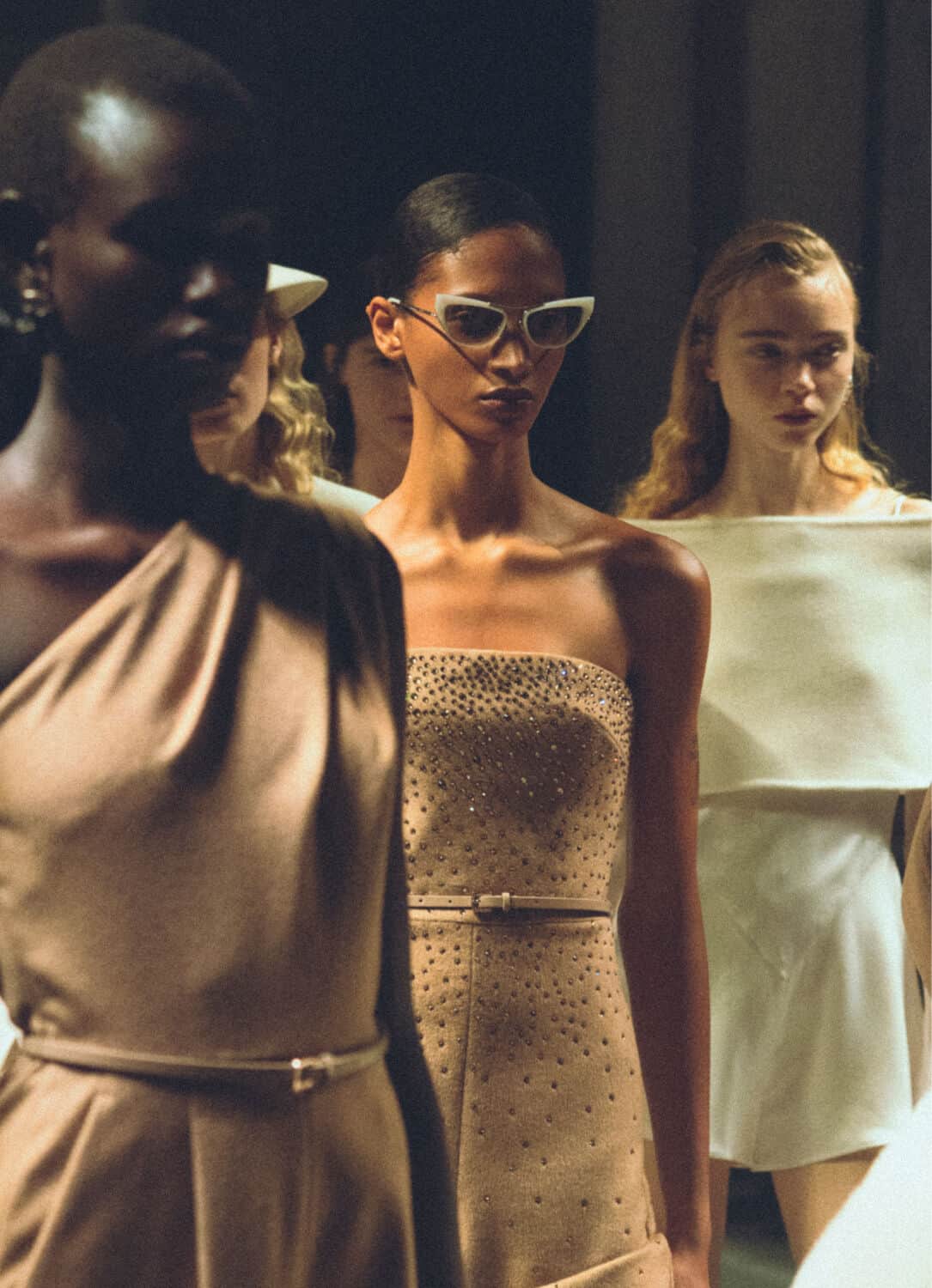
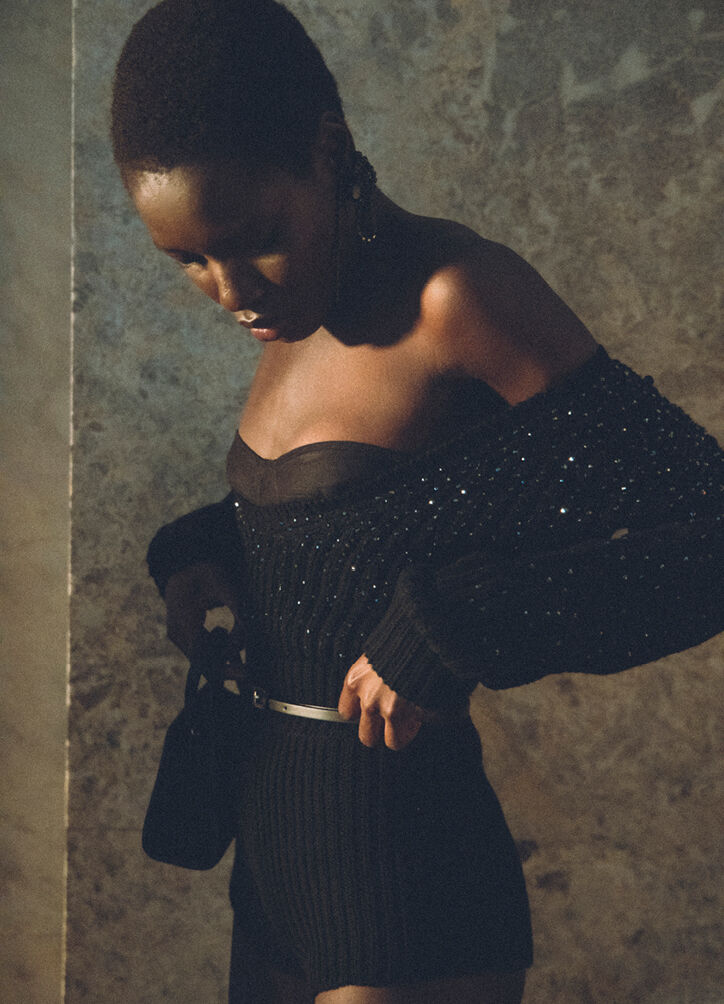
And their influence endures. For his resort 26 show, Griffiths took that earthy screen-siren sexuality and crossed it with the dandy style of Neapolitan tailoring. One movie clip in particular of the voluptuous Silvana Mangano in 1949’s Riso Amaro (Bitter Rice) wading through a rice paddy in rolled-up shorts gave Griffiths his core motif – very short shorts, which were surprisingly versatile. They could be worn with thigh-high wader boots and an enveloping coat in winter or with a little bra top and a straw hat for beach days. Griffiths is a fashion virtuoso, working those shorts every which way: for day (paired with breezy Neapolitan-style tailored jackets), night (under a sparkling jacket and paired with corset tops) and beyond (as silky matching lounge sets or knitted hot pants worn with a sumptuous shearling stole).
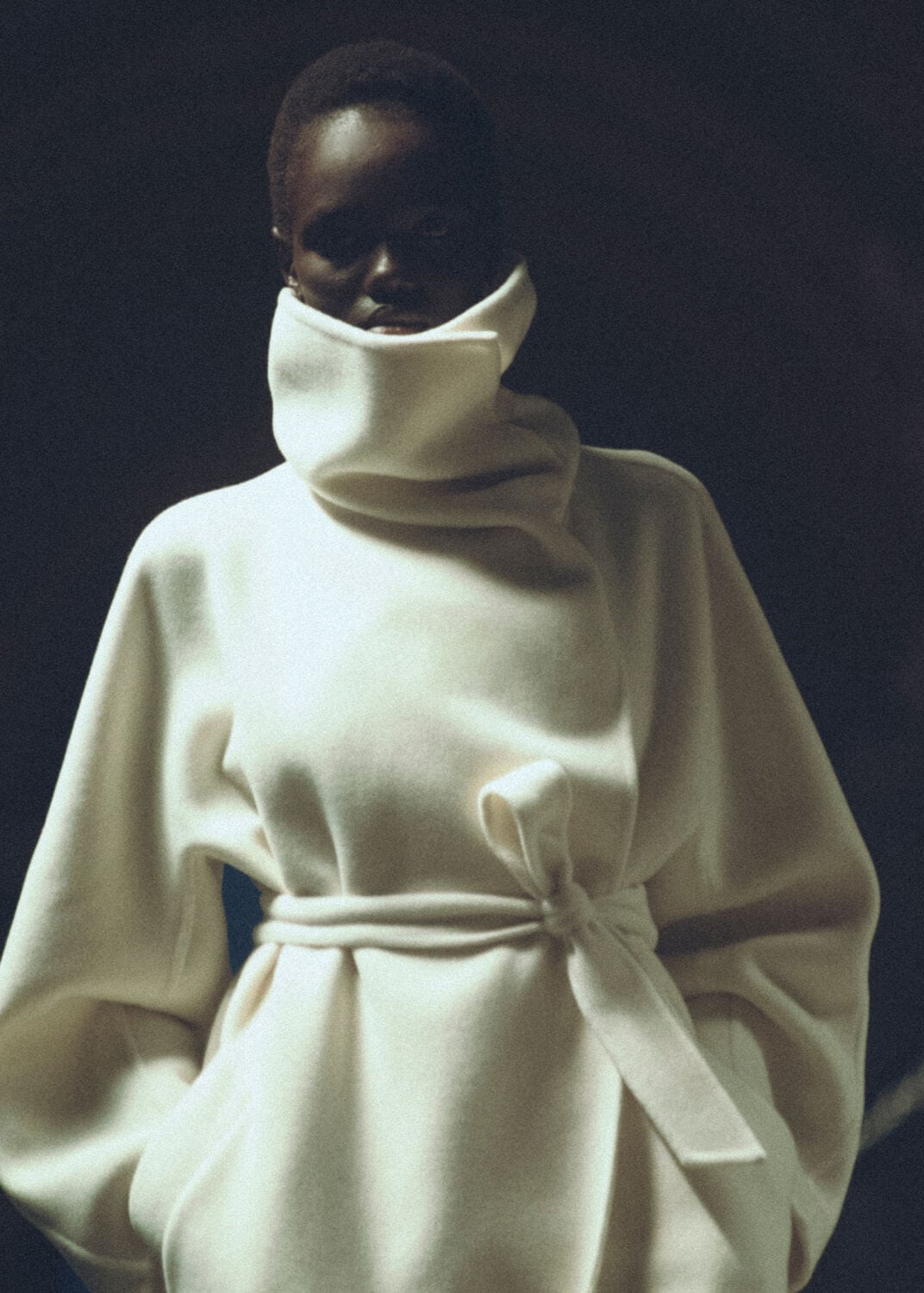
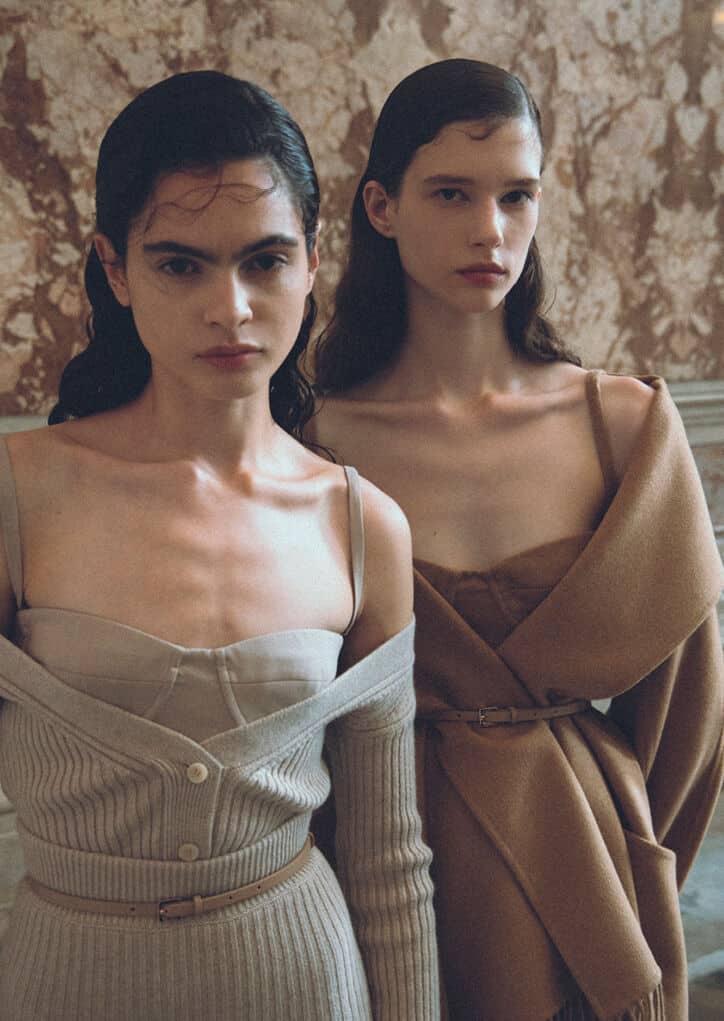
Those ‘Mangano’ shorts also proved to be the ideal accompaniment to the house’s timeless coats – funnel neck, unbelted, shawl-collared and fringed, Griffiths sent out a glorious showcase of Max Mara’s outerwear prowess. But, joked the designer, “Man cannot live by coats alone.” This meant he made sure there were a multitude of options in his show. “Resort is a wardrobe that contains just about everything you can imagine,” said Griffiths of the breadth, depth and importance of this collection for the house. Off-the-shoulder knits or blouses, worn over bra tops, brought to mind Sophia Loren in The Gold of Naples (where she manages to eroticise rolling pizza dough).
The shawl tops and matching full skirts were inspired by Ruth Orkin’s famed 1951 photograph American Girl in Italy. Shot the same year Max Mara was founded, it shows a girl walking down the street alone as she’s stared at by men. Twinkling crystal-studded pencil dresses with a just a hint of peekaboo corsetry played into the earthy, Italian sensuality of the collection.
Griffiths made several trips to Naples ahead of the show to soak up the atmosphere and distinctive style of the place. The dapper designer even took his bow in a Neapolitan tailored suit and injected that quintessential sense of local style into his collection.
MAX MARA
“There’s always a lightness about Italian fashion and elegance and ease of wear. They’re clothes that you wear. They don’t wear you,” explains the designer, who also collaborated with the Naples-based E. Marinella, which specialises in ties and pocket squares. He used four archive paisley fabric designs, also from 1951, for cravats, shorts suits and flaring Fifties-style skirts. Easy, elegant and beautifully crafted, these are feel-good clothes designed to enhance the moment. “Italian fashion simply evolved with the aim of making women or men feel their best,” says Griffiths. That’s also an excellent summary of his mission at Max Mara.
Taken from 10+ Issue 8 – FUTURE, JUBILEE, CELEBRATION – out now. Order your copy here.
MAX MARA RESORT 2026: VENERE VESUVIANA
Photographer GESUALDO LANZA
Text CLAUDIA CROFT
Date JUNE 17, 2025
Location REGGIA DI CASERTA, CAMPANIA, ITAL
Creative Director IAN GRIFFITHS
Hair PIER PAOLO LAI
Make-up FULVIA FAROLFI
Styling SISSY VIAN
Casting director PIERGIORGIO DEL MORO


