December 8, 2025 |
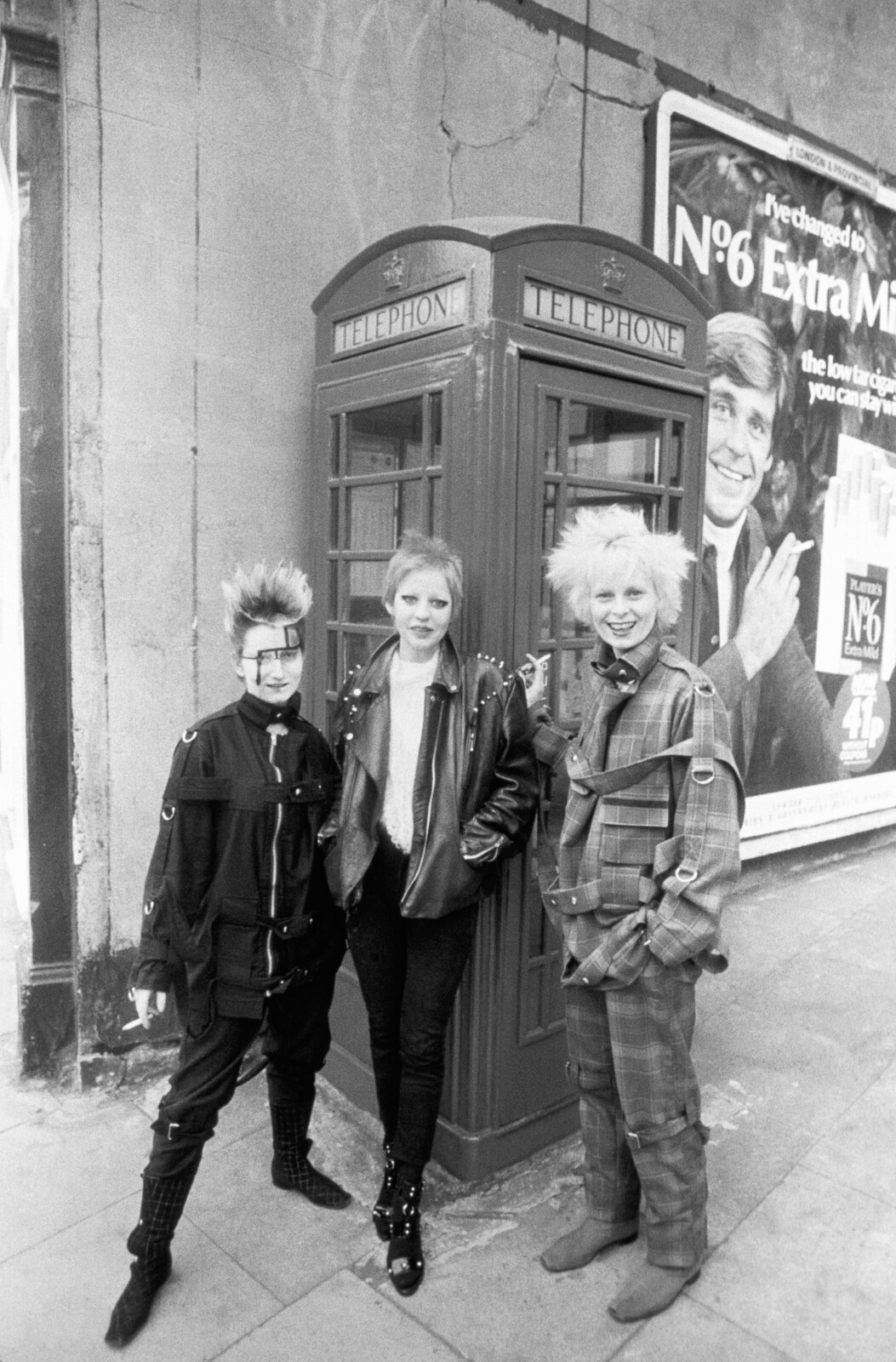
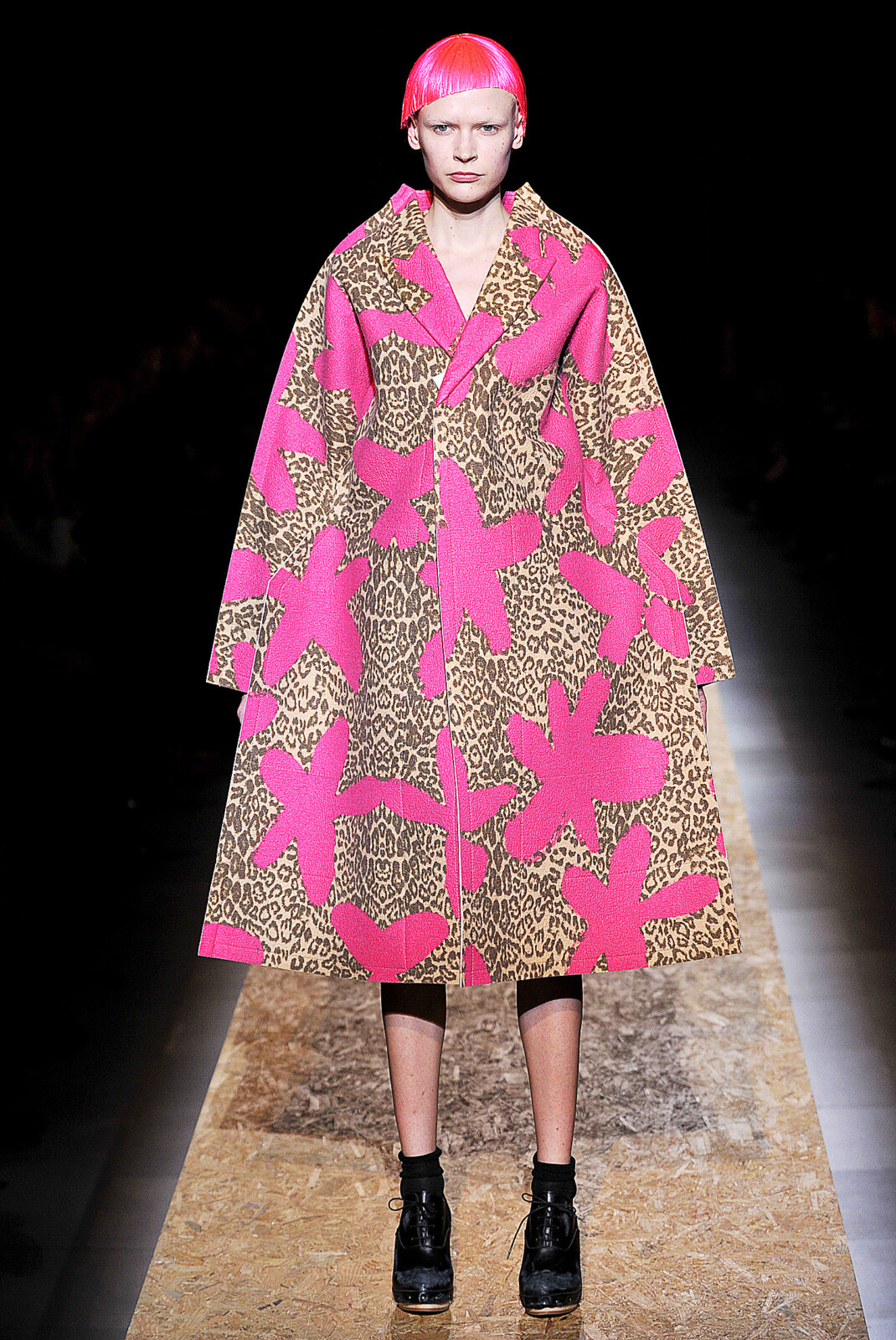
There are exhibition openings, and then there are moments when the ground beneath fashion seems to shift. This weekend in Melbourne, it was the latter. The NGV International unveiled Westwood | Kawakubo, a world-premiere that dares to place two of fashion’s most unruly minds – Vivienne Westwood and Rei Kawakubo – side by side, equal in force but thrillingly dissonant. Born a year apart, one in postwar Derbyshire and the other in post-occupation Tokyo, the designers share no formal training and even fewer rules, yet both rewrote what clothes could do: provoke, rupture, restrain, liberate.
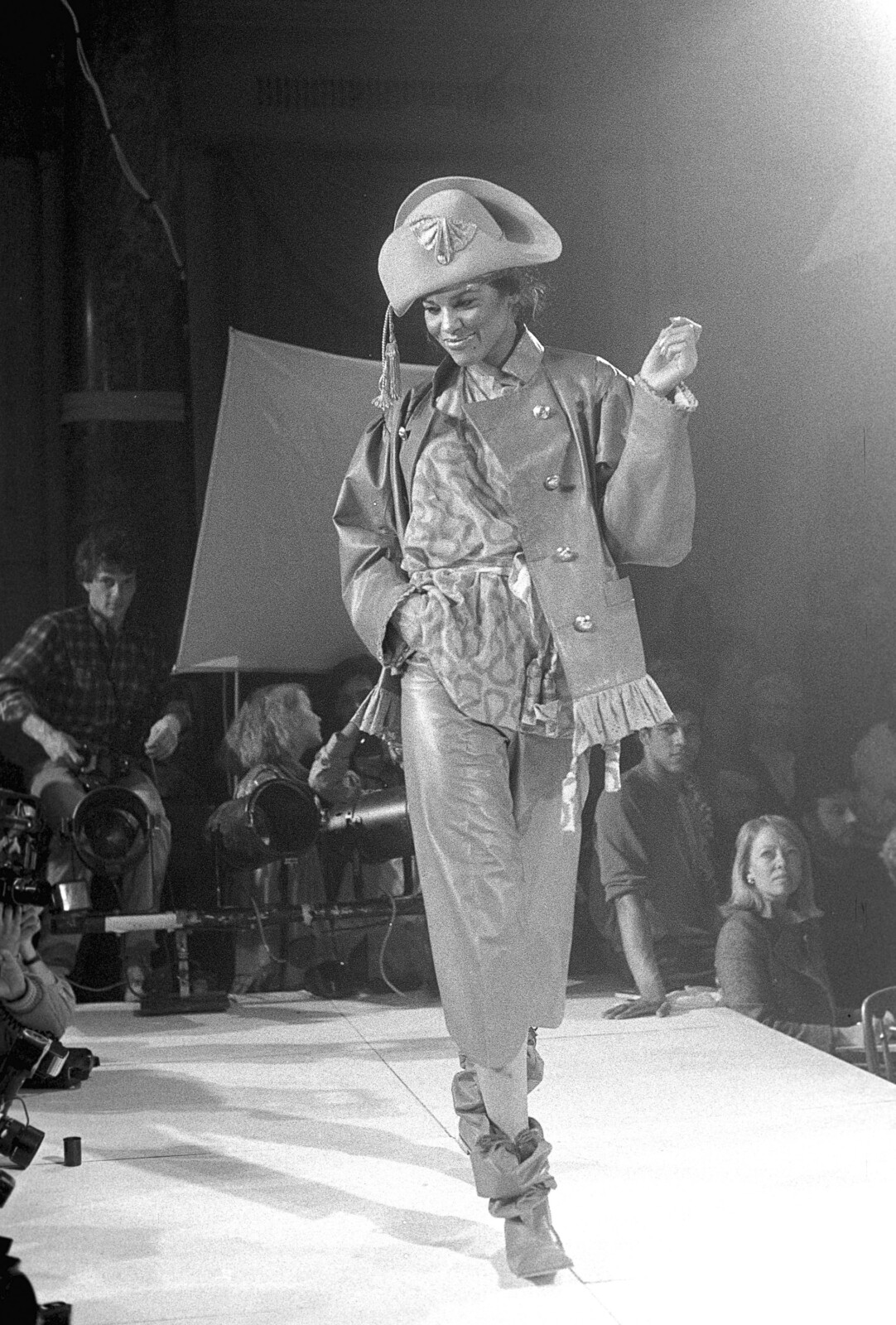
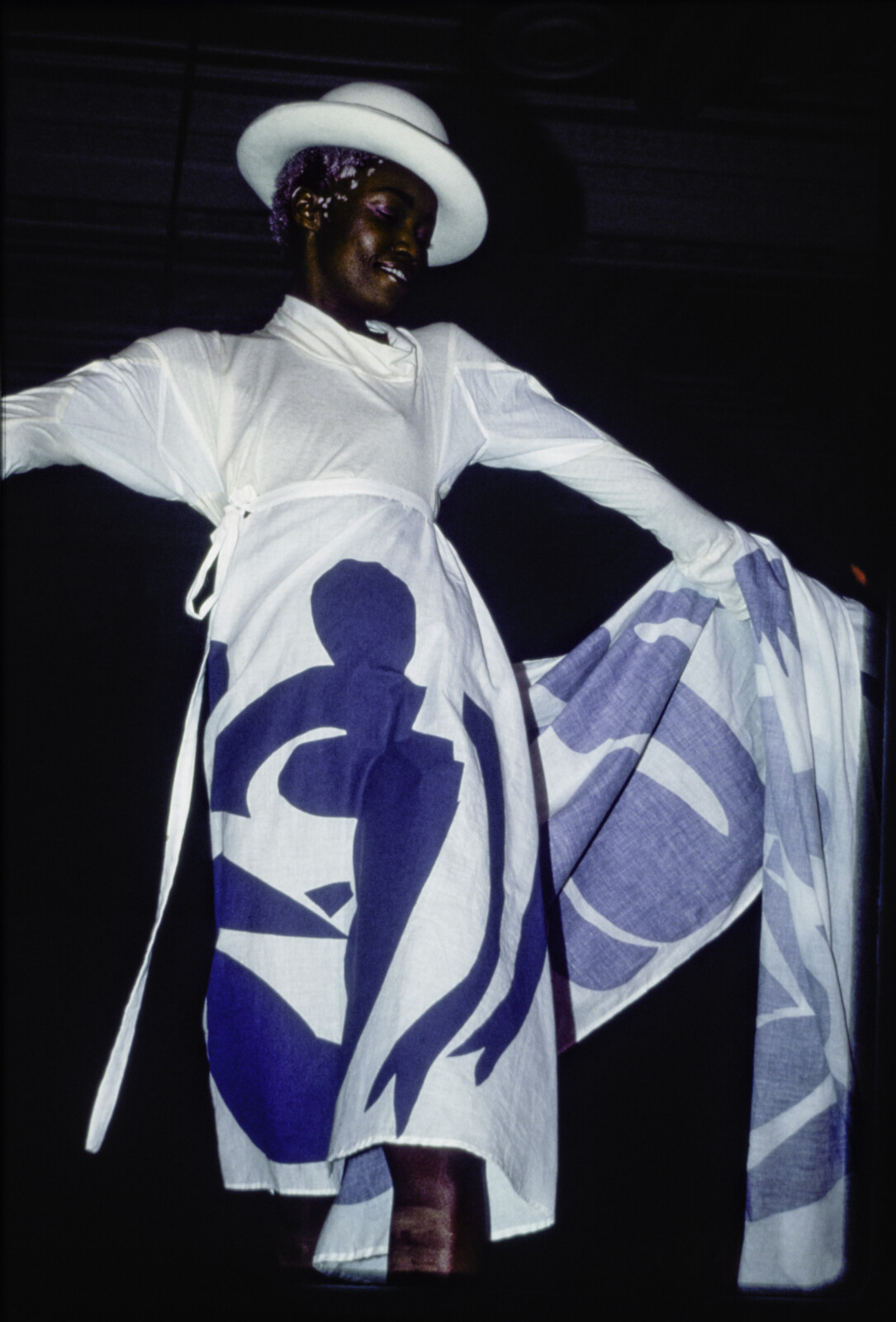
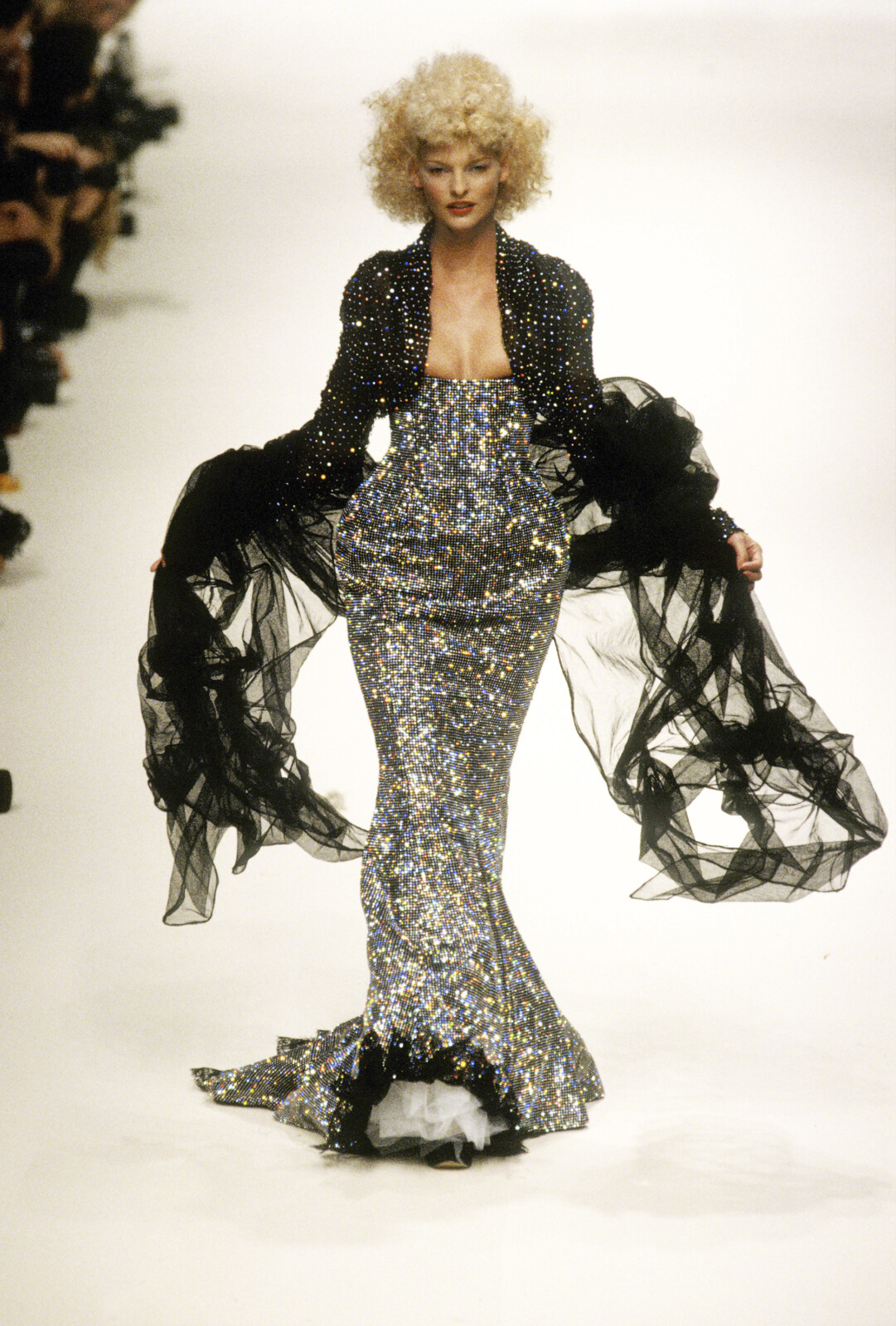
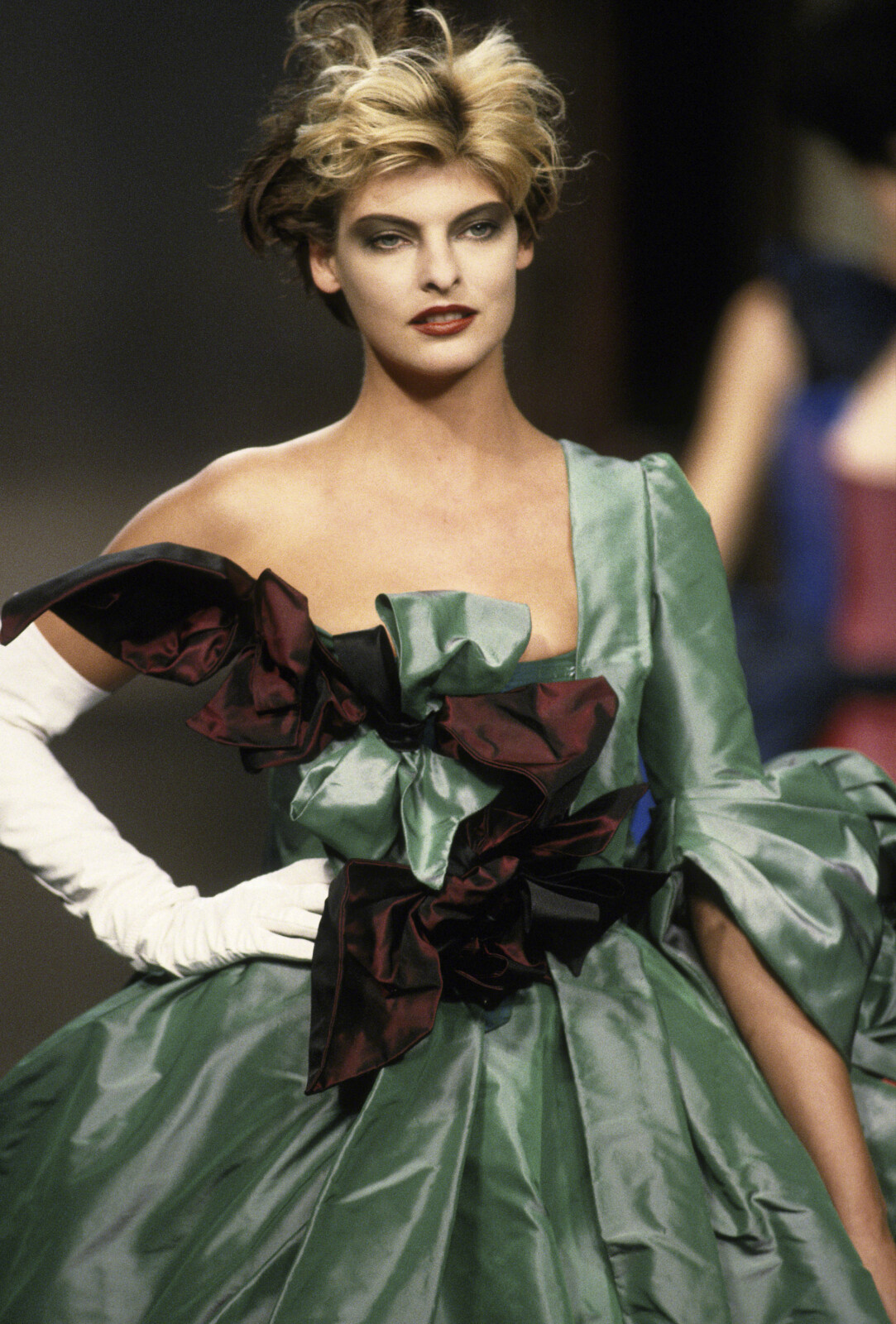
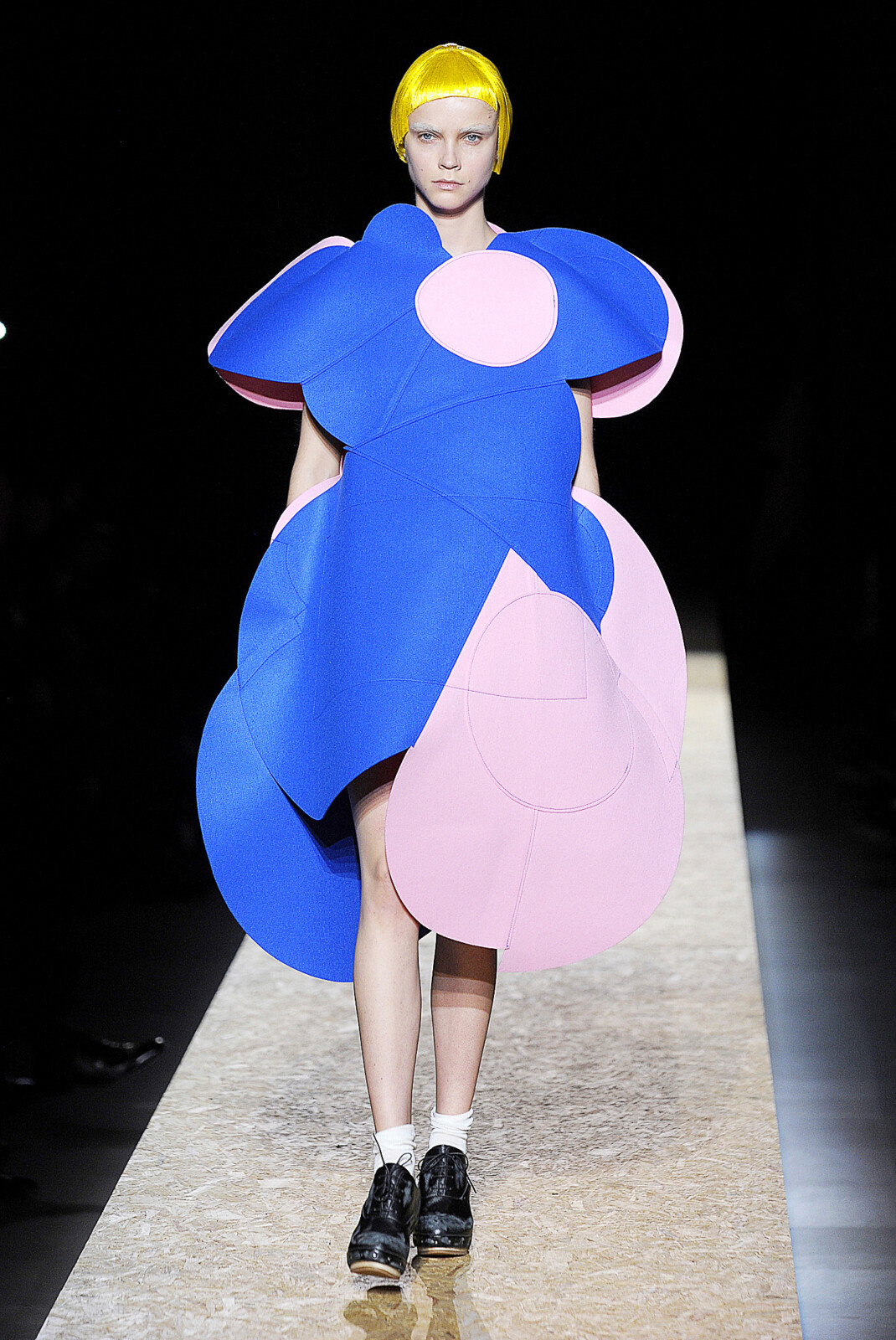
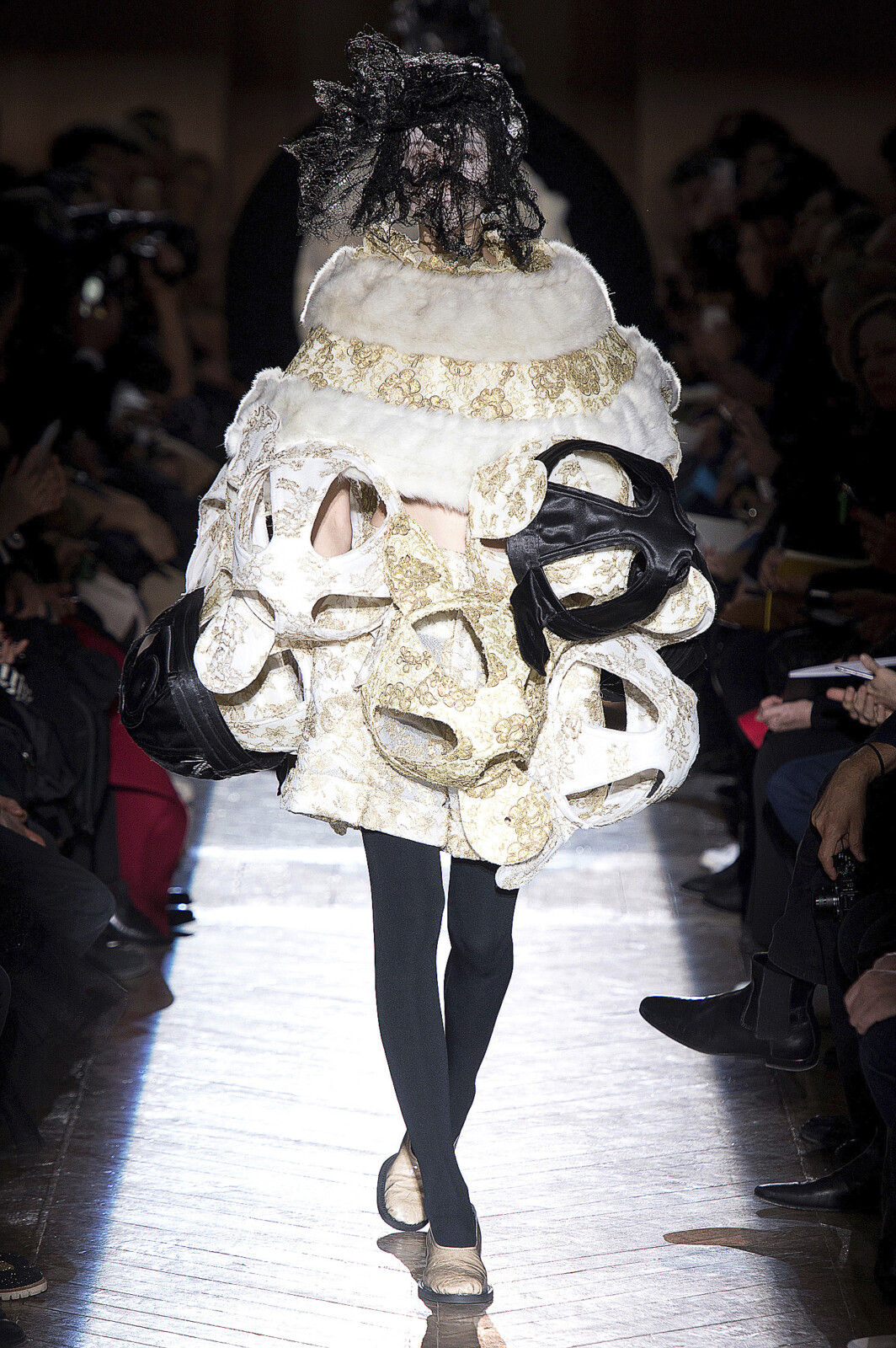
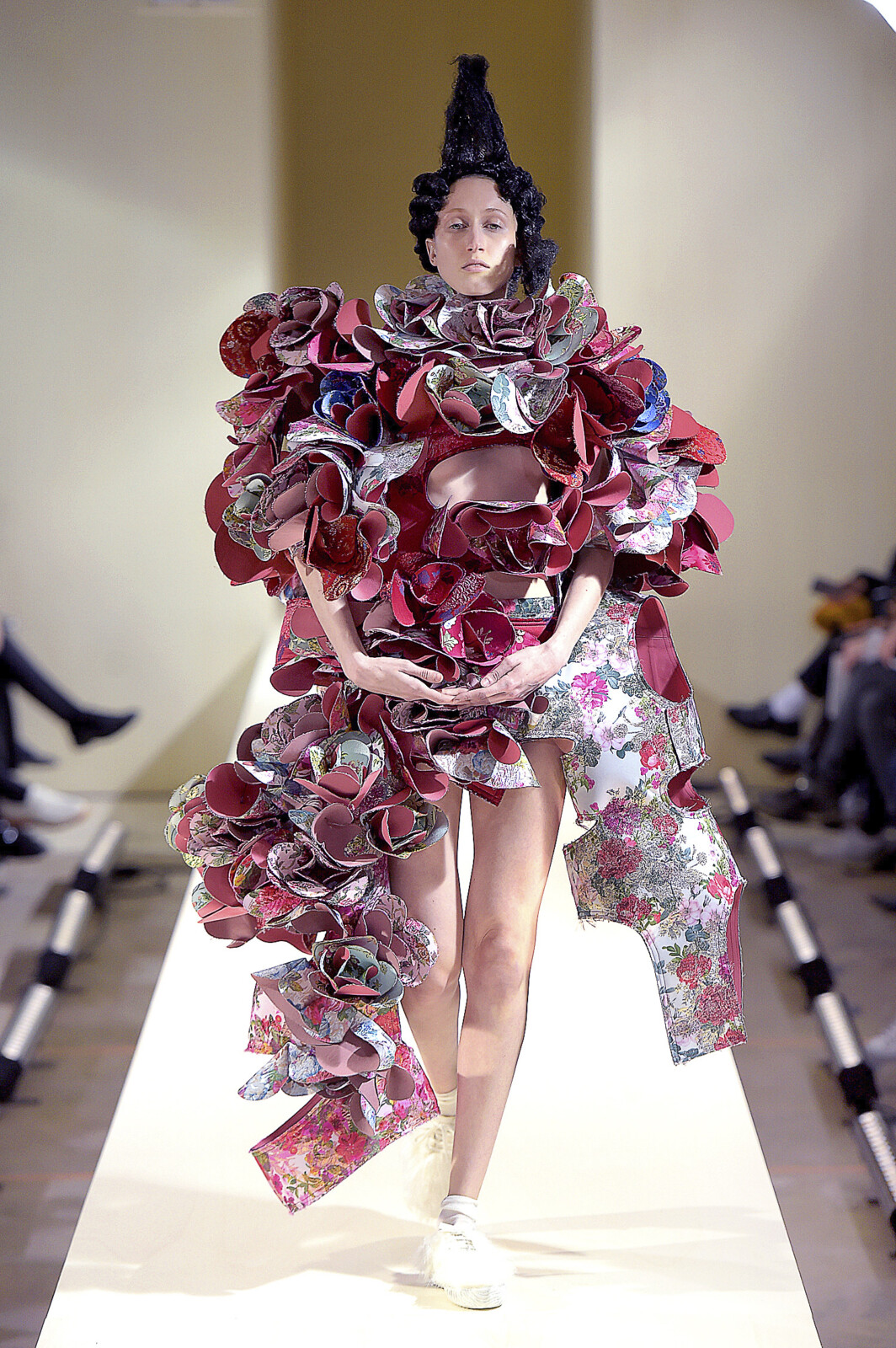
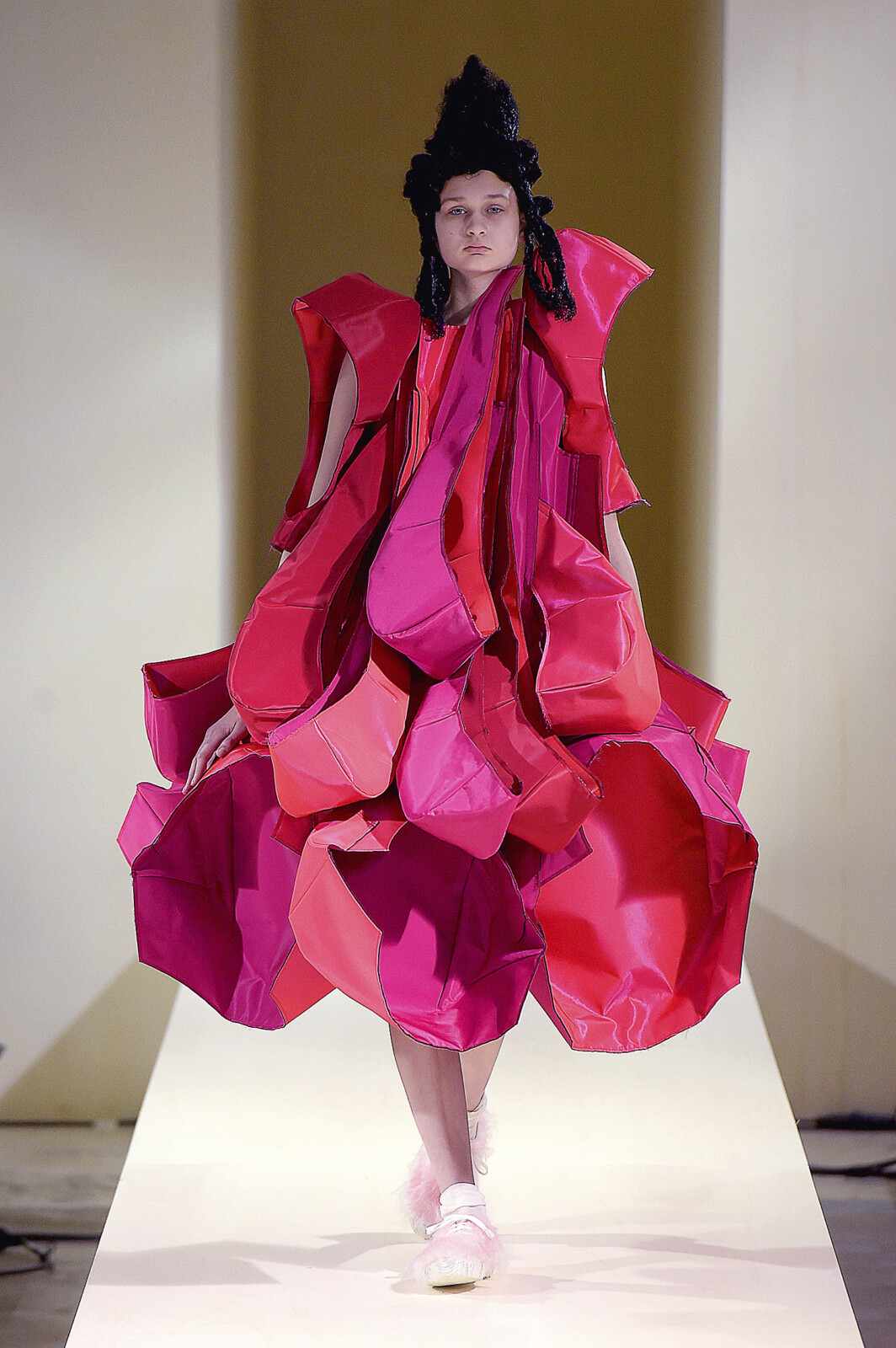
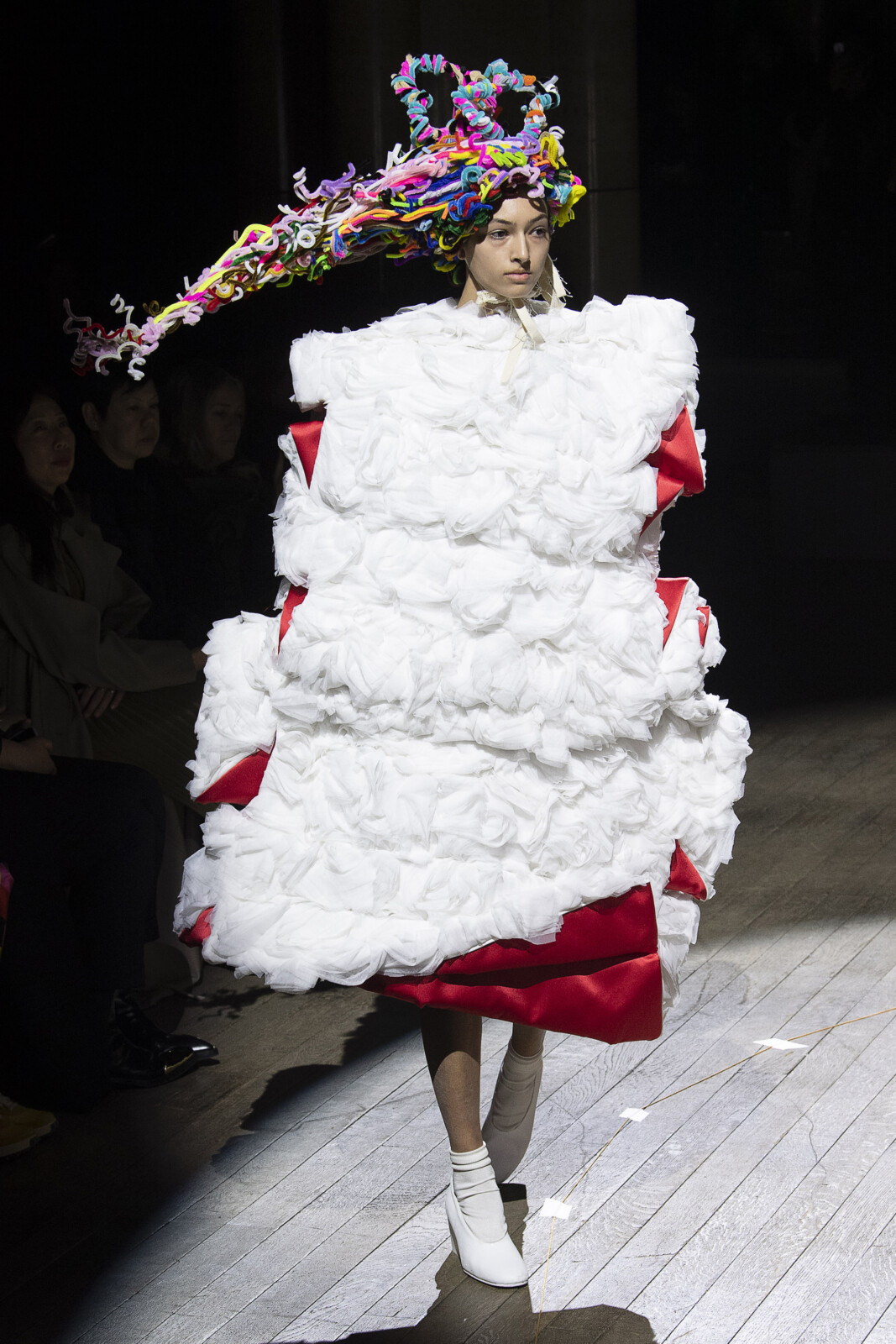
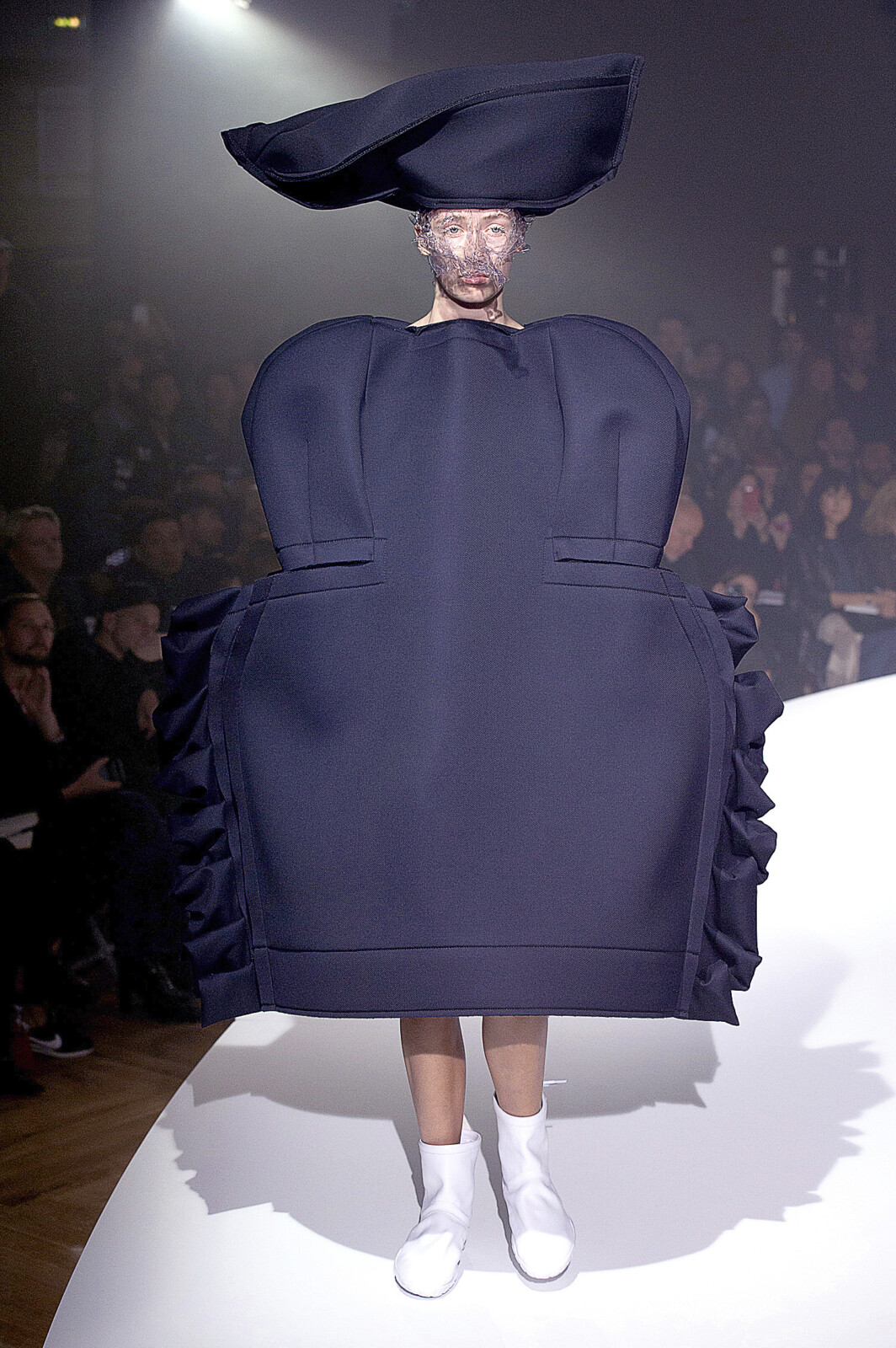
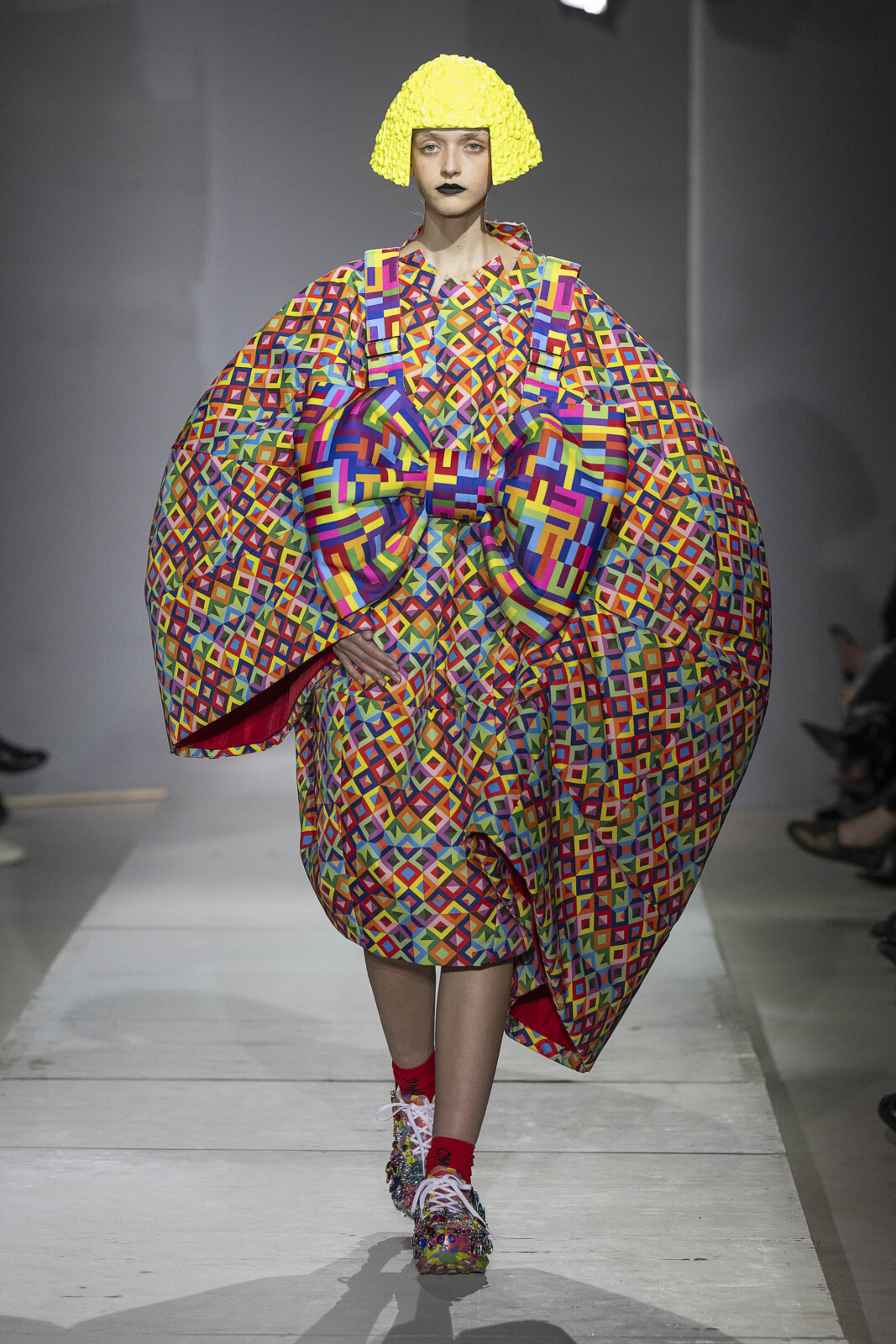
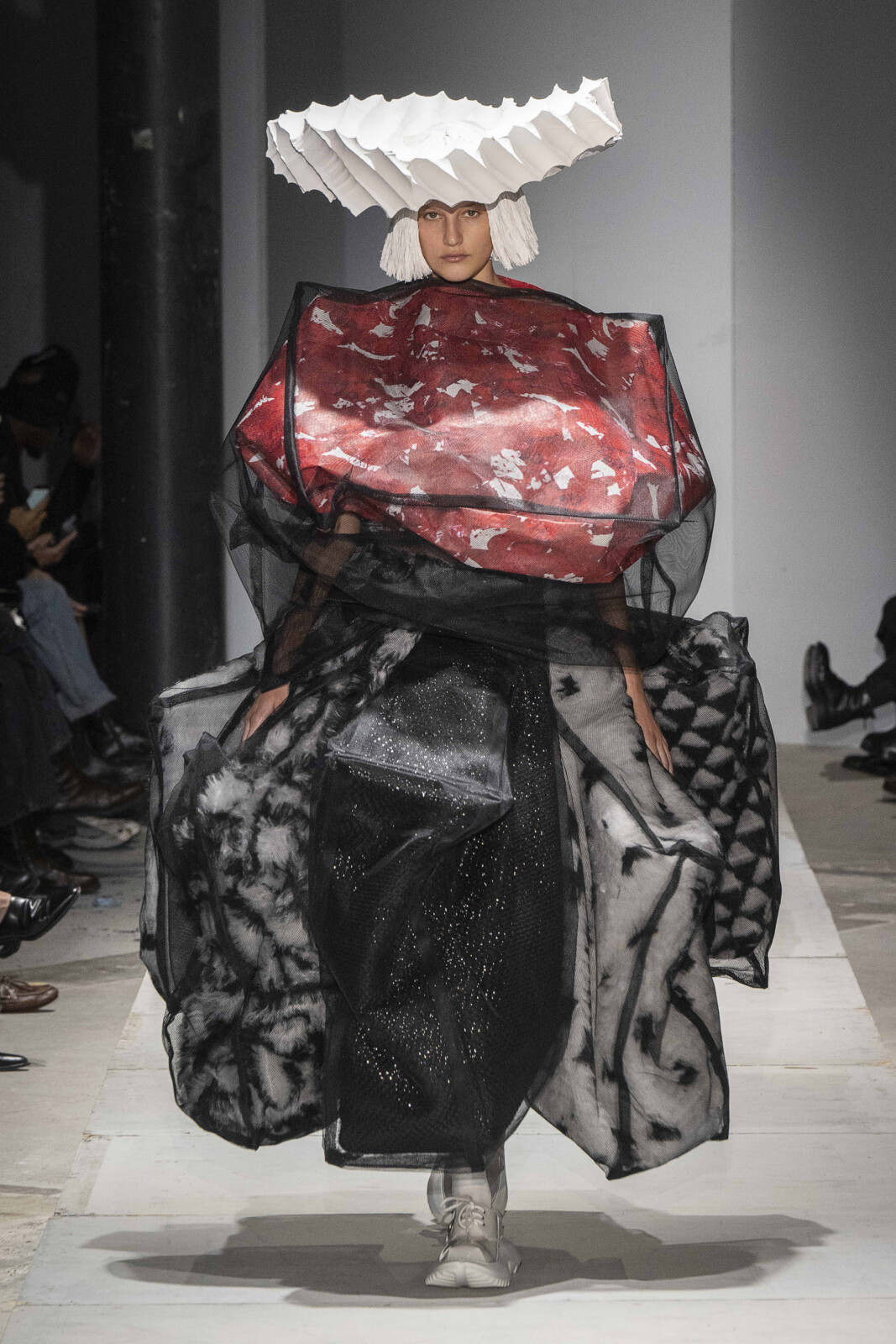
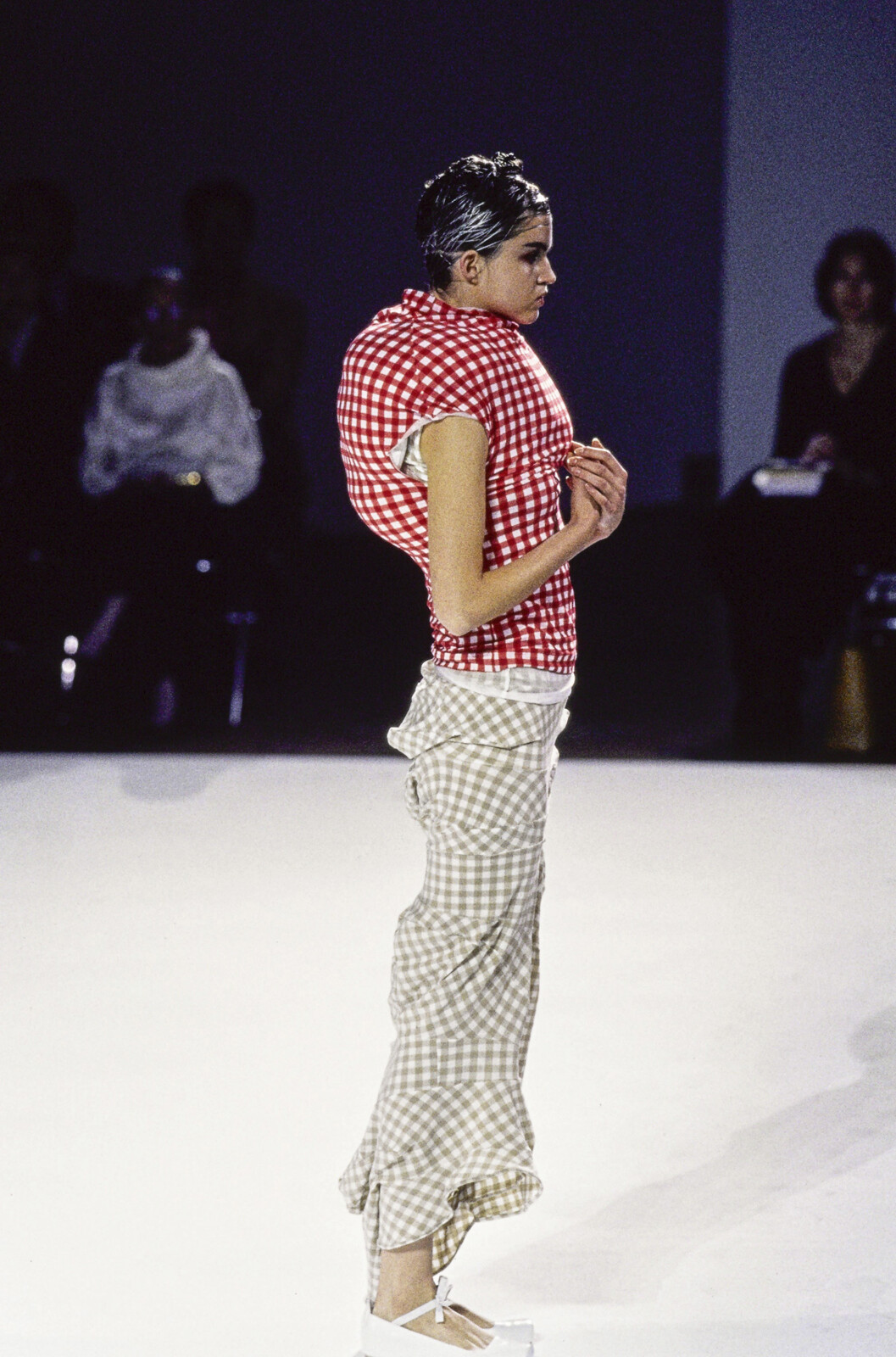
Across nearly 150 works – punk tartans, padded gingham bulges, corsets that bite back, gowns with 18th-century hauteur and those petal-sculptures Rihanna immortalised – the exhibition unfurls like a conversation between two people who never needed to speak to understand each other.
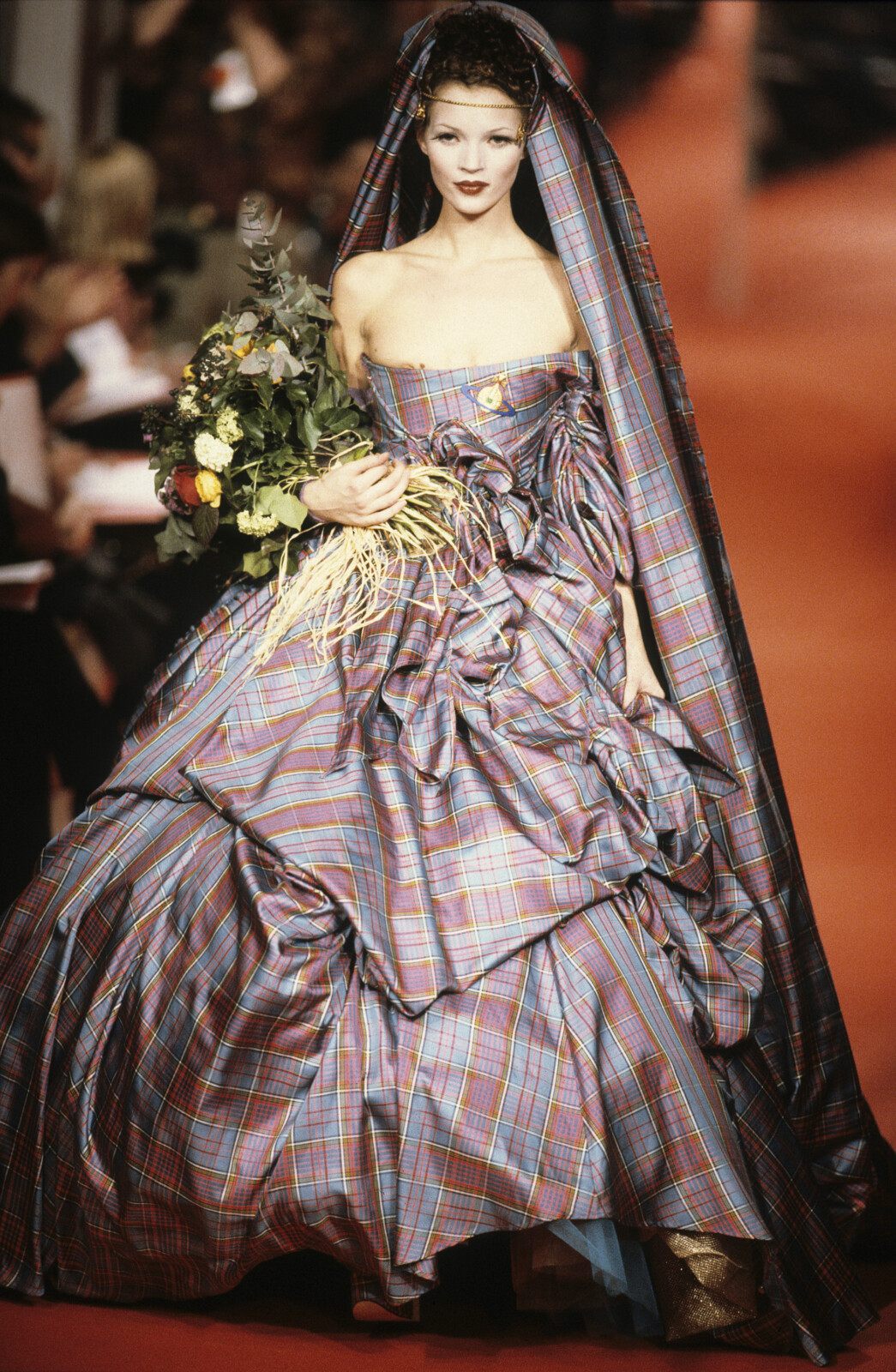
Westwood’s Sex-shop snarl meets Kawakubo’s conceptual cool; the safety pins and chains of King’s Road crash elegantly into the abstract silhouettes of Invisible Clothes (SS17). For every Westwood Anglomania tartan gown (Kate Moss, Paris, 1993), there’s a Kawakubo counterpoint in red tartan or navy pinstripe, sliced, reconstructed, made strange again.
The show, running from now until April 19, 2026, dives through five thematic lenses – Punk and Provocation, Rupture, Reinvention, The Body, and The Power of Clothes – each revealing how these designers stitched politics, poetry and pure rebellion into fabric. There are runway ghosts, too: Sarah Jessica Parker’s Sex and the City wedding dress, Lady Gaga’s and Tracee Ellis Ross’ Comme des Garçons looks, the echoes of bands, movements, lovers and archives.
Ahead of the opening, we sat down with Danielle Whitfield, curator of fashion and textiles, NGV, to unpick the ideas behind the exhibition: the punk, the poetry, the silhouettes, the questions of power – and why, even now, Westwood and Kawakubo remain the ones who show us how to dress like we mean it.
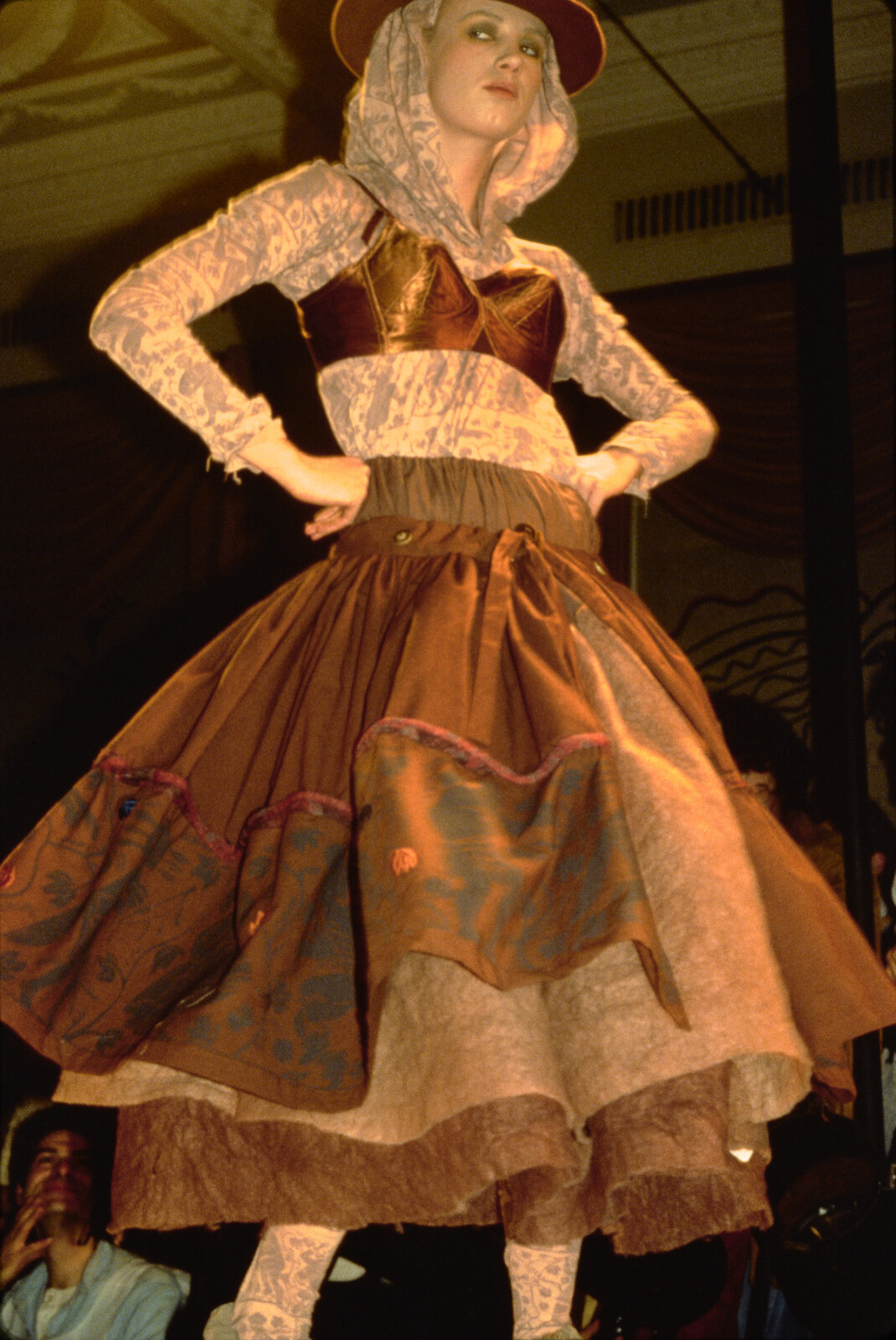
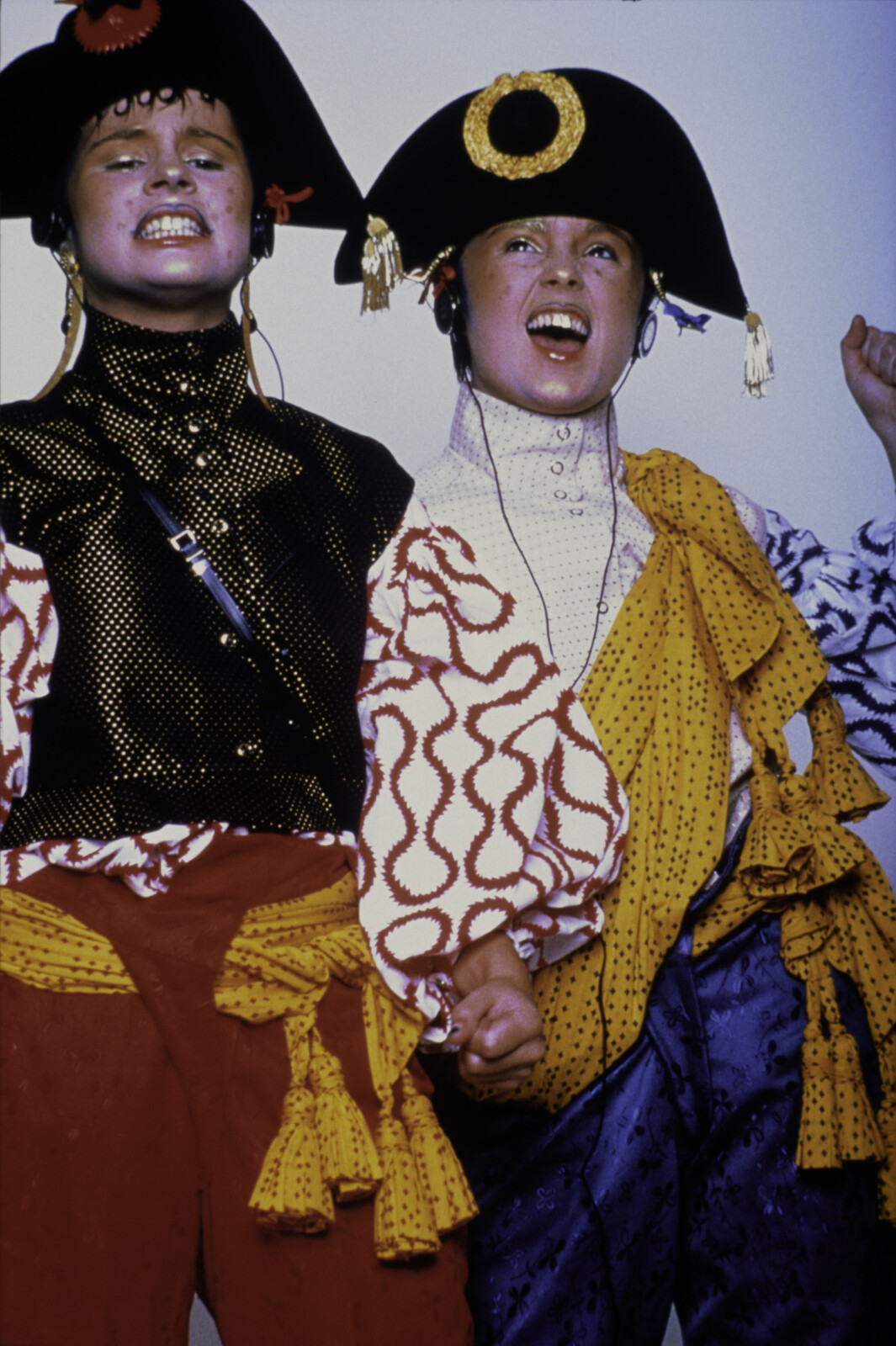
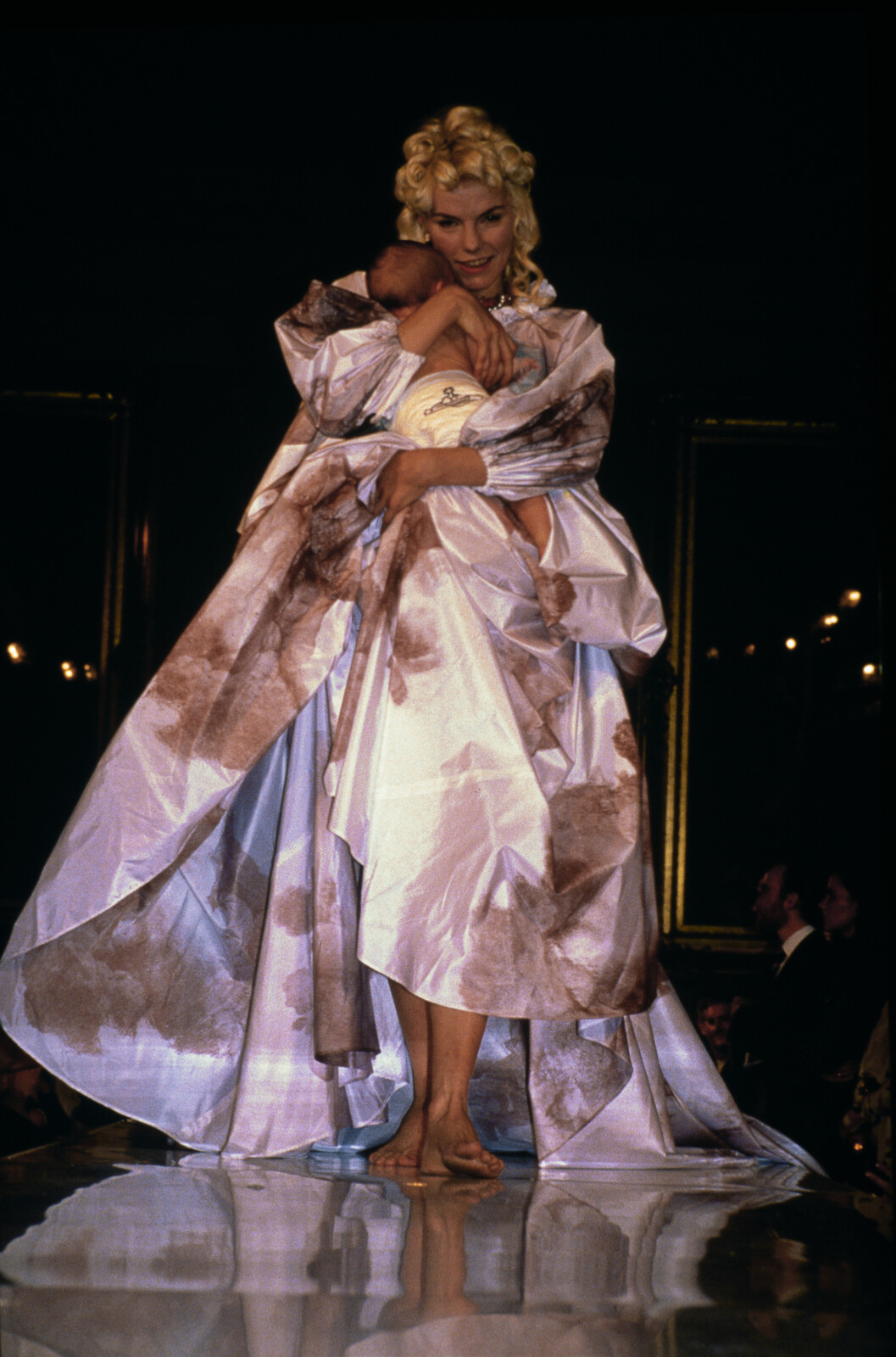
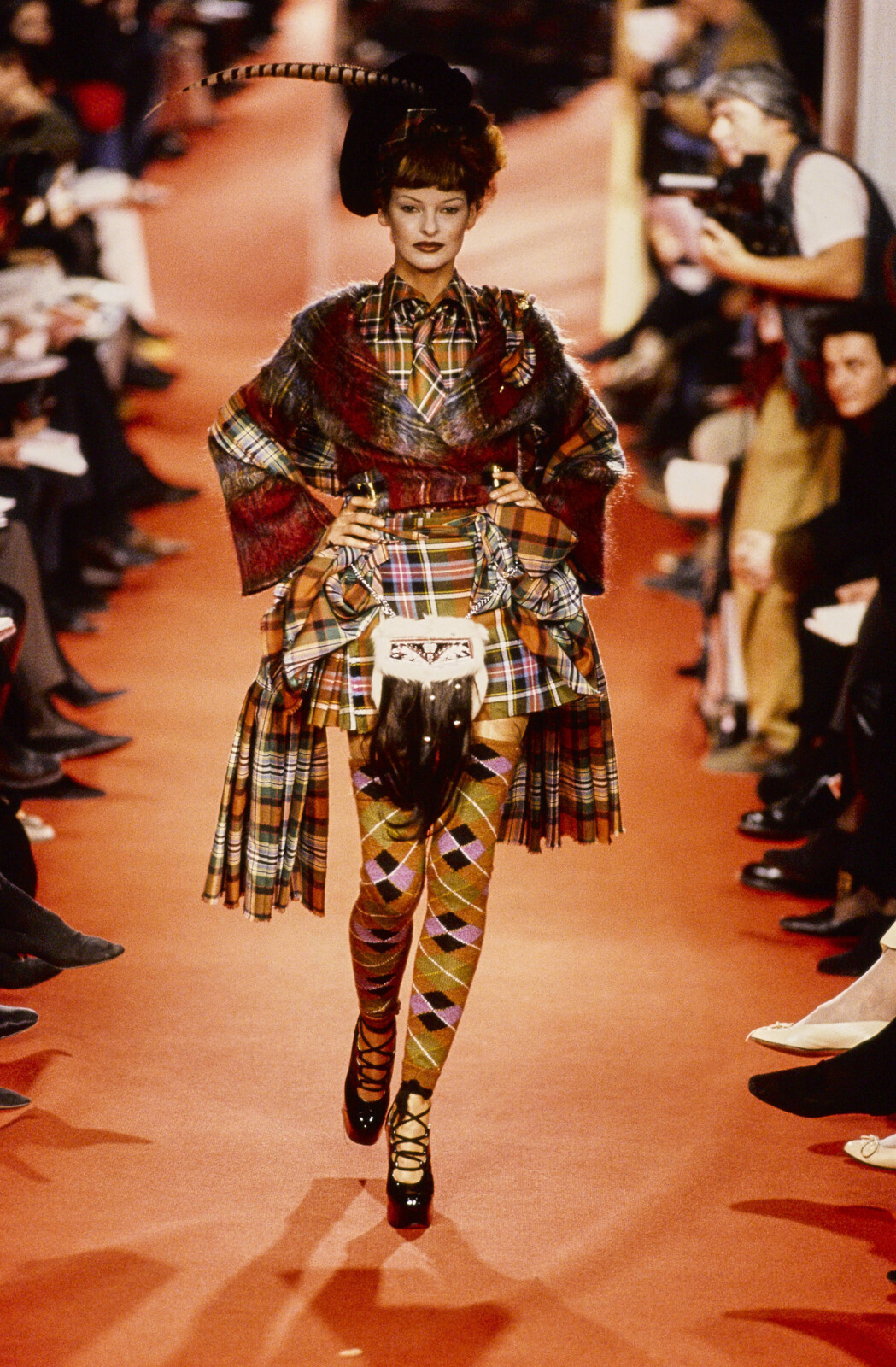
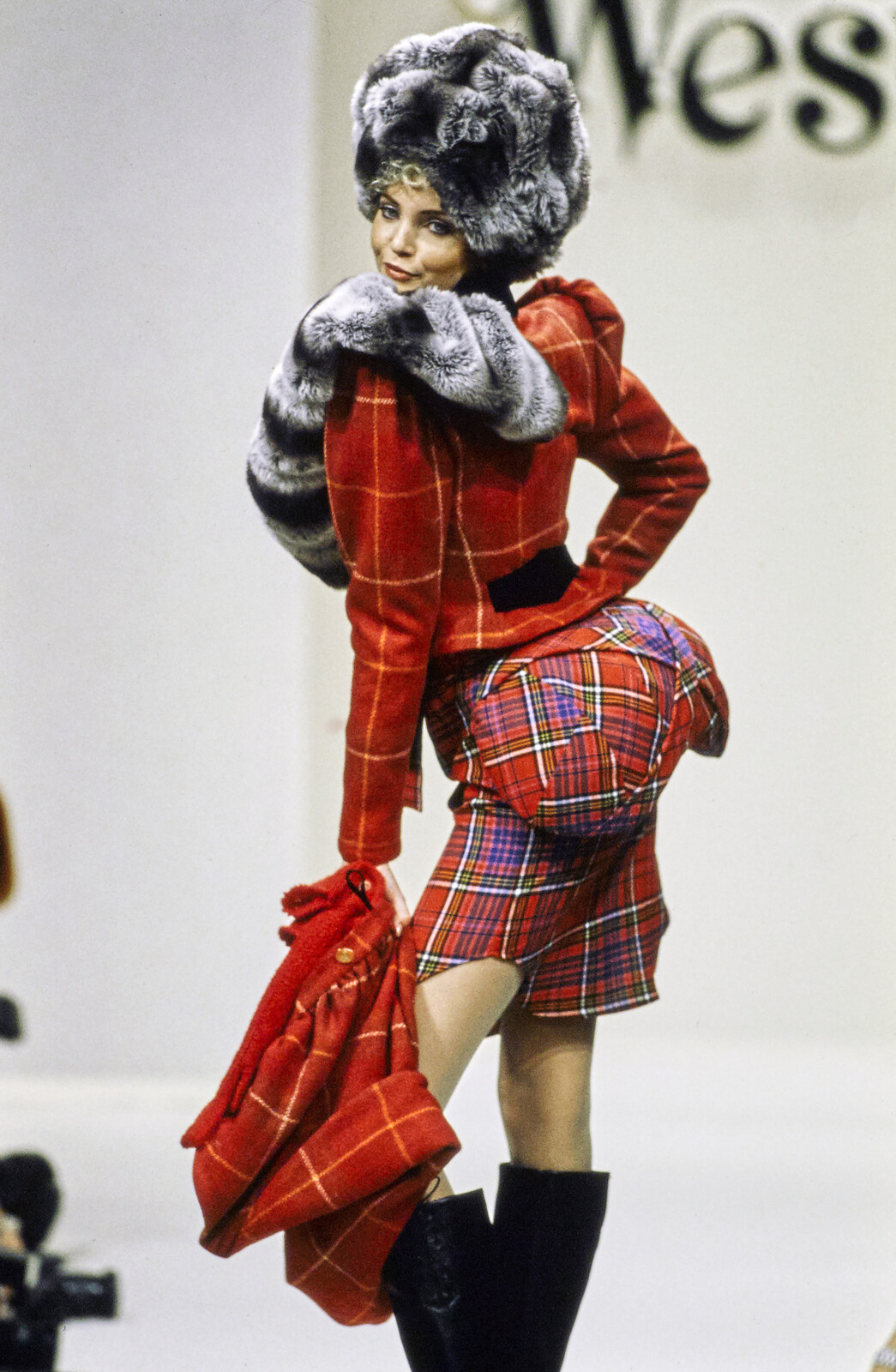
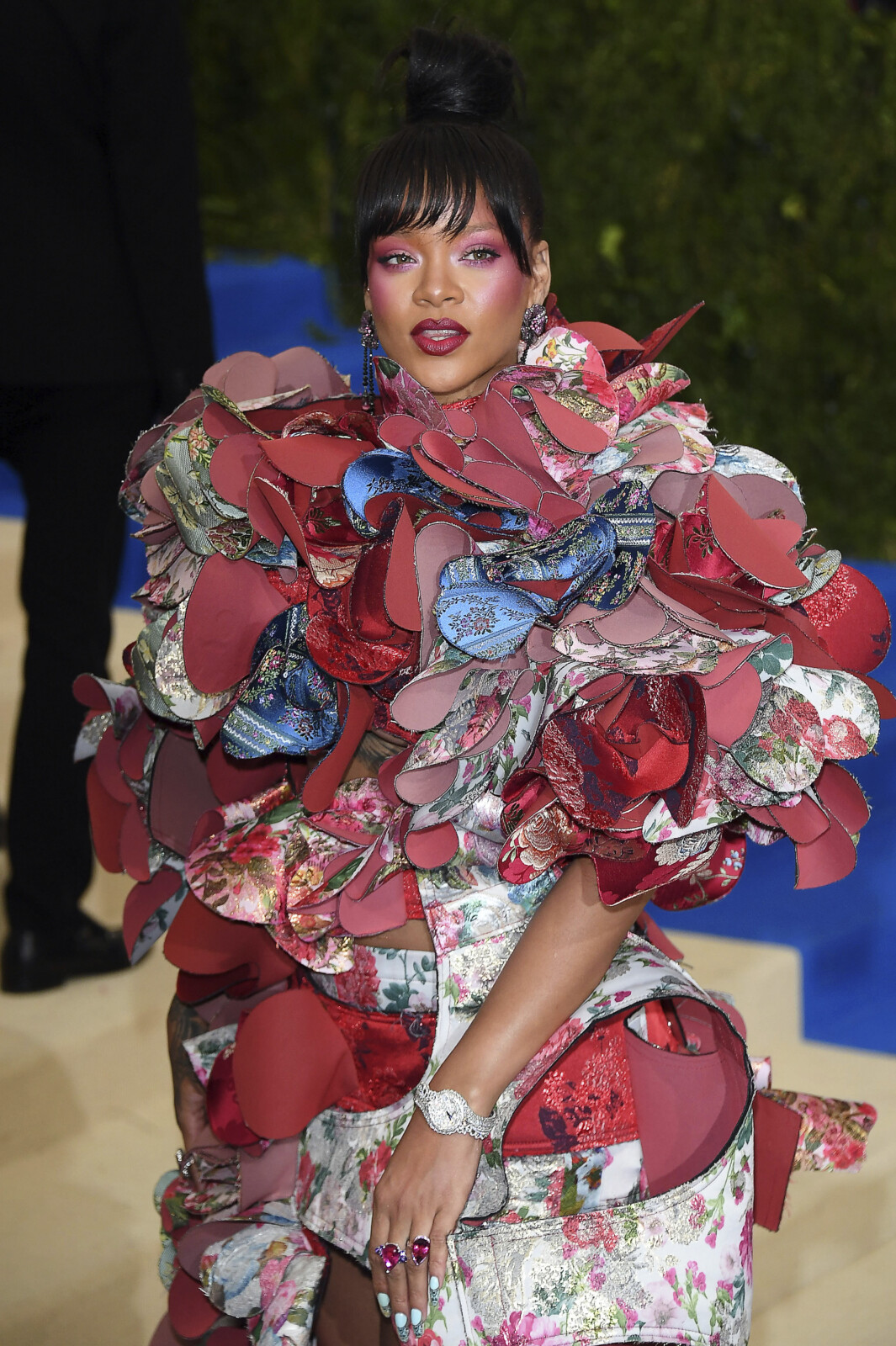
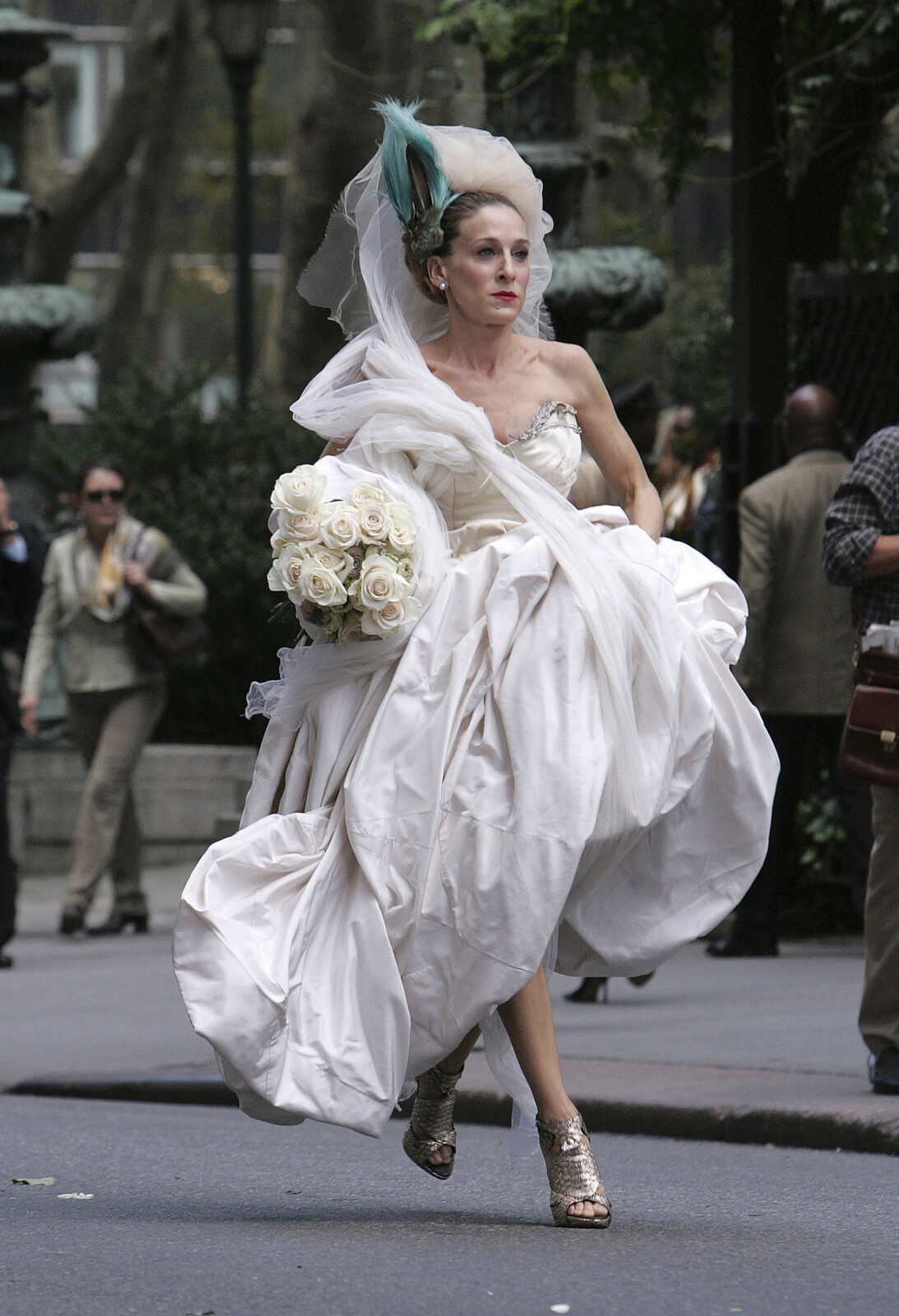
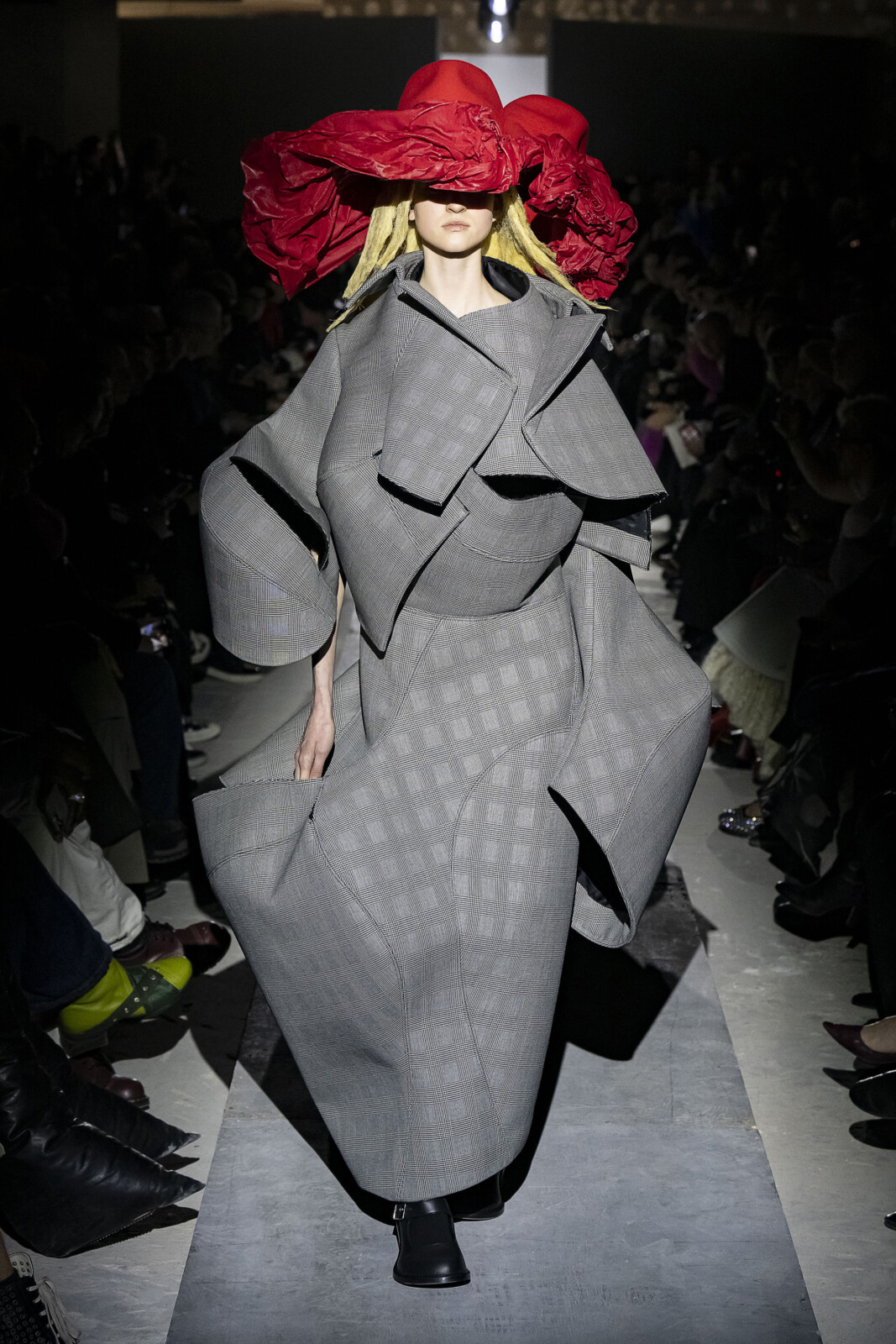
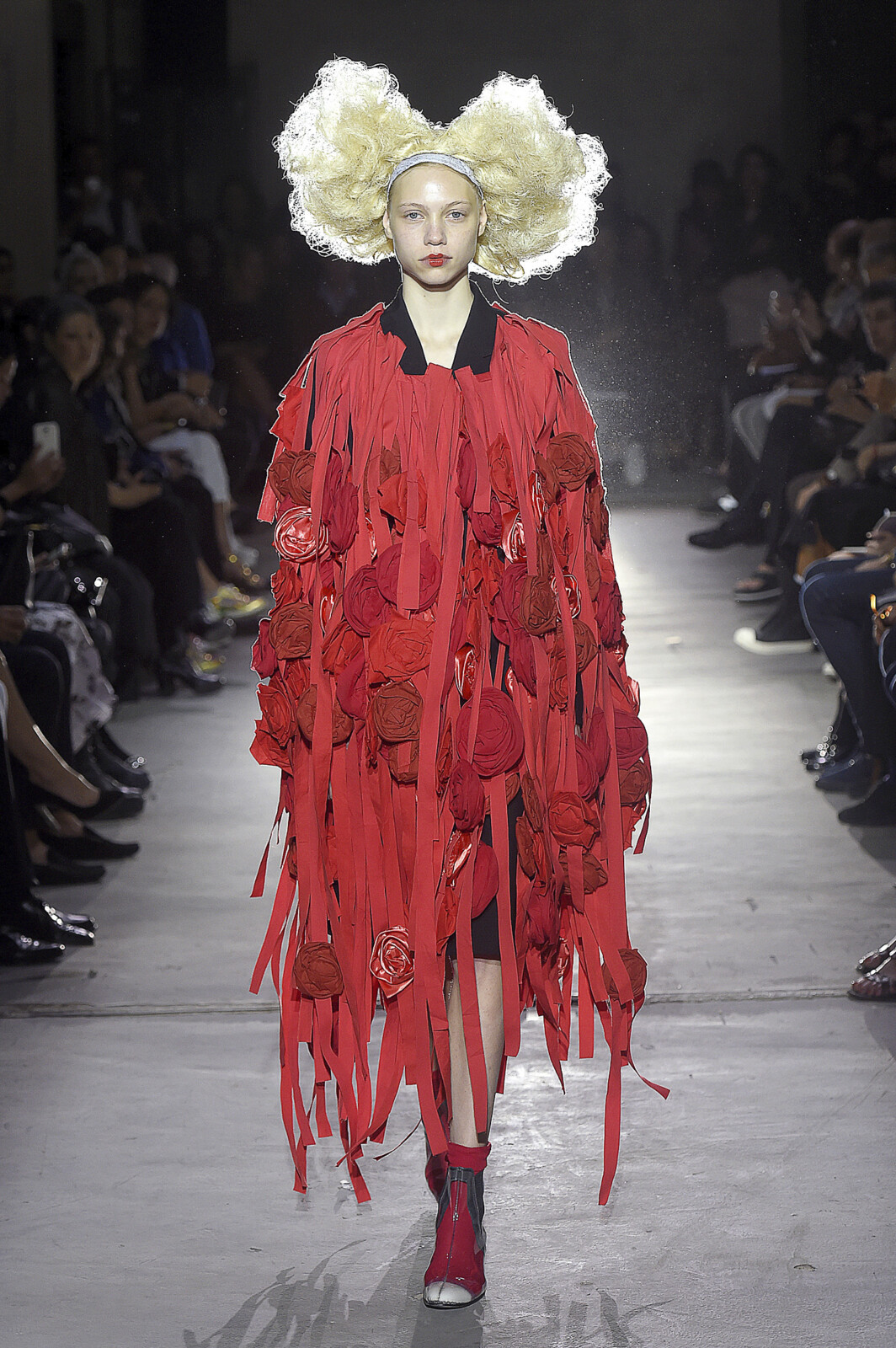
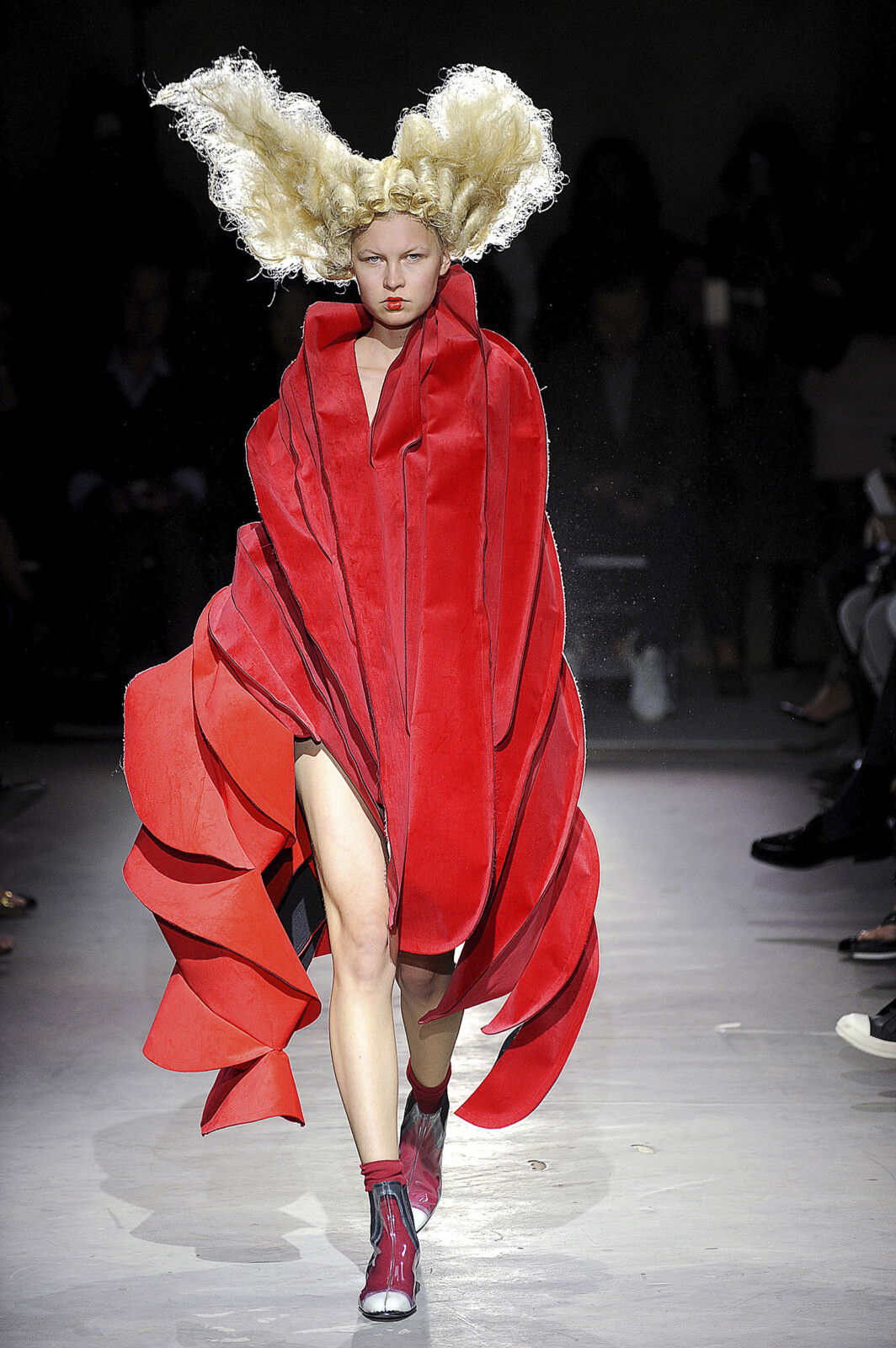
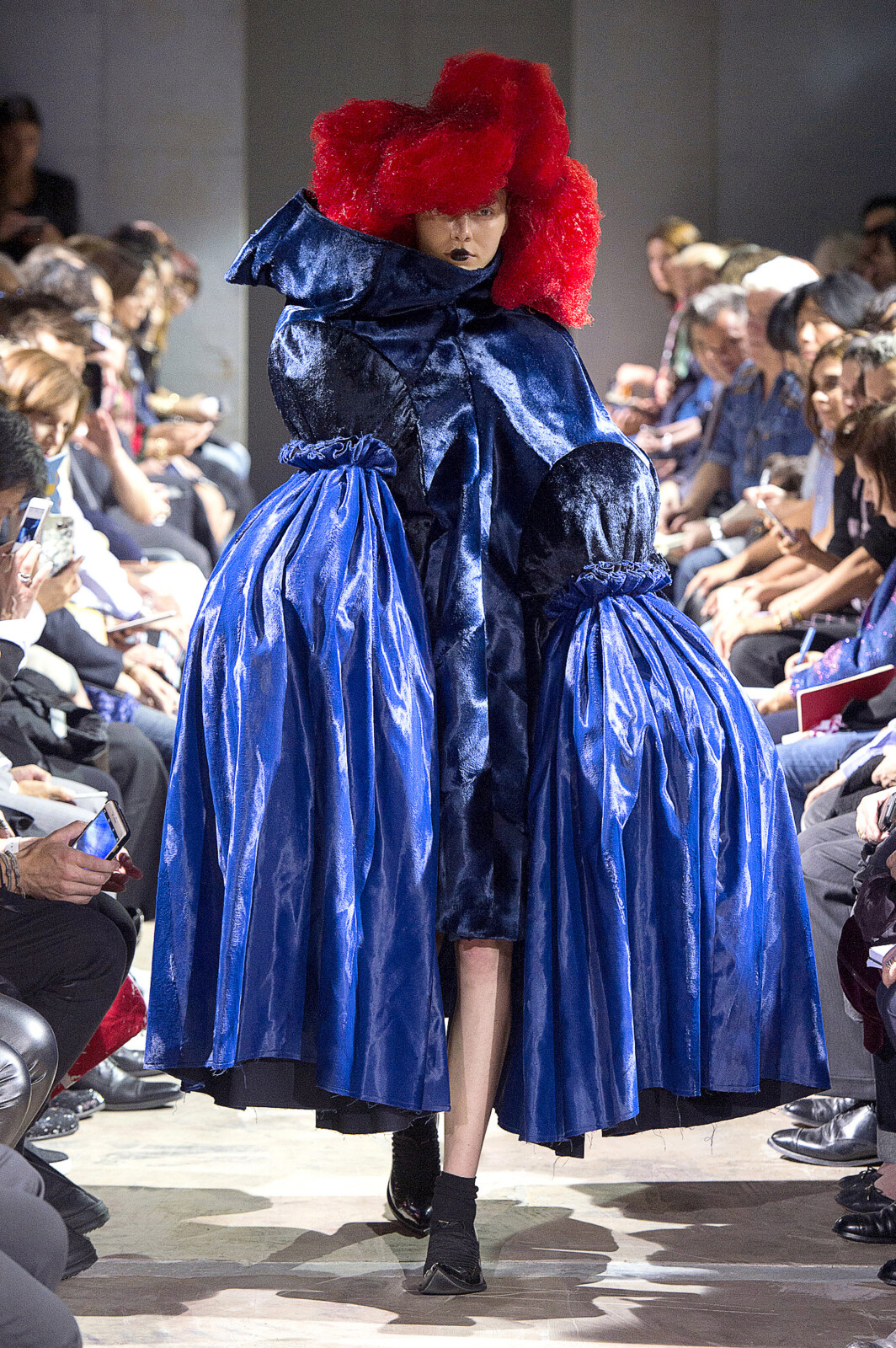
1. Kawakubo and Westwood are both rule-breaking, radical designers – in your view, what else binds them together other than this ethos? What makes them different?
It’s true, the affinity between Westwood and Kawakubo lies in their shared spirit of rebellion and desire to rewrite the ‘rules’ of dress. Generationally, they also occupy the same slice of fashion history, working from the early 1970s onwards. I think what unites them, is that their work is about creative and social freedom; they have tackled similar themes in their work such as challenging conventions of beauty, taste and gender – and both, though self-taught, are deeply committed to the craft of making – consistently experimenting with cut and form. There are great differences aesthetically in how they execute and express their vision and probably best explained by seeing the exhibition!
2. The display features over 150 designs – walk us through the process of this selection, why did you choose these pieces specifically?
The starting point for this exhibition was the NGV’s own fashion collection. We have incredibly rich holdings of the work of both designers acquired through donation and philanthropic support dating from their earliest runways to now.
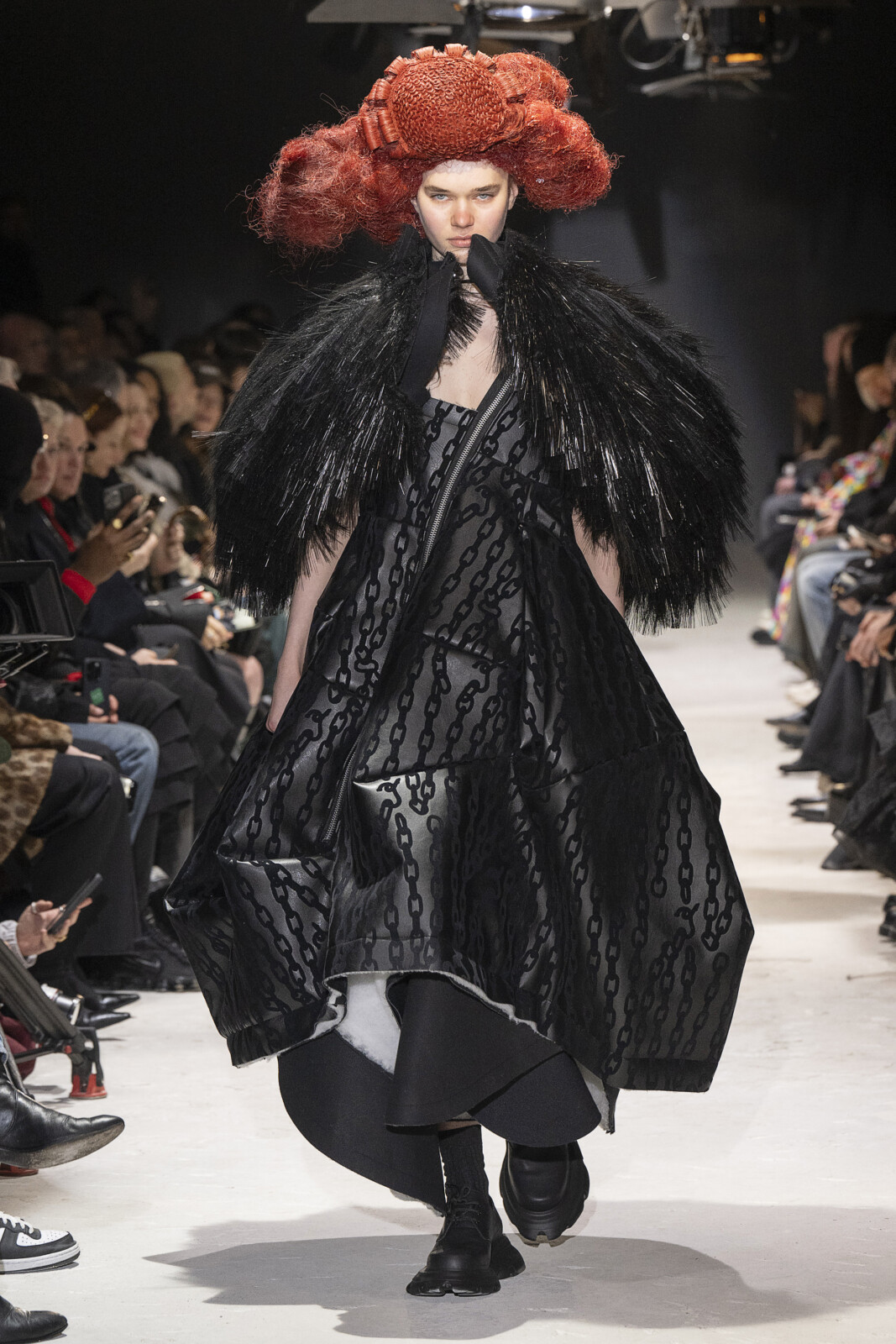
The exhibition was an opportunity to showcase these in an innovative way and look at the work of two visionary women. Once we had arrived at the thematic structure for the exhibition and story we wished to tell, it was a matter of working with other great institutions, private collectors and Westwood Heritage to secure additional key loans that we desired to fill any gaps. We also continued to build our own holdings by purchasing archival works at auction or from dealers to bring greater depth to the displays – this is really evident in the section dedicated to Westwood’s work in the 1980s where you can see multiple works iconic collections. Lastly, our conversations with Comme des Garcons resulted in a fantastic gift to the NGV Collection of 45 works, which enabled us to represent Kawakubo’s avant-garde runway work over the last decade, something our collection and exhibition had been missing. And proving that an exhibition checklist is never final until the doors open to the public, we purchased three outstanding pieces from Kawakubo’s autumn-winter 2025 collection for our tailoring section because the synergies were too good!
3. The exhibition is curated thematically, why did you feel this was the best way to frame this tale of these two designers?
We wanted the exhibition to place the designers in dialogue with one another and for it to be a conversation between them. We wanted to use this exhibition as an opportunity to chart those ideological or inspirational or thematic convergences in their practices while showing how their aesthetic and design approaches differed.
4. In the process of the curation, were there any specific pieces or shows that stood out to you, and if so why?
There are so many pieces that I was astonished to see up close for the first time. Seeing Westwood’s Wedding dress from her 1993 Anglomania collection worn by Kate Moss on the runway was a joy! It’s scale, complexity of construction and clever mix of references and wit are so impressive and powerful still. Another incredible moment that came to life in the exhibition was the decision to present seven works from Kawakubo’s 2015 Blood and Roses collection all together in one room. Standing in front of the display it feels like beauty and violence colliding in the visceral mix of textures, materiality, technique, form and scale in Kawakubo’s signature shade of vermillion.
5. What do you feel the impact of these two designers is on the contemporary landscape of fashion?
There are so many ways that Westwood and Kawakubo have left an imprint on fashion today. Through their pioneering concepts and innovative design methods, they have changed the way that we think about fashion. They have shown us the power of fashion to protest orthodoxy, whether in Kawakubo’s case by setting out to ‘make things that did not exist before’, or in Westwood’s by reinterpreting the past, setting precedents that have recalibrated how we think about things like beauty, the body, agency and identity.
6. If there’s one thing you hope visitors will come away with after seeing the exhibition, what do you want it to be?
I hope that visitors will come away inspired by the creativity, originality, bravery and artistic vision of these two designers.
Photography courtesy of NGV.